Pilates guide

Pilates for your core: the powerhouse, your abs and what the evidence shows

Pilates calls your core the powerhouse, often described as the muscles from your pelvic floor to your ribcage, front, sides and back. In trials, Pilates builds abdominal endurance, and its moves do switch on the deep tummy muscles, but it hasn't been shown to build more strength than other exercise, and it can't burn fat from your tummy alone.

This guide explains the powerhouse and the deep core muscles, whether pulling your belly button in matters, how Pilates moves compare with crunches, and what Pilates does for your pelvic floor and a tummy gap after pregnancy, with a ladder of Pilates core moves from easiest to hardest, each with a 3D demo.

The short version

The powerhouse is your whole trunk

Joseph Pilates never set down exactly what the powerhouse is, and teachers differ. The broad view, also used by a review of how Pilates is defined, runs from the pelvic floor to the ribcage: the abdominals, the low back muscles, the muscles at the front and back of the hips, and the pelvic floor.

Sources 1, 2

It builds endurance more than strength

Across 9 trials in healthy people, Pilates added about 10 curl-ups a minute compared with no exercise. Compared with other exercise, it hasn't built more strength.

Sources 3, 4

The deep muscles do switch on

Ultrasound shows the deepest tummy muscle working during classic Pilates moves, and 8 weeks of training made it work harder during the Hundred, though not when people sat or stood.

Sources 5, 6

Scooping is a cue, not a rule

Pulling your belly button in didn't make the spine more stable in lab studies; bracing the whole trunk did. Training the deep muscles first helped back pain no more than other exercise.

Sources 7, 8, 9

Some Pilates moves beat crunches in the lab

The double-leg stretch and criss-cross made the upper abs work harder than a crunch, and the criss-cross worked the abs hardest of three moves tested in beginners. Muscle activity in one session isn't the same as results over weeks.

Sources 10, 11

Not a fix for leaks, a tummy gap or belly fat

Specific pelvic floor exercises beat Pilates for women with stress leaks in the newest trial, exercise narrows a tummy gap after pregnancy only slightly, and ab work didn't reduce belly fat in a 6-week trial.

Sources 12, 13, 14

The core and the powerhouse

What "core" means

There is no agreed definition. One review describes core stability as "the ability to control the position and motion of the trunk over the pelvis" to produce, transfer and control force; another says core strengthening "has had meager research".

Sources 15, 16

The powerhouse

A 2004 review notes that Joseph Pilates "never set down in writing what the exact parameters of the powerhouse were", and that master teachers don't agree. Definitions range from a single point at your middle, to "a 6-inch band" (about 15 cm) below the navel, to the broad view from the pelvic floor to the ribcage. A systematic review of how Pilates is defined describes centering as tightening the muscles between the pelvic floor and the ribcage.

Sources 1, 2

Five muscle groups

In the broad view, the powerhouse has five groups of muscles:

  • The front abdominals: rectus abdominis (the six-pack), the external and internal obliques, and transversus abdominis.
  • The low back muscles: erector spinae, multifidus and quadratus lumborum.
  • The hip extensors: gluteus maximus and the hamstrings.
  • The hip flexors: iliopsoas, rectus femoris and others.
  • The pelvic floor. Some teachers add the diaphragm, your main breathing muscle.

Source 1

The deep muscles, and where drawing in came from

A 1996 finding

In 15 healthy people, transversus abdominis, the deepest tummy muscle, was always the first to switch on before a fast arm movement, and in 15 people with low back pain it switched on later. That finding launched exercises to train the deep muscle on its own. Later work found it usually acts as part of a whole-trunk pattern, which challenges training it in isolation.

Sources 17, 18

Three cues people confuse

You'll hear all three in classes:

  • Drawing in (hollowing, scooping or navel to spine): pulling the lower belly in without moving the spine. Classical Pilates pairs it with a slight tuck of the pelvis and a buttock squeeze.
  • Imprint: a slight tilt that eases the lower back toward the mat, used when both legs are lifted.
  • Bracing: stiffening the whole abdominal wall without pulling in, as you would before lifting something heavy.

Sources 2, 19, 7

Breathing and the deep muscles

A contemporary school teaches that breathing out deeply helps engage transversus abdominis. In 28 healthy women, two weeks of Pilates breathing training raised activity in the deep abdominal and back muscles during curl-ups and lifting, but the study had no comparison group.

Sources 19, 20

What the evidence says

Abdominal endurance improvesEmerging evidence

Across 9 trials in healthy people, 2 to 3 sessions a week for 5 to 12 weeks improved abdominal endurance compared with no exercise, by about 10 more curl-ups in a minute, in both men and women. A 12-week trial in active middle-aged adults found the same.

Sources 3, 21

Not more strength than other exerciseEmerging evidence

In 11 studies comparing Pilates with other exercise, there was no difference in strength or muscular endurance, at very low to low certainty. In older women, 18 weeks of Pilates improved holding strength in the trunk and hips more than no training, but resistance training built more trunk and hip strength on a machine test. For maximum strength or muscle size, progressive loading does more.

Sources 4, 22

In back pain, core muscles grew about as much as with other exerciseMixed evidence

Across 8 trials (437 people) with chronic low back pain, Pilates thickened the core muscles on ultrasound about as much as other exercise of the same dose, and more than no exercise, but the certainty was very low.

Source 23

Pilates moves switch on the deep musclesEmerging evidence

In 26 experienced practitioners, ultrasound showed transversus abdominis and the internal oblique working during the imprint, the Hundred, leg circles and the roll-up; an imprint without drawing in did no more than rest. In a pilot trial of 34 gym members, 8 weeks of unsupervised mat Pilates made transversus work harder during the Hundred, but not at rest, sitting or standing.

Sources 5, 6

Practice and breathingMixed evidence

Experienced practitioners held a drawing-in contraction closer to their target than novices (62% against 32% of their maximum), and beginners' deep muscles were working from the first session. These are small studies that can't show cause and effect.

Sources 24, 20, 11

Does scooping matter?

Hollowing doesn't make the spine more stableEmerging evidence

In a modelling study of 8 healthy men, bracing the whole abdominal wall raised spine stability by about a third, with more spinal compression, while transversus abdominis contributed a tiny fraction; the authors found "no mechanical rationale" for hollowing. In 11 healthy men, hollowing didn't reduce trunk movement after a sudden load, while bracing did.

Sources 7, 8

Training the deep muscles first is no better for back painStrong evidence

Motor control exercise, which trains the deep trunk muscles first and builds to whole-body tasks, helped chronic low back pain more than minimal treatment, but a Cochrane review of 29 trials (2,431 people) found it no more effective than other exercise. A 2021 review of 18 trials found it slightly better straight after treatment, at low certainty, and equal in the long term.

Sources 9, 25

Deep muscle changes don't explain recoveryEmerging evidence

A review of 15 studies found strong evidence that changes in the thickness or timing of transversus abdominis were unrelated to changes in back pain or disability. In 32 people, neither abdominal muscle function nor its improvement predicted who did well after 9 weeks of stabilising exercise.

Sources 26, 27

Our answer

Drawing in is a reasonable cue for learning to feel your deep abdominals, and Pilates does train it. You don't need to hold it all day or before every lift: for heavy lifting, bracing the whole trunk is better supported. After a first episode of back pain, one small trial found fewer recurrences after specific deep-muscle training, so it can help; it isn't the only route.

Sources 7, 28

Pilates moves vs crunches

Muscle activity in the labMixed evidence

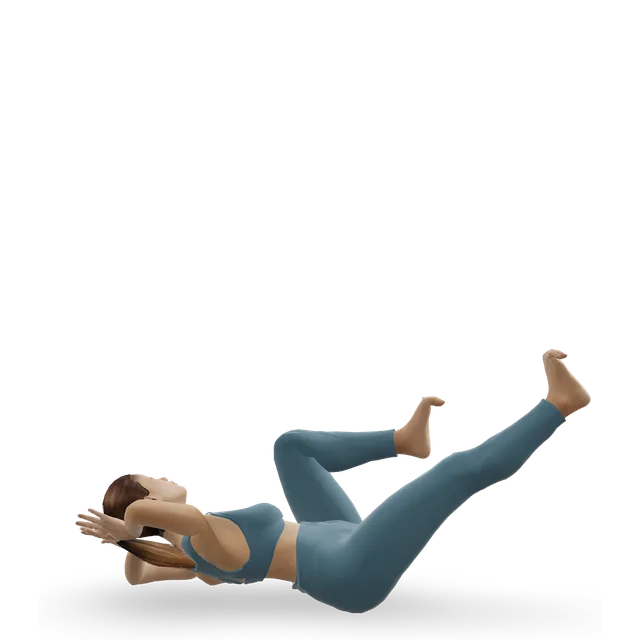
In 17 untrained women, the double-leg stretch, the criss-cross and two other Pilates exercises made the upper rectus abdominis work harder than a sit-up or crunch, as measured by EMG (electromyography: sensors that record muscle activity). In 40 young adults, a roll-up holding a ball matched a standard curl-up. Of three moves in beginners, the criss-cross produced the most abdominal and oblique activity. In 28 young men, a Hundred with straight legs worked the core harder than with bent knees.

Sources 10, 29, 11, 30

What EMG can't tell you

EMG shows how hard a muscle works in one move, not what training does over weeks, and these studies are small and mostly in women or experienced practitioners. Both Pilates and curl-up training improve abdominal endurance, so choose moves you can do well and progress.

Sources 3, 14

Level 1: learn the basics

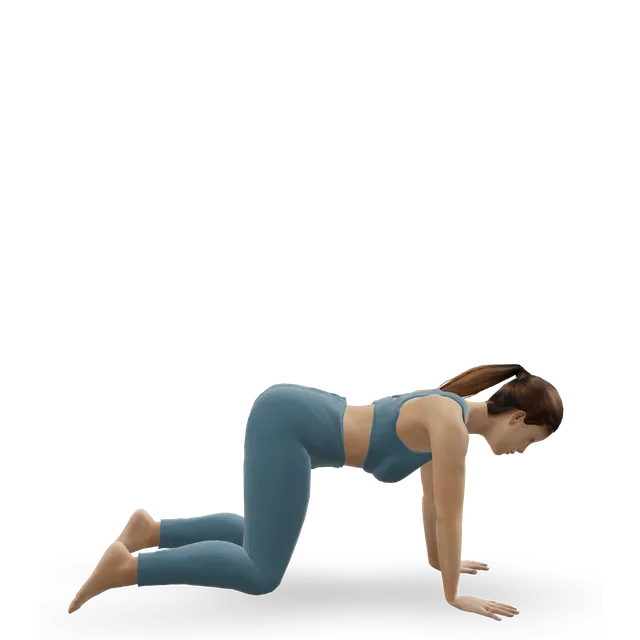
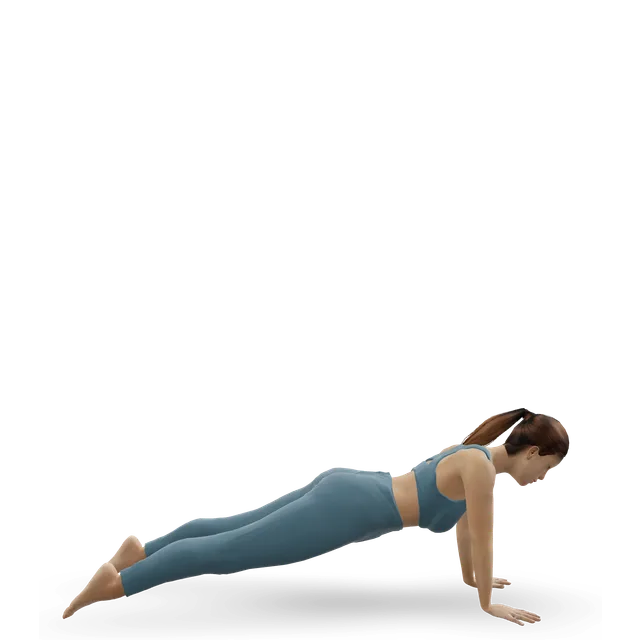
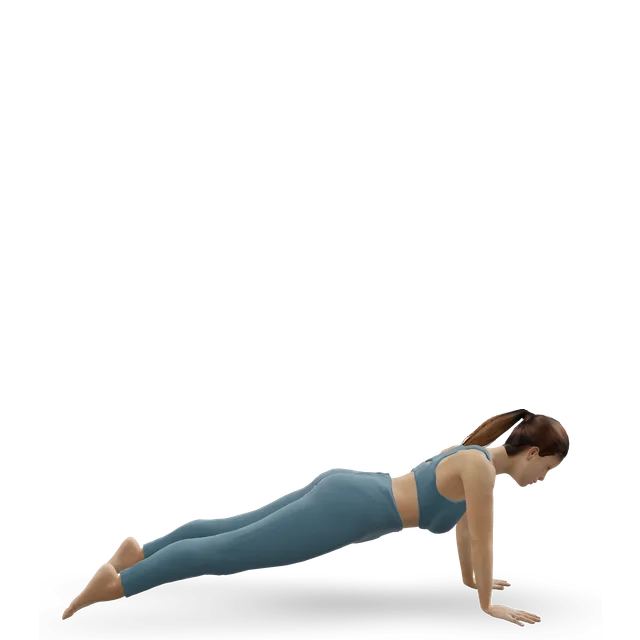
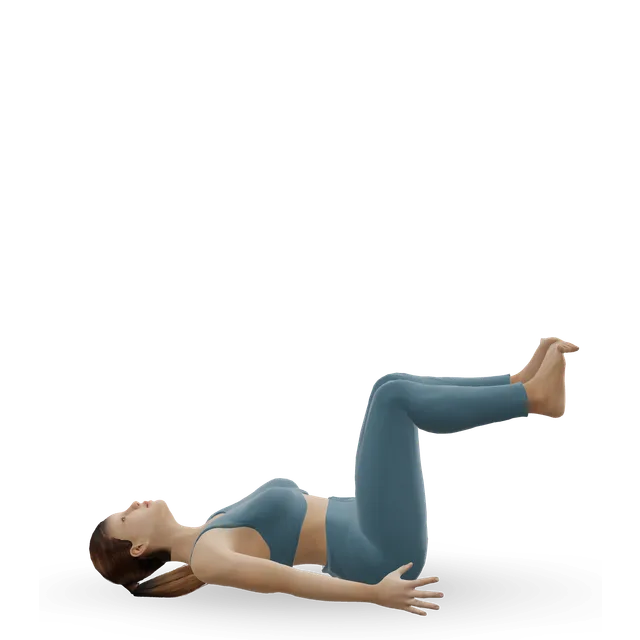
Neutral spine and short levers. Our starting doses: 5 to 8 breaths; 5 to 10 knee folds and 6 toe taps each side; 6 slow pelvic curls; 6 bird dogs each side; 8 chest lifts; planks and hovers of 15 to 30 seconds (from our beginner workouts and each move's page).

Level 2: the classic Pilates ab work

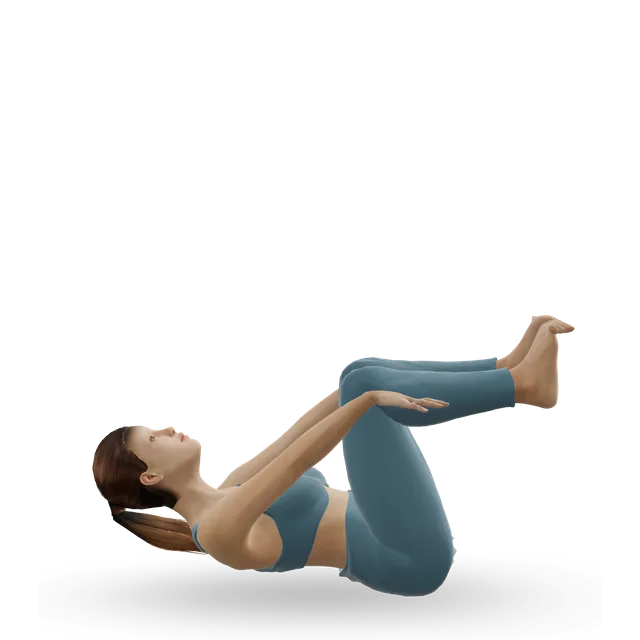
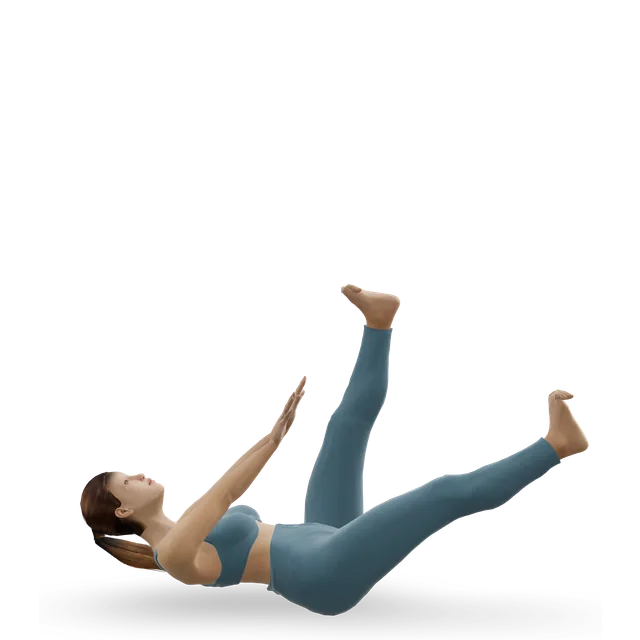
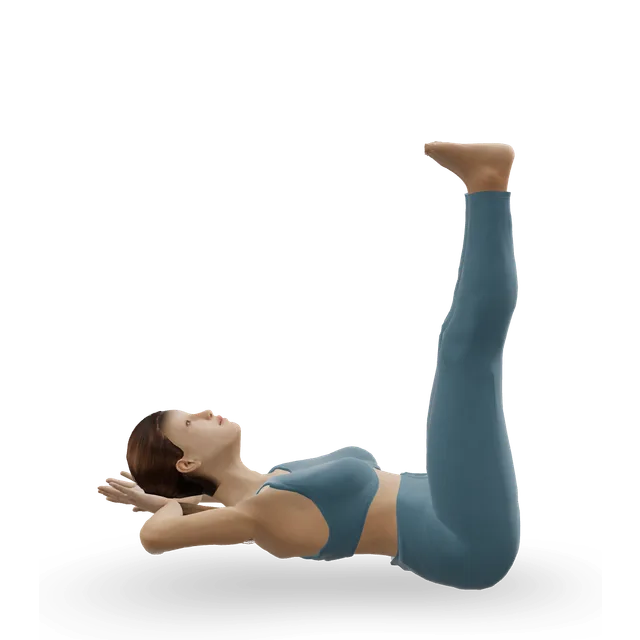
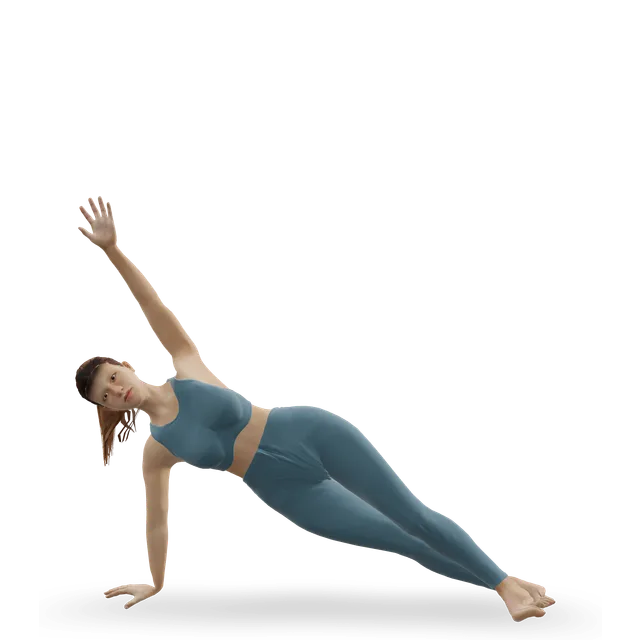
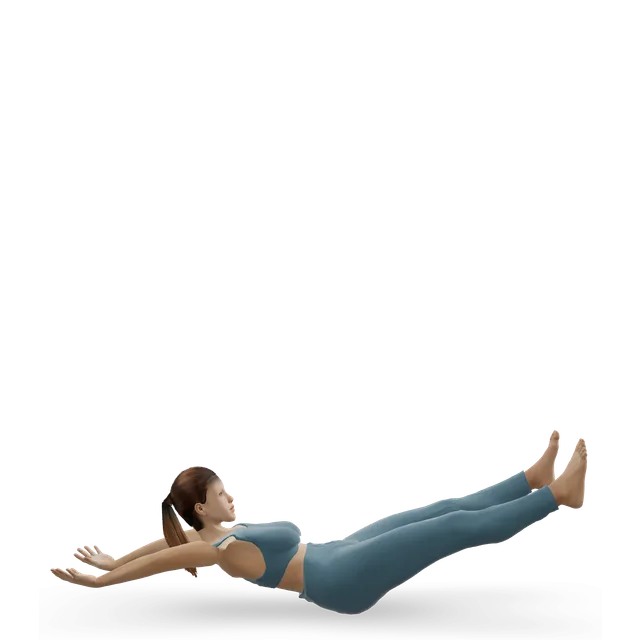
Our starting doses: the Hundred at 50 beats building to 100; 6 to 10 of each leg stretch; 6 slow criss-crosses each side; 2 to 3 rounds of 20 to 30 seconds of swimming; planks of 20 to 40 seconds and side planks of 20 seconds (from each move's page and our ab workouts).

Level 3: long levers and moving supports

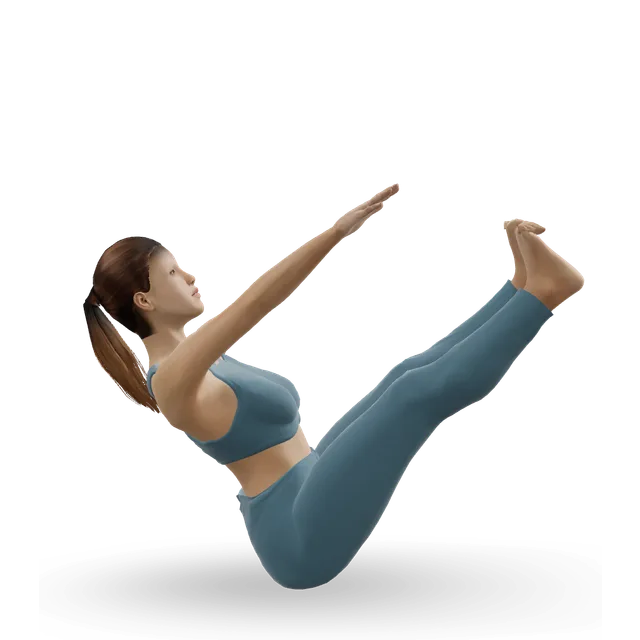
3 to 5 roll-ups, 6 to 10 of each straight-leg stretch, 3 to 5 leg pulls and side bends each side, and 3 teasers, the classical count. Beyond these, the advanced classical moves are on our classical mat exercises page, with their cautions.

Core workouts to follow

The 10-minute Pilates abs is the classic abdominal block. The beginner core workout keeps a neutral spine throughout, which suits osteoporosis or a back that dislikes bending.

Pilates and your pelvic floor

Not a substitute for pelvic floor exercisesMixed evidence

In 62 women with few or no symptoms, 24 sessions of Pilates or pelvic floor muscle training built pelvic floor strength equally. In 40 postmenopausal women with stress leaks, both helped leaking over 12 weeks, but only pelvic floor training improved strength on examination, and the authors found Pilates matched it only when deliberate pelvic floor squeezes were included. In the newest trial, in women with stress leaks, pelvic floor training beat Pilates with or without squeezes. A 2025 review found Pilates and yoga safe, but not consistently better than general strengthening.

Sources 31, 32, 12, 33

What to do

If you leak, do the specific squeezes, ideally with a course supervised by a pelvic health physiotherapist; Pilates can sit alongside them. If you have pelvic pain or trouble emptying your bladder, get checked before adding squeezes. Our pelvic floor guide shows how.

Sources 12, 32

A tummy gap after pregnancy

Exercise narrows it only slightlyEmerging evidence

In reviews of trials in women after birth, exercise narrowed the gap between the tummy muscles (diastasis recti) by only about 4 to 5 mm, too little to matter clinically, and a 2026 update found no clear difference for exercise aimed at the deepest tummy muscle. In 70 women, curl-ups built strength and didn't widen the gap. Pilates can help you rebuild strength after birth but isn't proven to close a gap; our Pilates in pregnancy guide has the detail.

Sources 13, 34, 35, 36

Core work with osteoporosis or a sore neck

Osteoporosis

Choose still-spine core moves such as the dead bug, bird dog and plank, and keep your head down. A UK consensus suggests alternatives to Pilates roll-downs and curl-ups as a precaution, while people who already do them comfortably and smoothly can continue.

Source 37

Neck strain

If your neck works harder than your abs, lower your head, rest it in your hands, and nod gently without jamming your chin down. Neck pain that persists, or spreads into an arm, is a reason to see our neck pain guide or a professional.

Source 19

Warning signs

Back pain: call 999 (911 in the US) or go to A&E

If back pain comes with pain, tingling, weakness or numbness in both legs; loss of feeling around your genitals or anus; changes in your bladder or bowels; or chest pain; or if it started after a serious accident.

Source 38

Call NHS 111 or get an urgent GP appointment

For a bulge in your groin or tummy that is painful, or comes with a swollen tummy, being sick or constipation, as our guide to exercise for men explains. In the US, contact your doctor or urgent care.

See a GP or pelvic health physiotherapist

For leaking, a dragging or bulging feeling in the vagina, pelvic pain or pain during sex. After a birth, follow our postpartum guide on when to see a GP about a tummy gap.

Stop the move

Stop for sharp or increasing pain, dizziness, numbness or tingling, and get advice if it keeps happening.

Myths

"Pilates gives you a flat stomach"

No exercise reliably burns fat from one spot: 6 weeks of daily ab exercise didn't change belly fat, and in one small trial in men, adding ab work to running took only a little extra fat off the trunk, with the same total fat loss. Pilates leads to modest whole-body weight loss, and how flat your stomach looks depends mostly on body fat. Our Pilates for weight loss guide covers the wider evidence.

Sources 14, 39, 40

"Pull your belly button to your spine all the time"Mixed evidence

Hollowing didn't make the spine more stable in lab studies; bracing did. Training the deep muscles helped back pain no more than other exercise, though one small trial found fewer recurrences after a first episode. Use drawing in as a learning cue, not a rule for every movement.

Sources 7, 8, 9, 28

"A strong deep core cures back pain"Strong evidence

Training the deep core muscles works about as well as other exercise for chronic low back pain, not better, and changes in those muscles don't explain who improves. Pilates helps back pain more than doing little, but not clearly more than other exercise; our Pilates for back pain guide has the detail.

Sources 9, 26, 41

"Pilates is better than crunches" (or the reverse)Mixed evidence

In lab tests, some Pilates moves made the upper abs work harder than crunches and another matched a curl-up. Both build abdominal endurance, so choose what you enjoy and can progress.

Sources 10, 29, 3

"Pilates closes a tummy gap"Mixed evidence

Exercise narrows a gap after pregnancy only slightly, and one newer review found no clear difference. Pilates isn't proven to close it.

Sources 13, 34, 35

"Pilates trains your pelvic floor, so you don't need pelvic floor exercises"Mixed evidence

In women with stress leaks, specific pelvic floor training beat Pilates in the newest trial, and in another Pilates matched it only when deliberate squeezes were added. Do the squeezes as well.

Sources 12, 32

Questions people ask

What is the powerhouse in Pilates?

The muscles of your centre, often described as running from the pelvic floor to the bottom of the ribcage: the abdominals, the low back muscles, the hip muscles and the pelvic floor. Joseph Pilates never wrote down its exact limits, so teachers describe it a little differently.

Does Pilates strengthen your core?

It builds abdominal endurance: across 9 trials in healthy people, about 10 more curl-ups a minute than no exercise after 5 to 12 weeks. For strength, it has done about as well as other exercise, not better.

Is Pilates better than crunches for abs?

In lab tests, the double-leg stretch and criss-cross made the upper abs work harder than crunches, and a roll-up with a ball matched a curl-up. Muscle activity in one session isn't the same as results over weeks, so pick moves you can do well and progress.

Should I pull my belly button to my spine in Pilates?

It's a useful cue for feeling your deep abdominals, and Pilates does train that skill. You don't need to hold it all the time or before lifting: in lab studies, bracing the whole trunk made the spine more stable than hollowing, and changes in the deep muscle don't explain why back pain improves.

Does Pilates work the transverse abdominis?

Yes: ultrasound showed it working during the imprint, the Hundred, leg circles and the roll-up. After 8 weeks of training it worked harder during the Hundred, but not when people sat or stood.

Can Pilates give me a flat stomach?

Not on its own. Ab exercise didn't reduce belly fat in a 6-week trial, and Pilates' effect on weight is modest. How flat your stomach looks depends mostly on body fat.

How often should I do Pilates for core strength?

Two or three times a week was the dose in the trials that improved abdominal endurance, over 5 to 12 weeks. Move to harder versions as moves become easy.

What are the best Pilates core exercises for beginners?

Start with the breath, knee folds, toe taps, the pelvic curl, the bird dog and the chest lift, then add the Hundred, the single-leg stretch and the criss-cross. In one lab study, the criss-cross worked the abs and obliques hardest of three moves tested in beginners.

Does Pilates help diastasis recti?

Exercise narrows a tummy gap after pregnancy only slightly, by about 4 to 5 mm, and curl-ups didn't widen it in a trial. Pilates can help you rebuild strength, but it isn't proven to close a gap; our Pilates in pregnancy guide has the detail.

Does Pilates strengthen the pelvic floor?

Somewhat, but it isn't a substitute for pelvic floor exercises: in women with stress leaks, specific pelvic floor training did better than Pilates in the newest trial. If you leak, do the squeezes as well; our pelvic floor guide shows how.

Is Pilates core work safe with osteoporosis?

Choose still-spine core moves such as the dead bug, bird dog and plank, and keep your head down. A UK consensus suggests alternatives to Pilates roll-downs and curl-ups as a precaution, though people who already do them comfortably and smoothly can continue.

Why does my neck hurt in Pilates ab exercises?

Your neck often works harder than your abs when you curl up. Lower your head, carry its weight in your hands, and nod gently without jamming your chin down. If neck pain persists or spreads into an arm, see our neck pain guide.


Sources

  1. Muscolino 2004 · Pilates and the "powerhouse", part I (review, J Bodyw Mov Ther)
  2. Wells 2012 · Defining Pilates exercise: a systematic review of 119 papers (Complementary Therapies in Medicine)
  3. Campos 2016 · The Pilates method and physical conditioning in healthy people (systematic review and meta-analysis, J Sports Med Phys Fitness)
  4. Pinto 2022 · Is Pilates better than other exercise at increasing muscle strength? (systematic review, Heliyon)
  5. Endleman 2008 · Deep abdominal muscle activity during Pilates exercises in 26 practitioners (ultrasound study, Arch Phys Med Rehabil)
  6. Critchley 2011 · Pilates mat exercise and deep abdominal muscle activity in 34 adults (pilot RCT, Manual Therapy)
  7. Grenier 2007 · Abdominal bracing vs hollowing and spine stability in 8 men (modelling study, Arch Phys Med Rehabil)
  8. Vera-Garcia 2007 · Hollowing vs bracing under sudden trunk loads in 11 men (study, J Electromyogr Kinesiol)
  9. Saragiotto 2016 · Motor control exercise for chronic non-specific low back pain: 29 trials (Cochrane review)
  10. Silva 2015 · Upper abdominal muscle activity in Pilates exercises vs crunches in 17 women (EMG study, J Bodyw Mov Ther)
  11. Pereira 2017 · Trunk muscle activity during Pilates mat exercises in beginners with and without back pain (EMG study, J Manipulative Physiol Ther)
  12. Borges 2026 · Pelvic floor muscle training outperforms Pilates in women with stress urinary incontinence (RCT, Int Urogynecol J)
  13. Benjamin 2023 · Conservative treatment and the tummy gap (diastasis recti) after birth: 16 trials (systematic review and meta-analysis, Physiotherapy)
  14. Vispute 2011 · The effect of abdominal exercise on abdominal fat (RCT, JSCR)
  15. Kibler 2006 · The role of core stability in athletic function (review, Sports Medicine)
  16. Akuthota 2004 · Core strengthening (review, Arch Phys Med Rehabil)
  17. Hodges 1996 · Delayed transversus abdominis activity in 15 people with low back pain (study, Spine)
  18. Morris 2013 · Transversus abdominis works as part of a whole-trunk pattern during arm movement (study, Hum Mov Sci)
  19. STOTT PILATES (Merrithew) · Exam FAQs: the five basic principles, neutral and imprinted pelvis, breathing
  20. Kim 2017 · Pilates breathing training and trunk muscle activity in 28 women (uncontrolled study, J Phys Ther Sci)
  21. Kloubec 2010 · Pilates for muscle endurance, flexibility, balance and posture (RCT, JSCR)
  22. Carrasco-Poyatos 2019 · Pilates vs resistance training for trunk strength and balance in older women (RCT, PeerJ)
  23. Franks 2023 · Pilates and core muscle activation in chronic low back pain: 8 RCTs (systematic review, Healthcare)
  24. Barbosa 2018 · Pilates experience and the abdominal drawing-in manoeuvre (study, J Bodyw Mov Ther)
  25. Zhang 2021 · Motor control exercise for chronic low back pain and core muscle size: 18 trials (meta-analysis, Eur J Phys Rehabil Med)
  26. Wong 2014 · Do changes in transversus abdominis and multifidus explain back pain outcomes? 15 studies (systematic review, J Pain)
  27. Mannion 2012 · Stabilisation exercise for chronic low back pain: good outcomes without better abdominal muscle function (study, Eur Spine J)
  28. Hides 2001 · Specific stabilising exercise and recurrence after a first episode of low back pain: 39 people (RCT, Spine)
  29. Rizza 2025 · Abdominal muscle activity in curl-ups with and without help from the arms in 40 adults (EMG study, J Bodyw Mov Ther)
  30. Kim 2021 · Core muscle activity in versions of the Pilates Hundred in 28 men (EMG study, J Bodyw Mov Ther)
  31. Culligan 2010 · Pelvic floor muscle training vs Pilates for pelvic floor strength in 62 women (RCT, Int Urogynecol J)
  32. Gonzaga 2024 · Pelvic floor muscle training vs Pilates for stress urinary incontinence in 40 postmenopausal women (RCT, Int Urogynecol J)
  33. Kopkin 2025 · Yoga, Pilates and the pelvic floor: an updated review (review, Curr Opin Obstet Gynecol)
  34. Wu 2025 · Non-surgical treatments for diastasis recti after birth: 21 trials (network meta-analysis, Sports Medicine)
  35. Lyons 2026 · Abdominal and pelvic floor muscle training for diastasis recti after birth (updated meta-analysis, Hernia)
  36. Gluppe 2023 · Curl-ups and the tummy gap in 70 women after birth (RCT, J Physiother)
  37. Brooke-Wavell 2022 · Strong, steady and straight: UK consensus on physical activity and exercise for osteoporosis (BJSM)
  38. NHS · Back pain
  39. Brobakken 2023 · Abdominal endurance exercise and trunk fat in 16 men (RCT, Physiological Reports)
  40. Wang 2021 · Pilates for overweight or obesity: 11 trials (meta-analysis, Front Physiol)
  41. Yamato 2015 · Pilates for low back pain (Cochrane review)

Exercise education, not a personal prescription, and clinical review of these guides is pending. If you are pregnant, have a health condition or have had recent surgery, check with a doctor, midwife or physiotherapist before starting, and stop for sharp or increasing pain. Health disclaimer.