A couple of kilos, on average
Against doing nothing, Pilates took off about 2.4 kg in 11 small trials of adults with overweight or obesity, mostly women, and only in programmes longer than 10 weeks. Waist size and lean mass didn't change.
Source 1
Pilates guide
Pilates helps with weight loss only a little on its own. In small trials against doing nothing, it took off about 2.4 kg on average, and only in programmes longer than 10 weeks. A class burns roughly as much as a slow walk: about 105 to 175 calories in 50 minutes for a 70 kg person.
What it does well is build strength and control, and it counts toward your two weekly strength sessions. For weight loss, pair it with brisk activity on most days and changes to what you eat.
This guide gives the trial numbers, the calories, the truth about belly fat, and a walk and Pilates workout that puts both halves in one session.
Against doing nothing, Pilates took off about 2.4 kg in 11 small trials of adults with overweight or obesity, mostly women, and only in programmes longer than 10 weeks. Waist size and lean mass didn't change.
Source 1
In healthy-weight adults, mat Pilates changed body composition no more than control or other exercise, and in women it lowered BMI (body mass index) but not body fat or waist size.
A session is about 3 METs (metabolic equivalents, where sitting still is 1), roughly 2.9 calories a minute: 175 to 254 calories in a 50-minute class in one study. Brisk walking is 4.8 METs.
Training one body part doesn't reduce the fat over it.
Source 7
Each extra 30 minutes a week of aerobic exercise took off about 0.5 kg, and exercise alone averages 2 to 3 kg. The UK Chief Medical Officers (CMO) say more than 150 minutes of activity a week plus eating less may be needed to lose weight.
It counts toward your two strength days, and strength work helps you keep muscle while you lose weight, although heavier resistance training does that best.
A 2026 review of 6 studies, mostly of young women, put a Pilates session at about 3 METs and 2.9 calories a minute as its most reliable estimate: about 170 calories an hour. The 2024 Compendium of Physical Activities lists traditional mat Pilates at 1.8 METs and general Pilates at 2.8.
In a study for the American Council on Exercise (ACE), a 50-minute mat class burned about 175 calories at beginner level and 254 at advanced level in women averaging about 63 kg, and in another study a reformer session used a little more than a matched mat session.
Our arithmetic, using calories = METs × weight in kg × hours, which includes the energy you'd use sitting anyway:
These are averages from small studies of young adults; your figure depends on your size, your level and how long you rest between moves. Take away the energy you'd use sitting anyway, and a 50-minute class at 2.8 METs adds only about 105 calories for a 70 kg person (our arithmetic).
Source 4
In one study, mat Pilates with 2-minute rests ran at 1.8 METs, with short rests at 2.8, and in several sets with short rests at 3.1. Across studies, rests of 60 seconds or less went with higher intensity, though the analysis was too small to be sure.
Source 4
Exercise alone takes off less than the calorie sums suggest: on average no more than 2 to 3 kg, according to European obesity guidance. Our exercise for weight loss guide explains why.
Source 9
Across 11 randomised trials (393 adults with overweight or obesity, 303 of them women), mostly 3 hour-long sessions a week for 8 to 24 weeks, Pilates took off 2.4 kg more than no exercise, lowered BMI by about 1.2 points and body fat by about 4 percentage points. Waist and lean mass didn't change.
Weight loss was clear only in programmes longer than 10 weeks (about 3.3 kg). Certainty was low to moderate for weight and lower for body fat, and none of the 11 trials compared Pilates with other exercise.
Source 1
In a review of 10 studies, mat Pilates was no better than control or other training for BMI, lean mass, body fat or waist size, including in older and overweight subgroups.
Source 2
Across 12 studies of about 540 adult women, BMI fell by about 1.2 points, but body fat, waist and lean mass didn't change significantly.
Source 3
In an 8-week trial of adults with overweight or obesity, with 3 one-hour sessions a week and no diet change, neither Pilates nor walking changed body weight. On a body scan (DXA), Pilates lowered body fat from 50.9% to 49.1% and added lean mass; walking changed neither. The waist shrank by about 3 cm in both.
The trial was small, its control group wasn't randomised, and the Pilates group was older.
Source 15
In 47 women with overweight, supervised reformer classes 3 times a week for 8 weeks took off 1.4 kg, while the control group gained 0.3 kg. It has never been compared with cardio.
Source 16
Twice-weekly Pilates or yoga for 8 weeks changed body composition in neither group, which the authors put down to the low total amount of exercise.
Source 17
Across 13 studies (1,158 people), training one part of the body didn't reduce the fat over it. In a 6-week trial, 7 abdominal exercises done 5 days a week didn't change body fat, belly fat or waist size, even though curl-ups rose from 32 to 47.
Whole-body activity and eating less. Each extra 30 minutes a week of aerobic exercise trimmed the waist by about half a centimetre across 116 trials, and in the Pilates and walking trial both groups lost about 3 cm.
Pilates ab work builds endurance, about 10 more curl-ups a minute in trials, which helps your trunk rather than your waistline. Our Pilates for your core guide covers it.
Source 19
Aerobic exercise does more for weight than strength work: each extra 30 minutes a week took off about 0.5 kg across 116 trials, and European obesity guidance advises moderate aerobic exercise for losing weight and fat. Start with the guideline: 150 minutes of moderate activity a week, such as brisk walking at a pace where you can talk but not sing.
The UK Chief Medical Officers' 2026 evidence update says more than 150 minutes of activity a week, along with eating less, may be needed to lose weight. On average, exercise alone takes off no more than 2 to 3 kg.
To keep muscle while losing weight, European guidance advises resistance training at moderate to high intensity. Pilates counts as strength work, but mat work adds little load as you get stronger, so heavier reformer springs, bands or weights help.
Two Pilates sessions a week with short rests, plus brisk walking or cycling on most days, building toward 150 minutes or more, and the eating changes in our exercise for weight loss guide. Our walk and Pilates workout puts a 20-minute brisk walk and a Pilates circuit in one session.
Activity helps you keep weight off after losing it, and it improves your health even when the scales don't move. Our exercise for weight loss guide covers how much activity that takes.
Source 10
If you have overweight, a kilo or two over 3 months is plausible, and possibly nothing, along with a stronger, more controlled trunk and perhaps a slightly smaller waist (our reading of the trials).
In the Pilates and walking trial, the waist shrank while the scales barely moved, so track your waist as well as your weight. Our exercise for weight loss guide explains the waist-to-height check.
Source 15
The walk and Pilates workout pairs both halves in one session; the low-impact cardio workout is an indoor option for the aerobic part.
A 45-minute session for weight loss and health: a 20-minute brisk walk, which does more for the scales, then a short-rest Pilates circuit for strength.
45 minBeginner11 movesCardio machineA 25-minute standing cardio circuit with no jumping: marching, step jacks, sit-to-stands, punches, step-ups and wall push-ups, with a seated option for most moves.
25 minBeginner9 movesA bench or box, A stepA 20-minute mat Pilates workout for complete beginners. It covers breathing, spine position and the foundation moves, each with an easier option.
20 minBeginner13 movesNo equipmentA 30-minute intermediate mat Pilates class that follows the classical order, from the hundred to the push-up, with prep versions of the hardest moves.
30 minIntermediate22 movesNo equipmentBoth plans put walking days alongside the strength or Pilates sessions.
A free 4-week, 3-day Pilates plan for complete beginners. Two mat days and one wall day, with clear rules for when to move each exercise to its harder version.
3 training days25 minBeginner2 days a weekYour first four weeks: two, then three short strength sessions a week at home plus walks, building gently to a full routine.
2 training days20 minBeginnerThe Pilates circuit from the walk and Pilates workout, then the two aerobic moves; keep rests in the circuit to 15 to 30 seconds (our editorial dose).
 3D demoHundred (Pilates)Intermediate · No equipment
 3D demoBodyweight squatBeginner · No equipment
 3D demoPelvic tilt into bridgeBeginner · No equipment
 3D demoSingle-leg stretch (Pilates one leg stretch)Intermediate · No equipment
 3D demoSide kick (Pilates side kick series)Beginner · No equipment
 3D demoSwimming (Pilates)Intermediate · No equipment
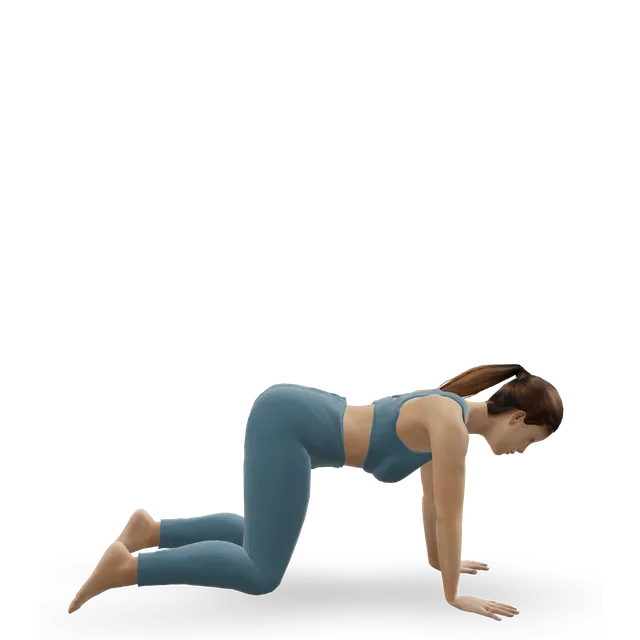 3D demoKnee hover (Pilates tabletop hover)Beginner · No equipment
 3D demoMermaid (Pilates seated side bend)Beginner · No equipment
 3D demoTreadmill walkingBeginner · Cardio machine
 3D demoStanding marchBeginner · No equipment
The NHS lists signs such as spending a lot of time worrying about your weight and body shape, exercising too much, and having very strict habits or routines around food. If that sounds like you, see a GP as soon as you can. Beat, the UK eating disorder charity, has a helpline on 0808 801 0677.
Source 21
In a survey of 2,287 young adults, women who did yoga or Pilates had disordered eating as often as those who didn't, and men who did them reported more extreme weight-control behaviours (18.6% against 6.8%). Set goals for strength, control and how you feel, not calories burned.
Source 22
For chest pain that feels tight or like squeezing, or spreads to your arms, neck or jaw; severe difficulty breathing, such as gasping, choking or not being able to get words out; lips or skin that turn pale, blue or grey; or if someone has passed out and isn't responding normally.
Source 23
If you're suddenly more short of breath than usual, or have chest pain with feeling sick or a racing, slow or fluttering heartbeat. In the US, contact your doctor or urgent care.
Source 23
If you're unsure whether the exercises suit your fitness, have a health problem, an injury or symptoms, or you're pregnant or have recently given birth.
Source 24
If you take insulin or a sulfonylurea, exercise can bring on a hypo: see our type 2 diabetes guide. If you're on weight loss injections, see the exercise advice in our exercise for weight loss guide.
No exercise burns fat from one spot: across 13 studies, training a body part didn't reduce the fat over it, and six weeks of daily ab work didn't shift belly fat.
A session is about 3 METs, roughly a slow walk, and the researchers in the ACE study concluded that the cardiovascular benefits of Pilates appear to be limited.
"Toning" is muscle plus less fat. Muscles don't lengthen, and mat Pilates builds little muscle after the first weeks.
Source 20
Pilates took off a couple of kilos at most against doing nothing, and only in programmes longer than 10 weeks: much longer than any 28-day challenge.
Source 1
One small trial against no exercise found about 1.7 kg in 8 weeks, and it has never been compared with cardio. Aerobic exercise does more for weight.
In an 8-week trial against walking, weight didn't change, but body fat, lean mass and waist size did.
Source 15
A little. Against doing nothing, it took off about 2.4 kg in 11 small trials of people with overweight, mostly women, and only in programmes longer than 10 weeks. In healthy-weight adults it made no clear difference.
Roughly 3 calories a minute, about 170 an hour, for a young adult, or 105 to 175 calories in a 50-minute class for a 70 kg person (our arithmetic from 1.8 to 3 METs). A reformer class burns a little more, and short rests raise the burn.
No exercise burns fat from one spot. Across 13 studies, training a body part didn't reduce the fat over it; whole-body activity and eating less shrink the waist.
In an 8-week trial, neither changed body weight; Pilates improved body-fat percentage and both trimmed the waist by about 3 cm. Brisk walking burns more per minute (4.8 METs against about 3), so doing both works best.
It burns a little more than mat Pilates. In one 8-week trial, women with overweight lost about 1.7 kg more than those who didn't exercise; it has never been compared with cardio.
Trials that found weight loss used about 3 sessions a week for more than 10 weeks. The bigger lever is at least 150 minutes a week of brisk activity plus eating less.
"Toning" is muscle plus less body fat. Pilates builds trunk endurance and some strength, but a leaner look depends on losing fat.
One that adds brisk walking: our walk and Pilates workout pairs 20 minutes of brisk walking with a short-rest Pilates circuit. The walk counts toward your 150 minutes a week, and the Pilates counts as strength work.
It burns little, and exercise alone usually takes off only 2 to 3 kg. You may also be losing fat and gaining muscle: in one trial, weight stayed the same while body fat and waist fell, so measure your waist too.
The same rules apply: combine it with brisk activity and eating changes. See our PCOS and postpartum guides for the specifics, and check with your midwife or GP after giving birth.
Exercise education, not a personal prescription, and clinical review of these guides is pending. If you are pregnant, have a health condition or have had recent surgery, check with a doctor, midwife or physiotherapist before starting, and stop for sharp or increasing pain. Health disclaimer.






