What is Pilates good for?
Its best evidence is for long-lasting low back pain, where it helps more than doing little, and for trunk endurance. It also improves balance in older adults and flexibility, and small trials suggest better sleep and quality of life. It is light exercise, so it doesn't replace brisk aerobic activity.
Is Pilates strength training?
The NHS counts it as muscle-strengthening activity for the twice-weekly guideline. In trials it built strength about as well as other exercise types, though a 2024 review found no clear gain in older adults. For bigger strength gains, add load over time: heavier reformer springs, bands or weights.
Is Pilates cardio?
Not much. The 2024 Compendium of Physical Activities rates it at 1.8 to 2.8 METs, which is light, and a typical session is about like a slow walk. People who start unfit can raise their aerobic fitness over about 3 months, but you still need brisk walking, cycling or similar.
What are the benefits of Pilates for women over 50?
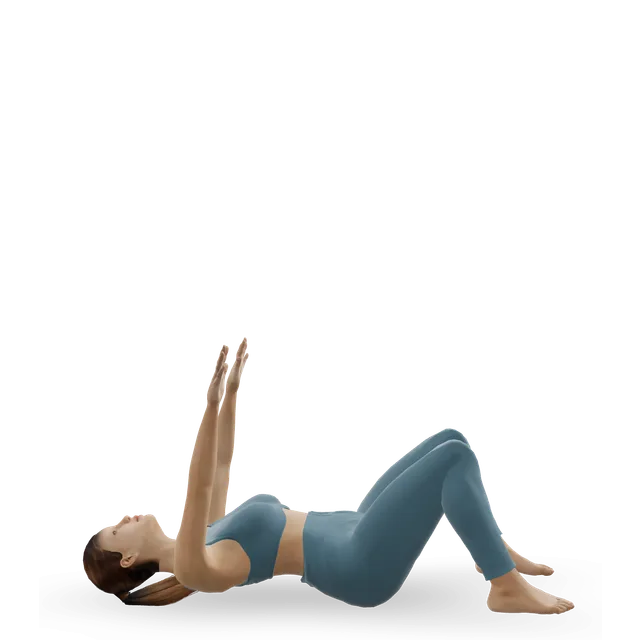
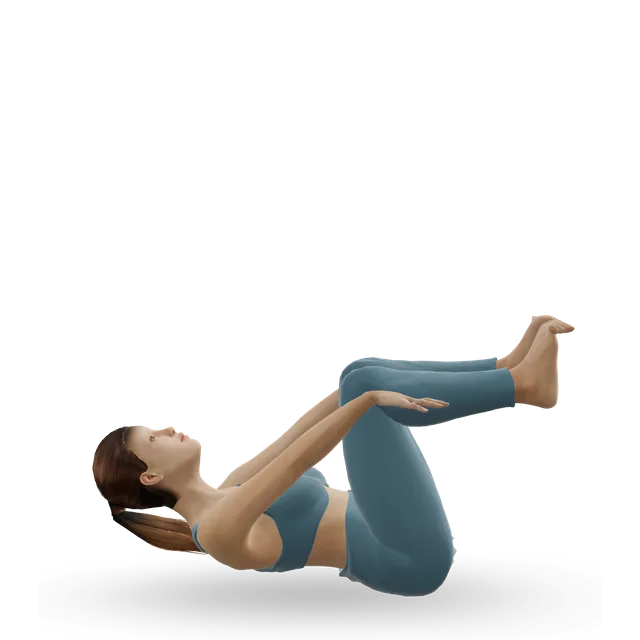
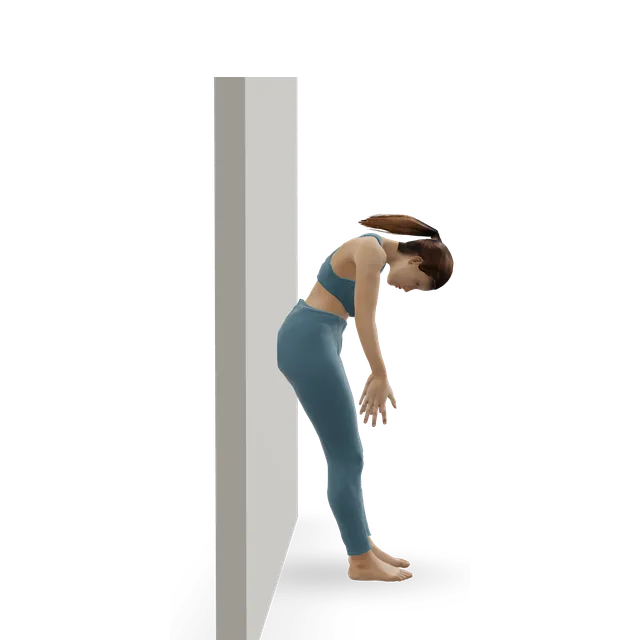
In trials, Pilates helped back pain, balance and quality of life after the menopause, and small trials found fewer menopausal symptoms. It did not change bone density, so pair it with strength training and impact work for bone. With osteoporosis, swap the deep curl-ups and roll-downs for flat-back or head-down versions.
Does Pilates help bone density?
Not on its own: trials in women after the menopause found no significant change. A UK consensus still recommends Pilates for people with osteoporosis as balance and strength exercise, to help reduce the risk of falls, with precautions on rounding the spine.
Does Pilates improve posture?
Not reliably. A 12-week trial in healthy adults found no change, while small studies in people with scoliosis or a rounded upper back reported improvements.
Does Pilates improve flexibility?
Probably: sit-and-reach scores improved in women and older adults against no exercise. It did no better than other exercise that moves the joints through their range.
Can Pilates help anxiety, depression or sleep?
Possibly. Small trials found large improvements in mood and sleep, but the newest review of 32 trials found clear gains only for quality of life and self-esteem. For depression, walking or jogging, yoga and strength training have the strongest evidence.
Is Pilates once a week enough?
Once a week still helped in trials, including for back pain and for balance in older adults. In a back pain trial, twice a week did better than once, so two or three sessions is a better target if you can manage it.
How long until I see results from Pilates?
Trials found trunk endurance gains in 5 to 12 weeks, back pain improving within 6 weeks, and aerobic fitness after about 3 months of twice-weekly practice. Weight changed only in programmes longer than 10 weeks.
Does Pilates strengthen the pelvic floor?
Not as well as pelvic floor exercises themselves. A Cochrane review found training with deliberate pelvic floor squeezes worked better than exercise without them, so do the squeezes as well.
Can Pilates make you taller?
No study shows it. Better posture can change how tall you stand, but even the posture evidence is mixed.