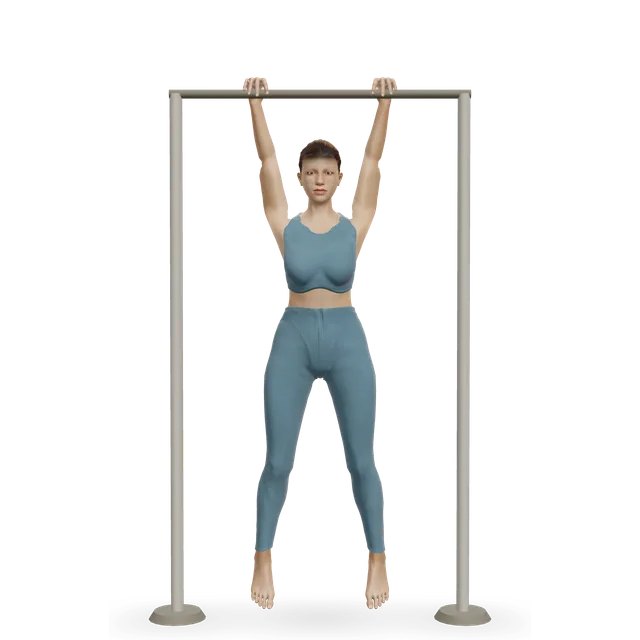
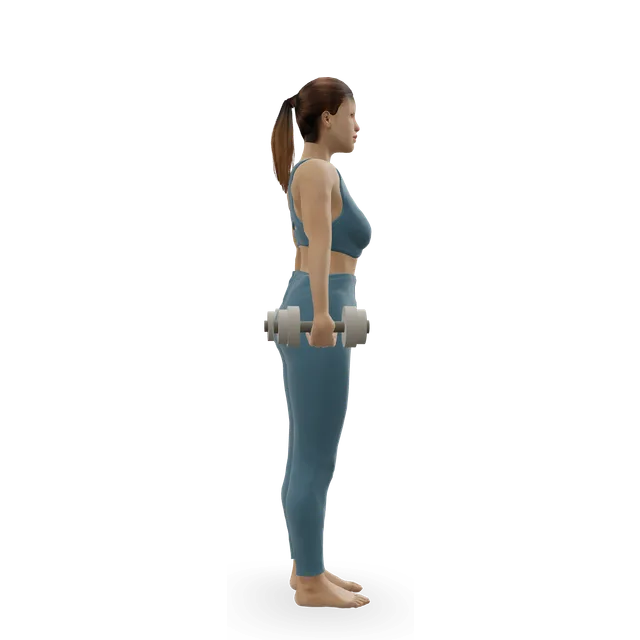
What it is
Gradually asking more of a muscle as it adapts: more weight, more reps, more sets, a harder version or a fuller range of movement.
Source 1
Training guide
Progressive overload means asking a little more of your muscles as they adapt: a few more reps, a little more weight, an extra set, a fuller range or a harder version of the move. You don't need it for your first gains, but it is what keeps you improving over months and years.
Adding reps works about as well as adding weight, so the simplest method is double progression: build your reps to the top of a range, then add the smallest weight step and start again. This guide shows each way to progress with the evidence, bodyweight ladders with 3D demos, and what to do when progress stalls.
Gradually asking more of a muscle as it adapts: more weight, more reps, more sets, a harder version or a fuller range of movement.
Source 1
Beginners gain from almost any hard training. The American College of Sports Medicine (ACSM) says progression is likely needed only for continued, longer-term progress.
Source 1
In trained lifters and in beginners, adding reps at the same weight built about as much muscle and strength as adding weight.
Double progression: keep the weight until every set reaches the top of your rep range, then add the smallest weight step, roughly 2 to 10%, and start again at the bottom of the range.
Gains slow with experience, and simple programmes level off over 1 to 2 years. Check your sleep, food and effort, change one thing at a time, and consider a lighter week rather than a week off.
Muscles adapt to what you ask of them, so the same session slowly gets easier. Overload means raising the challenge as you adapt: the weight, the reps, the sets, the exercise, how often you train it, or how long you train for.
Source 1
Your training log tells you: the same weight for more reps, or more weight for the same reps, at the same effort. Strength usually rises faster than muscle size at first. In one small study, strength rose by about 39% in 5 weeks while thigh muscle grew by about 7%.
Source 8
RIR (reps in reserve) is how many more good reps you could have done when you stopped a set. Most people underestimate it by about one rep, and judge it better near the end of a set, in later sets and with heavier weights (12 reps or fewer).
Source 9
The 2026 ACSM position stand, an overview of 137 reviews, found that progression is not necessary to get the benefits of training, and is likely needed only for people seeking continued longer-term progress. Beginners improve with almost any hard programme.
Source 1
In 43 trained lifters over 8 weeks, one group added weight at fixed reps and the other added reps at a fixed weight. Thigh growth slightly favoured adding reps and strength slightly favoured adding weight, but the differences were small and uncertain. In 39 beginners, each leg trained one way for 10 weeks: strength rose by about 15 to 16 kg with either method, and muscle size by a similar amount. Only these two trials have tested it.
When you can do 1 or 2 reps more than your target on every set, the 2009 ACSM position stand suggests adding about 2 to 10%. It is a practical rule that has had little direct testing.
Source 4
Across 16 studies, full range of motion built more strength and more lower-body muscle than partial range. The stretched part of a move seems to matter most for growth: half reps in the stretched position built as much arm muscle as full reps in 30 trained people, while half reps at the top built less in other studies.
Reps lasting anywhere from half a second to 8 seconds built similar muscle in 8 studies, and very slow reps of more than 10 seconds may build less. Slowing the lowering is useful mainly to make a light or bodyweight move harder when you can't add weight.
In 23 men over 4 weeks, working through harder push-up variations raised bench-press strength, as bench pressing did. In 30 experienced lifters, band-resisted push-ups gave similar strength gains to the bench press over 5 weeks. Both trials were small and short.
More hard sets per muscle a week build more muscle, and 10 or more builds more than fewer. Beyond about 10 sets a week each extra set adds less, and past about 20 the extra gain is small. Adding a set is a useful step when reps and weight stall.
In 14,690 gym members training once a week, strength rose by about 30 to 50% in the first year, had levelled off by 1 to 2 years, and was still 50 to 60% above where people started after 6 years. In a small 21-week study, untrained men gained about 21% in strength while experienced lifters gained about 4% on similar training.
With the total work matched, planned changes in weight and reps (periodisation) raised one-rep strength a little more than a steady programme in 35 studies. Changing them day to day or week to week beat steady increases only in trained people. Neither changed muscle growth, and the ACSM found no consistent effect. Changing exercises in a planned way may help; changing them at random and often may hold you back.
In a survey of 246 competitive lifters, lighter weeks lasted about a week and came roughly every 5 to 6 weeks. In the only trial, a full week off in the middle of a 9-week programme didn't change muscle growth but slightly reduced strength gains, so a lighter week looks better than a week off. Whether recreational lifters benefit hasn't been tested.
This is the method every one of our plans uses. The rep ranges are our editorial starting points.
8 to 12 for most moves, 5 to 8 for heavy lifts such as squats and deadlifts if strength matters, and 12 to 20 for small moves such as lateral raises and curls.
Warm up, then pick a weight you think you could lift about 10 to 12 times. Do 8 and ask how many more you could have done with good form. Two or three more: that is your weight. Five or more: go up a step. None or one: go down. For the first two weeks, stop every set with 3 or 4 reps to spare while you learn the move.
Keep the weight the same and add reps, set by set and session by session, stopping 1 to 3 reps short of failure. When every set reaches the top of the range, add the smallest weight step you have (roughly 2 to 10%, smaller for the upper body and small muscles) and go back to the bottom of the range.
Add reps, then slow the lowering to about 3 seconds, then move to the harder version of the move, such as from incline push-ups to floor push-ups.
Week 1: goblet squat with a 12 kg dumbbell, 3 sets of 9, 9 and 8 reps. Week 3: 12, 11 and 10. Week 5: 12, 12 and 12, so next time use 14 kg and aim for 8 a set. That is an illustration, not a target: progress comes faster at first and slower later.
Train at the hardest version you can do for about 8 clean reps, 3 sets. When every set reaches the top of the range (15 for push-ups, 12 for rows), move one step along: wall, incline, knee, floor, feet-raised and archer push-ups; band rows, inverted rows, assisted pull-ups, slow lowering negatives, then chin-ups and pull-ups (as in our push-up and pull-up progressions).
 3D demoWall push-upBeginner · A wall
 3D demoIncline push-upBeginner · A bench or box
 3D demoKnee push-upBeginner · No equipment
 3D demoPush-upIntermediate · No equipment
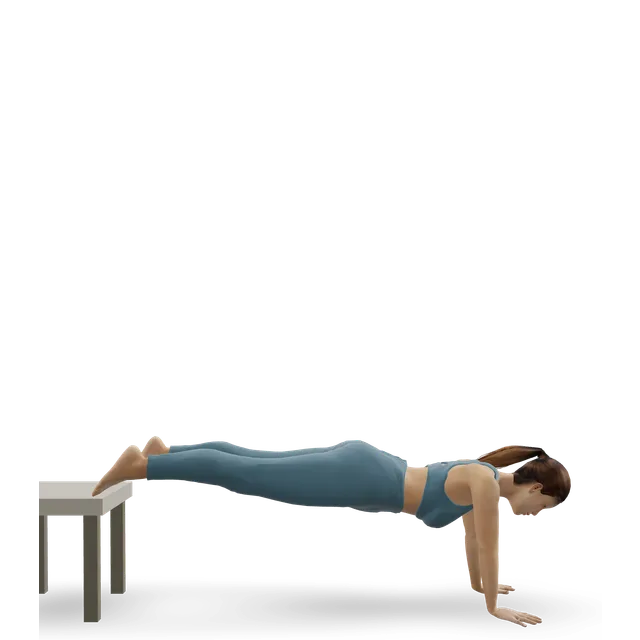 3D demoFeet-elevated push-upAdvanced · A bench or box
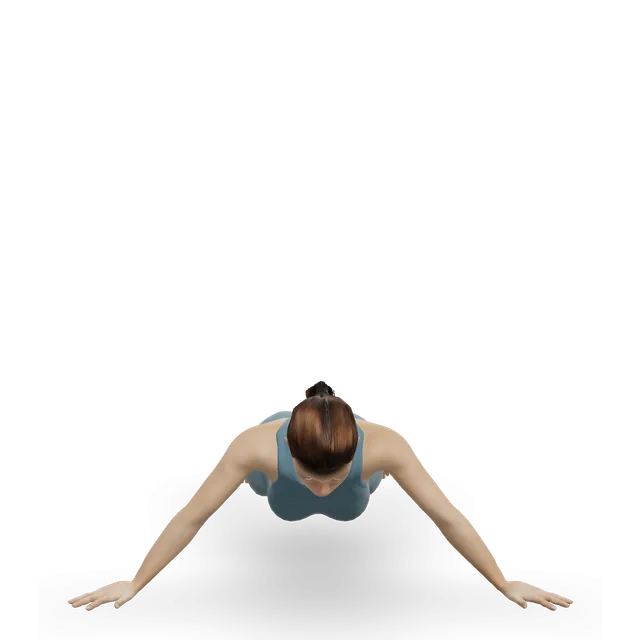 3D demoArcher push-upAdvanced · No equipment
 3D demoBand rowBeginner · A band + An anchor point
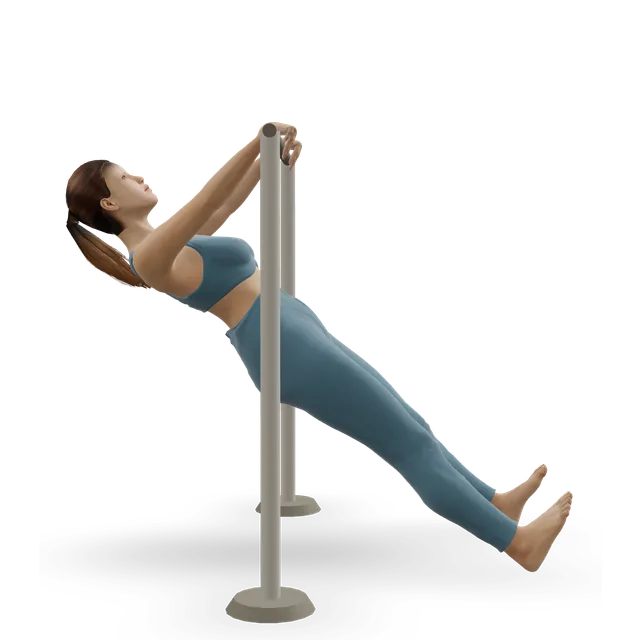 3D demoInverted rowIntermediate · Pull-up bar
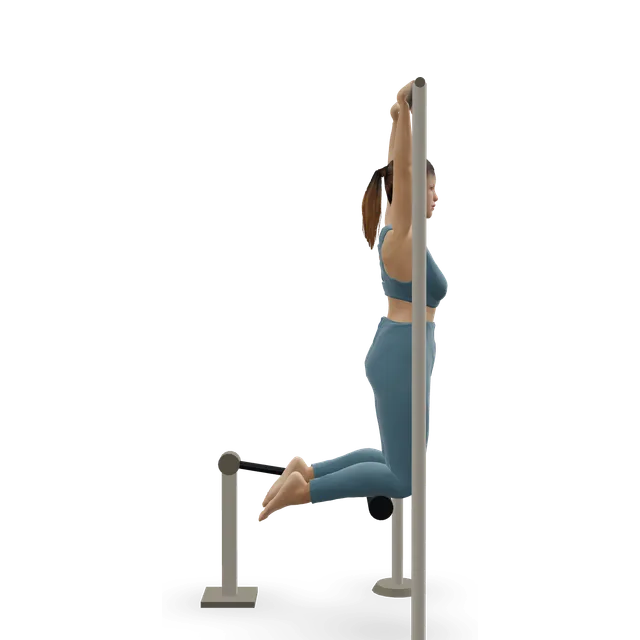 3D demoAssisted pull-up (machine)Beginner · Strength machine
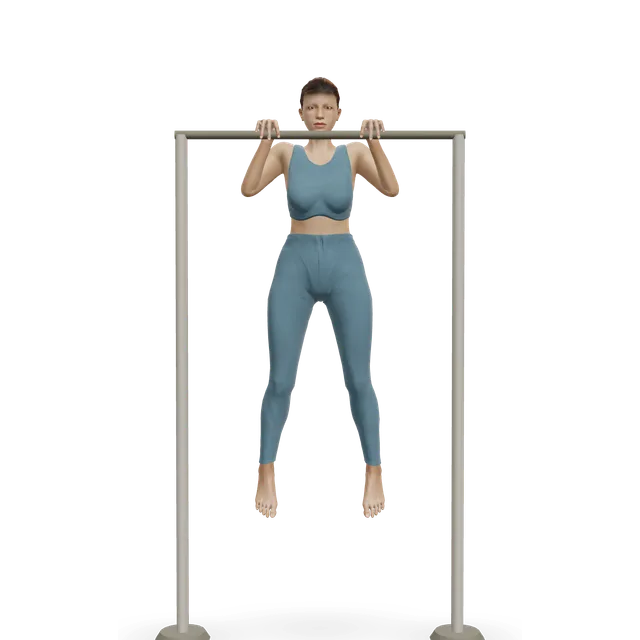 3D demoNegative pull-upIntermediate · Pull-up bar + A step
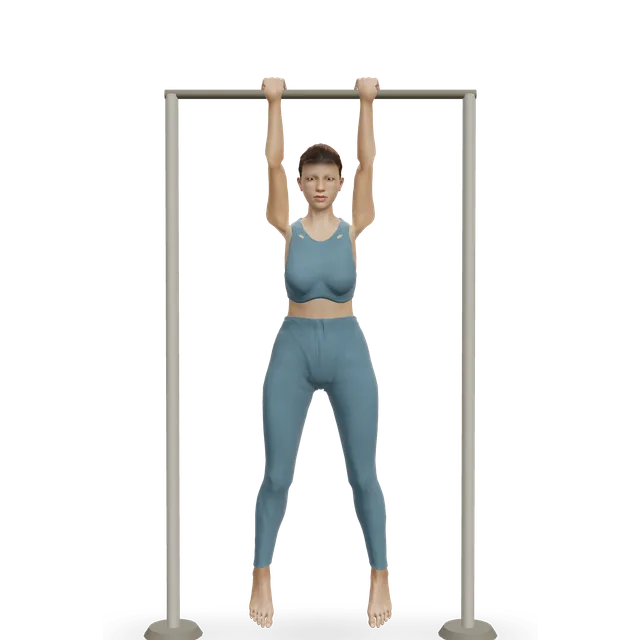 3D demoChin-upAdvanced · Pull-up bar
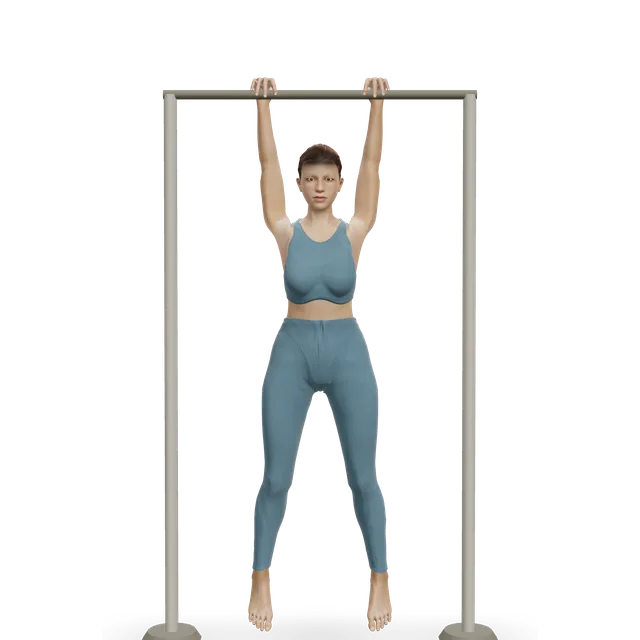 3D demoPull-upAdvanced · Pull-up bar
Sit-to-stands lead to bodyweight squats, goblet squats and the barbell squat; split squats lead to the Bulgarian split squat; hip-hinge practice leads to kettlebell and Romanian deadlifts and the barbell deadlift; glute bridges lead to single-leg bridges and the hip thrust. Use 3 sets of 8 to 12 and add reps, then weight, then the next step. Each move's page lists its easier and harder options.
 3D demoSit to stand from a chairBeginner · A bench or box
 3D demoBodyweight squatBeginner · No equipment
 3D demoDumbbell goblet squatIntermediate · A dumbbell
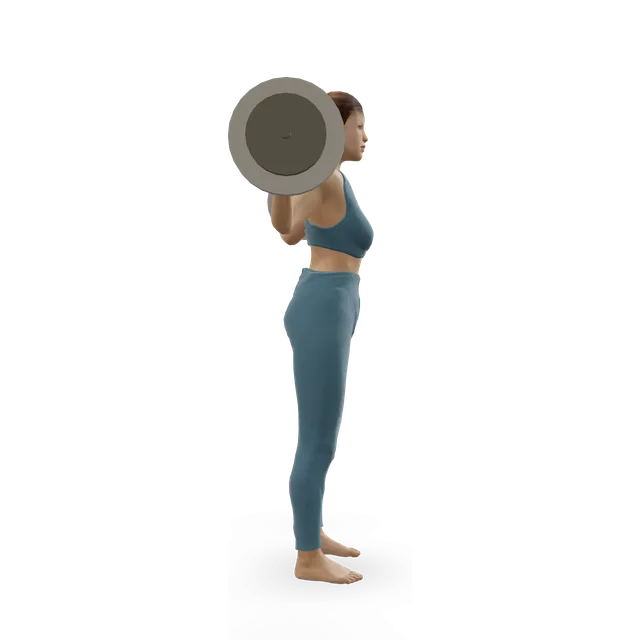 3D demoBarbell back squatAdvanced · A barbell
 3D demoSplit squatIntermediate · No equipment
 3D demoRear-foot-elevated split squat (Bulgarian split squat)Intermediate · A bench or box
 3D demoHip-hinge practiceBeginner · No equipment
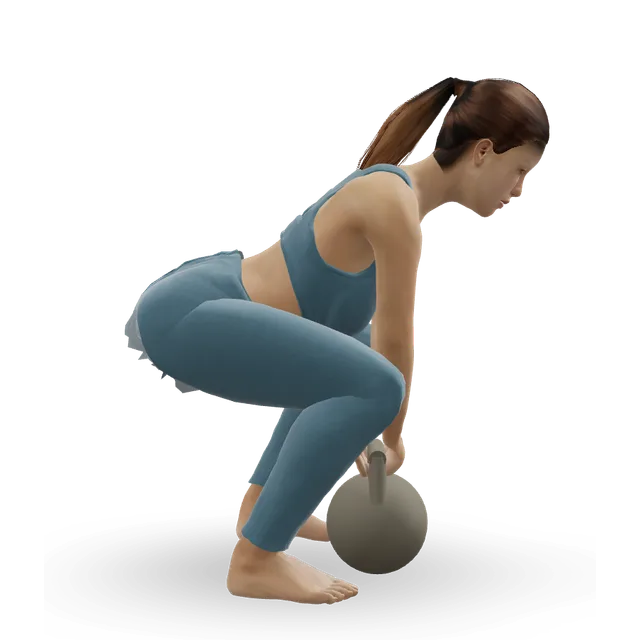 3D demoKettlebell deadliftBeginner · A kettlebell
 3D demoDumbbell Romanian deadliftIntermediate · A dumbbell
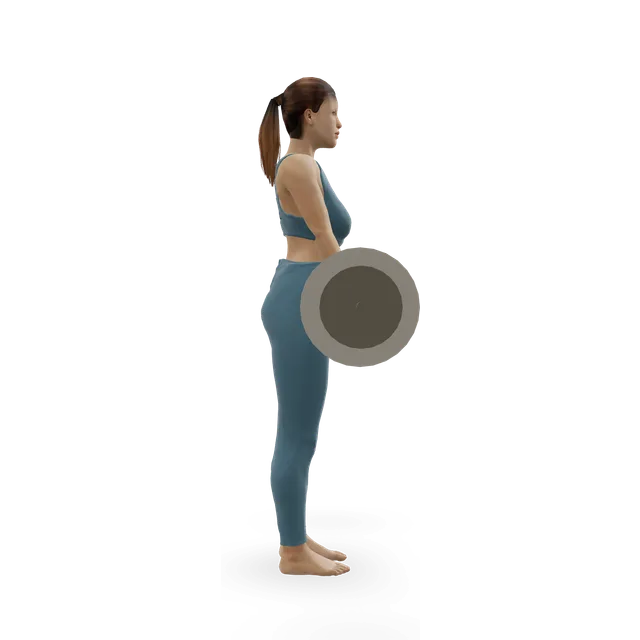 3D demoBarbell deadliftAdvanced · A barbell
 3D demoGlute bridgeBeginner · No equipment
 3D demoSingle-leg glute bridgeIntermediate · No equipment
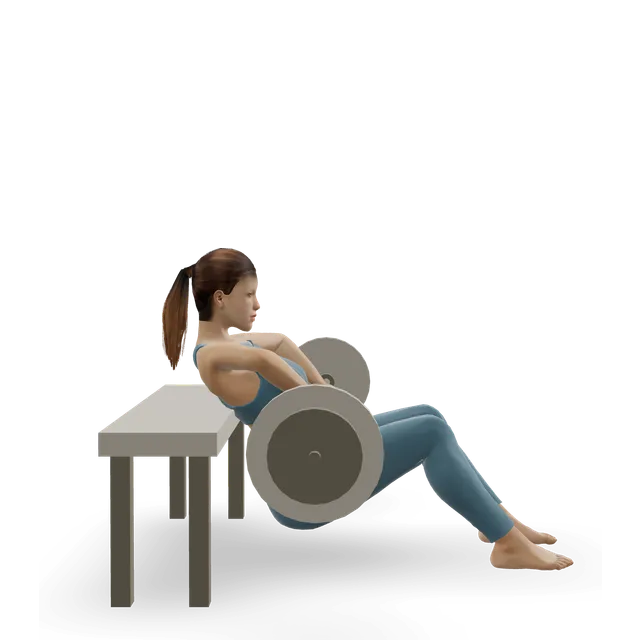 3D demoBarbell hip thrustIntermediate · A barbell + A bench or box
The push-up and pull-up progressions are ladders you climb over weeks. The bodyweight, dumbbell and barbell workouts each say when to move to a harder option or add weight.
Work up to full push-ups: wall, incline and knee push-ups, then the floor push-up and harder variations.
15 minBeginner8 movesA wall, A bench or boxWork up to your first pull-up: dead hangs, scapular pulls, rows, negatives and assisted pull-ups.
25 minBeginner7 movesPull-up bar, A stepA 20-minute full-body workout with no equipment: squats, knee push-ups, bridges, lunges and planks.
20 minBeginner10 movesNo equipmentHome dumbbell workout B: reverse lunges, push-ups, bent-over rows, single-leg glute bridges, lateral raises and side planks.
35 minIntermediate11 movesA wall, A dumbbellA classic barbell strength session: back squat, bench press, rows, overhead press and deadlift.
50 minIntermediate8 movesA band, A barbellA lift that stalls for 2 or 3 sessions is normal. Hold the weight and keep going. A stall over several weeks is worth acting on, one change at a time (our suggestion, as in our plans).
Sets that end far from failure build less muscle. Make sure your last reps are genuinely hard, and let the last set of small moves such as curls and raises get within 0 to 2 reps of failure.
Source 22
Short sleep cut exercise performance by about 8% on average in pooled studies. Eating well under your needs stopped muscle gain in trials, though strength still rose.
Try a heavier rep range if strength is your goal, a variation of the lift (for example a front squat instead of a back squat), or one more session a week for that lift. Strength gains rose with how often people trained a lift, mostly because it added sets.
Vary the weight and reps from day to day or week to week, such as a heavier day and a lighter day. This helped one-rep strength in trained people but not in beginners.
Source 18
Same days and exercises, about half the sets, and weights that leave 4 or more reps to spare, then go back to your previous weights (our plans' starting point). Lighten rather than stop: a week off slightly reduced strength gains in the one trial.
After a year or two, gains come slowly for everyone. Staying strong is itself the result, and simple training keeps you well above where you started.
Source 5
Every plan sets rep ranges for each move and tells you when to add weight.
Your first four weeks: two, then three short strength sessions a week at home plus walks, building gently to a full routine.
2 training days20 minBeginner3 days a weekA beginner gym plan: three full-body sessions a week, alternating workouts A and B, with sets, reps, rest and an 8-week progression.
3 training days45 minBeginner3 days a weekThree full-body home workouts a week with dumbbells or no equipment at all, plus walks and an 8-week plan to keep progressing.
3 training days35 minBeginner4 days a weekA 4-day upper/lower split: two upper body and two lower body gym days, each muscle trained twice a week, with sets, reps and progression.
4 training days50 minIntermediateStop and call 999 for:
Call NHS 111 (in the US, your doctor or urgent care) for:
Small steps protect your joints. If a joint hurts sharply, or pain lingers into the next day, go back a step on the ladder for a week rather than pushing on, and see a GP or physiotherapist if it persists (our suggestion). A sprain or strain that isn't getting better is worth a GP visit.
Source 30
Adding reps worked about as well as adding weight in trained people and in beginners. When you can't add weight, add reps, a fuller range or a harder version.
Shorter rest means fewer reps or less weight in your later sets. In 21 trained men, 3 minutes' rest built more strength and thigh muscle than 1 minute, and resting more than a minute gave a small edge for growth in pooled studies.
Reps of half a second to 8 seconds built similar muscle, and very slow reps may build less. Time under tension did not consistently change results in the ACSM's review.
Some planned variation may help, but changing exercises at random and often may hold your gains back. Keep your main lifts long enough to progress them.
Source 19
Full range built more strength and lower-body muscle than partial range. The exception is half reps in the stretched position, which matched full reps in one trial.
Gradually asking more of your muscles as they adapt: more weight, more reps, more sets, a fuller range or a harder version. It is what keeps you improving after the first months.
Not at first: beginners gain from almost any hard training. To keep improving over months and years, yes. Adding a few reps or a little weight over time is enough.
The simplest way is double progression. Work up to the top of a rep range at one weight, then add the smallest weight step and start again at the bottom. All our plans use it.
When you can do 1 or 2 reps more than your target on every set, add about 2 to 10%. Use smaller jumps for the upper body and small muscles, and the smallest plates or dumbbell step you have.
In trials, yes: progressing reps and progressing weight built similar muscle and strength, in trained people and in beginners. If one-rep strength is your goal, heavier weights are more specific.
Add reps, then slow the lowering to about 3 seconds, then move to a harder version, such as from knee push-ups to floor push-ups to feet-raised push-ups. In a short trial, working through push-up versions raised bench-press strength as bench pressing did.
Not by itself: reps lasting half a second to 8 seconds built similar muscle, and very slow reps may build less. Slowing the lowering is mainly a way to make light or bodyweight moves harder.
Gains slow with experience, and simple programmes level off over 1 to 2 years. Check your sleep, food and effort, change one thing at a time, such as your rep range, exercise or how often you train the lift, and consider a lighter week.
It's optional, especially for beginners. Every 6 to 8 weeks, or when your lifts drop and you feel run down, do the same sessions with about half the sets and easy weights. In the one trial, a full week off slightly reduced strength gains, so lighten rather than stop.
Yes: big jumps in weight cost good form and reps, and a sudden big jump in training can leave you very sore. Use small steps and stop each set 1 to 3 reps short. Sharp or lingering joint pain is a reason to step back.
Exercise education, not a personal prescription, and clinical review of these guides is pending. Check with a GP before starting hard training if you have a heart condition, chest pain, dizziness or breathlessness when active, and stop for sharp or increasing pain. Health disclaimer.