Rest long enough to repeat your reps
About 1 to 2 minutes for most sets, 2 to 3 minutes for heavy compound lifts, and 60 to 90 seconds for small isolation moves.
Training guide
Rest long enough to repeat your reps: about 1 to 2 minutes for most sets, 2 to 3 minutes for heavy lifts such as squats and deadlifts, and 60 to 90 seconds for small moves such as curls and raises. For muscle growth, resting more than a minute gives a small advantage, with no clear extra gain past about 90 seconds.
Shorter rest isn't a shortcut to more muscle: it cuts the reps you can do, and the hormone boost it brings doesn't add growth. This guide gives the rest for each kind of set, what the trials found, and how to save time with supersets.
About 1 to 2 minutes for most sets, 2 to 3 minutes for heavy compound lifts, and 60 to 90 seconds for small isolation moves.
Resting more than 60 seconds gave a small advantage for growth in pooled studies, with no clear extra gain past about 90 seconds.
Source 1
1 to 2 minutes is enough for beginners, and experienced lifters may do better with more than 2 minutes on heavy lifts. Across reviews, rest length didn't consistently change strength gains.
One-minute rests raised hormones briefly but halved the early rise in muscle building compared with 5 minutes, and hormone rises after exercise didn't add muscle in a 15-week trial.
Pairing moves that don't compete, such as a press and a row, cut session time without losing strength or muscle gains.
Source 6
The first three are the rest times in our plans; the others name their source.
Squats, deadlifts, bench presses, overhead presses and chin-ups.
Goblet squats, dumbbell presses, rows, pulldowns and lunges.
Source 1
Lateral raises, curls, triceps extensions, leg curls and calf raises.
Source 1
The 2009 position stand of the American College of Sports Medicine (ACSM) suggests 3 to 5 minutes for very heavy sets, which let people keep their reps up across sets in older studies.
Weights of 40 to 60% of your maximum for more than 15 reps (2009 ACSM stand).
Source 8
Shorter rests build strength well while you are new to lifting; longer rests matter more once you lift heavy.
Source 2
Rest until your breathing has settled and you could repeat your last set's reps. If your reps fall by more than 2 or 3 from one set to the next, rest longer (our suggestion).
The time between sets of the same exercise. Between different exercises, rest about as long as the next exercise needs (our suggestion).
With too little rest, your muscles haven't recovered, so you manage fewer reps or less weight in your later sets, and the total work falls. In a lab study of 16 young men, muscle protein building over the first 4 hours rose about 76% with 1-minute rests and about 152% with 5-minute rests, though it was similar a day later.
A 2024 analysis of 9 studies (19 measurements, mostly young adults) found a small advantage for growth from resting more than 60 seconds, and no appreciable difference beyond 90 seconds. Whether sets went to failure didn't change this. Only 3 of the studies were in experienced lifters, so the evidence is thin.
Source 1
In 21 trained men over 8 weeks, 3 sets of 8 to 12 reps with 3 minutes' rest built more squat and bench-press strength and more thigh muscle than the same training with 1 minute's rest.
Source 7
An earlier review of 6 studies found both short (60 seconds or less) and long rests built muscle, with a possible advantage for longer rests in trained people.
Source 10
In 23 studies with 491 people, even rests under 60 seconds built strength well; more than 2 minutes looked best for trained people, and 60 to 120 seconds was enough for beginners. The ACSM's overview of reviews found rests under or over a minute didn't consistently change strength.
For heavy sets of 1 to 6 reps, the 2009 ACSM stand suggests 3 to 5 minutes. A review of 35 studies found 3 to 5 minutes let people do more reps across sets of heavy weights, and gave more strength in longer trials.
One-minute rests raised testosterone more than 5-minute rests, yet halved the early rise in muscle building. In a 15-week trial of 12 men, arms trained alongside a hormone-raising leg session grew no more than arms trained without it.
Two exercises back to back, then a rest. Across 19 studies with 313 people, supersets kept the total reps and weight lifted, shortened sessions, and gave similar gains in strength, muscular endurance and muscle size to traditional sets. They feel harder.
Source 6
A press with a row, a squat with a core move, a curl with a triceps move. Pairing opposing muscles kept or even raised the reps people managed; pairing two moves for the same muscle cut the weight they could lift.
Source 6
Go straight from the first move to the second, then rest 60 to 90 seconds after the pair, a little longer after a heavy squat pair (as in our plans and workouts).
Drop sets and rest-pause sets also roughly halve training time while keeping the total work. They may suit muscle growth more than strength.
Source 11
Heavy squats, bench presses and deadlifts: 2 to 3 minutes. Goblet squats, rows and pulldowns: about 90 seconds to 2 minutes. Raises, curls, pushdowns and leg curls: 60 to 90 seconds. Superset the dumbbell press with the row, push-ups with band rows, or goblet squats with dead bugs, and rest after each pair.
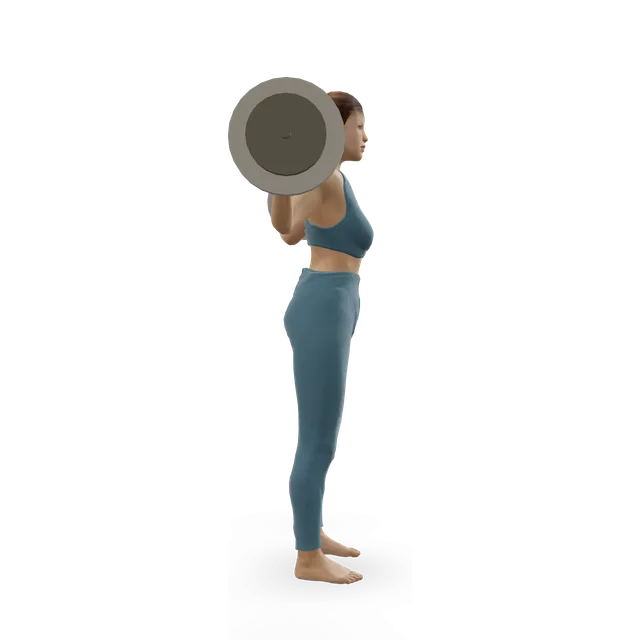 3D demoBarbell back squatAdvanced · A barbell
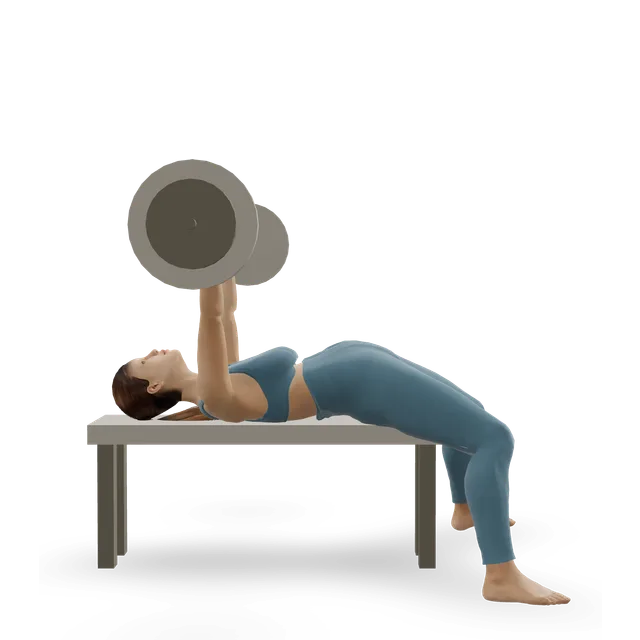 3D demoBarbell bench pressIntermediate · A barbell + A bench or box
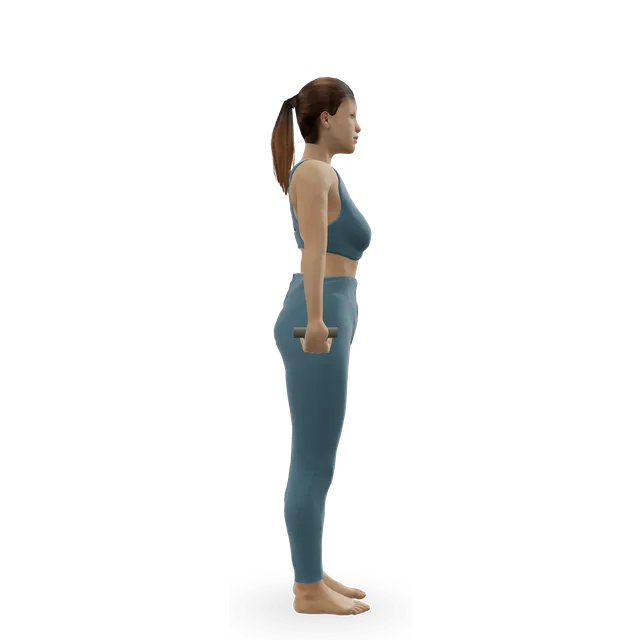 3D demoTrap bar (hex bar) deadliftIntermediate · Other / check instructions
 3D demoDumbbell goblet squatIntermediate · A dumbbell
 3D demoSeated cable rowBeginner · A cable machine
 3D demoLat pulldownBeginner · A cable machine
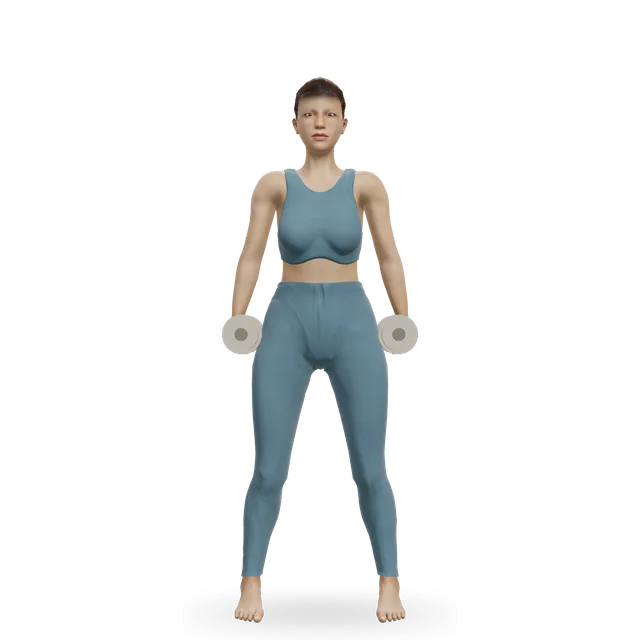 3D demoDumbbell lateral raiseBeginner · A dumbbell
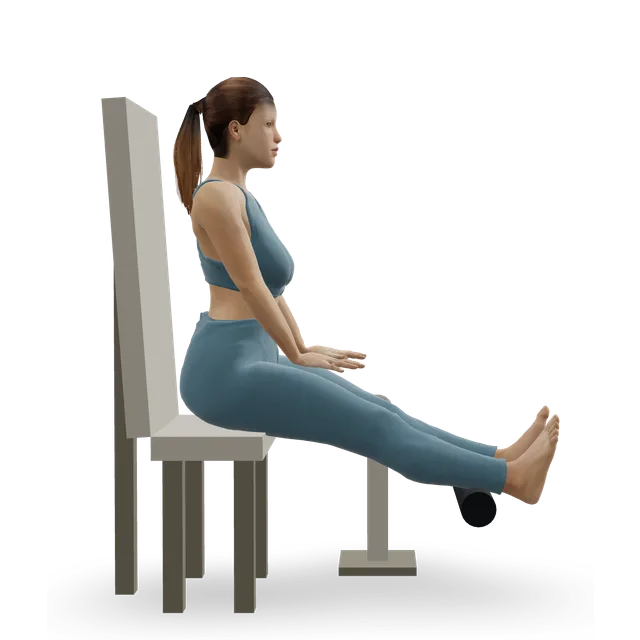 3D demoMachine leg curlBeginner · Strength machine
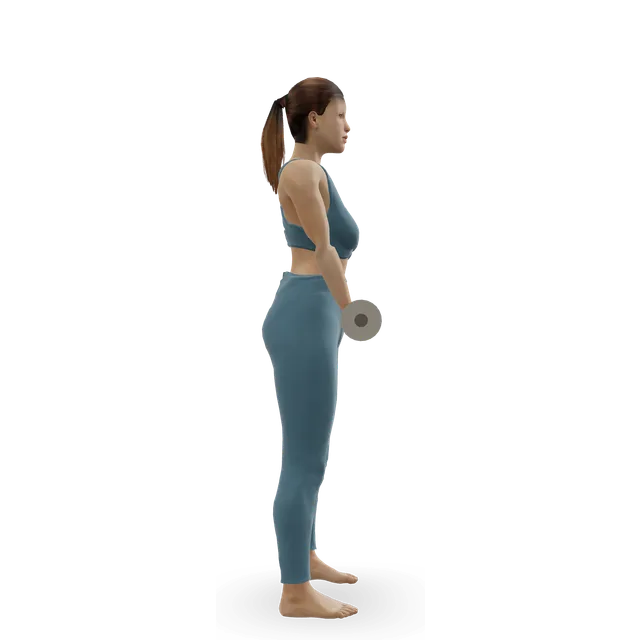 3D demoDumbbell biceps curlBeginner · A dumbbell
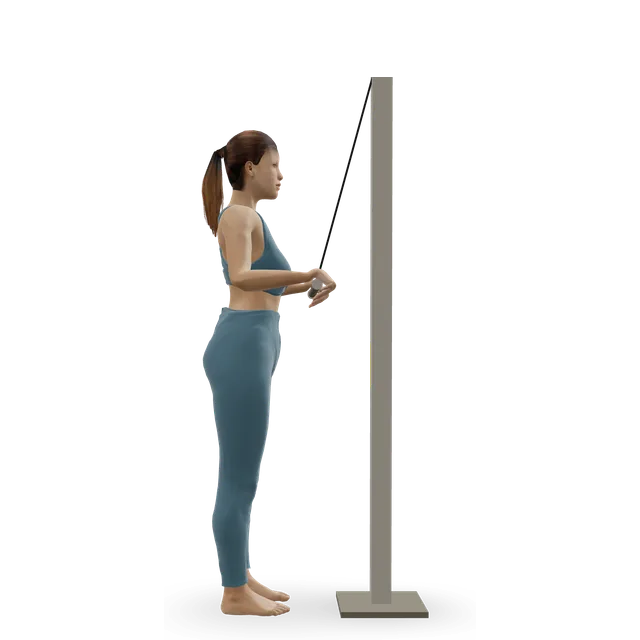 3D demoTriceps pushdownBeginner · A cable machine
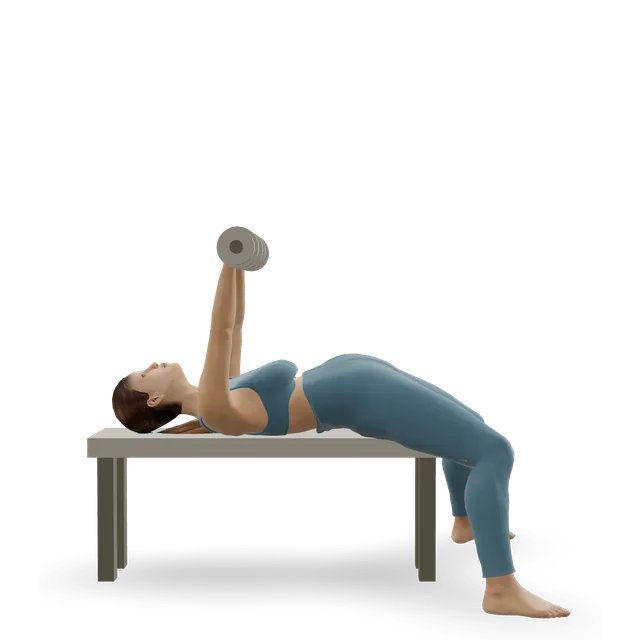 3D demoDumbbell bench pressIntermediate · A dumbbell + A bench or box
 3D demoSupported single-arm dumbbell rowIntermediate · A dumbbell + A bench or box
 3D demoPush-upIntermediate · No equipment
 3D demoBand rowBeginner · A band + An anchor point
 3D demoDead bugBeginner · No equipment
Each move in these workouts comes with its rest: 2 to 3 minutes for the heavy lifts, 60 to 90 seconds for the small moves, and arm supersets with a rest after each pair.
A classic barbell strength session: back squat, bench press, rows, overhead press and deadlift.
50 minIntermediate8 movesA band, A barbellA gym upper body workout for chest, back, shoulders and arms: bench press, rows, presses, pulldowns, raises, curls and pushdowns.
50 minIntermediate13 movesA band, A barbellA gym lower body workout for legs and glutes: trap bar deadlifts, hip thrusts, reverse lunges, leg curls, hip abduction, calf raises and core.
50 minIntermediate13 movesOther / check instructions, A barbellA push day workout for chest, shoulders and triceps: bench press, overhead press, incline dumbbell press, lateral raises and pushdowns.
55 minIntermediate10 movesA band, A barbellSome breathlessness after a hard set is normal and should settle during your rest. If it doesn't settle, or you feel dizzy or faint, stop for the day, and see a GP if it happens again (our suggestion).
Stop and call 999 for:
Call NHS 111 (in the US, your doctor or urgent care) for a headache brought on or made worse by lifting, straining or bending down. Call 999 if a headache starts suddenly and is extremely painful.
Source 15
Short rests were once recommended for muscle because they raise hormones. But hormone rises after exercise didn't add growth, one-minute rests blunted muscle building, and resting more than a minute gave a small advantage for growth.
For heavy lifts, 2 to 3 minutes, or 3 to 5 for near-maximal sets, keeps your reps and weights up. Trained men gained more strength and muscle with 3 minutes than with 1.
Pairing moves that don't compete gave similar strength and muscle gains to traditional sets while saving time.
Source 6
About 1 to 2 minutes for most sets, 2 to 3 minutes for heavy compound lifts, and 60 to 90 seconds for small isolation moves. Rest long enough to repeat your reps.
More than 60 seconds gave a small advantage for growth, with no clear extra gain past about 90 seconds. In trained men, 3 minutes built more muscle than 1 minute.
One to 2 minutes is enough for beginners, and experienced lifters may do better with more than 2 minutes on heavy lifts. For near-maximal sets of 1 to 5 reps, rest 3 to 5 minutes.
No. Short rest raises hormones briefly but cut the early rise in muscle building in a lab study, and the hormone rise doesn't add growth. It also means fewer reps in your later sets.
Rest beyond about 90 seconds didn't add muscle growth, so very long rests mainly cost time. For heavy lifts, 3 to 5 minutes is fine.
The same rules apply: 60 to 90 seconds for most bodyweight moves, longer if your reps drop a lot from set to set. For hard versions you can only do a few reps of, such as pull-ups, about 2 minutes is reasonable.
Two exercises done back to back, then a rest. Pairing moves that don't compete, such as a press and a row, saved time with similar strength and muscle gains in 19 studies. Avoid pairing two moves for the same muscle, which cuts the weight you can lift.
Rest length makes little difference to fat loss; your total activity and eating do. Supersets and circuits save time and use a little more energy during the session. Our weight-loss guide covers the rest.
Yes, about as long as the next exercise needs. Before a heavy lift, a lighter warm-up set helps; our warm-up guide has the detail.
Some breathlessness after a hard set is normal and should settle within your rest. Breathlessness that doesn't settle, chest pain or feeling faint means stop, and get help.
Exercise education, not a personal prescription, and clinical review of these guides is pending. Check with a GP before starting hard training if you have a heart condition, chest pain, dizziness or breathlessness when active, and stop for sharp or increasing pain. Health disclaimer.





