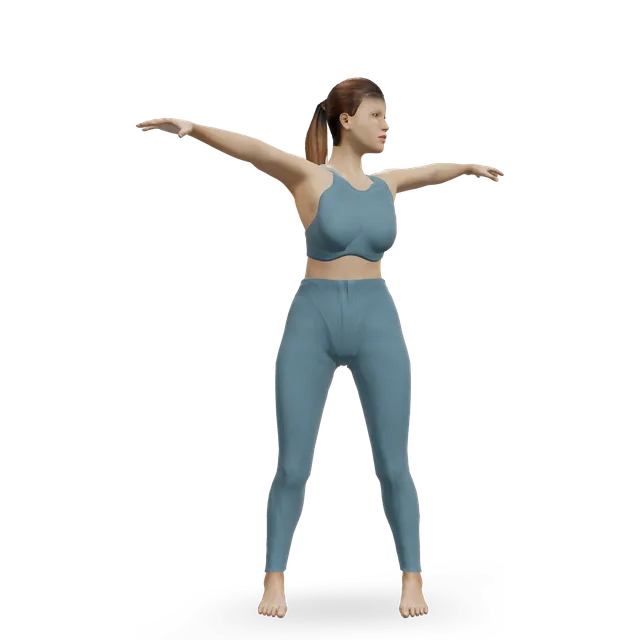
Pain guide

Shoulder pain: exercises that help, and when to get it checked

Shoulder pain has a handful of common causes: the rotator cuff, a stiff (frozen) shoulder, arthritis, a shoulder that slips, and pain coming from the neck. Where it hurts, and what makes it worse, is the best first clue to which.

For the common causes, exercise is the first treatment, but it does not need to be complicated. In the largest trial in rotator cuff pain, a course of up to six physiotherapy sessions of progressive exercise did no better over a year than one good advice session with a home exercise plan, and both groups improved a lot. Doing a sensible home programme consistently is the core of it.

Start with the warning signs below. Then find your pain on the map, read what helps, and follow the plan from stage 1 if you are not sure of the cause.

When to get help first

Exercise is for pain that has been checked or is clearly mild and settling.

Get urgent medical help if

  • Call 999 or go to A&E: after a fall or injury, your shoulder looks out of place or has changed shape, or you cannot move your arm. Do not drive yourself, and do not try to put it back in yourself.
  • Call 999: shoulder or arm pain with chest pain that feels tight or squeezing, or chest pain that spreads to your arms, neck or jaw, especially with shortness of breath, sweating or feeling sick. It could be a heart attack.
  • Call 999 or go to A&E: if you are or could be pregnant, shoulder tip pain (where the shoulder ends and the arm begins) with sudden severe tummy pain, dizziness or fainting. It can mean bleeding from an ectopic pregnancy.
  • Same day (GP or NHS 111): the shoulder or arm is hot, swollen or red, or you have a high temperature or feel unwell. A joint infection needs same-day care.
  • Same day (GP or NHS 111): sudden or very bad shoulder pain; you cannot move your arm; the arm or shoulder is badly swollen or has changed shape; pins and needles that do not go away; no feeling in the arm; the arm is hot or cold to the touch; pain that started after an injury such as a fall; or severe pain in both shoulders.
  • Same day (GP or NHS 111): sudden weakness lifting the arm after an injury or fall. A rotator cuff tear caused by an injury needs urgent referral to a shoulder specialist. After a dislocation in anyone over 40, the rotator cuff should be checked: about 40% have a tear.
  • Same day (GP or NHS 111): you are over 50 and have new pain and stiffness in both shoulders (often the hips too), especially with morning stiffness lasting more than 45 minutes. This can be polymyalgia rheumatica. With a new headache, jaw pain when chewing or problems with your vision, contact a GP immediately.

See a doctor or physiotherapist if

  • Pain that is getting worse or has not improved after 2 weeks of looking after it yourself, or it is very hard to move your arm. In many areas you can refer yourself to physiotherapy.
  • A past history of cancer, an unexplained lump or swelling, weight loss, or pain that is constant and does not ease when you change position.
  • You smoke or used to, and have shoulder pain with a cough that will not go away, breathlessness or weight loss.
  • Your shoulder has partly or fully come out of joint, or you worry it might.
  • Pins and needles or a cold arm alongside neck pain, or a new loss of strength or feeling in the arm that you cannot explain (a possible nerve problem).

Where does it hurt?

Location narrows the likely causes; it does not diagnose.

Outside of the shoulder and upper arm

Sore lifting the arm out or overhead (often a painful arc partway up), lying on that side, or reaching behind you. Usually the rotator cuff, often called impingement, most often between 35 and 75. Movement hurts but is not blocked: someone else can lift your arm higher than you can.

Read: Shoulder impingement (rotator cuff pain) →
Deep ache, stiff in every direction

Hard to turn the arm outwards (doing up a coat, reaching a back pocket), and bad at night. Points to frozen shoulder, usually between 40 and 65, more often in women and strongly linked to diabetes. Someone else cannot move the arm further either.

Read: Frozen shoulder →
Deep ache, stiffness and grinding, usually over 60

Comes on gradually over years, with a big loss of turning the arm outwards: arthritis of the shoulder joint.

Read: Shoulder arthritis and AC joint pain →
Top of the shoulder, at the end of the collarbone

You can point to it with one finger, it is tender right over the joint, and reaching across the body hurts: the AC joint (arthritis, a sprain or separation, or in lifters, bone thinning at the end of the collarbone).

Read: Shoulder arthritis and AC joint pain →
Weakness lifting or turning the arm

Especially after a fall or a jerk, or in your 60s and over, often with night pain: a possible rotator cuff tear. Some tears cause weakness without pain. Sudden weakness after an injury needs a same-day check.

Read: Rotator cuff tear →
Slipping, clunking or a "dead arm"

After a dislocation, or in a very flexible person: shoulder instability. Mostly younger people; the chance of it happening again is highest in teenage and young men.

Read: Shoulder dislocation and instability →
Neck, top of the shoulder blade, and down past the elbow

With pins and needles, or changing when you move your neck: pain coming from the neck. See "Is it my neck or my shoulder?" below.

Read: Neck pain →
Shoulder tip or left arm, with chest, breathing or tummy symptoms

Can come from the heart, the lungs, the diaphragm, the gallbladder or, in pregnancy, an ectopic pregnancy. See the warning signs above.

Understand it

Use the map to pick a starting point, not to diagnose

The NHS tells readers not to try to diagnose shoulder pain themselves. A primary-care review notes that a painful arc partway up when lifting the arm supports a rotator cuff cause, but is neither specific nor sensitive.

So use the map to choose where to start. If the pain does not settle, or does not fit any of the descriptions, get it checked.

Sources 1, 11

Is it my neck or my shoulder?Emerging evidence

Neck problems typically cause pain in the lower neck and above the shoulder blade that can spread to the shoulder and arm; moving the neck may bring it on, and there may be pins and needles in the arm. An international consensus of shoulder physiotherapists agreed that neck and shoulder problems can exist together, sometimes affecting each other and sometimes not.

The clues that point to the neck: symptoms further down the arm than the shoulder, neck pain now or in the past, symptoms that change when you move your neck, and pins and needles, burning or numbness. In general practice, having neck pain at the same time predicted a higher chance of shoulder pain lasting or coming back.

A plain self-check, built from those clues (it does not diagnose):

  • Points to the shoulder: pain on the outside of the upper arm, rarely below the elbow; worse lifting, reaching or lying on the arm; arm movements bring it on.
  • Points to the neck: pain in the neck or above the shoulder blade and down past the elbow; it changes when you turn or tilt your head or look up; pins and needles, numbness or burning in the arm or hand.
  • Could be both: a stiff neck plus pain lifting the arm.
  • If it looks like the neck, the neck stretches in the table below, the neck and shoulder stretch routine and the neck hubs linked lower down have gentle neck moves such as chin tucks. Pins and needles that do not go away, or no feeling in the arm, need a same-day check.

Sources 11, 35, 34

What helps, and how strong the evidence is

Exercise first, and a good home programme may be enoughStrong evidence

The GRASP trial followed 708 adults with a new episode of rotator cuff pain in 20 NHS trusts. Up to six physiotherapy sessions of progressive exercise over 16 weeks did no better over 12 months than one best-practice advice session of up to an hour, with a booklet, a resistance band, videos and a simpler home programme. Every group improved substantially.

Note what it compared: more exercise support with less, not exercise with nothing. Both groups did exercises with a band. What it suggests is that a clear explanation and a home programme you keep doing may be enough for many people. The progressive programme focused on resisted turning out, lifting forwards and lifting out to the side, 5 days a week.

Sources 23, 24

Specific exercise vs generic exerciseMixed evidence

A meta-analysis found exercise beat no exercise for impingement pain, and rotator cuff and shoulder-blade exercises beat general exercise, but rated the evidence very low quality. The one high-quality trial that compared manual therapy plus exercise with a placebo found no clinically important difference.

Sources 26, 27

Impingement surgery does no better than placebo surgeryStrong evidence

Shaving bone to make room for the tendon (subacromial decompression) did no better than a sham operation in two placebo-controlled trials, CSAW and FIMPACT, now followed for up to 10 years. A Cochrane review found high-certainty evidence of no improvement in pain, function or quality of life over placebo surgery, and a BMJ guideline panel recommends strongly against it.

Sources 18, 19, 20, 21, 22

Scans find "damage" in shoulders that don't hurtStrong evidence

Rotator cuff tears and other cuff changes become more common with each decade in people with no symptoms at all. In one village's ultrasound screening, about two-thirds of full-thickness tears caused no symptoms. A scan report is not a diagnosis on its own.

Sources 30, 31, 32

Steroid injections: a small, short-lived benefit for cuff painStrong evidence

In GRASP, a steroid injection gave a small improvement at 8 weeks and none at 6 or 12 months. A UK care pathway advises no more than two injections. Frozen shoulder is different: there, an injection into the joint speeds up early improvement (see the frozen shoulder guide).

Sources 23, 12

Posture is not clearly linked to shoulder painEmerging evidence

A systematic review of 10 studies found no clear link between upper-back rounding and having shoulder pain. Sitting tall does give more arm range in the moment, but only single-session studies exist. The NHS advice to sit and stand tall with your shoulders relaxed is fine for comfort; fixing your posture is not a proven fix for your shoulder.

Sources 33, 1

Most stretch evidence comes from people without painEmerging evidence

In a small trial in people without shoulder pain who had a side-to-side difference, the cross-body stretch improved turning the arm inwards by about 20 degrees in 4 weeks; the sleeper stretch's gain was not significant. The successful Holmgren rotator cuff programme included just one stretch, for the back of the shoulder. For frozen shoulder, a guideline recommends stretching matched to how irritable the shoulder is.

Sources 37, 38, 25, 16

Many people recover, but neck pain slows itEmerging evidence

In a study of 349 people seeing a GP with new shoulder pain, about 59% had fully recovered at 1 year. Having neck pain at the same time predicted slower recovery.

Source 34

How much pain is OK while you exercise?

The 5 out of 10 rule, and the frozen shoulder exceptionEmerging evidence

During shoulder strengthening, pain up to about 5 out of 10 is acceptable, and a little is expected. By your next session it should be back to where it was before. If it isn't, use a lighter band or weight or a smaller range next time, not nothing.

This is how the Holmgren trial set each person's load: pain was not allowed above 5 out of 10 during the exercises, and any increase had to settle back to the starting level before the next session; otherwise the load came down. If pain climbs week on week, or a warning sign appears, stop and get it checked.

For arthritis, NICE says joint pain may go up when you start exercising and that regular, consistent exercise will still help.

Frozen shoulder is the exception. Keep stretches to mild discomfort, especially in the painful early stage: a frozen shoulder guideline says the exercises should be done without significant pain, and in a study, gentle exercise within the pain-free range did better than intensive stretching through pain.

After a dislocation, stop if you get the feeling the shoulder is about to slip out.

Sources 25, 17, 16, 36

The exercise plan: 3 stages

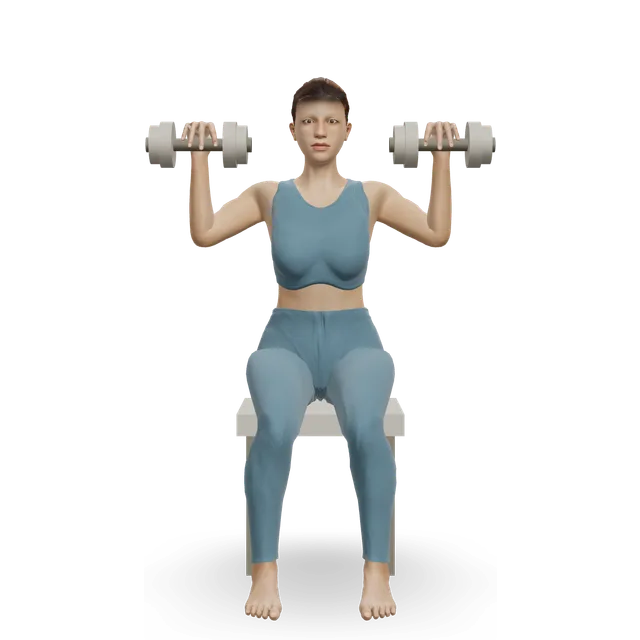
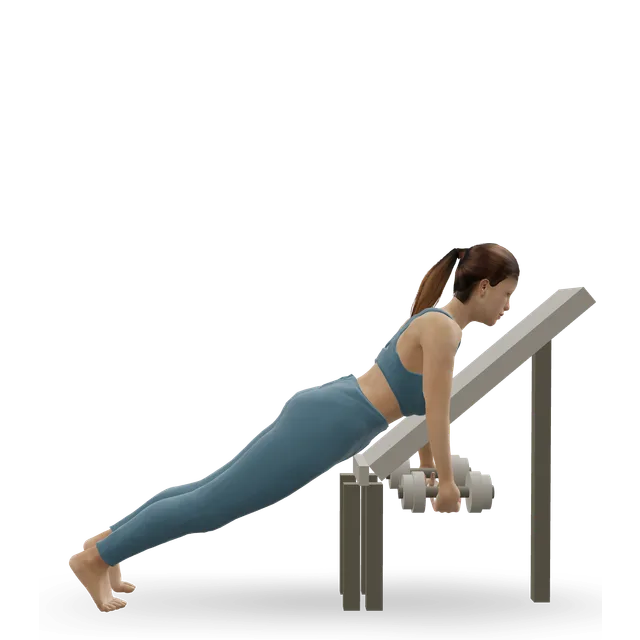
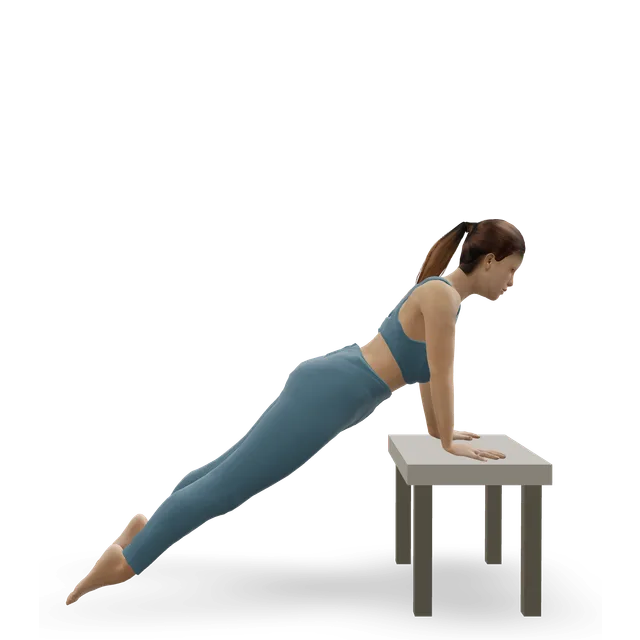
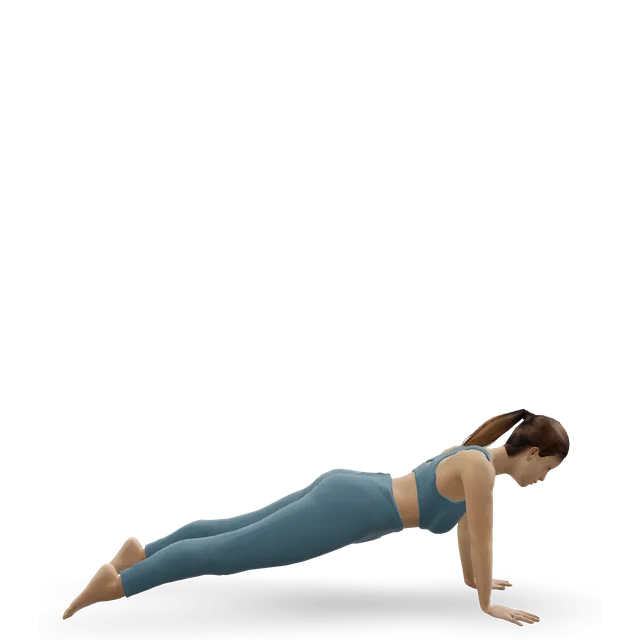
Start at the first stage. Each move opens a full guide with a 3D demo.

Stage 1

Settle: keep it moving without stirring it up

For the first one to two weeks. Keep the shoulder moving and give the rotator cuff light work. Doses are editorial starting points.

Move on when: Daily tasks feel a little easier, and the shoulder is back to its usual level by the next session.

Follow along: a timer, a cue and the next move, one step at a time.
Stage 2

Build: load the cuff and shoulder blade on purpose

About weeks 2 to 6, about 5 days a week, the frequency used in the GRASP trial. Doses are editorial unless marked.

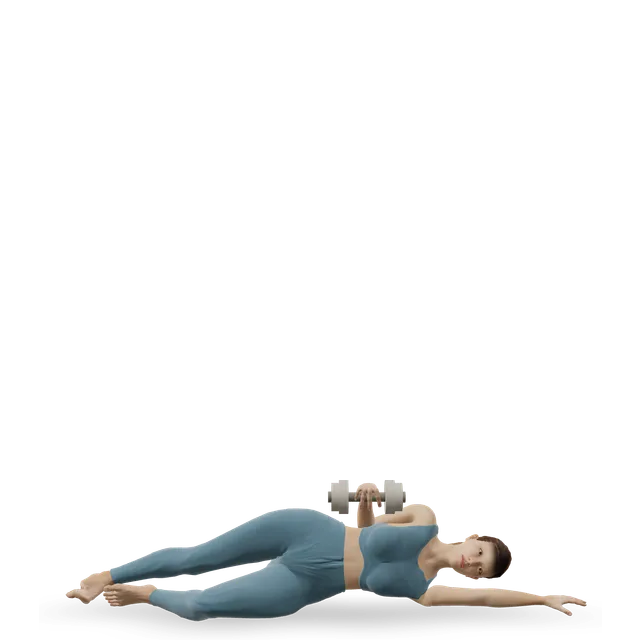
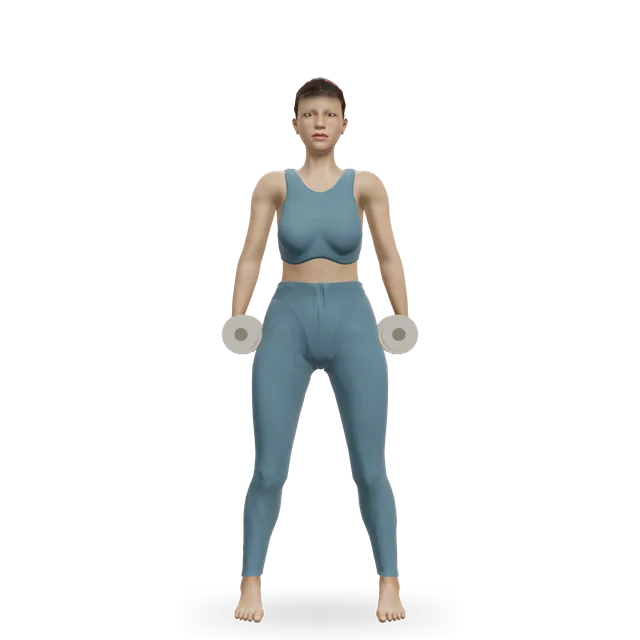
Side-lying external rotation demonstrated on the 3D figure3D demoSide-lying external rotationBeginner · A dumbbell

3 sets of 10 to 15, light dumbbell · The highest infraspinatus activity of seven external rotation exercises in a lab study

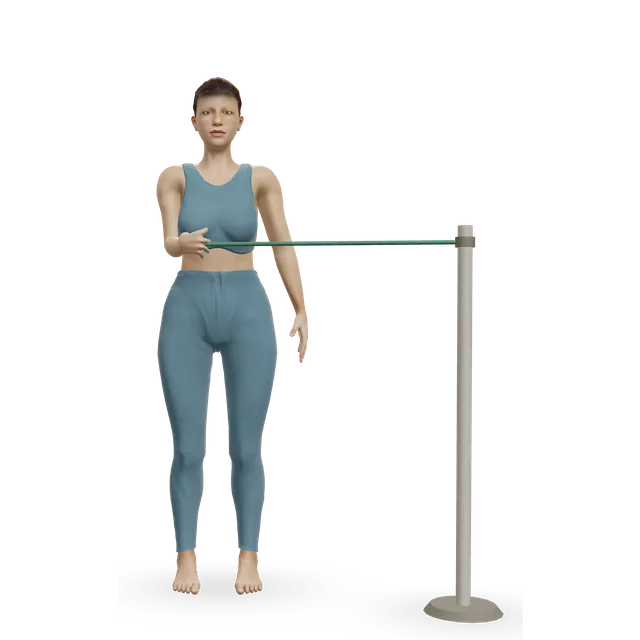
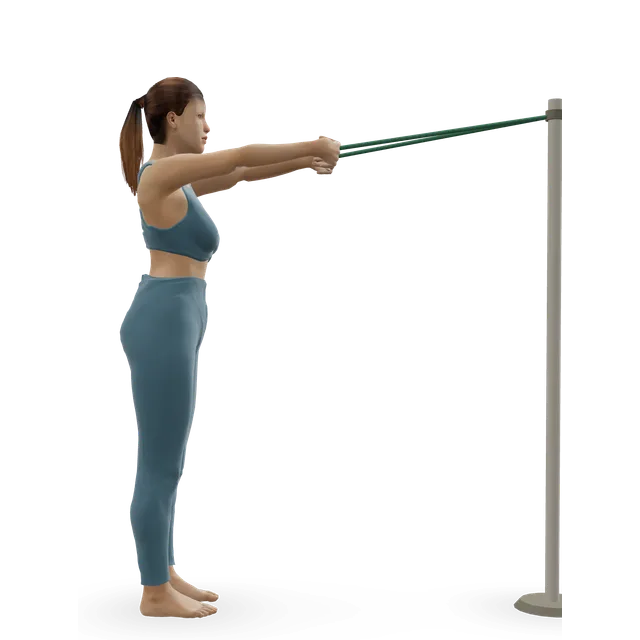
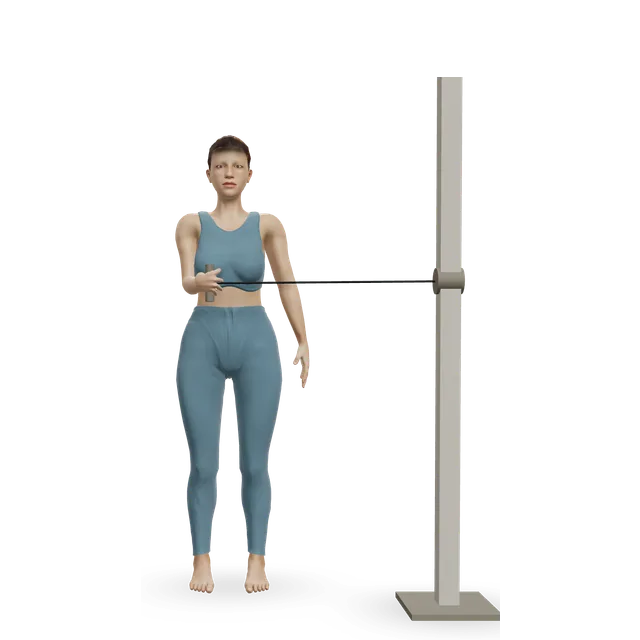
Easier: Standing band external rotation · Harder: Cuban rotation

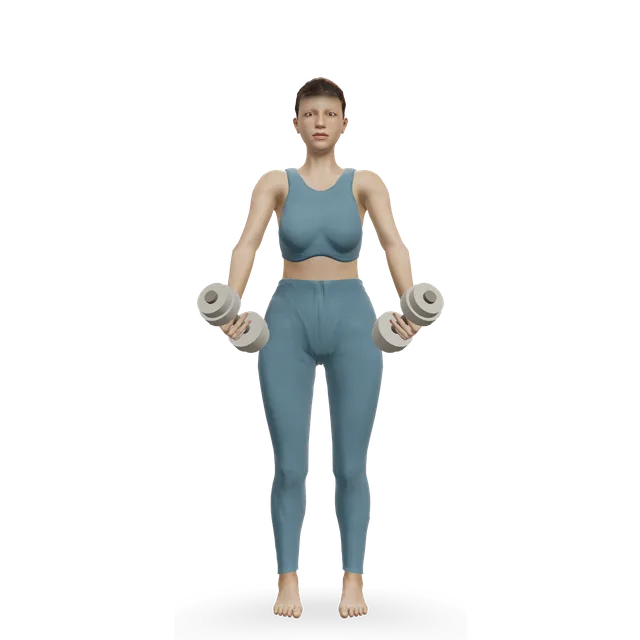
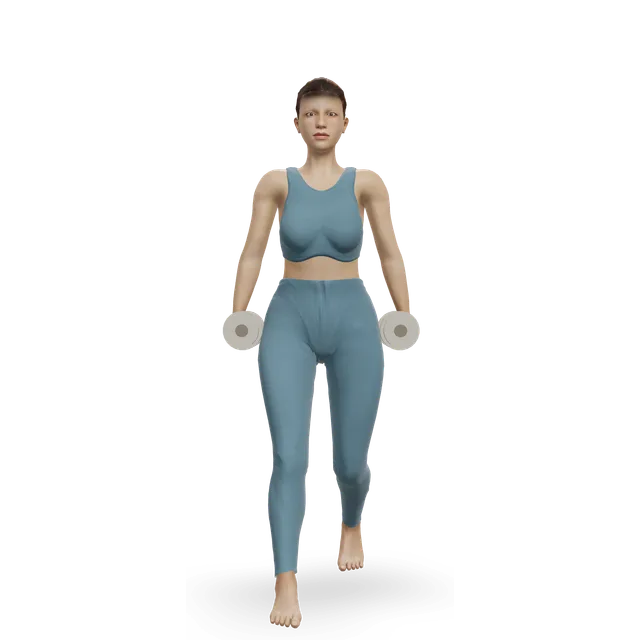
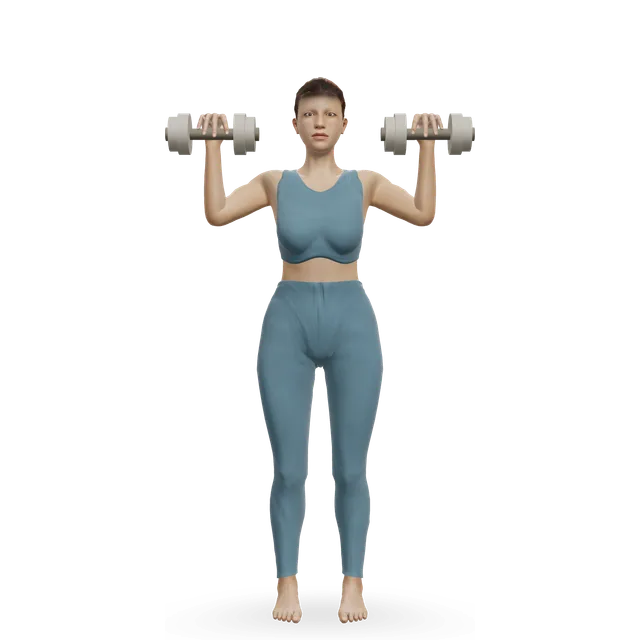
Scaption raise demonstrated on the 3D figure3D demoScaption raiseBeginner · A dumbbell

3 sets of 10 to 15, thumbs up, to shoulder height, lowering over 3 s

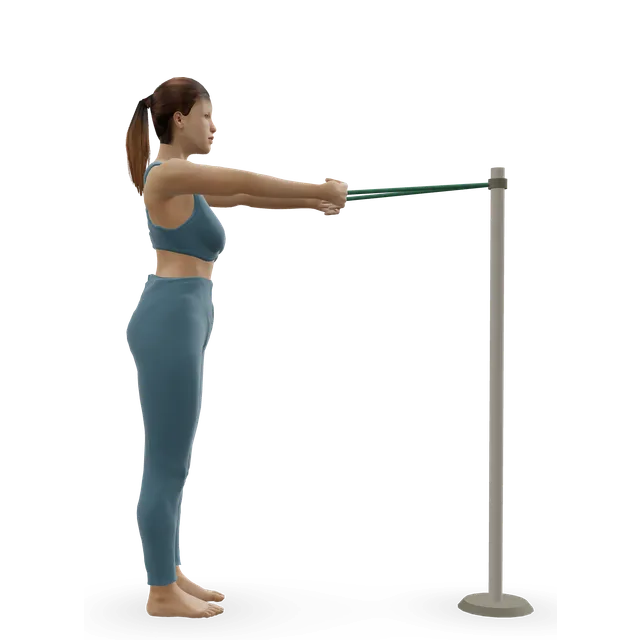
Easier: Band lateral raise · Harder: Smith machine upright row

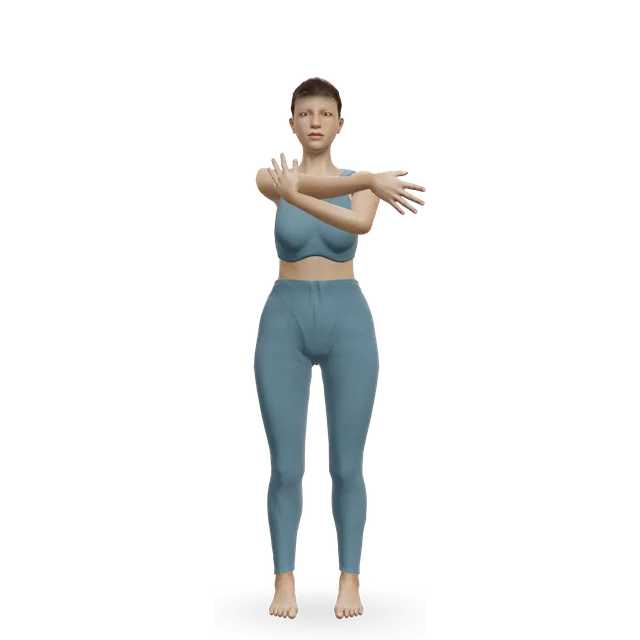
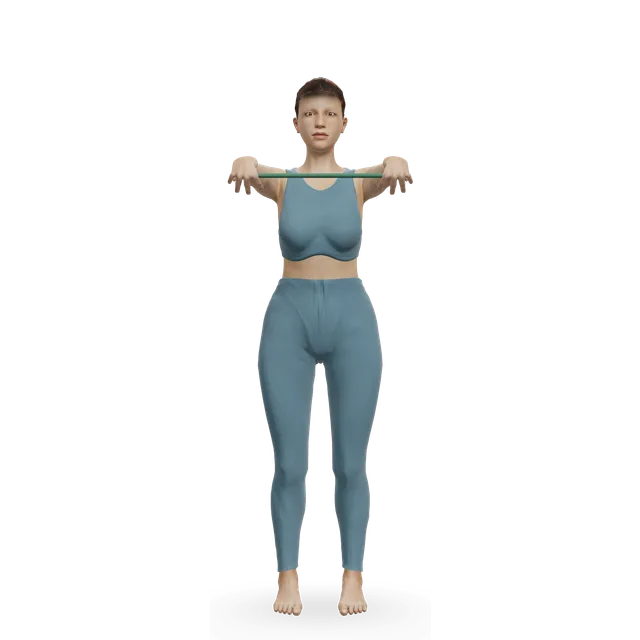
Cross-body shoulder stretch demonstrated on the 3D figure3D demoCross-body shoulder stretchBeginner · No equipment

3 holds of 30 s, if the back of the shoulder is tight · The Holmgren trial used 30 to 60 s, 3 times, twice a day

Harder: Sleeper stretch

Move on when: You can finish every set within the pain rule, and the shoulder is no worse the next day.

Follow along: a timer, a cue and the next move, one step at a time.
Stage 3

Strengthen: pushing, pulling and overhead, for the long term

From about week 6. Full-body pushing and pulling, overhead if that is a goal, and keep it going. Doses are editorial starting points.

Move on when: Add load or move to the harder option one change at a time, keeping the pain rule.

Follow along: a timer, a cue and the next move, one step at a time.

What to change for now

Shoulder pain from the gym: what the evidence showsMixed evidence

In 55 recreational weight-training men, those with impingement signs had less inward and outward rotation and weaker external rotators and lower trapezius than those without. This is a snapshot: it cannot show whether the weakness caused the pain or followed it.

Source 43

Bench press grip and shoulder loadEmerging evidence

In a lab model of 10 experienced lifters, a grip narrower than 1.5 times shoulder width lowered compression at the AC joint, and pulling the shoulder blades back with the narrower grip lowered the shearing load on the shoulder joint and the work the rotator cuff had to do. No injuries were measured.

Source 42

What to change in the gym

One hospital sports-medicine handout tells lifters to avoid behind-the-neck pulldowns and presses, wide-grip bench press, standing lateral raises, overhead triceps work and chest flys, to keep the bench grip about shoulder width, to stop dips at 90 degrees of elbow bend, and not to work through shoulder pain. That is useful practical advice, but no trial tests these bans, and some (all standing lateral raises) are stricter than the evidence requires.

A practical approach, built from the pain rule, the bench study and that handout (editorial):

  • Keep training, but take the painful lift down to a level that obeys the 5 out of 10 rule: lighter, fewer sets, a shorter range.
  • Swap the barbell bench for a narrower grip, dumbbells with the palms facing in, or a floor press that limits depth; try a landmine press instead of strict overhead pressing for a while.
  • Press and pull in front of the head, not behind the neck.
  • Add the cuff and shoulder-blade work from the plan (external rotation, rows, face pulls) two or three times a week, and build the pressing back over weeks.
  • Pain on top of the shoulder with dips, wide bench or reaching across the body: think AC joint (see the shoulder arthritis guide).

Sources 25, 42, 46

A sudden pop at the front of the armpit or chestEmerging evidence

Pec major tendon tears happen mostly in men and mostly during weight training: in 365 published cases, 48% happened during weight training, and in one surgeon's 104 surgical cases all the patients were men, with an average age of 36.5. A sudden pop or tearing pain at the front of the armpit or chest during a heavy press, with bruising or a change in the chest's shape, should be seen promptly: pain that started after an injury needs a same-day check.

Sources 44, 45, 1

Sleeping with shoulder pain

No trial has tested sleeping positions; the NHS only suggests resting the arm on a cushion when sitting. A sensible start (editorial): sleep on your back or on the other side, with a pillow supporting the sore arm (hugged in front of you, or under the elbow if you are on your back), and avoid lying directly on the sore shoulder while it is irritable.

Night pain usually eases as the daytime pain does. In the Holmgren trial, night pain fell more with specific exercise than with generic exercise, by 20 points on a 0 to 100 scale.

Sources 1, 25

Which stretch suits which pain

Hold 2 to 3 times for 20 to 30 seconds, a mild stretch, never sharp.

StretchReasonable forTake care or skipWhy
Cross-body shoulder stretchA tight back of the shoulder; rotator cuff pain if it doesn't pinch; frozen shoulder once it is less irritableAC joint pain (it presses on the joint); a pinch at the front (lower the arm)Improved turning the arm inwards by about 20 degrees in 4 weeks in people without pain. Holmgren's one stretch was for the back of the shoulder.
Sleeper stretchOverhead athletes with a clear loss of turning the arm inwardsA painful or unstable shoulder; early frozen shoulderIts gain was not significant in a trial and no better than the cross-body stretch, and lying on the shoulder compresses it.
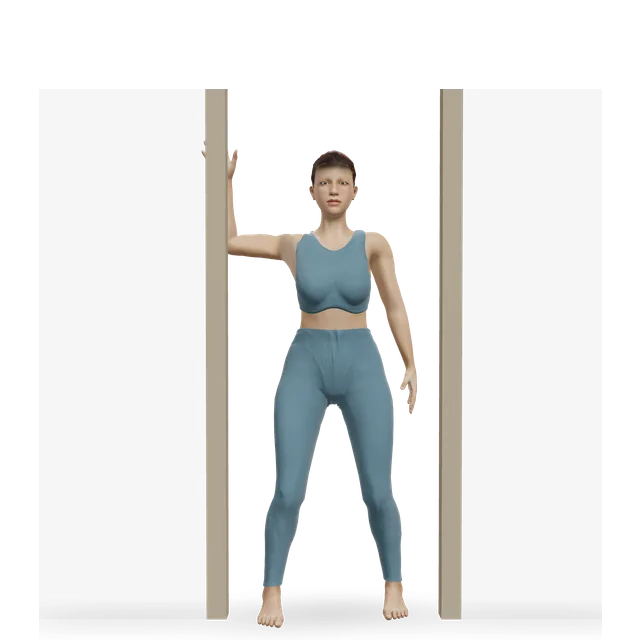
Doorway chest openerA tight chest and rounded shoulders; frozen shoulder, elbow low at firstAfter a dislocation or with a loose shoulder: arm out and back is the position a shoulder dislocates inA one-arm self-stretch lengthened the pec minor most of three stretches in healthy people; no pain-outcome evidence.
Pendulum exercise (Codman's pendulum)The very painful stage of frozen shoulder, or a flare; arthritisLarge, fast swings early after rotator cuff surgery (follow your surgeon)It mostly moves the trunk, not the shoulder joint, so it keeps the arm moving rather than stretching it. Larger swings work the supraspinatus more.
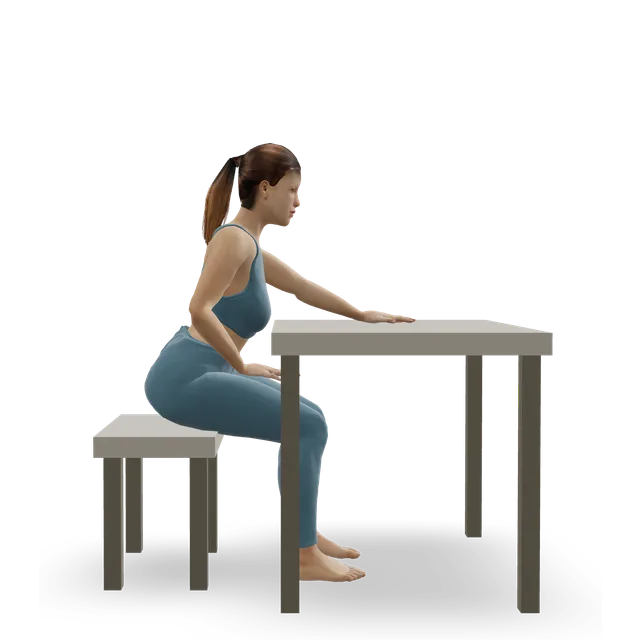
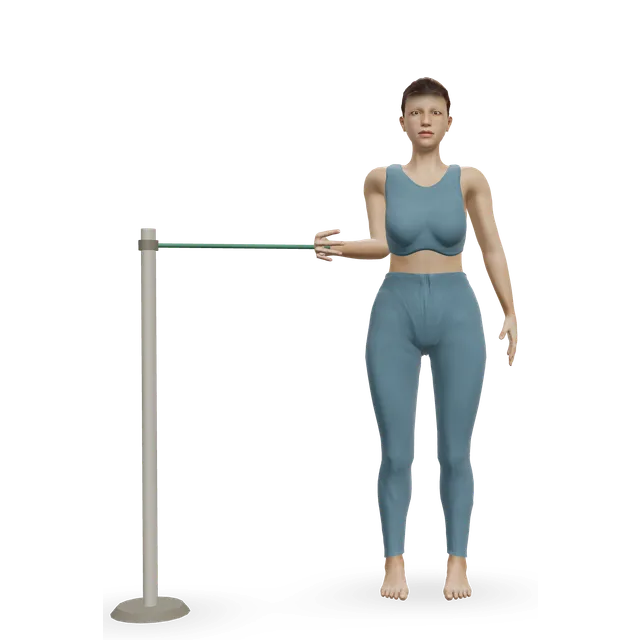
Table slide (seated forward reach)Frozen shoulder, arthritis, early after a dislocation, rotator cuff tearsPushing into painAssisted movement, which a frozen shoulder guideline recommends for irritable shoulders.
Stick-assisted external rotation (lying)Frozen shoulder, arthritisAfter a dislocation: keep the elbow at your side, short of any feeling of slippingTurning the arm outwards is the key loss in frozen shoulder and arthritis.
Wall angelA stiff upper back; frozen shoulder once it is only mildly irritableRotator cuff pain if the arms-overhead part pinches (stop lower)Range and shoulder-blade control; no pain-outcome trials.
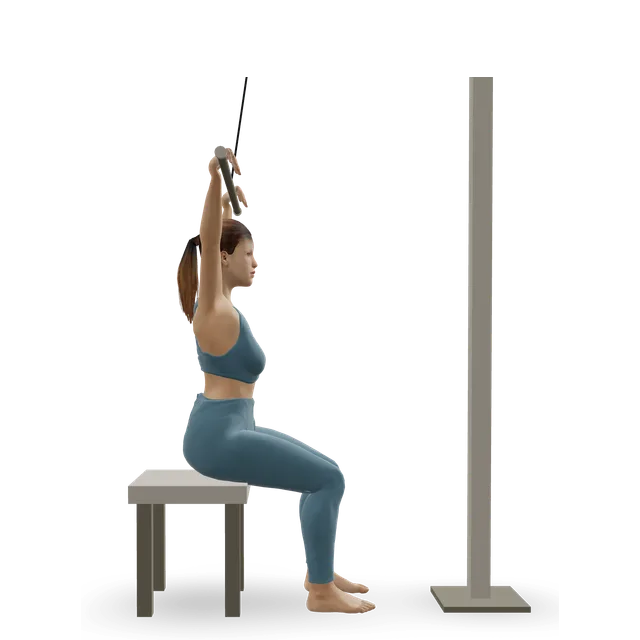
Overhead lat stretch at a benchA thawing frozen shoulder; lifters wanting overhead rangeA painful rotator cuff, a loose shoulder, early frozen shoulderTakes the arm to the end of its overhead range.
Shoulder CARs (controlled articular rotations)Low irritability; keeping range in every directionA painful arc: work around itControl through the whole range.
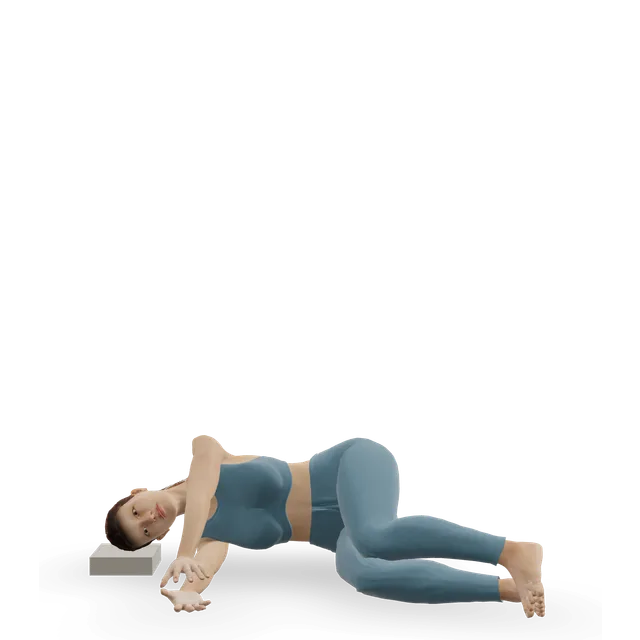
Thoracic rotationAnyone; useful while the shoulder is too sore to stretchKeep it within comfortSitting tall gives more arm range in the moment, but there is no evidence that fixing posture fixes shoulder pain.
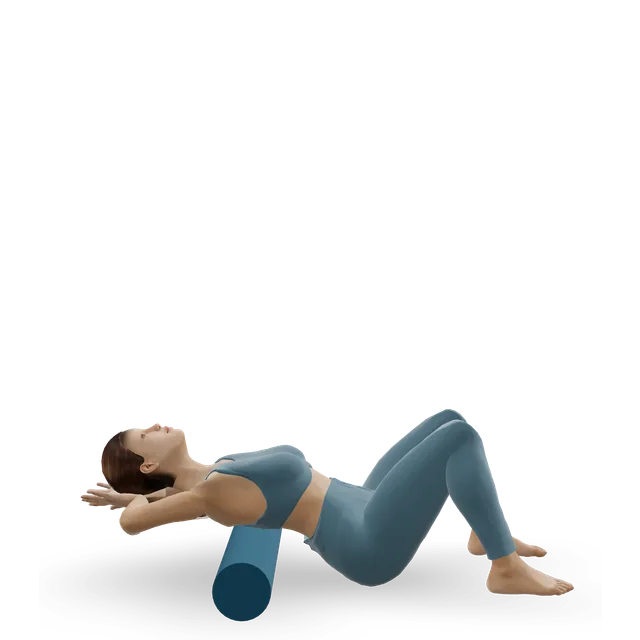
Foam Roller Thoracic ExtensionA stiff upper backOsteoporosis: clear it with a clinician firstAs above: helpful for comfort and range, not a proven fix for the shoulder.
Levator Scapulae StretchPain from the neck and upper trapeziusPins and needles in the arm: stopFor pain that comes from the neck; see "Is it my neck or my shoulder?"
Upper trap releasePain from the neck and upper trapeziusPins and needles in the arm: stopAs above.

Shoulder pain: guides by cause

Routines to follow

More moves for this area

Questions people ask

Why does my shoulder hurt at night, and how should I sleep?

Night pain is common with rotator cuff problems, frozen shoulder and arthritis, and on its own it is not a warning sign. No trial has tested sleeping positions; lying on your back or the other side with a pillow supporting the sore arm is a sensible start. Constant pain that does not change with position, with weight loss, fever or a history of cancer, needs checking.

Should I rest my shoulder or use a sling?

Usually not. The NHS advises against stopping shoulder movement altogether because it can slow recovery, and with frozen shoulder keeping the arm still makes the pain worse. After a dislocation, follow your clinic's sling advice; keeping the arm still for longer than about a week has not been shown to lower the chance of it happening again.

Should I stretch or strengthen a painful shoulder?

For rotator cuff pain, strengthen: the trial evidence is for strengthening, and the successful Holmgren programme had just one stretch. Frozen shoulder is different: gentle stretching matched to how irritable the shoulder is is recommended. Most stretch studies were done in people without pain.

Will I need surgery?

Exercise comes first for the common causes. Shaving bone to make room for an impinged tendon did no better than placebo surgery in two trials, and a guideline panel recommends strongly against it. For worn rotator cuff tears, a physiotherapy programme was effective for about 75% of people over 2 years in one large cohort. Surgery does have a place: a cuff tear after an injury, a dislocation in a young athlete in a high-risk sport, or arthritis that no longer responds to other care.

Do steroid injections help shoulder pain?

For rotator cuff pain, a little and briefly: in the GRASP trial an injection gave a small improvement at 8 weeks and none at 6 or 12 months. In frozen shoulder, an injection into the joint speeds up improvement over the first weeks to about 3 months, and adding a home exercise programme gave extra benefit later.

How long will shoulder pain take to get better?

It depends on the cause, and no one can promise a date. In one GP study, about 59% of people with new shoulder pain had fully recovered at a year, and neck pain at the same time slowed recovery. Rotator cuff programmes in trials ran for 12 to 16 weeks; frozen shoulder can take a year or two to settle.

Could left shoulder pain be my heart?

It can be: reduced blood flow to the heart is a recognised cause of pain felt in the shoulder. Call 999 if shoulder or arm pain comes with chest pain that feels tight or squeezing, or with shortness of breath, sweating or feeling sick. Shoulder tip pain with sudden severe tummy pain in someone who could be pregnant is also an emergency.

Is my posture causing my shoulder pain?

The evidence does not show that. A systematic review found no clear link between upper-back rounding and having shoulder pain. Sitting tall gives more arm range in the moment, so use it for comfort, but correcting posture is not a proven treatment.

Other pain guides

Sources

  1. NHS · Shoulder pain
  2. NHS · Shoulder impingement syndrome
  3. NHS · Frozen shoulder
  4. NHS · Dislocated shoulder
  5. NHS · Heart attack: symptoms
  6. NHS · Lung cancer: symptoms
  7. NHS · Ectopic pregnancy: symptoms
  8. NHS · Polymyalgia rheumatica
  9. NHS · Septic arthritis
  10. NHS · Neck pain
  11. Mitchell 2005 · Shoulder pain: diagnosis and management in primary care (clinical review, BMJ)
  12. Kulkarni 2015 · BESS/BOA patient care pathway: subacromial shoulder pain (Shoulder & Elbow)
  13. Rupani 2025 · BESS patient care pathway: frozen shoulder (Shoulder & Elbow)
  14. Brownson 2015 · BESS/BOA patient care pathway: traumatic anterior shoulder instability (Shoulder & Elbow)
  15. Thomas 2016 · BESS/BOA patient care pathway: glenohumeral osteoarthritis (Shoulder & Elbow)
  16. Kelley 2013 · Adhesive capsulitis: JOSPT clinical practice guideline
  17. NICE NG226 · Osteoarthritis in over 16s: diagnosis and management (2022)
  18. Beard 2018 · Decompression vs placebo arthroscopy vs no treatment for subacromial pain: CSAW (placebo-controlled RCT, Lancet)
  19. Paavola 2018 · Subacromial decompression vs diagnostic arthroscopy: FIMPACT (placebo-surgery-controlled RCT, BMJ)
  20. Kanto 2025 · FIMPACT 10-year follow-up: decompression vs placebo surgery and exercise therapy (RCT, BMJ)
  21. Karjalainen 2019 · Subacromial decompression surgery for rotator cuff disease (Cochrane review)
  22. Vandvik 2019 · Subacromial decompression surgery for adults with shoulder pain: BMJ Rapid Recommendation (clinical practice guideline)
  23. Hopewell 2021 · Progressive exercise vs best practice advice, with or without steroid injection, for rotator cuff disorders: GRASP (RCT, Lancet)
  24. Keene 2020 · Developing the GRASP trial's physiotherapy-led exercise programmes (Physiotherapy)
  25. Holmgren 2012 · Specific exercise and the need for surgery in subacromial impingement (RCT, BMJ)
  26. Steuri 2017 · Exercise, manual therapy and medical treatment for shoulder impingement (meta-analysis of RCTs, BJSM)
  27. Page 2016 · Manual therapy and exercise for rotator cuff disease (Cochrane review)
  28. Challoumas 2020 · Comparison of treatments for frozen shoulder (systematic review and network meta-analysis, JAMA Network Open)
  29. Kuhn 2013 · Physical therapy for atraumatic full-thickness rotator cuff tears: the MOON cohort (prospective cohort, JSES)
  30. Sher 1995 · MRI findings in shoulders without symptoms (JBJS Am)
  31. Teunis 2014 · Rotator cuff disease becomes more common with age (systematic review and pooled analysis, JSES)
  32. Minagawa 2013 · Rotator cuff tears with and without symptoms: ultrasound screening of one village (J Orthop)
  33. Barrett 2016 · Upper-back posture and shoulder pain, range and function (systematic review, Manual Therapy)
  34. van der Windt 1996 · Shoulder disorders in general practice: what predicts recovery (cohort of 349 people, BJGP)
  35. Requejo-Salinas 2025 · Neck or shoulder? Consensus on screening the spine in shoulder pain (Delphi study, Physical Therapy)
  36. Diercks 2004 · Supervised neglect vs intensive physical therapy for frozen shoulder (prospective study, JSES)
  37. McClure 2007 · Cross-body vs sleeper stretch for posterior shoulder tightness (RCT in people without shoulder pain, JOSPT)
  38. Borstad 2006 · Three pectoralis minor stretches compared (study in healthy people, JSES)
  39. Long 2010 · Shoulder muscle activity during pendulum exercises and light activities (EMG, JOSPT)
  40. Cunningham 2020 · Shoulder motion during Codman pendulum exercises (motion analysis, Arthroscopy, Sports Medicine and Rehabilitation)
  41. Reinold 2004 · Rotator cuff and deltoid activity in seven external rotation exercises (EMG, JOSPT)
  42. Noteboom 2024 · Bench press technique and shoulder loads (biomechanical model, Frontiers in Physiology)
  43. Kolber 2017 · Shoulder range and strength in weight trainers with and without impingement (cross-sectional study, JSCR)
  44. ElMaraghy 2012 · Pectoralis major tears (systematic review, JSES)
  45. Kowalczuk 2020 · Pectoralis major ruptures: tear patterns and who has them (case review, OJSM)
  46. Mass General Sports Medicine · Strength training for the shoulder (patient handout)

Exercise education, not a diagnosis or treatment plan. It is written from the guidelines and studies listed above; review by a clinician is pending. If your pain follows an injury, is severe, is getting worse, or comes with any warning sign listed on this page, get it assessed. Health disclaimer.