Frozen shoulder: exercises matched to how sore it is, and what really helps
The capsule around the shoulder joint becomes inflamed, then thickens and tightens. It causes pain, often worse at night, and stiffness that makes the shoulder hard to move in every direction; losing the ability to turn the arm outwards is the hallmark. It is most common between 40 and 65, in women, and in people with diabetes or thyroid disease.
Frozen shoulder usually gets much better, but it can take a year or two, and some stiffness can linger. Choose your exercises by how sore and irritable it is right now, not by the calendar.
Exercise is for pain that has been checked or is clearly mild and settling.
Get urgent medical help if
Call 999 or go to A&E: after a fall or injury, your shoulder looks out of place or has changed shape, or you cannot move your arm. Do not drive yourself, and do not try to put it back in yourself.
Call 999: shoulder or arm pain with chest pain that feels tight or squeezing, or chest pain that spreads to your arms, neck or jaw, especially with shortness of breath, sweating or feeling sick. It could be a heart attack.
Same day (GP or NHS 111): the shoulder or arm is hot, swollen or red, or you have a high temperature or feel unwell. A joint infection needs same-day care.
Same day (GP or NHS 111): sudden or very bad shoulder pain; you cannot move your arm; the arm or shoulder is badly swollen or has changed shape; pins and needles that do not go away; no feeling in the arm; the arm is hot or cold to the touch; pain that started after an injury such as a fall; or severe pain in both shoulders.
Same day (GP or NHS 111): you are over 50 and have new pain and stiffness in both shoulders (often the hips too), especially with morning stiffness lasting more than 45 minutes. This can be polymyalgia rheumatica. With a new headache, jaw pain when chewing or problems with your vision, contact a GP immediately.
See a doctor or physiotherapist if
Pain that is getting worse or has not improved after 2 weeks of looking after it yourself, or it is very hard to move your arm. In many areas you can refer yourself to physiotherapy.
A past history of cancer, an unexplained lump or swelling, weight loss, or pain that is constant and does not ease when you change position.
Pins and needles or a cold arm alongside neck pain, or a new loss of strength or feeling in the arm that you cannot explain (a possible nerve problem).
Understand it
Who gets itStrong evidence
Frozen shoulder is most common between 40 and 65, in women, after a previous frozen shoulder on the other side, and in people with diabetes or thyroid disease. Diabetes is the strongest link: people with diabetes have about 5 times the odds, about 13% of people with diabetes get it, and about 30% of people with frozen shoulder have diabetes. The 2025 UK care pathway cites 10.8% in people with diabetes against 2.3% without.
The diagnosis is made from your history and an examination.
A clinical guideline describes four overlapping stages: a first stage of up to 3 months with sharp pain at the end of movement and night pain; a painful "freezing" stage of about 3 to 9 months; a "frozen" stage of about 9 to 15 months; and a "thawing" stage from about 15 to 24 months, when pain eases but stiffness can persist.
But a systematic review found no evidence that frozen shoulder moves through phases to full recovery without treatment; most improvement happens early, not late. In 223 people followed for an average of 4.4 years, 59% had normal or near-normal shoulders and 41% had some ongoing symptoms, almost all mild (6% severe); people with the worst symptoms at the start did worst. People with diabetes may recover more slowly. The 2025 UK pathway calls it self-resolving, but says the stages are of limited use for choosing treatment.
The 2025 UK care pathway makes conditional recommendations: physiotherapy alone improves function faster than natural history, and physiotherapy should be offered after an injection. It makes no recommendation either way between in-person physiotherapy and a single session or home-led exercise. The UK FROST trial's physiotherapy required advice, education and home exercises, and discouraged keeping the arm still.
Frozen shoulder peaks in women in their 40s to 60s. A 2026 pilot study of 1,952 women found no statistically significant difference in frozen shoulder between those taking hormone therapy and those not (3.95% vs 7.65%). Whether hormones cause it, or HRT protects against it, is not known.
The clinical guideline says clinicians should teach stretching exercises, with the intensity set by how irritable the shoulder is, and education that describes the natural course and encourages pain-free everyday movement (moderate evidence).
In a prospective study of 77 people (not described as randomised), explanation, pendulum exercises and active exercise within the pain-free range ("supervised neglect") reached normal or near-normal function in 89% at 2 years, against 63% with intensive stretching and mobilisation up to and beyond the pain threshold.
A steroid injection speeds up early improvementStrong evidence
An injection into the shoulder joint plus mobility and stretching exercises gives better pain relief and function at 4 to 6 weeks than exercises alone. The UK pathway says steroid injections into the joint improve symptoms faster than natural history, with no long-term benefit shown after 3 months.
A network meta-analysis of 65 studies found only an injection into the joint was clinically better in the short term, and adding a home exercise programme gave extra benefit in the mid-term; its authors say an early injection for frozen shoulder of less than a year should come with a home exercise programme. A Cochrane review found manual therapy and exercise probably give less improvement than an injection at 7 weeks, with no important differences at 6 and 12 months. The UK pathway found no trials of non-steroid injections, which may matter for people more prone to steroid side effects, such as people with diabetes.
Hospital procedures did no better than good physiotherapy at a yearStrong evidence
UK FROST (Lancet 2020) randomised 503 adults in hospital care to early structured physiotherapy with an injection, manipulation under anaesthetic, or keyhole capsular release, each followed by up to 12 physiotherapy sessions. At 12 months none was clinically better (Oxford Shoulder Score 37.2, 38.3 and 40.3). Capsular release had more serious adverse events (8, against 2 with manipulation), and manipulation was the most cost-effective. The UK pathway adds that hydrodilatation (a large-volume injection) gives faster short-term improvement than natural history.
Pendulums keep it moving, but they don't stretch itEmerging evidence
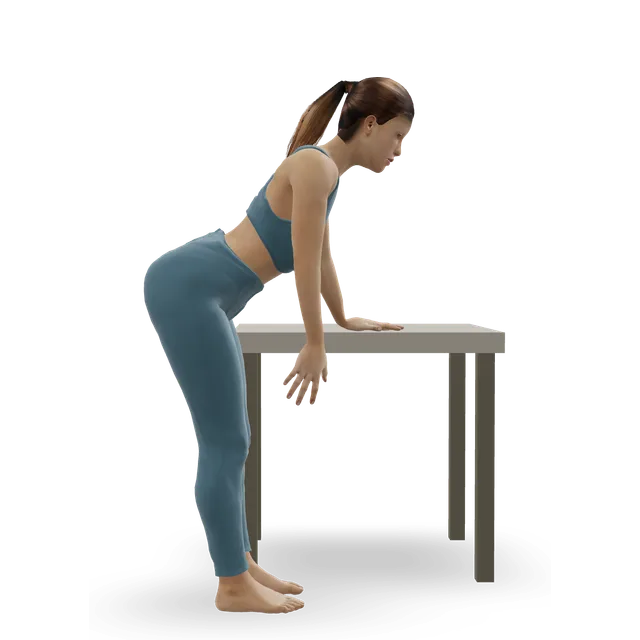
In the lab, pendulum exercises produce very little movement at the shoulder joint and mostly move the trunk, so they may be of limited use for restoring range. They were part of the gentle approach that did well in frozen shoulder: use them as a comfortable way to keep the arm moving in the painful stage, not as a stretch.
Mild discomfort only, matched to how irritable it isEmerging evidence
Frozen shoulder is the exception to the 5 out of 10 rule used for rotator cuff pain. The guideline says the exercises should be done without significant pain, with the intensity matched to how irritable the shoulder is, and in a study gentle exercise within the pain-free range did better than intensive stretching through pain.
So: in the very painful stage, stay pain-free. Later, stretch to mild discomfort and hold. A stretch should not leave a lasting flare afterwards; if it does, go gentler next time.
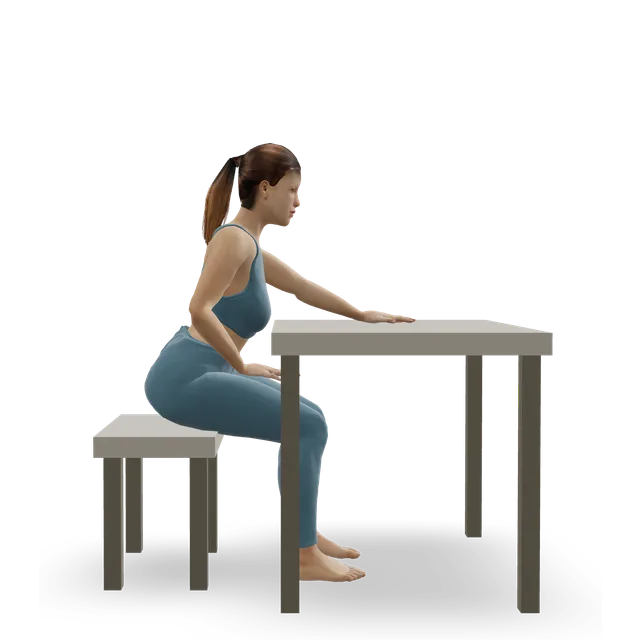
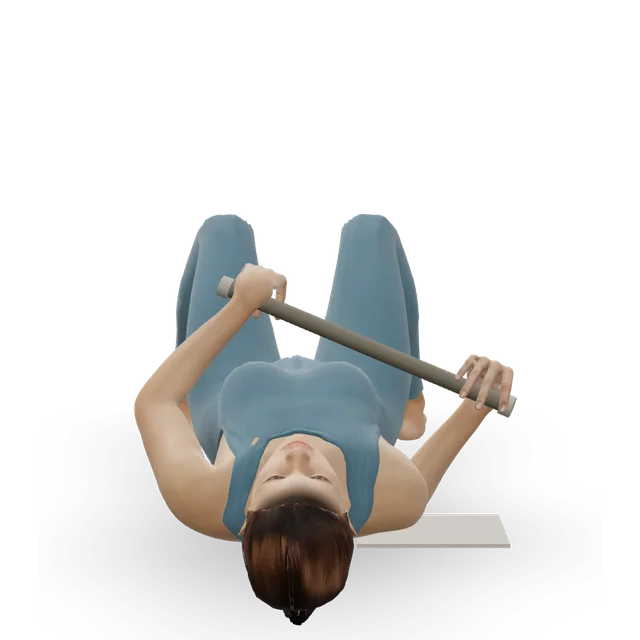
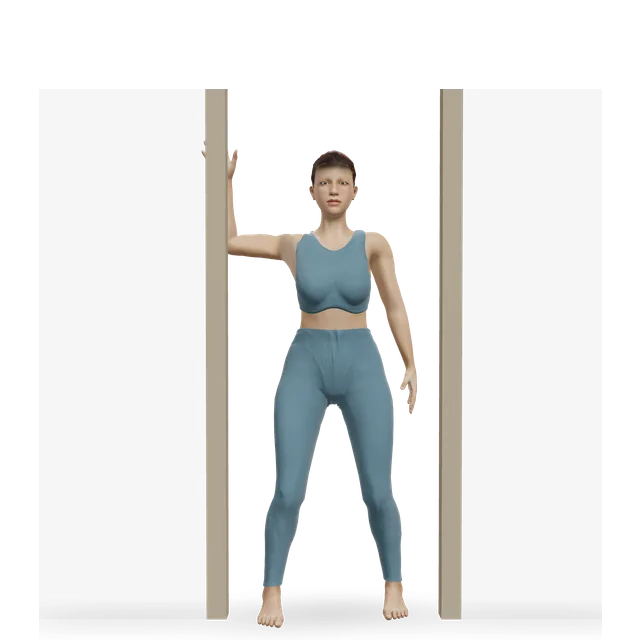
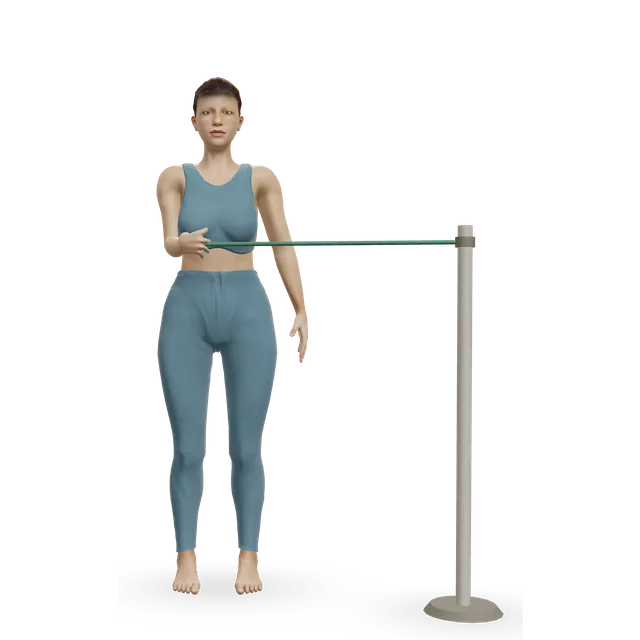
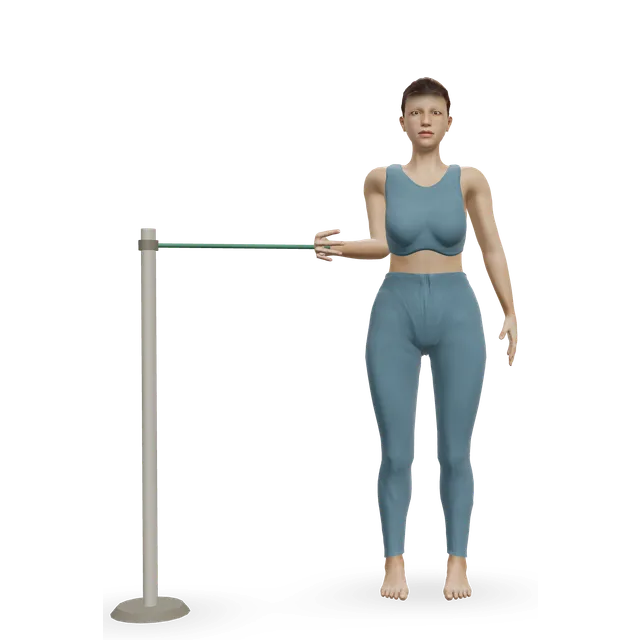
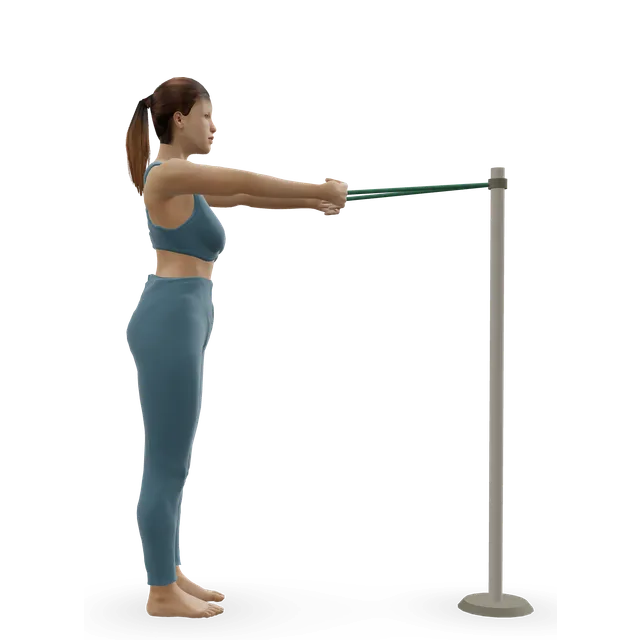
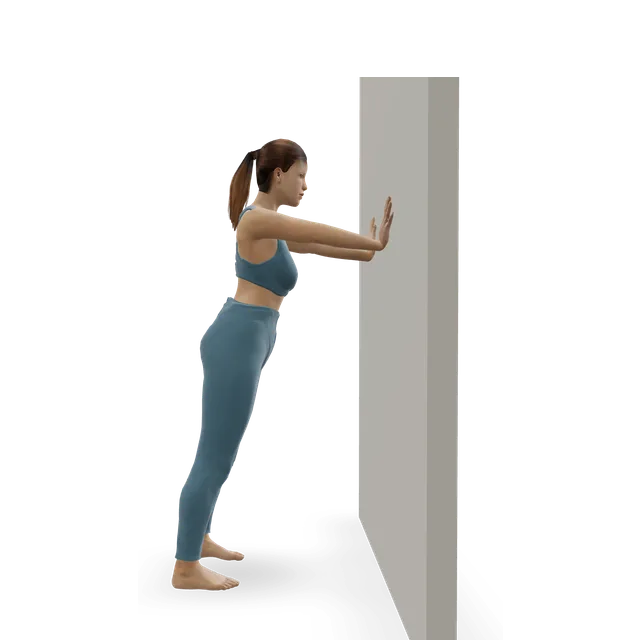
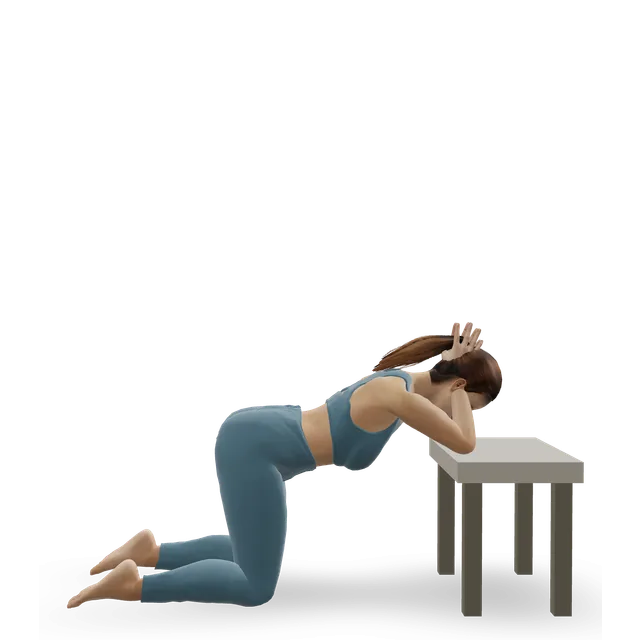
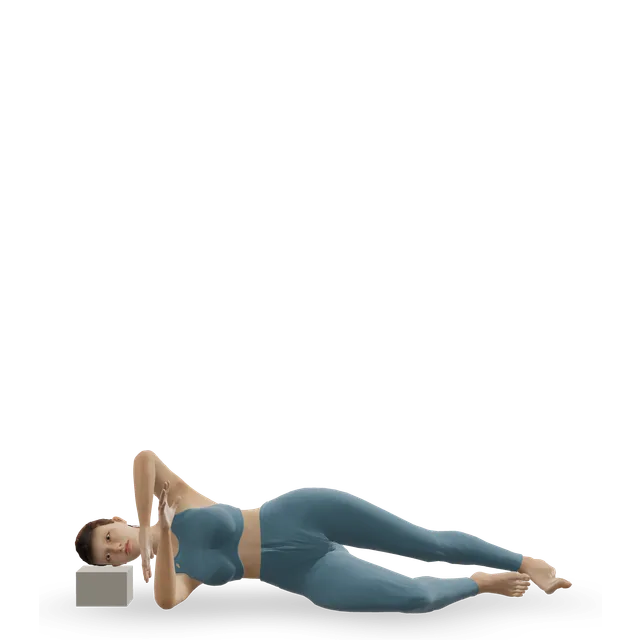
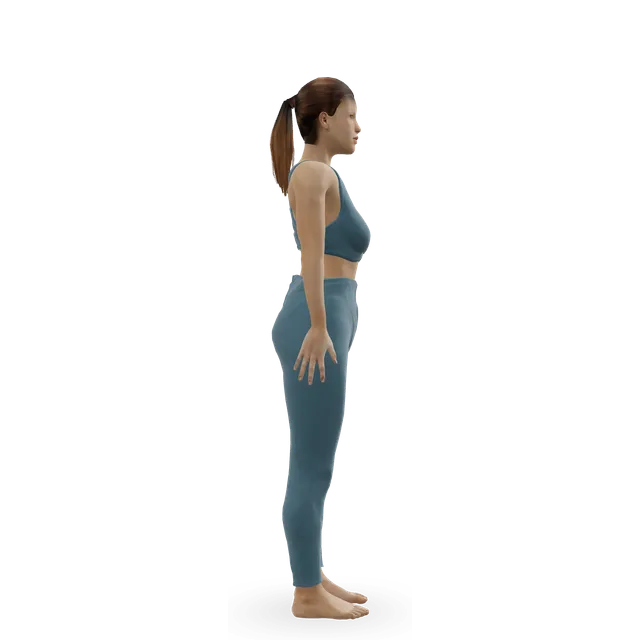
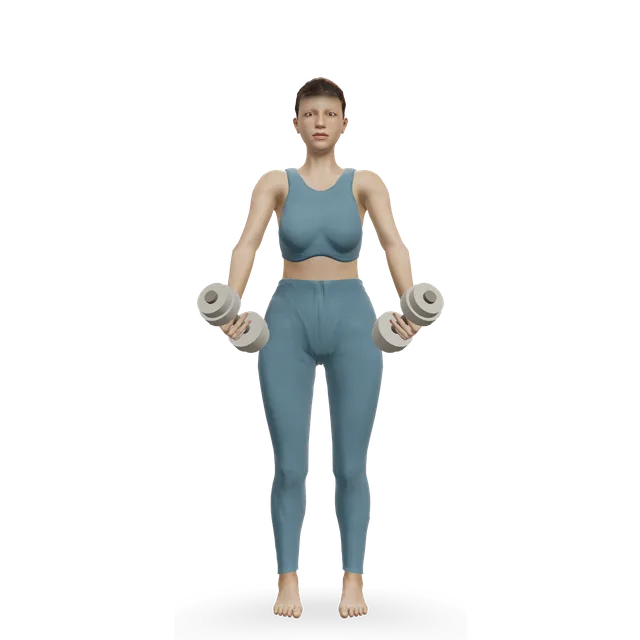
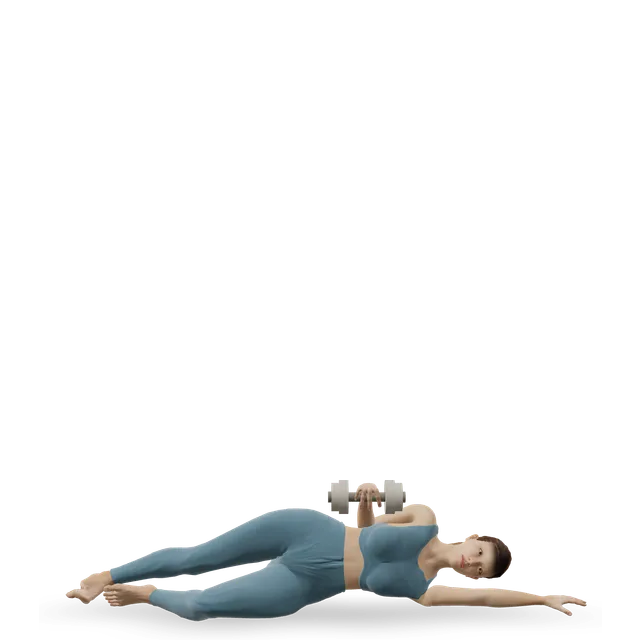
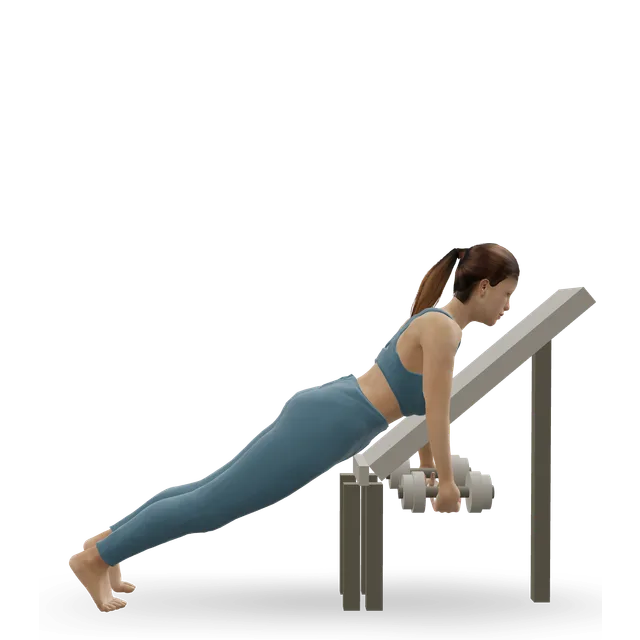
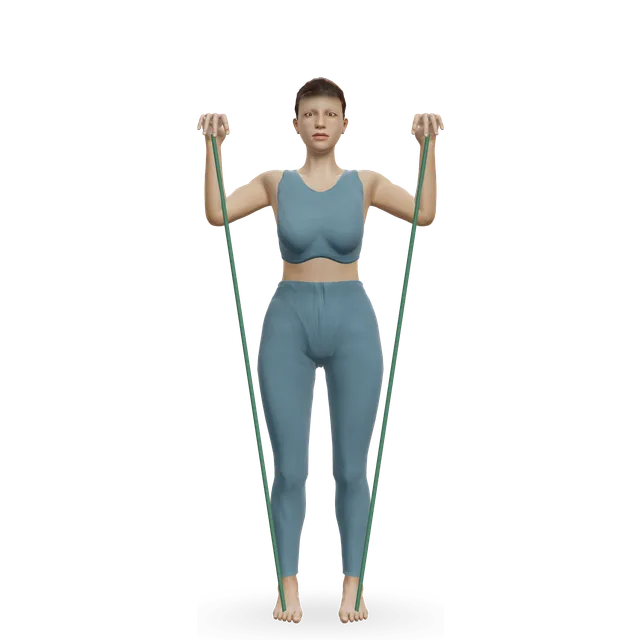
Start at the first stage. Each move opens a full guide with a 3D demo.
Stage 1
Settle (high irritability): keep it moving, pain-free
For pain of 7 out of 10 or more, constant night or rest pain, or pain before the end of the movement. Little and often, every day. The guideline recommends pain-free assisted movement, comfortable positions and moving the neighbouring areas; doses are editorial.
Move on when: Pain is mostly 6 out of 10 or less, night pain comes and goes, and it hurts only at the end of the movement.
Follow along: a timer, a cue and the next move, one step at a time.
Stage 2
Build (moderate irritability): gentle stretching and light strength
For pain of 4 to 6 out of 10 and night pain on and off. The guideline suggests gentle to moderate stretches that progress without a lasting flare, and starting strengthening; doses are editorial.
Move on when: Pain is 3 out of 10 or less, there is no night or rest pain, and it hurts only when pushed at the very end of the range.
Follow along: a timer, a cue and the next move, one step at a time.
Stage 3
Strengthen (low irritability): longer stretches and full strength
For pain of 3 out of 10 or less with no night pain, often the thawing stage. Longer stretches into the stiff directions, resisted exercise and more demanding activity, as the guideline suggests; doses are editorial.
Move on when: Keep stretching into the stiff directions and add load gradually; go back a stage if night pain returns.
Follow along: a timer, a cue and the next move, one step at a time.
Positions to swap, and why
Habit or position
Why it matters
Instead
Forcing stretches through strong pain, or having someone push the arm hard
Intensive stretching beyond the pain threshold did worse than gentle exercise in a study, and the guideline says exercises should be done without significant pain.
Stretch to mild discomfort and hold; let the range come back over weeks.
Keeping the arm still in a sling
The NHS says keeping it still makes the pain worse, and the UK FROST trial's physiotherapy discouraged it.
Use the arm for light daily tasks within comfort.
Making up strenuous gym exercises
The NHS advises against making up strenuous exercises, such as using gym equipment.
A clinical guideline describes a first stage of up to 3 months, a painful freezing stage of about 3 to 9 months, a frozen stage of about 9 to 15 months, and a thawing stage from about 15 to 24 months. But a review found no evidence that it reliably works through phases to full recovery, and most improvement happens early. Use how irritable it is, not the calendar, to choose your exercises.
Should I push through the pain?
No. The guideline says the exercises should be done without significant pain. In a study, gentle exercise within the pain-free range did better at 2 years than intensive stretching beyond the pain threshold (89% vs 63% reaching normal or near-normal function).
Do injections help frozen shoulder?
In the short term, yes. A steroid injection into the joint speeds up improvement over the first weeks to about 3 months, and adding a home exercise programme gave extra benefit later. A longer-term benefit has not been shown.
Is frozen shoulder linked to the menopause?
It is most common in women in their 40s to 60s, around the menopause years. But whether hormones cause it, or HRT protects against it, is not known: a 2026 pilot study found no statistically significant difference between women taking hormone therapy and those not.
Is frozen shoulder linked to diabetes?
Strongly. People with diabetes have about 5 times the odds of getting it, about 13% of people with diabetes get it, and about 30% of people with frozen shoulder have diabetes. People with diabetes may recover more slowly.
Will frozen shoulder come back?
The sources here do not say how often the same shoulder freezes again. Having had it in one shoulder makes it more likely in the other. Over the long term, in one study of 223 people followed for an average of 4.4 years, 59% had normal or near-normal shoulders and 41% had some ongoing symptoms, almost all mild.
How should I sleep with a frozen shoulder?
No trial has tested sleeping positions. Lying on your back or the other side with a pillow supporting the sore arm is a sensible start. Night pain is a sign of the irritable stage; an injection early on can ease pain in the short term, so ask your GP if nights are very bad.
Exercise education, not a diagnosis or treatment plan. It is written from the guidelines and studies listed above; review by a clinician is pending. If your pain follows an injury, is severe, is getting worse, or comes with any warning sign listed on this page, get it assessed. Health disclaimer.