Table slide (seated forward reach)
Sitting at a table with your hand on a towel, you slide the hand forward by leaning your body forward, so the shoulder lifts while the table takes the arm's weight. A stiff or sore shoulder can practise reaching forwards without having to hold the arm up.
Movement guide
Table slide (seated forward reach)
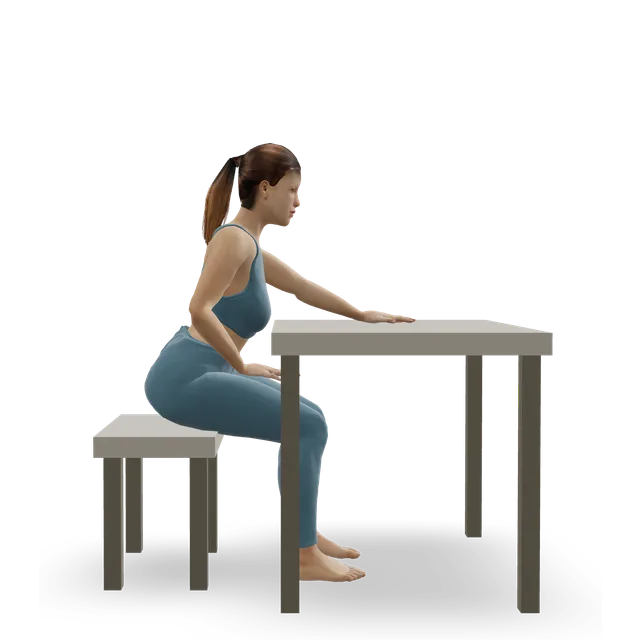
Loading the 3D figure…
Make it easier or harder
Start where you can move well, then step up.
Easier option
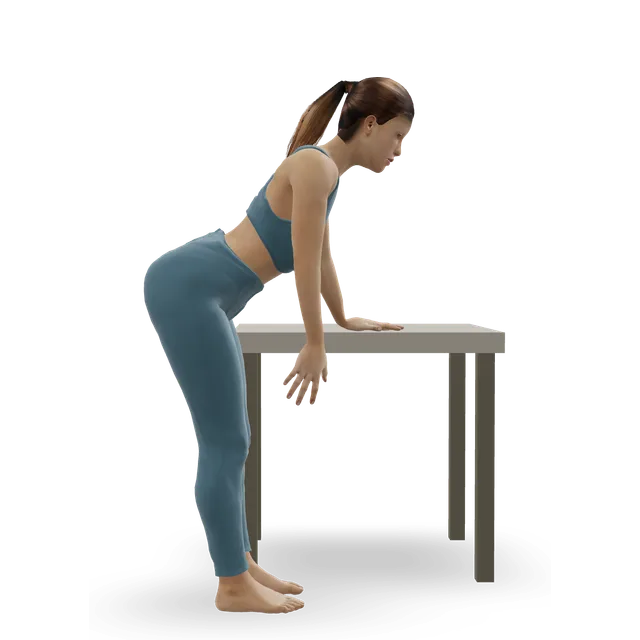 3D demoPendulum exercise (Codman's pendulum)Beginner · A bench or box
Suggested next step, beginner grade.
Harder option
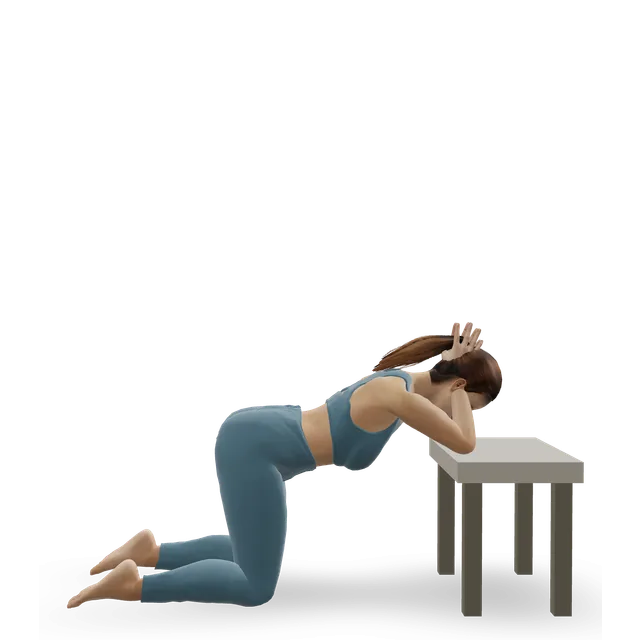 3D demoOverhead lat stretch at a benchIntermediate · A bench or box
Suggested next step, intermediate grade.
Source-researched guide. Clinical review is pending.
How to move
- Sit facing a table, close enough to rest your forearm on it, with a small towel under your hand.
- Sit tall with your feet flat.
- Slowly slide the hand forward on the towel by bending forward from your hips, letting the arm straighten and the shoulder lift.
- Go only as far as is comfortable, pause for 2 to 3 seconds (longer in later stages), and breathe.
- Slide back as you sit up. Repeat for the set.
Form cues
- Let the towel glide; the table carries the arm.
- Lean from the hips and let the arm follow.
- Avoid: shrugging the shoulder up towards the ear, pressing down on the towel, pushing into sharp pain, or rushing.
Practice and cautions
10 slow repetitions, 1 to 3 times a day; in the moderately irritable stage of frozen shoulder, 5 to 10 with a 10 to 20 second hold at the end. An editorial starting point: there are no trials of this movement on its own, though a frozen shoulder guideline recommends pain-free assisted movement for very irritable shoulders.
In the very painful stage of frozen shoulder, stay pain-free. After a dislocation, keep the hand below shoulder height until your clinician says otherwise. This is movement education, not an assessment or treatment prescription. Stop for sharp or increasing pain, dizziness, numbness or tingling; seek individual guidance for symptoms, injury or restrictions.
Sources and review status
Sources support the educational description; they do not establish that this exercise is suitable for you.
- Kelley 2013 · Adhesive capsulitis: JOSPT clinical practice guideline (pain-free assisted movement for an irritable frozen shoulder; stretching matched to irritability) ↗
- Hanchard 2020 · The UK FROST physiotherapy protocols for frozen shoulder: advice, education and home exercise (Physiotherapy) ↗
No variation is labeled clinically validated.
What it works
Equipment
A bench or box
Level
Beginner. See the easier and harder options above.
Pain guides that use it
Part of a staged plan, with when to get help first.
- Shoulder pain: exercises that help, and when to get it checked
- Shoulder impingement and rotator cuff pain: the exercises that help, and what surgery trials found
- Rotator cuff tear: exercises without surgery, and when a tear needs a surgeon
- Frozen shoulder: exercises matched to how sore it is, and what really helps
- Shoulder arthritis and AC joint pain: exercises, honest evidence, and when to see a surgeon
- After a shoulder dislocation, and shoulders that slip: rehab exercises and the real risk of it happening again
Similar moves
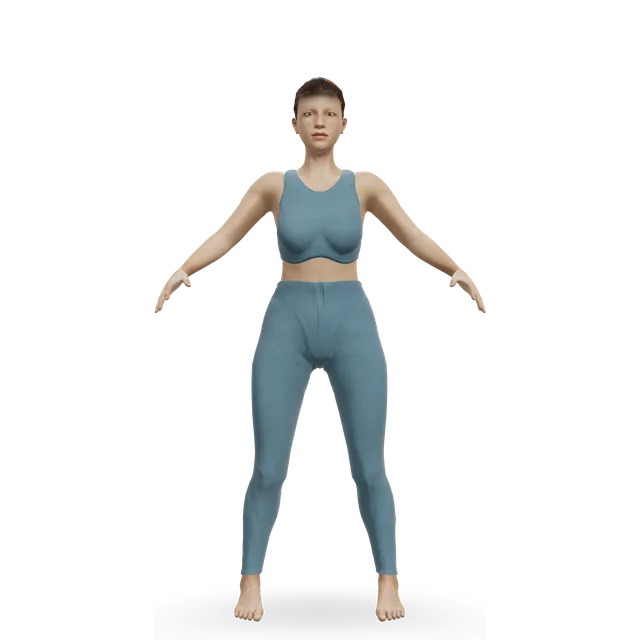 3D demoStanding spiral reachBeginner · No equipment
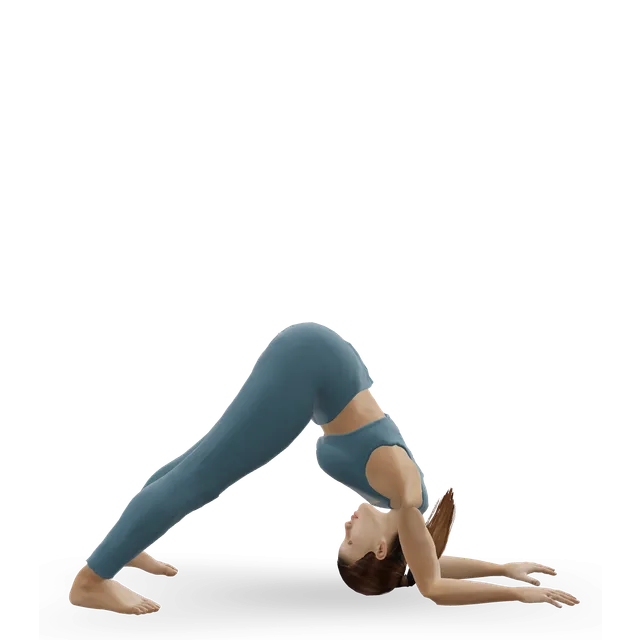 3D demoDolphin pose (Ardha Pincha Mayurasana)Intermediate · No equipment
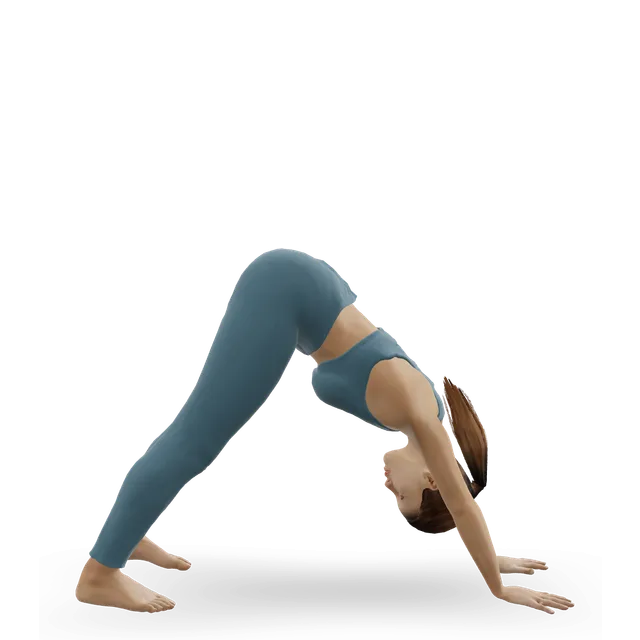 3D demoDownward-facing dog (Adho Mukha Svanasana)Beginner · No equipment
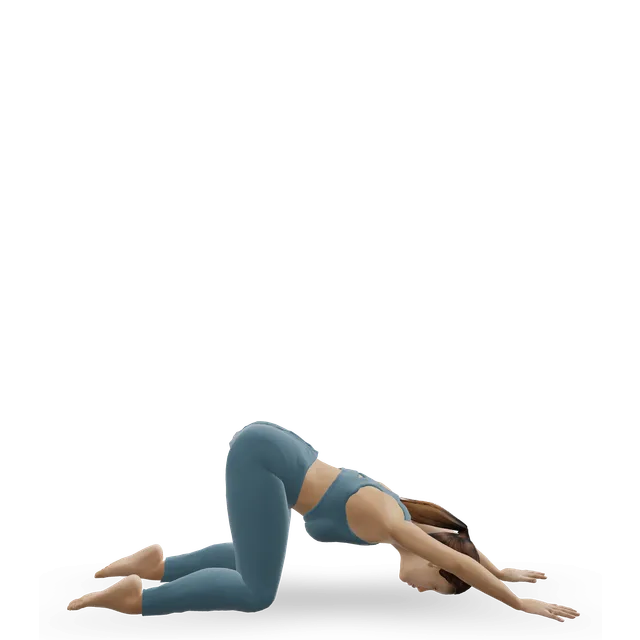 3D demoExtended puppy pose (Uttana Shishosana)Beginner · No equipment
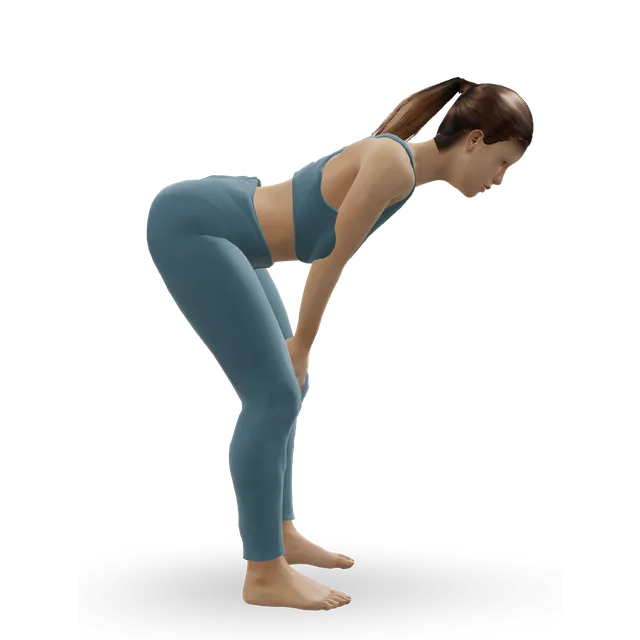 3D demoFlying sword (elastic forward swing)Intermediate · No equipment
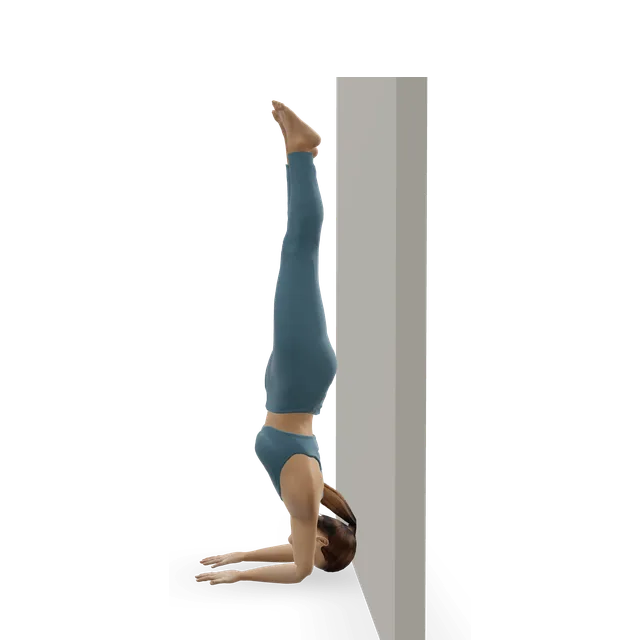 3D demoForearm stand (Pincha Mayurasana)Advanced · A wall
Browse more
Questions people ask
What muscles does the Table slide (seated forward reach) work?
Mainly the shoulders, with help from the back.
What equipment do I need for the Table slide (seated forward reach)?
A bench or box.
Is the Table slide (seated forward reach) good for beginners?
It is graded beginner, so it suits most people starting out. When it feels easy, try the Overhead lat stretch at a bench.
What is an easier alternative to the Table slide (seated forward reach)?
Try the Pendulum exercise (Codman's pendulum). It is the suggested step down from this move.
How do I make the Table slide (seated forward reach) harder?
Progress to the Overhead lat stretch at a bench, or add load, range or slower lowering once your form is solid.