Pendulum exercise (Codman's pendulum)
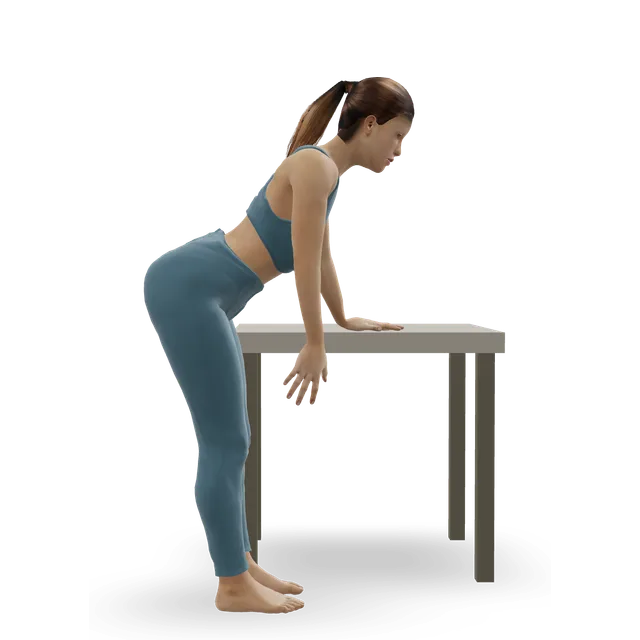
Leaning forward with your good hand on a table, you let the sore arm hang straight down and swing it in small circles and to and fro, moved by gently rocking your body rather than by lifting the arm. It keeps a very painful or stiff shoulder moving when lifting it is too sore.
Movement guide
Pendulum exercise (Codman's pendulum)
Loading the 3D figure…
Make it easier or harder
Start where you can move well, then step up.
Easier option
This is already one of the gentlest options for these muscles.
Harder option
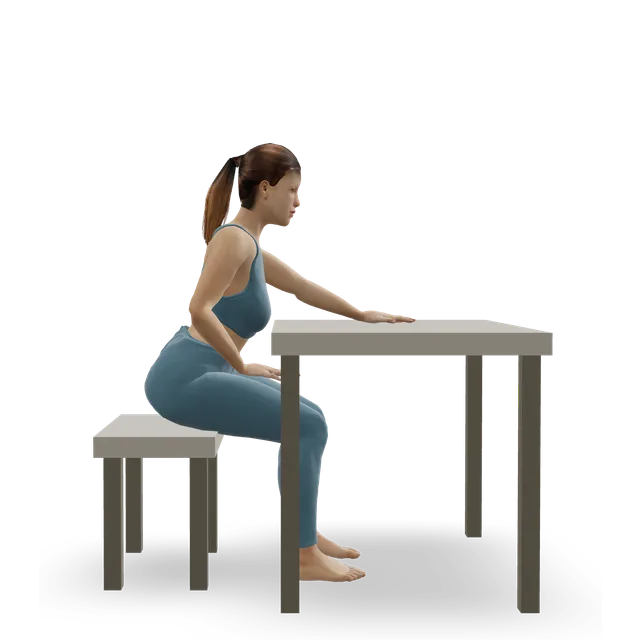 3D demoTable slide (seated forward reach)Beginner · A bench or box
Suggested next step, beginner grade.
Source-researched guide. Clinical review is pending.
How to move
- Stand beside a table and lean forward, resting your good hand or forearm on it, knees soft.
- Let the sore arm hang straight down, relaxed, like a rope.
- Shift your weight gently forward and back so the arm swings to and fro a few inches.
- Then sway side to side, then make small circles, about the size of a dinner plate, each way.
- Keep the shoulder relaxed throughout, and stand up slowly when you finish.
Form cues
- Let your body's sway move the arm; the shoulder muscles stay quiet.
- Keep the circles small and slow.
- Avoid: lifting the arm with the shoulder muscles, big fast circles, holding your breath, or leaning on the sore arm.
Practice and cautions
About 1 minute (10 small circles each way), 2 to 3 times a day. An editorial starting point: there are no trials of this exercise on its own. It was part of a gentle frozen shoulder approach that did better than intensive stretching in a prospective study, and motion analysis shows the movement comes mostly from the trunk, so it keeps the arm moving rather than restoring range.
Keep the circles small after rotator cuff surgery and follow your surgeon's protocol: in a lab study, larger pendulums made the supraspinatus work at more than 15% of its maximum. Don't add a weight without advice, and stand up slowly if you feel light-headed. This is movement education, not an assessment or treatment prescription. Stop for sharp or increasing pain, dizziness, numbness or tingling; seek individual guidance for symptoms, injury or restrictions.
Sources and review status
Sources support the educational description; they do not establish that this exercise is suitable for you.
- Diercks 2004 · Supervised neglect vs intensive physical therapy for frozen shoulder (prospective study of 77 patients, JSES) ↗
- Cunningham 2020 · Shoulder motion during Codman pendulum exercises: mostly trunk movement (motion analysis, Arthroscopy, Sports Medicine and Rehabilitation) ↗
- Long 2010 · Shoulder muscle activity during pendulum exercises and light activities (EMG, JOSPT) ↗
No variation is labeled clinically validated.
What it works
Equipment
A bench or box
Level
Beginner. See the easier and harder options above.
Pain guides that use it
Part of a staged plan, with when to get help first.
Similar moves
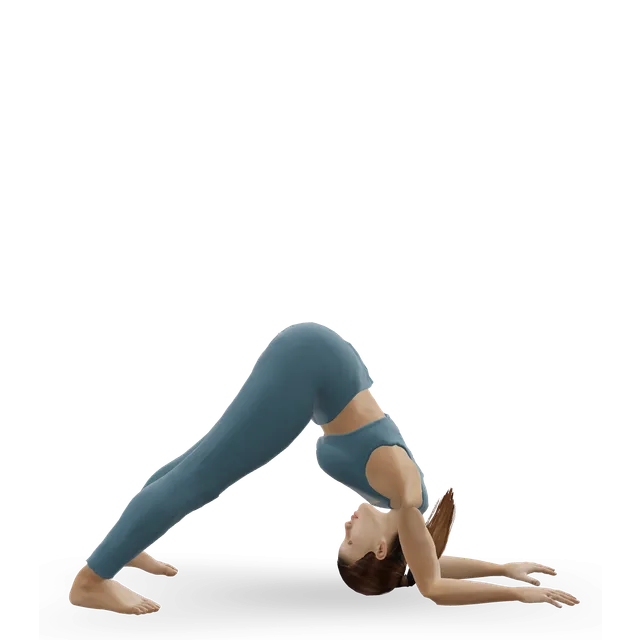 3D demoDolphin pose (Ardha Pincha Mayurasana)Intermediate · No equipment
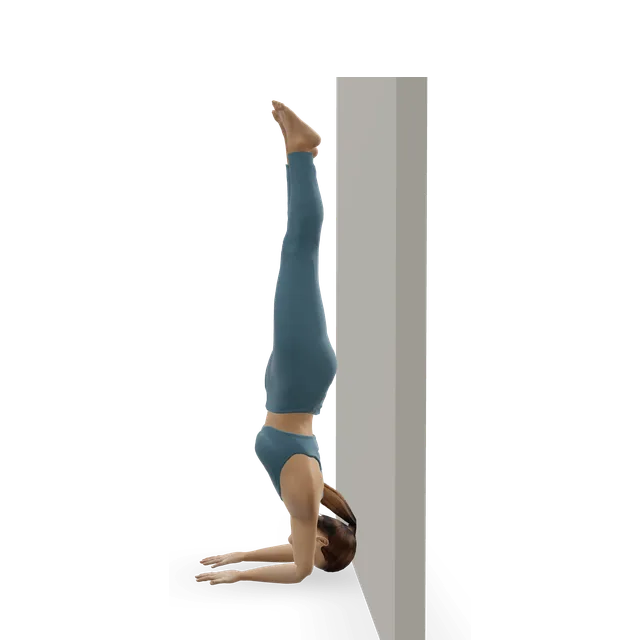 3D demoForearm stand (Pincha Mayurasana)Advanced · A wall
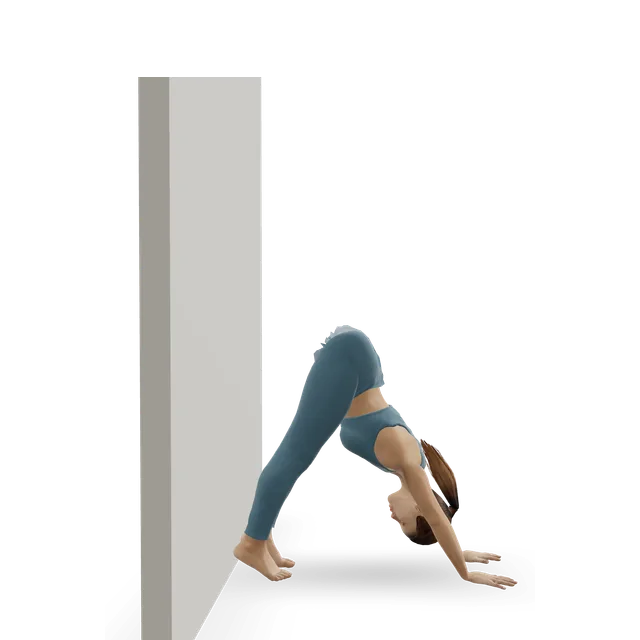 3D demoHalf handstand at the wall (Ardha Adho Mukha Vrksasana)Intermediate · A wall
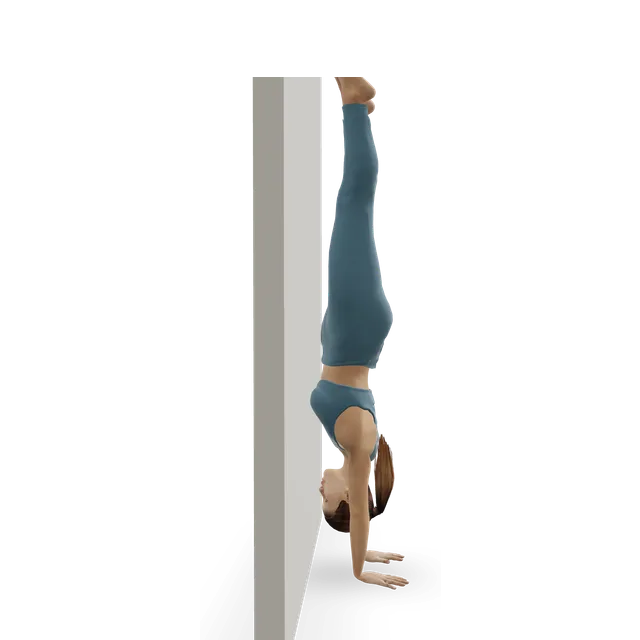 3D demoHandstand at the wall (Adho Mukha Vrksasana, chest to wall)Advanced · A wall
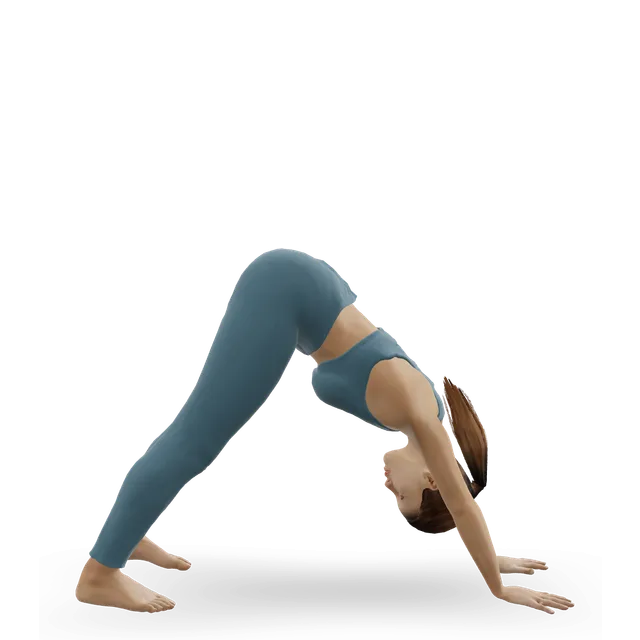 3D demoDownward-facing dog (Adho Mukha Svanasana)Beginner · No equipment
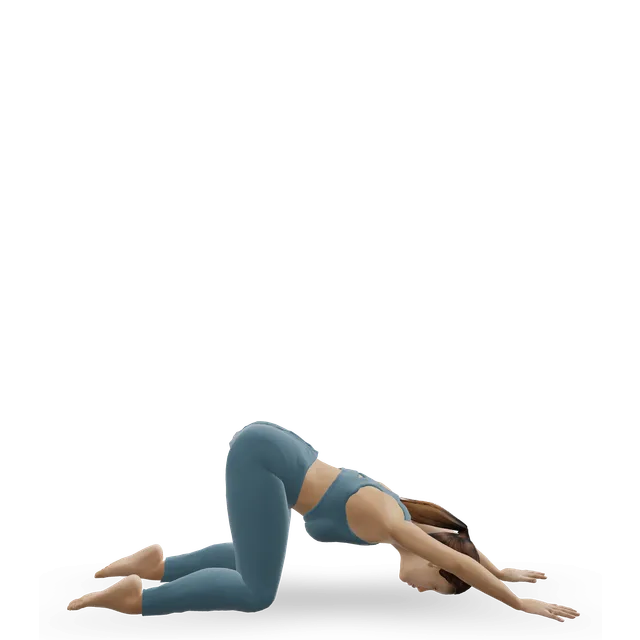 3D demoExtended puppy pose (Uttana Shishosana)Beginner · No equipment
Browse more
Questions people ask
What muscles does the Pendulum exercise (Codman's pendulum) work?
Mainly the shoulders, with help from the back and abs.
What equipment do I need for the Pendulum exercise (Codman's pendulum)?
A bench or box.
Is the Pendulum exercise (Codman's pendulum) good for beginners?
It is graded beginner, so it suits most people starting out. When it feels easy, try the Table slide (seated forward reach).
How do I make the Pendulum exercise (Codman's pendulum) harder?
Progress to the Table slide (seated forward reach), or add load, range or slower lowering once your form is solid.