Shoulder arthritis and AC joint pain: exercises, honest evidence, and when to see a surgeon
Wear-and-repair changes in the ball-and-socket joint, typically over 60: a deep ache in the joint, often at the back or side of the shoulder; night pain; gradually less range (brushing your hair, reaching a shelf); grinding or clicking; and especially a big loss of turning the arm outwards. When needed, it is diagnosed with X-rays.
No trial has tested exercise for shoulder arthritis specifically. It is still recommended, because it helps arthritis in other joints, it is low risk, and stronger muscles make daily tasks easier. Let pain guide the range. Pain on the very top of the shoulder is usually the AC joint, covered below.
Exercise is for pain that has been checked or is clearly mild and settling.
Get urgent medical help if
Call 999 or go to A&E: after a fall or injury, your shoulder looks out of place or has changed shape, or you cannot move your arm. Do not drive yourself, and do not try to put it back in yourself.
Call 999: shoulder or arm pain with chest pain that feels tight or squeezing, or chest pain that spreads to your arms, neck or jaw, especially with shortness of breath, sweating or feeling sick. It could be a heart attack.
Same day (GP or NHS 111): the shoulder or arm is hot, swollen or red, or you have a high temperature or feel unwell. A joint infection needs same-day care.
Same day (GP or NHS 111): sudden or very bad shoulder pain; you cannot move your arm; the arm or shoulder is badly swollen or has changed shape; pins and needles that do not go away; no feeling in the arm; the arm is hot or cold to the touch; pain that started after an injury such as a fall; or severe pain in both shoulders.
Same day (GP or NHS 111): you are over 50 and have new pain and stiffness in both shoulders (often the hips too), especially with morning stiffness lasting more than 45 minutes. This can be polymyalgia rheumatica. With a new headache, jaw pain when chewing or problems with your vision, contact a GP immediately.
See a doctor or physiotherapist if
Pain that is getting worse or has not improved after 2 weeks of looking after it yourself, or it is very hard to move your arm. In many areas you can refer yourself to physiotherapy.
A past history of cancer, an unexplained lump or swelling, weight loss, or pain that is constant and does not ease when you change position.
Pain that is not controlled, or daily life badly affected, despite non-surgical care: ask about a referral.
Understand it
Arthritis of the shoulder joint
A UK care pathway describes a severe loss of turning the arm outwards as a key feature, and diagnosis with two X-ray views (a true front view and an armpit view) when needed. Cuff tear arthropathy, arthritis after a large long-standing rotator cuff tear, is a related form that surgeons treat differently.
The AC joint is where the collarbone meets the top of the shoulder blade. Pain there sits on the very top of the shoulder; it is tender right over the joint, and reaching across the body is restricted. It usually follows a past injury, such as a fall onto the point of the shoulder, or arthritis.
In lifters, bone thinning at the end of the collarbone (distal clavicle osteolysis) is described in weightlifters and bodybuilders; in one case series of 10 men it settled after keyhole surgery when rest had failed. It is a recognised cause of pain on top of the shoulder in lifters, not a common one. Surgeons may remove the end of the collarbone when non-surgical care fails.
No direct trials of exercise for shoulder arthritisMixed evidence
A 2026 systematic review found no published randomised trial of physiotherapy-led non-surgical care for shoulder osteoarthritis; all four eligible trials were after surgery. The 2023 APTA guideline says, as expert opinion where the evidence is insufficient, that physical therapy may benefit people with shoulder arthritis who have not had a replacement, and that no one treatment is better than another. The UK care pathway lists physical therapy as an option but says the evidence for non-surgical treatments remains limited.
General arthritis guidance recommends exerciseMixed evidence
NICE, for osteoarthritis in any joint, recommends therapeutic exercise tailored to the person (local muscle strengthening and general aerobic fitness), suggests considering supervised sessions, and says to explain that pain may increase at first but regular exercise will help. It is not based on shoulder trials.
A narrower bench grip lowered load on the AC jointEmerging evidence
In a lab model of 10 experienced lifters, a bench-press grip narrower than 1.5 times shoulder width reduced compression at the AC joint. No injuries or pain were measured.
The UK care pathway gives strong support to regular paracetamol. It finds no evidence for routine steroid injections, which may give up to about a month of relief, and advises referral for surgery when pain is not controlled or function is badly affected.
Some extra pain at first is expectedEmerging evidence
NICE says joint pain may go up when you start exercising, and that regular, consistent exercise will still help.
A workable rule, borrowed from a rotator cuff trial: pain up to about 5 out of 10 during the exercises, back to where it was by your next session. If it isn't, use a smaller range or a lighter load next time, not nothing. If pain climbs week on week, or a warning sign appears, get it checked.
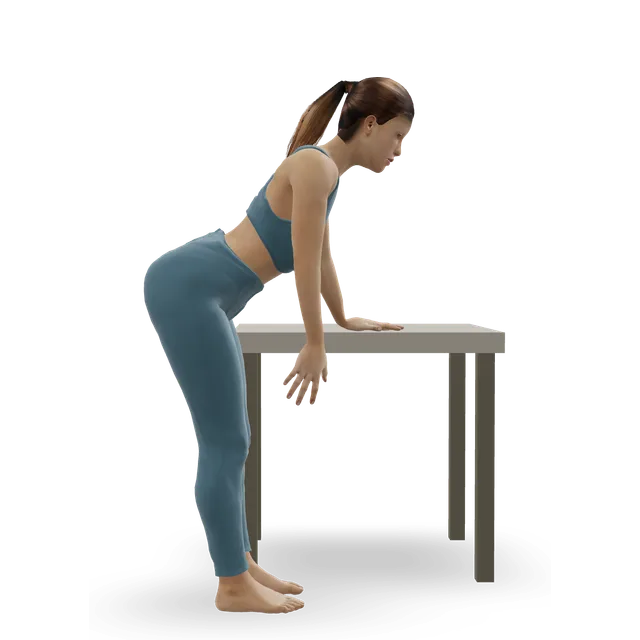
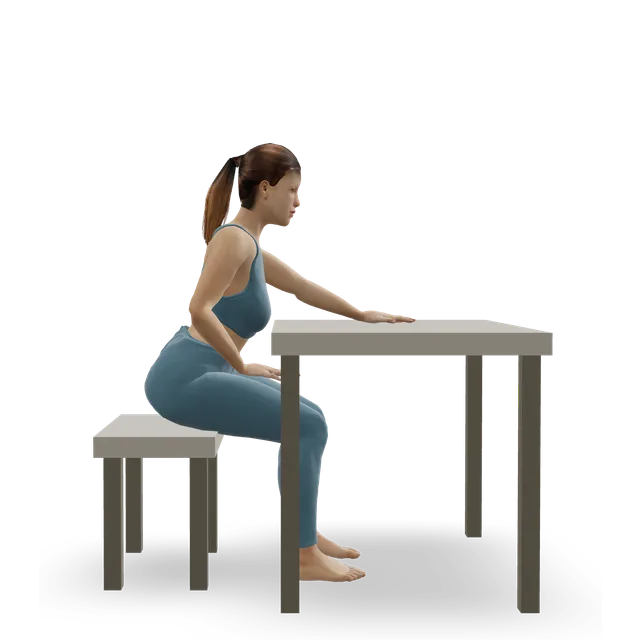
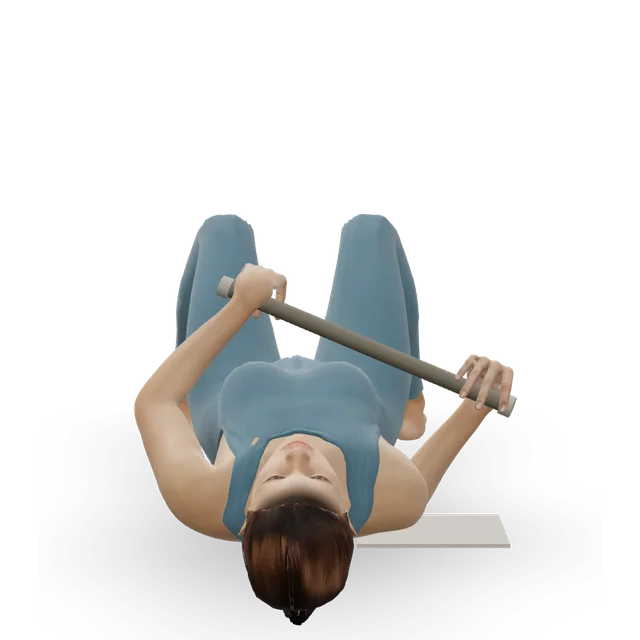
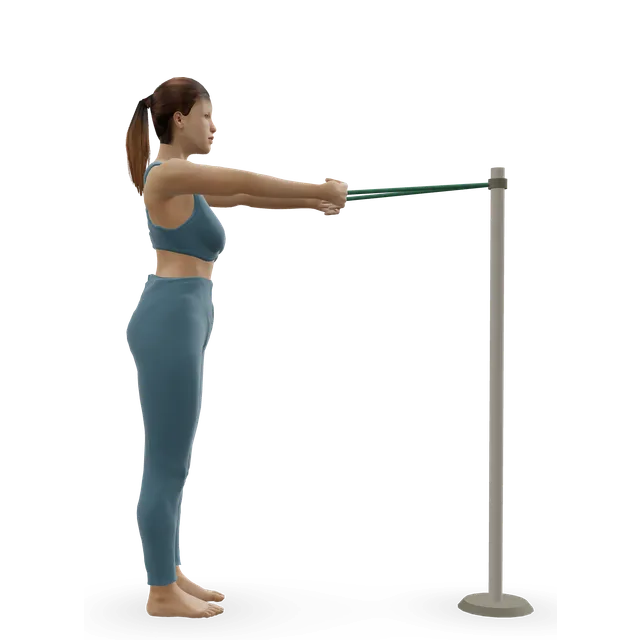
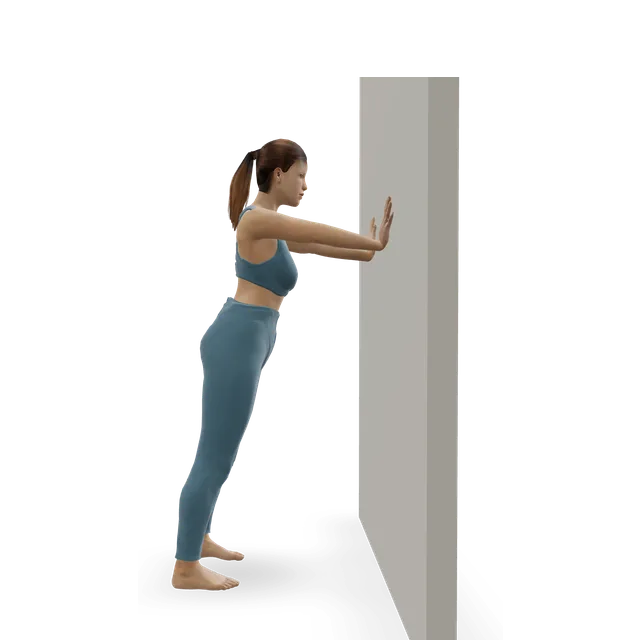
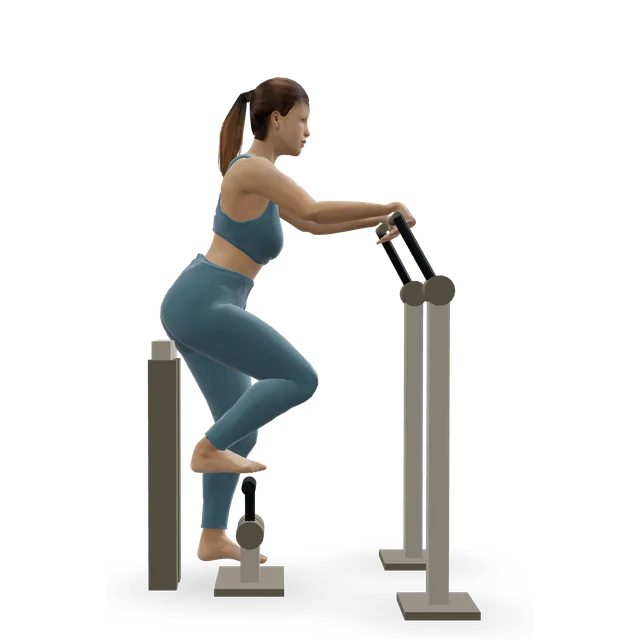
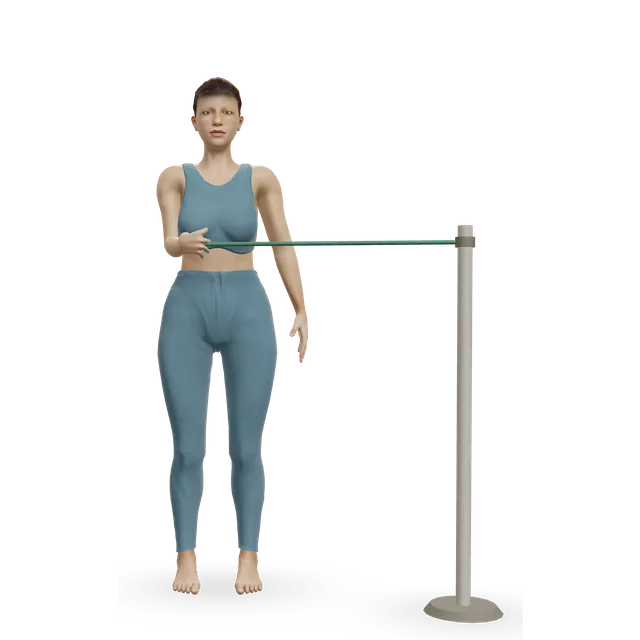
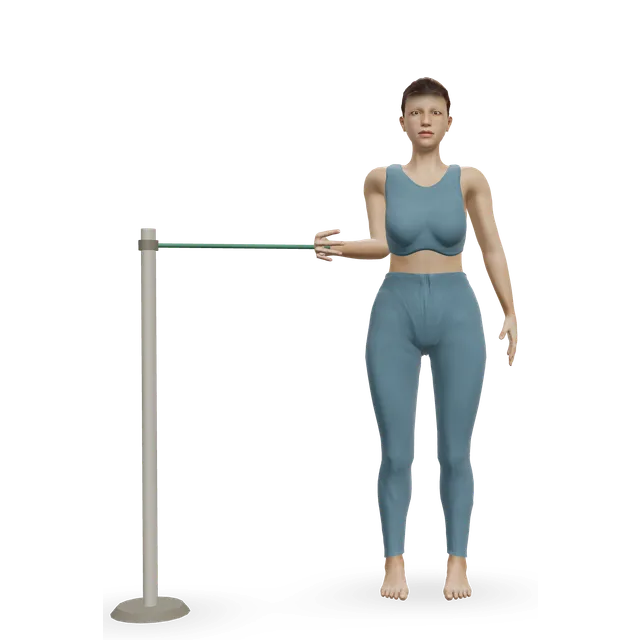
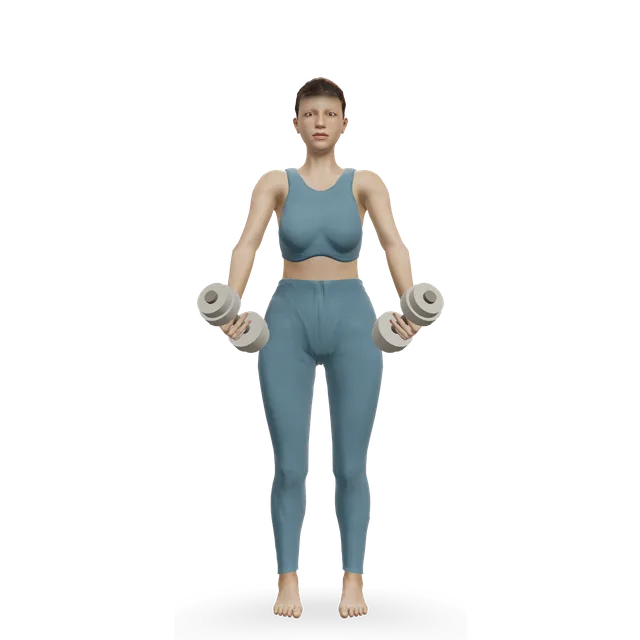
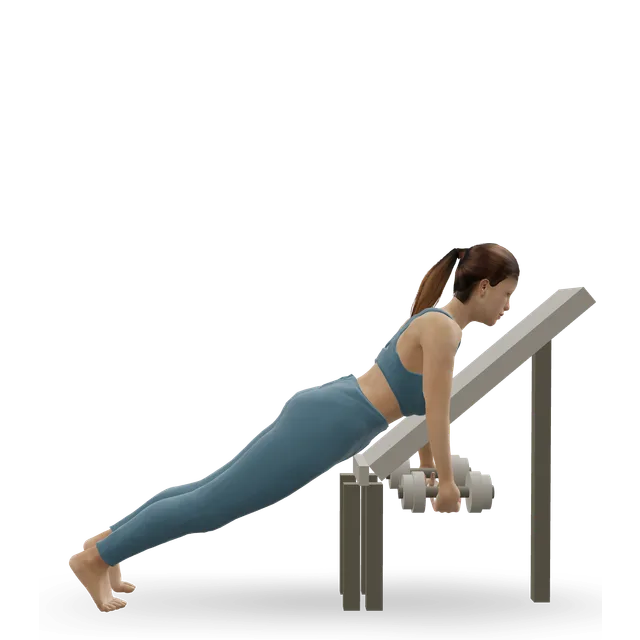
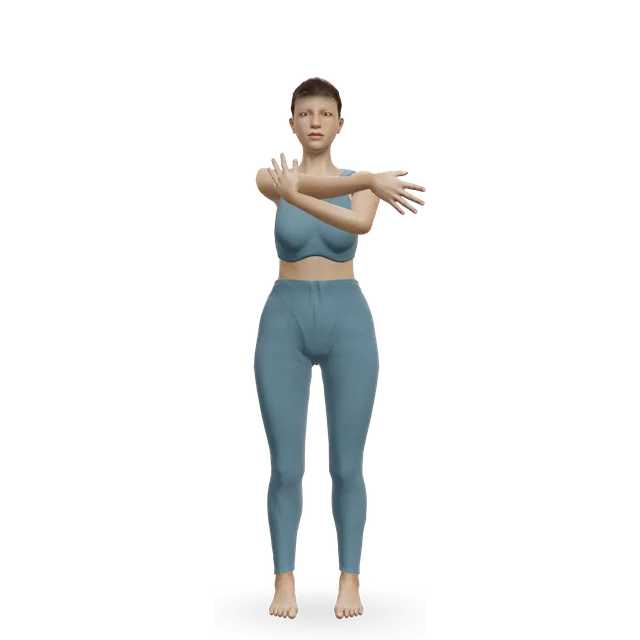
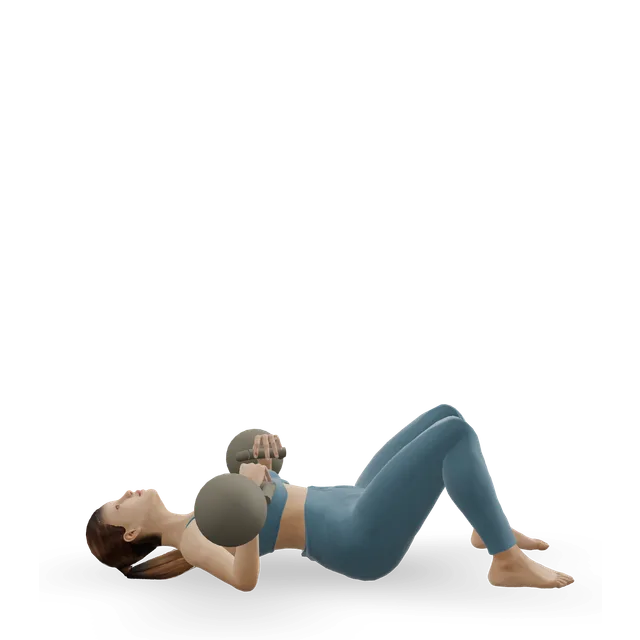
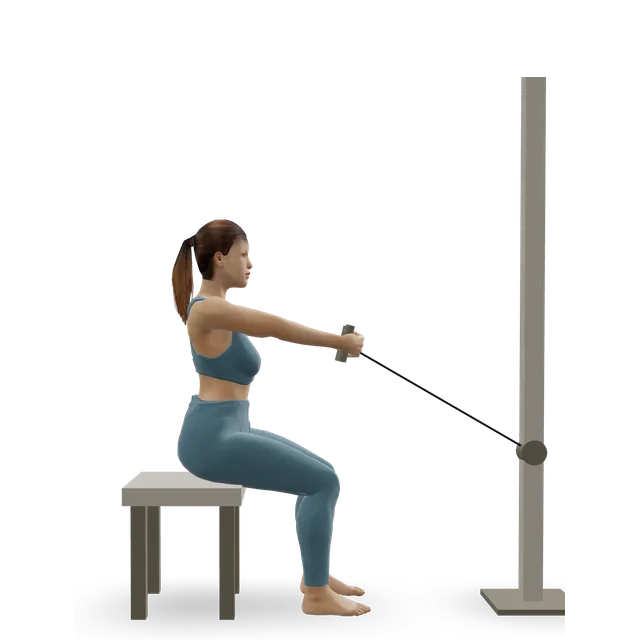
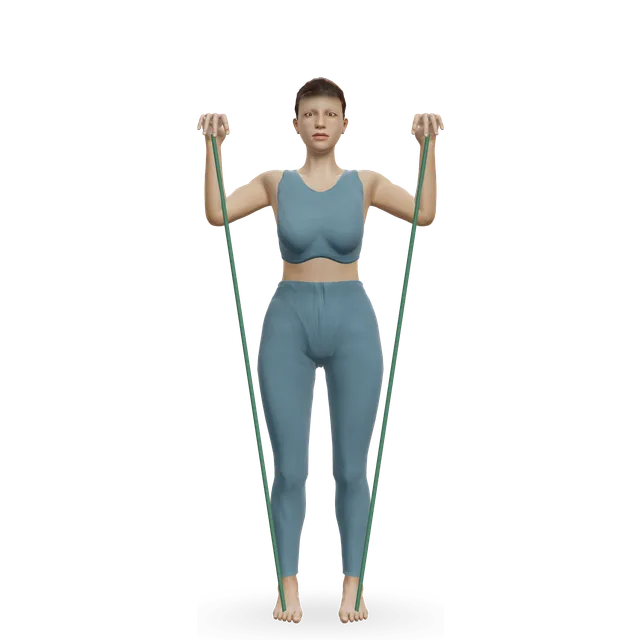
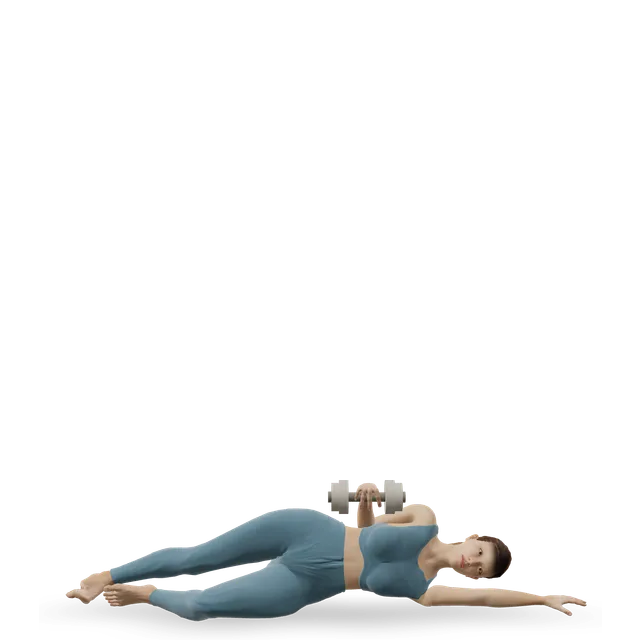
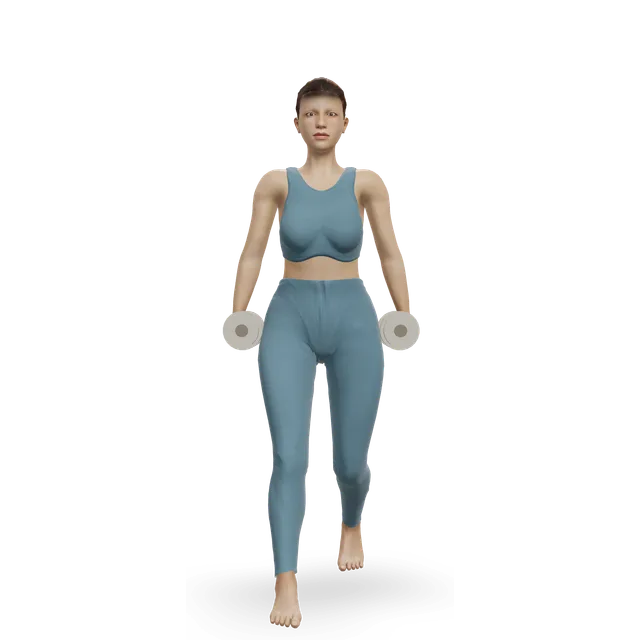
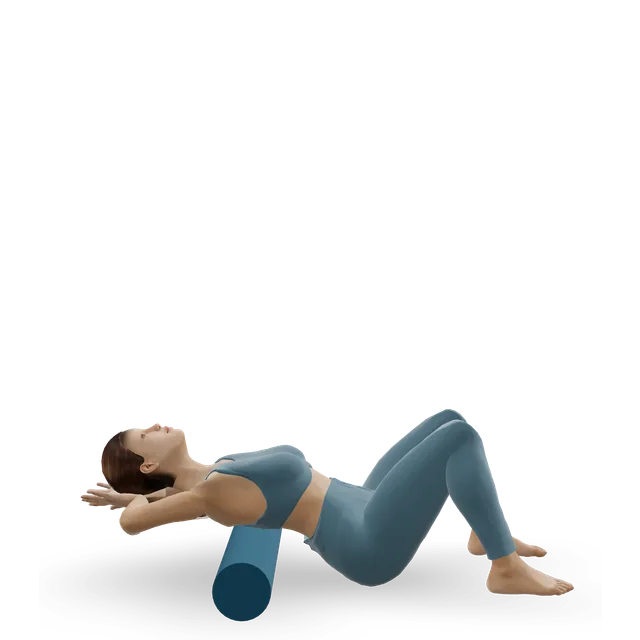
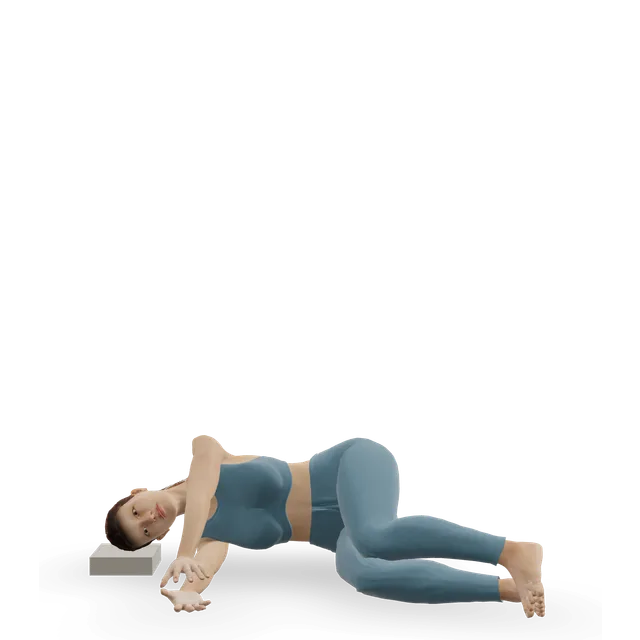
Start at the first stage. Each move opens a full guide with a 3D demo.
Stage 1
Settle: move the joint with little load
For a flare, or the first one to two weeks. The plan is built to cover NICE's local muscle strengthening and general aerobic fitness; doses are editorial.
Ask about referral when pain is not controlled, or daily life is badly affected, despite non-surgical care. After a replacement, the APTA guideline strongly supports a sling and progressive range and strengthening exercises, and says starting range exercises can be delayed up to 4 weeks without harm. Follow your surgeon's protocol, not this plan.
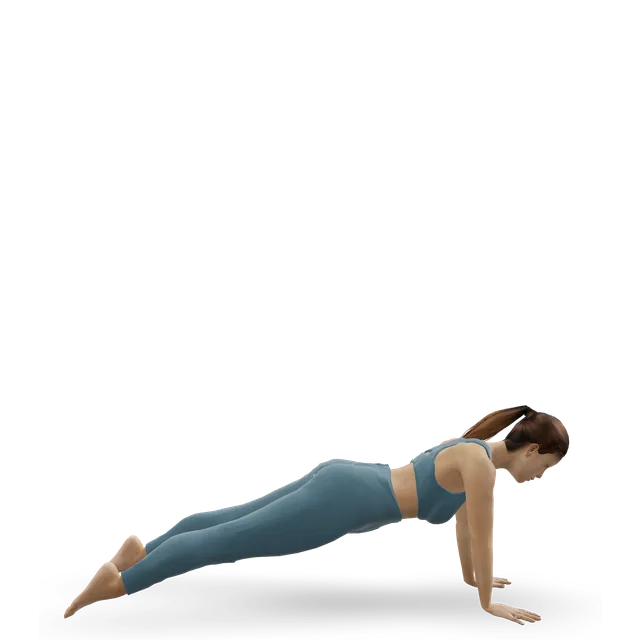
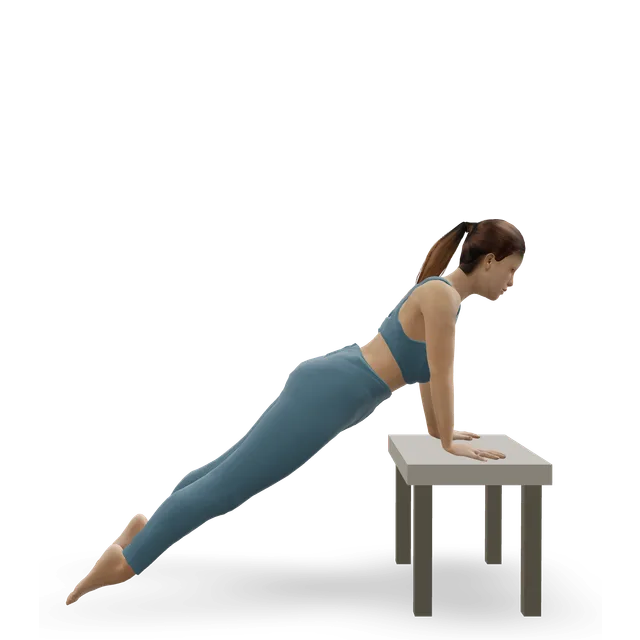
One of the moves to go easy on while the AC joint is sore (editorial); a hospital handout for lifters advises stopping dips at 90 degrees of elbow bend.
Shallower dips, or push-ups within a comfortable range.
What exercises should I avoid with shoulder arthritis?
No exercise is banned by the evidence. Let pain set the range, with a smaller range or lighter load when it flares. If the pain is on top of the shoulder (the AC joint), go easy on reaching across the body, deep dips, wide-grip bench press and heavy overhead pressing.
Is it my AC joint or my shoulder joint?
AC joint pain sits on the very top of the shoulder, at the end of the collarbone; it is tender right over the joint, and reaching across the body hurts. Arthritis of the shoulder joint is a deeper ache, often at the back or side, with stiffness and a big loss of turning the arm outwards, usually over 60.
Can I still lift weights with shoulder arthritis?
Often, with changes. Keep rows and rotator cuff work going, use a narrower grip, neutral-grip dumbbells or a floor press, and build pressing back within the pain rule. In lifters, pain on top of the shoulder can be bone thinning at the end of the collarbone; if changing your training does not help, get it assessed.
Will exercise wear my shoulder out faster?
No trial has tested this for the shoulder. NICE, for arthritis in any joint, says pain may go up when you start exercising and that regular exercise will still help. If pain climbs week after week, do less and get it checked.
Exercise education, not a diagnosis or treatment plan. It is written from the guidelines and studies listed above; review by a clinician is pending. If your pain follows an injury, is severe, is getting worse, or comes with any warning sign listed on this page, get it assessed. Health disclaimer.