3D demo
Band internal rotation
Strength · Shoulders
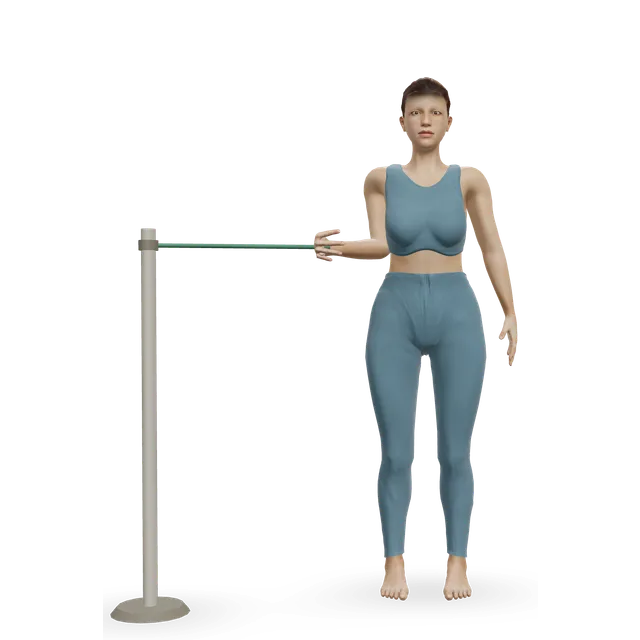
Loading the 3D figure…
The figure repeats the movement from its starting position. Drag to turn it; the arrows open the demos either side.
Side-on to a band anchored at elbow height, the elbow tucked at the side, the forearm swings in across the front: the opposite turn to the external rotation, and ACE rates it beginner too.
Shoulder rotation family
Band internal rotation
Source-researched guide.
Form cues
- Keep the elbow pinned to the side.
- Step away from the anchor to make it harder.
Practice and cautions
No universal dose is assigned. Choose a manageable amount for your current capacity, leave room for controlled repetitions, and allow recovery. A clinician’s individual plan takes priority.
This is movement education, not an assessment or treatment prescription. Stop for sharp or increasing pain, dizziness, numbness or tingling; seek individual guidance for symptoms, injury or restrictions.
Sources and review status
Sources support the educational description; they do not establish that this exercise is suitable for you.
- ACE · Rotator cuff internal rotation with a cable (beginner) ↗
- South Tees NHS · Internal rotation with a resistance band ↗
- Escamilla 2009 · Shoulder muscle activity in common rehabilitation exercises (external and internal rotation among the highest for the rotator cuff; Sports Med) ↗
- Free Exercise DB · community text ↗
Unlicense · Free Exercise DB contributors; derived from wrkout/exercises.json. Text import; no photographs or media. · Revision f00c92c7dcf1216a928a52c3706c7ce8e2f71ed5
No variation is labeled clinically validated.
What it works
Muscles
Main: Shoulders.
Anatomy: Deltoid, Rotator cuff, Supraspinatus, Infraspinatus, Subscapularis, Teres minor.
Equipment
A band + An anchor point
Level
Beginner. See the easier and harder options above.
Workouts that use it
- Shoulder mobility and rotator cuff routine (with a band) · 25 min
- Shoulder care routine for swimmers · 20 min
- Dryland workout for water polo: jumps, heavy lifts, shoulder care and hips for the eggbeater · 55 min
- Water polo warm-up: shoulders, rotator cuff, trunk rotation and hips on the poolside · 12 min
- Pole conditioning workout: hangs and pulls, shoulders, inverts, hamstrings, inner thighs and grip, off the pole · 45 min
Pain guides that use it
Part of a staged plan, with when to get help first.
- Shoulder pain: exercises that help, and when to get it checked
- Shoulder impingement and rotator cuff pain: the exercises that help, and what surgery trials found
- Rotator cuff tear: exercises without surgery, and when a tear needs a surgeon
- Frozen shoulder: exercises matched to how sore it is, and what really helps
- Shoulder arthritis: exercises, honest evidence, and when to see a surgeon
- After a shoulder dislocation, and shoulders that slip: rehab exercises and the real risk of it happening again
- Exercises after a broken shoulder: the sling, pendulums and getting your arm moving again
- AC joint injury and pain: a separated shoulder, AC joint arthritis and weightlifter's shoulder
Show all 34 pain guidesShow fewer pain guides
- SLAP tear: why most don't need surgery, exercises that help, and getting back to throwing
- Calcific tendonitis of the shoulder: the painful phase, what helps, and whether you need barbotage
- Exercises after a shoulder replacement: the stages, and the precautions for reverse and anatomic replacements
- Exercises after a broken collarbone: the sling, the recovery stages and getting back to sport
- Exercises after rotator cuff repair surgery: the sling, the recovery stages and the warning signs
- Little League shoulder: growth plate pain in young throwers, how long to rest, and getting back to throwing
- Pulled chest muscle or torn pec: how to tell, when it needs surgery, and the way back to pressing
- Exercises after shoulder stabilisation surgery: recovery after a Bankart repair or Latarjet
- Shoulder pain when swimming (swimmer's shoulder): what to change in the pool and how to build back
- Shoulder pain at night: lying on your side, the rotator cuff, frozen shoulder and how to sleep
- Front of shoulder pain: the biceps tendon, rotator cuff, AC joint, the joint and when to worry
- Collarbone pain: a break, the AC and SC joints, the muscles, glands above it, and how to build back
- Shoulder pain in older adults: rotator cuff tears, frozen shoulder, arthritis, falls and what helps
- Shoulder pain in men: dislocations and the gym, the rotator cuff later, and heart attack signs
- Shoulder pain in pregnancy: posture, the neck, sleeping on your side, and ectopic and other signs
- Shoulder pain when reaching behind your back: the rotator cuff, frozen shoulder, the front, dressing
- Shoulder pain when throwing: the rotator cuff, the labrum, instability, throwing load and what helps
- Shoulder pain from golf: the lead shoulder, backswing, rotator cuff, AC joint and what helps
- Shoulder pain from tennis: the serve, rotator cuff, labrum, racket and strings, and what helps
- Shoulder pain from pickleball: overheads, the rotator cuff, a stiff shoulder, falls and what helps
- Shoulder pain when driving: steering, the seatbelt, the rotator cuff, slings and after surgery
- Shoulder pain after shovelling: rotator cuff, throwing snow, a fall on ice, the heart and what helps
- Shoulder pain from carrying: bags, backpacks, a baby or toddler, the rotator cuff and what helps
- Shoulder pain from bowling: fast and spin bowling, throwing in the field, ten-pin, and what helps
- Shoulder pain from volleyball: spiking and serving, the rotator cuff, the labrum and what helps
- Shoulder pain from rugby: tackles, dislocations, the AC joint, the rotator cuff, stingers and help
Guides that use it
- Pilates for frozen shoulder guide
- Pilates for the rotator cuff guide
- Pilates for shoulder impingement guide
- Shoulder joint guide
- Shoulders guide
- Exercise after a spinal cord injury
- External rotations guide
- Cuban press guide
Show all 13 guidesShow fewer guides
Similar moves
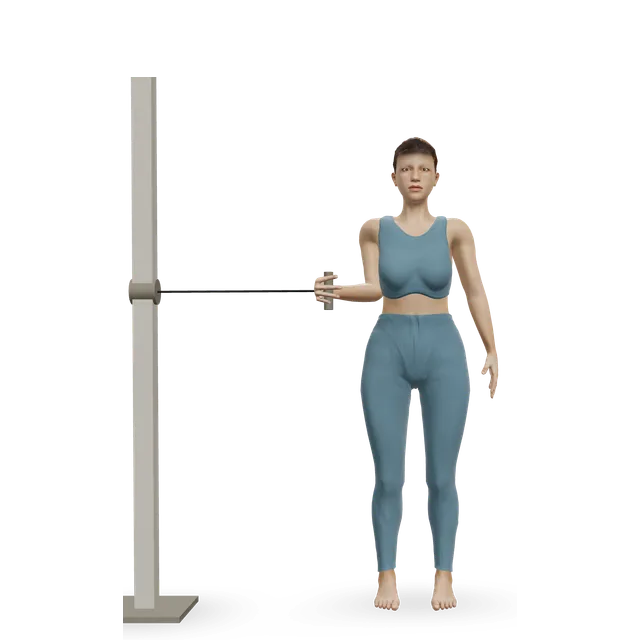 3D demoCable internal rotationBeginner · A cable machine
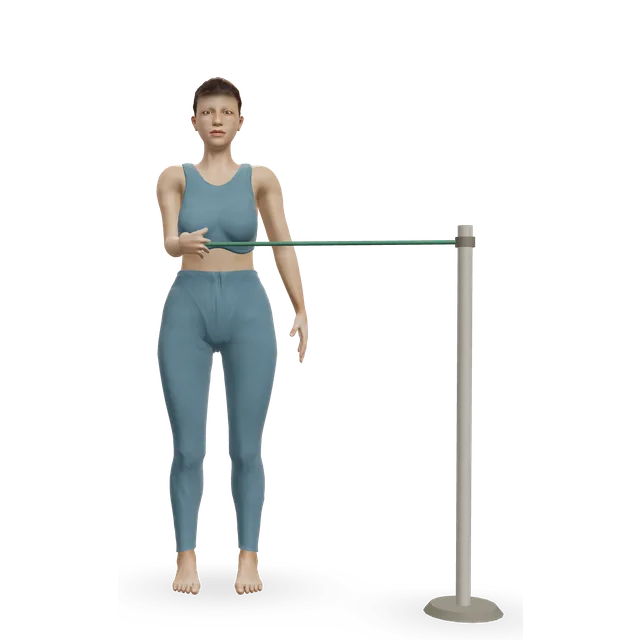 3D demoStanding band external rotationBeginner · A band + An anchor point
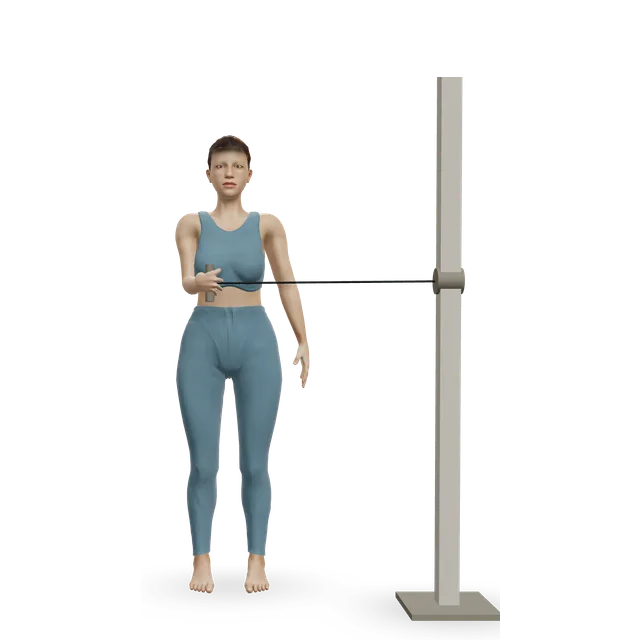 3D demoCable external rotationBeginner · A cable machine
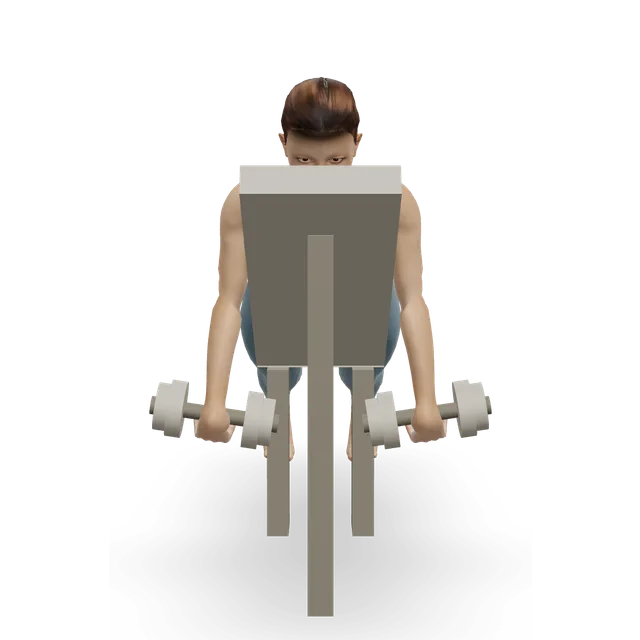 3D demoIncline reverse fly with external rotationIntermediate · A dumbbell + A bench or box
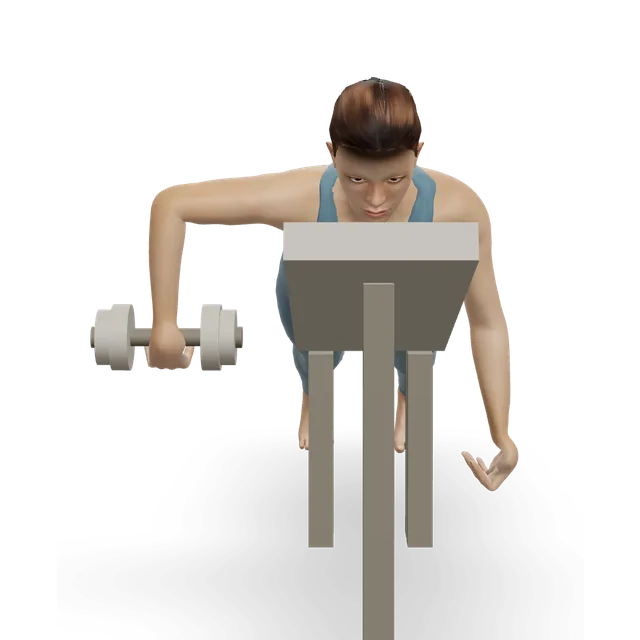 3D demoProne dumbbell external rotationIntermediate · A dumbbell + A bench or box
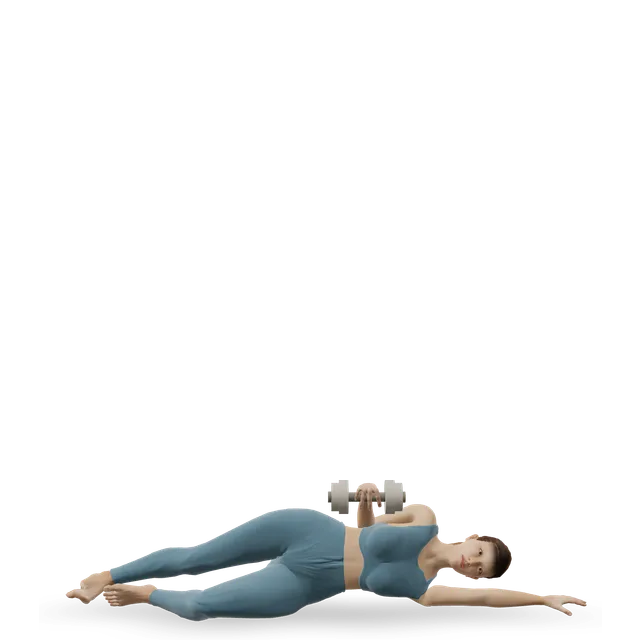 3D demoSide-lying dumbbell external rotation (on a bench)Beginner · A dumbbell + A bench or box
Browse more
Questions people ask
What muscles does the Band internal rotation work?
Mainly the shoulders.
What equipment do I need for the Band internal rotation?
A band + An anchor point.
Is the Band internal rotation good for beginners?
It is graded beginner, so it suits most people starting out. When it feels easy, try the Side-lying external rotation.
How do I make the Band internal rotation harder?
Progress to the Side-lying external rotation or the Cuban rotation. Follow that guide’s technique and any stated timing.