How common it is, and who gets itEmerging evidence
In a US online survey of 1,758 players (average age 62.7), 22.2% reported shoulder trouble in the past year, behind only the knee and the thigh, leg and foot. The shoulder or upper arm was 17.2% of injuries in South Korean tournament players, and in a survey of 253 US recreational players, 14 of 30 sudden arm injuries were shoulder strains or sprains. These surveys rely on players who chose to answer, recalling a year.
In US emergency departments the shoulder is a smaller share, about 5 to 6% of pickleball injuries, though the third commonest body part in players over 80. Players 65 or over had more arm strains and sprains than younger players (34% against 11%), and 60.2% of older players' limb injuries were to the arm, against 40.6% in younger adults.
Sources 1, 2, 3, 4, 5, 6, 7
Clinics see the rotator cuffEmerging evidence
At one US academic orthopaedic clinic over 5 years, there were 23 pickleball shoulder injuries (average age about 66, mostly on the paddle side): rotator cuff tears in 70%, a cuff strain in 26%, impingement in 26%, a biceps tear in 22% and a SLAP tear in 13%. At another US institution, rotator cuff injuries were the commonest diagnosis of any kind, 67 of 618 pickleball injuries (about 1 in 9), and keyhole operations such as cuff repairs were the commonest operations. Both are specialist clinics, so they see the more serious end.
Sources 8, 9
What the game asks of the shoulder: one clinic and tennis studiesEmerging evidence
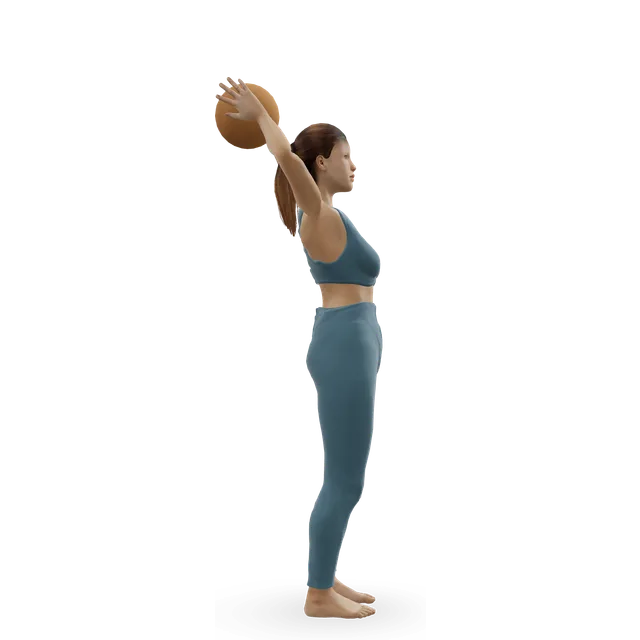
By the rules, the server's paddle must move in an upward arc, its head no higher than the wrist, and the ball must be no higher than the waist when it is struck; a drop serve, bounced first, is allowed too. So unlike tennis, the serve isn't an overhead stroke. In the clinic series, the commonest story behind a shoulder injury was pain while hitting the ball overhead, and the authors write that shoulder overuse may come from overhead shots.
No laboratory study has measured the shoulder in pickleball. In tennis, the arm-cocking and early forward phases of overhead strokes carry the highest forces and the greatest risk, and a 2026 review says teaching technique can limit the loads on the joints. That overheads, smashes and high volleys are the main shoulder load in pickleball is our reading of one clinic's 23 shoulder cases and these tennis studies. In a survey, long sessions, more than 3 days a week and playing on consecutive days went with more arm injuries.
Sources 10, 11, 8, 12, 13, 3
The cuff with age: common, and often painlessStrong evidence
Rotator cuff changes are a normal part of ageing: across 30 studies of 6,112 shoulders, they rose from 9.7% at 20 and under to 62% at 80 and over, whether or not the shoulder hurt. In a Japanese village screened by ultrasound, full-thickness tears were found in 10.7% of people in their 50s, 15.2% in their 60s, 26.5% in their 70s and 36.6% in their 80s, and painless tears were twice as common as painful ones. In UK women aged 64 to 87, 22.2% had a full-thickness tear, and nearly half of those tears caused no symptoms.
The American Academy of Orthopaedic Surgeons (AAOS) says most tears come from the tendon wearing slowly over time, while a tear from a sudden injury such as a fall usually causes intense pain, sometimes a snapping feeling and immediate weakness. In our reading, many older players start pickleball with a cuff that has already changed, and a jump in overhead play is what makes it sore.
Sources 14, 15, 16, 17
Telling the causes apartEmerging evidence
The NHS sorts shoulder pain by pattern: pain that is often worse while using the arm points to tendonitis, bursitis or impingement; pain and stiffness that don't go away over months or years to frozen shoulder or arthritis; a tingling, numb, weak arm with clicking or locking to a shoulder that slips; and sudden, very bad pain after which you can't move your arm to a dislocation, a broken bone or a torn tendon. Impingement gives pain at the top and outside of the shoulder, worse lifting the arm above your head and sometimes at night, with weakness. Frozen shoulder means the shoulder is painful and stiff for months, sometimes years. A physiotherapist sorts the causes by examination.
Sources 18, 19, 20
When a scan helps, and what a tear on a scan meansStrong evidence
Because cuff tears are so common without pain, a scan in an older player often finds one whether or not it is the cause, so exercise usually comes first. The AAOS says X-rays are usually normal with a cuff problem and are done to rule out other causes such as arthritis, while an MRI (magnetic resonance imaging) scan or an ultrasound shows the tendons.
A scan matters after a fall with sudden weakness, when a tear may need repair, and after a dislocation in anyone over 40: a UK pathway asks for an early ultrasound, which found full-thickness tears in 57.5% of 40 people, and in a US cohort over 50, 62% of those scanned had one. Pain or weakness that lingers after a dislocation often means a cuff tear. An X-ray checks a suspected break or dislocation.
Sources 15, 16, 17, 21, 22, 23
How it usually goesEmerging evidence
The NHS says self-care usually takes 2 weeks to start helping and shoulder pain can take 6 months or longer to recover, and that impingement usually gets better in a few weeks or months. In the UK GRASP trial, neither a longer course of exercise nor an injection beat a single physiotherapy session with a home plan over a year. For small tears that came on without an injury in people over 55, surgery was no better than physiotherapy at over 5 years.
Frozen shoulder takes longer: in 223 people followed for an average of 4.4 years, 59% had normal or near-normal shoulders, 41% had some ongoing symptoms and 6% severe ones, and a review found no support for a reliable recovery without treatment. A dislocated shoulder usually takes 6 to 12 weeks to recover, and up to 16 weeks for some sports. After shoulder surgery, all 23 players in one series got back to pickleball, 78% within a year, sooner after keyhole surgery than after a replacement. No study has followed players treated without surgery, and no one can promise a date.
Sources 18, 19, 24, 25, 26, 27, 28, 29