Biceps tendinitis at the front of the shoulder: exercises, the rotator cuff link, and when it's a tear
The long head of the biceps runs over the front of the shoulder, through a groove in the arm bone and into the joint. When it's irritated, the front of the shoulder hurts, especially lifting overhead or reaching back for a seatbelt. It rarely travels alone: most people with biceps tendinitis (often spelt tendonitis) also have a rotator cuff problem.
No trial has tested an exercise programme for it, so this guide says so and follows what shoulder experts agree on: gradual loading of the biceps, rotator cuff and shoulder blade, kept within a pain rule. It also covers injections, surgery, and the pop and bulge of a torn long head, which needs a same-day check.
Exercise is for pain that has been checked or is clearly mild and settling.
Get urgent medical help if
Call 999: shoulder or arm pain with chest pain that feels tight or squeezing, or chest pain that spreads to your arms, neck or jaw, especially with shortness of breath, sweating or feeling sick. It could be a heart attack.
Same day (GP or NHS 111): a sudden pop or snap with pain at the shoulder or upper arm during a lift, with or without a bulge low in the upper arm. It's usually a torn long head of the biceps. Most need no operation, but the rotator cuff can tear at the same time.
Same day (NHS 111): a pop at the front of the elbow, with bruising and a bulge in the upper arm, is a different tear. Don't wait for it to settle: a torn biceps tendon at the elbow is best repaired within the first 2 to 3 weeks.
Same day (GP or NHS 111): sudden weakness lifting the arm after an injury or fall. A rotator cuff tear caused by an injury needs urgent referral to a shoulder specialist.
Same day (GP or NHS 111): the shoulder or arm is hot, swollen or red, or you have a high temperature or feel unwell. A joint infection needs same-day care.
See a doctor or physiotherapist if
Pain that is getting worse or has not improved after 2 weeks of looking after it yourself, or it is very hard to move your arm. In many areas you can refer yourself to physiotherapy.
Painful clicking or snapping at the front of the shoulder, or a feeling of something slipping there. The tendon can slip out of its groove, usually alongside a rotator cuff tear, so ask for an assessment.
Not clearly better after about 3 months of a good exercise programme, or it keeps coming back: ask about a specialist opinion.
Pins and needles or a cold arm alongside neck pain, or a new loss of strength or feeling in the arm that you cannot explain (a possible nerve problem).
A past history of cancer, an unexplained lump or swelling, weight loss, or pain that is constant and does not ease when you change position.
Understand it
What it is
The biceps has two tendons at the shoulder. The short head attaches to a hook of bone at the front of the shoulder blade (the coracoid). The long head runs in a groove at the front of the upper arm bone and into the joint, to the top of the socket.
Biceps tendinitis is irritation of the long head. Over time the tendon and its sheath can thicken, fray and occasionally tear. Clinicians also call it tendinopathy or tenosynovitis, and the cause often stays unknown.
It usually comes from a lifetime of normal use, made worse by repeated overhead work and sports such as swimming, volleyball, tennis and baseball. One sports medicine centre sees two main groups: young overhead athletes, and older people with rotator cuff problems.
It usually comes with other shoulder problems: rotator cuff wear or tears, arthritis, a tear of the labrum (the rim of the socket) or instability. In an international panel of physiotherapy experts, 28 of 29 agreed it's often a secondary problem. In 122 people having surgery for a complete rotator cuff tear, 76% had a biceps problem too, and in another study long-head tears were far more common when two or more cuff tendons were torn (48% against 10% with one).
How it's recognised, and what tests and scans can't tell youStrong evidence
Pain or tenderness at the front of the shoulder, worse lifting overhead or reaching backwards (a seatbelt or coat), sometimes with an ache down the upper arm or a snapping feeling. A clinician presses over the tendon and uses tests such as Speed's and Yergason's.
Those tests are weak. Across 7 studies (448 people), they picked up between 17% and 79% of real cases, while ultrasound was more reliable at both confirming and ruling it out. In 65 people having keyhole surgery, different ways of reading the same tests changed how many cases they caught by up to 29 percentage points, and a broad review of shoulder examination found that no single test makes the diagnosis. Scans need care too: in one small study of shoulders without symptoms, 30% showed changes in the long head.
Most long-head tears start as fraying, and some complete with a heavy lift. The risk rises with age, heavy overhead lifting, smoking and steroid medicines. The signs are sudden sharp pain in the upper arm, sometimes a pop, bruising towards the elbow, cramping with effort, and a "Popeye" bulge as the muscle sits lower. Because the short head still holds, most people keep good function.
It hasn't been well studied. The American Academy of Orthopaedic Surgeons (AAOS) calls non-surgical treatment very effective for most people, but no study has followed people without treatment, so no one can give you a date.
Exercise: expert agreement, not trialsEmerging evidence
A 2024 review found only 14 studies of non-surgical care for biceps tendinopathy, mostly small trials of treatments such as shockwave, laser and ultrasound, and concluded there is a dearth of evidence. No trial has tested an exercise programme. In the only exercise-led case series, 10 people with long-standing pain had dry needling, biceps lifting and lowering exercises and stretching over 2 to 8 sessions; pain fell by about 4 points out of 10, but there was no comparison group.
In a 2022 structured expert survey (a Delphi study), all 29 physiotherapy experts agreed that loading should match how irritable the tendon is. For the tendon they backed still holds (90%), lifting (100%) and slow lowering (97% to 100%), through both bending the elbow and lifting the arm forwards, plus progressive strengthening of the rotator cuff, the shoulder-blade muscles, the deltoid and the latissimus. Clinical reviews add changes to activity. This approach is borrowed from what works for rotator cuff pain and other tendons, and it hasn't been tested for this one.
Steroid injections: more accurate with ultrasound, not tested against a placeboEmerging evidence
In 30 shoulders, an injection aimed at the tendon sheath landed only in the sheath 87% of the time with ultrasound guidance, against 27% without. In 44 people given one steroid injection, ultrasound guidance was more accurate (100% against 68%), and both groups improved at 4 weeks and 6 months, more with guidance. There was no placebo group, so how much of that was the injection is unknown.
For rotator cuff related shoulder pain in general, a 2026 Dutch guideline found that adding a steroid injection to exercise made no difference to pain or function at 6 and 12 months, and that exercise alone may lower the chance of it coming back.
Shockwave: one small positive trialEmerging evidence
In 79 adults with inflammation of the long-head tendon sheath (tenosynovitis), four weekly sessions of radial shockwave cut pain from about 6 to about 1.4 out of 10 at 12 months, while pain with a sham treatment barely changed (about 6 to 5.6). It's one small trial, so treat it as promising, not established.
Surgery: cutting or reattaching the tendonStrong evidence
For pain that doesn't settle, surgeons either release the tendon (tenotomy) or release it and reattach it lower on the arm bone (tenodesis), usually by keyhole surgery and often during rotator cuff surgery. In a 2022 meta-analysis of 11 trials (860 people, nearly all with a rotator cuff tear), pain relief was similar (moderate certainty) and so was function (very low certainty); tenodesis meant fewer Popeye bulges, and tenotomy was quicker. Another meta-analysis found small differences in function scores and less cramping after tenodesis.
A 2026 Dutch guideline found both work, with no difference that matters to patients, and advises against routinely cutting a healthy-looking tendon during cuff repair. After tenodesis, one US centre avoids isolated biceps strengthening for 6 to 8 weeks and returns people to sport at about 12 weeks. In one US health system, only 20% of 308 people had physiotherapy before their biceps operation.
A torn long head usually needs no operationStrong evidence
The AAOS says the pain usually goes away over time, and mild weakness and the bulge don't bother most people, who return to work and activities without limits. Non-surgical care (ice, anti-inflammatory medicines, a short break from heavy and overhead lifting, sometimes a sling briefly, then physiotherapy) is reasonable unless something more important, such as the rotator cuff, is damaged too. Surgery is rare, and almost never for appearance alone.
The 5 out of 10 rule, borrowed from rotator cuff painEmerging evidence
Borrowed from rotator cuff pain (Holmgren's trial): during shoulder strengthening, pain up to about 5 out of 10 is acceptable, and a little is expected. By your next session it should be back to where it was before. If it isn't, use a lighter band or weight or a smaller range next time, not nothing.
This is how the Holmgren trial set each person's load: pain was not allowed above 5 out of 10 during the exercises, and any increase had to settle back to the starting level before the next session; otherwise the load came down. If pain climbs week on week, or a warning sign appears, stop and get it checked.
The biceps experts add that the load should match how irritable the tendon is: if the front of the shoulder is still sore the next morning, drop back a step. Stop and get it checked the same day if you feel a pop, notice sudden weakness or see a new bulge.
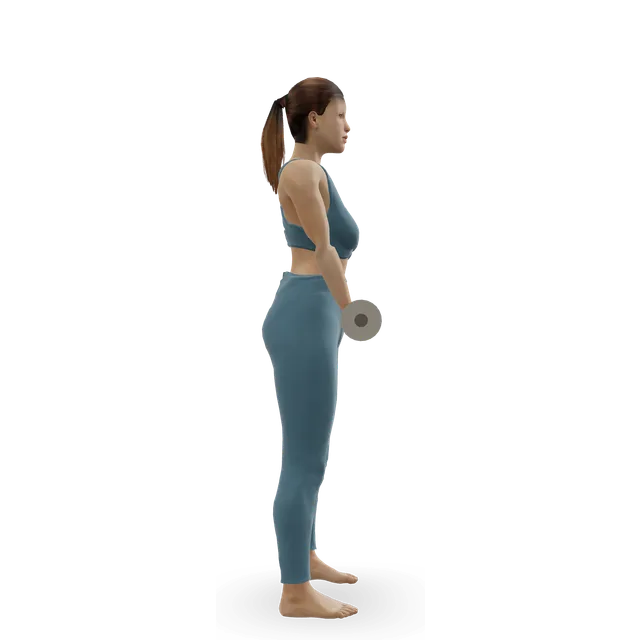
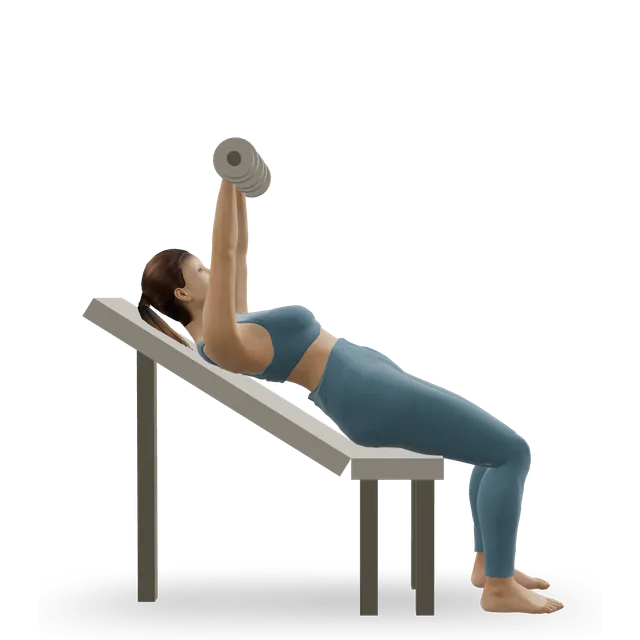
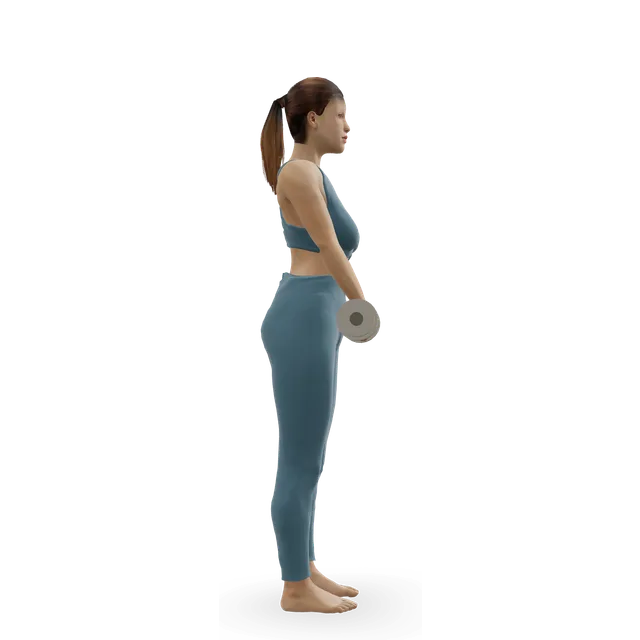
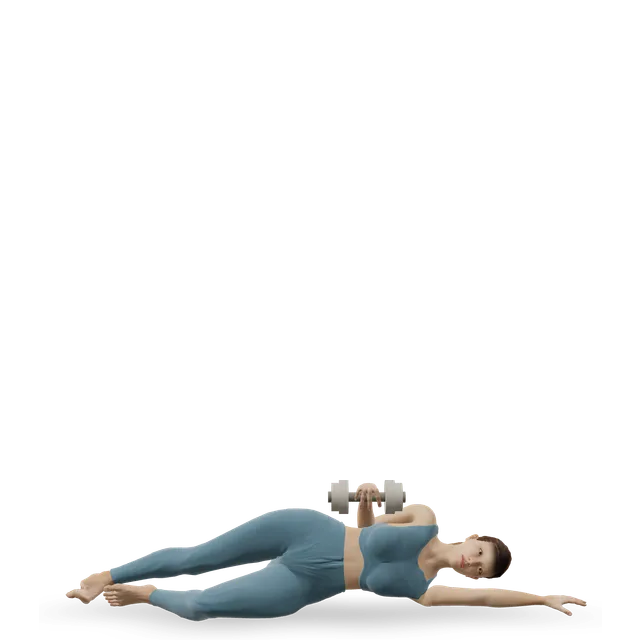
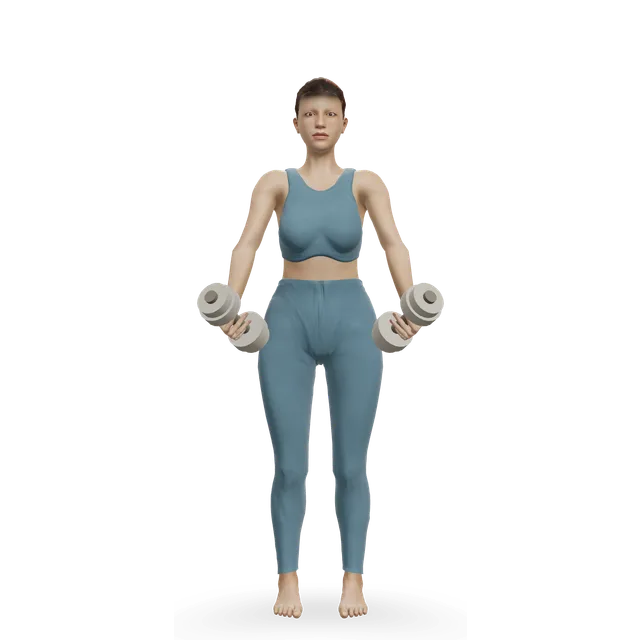
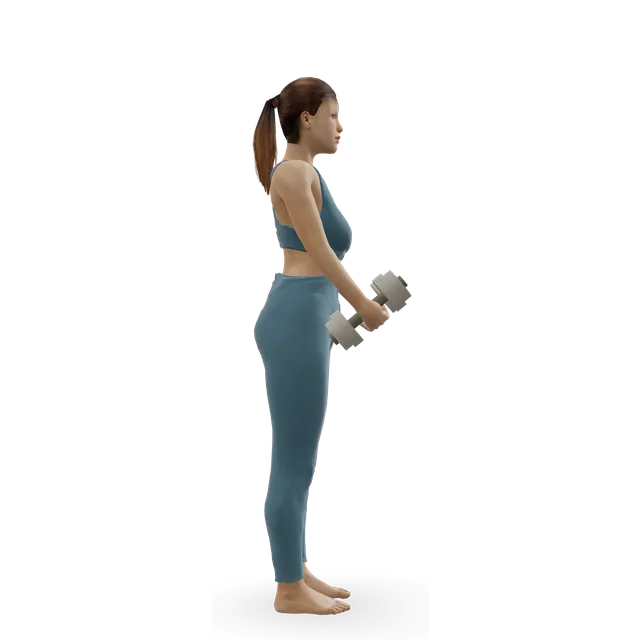
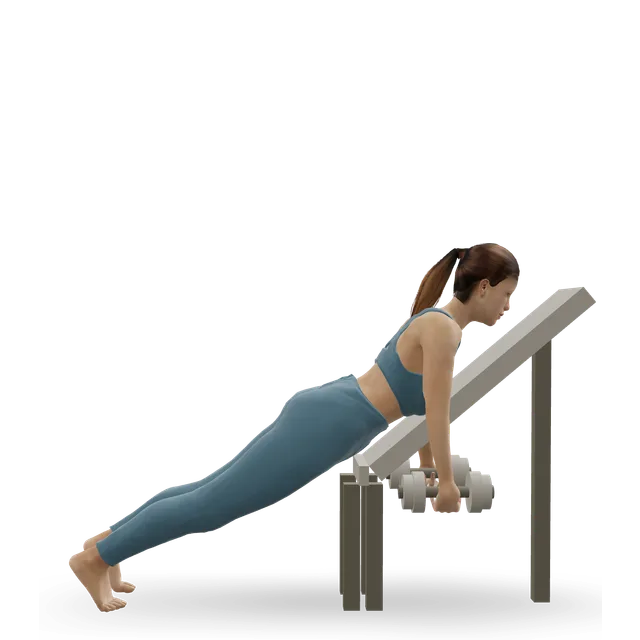
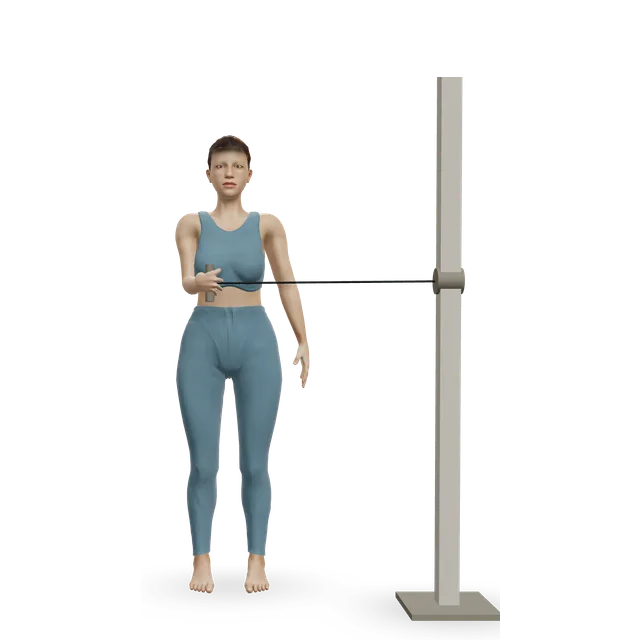
Start at the first stage. Each move opens a full guide with a 3D demo.
Stage 1
Settle: calm the tendon, keep the shoulder working (about weeks 0 to 2)
Ease off what flares it (overhead lifting, heavy curls and chin-ups, deep bench pressing) without stopping using the arm. Start with still holds and light rotator cuff and shoulder-blade work, matched to how sore it is, as the expert panel advises. Doses are editorial unless marked.
Hold still: elbow at a right angle, light weight, 5 holds of 30 to 45 s, once a day · An editorial dose, as in the site's distal biceps guide; the experts back still holds for this tendon
Move on when: The holds and band work pass the pain rule, and the front of the shoulder is no sorer the next morning.
Follow along: a timer, a cue and the next move, one step at a time.
Stage 2
Build: lift and lower through the range (about weeks 2 to 8)
Three to five days a week. Load the tendon through both its jobs, bending the elbow and lifting the arm forwards, and build the rotator cuff and shoulder blade, as the expert panel advises. Doses are editorial unless marked.
3 sets of 15, lifting in 1 s and lowering over 3 to 4 s · The tempo and dose of the biceps exercise in the only exercise case series; choosing a curl for it is editorial
Move on when: Three sets pass the pain rule, and reaching overhead and behind you is comfortable day to day.
Follow along: a timer, a cue and the next move, one step at a time.
Stage 3
Strengthen: back to pressing, pulling and curls (from about week 8)
For the long term, two or three sessions a week. Add one change at a time, and bring back heavy chin-ups, deep or wide bench pressing and incline curls last. Doses are editorial.
Move on when: Every session passes the pain rule. Keep some rotator cuff and shoulder-blade work in your week, since this tendon rarely gets irritated on its own.
Follow along: a timer, a cue and the next move, one step at a time.
What to change for now
Keep training, with changes
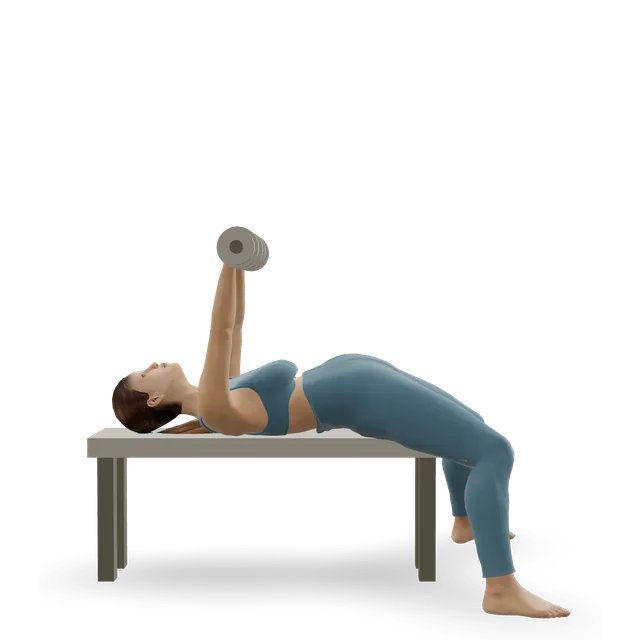
The expert panel backed advice on changing activity and training rather than stopping. Overhead lifting is the classic aggravator, so cut overhead volume for a while. Other swaps are editorial: keep painful lifts within the pain rule; use a floor press or neutral-grip dumbbells instead of deep or wide bench pressing; pull to the front; and swap incline curls and heavy chin-ups for hammer curls with slow lowering.
What does biceps tendinitis in the shoulder feel like?
Pain or tenderness at the front of the shoulder, worse lifting overhead and reaching back, such as for a seatbelt or a coat sleeve. It can ache down the upper arm, and some people feel a snap.
Is it biceps tendinitis or my rotator cuff?
Often both: it usually comes with rotator cuff problems, and in people with complete cuff tears about 3 in 4 had a biceps problem too. Biceps pain tends to sit at the front of the shoulder, and cuff pain more on the outside of the upper arm. The exercise plans overlap, so the same work helps either way.
Can a test tell if it's my biceps?
Not on its own. Speed's, Yergason's and other tests miss some cases and flag others wrongly, and no single test is diagnostic. Ultrasound is more reliable when the picture is unclear.
What exercises help biceps tendinitis?
No exercise trial exists, but experts agree on gradual loading: still holds, then lifting and slow lowering of the biceps, plus rotator cuff and shoulder-blade strengthening, matched to how sore it is. The plan on this page follows that approach.
What should I avoid?
For now, heavy chin-ups, heavy or swinging curls, incline curls, deep or wide bench pressing and dips, and lots of overhead work. Bring them back gradually, one at a time, once the plan's later stages are comfortable.
How long does biceps tendinitis take to get better?
Studies haven't followed it, so no one can give you a date. Think in weeks to months, judge it by how the shoulder responds to loading, and ask for a review if it isn't clearly better after about 3 months.
Will a steroid injection help?
It may ease pain enough to exercise. In small trials, an ultrasound-guided injection into the tendon sheath was more accurate than one guided by touch, with better results at 4 weeks and 6 months, but there was no placebo group. Use any relief to get the exercises going.
I felt a pop and now there's a bulge in my upper arm. What now?
That is usually a torn long head of the biceps. Get it checked the same day, because the rotator cuff can tear at the same time. Most long-head tears then need no operation, and the pain usually settles.
Do I need surgery, and is tenotomy or tenodesis better?
Surgery is for pain that doesn't settle with non-surgical care, and it's often done during rotator cuff surgery. In 11 trials, cutting the tendon (tenotomy) and reattaching it lower down (tenodesis) gave similar pain relief and function, and tenodesis meant fewer Popeye bulges.
Can I keep lifting weights?
Usually, with changes: keep the pain rule, swap deep or wide pressing for a floor press or neutral-grip dumbbells, pull to the front, and add rotator cuff and shoulder-blade work. These swaps are expert advice; no trial has tested them.
Is it the same as biceps pain at the elbow?
No. The elbow end of the biceps is a different tendon, with its own guide. A pop at the front of the elbow with bruising needs a same-day check, because a torn tendon there is best repaired early.
Exercise education, not a diagnosis or treatment plan. It is written from the guidelines and studies listed above; review by a clinician is pending. If your pain follows an injury, is severe, is getting worse, or comes with any warning sign listed on this page, get it assessed. Health disclaimer.