SLAP tear: why most don't need surgery, exercises that help, and getting back to throwing
A SLAP tear is a tear at the top of the labrum, the rim of tissue around the shoulder socket, where the biceps tendon attaches. SLAP stands for superior labrum, anterior to posterior: the tear runs from front to back across the top. It can come from throwing and other overhead sport, a fall on an outstretched arm, a sudden pull or age, and it often brings deep pain, clicking or catching.
Rehab is the first treatment. In a trial with a sham operation, repairing the tear did no better than placebo surgery, and scans find SLAP tears in many shoulders that don't hurt. This guide gives a staged plan from settling the shoulder to throwing again, and what to protect depending on how the tear happened.
Exercise is for pain that has been checked or is clearly mild and settling.
Get urgent medical help if
Call 999 or go to A&E: after a fall or injury, your shoulder looks out of place or has changed shape, or you cannot move your arm. Do not drive yourself, and do not try to put it back in yourself.
Call 999: shoulder or arm pain with chest pain that feels tight or squeezing, or chest pain that spreads to your arms, neck or jaw, especially with shortness of breath, sweating or feeling sick. It could be a heart attack.
Same day (GP or NHS 111): sudden or very bad shoulder pain; you cannot move your arm; the arm or shoulder is badly swollen or has changed shape; pins and needles that do not go away; no feeling in the arm; the arm is hot or cold to the touch; pain that started after an injury such as a fall; or severe pain in both shoulders.
Same day (GP or NHS 111): sudden weakness lifting the arm after an injury or fall. A rotator cuff tear caused by an injury needs urgent referral to a shoulder specialist. After a dislocation in anyone over 40, the rotator cuff should be checked: about 40% have a tear.
Same day (GP or NHS 111): the shoulder or arm is hot, swollen or red, or you have a high temperature or feel unwell. A joint infection needs same-day care.
See a doctor or physiotherapist if
Your shoulder has partly or fully come out of joint, or you worry it might. Instability is a different problem, with its own guide.
Locking, catching or a dead arm that keeps stopping you playing despite rehab, or no improvement after about 3 months of rehab: ask for a specialist opinion.
Pins and needles or a cold arm alongside neck pain, or a new loss of strength or feeling in the arm that you cannot explain (a possible nerve problem).
Pain that is getting worse or has not improved after 2 weeks of looking after it yourself, or it is very hard to move your arm. In many areas you can refer yourself to physiotherapy.
Understand it
What it isStrong evidence
The labrum is a rim of firm tissue around the shoulder socket that deepens it and anchors ligaments and the long head of the biceps. A SLAP tear sits at the top of the labrum, across the biceps anchor. Surgeons describe four main types:
Type I: fraying, with the labrum still firmly attached; typically from wear.
Type II: the labrum and the biceps anchor are pulled away from the bone. This is the type the surgery trials studied.
Type III: a bucket-handle tear of the labrum, with the biceps intact.
Type IV: a bucket-handle tear that runs into the biceps tendon. Later authors added more types.
Throwers and other overhead athletes, through repeated twisting of the biceps anchor with the arm cocked back; weightlifters; and single injuries, such as a fall on an outstretched arm, a car crash, a sudden pull on the arm, or a forceful movement with the arm above shoulder height. Many are slow wear: the American Academy of Orthopaedic Surgeons (AAOS) says fraying at the top of the labrum can be a normal part of ageing from about 30 to 40.
It often comes with other damage. In one series, 45% of people with SLAP lesions also had a partial rotator cuff tear, and so did 73% of the baseball pitchers.
Symptoms overlap with other shoulder problems: locking, popping, catching or grinding; pain with movement, in certain positions or lifting overhead; weakness; a feeling the shoulder might pop out; less movement; and in pitchers, lost throwing speed or a "dead arm".
Examination tests are unreliable. In a large review, the most sensitive test for SLAP lesions found only about half of them (52%), and no single test was diagnostic. A magnetic resonance imaging (MRI) scan with dye injected into the joint first (an MRI arthrogram) may be needed.
In 53 people aged 45 to 60 with no shoulder symptoms or injury, two specialist radiologists read MRI scans as showing a tear at the top of the labrum in 55% and 72%. The labrum looked abnormal in 79% of professional baseball pitchers' shoulders that didn't hurt, and in 20 elite overhead athletes without symptoms, 40% of throwing shoulders showed rotator cuff tears, yet none developed shoulder problems over the next 5 years. Labral changes were less common in young non-athletes (9%) than in ice hockey players (24%).
The other way round, ordinary MRI reports in the community picked up only 38% of type II tears later seen at surgery. So a scan can both over-call and under-call a SLAP tear: it's one piece of the picture, alongside your symptoms and examination.
No one knows what happens to tears left untreated. With rehab, most people in non-surgical studies improve: 45 of 63 young, active people (71%) had done well at about 21 months, and in another series the people who avoided surgery had less pain and better function 3 years later.
Surgery did no better than a sham operationEmerging evidence
In a Norwegian trial, 118 adults aged 18 to 60 (average 40), with more than 3 months of pain despite other treatment and an isolated type II tear confirmed at keyhole surgery, were randomly given a labral repair, a biceps tenodesis (cutting the tendon and reattaching it lower down) or a sham operation. Patients, physiotherapists and assessors didn't know who had which, and all three groups had the same rehab over 3 to 6 months.
There were no differences at 6 months or 2 years, and all three groups improved a lot. Stiffness followed in 5 people after repair and 4 after tenodesis. The limits: only 118 of 445 people assessed took part, only 7 played competitive sport, and 14 people in the sham group had a later operation.
Non-surgical care comes first: anti-inflammatory medicines, sometimes an injection that also helps the diagnosis, and physiotherapy for 3 to 6 months to restore flexibility and strengthen the muscles that support the shoulder. In 63 young, active people with type II tears, 71% did well with rehab; it was less likely to work after an injury, with a positive compression-rotation test, or with overhead activity.
In a review of 244 athletes treated without surgery, 54% returned to play, and 78% of those who completed their rehab. Those who stopped for surgery had averaged 8 physiotherapy sessions, against 20 for those who succeeded, and return usually came within 6 months. In a survey-based series, weaker evidence because only 16% replied, 19 of 39 people did well without surgery.
Overhead athletes do less well, whichever route they takeEmerging evidence
Throwers, especially baseball pitchers, are the group most likely to end up considering surgery. Without surgery, 66% of overhead athletes in one series returned at the same level or higher. After repair, reviews found that 70% to 78% returned to sport and about 68% to 73% to their previous level, after about 8 to 9 months; for overhead athletes it was 55.5% to 63% at their previous level, and pitchers did worst. In 547 overhead throwers, return rates after repair or tenodesis ranged widely, from about a third to over 90%.
If surgery is considered: repair or tenodesisEmerging evidence
In a 2025 consensus of 92 shoulder surgeons, age dominated the decision: repair was favoured in younger, active people with an unstable biceps anchor or mechanical symptoms, and treating the biceps (tenodesis) in lower-demand people over about 30. Repair was usually advised against in older people, alongside a rotator cuff tear, or after a failed repair, and there was little agreement for competitive athletes. Where studies compared them, repair and tenodesis gave similar return to play.
Protocols after surgery differ: a sling for 2 to 6 weeks, strengthening from about 6 to 10 weeks, no resisted biceps work for about 8 weeks, and early interval throwing from about 3 to 4 months. At one specialist centre, return to play typically takes 9 to 12 months.
The 5 out of 10 rule, borrowed from rotator cuff pain, plus stop signsEmerging evidence
Borrowed from rotator cuff pain (Holmgren's trial): during shoulder strengthening, pain up to about 5 out of 10 is acceptable, and a little is expected. By your next session it should be back to where it was before. If it isn't, use a lighter band or weight or a smaller range next time, not nothing.
This is how the Holmgren trial set each person's load: pain was not allowed above 5 out of 10 during the exercises, and any increase had to settle back to the starting level before the next session; otherwise the load came down. If pain climbs week on week, or a warning sign appears, stop and get it checked.
For a SLAP tear (editorial, built on expert advice): stop or shorten any movement that brings a sharp, deep catch, a clunk or a dead-arm feeling, and stay out of the cocked throwing position (arm up and turned back) until the plan's later stages.
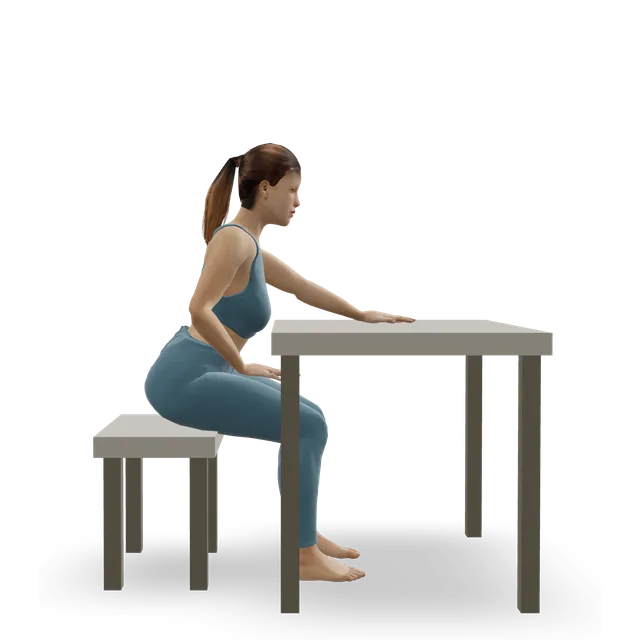
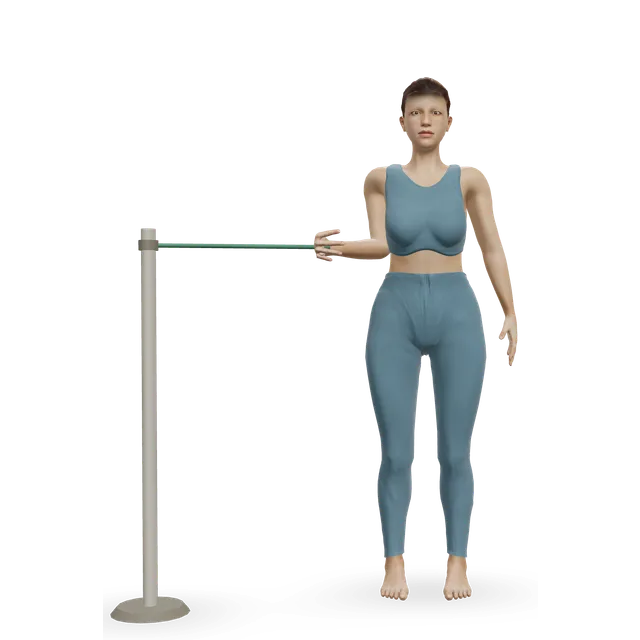
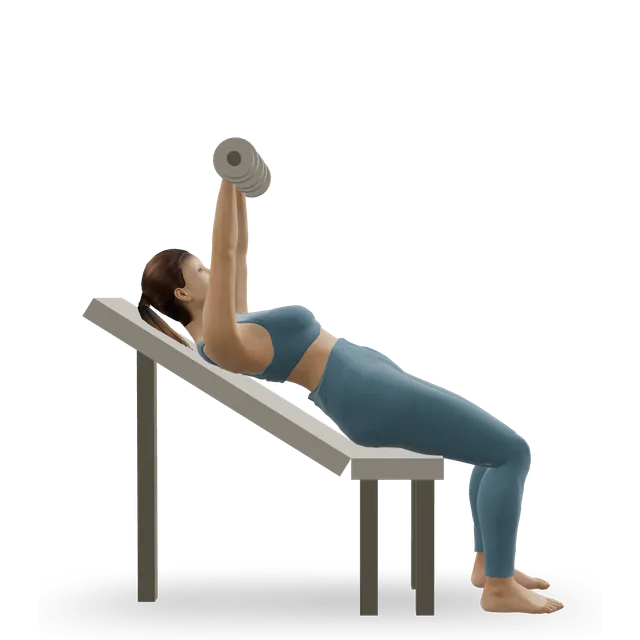
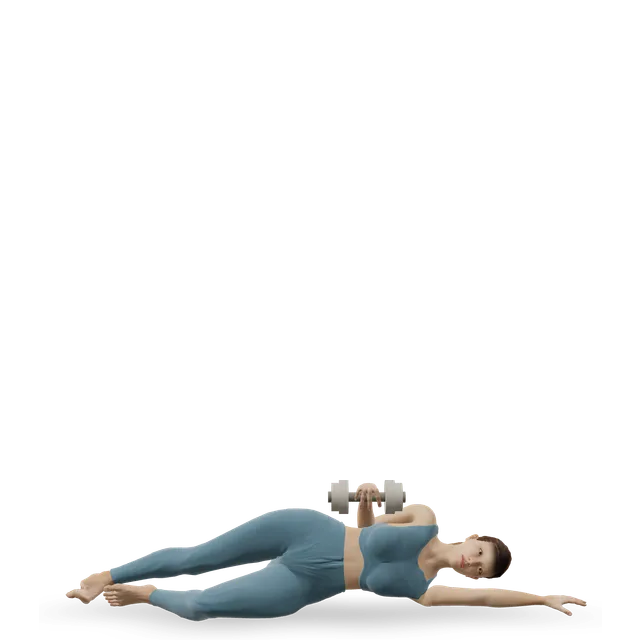
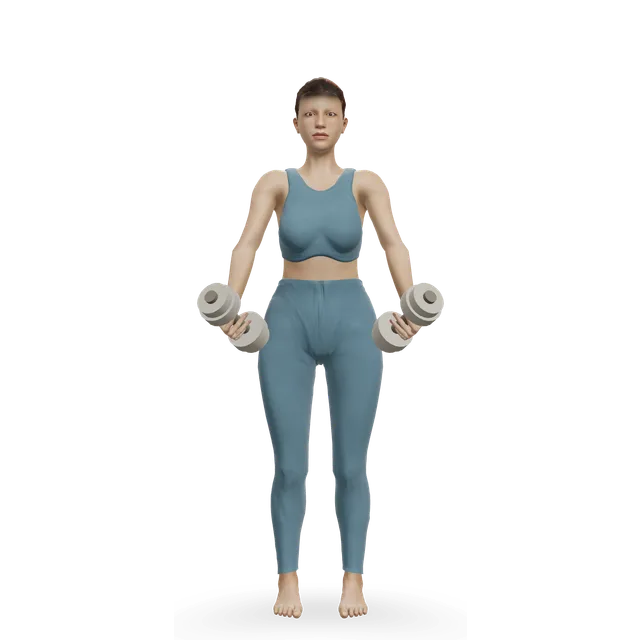
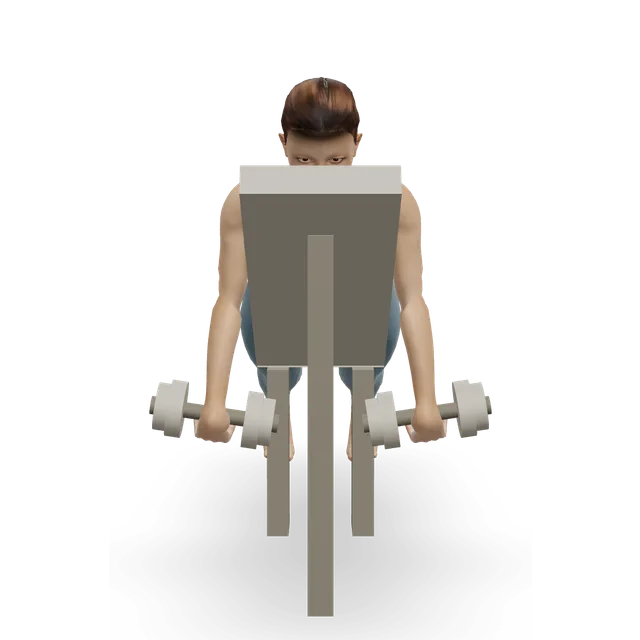
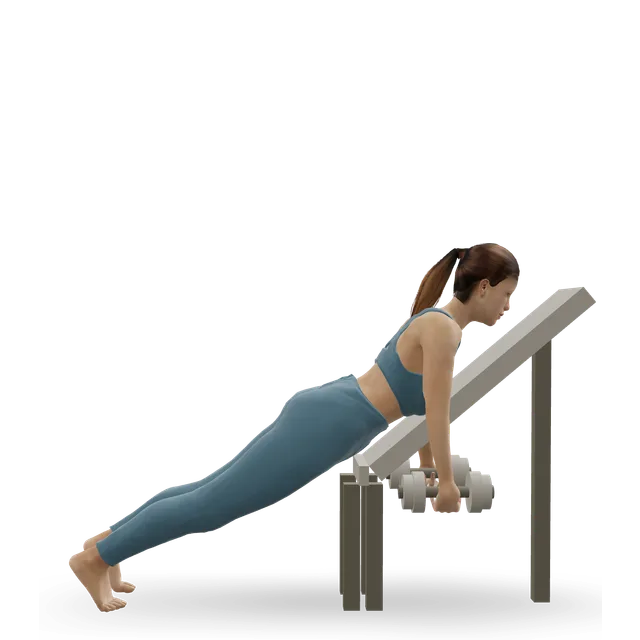
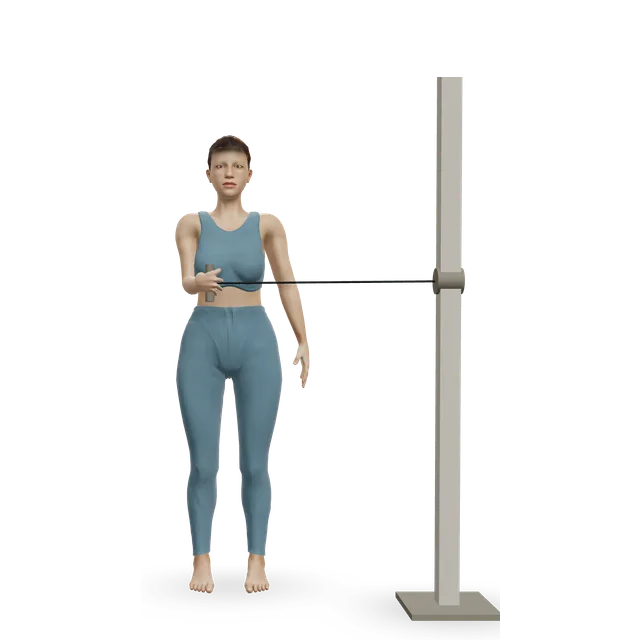
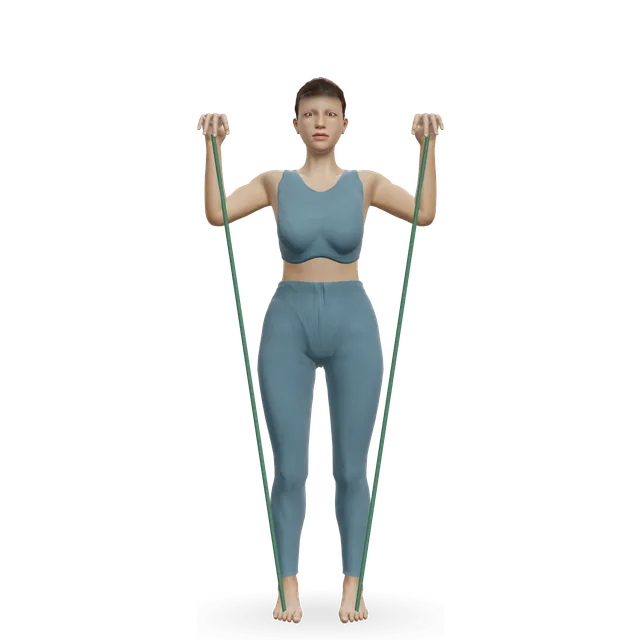
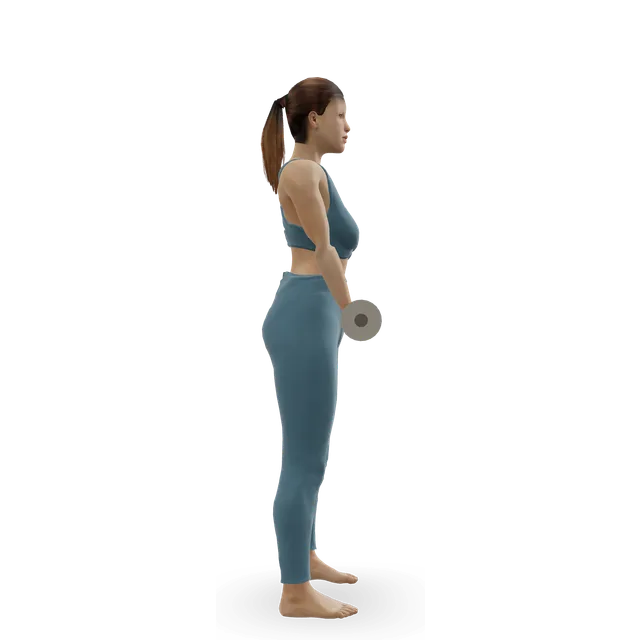
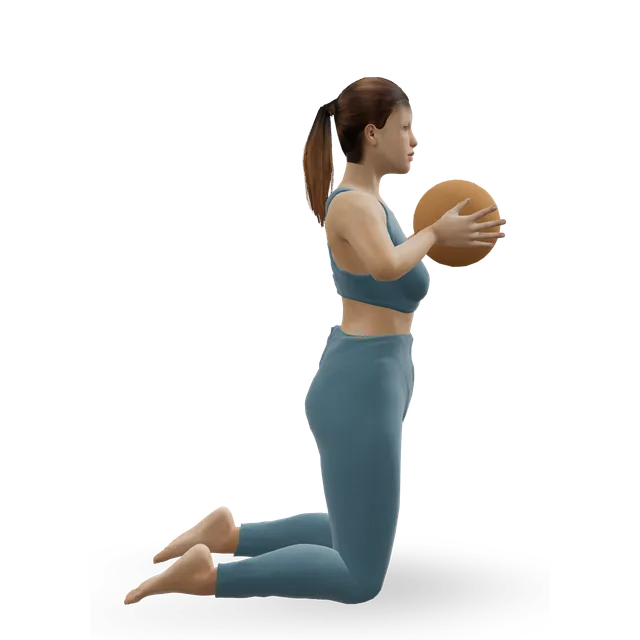
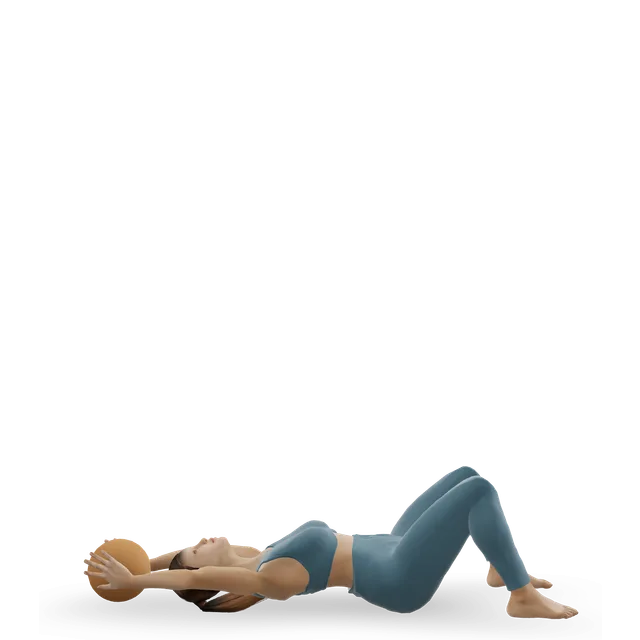
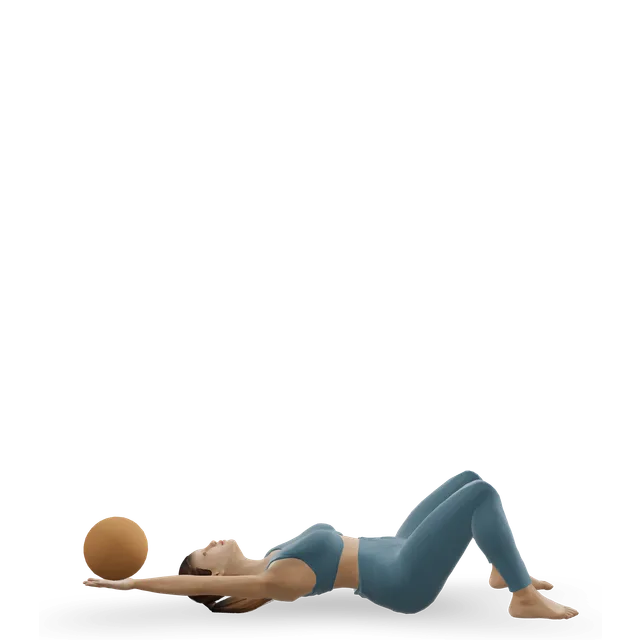
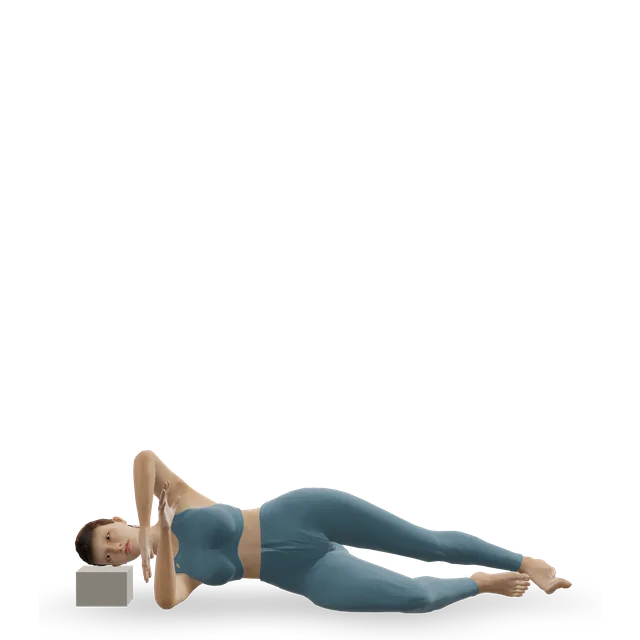
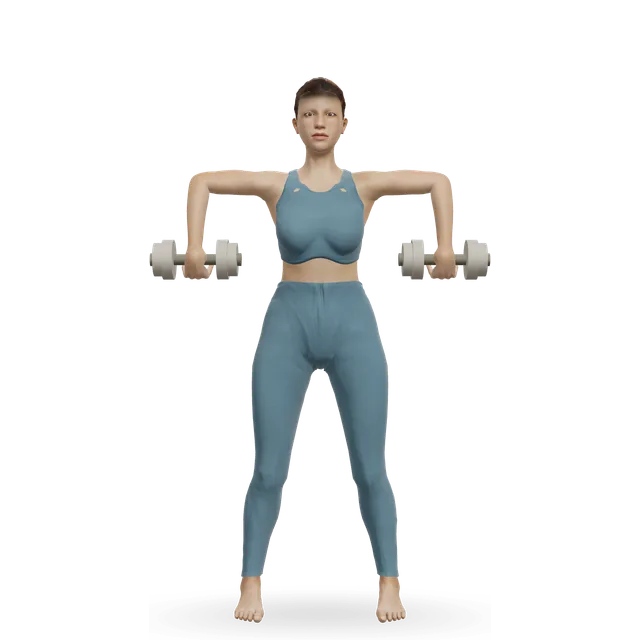
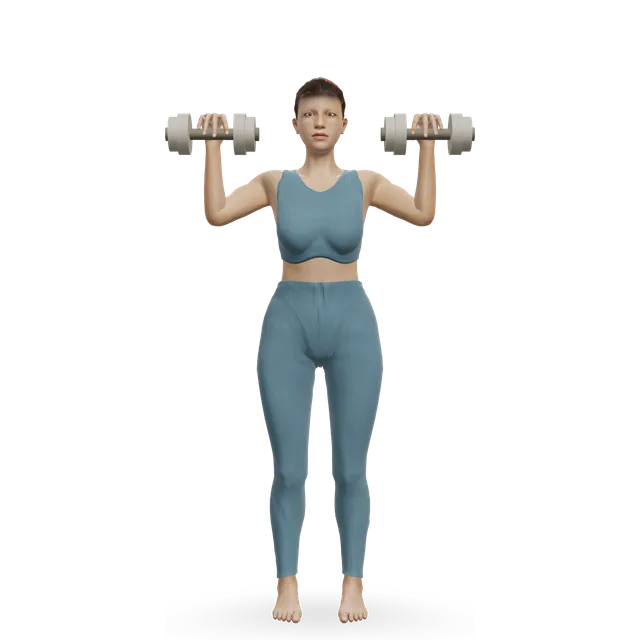
Start at the first stage. Each move opens a full guide with a 3D demo.
Stage 1
Settle: calm it, keep it moving, start the rotator cuff (about weeks 0 to 2)
Stay out of the positions that bring the deep catch (for throwers, the arm up and turned back), and keep everything else moving. Doses are editorial unless marked. After a SLAP repair or biceps tenodesis, don't use these stages: follow your surgeon's protocol.
2 to 3 sets of 15, light band, elbow at your side, in the comfortable middle of the range · 3 sets of 15 is the Holmgren trial's dose in rotator cuff pain
5 holds of 30 s, once a day, on the side that's stiffer turning in · The dose in a trial in people without shoulder pain; skip it if it pinches at the front
Move on when: Daily use is comfortable, and every set passes the pain rule.
Follow along: a timer, a cue and the next move, one step at a time.
Stage 2
Build: rotator cuff and shoulder-blade strength (about weeks 2 to 8)
Shoulder-blade control and rotator cuff strength, as in the published non-surgical programmes; rehab usually runs for 3 to 6 months in all. Doses are editorial unless marked.
Move on when: Strength feels equal side to side, and overhead work passes the pain rule.
Follow along: a timer, a cue and the next move, one step at a time.
Stage 4
Back to throwing and overhead sport (from about 3 months)
With your coach or physiotherapist. In athletes who completed non-surgical rehab, return to play usually came within 6 months. Follow these with a graded throwing or serving programme (the written steps below). Doses are editorial.
Stretching the back of the shoulder was part of the programme in one non-surgical series. If turning the arm in is clearly stiffer on one side, the cross-body stretch is the gentler choice: in a trial in people without shoulder pain, the sleeper stretch did no better. Skip it if it pinches at the front.
No study gives a throwing programme for non-surgical rehab, so these steps are editorial, and a coach or physiotherapist should set the real one. One centre starts an interval programme at about 16 weeks after a repair; non-surgical returns usually came within 6 months when rehab was completed.
1. Start with short, easy throws or serves at a fraction of your normal effort, two or three times a week, with a rest day between.
2. Add distance first, then effort, a little at a time.
3. Move on only if the next day is no worse: no deep pain, catching or dead arm.
4. If symptoms come back, drop back a step and build again from there.
Don't use the stages on this page. Follow your surgeon's protocol: typical timings are a sling for 2 to 6 weeks, strengthening from about 6 to 10 weeks, no resisted biceps work for about 8 weeks, no weight through the arms for at least 8 weeks, and interval throwing from about 3 to 4 months.
A tear at the top of the labrum, the rim of tissue around the shoulder socket, where the long head of the biceps attaches. SLAP stands for superior labrum, anterior to posterior. Type I is fraying, often age-related; type II pulls the biceps anchor away from the bone.
Can a SLAP tear heal without surgery?
The tear itself may not mend, because the top of the labrum has a poor blood supply that falls with age. But the shoulder often settles: with rehab, 71% of young, active people did well in one study, and 78% of athletes who completed rehab returned to play.
Does surgery work better than rehab?
For isolated type II tears in mostly non-athlete adults, repair and biceps tenodesis did no better than a sham operation at 6 months or 2 years. Rehab is the usual first treatment, and surgery is considered when a full course hasn't helped.
My MRI shows a SLAP tear. Is that what hurts?
Not necessarily. Radiologists read SLAP tears in 55% to 72% of scans of pain-free 45 to 60-year-olds, and from about 30 to 40 some fraying can be normal ageing. The scan is one piece of the picture, alongside your symptoms and examination.
How long does a SLAP tear take to recover without surgery?
Rehab usually runs for 3 to 6 months. In athletes who completed it, return to play usually came within 6 months, though no one can promise a date.
How long after SLAP surgery can I throw?
Protocols differ: early interval throwing from about 3 to 4 months in one summary, and an interval sport programme from 16 weeks at one centre. Return to play after a repair takes about 8 to 12 months on average. Your surgeon's protocol comes first.
What exercises should I avoid with a SLAP tear?
It depends on how it happened: after a fall onto your hand, go easy on weight through your arms; after a pull, on heavy biceps work; in throwers, on forcing the arm up and back. Skip the sleeper stretch unless turning the arm in is clearly stiff.
Repair or biceps tenodesis?
Shoulder surgeons generally favour repair in younger, active people with an unstable anchor, and treating the biceps in lower-demand people over about 30. Return to play after either varies widely, and is lowest in baseball pitchers.
Is it a SLAP tear or my rotator cuff?
They often come together: in one series, 45% of people with SLAP lesions also had a partial rotator cuff tear. Deep pain with catching in overhead positions points more to the labrum, but the exercise plans overlap.
Can I keep lifting weights with a SLAP tear?
Usually, with changes and the pain rule: leave out dips, behind-the-neck presses and heavy biceps work for now, press in front of you, and build rotator cuff and shoulder-blade strength. These are expert precautions, not tested rules.
Exercise education, not a diagnosis or treatment plan. It is written from the guidelines and studies listed above; review by a clinician is pending. If your pain follows an injury, is severe, is getting worse, or comes with any warning sign listed on this page, get it assessed. Health disclaimer.