Joint guide

The shoulder: how it works, why it moves so far, and how to keep it strong

Your shoulder is four joints working together: a ball and socket between the arm and the shoulder blade, two small joints at either end of the collarbone, and the shoulder blade gliding over your ribs. The ball has about four times the surface area of its shallow socket, which gives the shoulder more range than any other joint and makes it the joint most often dislocated.

What keeps it steady while it moves is mostly muscle: the rotator cuff presses the ball into its socket, and the muscles around the shoulder blade turn it so the socket follows your arm. Shoulder range falls with age more than most joints', and strength and full-range movement are what keep it working.

This guide explains how the shoulder is built and moves, what normal range looks like and how it changes, what the evidence says about keeping it healthy, and the moves and a routine to do it, with links to the shoulder pain guides.

The short version

Four joints, not one

The main shoulder joint is a ball and socket between the upper arm bone and the shoulder blade. Two small joints sit at either end of the collarbone, the AC (acromioclavicular) joint at the tip of the shoulder and the SC (sternoclavicular) joint at the breastbone, and the shoulder blade glides over the back of the ribs.

Sources 1, 2

Range at the cost of stability

The ball has about four times the surface area of its shallow socket, which holds less than a third of it, and the capsule around them is loose. That gives the shoulder the most movement of any joint and makes it the joint most often dislocated: up to 45% of all dislocations, 96% of them forwards.

Sources 2, 1

Muscle holds it together

The rotator cuff's main job is to press the ball into its socket and keep it centred while bigger muscles move the arm. The labrum (a rim of cartilage that deepens the socket), the ligaments and a slight suction inside the joint hold it too, but as the arm moves, the cuff, the biceps and the muscles around the shoulder blade steady it.

Sources 3, 2

The shoulder blade moves with your arm

As you raise your arm, the shoulder blade turns upward around your ribs so the socket stays under the ball: roughly 1 degree of shoulder-blade turn for every 2 degrees of arm raise at the ball-and-socket joint. The two small studies that measured it with pins in the bones found ratios of 1.7 to 2.4 to 1.

Sources 4, 5

Range shrinks with age

Adults without shoulder pain average about 160 degrees of forward arm raise, short of the textbook 180, and the oldest age groups reached about 40 degrees less than the youngest. The shoulder loses proportionally more flexibility with age than the elbow or knee.

Sources 6, 7

Strength and range keep it working

A shoulder programme done 3 times a week cut shoulder problems by 28% in a trial of 660 handball players, and a daily cross-body stretch restored inward turning in a small trial. Scans find rotator cuff tears in about a third of shoulders that don't hurt, so a scan isn't the whole story.

Sources 8, 9, 10

How the shoulder is built

The bones

Three bones meet at the shoulder: the upper arm bone (humerus); the shoulder blade (scapula), with its shallow socket (the glenoid), its bony roof (the acromion) and a hook at the front (the coracoid process); and the collarbone (clavicle). The collarbone works like a strut, holding the shoulder out from the chest so the shoulder blade can glide over the back of the ribs.

Sources 1, 11, 12

The ball-and-socket joint

The glenohumeral joint, between the ball at the top of the humerus and the glenoid, is a synovial ball-and-socket joint. The ball has about four times the surface area of the socket, which holds less than a third of it. A ring of fibrocartilage, the labrum, deepens the socket, and at the top it joins the tendon of the long head of the biceps.

The capsule is loose, reinforced by three thickened bands, the superior, middle and inferior glenohumeral ligaments, which tighten at different arm positions and help stop the ball slipping out forwards.

Sources 2, 1

The AC joint

The acromioclavicular (AC) joint, between the outer end of the collarbone and the acromion, is a small synovial plane joint with surfaces of fibrocartilage and a small disc between them. Its main support is the coracoclavicular ligament, in two parts called the conoid and trapezoid, with the AC ligament keeping it stable from front to back. As you raise your arm, the shoulder blade tilts back here, by about 19 degrees on average in one study.

Sources 13, 1, 4

The SC joint

The sternoclavicular (SC) joint, between the inner end of the collarbone and the breastbone, is a saddle-shaped synovial joint and the only joint linking the arm to the trunk. It lets the collarbone lift, drop, move forward and back, and spin about 45 degrees along its length; as you raise your arm, the collarbone spins back about 31 degrees on average. The costoclavicular ligament, from the collarbone to the first rib, is its main restraint.

Sources 1, 14, 4

The shoulder blade on the ribs

The scapulothoracic joint is not a true joint: it is the shoulder blade gliding over the back of the rib cage. Muscles hold it there and move it. The upper trapezius and levator scapulae lift it, the lower trapezius draws it down, the trapezius turns it upward as the arm rises, the rhomboids and middle trapezius draw it back, and the serratus anterior brings it forward around the ribs.

Sources 1, 11

Two kinds of stability

Reference texts describe two systems. The static stabilisers are the shape of the bones, the labrum, the capsule and its ligaments, and a slight suction inside the joint. The dynamic ones are the rotator cuff, the long head of the biceps and the muscles around the shoulder blade. The cuff wraps the front, top and back of the joint but leaves the bottom relatively unsupported.

Sources 2, 3

The roof and the bursa

Above the rotator cuff tendons sits a roof of bone and ligament: the acromion, the coracoid process and the coracoacromial ligament. The subacromial bursa, a fluid-filled sac under the deltoid and above the supraspinatus tendon, lets the tendon glide in the space beneath this roof, which is only about 1.0 to 1.5 cm high.

Sources 15, 2

The muscles that move it

The rotator cuff is four muscles from the shoulder blade. The supraspinatus starts raising the arm out to the side and matters most over the first 15 degrees, the infraspinatus and teres minor turn the arm outward, and the subscapularis turns it inward. The deltoid's middle fibres take the arm from about 15 to 90 degrees, and beyond that the trapezius and serratus anterior turn the shoulder blade so the arm can go higher.

The pectoralis major, latissimus dorsi and teres major are big movers that bring the arm in to your side and turn it inward. Both heads of the biceps cross the shoulder, the short head from the coracoid process and the long head from above the socket, and so does the long head of the triceps, from below it. Each has its own muscle guide, listed below.

Sources 3, 2, 1

Nerves worth knowing

The axillary nerve, which supplies the deltoid and teres minor, runs close along the bottom of the joint capsule and can be damaged when the shoulder dislocates. The long thoracic nerve supplies the serratus anterior, and injury to it is the most common cause of a shoulder blade that sticks out (winging).

Sources 1, 2, 16
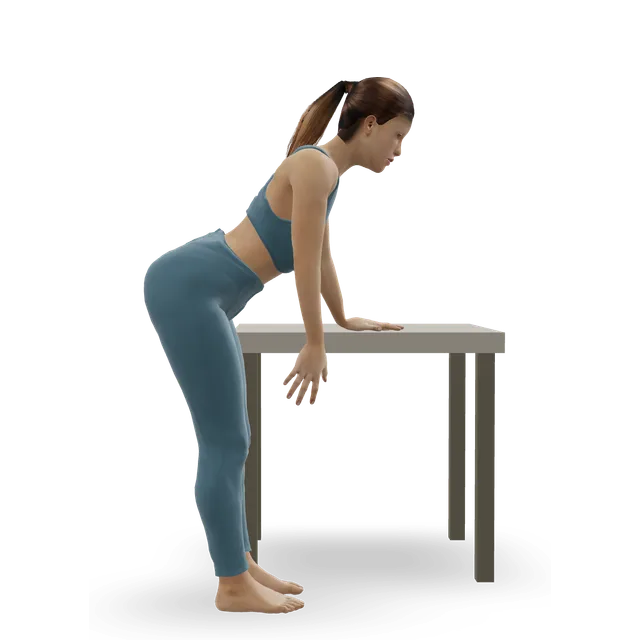
Muscle guides for the shoulder

How it moves, and normal range

Six movements, and the textbook ranges

Reference texts give these normal ranges, with the movement's name in brackets.

  • Raising the arm forward and overhead (flexion): 180 degrees.
  • Taking the arm back behind you (extension): 45 to 60 degrees.
  • Raising the arm out to the side (abduction): 150 degrees.
  • Bringing it back down to your side and across the body (adduction).
  • Turning the arm inward (internal rotation): 70 to 90 degrees.
  • Turning the arm outward (external rotation): 90 degrees.

Source 2

What adults without shoulder pain actually reach

In 2,404 adults aged 20 to 91 in an Australian community study, none with a history of shoulder pain or stiffness, the averages were lower than the textbook: about 157 to 162 degrees raising the arm forward, 148 to 152 degrees out to the side, and 55 to 61 degrees turning it out. The authors note that the populations and methods behind the textbook values were never described. Men raised their arms a little further on average, and women turned them out further.

Source 6

Range falls with age, the shoulder more than most

In the same study, the oldest age groups raised their arms forward about 41 to 43 degrees less than the youngest, and out to the side about 37 to 40 degrees less; turning out fell too, more in women. In 6,000 people aged 5 to 92, the shoulders and trunk lost the most flexibility with age and the elbows and knees the least.

Sources 6, 7

What everyday tasks need

In a study of 20 adults doing 10 everyday tasks from shoulder questionnaires, the shoulder needed on average about 121 degrees of forward raise, 128 degrees out to the side, 46 degrees of reaching back and 116 degrees across the body, with about 59 degrees of turning out (the arm held out to the side) and 102 degrees of turning in (the arm at the side). Everyday life needs less than full range, but not much less.

Source 17

Scapulohumeral rhythm: how the shoulder blade follows the arm

Your arm can't get overhead from the ball-and-socket joint alone. As you raise it, the shoulder blade turns upward around your ribs so the socket stays under the ball, and it tilts back and turns a little too, while the collarbone lifts, moves back and spins along its length. In plain words: roughly 1 degree of shoulder-blade turn for every 2 degrees of arm raise at the ball-and-socket joint.

That figure is a simplification from small studies. Two studies measured it with pins placed in the bones of healthy volunteers and found ratios of 1.7 to 2.4 to 1: 2.1 to 1 raising the arm out to the side and 2.4 to 1 raising it forwards in 12 people, and 1.7 to 1 in 8 people, with a lot of variation between individuals. Up to about 90 degrees of raising the arm out to the side, the supraspinatus and deltoid do most of the lifting; beyond that, the trapezius and serratus anterior turn the shoulder blade.

Sources 4, 5, 2

What the evidence says

The most mobile joint is the most often dislocatedStrong evidence

Reference texts agree: the shoulder accounts for up to 45% of dislocations, about 17 per 100,000 people a year, and 96% are forwards. They peak in men aged 21 to 30 and women aged 61 to 80, and about half recur, more often when the first dislocation happens young.

Source 2

Shoulder-blade rhythm comes from small studiesEmerging evidence

The rhythm figures come from two studies of 20 healthy people in all, measured with pins in the bones, which is precise but small. They agree on the pattern (upward turning, tilting back and the collarbone spinning) and put the ratio between 1.7 and 2.4 to 1, with a lot of variation between people.

Sources 4, 5

An uneven shoulder blade is a risk marker, not a diagnosisEmerging evidence

Experts at a 2013 consensus meeting found abnormal shoulder-blade movement (scapular dyskinesis) in a high percentage of shoulder injuries, but its exact role is not clearly defined; they see it as a potential impairment, and advise shoulder-blade rehab within a fuller programme. In 5 studies of 419 athletes without shoulder pain, those with dyskinesis were 43% more likely to develop pain over 9 to 24 months (35% against 25%).

Sources 18, 19

Normal range is less than the textbook, and falls with ageStrong evidence

In 2,404 community adults without shoulder pain, average range was below the textbook values and fell by about 40 degrees from the youngest to the oldest age groups. In 6,000 people aged 5 to 92, the shoulder lost proportionally more flexibility with age than the elbow or knee.

Sources 6, 7

Scans find tears in shoulders that don't hurtStrong evidence

In 96 people with no shoulder symptoms, 34% had a rotator cuff tear on MRI (magnetic resonance imaging), rising to 54% of those over 60. Pooled across 30 studies (6,112 shoulders), rotator cuff changes rose from about 10% at age 20 and under to 62% at 80 and over, with or without symptoms.

Sources 10, 20

A shoulder programme prevented problems in athletesEmerging evidence

In 660 elite handball players, a warm-up programme done 3 times a week, built to increase inward-turning range, outward-turning strength and shoulder-blade strength and to improve upper-back mobility and the kinetic chain, cut shoulder problems over a 7-month season: 17% average prevalence against 23%, a 28% lower risk. It is one trial, in throwing athletes.

Source 8

For rotator cuff pain, one advice session did as well as up to sixStrong evidence

In a UK trial of 708 adults with rotator cuff pain, up to six physiotherapy sessions of progressive exercise did no better over 12 months than a single session of best-practice advice from a physiotherapist, and a steroid injection gave no long-term benefit. Our shoulder pain guide has a staged plan.

Source 21

The cross-body stretch restores inward turningEmerging evidence

In a trial of 54 adults without pain, those with a tight back of the shoulder who did the cross-body stretch (5 holds of 30 seconds, once a day, for 4 weeks) gained about 20 degrees of inward turning; the sleeper stretch's 12-degree gain wasn't significant against the comparison group. It is one small trial.

Source 9

Impingement goes with weakness and stiffness, not postureEmerging evidence

In 90 people, those with shoulder impingement had less range and less strength in every direction than matched people without it, but no difference in resting posture. The authors support rehab that strengthens the shoulder and restores its flexibility.

Source 22

Hypermobile athletes injure their shoulders more oftenEmerging evidence

Across 6 studies of 2,335 athletes, those with joint hypermobility had about 3 times the odds of shoulder injuries. The evidence was low quality, and the authors expect the size of the link to change with better studies.

Source 23

Heavy or light strengthening for hypermobile shouldersMixed evidence

In 100 adults with hypermobile, painful shoulders, 16 weeks of heavy, full-range strengthening improved function a little more than light exercise, by less than people usually notice, and caused more short-lived soreness. Our hypermobility guide has the detail.

Source 24

Keeping your shoulder healthy

Strengthen the rotator cuff and the shoulder-blade muscles

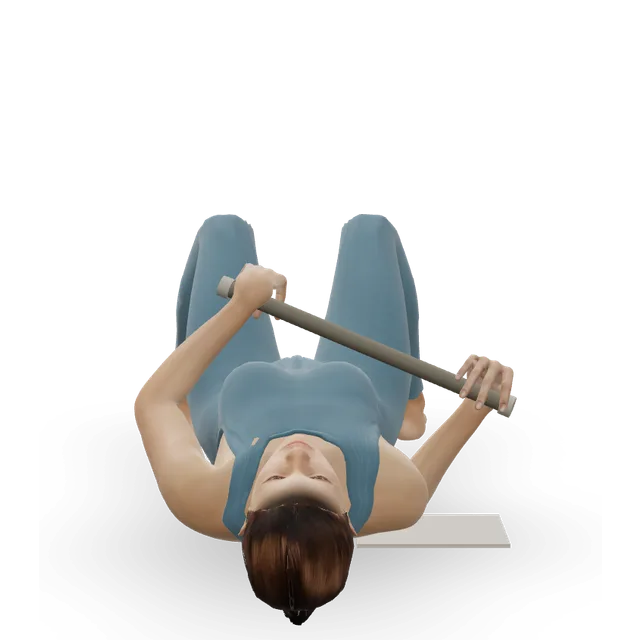
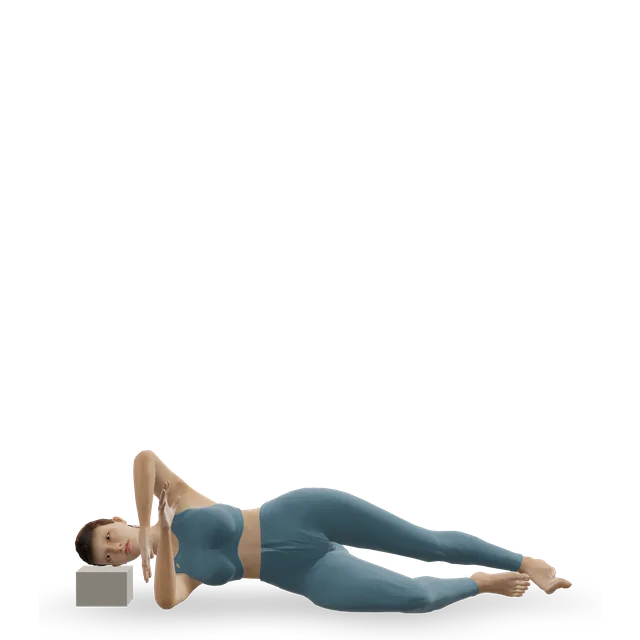
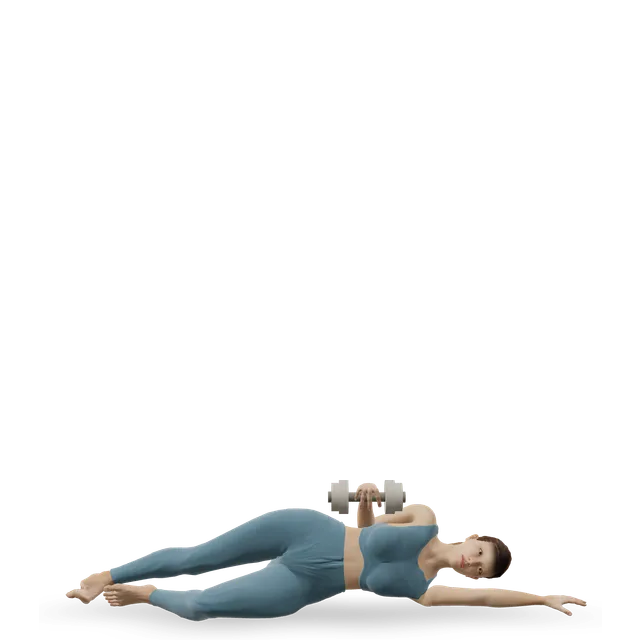
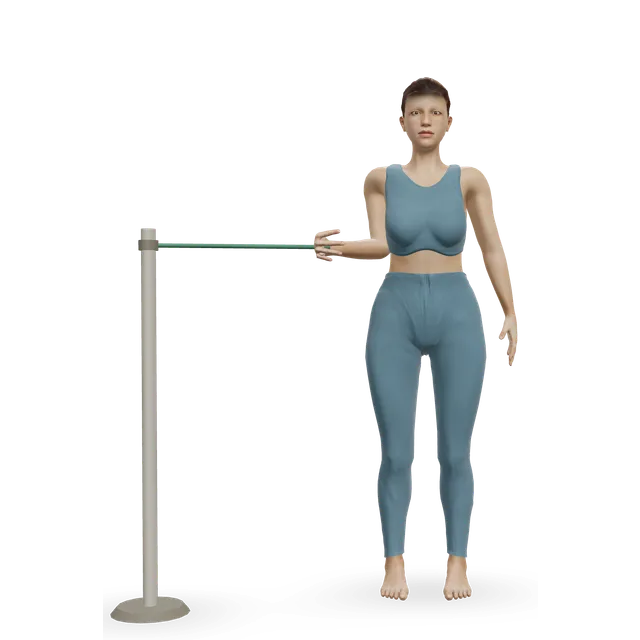
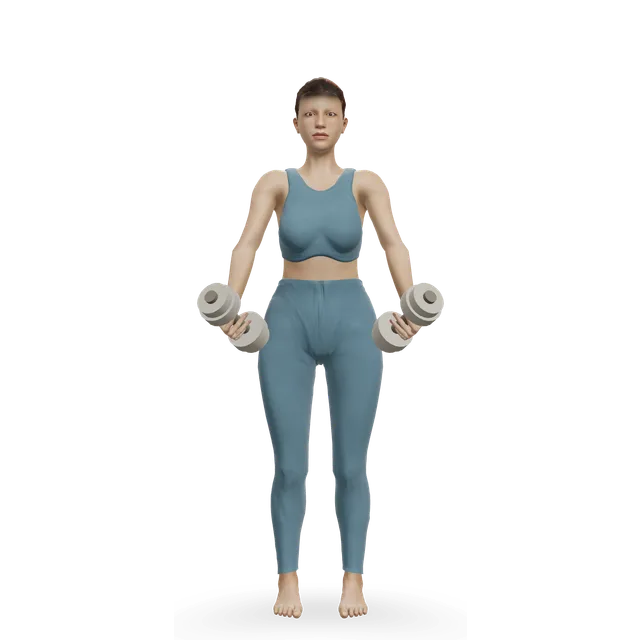
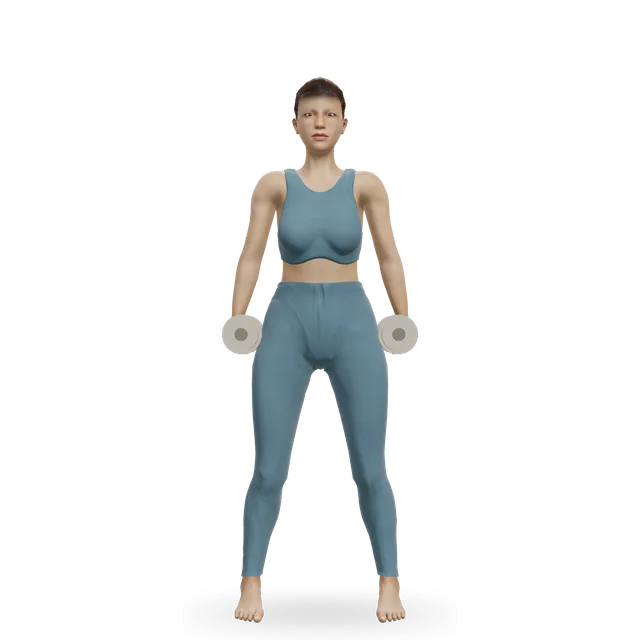
Train turning the arm out and in against a band, raising it in line with the shoulder blade, and the muscles that move the shoulder blade: rows, push-up plus and pull-aparts. The handball programme ran 3 times a week as a warm-up, and our routine below follows its four parts. Our editorial starting point: 2 to 3 sets of 10 to 15, 2 or 3 times a week, with a band light enough to keep each rep smooth.

Sources 8, 3, 18

Move it in every direction, most days

The shoulder loses range with age more than most joints, and everyday tasks need about 120 to 130 degrees of raise. Take it through its full range on most days with slow arm circles and wall slides. If turning the arm in is tight, use the cross-body stretch: the trial used 5 holds of 30 seconds, once a day for 4 weeks.

Sources 7, 17, 9

Lift through a full range

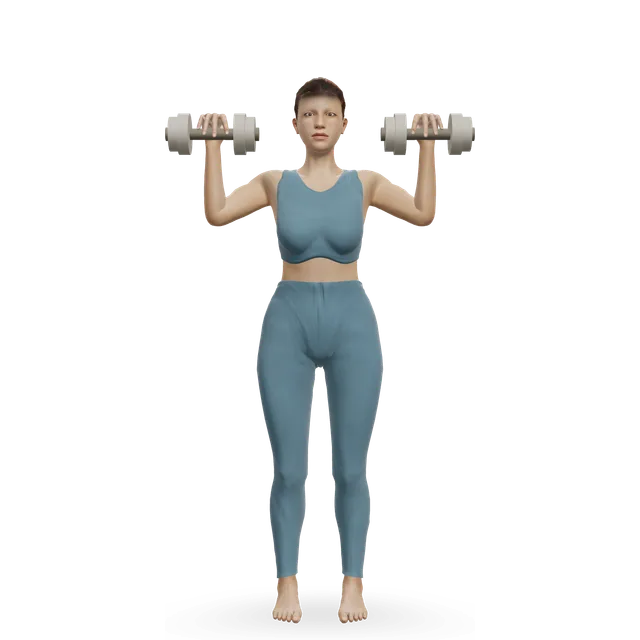
Strength training through a full range builds range of motion about as well as stretching does, and strength training lowers injury risk in sport. Pressing overhead, rows and push-ups take the shoulder through its range under load; add weight gradually.

Sources 25, 26

If it's sore: the 5 out of 10 rule

Our shoulder pain guide uses the rule from a rotator cuff trial: during exercise, pain up to about 5 out of 10 is acceptable if it's back to where it was by your next session. If it isn't, go lighter or use a smaller range next time, not nothing.

Let the shoulder blade move

The shoulder blade is meant to turn around your ribs as your arm rises. Our reading of the rhythm studies: strengthen the muscles that move it, rather than trying to hold it pinned back and down while you reach overhead.

Sources 4, 18

After a dislocation

The NHS says recovery usually takes 6 to 12 weeks, and up to 16 weeks to return to some sports, with a sling for the first few weeks and exercises from a physiotherapist. The risk of it happening again depends on your age and how well the joint healed. Our shoulder dislocation guide has a staged plan.

Source 27

Very flexible shoulders

If your shoulders are very flexible or slip, strength and fitness come first, as the NHS advises for hypermobility. Keep the elbow by your side for rotation exercises, stop short of any feeling of slipping, and build load gradually: heavier strengthening was safe in a trial but caused more short-lived soreness.

Sources 28, 24

Common problems

Start at our shoulder pain guide, which maps pain by where it hurts. These are pointers, not a diagnosis.

Pain on the outside of the shoulder, worse using the arm

The NHS lists tendonitis, bursitis and impingement as possible causes of shoulder pain that's often worse while using the arm. Our shoulder impingement guide covers rotator cuff pain with a staged plan.

Source 29

Weakness lifting or turning the arm

This can be a rotator cuff tear, after a fall or as tendons age. Tears are common in shoulders that don't hurt, so how the shoulder works matters more than the scan, and our rotator cuff tear guide explains the options. Sudden weakness after an injury needs checking promptly.

Sources 10, 20, 29

Stiff in every direction

The NHS lists frozen shoulder and arthritis for pain and stiffness that doesn't go away over months. Frozen shoulder affects about 2 to 5% of people, more often women aged 40 to 70, and most people eventually regain about 90% of their range. Our frozen shoulder guide has the stages and what helps.

Sources 29, 1, 2

Pain on top of the shoulder

Pain where the collarbone meets the shoulder can come from the AC joint, such as a sprain or a dislocation of that joint. Our shoulder arthritis guide covers arthritis there and in the ball-and-socket joint.

Source 29

Slipping, clicking or a dead arm

A tingling, numb or weak arm, or a shoulder that feels like it's clicking or locking, can be instability, sometimes because of hypermobility. Our shoulder dislocation guide covers instability as well as dislocation.

Source 29

Pain that starts in the neck

If the pain spreads from your neck, with pins and needles down the arm or pain that changes as you move your neck, start with our neck pain and pinched nerve guides.

A shoulder blade that sticks out

A winging shoulder blade most often comes from weakness of the serratus anterior after injury to its nerve, the long thoracic nerve. It needs assessing by a doctor or physiotherapist.

Source 16

Shoulder pain guides

Mobility: gentle first, then full range

Start with the first three if your shoulder is stiff or sore (about 10 slow reps, 1 to 3 times a day, from their pages), then move it through its full range. Hold stretches for about 30 seconds, 2 or 3 times, and skip the sleeper stretch if your shoulder is painful or unstable.

Strength: rotator cuff, shoulder blades and the whole shoulder

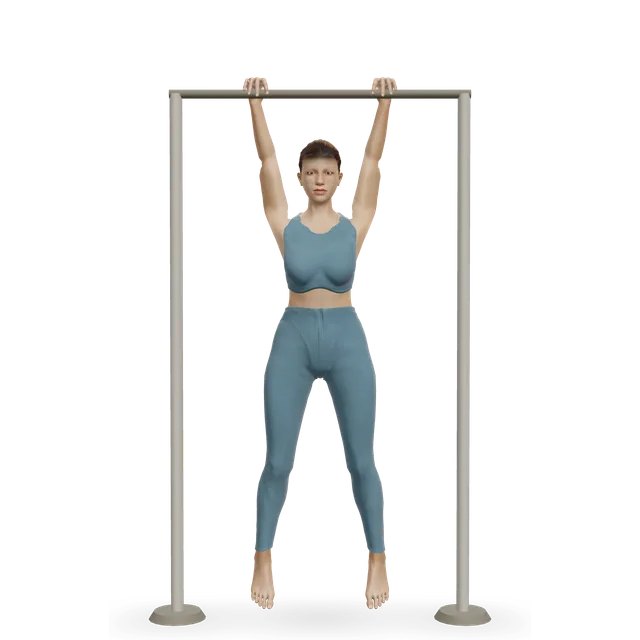
Rotator cuff first, then the shoulder-blade muscles, then pressing, pulling and carrying. Our starting point: 2 to 3 sets of 10 to 15, 2 or 3 times a week, as on our shoulder pain guide's plans. Leave out the bar hang after a recent dislocation or if your shoulder feels unstable.

Routines to follow

The shoulder mobility and stability routine follows the four parts of the handball programme in 25 minutes with a band. The gym shoulder workout adds load; the stretch and posture routines suit desk days.

Warning signs

Call 999 (911 in the US)

For chest pain that feels tight or like squeezing, chest pain spreading to your arms, neck or jaw, or severe difficulty breathing. Shoulder or arm pain with these symptoms can be a heart attack, not a shoulder problem.

Source 30

Go to A&E

If you've injured your shoulder and you can't move your arm, your shoulder looks out of place or has changed shape, or it's painful, bruised or swollen. Call 999 for an ambulance if you can't get to A&E yourself, don't drive yourself, and don't try to put your arm back in yourself.

Source 27

Get an urgent GP appointment or help from NHS 111

If you have sudden or very bad shoulder pain, you can't move your arm, your arm or shoulder has changed shape or is badly swollen, you have pins and needles that don't go away, there's no feeling in your arm or shoulder, your arm or shoulder is hot or cold to touch, the pain started after an injury such as a fall, you develop severe pain in both shoulders, or you feel feverish or unwell. In the US, contact your doctor or urgent care.

Source 29

See a GP

If shoulder pain is getting worse or doesn't improve after 2 weeks, or it's very difficult to move your arm or shoulder. In many areas you can refer yourself to NHS physiotherapy through community musculoskeletal (MSK) services.

Source 29

Myths

"Clicking or popping means damage"Emerging evidence

Joint noises happen in healthy joints, and painless clicks are usually harmless. A shoulder that clicks or locks with a tingling, numb or weak arm is different: the NHS lists it as a possible sign of instability, so get it checked.

Sources 31, 29

"The tear on my scan must be causing my pain"Strong evidence

Not necessarily. 34% of people with no shoulder symptoms had a rotator cuff tear on MRI, 54% of those over 60, and rotator cuff changes rise steadily with age whether or not they hurt. How your shoulder feels and works matters more than the picture.

Sources 10, 20

"Rounded shoulders cause shoulder pain"Emerging evidence

In 90 people, those with impingement had the same resting posture as those without, but less range and strength, which is what exercise targets. Our rounded shoulders guide covers posture.

Source 22

"Keep your shoulder blades pinned back and down"Emerging evidence

The shoulder blade is built to move: in the bone-pin studies it turned upward by about 40 to 50 degrees as the arm went overhead, and tilted back too. Holding it still fights that rhythm; strengthening the muscles that move it is what experts advise.

Sources 4, 5, 18

"Overhead pressing ruins shoulders"

We found no study showing that. Strength training lowers injury risk in sport, and reaching overhead is part of the shoulder's normal range. Build up gradually, and keep within the 5 out of 10 rule if a shoulder is sore.

Source 26

"Once a shoulder dislocates, it will keep dislocating"Strong evidence

About half of shoulder dislocations recur, more often when the first happens young, so it is common but not certain. The NHS says the risk depends on your age and how well the joint healed, and that physiotherapy to strengthen the shoulder muscles can reduce it.

Sources 2, 27

Questions people ask

What type of joint is the shoulder?

The main shoulder joint, the glenohumeral joint, is a synovial ball-and-socket joint, one of only two in the body along with the hip. The shoulder as a whole is four joints: the ball and socket, the AC and SC joints at either end of the collarbone, and the shoulder blade gliding on the ribs.

Why is the shoulder joint so unstable?

The ball has about four times the surface area of its shallow socket, which holds less than a third of it, and the capsule is loose. That gives the shoulder the most range of any joint, but it relies on the labrum, the ligaments and above all the rotator cuff to stay centred, and it is the joint most often dislocated.

What is the rotator cuff?

Four muscles from the shoulder blade, the supraspinatus, infraspinatus, teres minor and subscapularis, whose tendons wrap the ball of the arm bone. Their main job is to press the ball into the socket and keep it centred while bigger muscles move the arm; they also turn the arm in and out. Our rotator cuff guide has the detail.

What is scapulohumeral rhythm?

It's how your shoulder blade moves with your arm. As the arm rises, the shoulder blade turns upward around the ribs, roughly 1 degree for every 2 degrees the arm moves at the ball-and-socket joint, and tilts back so the socket stays under the ball. Two small studies with pins in the bones measured ratios of 1.7 to 2.4 to 1.

What is normal shoulder range of motion?

Textbooks give about 180 degrees for raising the arm forward, 150 to 180 degrees out to the side and 90 degrees for turning it out. In 2,404 adults without shoulder pain the averages were lower, about 160, 150 and 55 to 61 degrees, and in a small study everyday tasks needed about 120 to 130 degrees of raise.

Does shoulder flexibility decrease with age?

Yes, more than most joints: in a large community study, forward and sideways raise were about 40 degrees smaller in the oldest age groups than the youngest. Moving the shoulder through its full range and strength training through a full range help you keep it.

Why does my shoulder click or pop?

Painless clicks are common and usually harmless. A shoulder that clicks or locks with tingling, numbness or a weak arm, or feels as if it slips, can be unstable and should be checked.

How do I strengthen my shoulder joint?

Train the rotator cuff by turning the arm out and in against a band, and the muscles that move the shoulder blade with rows, push-up plus and pull-aparts, then add pressing, pulling and carrying. A warm-up built on these parts cut shoulder problems by 28% in a trial of 660 handball players.

Do rounded shoulders cause shoulder pain?

Not reliably. In one study, people with shoulder impingement had the same resting posture as people without, but less range and strength, which is what exercise targets. Our rounded shoulders guide covers posture.

What is the AC joint?

The joint between the outer end of the collarbone and the tip of the shoulder blade (the acromion). It's a small gliding joint held mainly by the coracoclavicular ligament, and problems there cause pain on top of the shoulder.

Does a rotator cuff tear on a scan mean that's what is causing my pain?

Not necessarily: 34% of adults with no shoulder pain had a rotator cuff tear on MRI, rising to 54% of those over 60. How your shoulder feels and works matters more than the scan, and our rotator cuff tear guide explains the options.

Sources

  1. Miniato 2023 · Anatomy of the shoulder (reference chapter, StatPearls)
  2. Chang 2025 · Anatomy of the glenohumeral joint (reference chapter, StatPearls)
  3. La Rose 2026 · Anatomy of the rotator cuff (reference chapter, StatPearls)
  4. Ludewig 2009 · Shoulder blade, collarbone and arm motion measured with bone pins in 12 adults (study, J Bone Joint Surg Am)
  5. McClure 2001 · Shoulder blade motion measured with bone pins in 8 adults (study, J Shoulder Elbow Surg)
  6. Gill 2020 · Shoulder range of movement by age and sex in 2,404 community adults (population study, BMC Musculoskelet Disord)
  7. Medeiros 2013 · Age-related loss of mobility is joint-specific: 6,000 Flexitest results (study, Age)
  8. Andersson 2017 · A shoulder injury prevention programme in 660 elite handball players (cluster randomised trial, BJSM)
  9. McClure 2007 · Cross-body vs sleeper stretch for a tight back of the shoulder in 54 adults (randomised trial, JOSPT)
  10. Sher 1995 · MRI findings in 96 shoulders without symptoms (study, J Bone Joint Surg Am)
  11. Miniato 2023 · Anatomy of the scapula (reference chapter, StatPearls)
  12. La Rose 2026 · Anatomy of the clavicle (reference chapter, StatPearls)
  13. La Rose 2026 · Anatomy of the acromioclavicular joint (reference chapter, StatPearls)
  14. Epperson 2023 · Anatomy of the sternoclavicular joint (reference chapter, StatPearls)
  15. Faruqi 2023 · Subacromial bursitis (reference chapter, StatPearls)
  16. Park 2025 · Winging of the scapula (reference chapter, StatPearls)
  17. Namdari 2012 · Shoulder range of motion needed for 10 daily tasks in 20 adults (study, J Shoulder Elbow Surg)
  18. Kibler 2013 · Scapular dyskinesis in shoulder injury: the Scapular Summit (consensus statement, BJSM)
  19. Hickey 2018 · Scapular dyskinesis and future shoulder pain in 419 athletes: 5 studies (systematic review and meta-analysis, BJSM)
  20. Teunis 2014 · Rotator cuff changes with age: 30 studies, 6,112 shoulders (systematic review and pooled analysis, J Shoulder Elbow Surg)
  21. Hopewell 2021 · Progressive exercise or best-practice advice, with or without a steroid injection, for rotator cuff disorders: 708 adults (randomised trial, Lancet)
  22. McClure 2006 · Shoulder function, posture and shoulder blade motion in 90 people with and without impingement (study, Phys Ther)
  23. Liaghat 2021 · Joint hypermobility and shoulder injuries in athletes: 6 studies, 2,335 athletes (systematic review and meta-analysis, BMC Musculoskelet Disord)
  24. Liaghat 2022 · Heavy vs light shoulder strengthening in 100 adults with hypermobile shoulders (randomised trial, BJSM)
  25. Alizadeh 2023 · Resistance training and range of motion: 55 studies (systematic review and meta-analysis, Sports Medicine)
  26. Lauersen 2014 · Exercise to prevent sports injuries: 25 trials, 26,610 people (meta-analysis, BJSM)
  27. NHS · Dislocated shoulder
  28. NHS · Joint hypermobility syndrome
  29. NHS · Shoulder pain
  30. NHS · Heart attack
  31. Protopapas 2002 · Joint cracking and popping: the noises that come with joint release (review, J Am Osteopath Assoc)

Education about how your joints work, not a diagnosis, and clinical review of these guides is pending. For a painful, swollen or injured joint, see the pain guide for that area and a doctor or physiotherapist, and stop any exercise that causes sharp or increasing pain. Health disclaimer.