Shoulder position doesn't reliably explain shoulder painEmerging evidence
In 10 studies of subacromial impingement (pain at the top of the shoulder when you lift your arm), shoulder-blade position was inconsistent: some found more forward tilt, others less, others no difference, and the authors said restoring an "ideal" shoulder-blade posture isn't supported.
Moderate evidence from 10 studies found no difference in upper-back rounding between people with and without shoulder pain. In 144 people, pec minor length wasn't linked to shoulder pain or disability, and in office workers rounded shoulders didn't differ between people with and without neck pain.
Sources 4, 5, 6, 22
Sitting tall gives you more arm range in the momentStrong evidence
There's strong evidence that the arm lifts further when you sit upright than when you slouch. Taping 60 people with impingement into a more upright posture let them lift the arm higher straight away, though the pain itself was no less intense.
Sources 5, 7
Corrective programmes improve measured shoulder positionEmerging evidence
Across 18 trials, corrective exercise programmes reduced forward-shoulder measures by a large amount on average (moderate certainty), though the trials varied widely.
In 28 elite swimmers, 8 weeks of exercise reduced forward head and shoulder posture and increased shoulder strength. In 130 teenagers, 16 weeks of resistance and stretching exercise added to school physical education lessons improved head and shoulder angles, though shoulder pain didn't change. In 60 young women, adding lower-trapezius strengthening to chest stretching improved a lying test of rounded shoulders more than stretching alone over 3 weeks.
Sources 1, 8, 9, 23
Strengthening changes posture; stretching doesn'tEmerging evidence
A review of 23 controlled trials found stretching programmes didn't change posture, while strengthening programmes did, most clearly in the upper back and neck (moderate certainty).
Source 12
Chest stretches lengthen the muscle only brieflyMixed evidence
A one-arm stretch lengthened the pec minor more than two other stretches, stretching with the arm out to the side at shoulder height or higher stretched it most, and a doorway stretch lengthened it straight away.
But 6 weeks of daily stretching didn't change its resting length, static stretching alone had no effect on its length across 6 trials with 263 people, and adding pec minor stretches to a 12-week exercise programme for shoulder pain gave no extra benefit in 80 people.
Sources 24, 25, 26, 10, 27, 11
Which muscles the moves workEmerging evidence
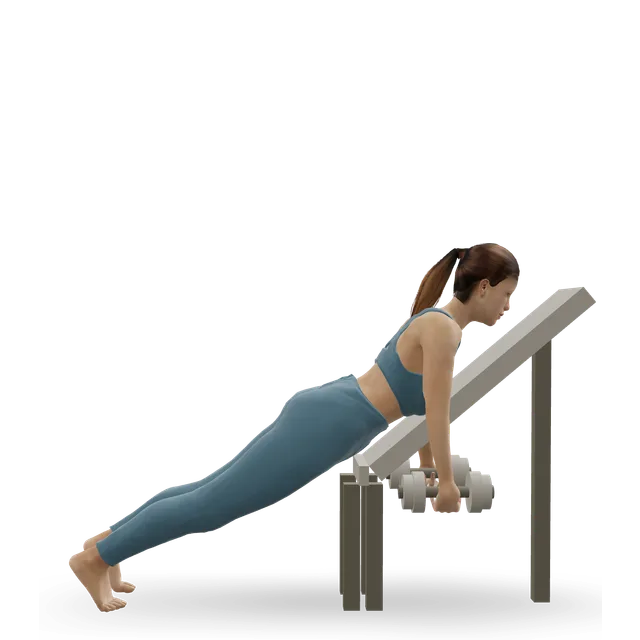
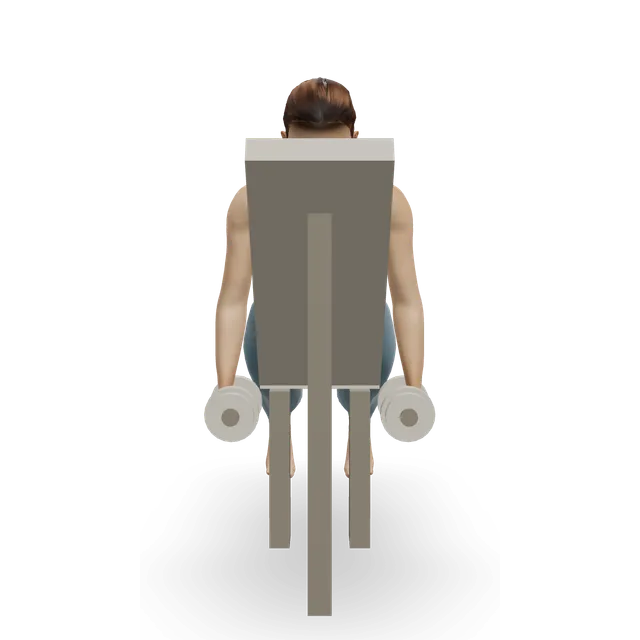
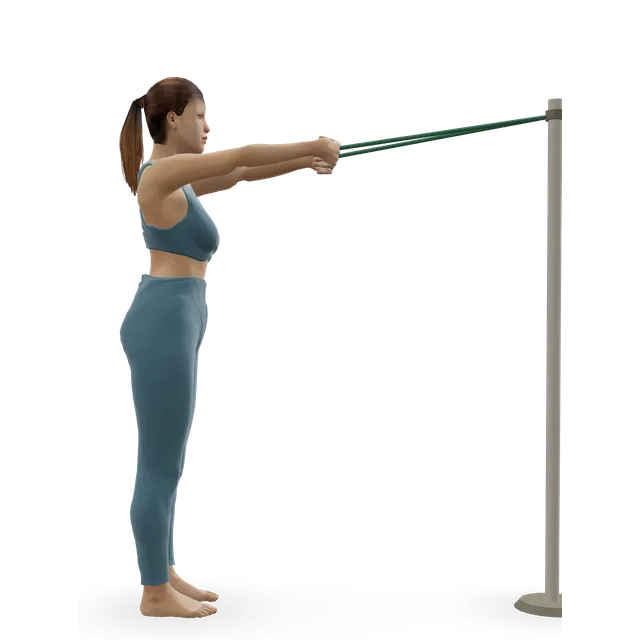
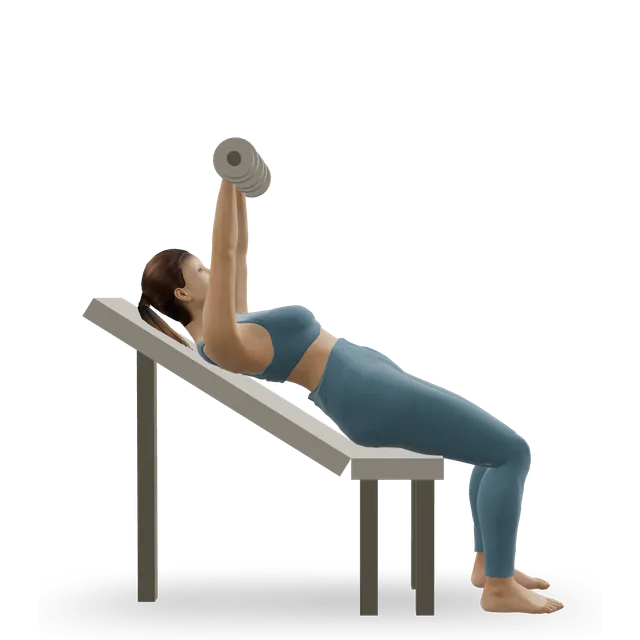
Prone Y and T raises work the middle and lower trapezius hardest. The push-up plus works the serratus anterior (the muscle that holds the shoulder blade against the ribs) hardest with the least upper trapezius. Band pull-aparts with palms up favour the lower trapezius. These studies measured muscle activity, not posture.
Sources 13, 14, 28
Strength isn't the same as positionMixed evidence
Older reviews found little reliable evidence that exercise corrects shoulder-blade posture, and strength didn't match resting shoulder-blade position. In 20 people, 6 weeks of stretching and strengthening made the upper trunk more upright, but where the shoulder blades sat at rest didn't change.
Sources 15, 29, 30
Shoulder-blade exercise helps shoulder pain, but not by fixing postureEmerging evidence
In 8 trials of 387 people with subacromial pain, shoulder-blade stabilising exercise reduced pain more than standard physiotherapy. Across 7 studies, treatments improved disability without changing shoulder-blade movement, so the benefit isn't explained by better posture.
Sources 31, 32