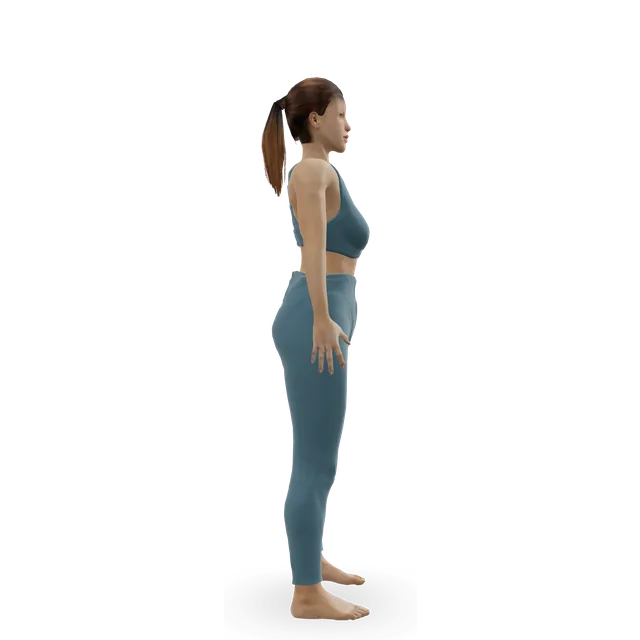
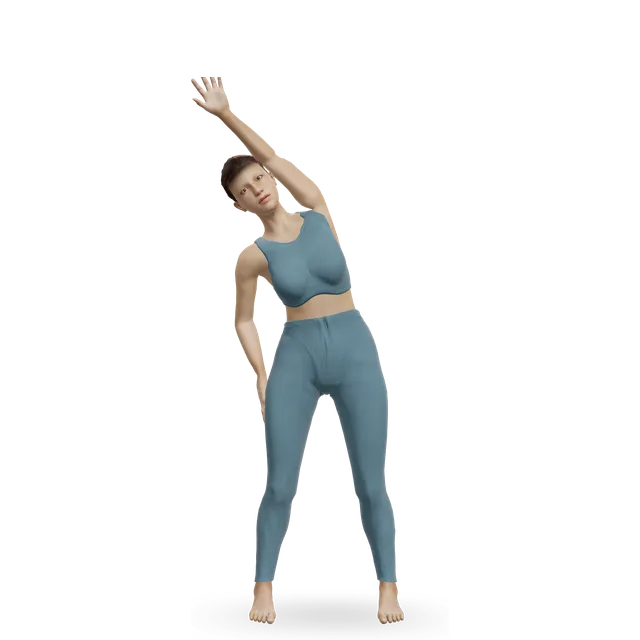
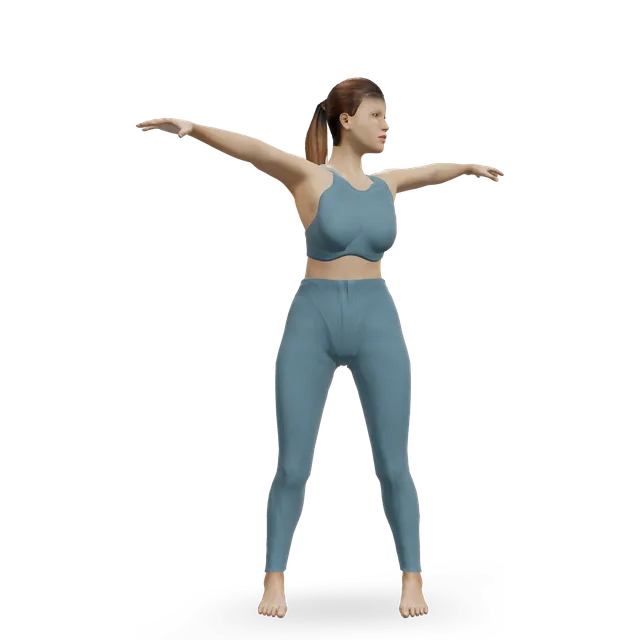
The pectoralis minor is a thin, triangular muscle under the pectoralis major. It runs from the front of the 3rd to 5th ribs up to a bony hook at the front of the shoulder blade (the coracoid process).
Rather than moving the arm, it pulls the shoulder blade down and forward against the chest wall.
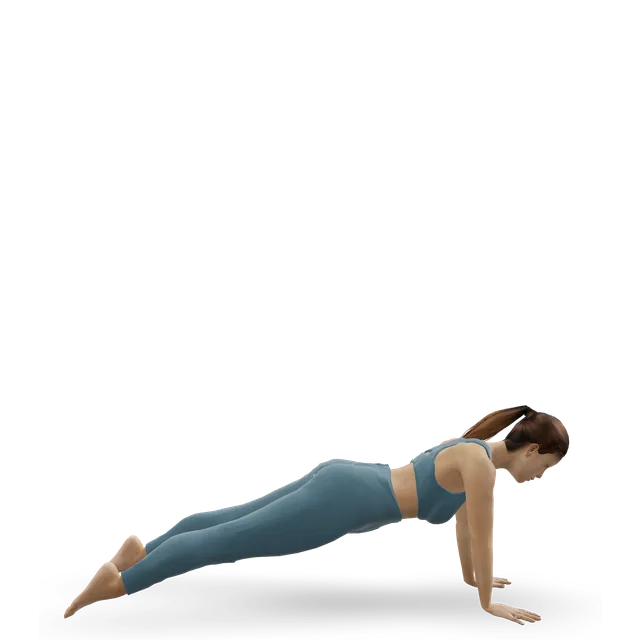
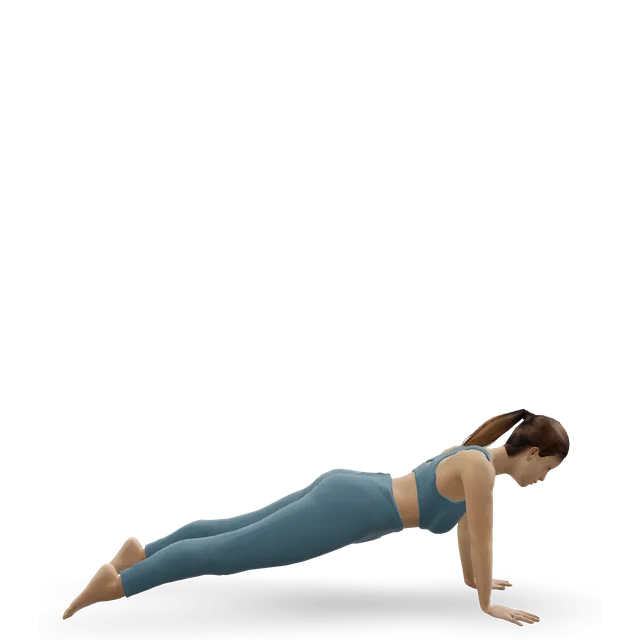
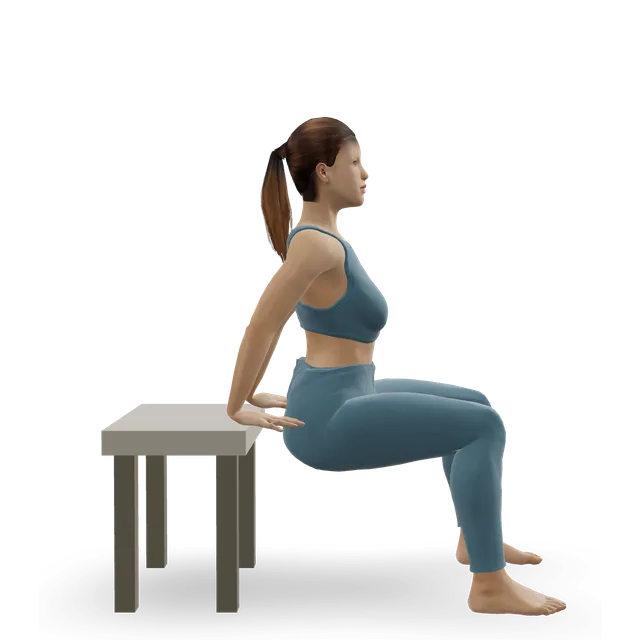
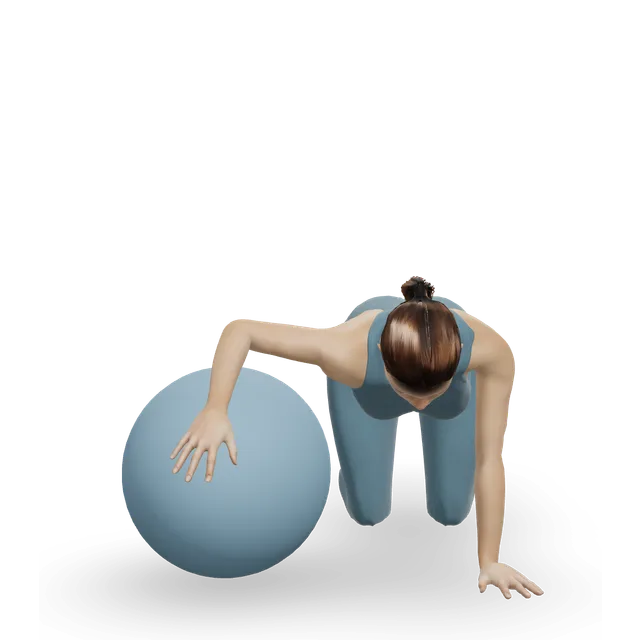
These use its actions: pushing the shoulder blade forward (the 'plus' of a push-up plus) and pressing down through the shoulders. A scapular programme built on rows, push-up plus, press-ups and scaption was proposed from EMG of eight shoulder-blade muscles including this one.
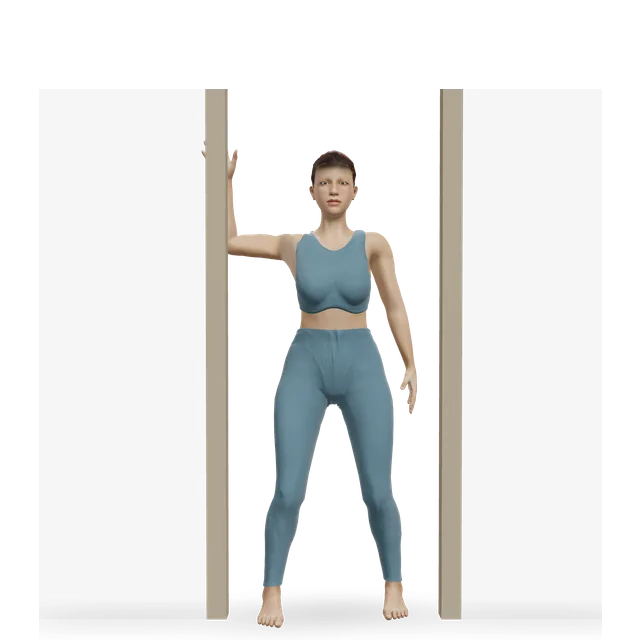
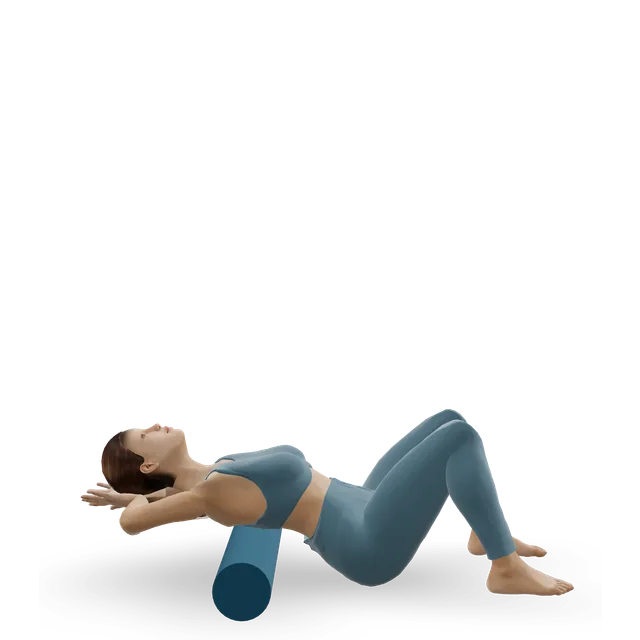
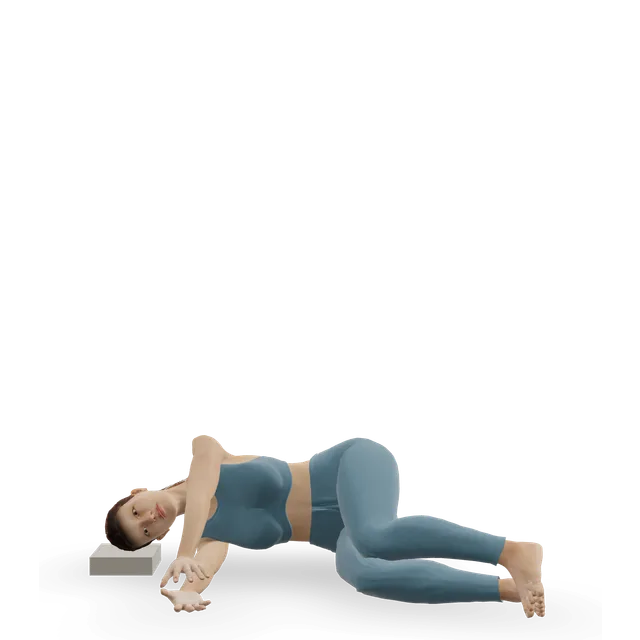
In a study of three pectoralis minor stretches, a one-arm self-stretch (a doorway or corner type) lengthened it most, about 2.2 cm, more than two stretches done by a therapist.
The nerves and vessels to the arm pass under the pectoralis minor, and abnormal tension in it can contribute to thoracic outlet syndrome: aching in the neck, shoulder or arm, with numbness or tingling in the inner forearm and ring and little fingers, often worse with the arms overhead.
It pulls the shoulder blade down and forward and holds it against the rib cage.
What is the best pec minor stretch?
In a comparison of three stretches, a one-arm self-stretch of the doorway or corner type lengthened it most.
Can the pec minor cause arm numbness?
The nerves and vessels to the arm pass under it, and tension there can contribute to thoracic outlet syndrome, which causes aching and tingling in the arm and hand.
Anatomy and movement education, not a diagnosis or treatment plan. If you have pain that follows an injury, is severe or getting worse, or comes with numbness, weakness or swelling, get it assessed. Health disclaimer.