Muscle guide · Chest and shoulders

Pectoralis major

Also called pecs, chest muscle

The pectoralis major is the large, fan-shaped muscle across the front of the upper chest, under the breast tissue. It forms the front wall of the armpit and has two heads: a clavicular head from the collarbone (the 'upper chest') and a larger sternocostal head from the breastbone and ribs.

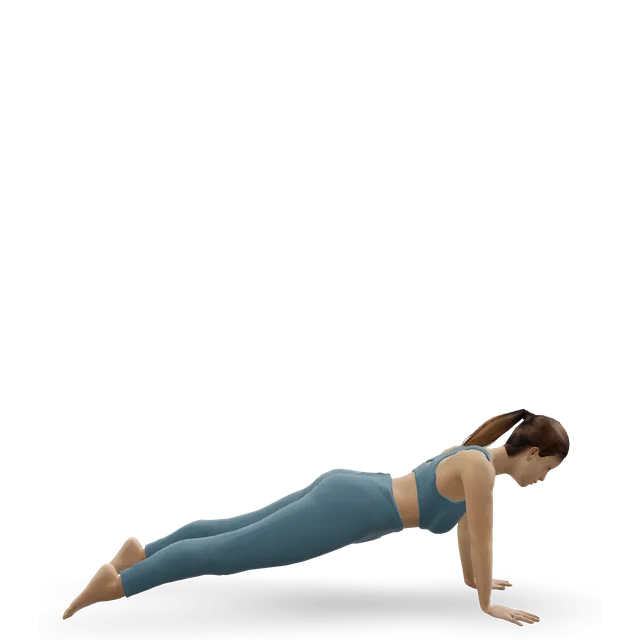
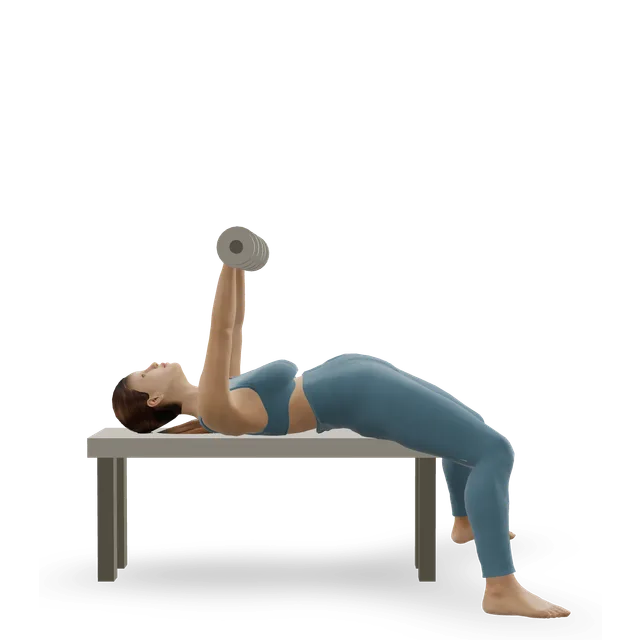
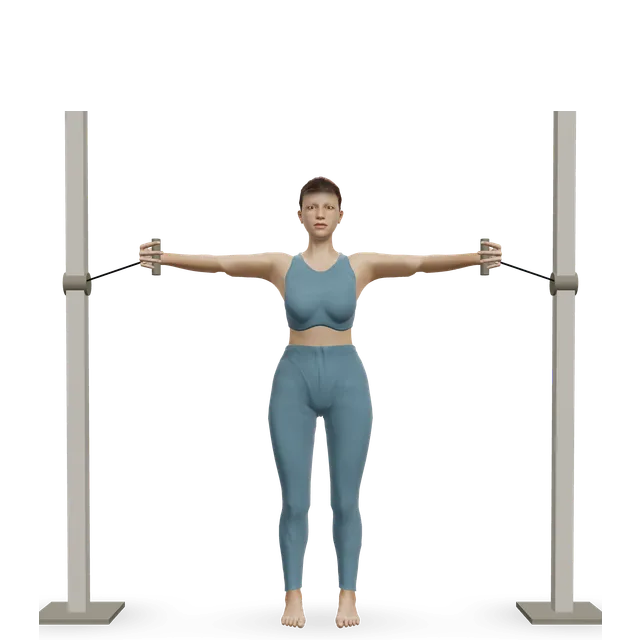
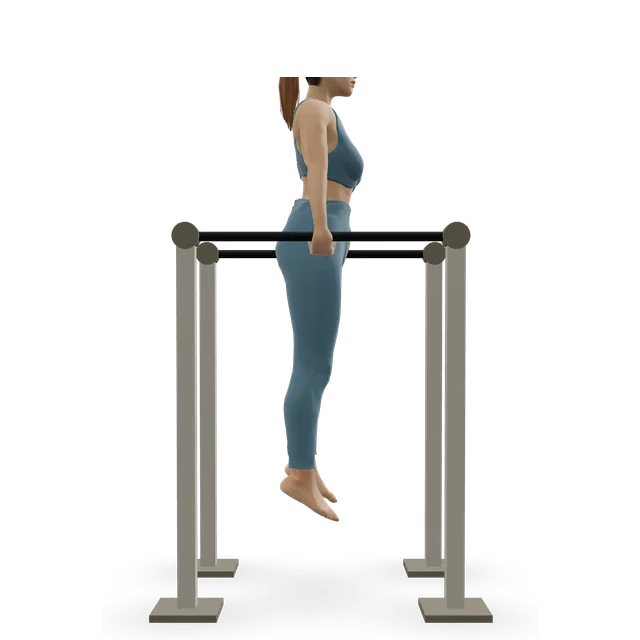
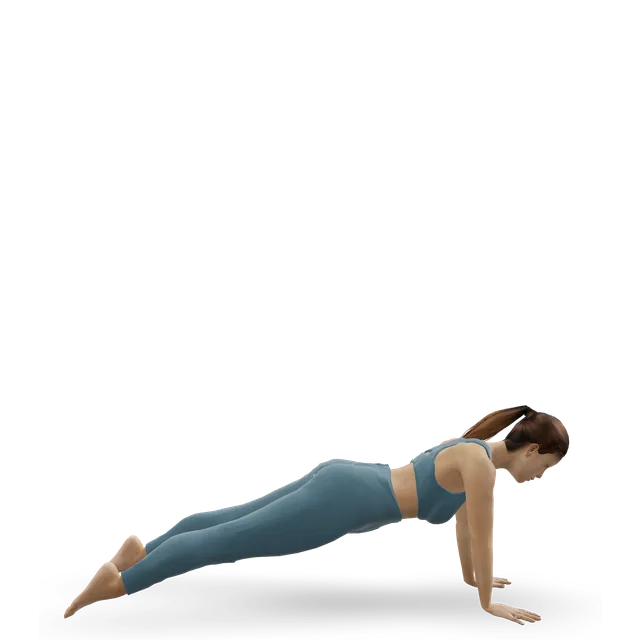
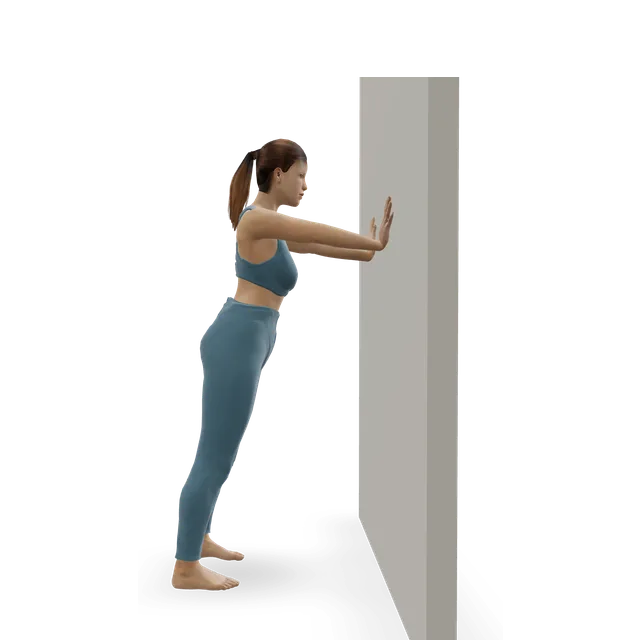
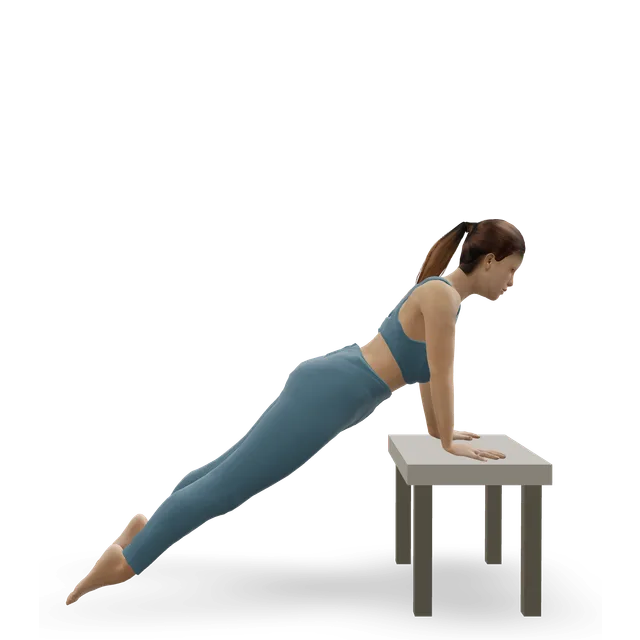
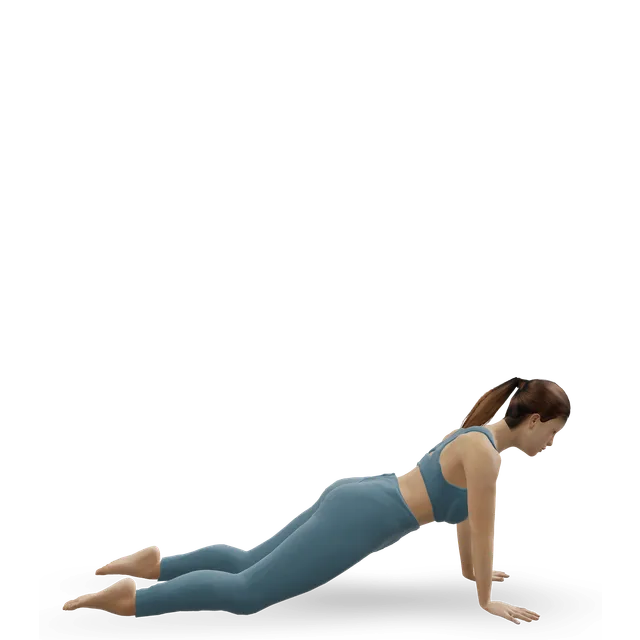
Its fibres converge on one tendon at the front of the upper arm, so together they bring the arm across and down the body, which is the work of every press, push-up and fly.

7 exercises2 stretches9 with 3D demos10 sourcesUpdated 17 October 2026

Where the pectoralis major is and what it does

Shaded: the chest area. It marks the region, not the exact outline of the pectoralis major.
What it does
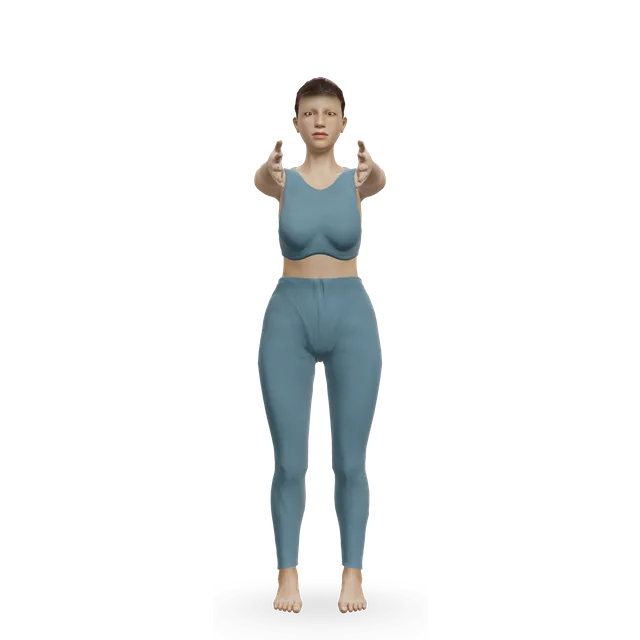
  • Brings the arm across the body: the press of a push-up or bench press.Horizontal adduction
  • Lifts the arm forward (clavicular head) and pulls a raised arm down (sternocostal head).Shoulder flexion; extension of the flexed arm
  • Turns the arm inward, working with the lats and teres major.Medial (internal) rotation and adduction
Nerve supply
Lateral and medial pectoral nerves (clavicular head mainly lateral, sternocostal mainly medial); sources give the roots as C5 to T1.

Sources 1, 2, 10

The parts of the pectoralis major

PartStarts atAttaches toWhat it does
Clavicular headInner half of the collarboneFront of the upper arm bone, just below the shoulderLifts the arm forward, as in raising a glass for a toast
Sternocostal headBreastbone, upper rib cartilages and a sheet from the abdominal wallSame tendon, front of the upper arm boneBrings the arm across the body and pulls a raised arm down

Sources 1, 2, 10

Exercises for the pectoralis major

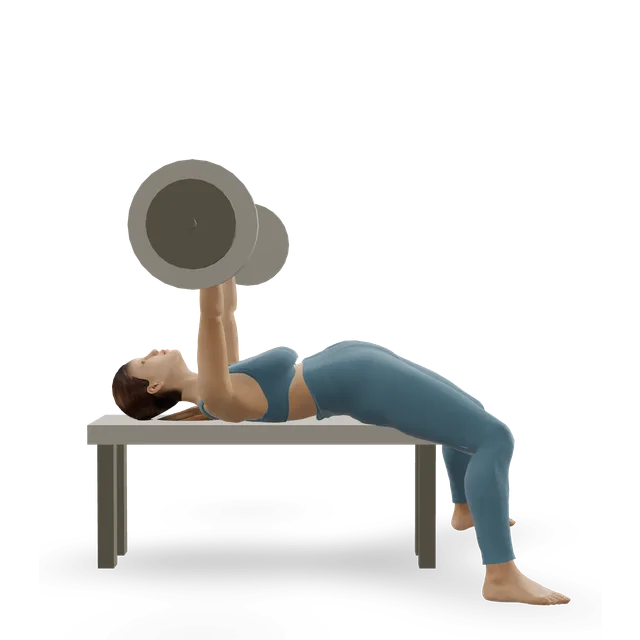
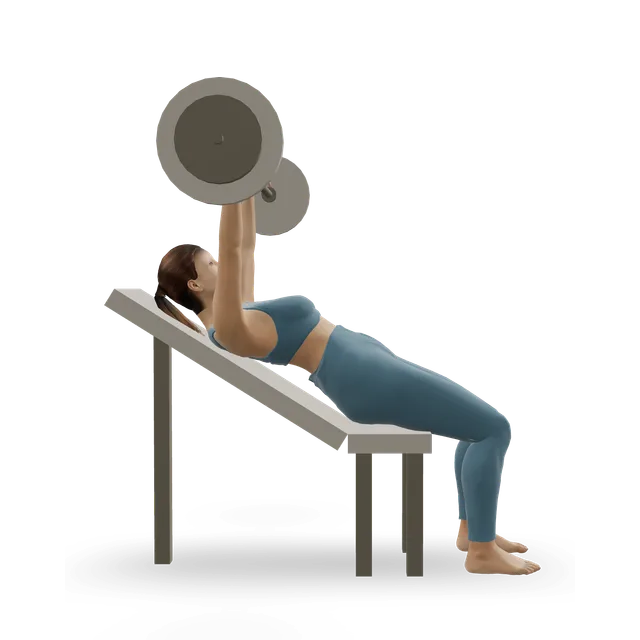
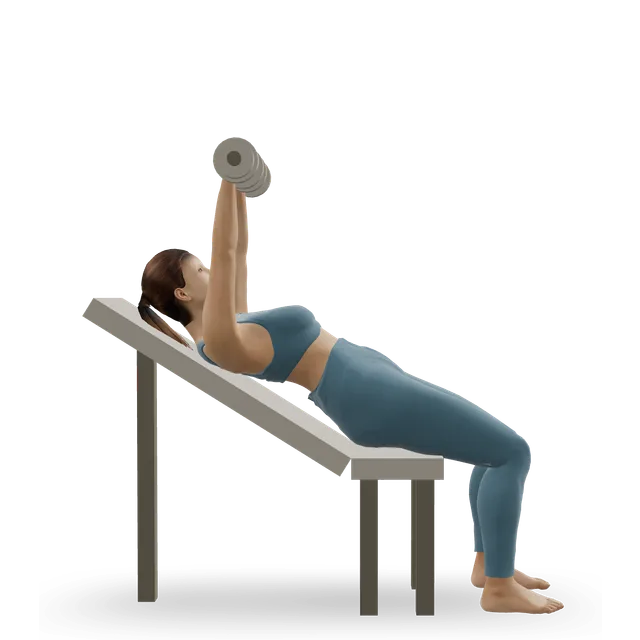
Flat pressing worked the sternocostal head most. Inclines of about 30 to 45 degrees shifted some work to the clavicular head and, in one 8-week trial, grew the upper chest more; above 45 degrees the front deltoid takes over.

Stretches for the pectoralis major

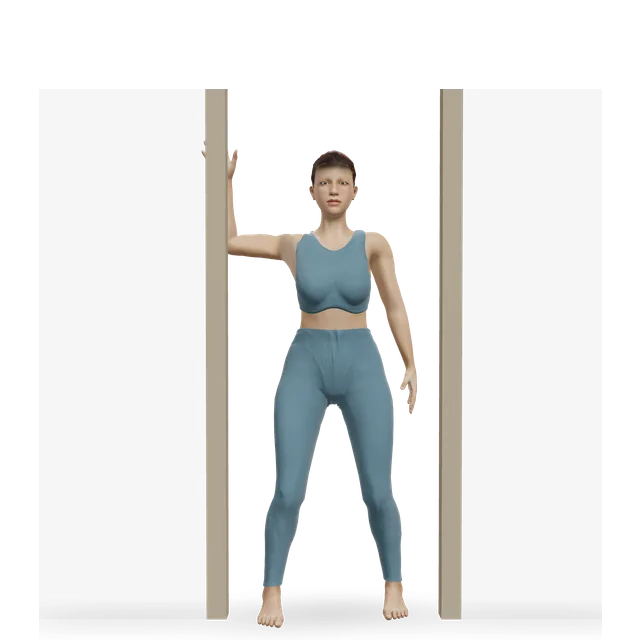
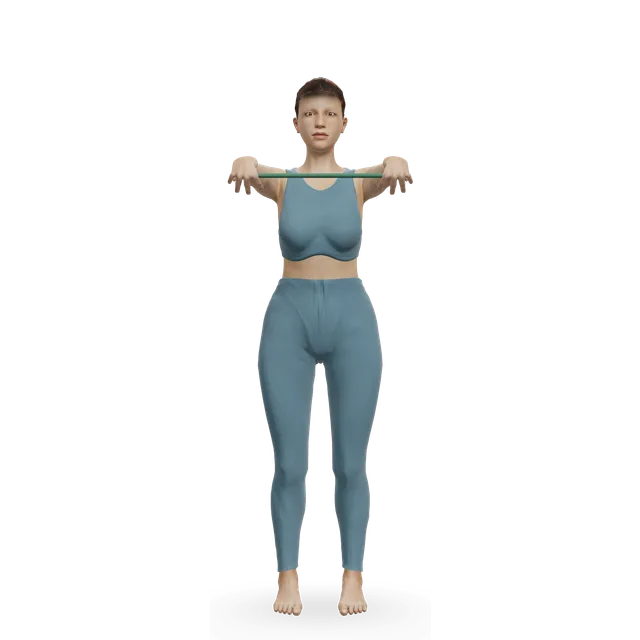
Taking the arm out to the side and back, as in a doorway stretch, reverses its main action.

Problems linked to the pectoralis major

Pec tears

Rare, and almost all in men aged 20 to 40. Nearly half of 365 published cases happened during weight training, and about half of all tears happen on the bench press, as the loaded arm lowers and turns out while the muscle lengthens under strain. Anabolic steroid use is a known association. Complete tears are usually repaired surgically, ideally within 6 weeks.

Sources 2, 7, 3

Myths worth dropping

Each grade rates the evidence for the correction.

Wide grips hit the outer chest, close grips the inner chestEmerging evidence

No study has measured 'inner' or 'outer' chest. Grip width changed chest activity little or not at all; what reliably changes with a narrower grip is more triceps work.

Sources 8, 9

You cannot emphasise the upper chestEmerging evidence

EMG studies and one small training study suggest a 30 to 45 degree incline shifts some work toward the clavicular head. The effect is real but modest.

Sources 4, 5, 6

Routines that train it

Questions people ask

What does the pectoralis major do?

It brings the arm across the body, lifts it forward, pulls a raised arm down and turns it inward. Every press, push-up and fly uses it.

How do you target the upper chest?

Press on an incline of about 30 to 45 degrees. Above that, the front deltoid does more of the work.

Does grip width change which part of the chest works?

Very little. Studies found chest activity similar across grip widths; a narrower grip mainly adds triceps work.

What are the two heads of the pectoralis major?

The clavicular head from the collarbone (the upper chest) and the larger sternocostal head from the breastbone and ribs.

Muscles it works with

Sources

  1. StatPearls · Anatomy, Shoulder and Upper Limb: Pectoral Muscles (2023)
  2. StatPearls · Anatomy, Thorax: Pectoralis Major (2023)
  3. StatPearls · Pectoralis Major Tear (2023)
  4. Trebs 2010 · Upper and lower chest activity at different bench inclines (J Strength Cond Res, abstract)
  5. Rodríguez-Ridao 2020 · Chest and shoulder activity across bench angles of 0 to 60 degrees (IJERPH, abstract)
  6. Chaves 2020 · Flat vs incline bench training and chest muscle thickness (Int J Exerc Sci, abstract)
  7. ElMaraghy & Devereaux 2012 · Pectoralis major ruptures: 365 published cases (systematic review, J Shoulder Elbow Surg, abstract)
  8. Lehman 2005 · Grip width and hand position in the bench press (J Strength Cond Res, abstract)
  9. Saeterbakken 2021 · Grip width and muscle activity in the bench press (IJERPH)
  10. StatPearls · Anatomy, Back: Latissimus Dorsi (2023)

Anatomy and movement education, not a diagnosis or treatment plan. If you have pain that follows an injury, is severe or getting worse, or comes with numbness, weakness or swelling, get it assessed. Health disclaimer.