Muscle guide · Chest and shoulders

Deltoid

Also called delts, shoulder muscle

The deltoid is the triangular muscle that forms the rounded cap of the shoulder, named after the Greek letter delta. It has three parts that start on the collarbone, the tip of the shoulder and the ridge of the shoulder blade, and meet on a bump halfway down the outside of the upper arm.

Together they lift the arm out to the side; separately, the front part swings the arm forward and the rear part swings it back, as your arms do when you walk.

7 exercises2 stretches9 with 3D demos9 sourcesUpdated 17 October 2026

Where the deltoid is and what it does

Shaded: the shoulders area. It marks the region, not the exact outline of the deltoid.
What it does
  • Lifts the arm out to the side, once the movement has started.Shoulder abduction
  • Front part lifts the arm forward; rear part takes it back.Flexion (anterior) and extension (posterior)
  • Stops the arm bone being pulled down out of the joint when you carry something heavy.Inferior stabilisation of the humeral head
Nerve supply
Axillary nerve (C5, C6).

Source 1

The parts of the deltoid

PartStarts atAttaches toWhat it does
Front (anterior)Outer third of the collarboneBump on the outside of the upper arm bone (deltoid tuberosity)Lifts the arm forward and turns it inward
Side (lateral)Top of the shoulder tip (acromion)Deltoid tuberosityLifts the arm out to the side, from about 15 to 100 degrees
Rear (posterior)Ridge across the back of the shoulder bladeDeltoid tuberosityTakes the arm back and turns it outward

Source 1

How it works in everyday movement

It needs help to start

Because it pulls almost along the arm bone, the deltoid cannot lift the arm from the side on its own; the rotator cuff, especially the supraspinatus, helps start the movement and keeps the joint centred. Sources differ on whether that handover is at about 15 degrees or the two simply work together throughout.

Sources 1, 8

Exercises for the deltoid

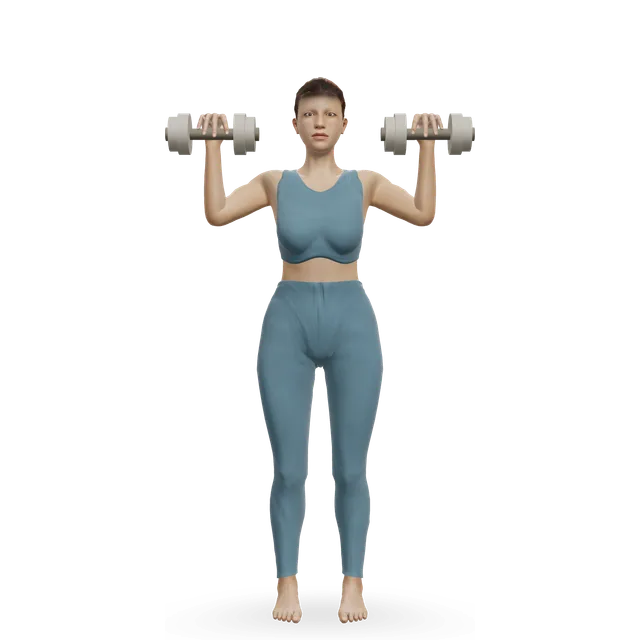
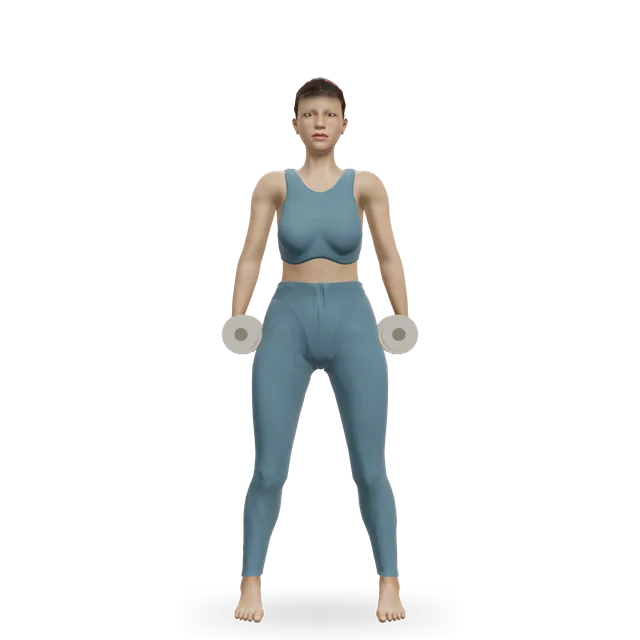
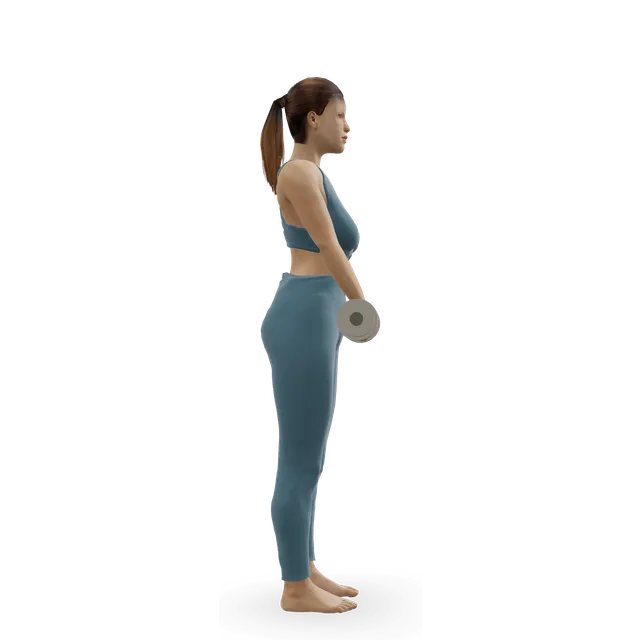
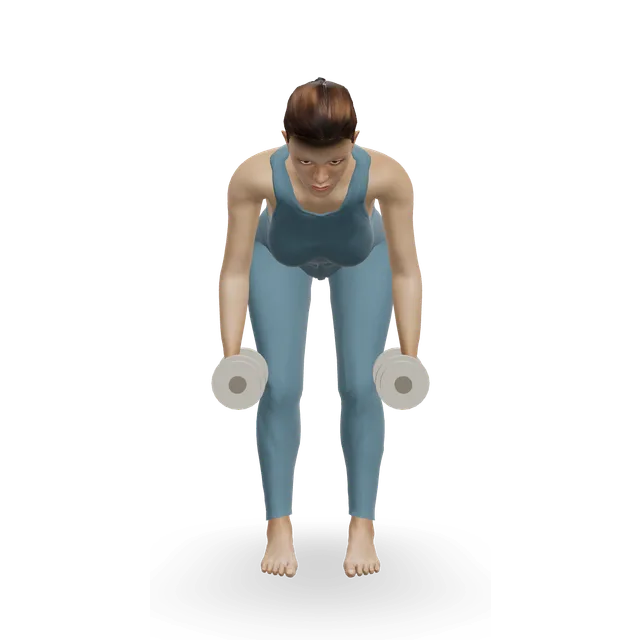
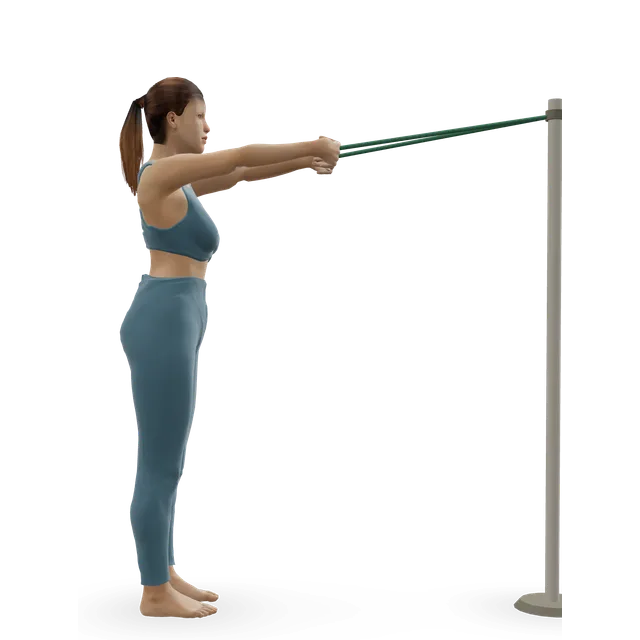
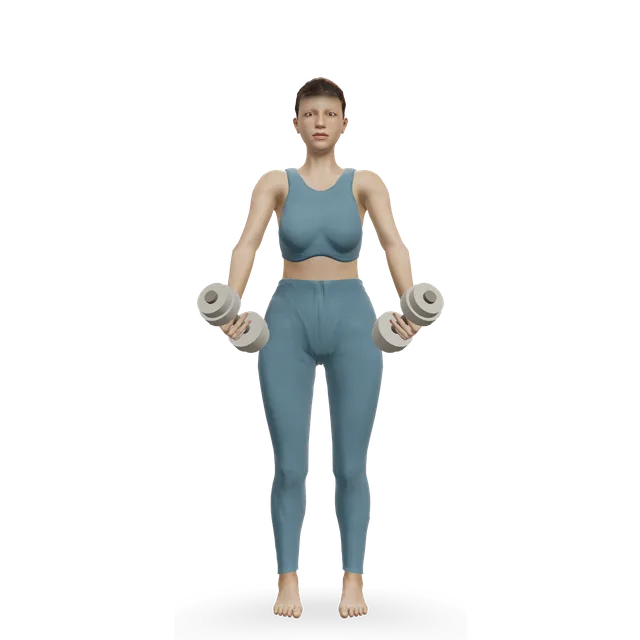
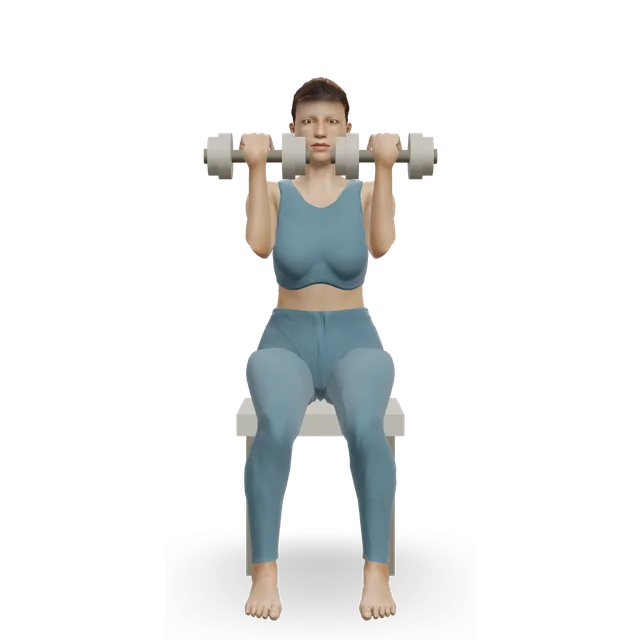
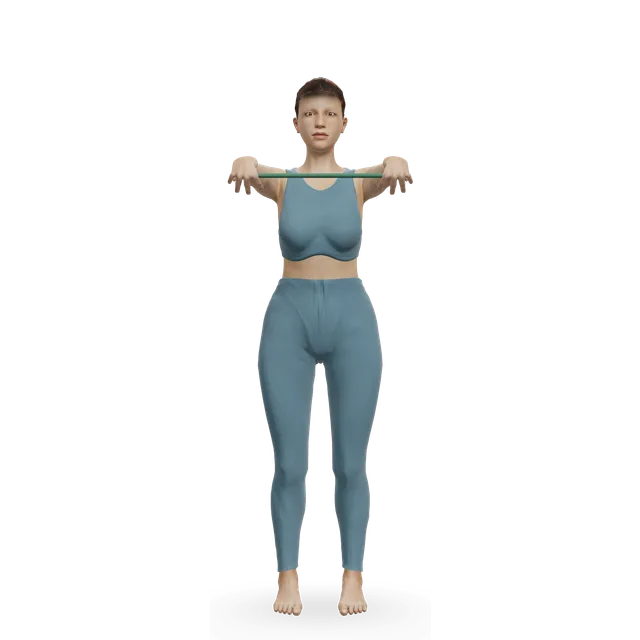
Front raises worked mainly the front deltoid; lateral raises with a straight arm and the arm not turned out worked the side deltoid most; reverse flys and prone raises with the thumb out reached 87 to 88% of maximum in the side and rear deltoid.

Stretches for the deltoid

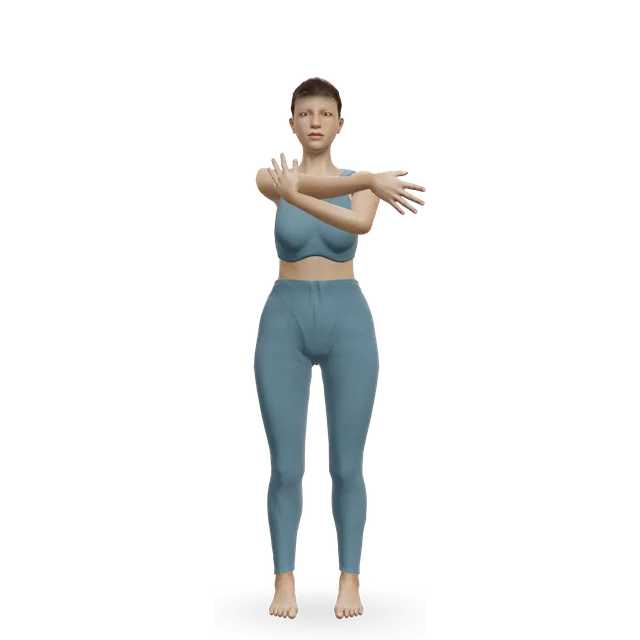
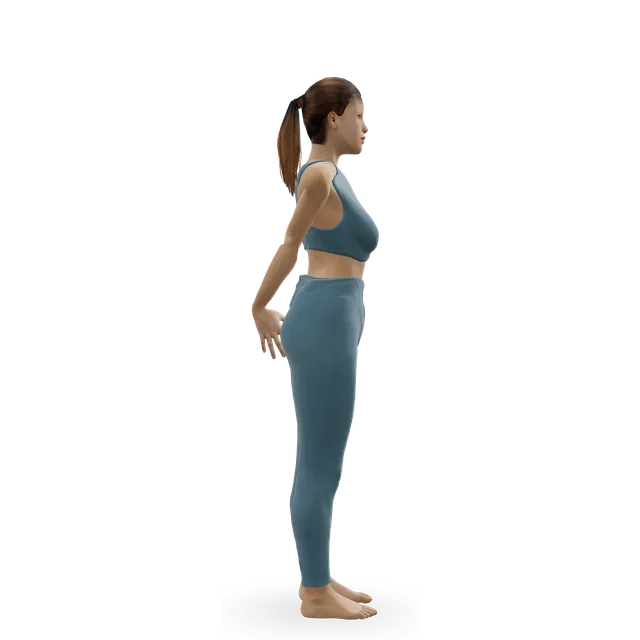
In people with tight shoulders, the cross-body stretch improved inward rotation by 20 degrees over 4 weeks.

Problems linked to the deltoid

Axillary nerve injury

Damage to its nerve, from a shoulder dislocation, surgery or crutch overuse, weakens or paralyses the deltoid. Being unable to lift the arm is not always the deltoid itself: rotator cuff tears and conditions like polymyalgia can cause it too.

Source 1

Quadrangular space syndrome

In overhead athletes such as pitchers, swimmers and volleyball players, the axillary nerve and an artery can be squeezed in a gap at the back of the shoulder.

Source 7

Myths worth dropping

Each grade rates the evidence for the correction.

Lateral raises with the thumb up hit the side delt bestEmerging evidence

Turning the arm outward shifted lateral-raise work toward the front deltoid. A straight arm in neutral or turned slightly in worked the side deltoid most, though turning it in also adds upper trapezius.

Source 2

Routines that train it

Questions people ask

What are the three parts of the deltoid?

The front (anterior) part on the collarbone, the side (lateral) part on the tip of the shoulder, and the rear (posterior) part on the shoulder blade.

What exercise works the rear delts?

Reverse flys and prone raises with the thumb turned out reached 87 to 88% of maximum activity in the rear deltoid.

How do you target the side delts?

Lateral raises with a straight arm, not turned outward. Turning the arm out shifts work to the front deltoid.

Does the bench press work the shoulders?

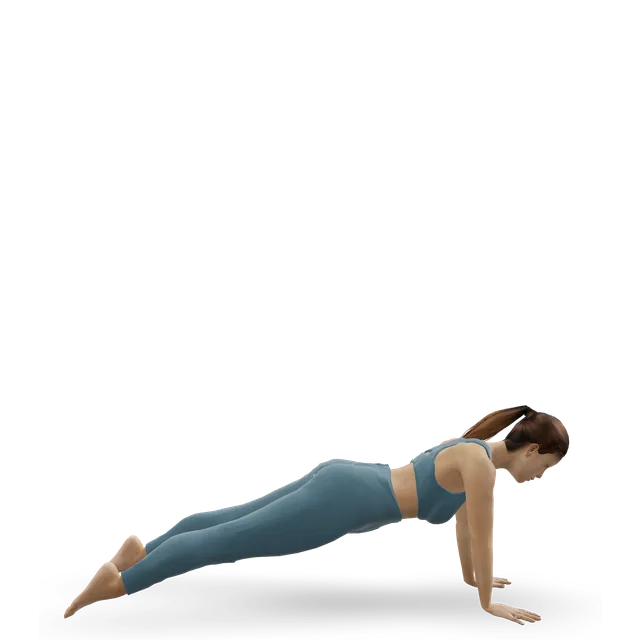
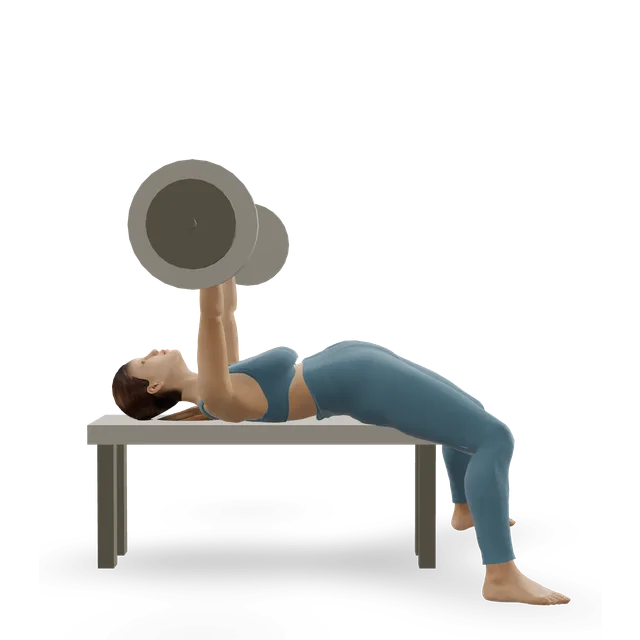
It works the front deltoid, and more so the steeper the incline; front deltoid activity was highest at 60 degrees in one study.

Muscles it works with

Sources

  1. StatPearls · Anatomy, Shoulder and Upper Limb: Deltoid Muscle (2024)
  2. Coratella 2020 · Deltoid, trapezius and chest activity in lateral and front raise variations (IJERPH)
  3. Reinold 2004 · Rotator cuff and deltoid activity in seven external rotation exercises (JOSPT, abstract)
  4. Reinold 2007 · Full can vs empty can raises (J Athl Train, abstract)
  5. Trebs 2010 · Upper and lower chest activity at different bench inclines (J Strength Cond Res, abstract)
  6. Rodríguez-Ridao 2020 · Chest and shoulder activity across bench angles of 0 to 60 degrees (IJERPH, abstract)
  7. StatPearls · Anatomy, Shoulder and Upper Limb: Teres Major Muscle (2023)
  8. StatPearls · Anatomy, Shoulder and Upper Limb: Arm Supraspinatus Muscle (2023)
  9. McClure 2007 · Cross-body vs sleeper stretch for posterior shoulder tightness (RCT, JOSPT, abstract)

Anatomy and movement education, not a diagnosis or treatment plan. If you have pain that follows an injury, is severe or getting worse, or comes with numbness, weakness or swelling, get it assessed. Health disclaimer.