Muscle guide · Chest and shoulders

Rotator cuff

Also called SITS muscles, shoulder cuff

The rotator cuff is four muscles from the shoulder blade whose tendons wrap the ball of the upper arm bone and blend with the joint capsule: supraspinatus, infraspinatus, teres minor and subscapularis (SITS).

The shoulder is a shallow ball-and-socket joint, and the cuff's main job is to press the ball into the socket and keep it centred while the bigger muscles move the arm.

6 exercises2 stretches8 with 3D demos15 sourcesUpdated 17 October 2026

Where the rotator cuff is and what it does

Shaded: the shoulders area. It marks the region, not the exact outline of the rotator cuff.
What it does
  • Press the ball of the arm bone into its socket and keep it centred as the arm moves.Dynamic glenohumeral stabilisation (concavity compression)
  • Turn the arm outward (infraspinatus, teres minor) and inward (subscapularis).External and internal rotation
  • Help start lifting the arm out to the side (supraspinatus).Initiation of abduction
Nerve supply
Suprascapular nerve (supraspinatus, infraspinatus; C5, C6), axillary nerve (teres minor; C5, C6), subscapular nerves (subscapularis; C5 to C7).

Sources 1, 2, 3, 4, 5

The parts of the rotator cuff

PartStarts atAttaches toWhat it does
SupraspinatusThe hollow on the back of the shoulder blade above its ridgeTop of the outer bump of the upper arm bone, under the shoulder tipHelps start lifting the arm out to the side; the most often torn
InfraspinatusThe back of the shoulder blade below its ridgeMiddle of the outer bump of the upper arm boneTurns the arm outward
Teres minorThe outer edge of the shoulder blade near the armpitLower part of the outer bumpTurns the arm outward; resists the ball slipping forward
SubscapularisThe front surface of the shoulder blade, against the ribsThe small bump on the front of the upper arm boneTurns the arm inward; the largest and strongest of the four

Sources 1, 2, 3, 4, 5

Exercises for the rotator cuff

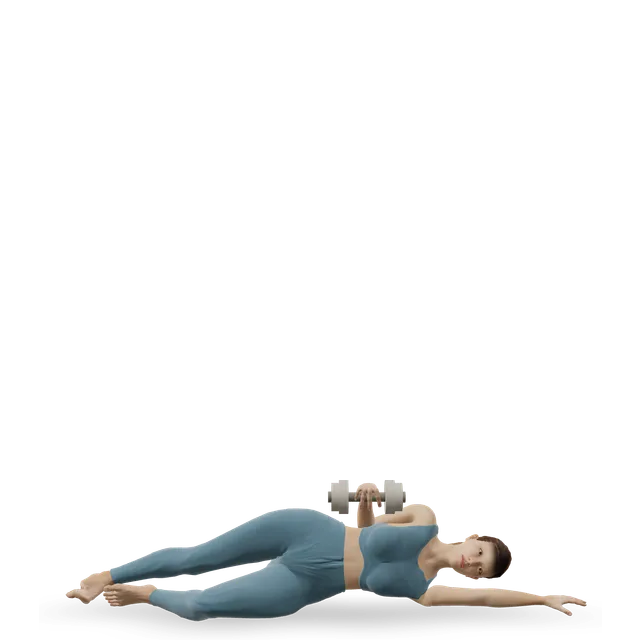
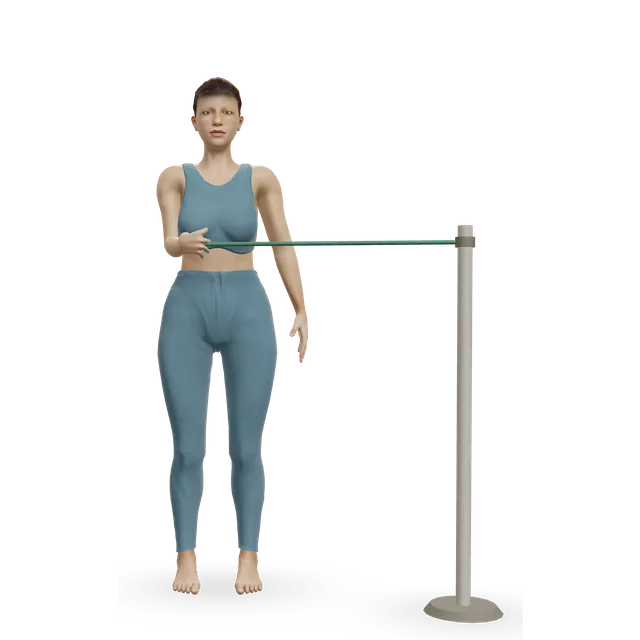
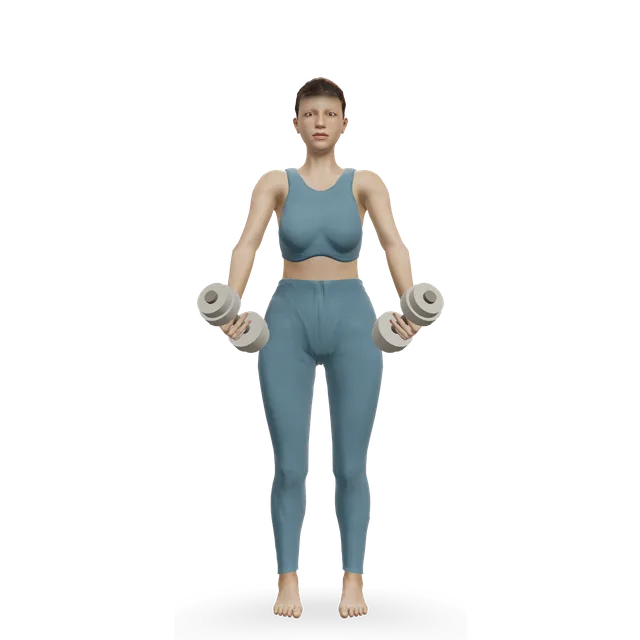
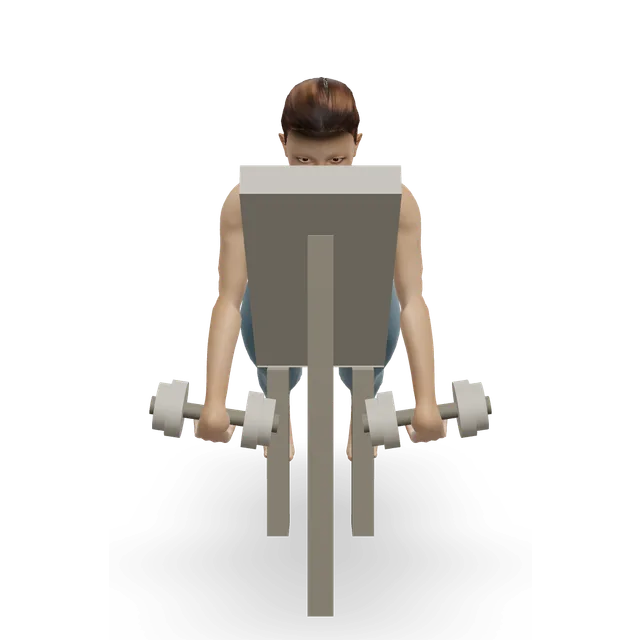
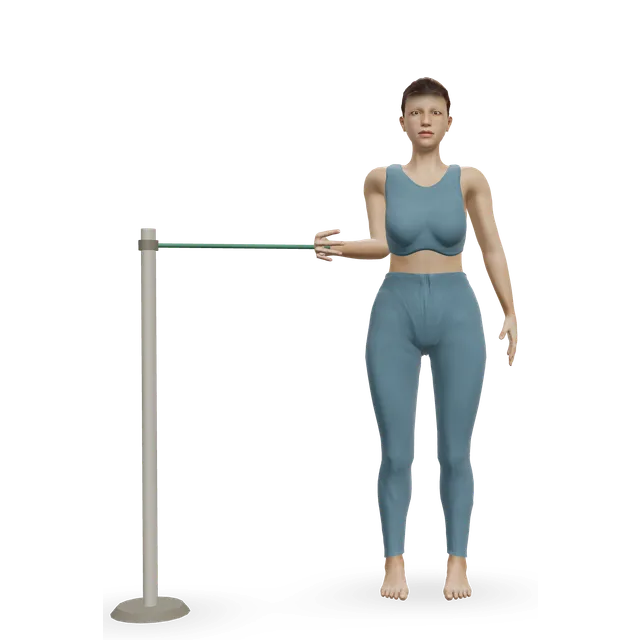
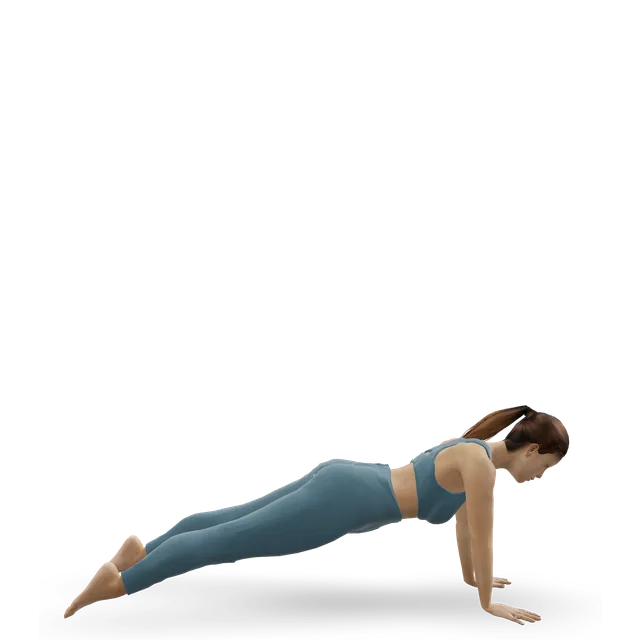
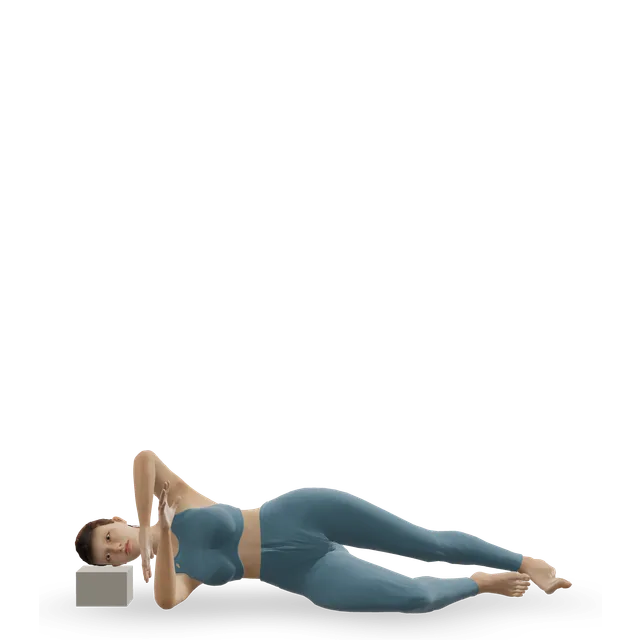
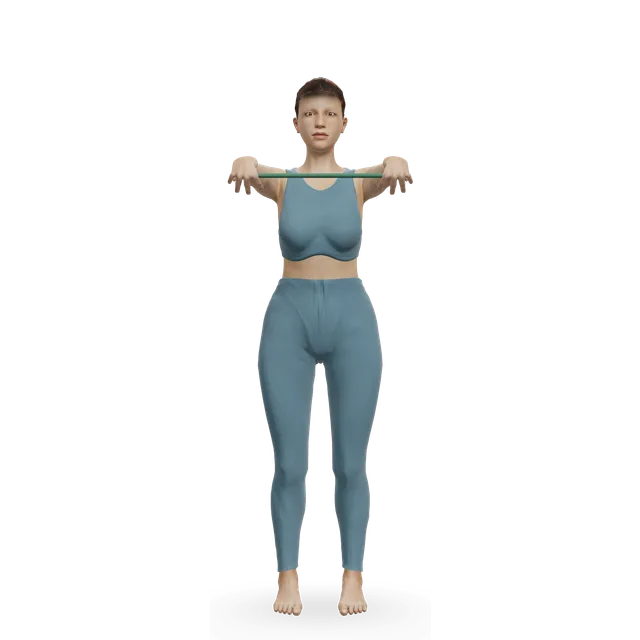
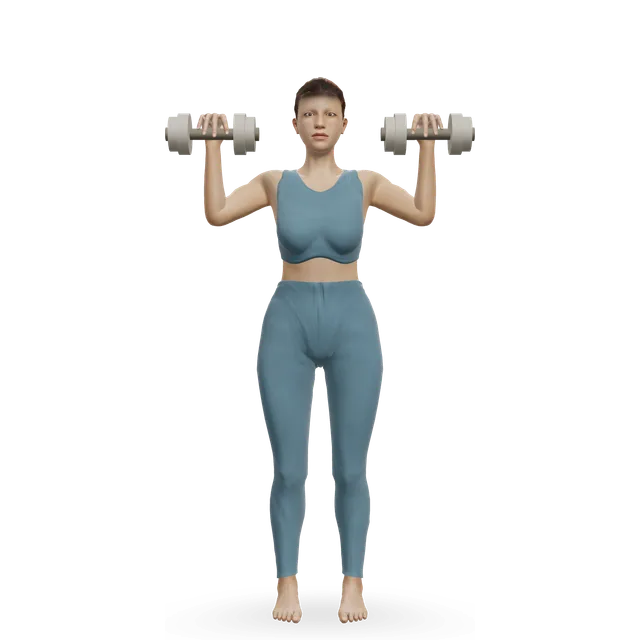
Side-lying external rotation produced the most infraspinatus and teres minor activity of seven exercises; a thumb-up scaption raise ('full can') worked the supraspinatus as well as the thumb-down version with less deltoid; push-up plus and diagonal patterns worked the subscapularis more than plain internal rotation.

Stretches for the rotator cuff

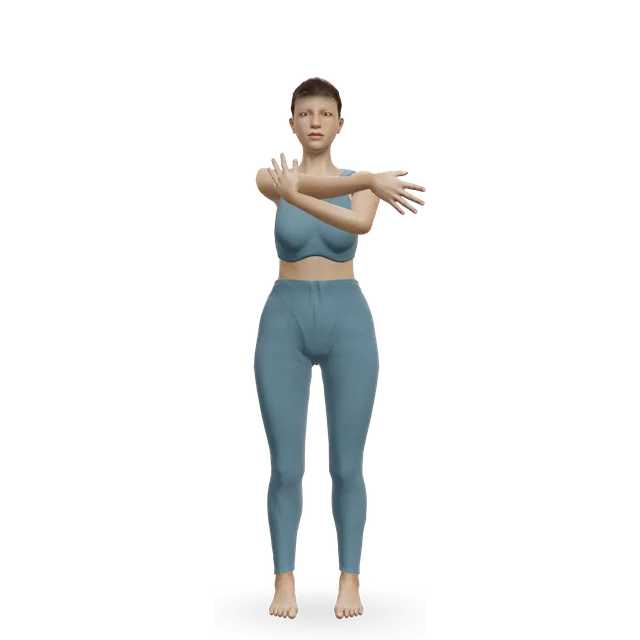
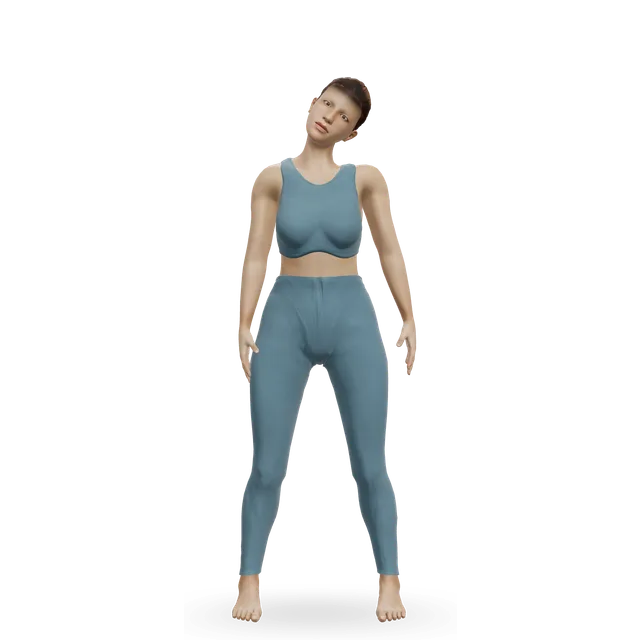
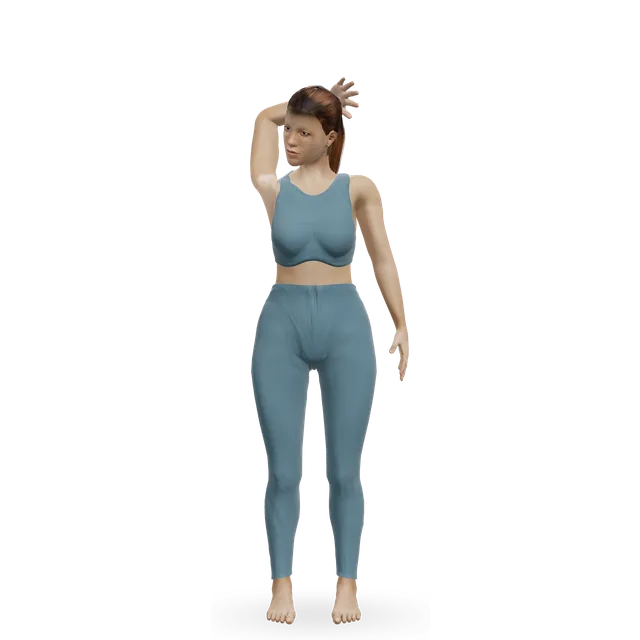
In a trial of people with tight shoulders, the cross-body stretch improved inward rotation by 20 degrees in 4 weeks; the sleeper stretch's gain was not significant.

Problems linked to the rotator cuff

Rotator cuff tendinopathy and 'impingement'

A spectrum from irritated tendon to chronic tendinopathy and tears, typically felt as pain on the outside of the shoulder with overhead use, a painful arc as the arm rises, and pain lying on that side at night. Common in overhead athletes and workers.

Keep the shoulder gently moving; recovery can take six months or more.

Sources 1, 9, 10

Rotator cuff tearsStrong evidence

Most tears involve the supraspinatus. Some follow a fall or a jerking lift, but most are wear-related and more likely after 40, and some cause no pain. Non-surgical treatment relieves pain and improves function in about 80 to 85% of people; a surgical opinion is suggested if symptoms persist after 3 months of good conservative care.

Sources 8, 1, 2

Myths worth dropping

Each grade rates the evidence for the correction.

A tear on the scan must be the cause of the painStrong evidence

On MRI, 34% of people with no shoulder symptoms had a cuff tear, rising to 54% over 60. Across 6,112 shoulders, cuff changes rose from about 10% at 20 to 62% at 80 regardless of symptoms; the authors call it a normal part of ageing.

Sources 11, 12

The empty-can raise is the best supraspinatus exerciseEmerging evidence

Thumb-up, thumb-down and lying versions worked the supraspinatus similarly; the thumb-up 'full can' used less deltoid, so it may be the better choice.

Source 14

The teres major is part of the rotator cuff

It helps steady the joint but is not a cuff muscle; the cuff's 'teres' is the teres minor.

Source 6

Routines that train it

Questions people ask

What are the four rotator cuff muscles?

Supraspinatus, infraspinatus, teres minor and subscapularis, remembered as SITS.

What does the rotator cuff do?

It presses the ball of the arm bone into the shallow socket and keeps it centred as you move, and turns the arm in and out.

What are the best rotator cuff exercises?

Side-lying external rotation worked the infraspinatus and teres minor most of seven exercises; a thumb-up scaption raise works the supraspinatus with less deltoid.

Does a rotator cuff tear need surgery?

Usually not: non-surgical treatment helps about 80 to 85% of people. Tears are also common in people without any pain.

Muscles it works with

Sources

  1. StatPearls · Anatomy, Shoulder and Upper Limb: Rotator Cuff (2026)
  2. StatPearls · Anatomy, Shoulder and Upper Limb: Arm Supraspinatus Muscle (2023)
  3. StatPearls · Anatomy, Shoulder and Upper Limb: Infraspinatus Muscle (2023)
  4. StatPearls · Anatomy, Shoulder and Upper Limb: Teres Minor Muscle (2023)
  5. StatPearls · Anatomy, Shoulder and Upper Limb: Subscapularis Muscle (2023)
  6. StatPearls · Anatomy, Shoulder and Upper Limb: Teres Major Muscle (2023)
  7. Decker 2003 · Subscapularis activity in rehabilitation exercises (Am J Sports Med, abstract)
  8. AAOS OrthoInfo · Rotator cuff tears
  9. AAOS OrthoInfo · Shoulder impingement / rotator cuff tendinitis
  10. NHS · Shoulder pain
  11. Sher 1995 · Rotator cuff tears on MRI in people without shoulder symptoms (J Bone Joint Surg Am, abstract)
  12. Teunis 2014 · Rotator cuff abnormalities by age, with and without symptoms (pooled review, J Shoulder Elbow Surg, abstract)
  13. Reinold 2004 · Rotator cuff and deltoid activity in seven external rotation exercises (JOSPT, abstract)
  14. Reinold 2007 · Full can vs empty can raises (J Athl Train, abstract)
  15. McClure 2007 · Cross-body vs sleeper stretch for posterior shoulder tightness (RCT, JOSPT, abstract)

Anatomy and movement education, not a diagnosis or treatment plan. If you have pain that follows an injury, is severe or getting worse, or comes with numbness, weakness or swelling, get it assessed. Health disclaimer.