Shoulder impingement and rotator cuff pain: the exercises that help, and what surgery trials found
Pain on the outside of the shoulder and upper arm, worse lifting the arm out to the side or overhead and reaching behind you, and often at night lying on that side. Clinicians have used many names for the same picture: impingement, subacromial pain, rotator cuff tendinopathy or tendinitis, and bursitis.
The idea of a pinched tendon is doubtful, which is why many clinicians now call it rotator cuff related shoulder pain. Think of it as a sensitive, overloaded rotator cuff and the tissues around it: it responds to the right load, not to making space.
Exercise is for pain that has been checked or is clearly mild and settling.
Get urgent medical help if
Call 999 or go to A&E: after a fall or injury, your shoulder looks out of place or has changed shape, or you cannot move your arm. Do not drive yourself, and do not try to put it back in yourself.
Call 999: shoulder or arm pain with chest pain that feels tight or squeezing, or chest pain that spreads to your arms, neck or jaw, especially with shortness of breath, sweating or feeling sick. It could be a heart attack.
Same day (GP or NHS 111): the shoulder or arm is hot, swollen or red, or you have a high temperature or feel unwell. A joint infection needs same-day care.
Same day (GP or NHS 111): sudden or very bad shoulder pain; you cannot move your arm; the arm or shoulder is badly swollen or has changed shape; pins and needles that do not go away; no feeling in the arm; the arm is hot or cold to the touch; pain that started after an injury such as a fall; or severe pain in both shoulders.
Same day (GP or NHS 111): sudden weakness lifting the arm after an injury or fall. A rotator cuff tear caused by an injury needs urgent referral to a shoulder specialist. After a dislocation in anyone over 40, the rotator cuff should be checked: about 40% have a tear.
See a doctor or physiotherapist if
Pain that is getting worse or has not improved after 2 weeks of looking after it yourself, or it is very hard to move your arm. In many areas you can refer yourself to physiotherapy.
A past history of cancer, an unexplained lump or swelling, weight loss, or pain that is constant and does not ease when you change position.
Pins and needles or a cold arm alongside neck pain, or a new loss of strength or feeling in the arm that you cannot explain (a possible nerve problem).
Not improving after a good 3 months of exercise, or the arm is clearly weak: ask for a specialist opinion.
Understand it
Why "impingement" is a misleading nameEmerging evidence
The old explanation was that a tendon gets pinched under the bone above it. A UK care pathway already noted a competing theory: that the pinching does not cause the problem, and age-related tendon change is the main driver. The strongest test of the pinching idea, removing bone to make more room, did no better than a sham operation.
Leading physiotherapy researchers argue for the label rotator cuff related shoulder pain, because no test or scan can reliably pin the pain on one structure. Calcific tendinopathy and biceps tendon problems are other causes your clinician may consider; this guide does not cover them.
Ultrasound or MRI of the rotator cuff is rarely needed in primary care. Scans find cuff changes, including tears, in many people with no pain, and these become more common with every decade. A finding on a scan does not prove that is what hurts.
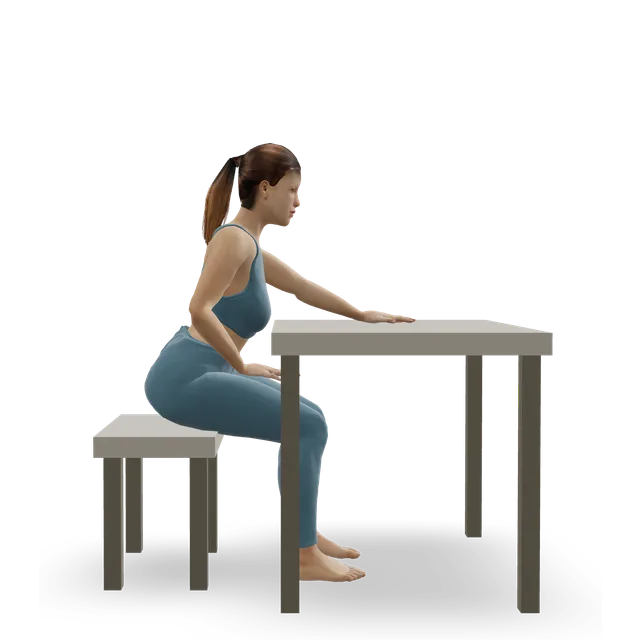
A systematic review found no clear difference in upper-back rounding between people with and without shoulder pain. Sitting upright does increase arm range in the moment, which is why the NHS advice to sit and stand tall with your shoulders relaxed is fine for comfort. It is not a cure.
Decompression surgery did no better than placebo surgeryStrong evidence
CSAW (Lancet 2018) randomised 313 people who had already tried exercise and at least one injection to decompression, an arthroscopy only (the placebo) or no treatment. At 6 months the two operations did not differ (Oxford Shoulder Score 32.7 vs 34.2). Both were slightly better than no treatment, but the differences were not clinically important; the authors say they may be a placebo effect or the physiotherapy after surgery.
FIMPACT (BMJ 2018, 210 people aged 35 to 65) compared decompression with a diagnostic arthroscopy (the placebo). Decompression gave no benefit at 2, 5 or 10 years, and at 10 years no benefit over exercise therapy either. A Cochrane review of 8 trials (1,062 people) found high-certainty evidence that decompression does not improve pain, function or quality of life over placebo surgery at 1 year, and a BMJ guideline panel makes a strong recommendation against it.
The NHS impingement page still lists surgery to widen the space around the tendon. These placebo-controlled trials are why this guide puts exercise first.
More physiotherapy did no better than one advice session and a home programmeStrong evidence
GRASP (Lancet 2021) randomised 708 adults with a new episode of rotator cuff pain at 20 NHS trusts. Progressive exercise with up to six physiotherapy sessions over 16 weeks was compared with one best-practice advice session (up to 60 minutes, with a booklet, a resistance band, videos and a simpler home programme), each with or without a steroid injection. Over 12 months there was no evidence of a difference (SPADI difference -0.66 points, 99% CI -4.52 to 3.20), and every group improved substantially.
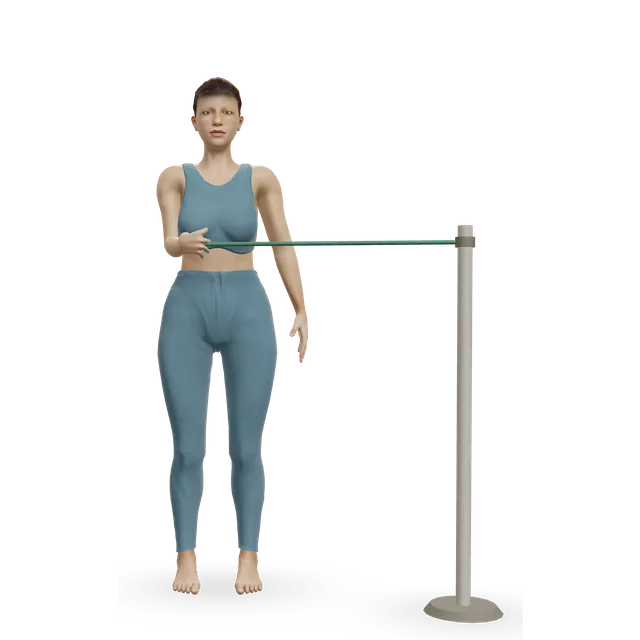
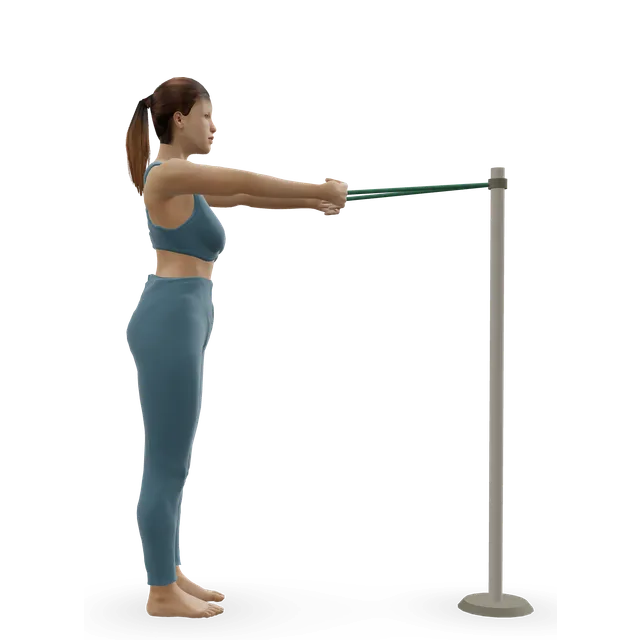
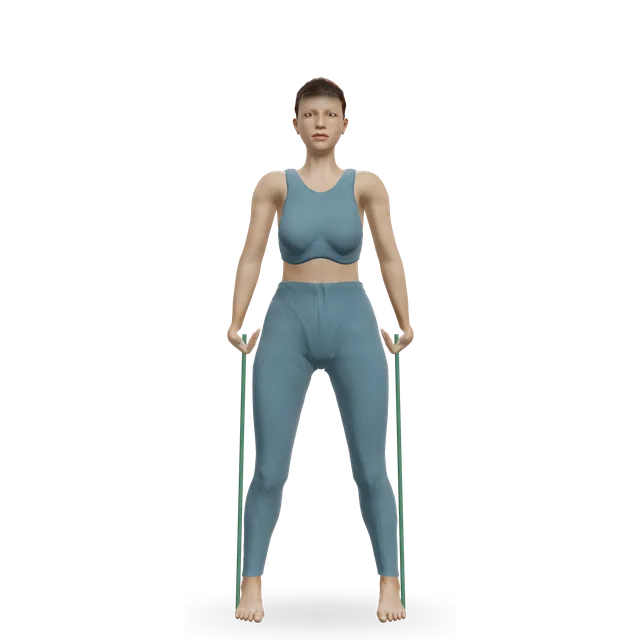
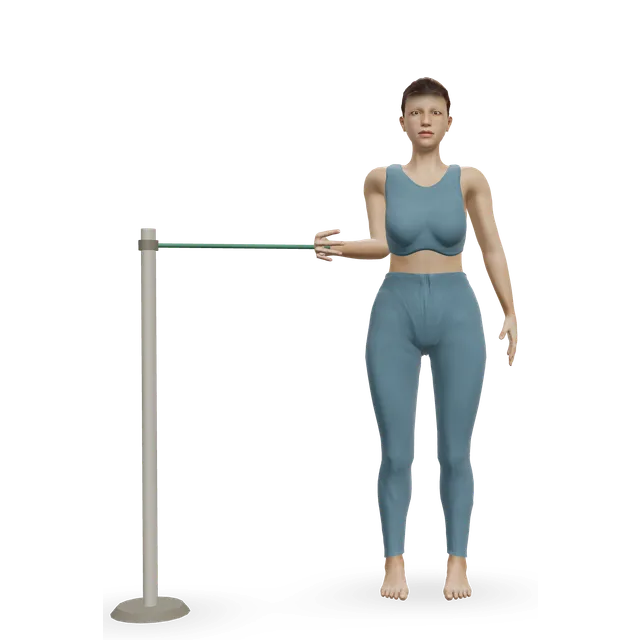
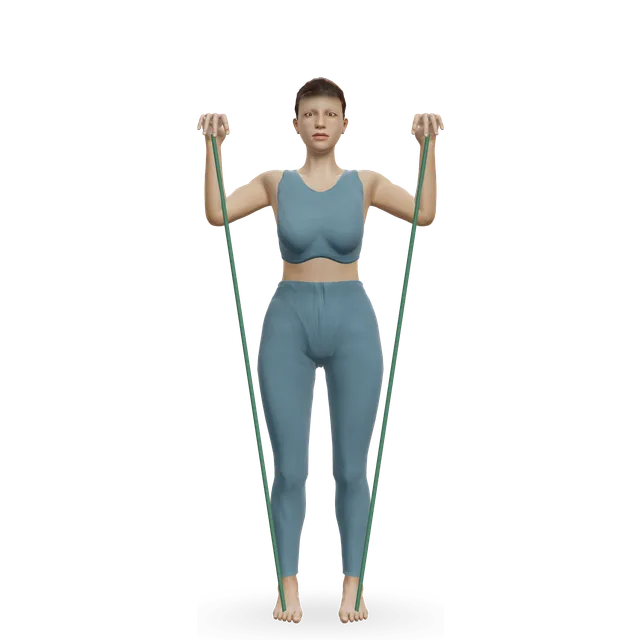
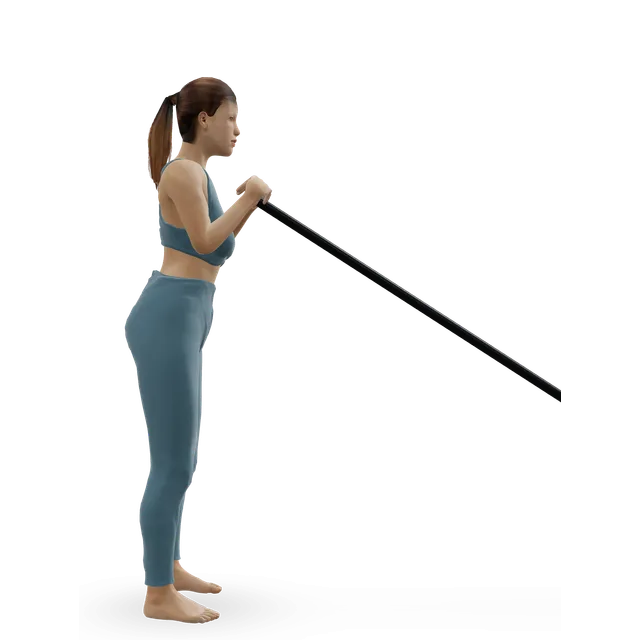
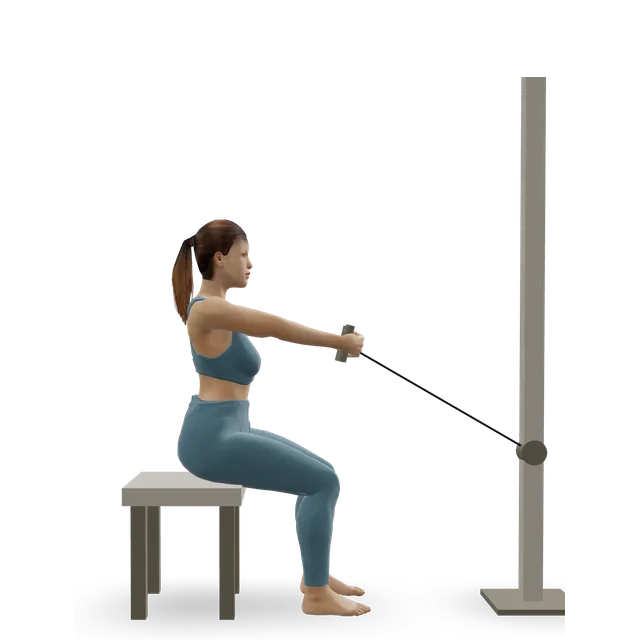
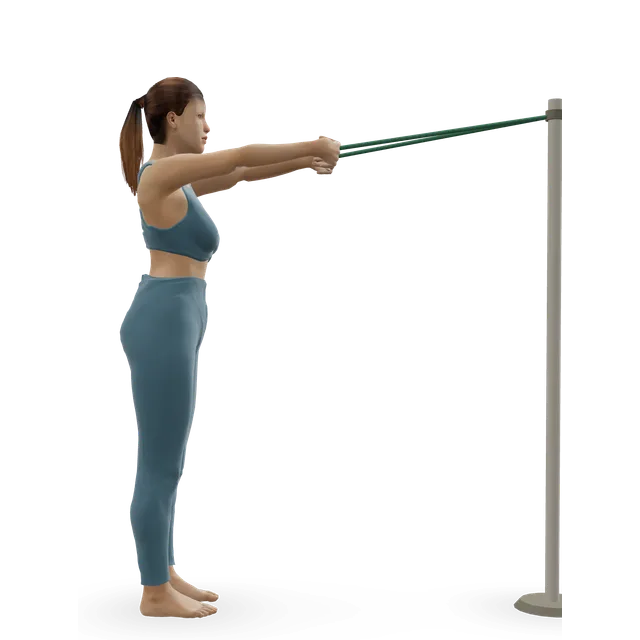
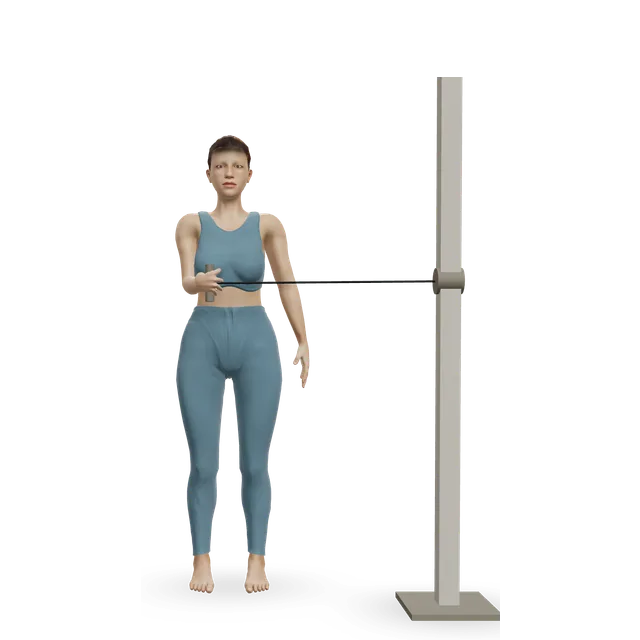
The progressive programme focused on resisted turning out, lifting forwards and lifting out to the side, done 5 days a week with two non-consecutive rest days; the people who designed it chose practical, easy-to-do exercises that strengthen the back of the cuff. GRASP compared more exercise support with less, not exercise with nothing.
Specific cuff and shoulder-blade work kept people off the surgery listEmerging evidence
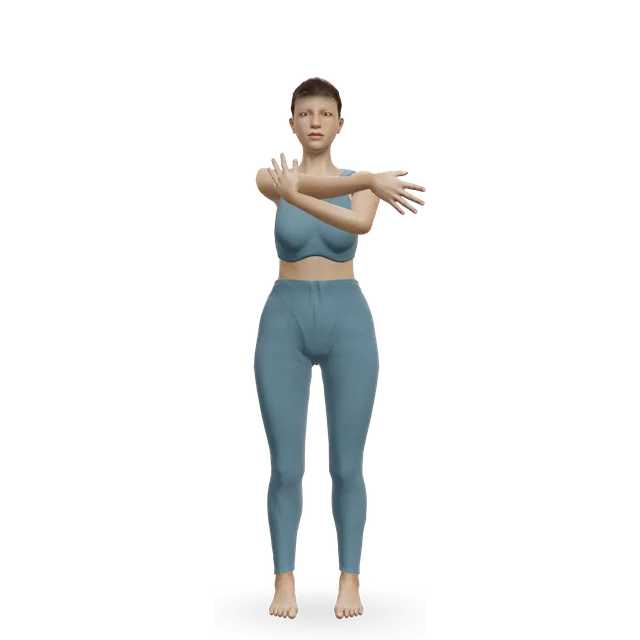
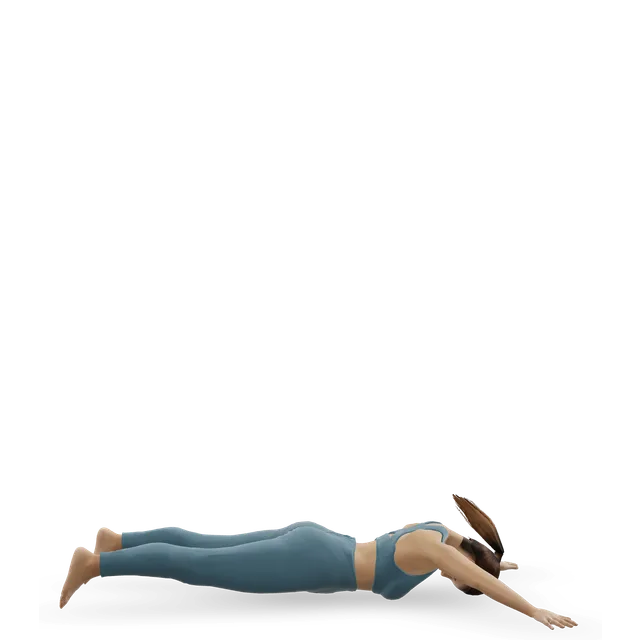
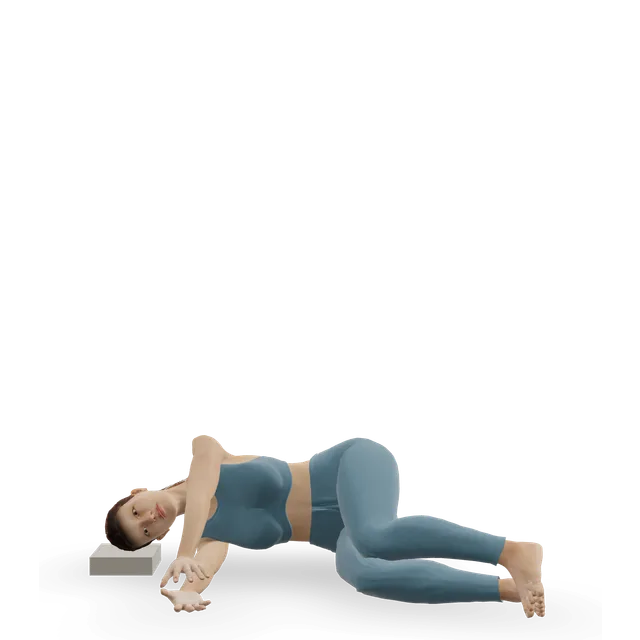
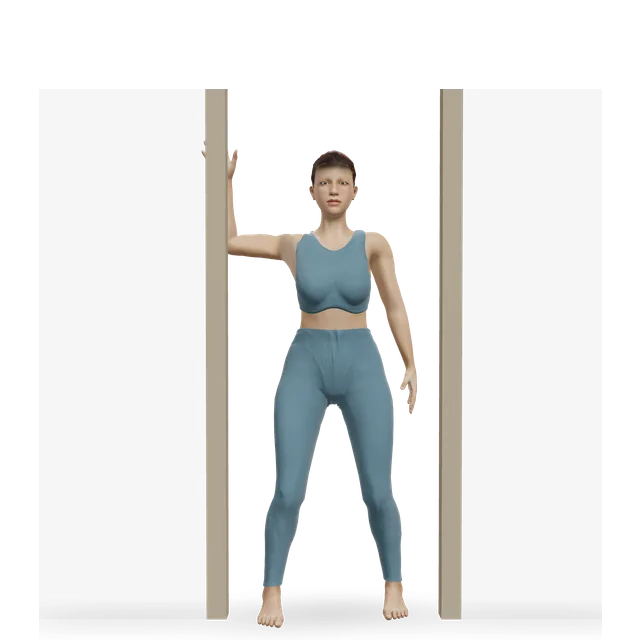
The Holmgren trial (BMJ 2012) included 102 people on a waiting list for decompression, with symptoms for over 6 months, all given a steroid injection first. A programme of two lowering (eccentric) cuff exercises, three shoulder-blade exercises and a stretch for the back of the shoulder beat a generic neck-and-shoulder movement programme: the Constant-Murley score rose 24 vs 9 points, 69% vs 24% reported a large improvement, and 20% vs 63% then chose surgery at 3 months.
At 1 year, 24% vs 63% had chosen surgery; people with a full-thickness tear and a low starting score did less well. Limits: one centre and one treating physiotherapist.
A meta-analysis found exercise beat non-exercise controls for pain, and specific exercise beat generic exercise, but on very low-quality evidence. A Cochrane review of 60 trials found only one that compared a realistic manual therapy and exercise package with a placebo (inactive ultrasound): it found no clinically important difference at 22 weeks. On low-quality evidence, exercise and manual therapy may be similar to an injection or decompression surgery.
A 2024 critical review sums it up: effects are modest and how exercise works is uncertain, but it should remain a main treatment because it is low cost, accessible and valued by patients.
Steroid injections: small and short-livedStrong evidence
In GRASP, a steroid injection gave a small improvement at 8 weeks (5.6 points on the SPADI score) and none at 6 or 12 months. The UK care pathway advises no more than two injections and notes emerging evidence that repeated frequent injections may damage tendons. A meta-analysis found injections better than no treatment, with an unclear comparison to exercise.
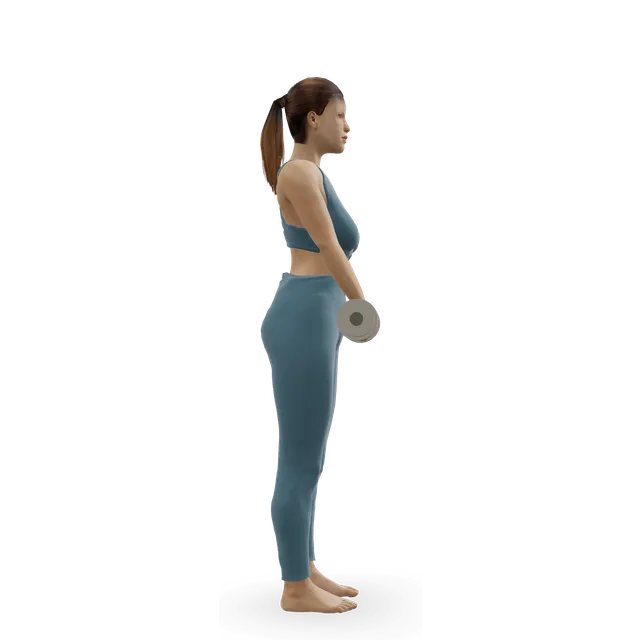
During shoulder strengthening, pain up to about 5 out of 10 is acceptable, and a little is expected. By your next session it should be back to where it was before. If it isn't, use a lighter band or weight or a smaller range next time, not nothing.
This is how the Holmgren trial set each person's load: pain was not allowed above 5 out of 10 during the exercises, and any increase had to settle back to the starting level before the next session; otherwise the load came down. If pain climbs week on week, or a warning sign appears, stop and get it checked.
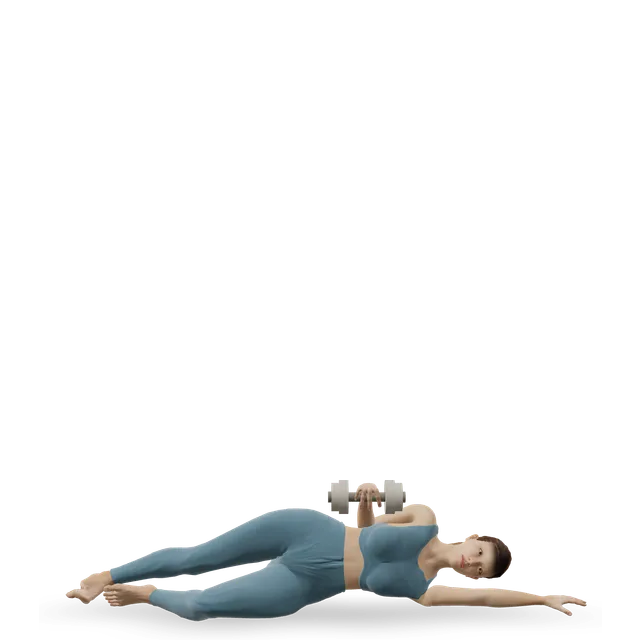
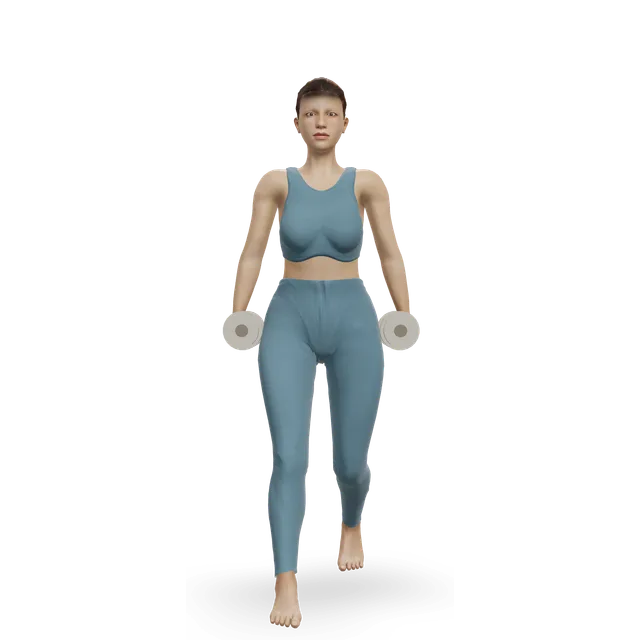
3 sets of 15, once a day, lowering over 3 s · Holmgren dose (twice a day in the trial); the highest infraspinatus activity of seven external rotation exercises in a lab study
Move on when: You can finish every set within the pain rule, and lifting to shoulder height is comfortable.
Follow along: a timer, a cue and the next move, one step at a time.
Stage 3
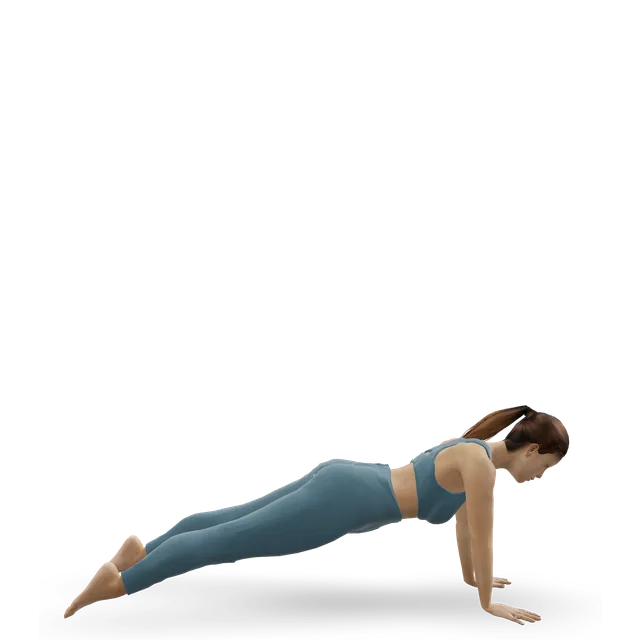
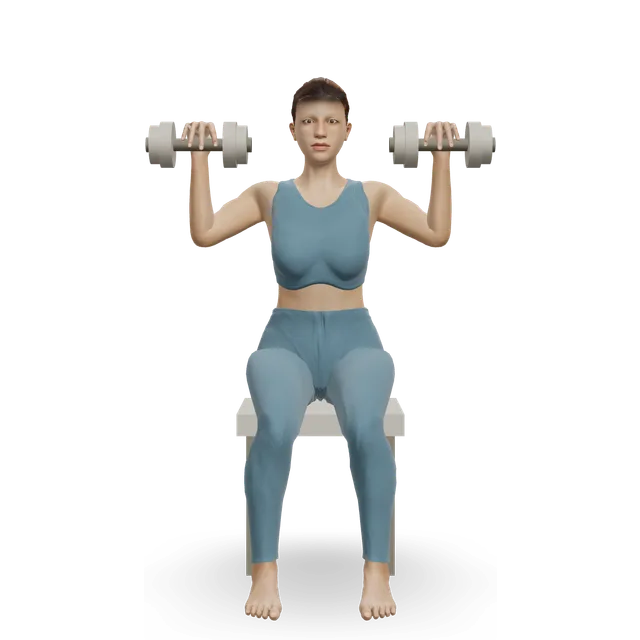
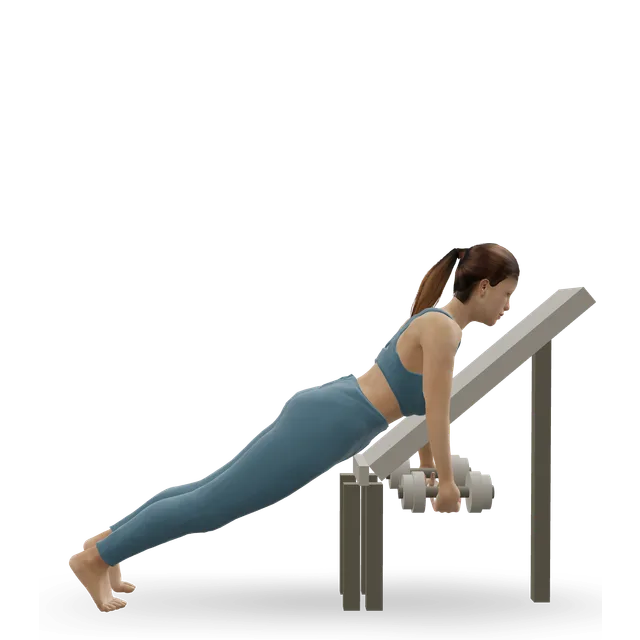
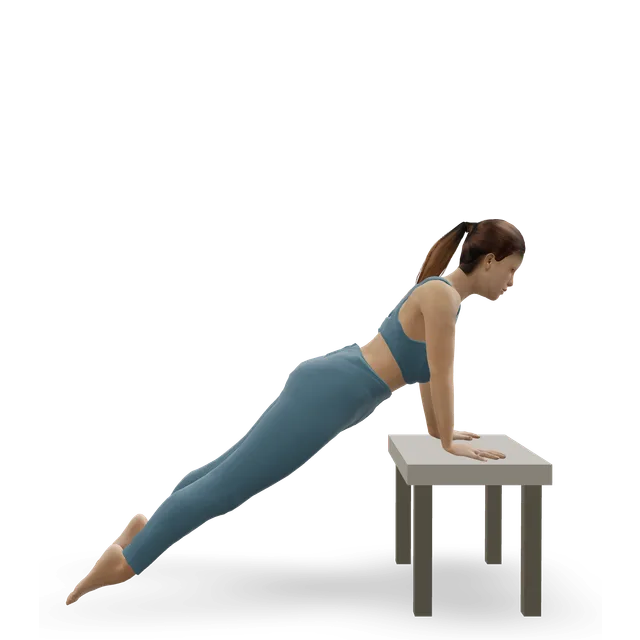
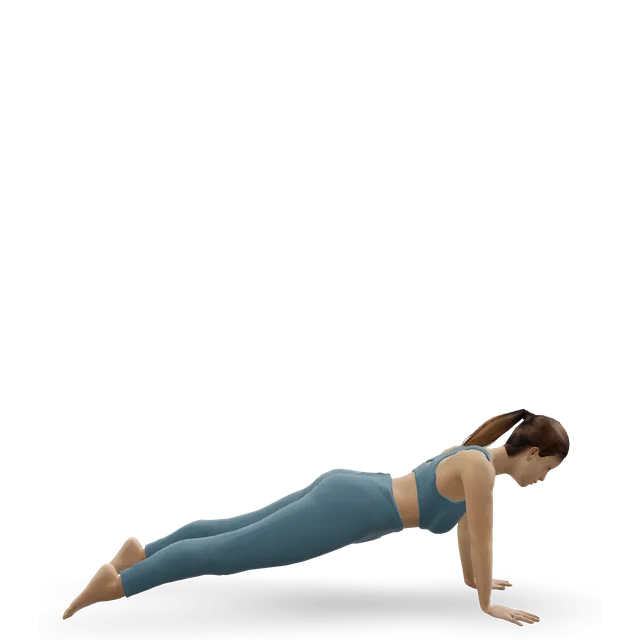
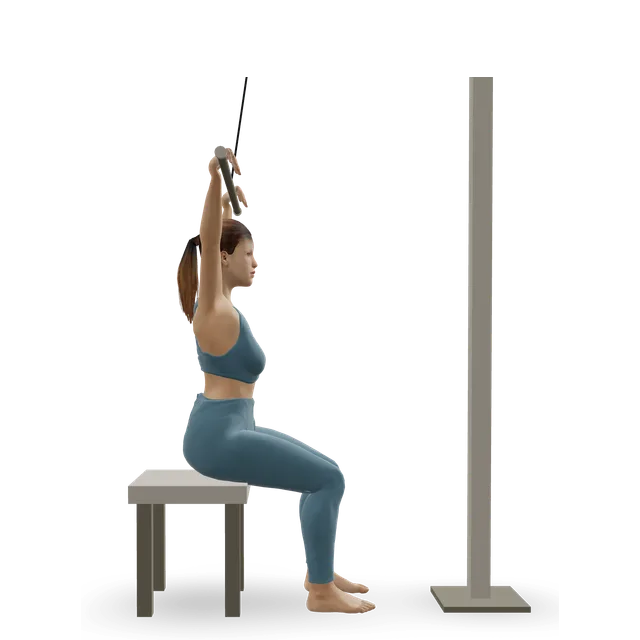
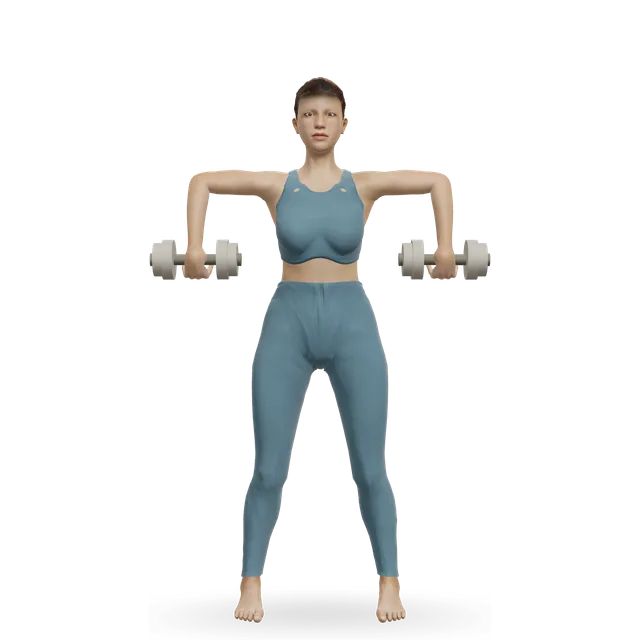
Strengthen: back to pressing, pulling and overhead work
Weeks 8 to 16 and beyond. Doses are editorial. The Holmgren trial advised carrying on with the daily home exercises for two months after its 12-week programme.
Move on when: Add load one change at a time, and keep some cuff and shoulder-blade work in your week for the long term.
Follow along: a timer, a cue and the next move, one step at a time.
What to change for now
Rotator cuff pain and the gym
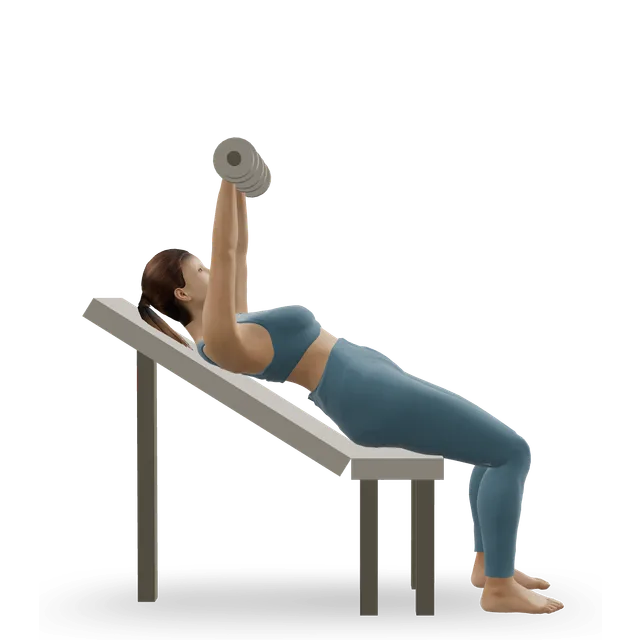
The evidence here is thin. Gym-goers with impingement signs had less shoulder rotation and weaker external rotators and lower trapezius than those without, but that study cannot show which came first. In a lab model, a bench grip narrower than 1.5 times shoulder width, with the shoulder blades pulled back, lowered load on the shoulder joint. No trial has tested an exercise ban list.
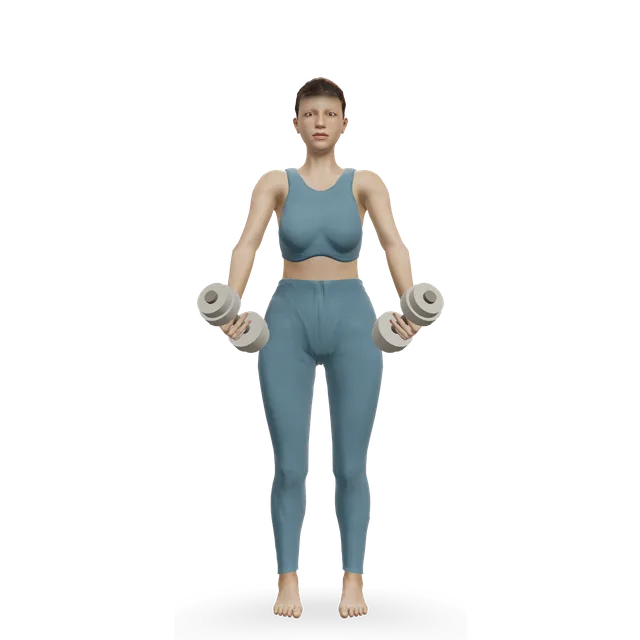
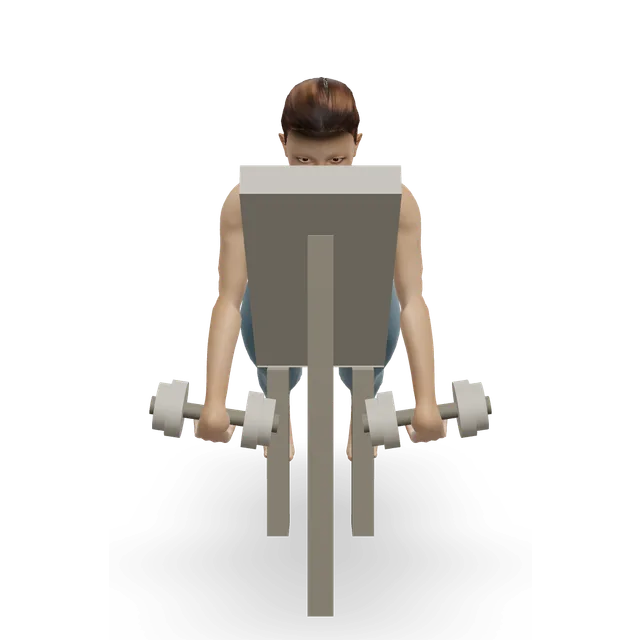
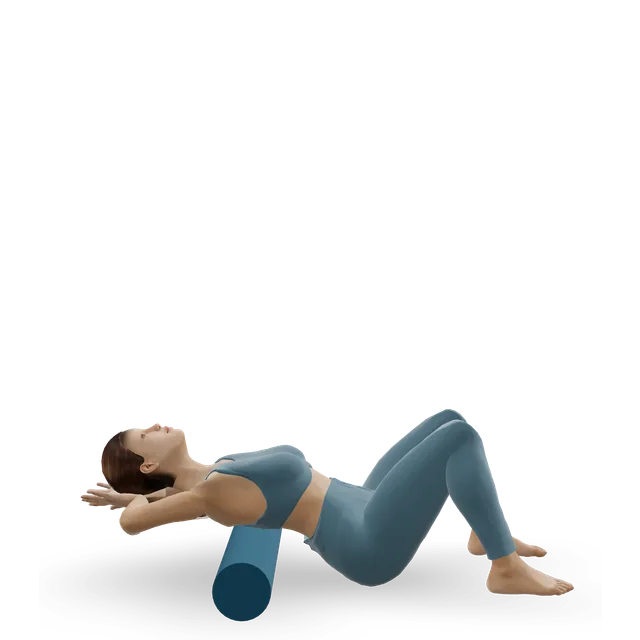
Practical swaps (editorial): keep painful lifts within the 5 out of 10 rule; use a narrower bench grip, neutral-grip dumbbells or a floor press; try a landmine press instead of strict overhead pressing for a while; press and pull in front of the head; and keep the cuff and shoulder-blade work from the plan going two or three times a week.
The UK care pathway runs physiotherapy for about 6 weeks, and a further 6 if it is helping, before referral. A sensible rule (editorial): ask for a specialist opinion if you are not improving after a good 3 months, if the arm is clearly weak, or if the pain followed an injury.
Not completely. The NHS advises against stopping shoulder movement altogether, as it can slow recovery. Keep using the arm for daily tasks, and ease off the movements that push the pain above 5 out of 10.
Will a steroid injection fix it?
Not on its own. In the GRASP trial an injection gave a small improvement at 8 weeks and none at 6 or 12 months. It can make it easier to start exercising; the UK care pathway advises no more than two.
Do I need surgery to make more room for the tendon?
Decompression surgery, which shaves bone to make room, did no better than a placebo operation in two trials (CSAW and FIMPACT), and a BMJ guideline panel recommends strongly against it. Exercise is the first treatment. If you are not improving after a good 3 months, or the arm is weak, ask for a specialist opinion.
How long does shoulder impingement take to get better?
Think in weeks to months, not days, and no one can promise a date. The trial programmes ran for 12 to 16 weeks, and the Holmgren trial advised carrying on with the home exercises for two more months. Steady progress matters more than any single day.
Can I keep going to the gym?
Yes, with changes. Keep painful lifts within the 5 out of 10 rule (lighter, fewer sets, shorter range), press and pull in front of the head, try a narrower bench grip or neutral-grip dumbbells, and add rotator cuff and shoulder-blade work. These swaps are expert advice; no trial has tested them.
Is it my posture?
The evidence does not show that. A systematic review found no clear difference in upper-back rounding between people with and without shoulder pain. Sitting tall gives more arm range in the moment, so use it for comfort, not as a cure.
Exercise education, not a diagnosis or treatment plan. It is written from the guidelines and studies listed above; review by a clinician is pending. If your pain follows an injury, is severe, is getting worse, or comes with any warning sign listed on this page, get it assessed. Health disclaimer.