3D demo
Behind-the-neck press
Strength · Shoulders, Triceps
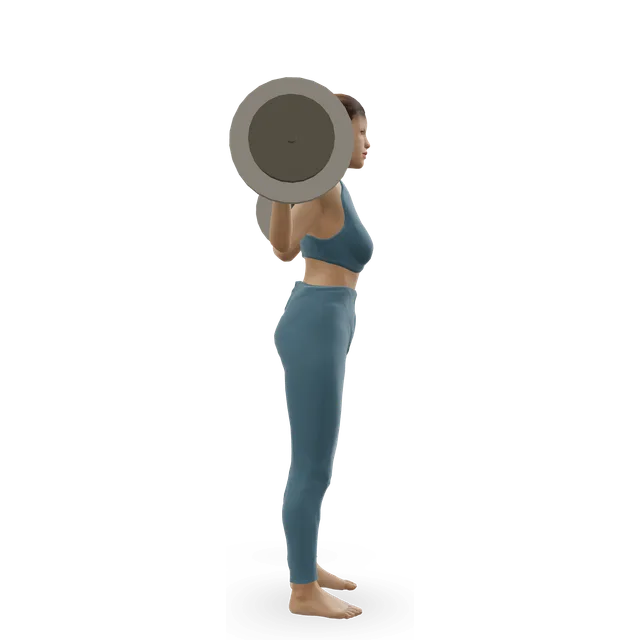
Loading the 3D figure…
The figure repeats the movement from its starting position. Drag to turn it; the arrows open the demos either side.
Standing with a barbell across the back of your shoulders, just below your neck, you press it straight up behind your head to locked arms and lower it back to the base of your neck. In an EMG study of competitive bodybuilders it worked the side and rear deltoid more than the front press, which favoured the chest. A hospital sports-medicine handout advises against pressing behind the head at all.
Movement guide
Behind-the-neck press
Make it easier or harder
Choose a version that fits your control and comfort.
Easier option
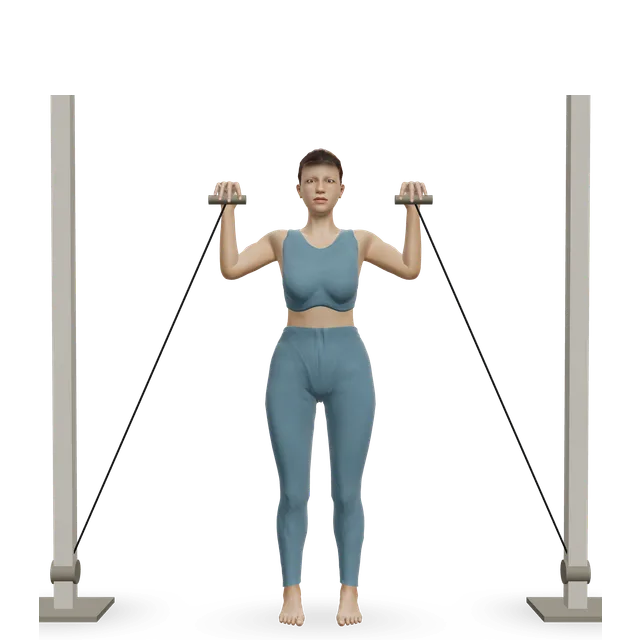 3D demoAlternating cable shoulder pressIntermediate · A cable machine
Similar move, intermediate grade.
Harder option
Keep the same movement. Build resistance gradually once the current load is controlled, within the guide's advice. ACSM 2026 resistance training position stand
Source-researched guide.
Form cues
- Keep your head neutral and let the bar pass behind it.
- Lower under control to the base of the neck, no lower.
- Avoid: pushing your head forward to make room.
Practice and cautions
2 to 3 sets of 8 to 12, stopping with 2 or 3 reps in reserve (our editorial starting point).
Leave it out with neck or shoulder pain or after a shoulder dislocation; press or pull in front of the head instead. Lowering a bar behind the neck takes the shoulders to the end of their outward turn under load: start very light, set the rack's safety bars at shoulder height, and stop short of any pinch or strain. If you push a manual wheelchair, dips and overhead pressing load the shoulder in positions the spinal cord injury guideline advises limiting: favour rows, pull-downs from shoulder height and rotator cuff work, and stop if it brings on shoulder pain. This is movement education, not an assessment or treatment prescription. Stop for sharp or increasing pain, dizziness, numbness or tingling; seek individual guidance for symptoms, injury or restrictions.
Sources and review status
Sources support the educational description; they do not establish that this exercise is suitable for you.
- Coratella 2022 · Front and behind-the-neck presses, barbell and machine, compared (behind the neck: more side and rear deltoid; in front: more chest; EMG in 8 bodybuilders, Front Physiol) ↗
- Padovan 2026 · Front and behind-the-neck overhead presses compared by high-density EMG (different patterns, both usable in training; J Hum Kinet) ↗
- Mass General Sports Physical Therapy · Strength training for the shoulder (behind-the-neck presses on its list to avoid; start and finish presses in front of the shoulder) ↗
- Free Exercise DB · community text ↗
Unlicense · Free Exercise DB contributors; derived from wrkout/exercises.json. Text import; no photographs or media. · Revision f00c92c7dcf1216a928a52c3706c7ce8e2f71ed5
No variation is labeled clinically validated.
What it works
Muscles
Main: Shoulders. Also: Triceps.
Anatomy: Deltoid, Rotator cuff, Supraspinatus, Infraspinatus, Subscapularis, Teres minor.
Equipment
A barbell
Level
Advanced. See the easier and harder options above.
Guides that use it
Similar moves
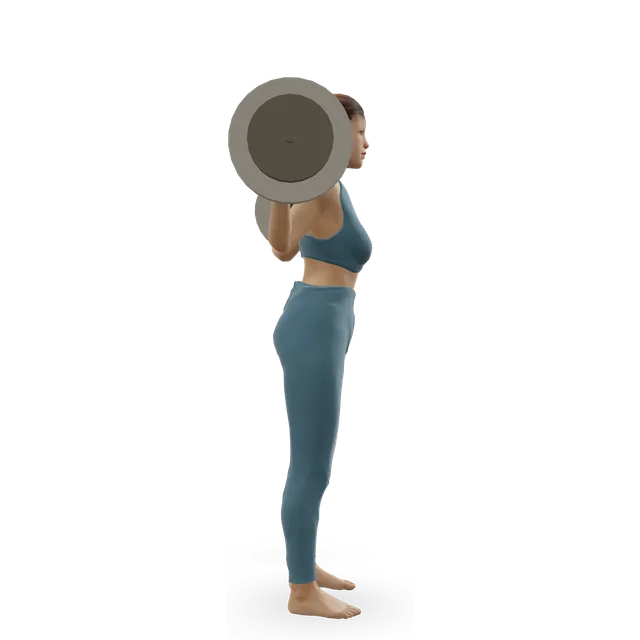 3D demoBehind-the-neck push pressAdvanced · A barbell
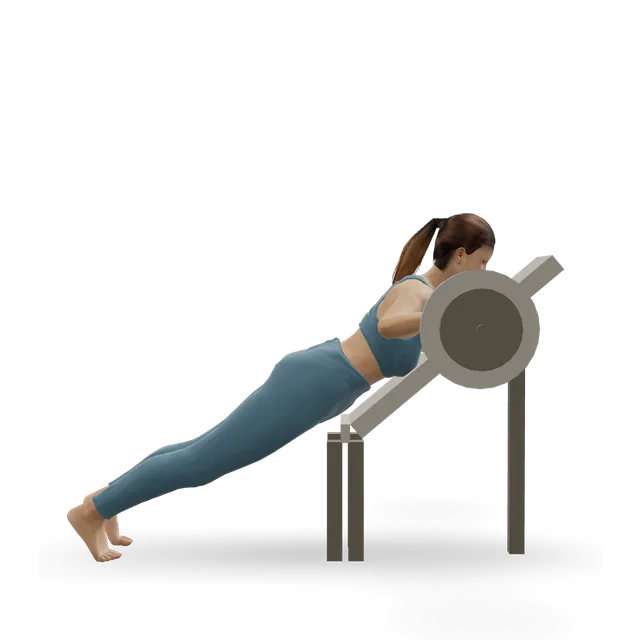 3D demoAnti-gravity pressBeginner · A barbell + A bench or box
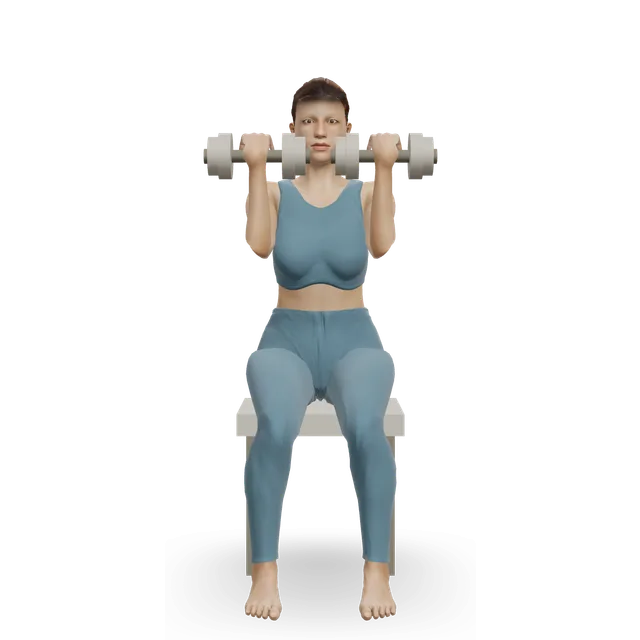 3D demoArnold pressIntermediate · A dumbbell + A bench or box
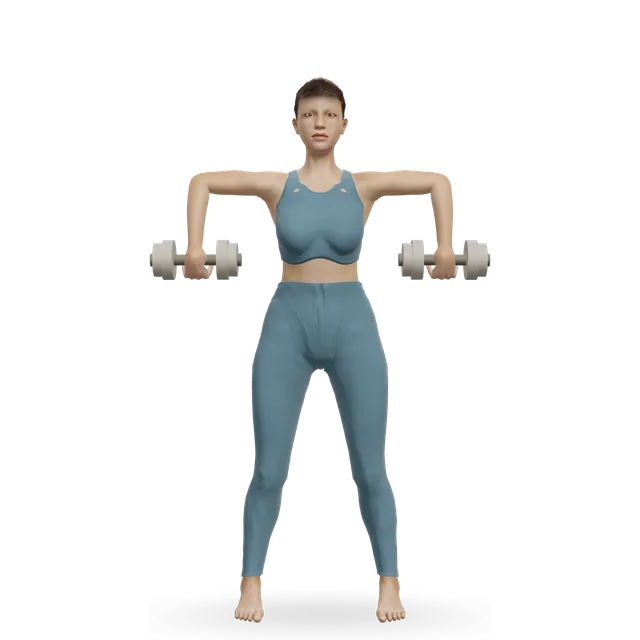 3D demoCuban pressIntermediate · A dumbbell
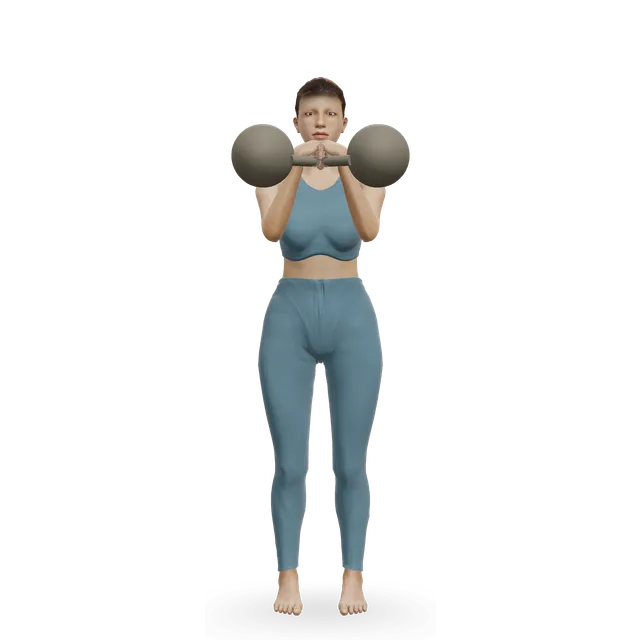 3D demoDouble kettlebell military pressIntermediate · A kettlebell
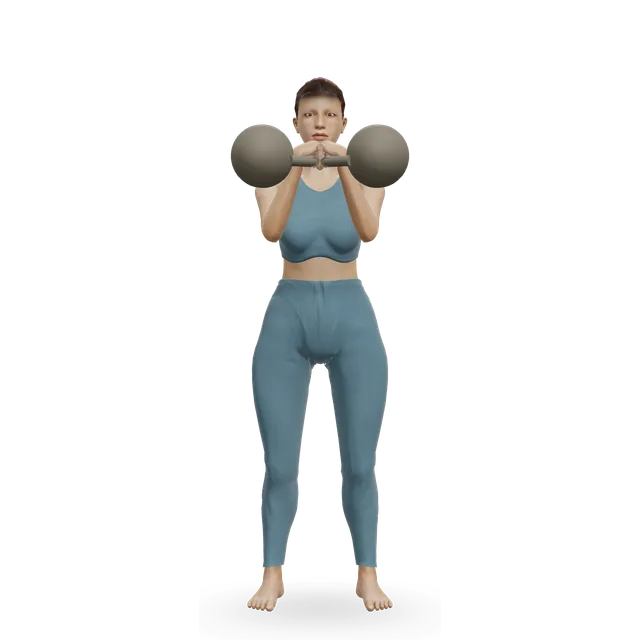 3D demoDouble kettlebell push pressIntermediate · A kettlebell
Browse more
Questions people ask
What muscles does the Behind-the-neck press work?
Mainly the shoulders, with help from the triceps.
What equipment do I need for the Behind-the-neck press?
A barbell.
Is the Behind-the-neck press good for beginners?
It is an advanced move. Build up to it with the Alternating cable shoulder press first.
What is an easier alternative to the Behind-the-neck press?
Try the Alternating cable shoulder press or the Alternating kettlebell press. It works similar muscles at a lower grade.