A carriage on springs
The reformer is a bed-like frame with a moving carriage, springs, ropes and a footbar. Joseph Pilates' 1927 US patent shows an early version, and the Pilates Method Alliance says it became the Universal Reformer.
Pilates guide
A reformer is a frame with a sliding carriage, springs, a footbar and straps. The springs can add resistance or help you through a move, and the moving carriage makes you control every inch. Joseph Pilates patented an early version in 1927.
In trials, reformer and mat Pilates mostly gave similar results, and complete beginners, including people in their 70s and 80s, have started on reformers with a teacher.
This guide explains the machine and the evidence, covers safety, home reformers and Lagree, and shows the mat version of each reformer exercise, since our 3D figure works on a mat.
The reformer is a bed-like frame with a moving carriage, springs, ropes and a footbar. Joseph Pilates' 1927 US patent shows an early version, and the Pilates Method Alliance says it became the Universal Reformer.
Heavier springs add resistance for pushing and pulling, but a lighter spring can make balance work harder, and spring-assisted equipment can make a move easier.
Ten small trials have compared equipment and mat Pilates. Most found similar gains, a few outcomes favoured the equipment and one trial favoured the mat.
Trials started people new to Pilates on reformers after a familiarisation session, including adults aged 65 to 95 at risk of falls. There are no injury statistics, so learn the machine with a teacher.
In one study, a reformer session used 2.5 METs (metabolic equivalents, where sitting still is 1) against 1.8 for a matched mat session. Both are light.
Source 13
Its makers say the Megaformer is not a Pilates reformer, and we found no published studies of the Lagree Method.
The Pilates Method Alliance describes it as a bed-like frame with a moving carriage, springs, ropes and a footbar, and calls it the poster child of Pilates equipment. The carriage runs inside a wooden or metal frame, attached to springs, pulleys and ropes, with an adjustable footbar, shoulder rests, and straps for the hands or feet.
A box placed on the carriage is used for sitting and lying work: the short box and long box series.
His US patent for a gymnastic apparatus, filed in 1925 and granted in March 1927, shows a carriage running on a raised track, with shoulder pieces, a head rest and an adjustable bar for the feet. In its main design, resistance came from a weight on a cord over a pulley. The Pilates Method Alliance says this prototype became the Universal Reformer.
Studios may also have a Cadillac or trapeze table (a raised platform inside a metal frame, with an overhead bar, springs and hanging loops), a Wunda chair (a small box with a spring-loaded pedal), a ladder barrel, and smaller barrels and spine correctors. Joseph Pilates designed the Wunda chair as well.
Springs of different strengths add load on top of your body weight. Trials made exercises harder by adding spring resistance, and used heavier springs for strengthening and lighter ones for stretching.
On spring-assisted equipment, the spring carries part of the load: on the Cadillac, a spring-loaded bar helps you roll up. In a lab study, the teaser drew less trunk and hip muscle activity on a spring-assisted wall unit than on the mat or the reformer, which didn't differ from each other.
In 18 experienced women, a light spring made the carriage less stable and raised trunk and hip muscle activity in a bridge, a knee hover and the elephant, compared with a fixed carriage: back muscle activity in the bridge was 54% higher.
Source 4
Classical orders give a spring setting for each exercise. Ask your teacher to show you the settings on the machine you use, and change springs only with the carriage still (our advice).
Pilatesology's classical basic order runs: footwork (lying down, pressing the carriage out with your feet on the footbar), the hundred, feet in straps (leg circles and frogs), the stomach massage series, the short box series, the elephant, knee stretches, running and the pelvic lift. Intermediate classes add the short spine, coordination, the long box and long stretch series, the semi-circle and the splits.
Classes in trials ran for 45 to 60 minutes: a warm-up of breathing and footwork on light springs, a main block of leg, arm, trunk and back work, and a stretching cool-down.
Schools grade the repertoire. STOTT PILATES, for example, asks for essential and intermediate reformer exercises at its first exam level and an advanced workout at the next, and Pilatesology lists basic, intermediate and advanced orders.
Trials began with a familiarisation session to show people the machine. In one energy study, inactive women had 8 familiarisation sessions before they were measured.
Ten small training trials, plus lab studies. None was large enough to settle which format is better for any one goal.
Ten small trials, of 20 to 98 people where reported, compared equipment and mat Pilates in back pain, multiple sclerosis (MS), older women, healthy women, footballers, period pain, ankylosing spondylitis and fibromyalgia. Most found similar gains; some outcomes favoured the equipment, and one trial favoured the mat.
In 86 adults with long-lasting low back pain, 12 sessions over 6 weeks gave the same results at 6 weeks; at 6 months, equipment was slightly better for disability (3 points) and fear of movement, but not pain. In 98 adults over 12 weeks, both improved pain, disability and deep abdominal muscle activation, the equipment group faster. In businesswomen with back pain, the mat group improved more.
Active women around 65 and new to Pilates gained strength, aerobic endurance, flexibility and agility equally with either, and healthy women gained muscle and lost fat equally with mat or barrel work. In MS, gains were similar, with more trunk strength from the reformer.
The reformer did better for agility and passing in footballers, for pain and sleep in women with period pain, and for disease activity and fatigue in ankylosing spondylitis. In fibromyalgia, supervised reformer and home mat classes each had advantages, but supervision differed too.
In 18 inactive young women, a reformer session used 2.5 METs (about 2.6 calories a minute) against 1.8 METs (about 1.9 calories a minute) for a matched mat session, and neither raised heart rate or blood pressure much above rest.
Source 13
A deep abdominal muscle thickened more in a reformer version of the hundred than on the mat. In the teaser, trunk muscle activity was the same on the reformer and the mat. A single reformer session gave a slightly bigger immediate gain in sit-and-reach than a Cadillac or chair session, and mat and reformer routines put similar, low pressure on the pelvic floor.
Reviews that pooled both formats found benefits either way, for aerobic fitness for example, and quality-of-life gains after the menopause were larger with equipment. The reformer is a good way to do Pilates, not a necessary one: choose by access, cost and what you enjoy.
In 55 adults aged 65 to 95, a group reformer class once a week for 10 weeks improved balance, walking speed, balance confidence and hip and ankle range, against no exercise.
Source 10
In 47 women aged 30 to 60, supervised reformer classes 3 times a week for 8 weeks took off about 1.4 kg, while the control group gained 0.3 kg, and lowered body fat by about 2 percentage points. Grip strength, trunk endurance, low mood and anxiety improved; sleep didn't change.
Source 11
In 54 women aged 30 to 50 with long-lasting back or neck pain, reformer classes twice a week for 6 weeks eased pain, fear of movement and fatigue and improved sleep against no exercise. Beliefs about pain didn't change.
Source 20
Trials started people who had never done Pilates on reformers: inactive young women, women around 65, adults aged 65 to 95 at risk of falls, and women with overweight. They began with a familiarisation session, under a physiotherapist or trained instructor, and the Pilates Method Alliance strongly recommends a skilled instructor, especially on equipment.
Nothing shows that you need to learn on a mat first, and since mat Pilates gave mostly similar results in trials, the mat is a fine place to start too (our reading).
The falls-risk trial shows older beginners can do supervised group reformer work. If balance is a worry, ask for a small class or a private lesson first, and with osteoporosis skip the deep rounding moves. Our Pilates for seniors guide has more.
Trials used 1 to 3 sessions a week, and once a week for 10 weeks improved balance in older adults. Our editorial starting point: 1 or 2 classes a week, with mat sessions at home if you like. Our Pilates for beginners guide covers how often in more detail.
In the UK, the sector body CIMSPA publishes a professional standard for Pilates-based matwork instructors. It doesn't cover reformer teaching, so ask what reformer training your teacher has.
No study has measured reformer injury rates. Australia's Pilates association says no Pilates-specific injury statistics are collected there, and that reformer incidents may involve falls or moving equipment. It links injuries to moves progressed too quickly, balance challenges beyond someone's ability, and too little supervision in group equipment classes.
Source 12
In 20 women, mat and reformer exercises raised pressure inside the abdomen no more than standing up from a chair; roll-ups were the exception, building up more sustained pressure.
Source 31
The consensus advice to avoid sustained, repeated or end-range rounding of the spine applies to the rounded reformer moves: the short spine, the round-back stomach massage and short box, the rounded elephant, the teaser and roll-ups. People who already move comfortably and smoothly can continue, and balance and strength work is recommended at least twice a week.
Source 34
Skip moves that roll your weight toward your neck, such as the short spine and a full semi-circle, as you would the roll-over on the mat.
Later in pregnancy, avoid lying flat on your back for more than a few minutes and avoid activities with a risk of falling, which in our view includes standing work on the moving carriage. Ask your midwife, and see our Pilates in pregnancy guide.
Source 36
Avoid standing or kneeling on the moving carriage until you're steady, and practise standing balance next to a wall or counter.
Source 12
Learn to get on and off the carriage, and to change springs with the carriage still, before anything else. Check the springs are secure, and stop if you feel unsteady.
Exercise names and order come from classical reformer orders. The pairings are ours, matched by movement pattern: the springs and moving carriage change the work, so the mat version trains the same shape, not the same load.
In the order of a classical class, from footwork to the splits; doses are on each move's page.
 3D demoBodyweight squatBeginner · No equipment
 3D demoSlow calf raiseBeginner · A wall
 3D demoHundred (Pilates)Intermediate · No equipment
 3D demoSingle-leg circle (Pilates one leg circle)Beginner · No equipment
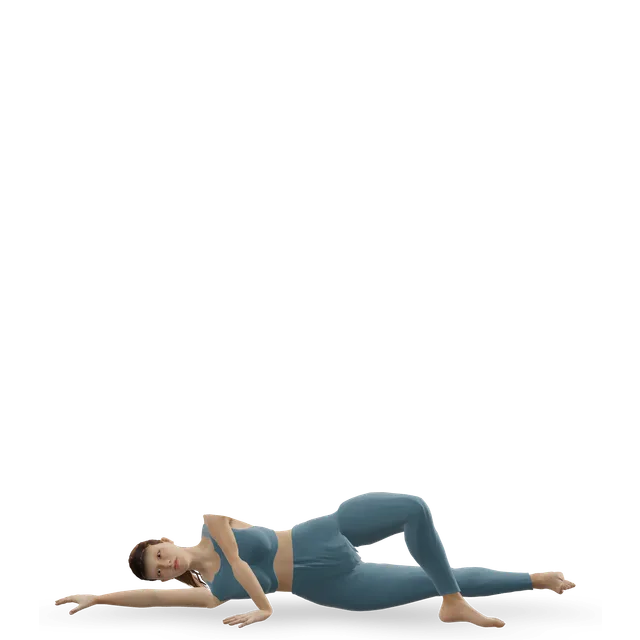 3D demoSide-lying inner thigh lift (Pilates side kick series)Beginner · No equipment
 3D demoPelvic tilt into bridgeBeginner · No equipment
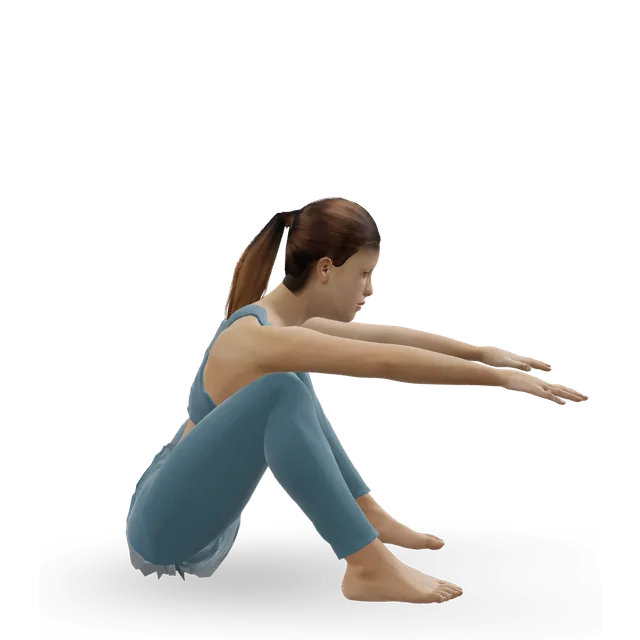 3D demoHalf roll back (Pilates C-curve roll back)Beginner · No equipment
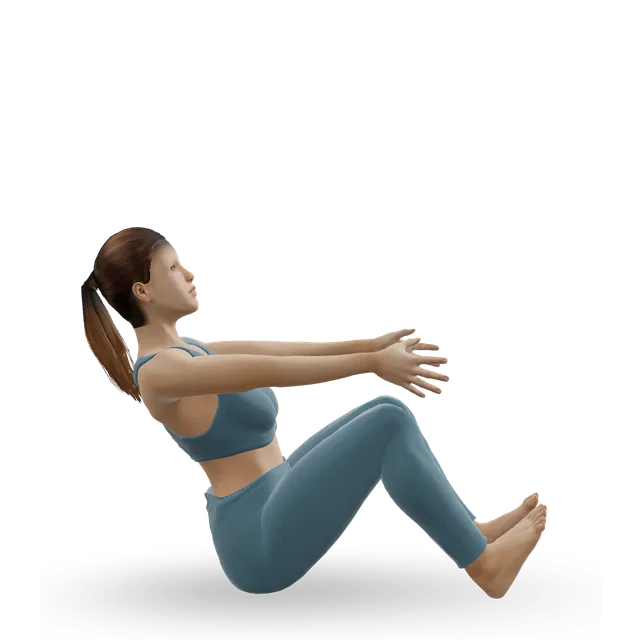 3D demoBoat pose (Navasana)Intermediate · No equipment
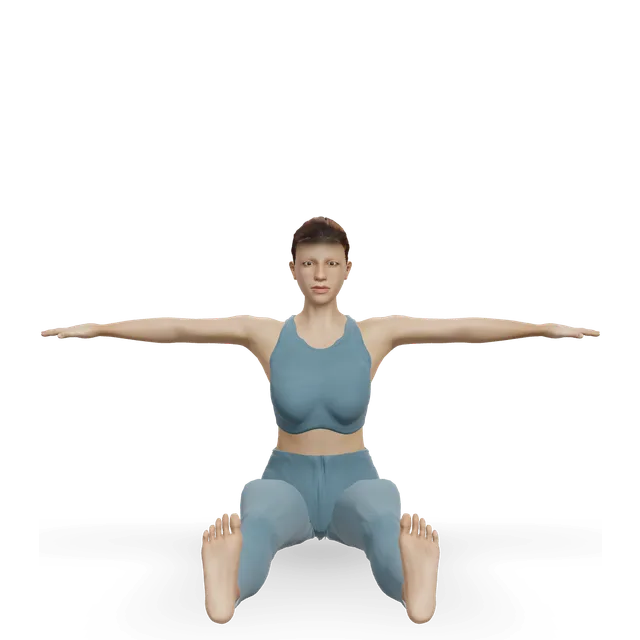 3D demoSpine twist (Pilates)Beginner · No equipment
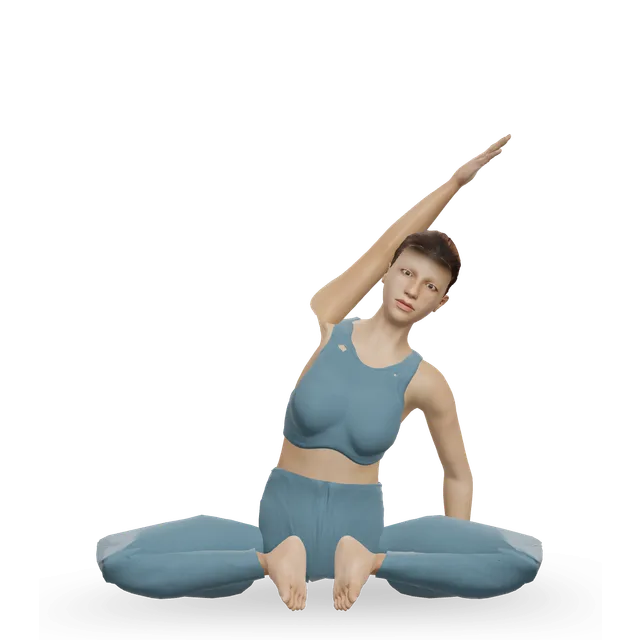 3D demoMermaid (Pilates seated side bend)Beginner · No equipment
 3D demoDownward-facing dog (Adho Mukha Svanasana)Beginner · No equipment
 3D demoCat-cowBeginner · No equipment
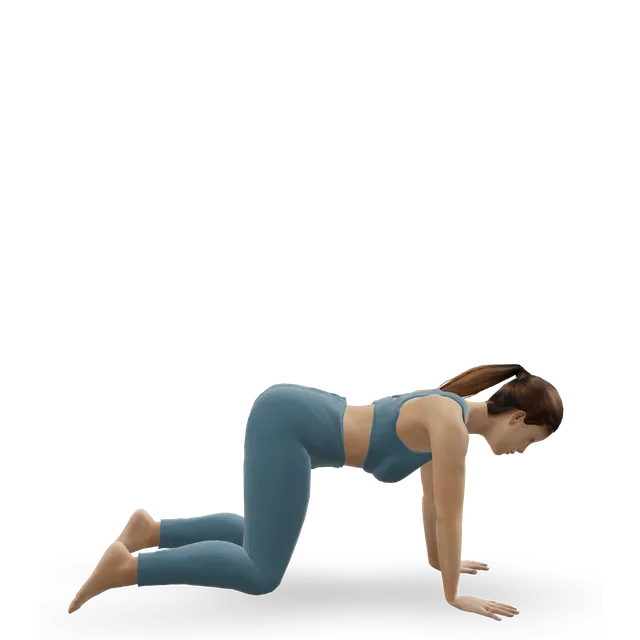 3D demoKnee hover (Pilates tabletop hover)Beginner · No equipment
 3D demoStraight-arm plank (high plank)Intermediate · No equipment
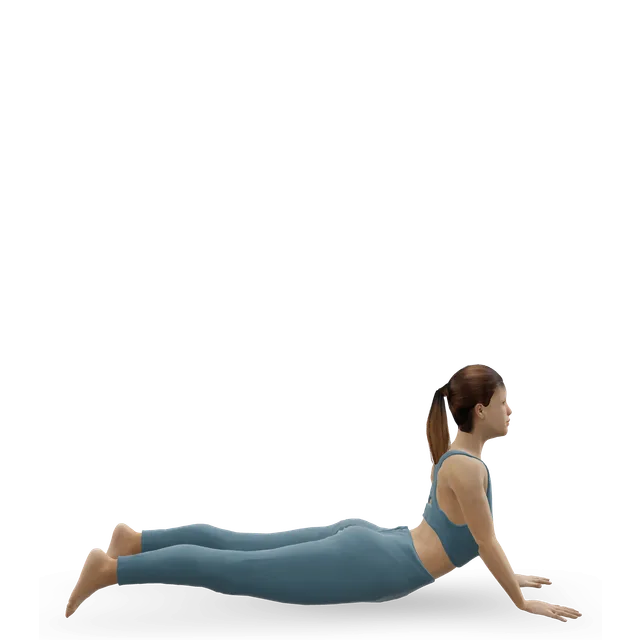 3D demoSwan (Pilates swan dive)Intermediate · No equipment
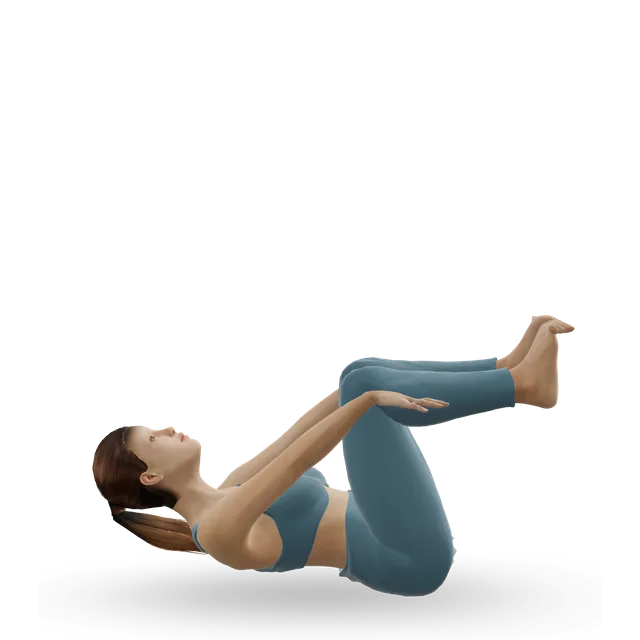 3D demoDouble-leg stretch (Pilates)Intermediate · No equipment
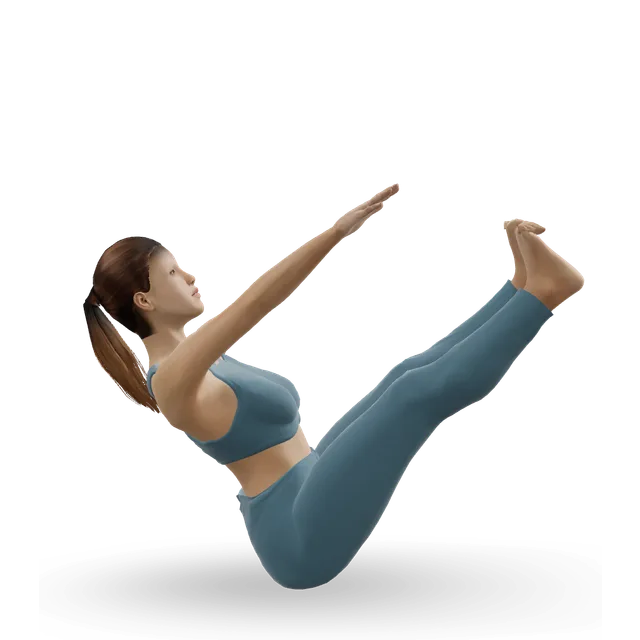 3D demoTeaser (Pilates)Advanced · No equipment
 3D demoWall side leg lift (standing side kick at the wall)Beginner · A wall
 3D demoLow lunge (Anjaneyasana)Beginner · No equipment
The reformer-inspired workout follows a reformer class on the mat, using our pairings; the full-body workout follows the classical mat order.
A 25-minute mat workout built on the order of a classical reformer class, with a mat or standing version of each reformer exercise. No machine needed.
25 minBeginner16 movesA wallA 30-minute intermediate mat Pilates class that follows the classical order, from the hundred to the push-up, with prep versions of the hardest moves.
30 minIntermediate22 movesNo equipmentA 20-minute mat Pilates workout for complete beginners. It covers breathing, spine position and the foundation moves, each with an easier option.
20 minBeginner13 movesNo equipmentA search of the Europe PMC research database found no study of reformers used at home (October 2026). Since mat Pilates gave mostly similar results to equipment in trials, a mat gives you most of the same training (our reading).
Our checklist: a carriage that runs smoothly on rails, springs that clip on securely, a maximum user weight that covers you, a frame long enough for your height, clear floor space around it, and a first lesson with a teacher. Some products sold for home use are boards with bands rather than a carriage on rails, so check what you're buying.
Lagree runs on its own machine, the Megaformer, which its makers say is not a Pilates reformer: they share only general parts such as springs, platforms and a moving carriage. Moves are done slowly so the muscles stay under tension, with little rest between exercises, and the company describes it as high-intensity and low-impact.
A search of the Europe PMC research database found no studies of the Lagree Method or the Megaformer (October 2026). Whether it gives better results than reformer Pilates, for weight loss or anything else, has never been tested.
Source 15
Classical reformer orders include transitions and spring changes between exercises, while Lagree aims to keep you working with minimal rest. That's a difference in how the class runs, not evidence that either works better.
For chest pain that feels tight or like squeezing, or spreads to your arms, neck or jaw; severe difficulty breathing, such as gasping, choking or not being able to get words out; lips or skin that turn pale, blue or grey; or if someone has passed out and isn't responding normally.
Source 41
If you have pain, tingling, weakness or numbness in both legs, loss of feeling around your genitals or anus, changes in your bladder or bowels or in how sex feels, or back pain that started after a serious accident.
Source 42
If you're suddenly more short of breath than usual, have chest pain with feeling sick or a racing, slow or fluttering heartbeat, or have back pain and feel hot, shivery or generally unwell. In the US, contact your doctor or urgent care.
If you're unsure whether the exercises suit your fitness, have a health problem, an injury or symptoms, or you're pregnant or have recently given birth.
Source 43
Stop if you feel unsteady on the carriage, or for sharp or increasing pain, tingling that travels down an arm or leg, or dizziness.
A reformer session used a little more energy in one study, but springs can also help you through a move, and long levers make many mat moves hard.
On balance-type moves a lighter spring makes the carriage less stable, and the trunk muscles work harder.
Source 4
Most of the ten mat versus equipment trials found similar gains.
Supervised trials started complete beginners on reformers, including adults aged 65 to 95 at risk of falls.
Its makers describe a different method on a different machine, and it has no published trials, so "harder" or "better" is untested.
The Pilates Method Alliance history doesn't say this, and his 1927 patent describes a sliding carriage that used a weight and pulley for resistance.
Springs add resistance, but in trials Pilates built strength no better than other exercise, and to keep muscle while losing weight, European obesity guidance recommends resistance training at moderate to high intensity.
Pilates done on a reformer: a frame with a sliding carriage, springs, a footbar and straps. The springs add resistance or help you through a move, and the moving carriage challenges your control.
Not clearly. Most of the ten small trials comparing them found similar results; a few outcomes favoured the reformer, such as disability at 6 months in back pain, and one study favoured the mat. Choose by access, cost and what you enjoy.
Sometimes. A reformer session used a little more energy in one study, but springs can also make moves easier, and lighter springs make some moves harder. Both are mostly light exercise for the heart.
Yes, with a teacher. Trials started complete beginners on reformers after a familiarisation session, including adults aged 65 to 95 at risk of falls, whose balance and walking speed improved with one supervised class a week. If balance is a worry, start with a small class or a private lesson.
It counts as muscle-strengthening activity, and the springs add resistance that mat work lacks. In trials it improved strength and endurance against no exercise; for maximum strength, heavier resistance training does more.
There are no reformer bone trials, and Pilates in general hasn't changed bone density. It helps balance and strength, which matter for falls, and with osteoporosis you should avoid the deep rounding moves.
Generally, with supervision. No study has measured reformer injury rates, and reported incidents involve falls and moving equipment, so learn the machine with a teacher. People with osteoporosis should avoid the deep rounding moves.
You can do the mat version of each reformer exercise, as in our reformer-inspired workout. In trials, mat Pilates gave mostly similar results to equipment Pilates.
No studies have looked at home reformers. If you buy one, check the weight limit, the length, how the springs attach and how much space it needs, and have a lesson first.
Lagree is a separate method on its own machine, the Megaformer, which its makers say is not a Pilates reformer. It uses slow, continuous tension with little rest, and has no published trials.
Trials used 1 to 3 sessions a week, and once a week for 10 weeks improved balance in older adults. Our Pilates for beginners guide covers how often in more detail.
Ask your midwife, and see our Pilates in pregnancy guide. Later in pregnancy, avoid lying flat on your back for more than a few minutes and avoid moves with a risk of falling.
Exercise education, not a personal prescription, and clinical review of these guides is pending. If you are pregnant, have a health condition or have had recent surgery, check with a doctor, midwife or physiotherapist before starting, and stop for sharp or increasing pain. Health disclaimer.


