Balance improvesEmerging evidence
A 2023 review of 20 trials (930 people, average ages 63 to 79) found a moderate improvement in balance, pooling 13 of them. A review of 39 studies found a smaller effect, at low certainty, and the newest review, of 39 studies and 1,770 people, found better balance at very low to moderate certainty, about the same as other exercise gives. Smaller reviews agree. Many trials were small and not blinded.
Sources 4, 5, 6, 18, 19
Fewer falls: not shownMixed evidence
One review found a large improvement in fall-risk scores, at moderate certainty, though its summary doesn't say how fall risk was measured. The newest review found Pilates did not reduce the number of falls or fear of falling. Only one small study in an earlier review counted falls, and a pilot trial of 53 people aged 61 to 84 found 42% fewer fall injuries, a difference that could have been chance.
Sources 5, 6, 18, 14, 19
Preventing falls needs more balance challengeStrong evidence
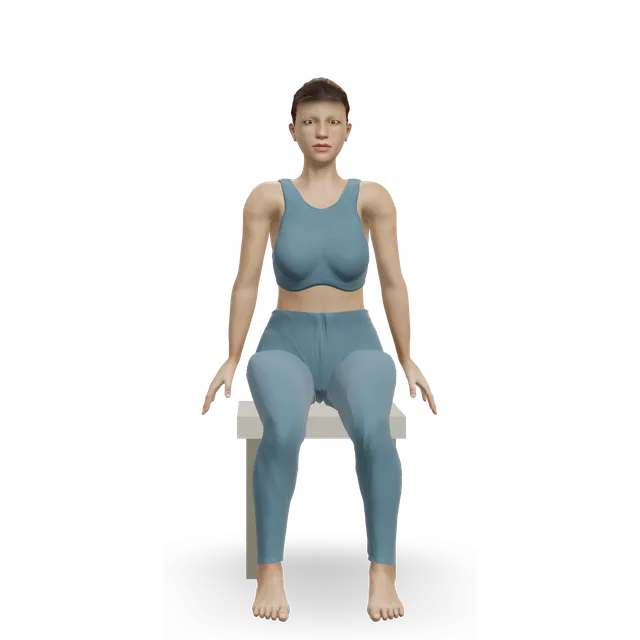
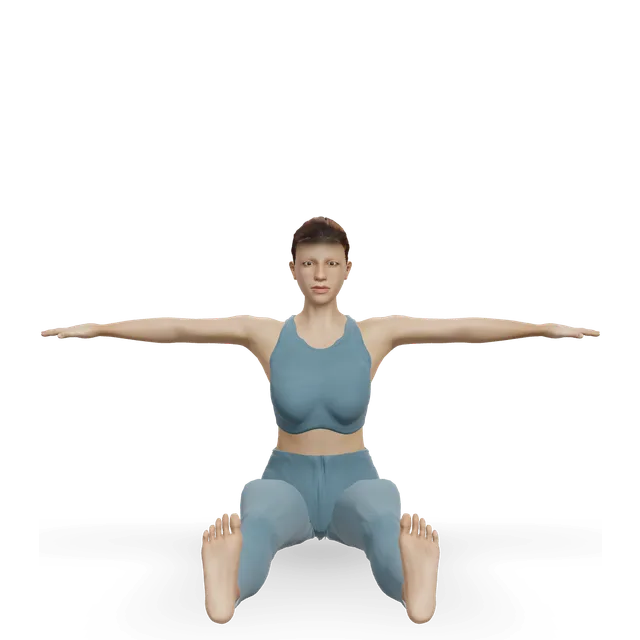
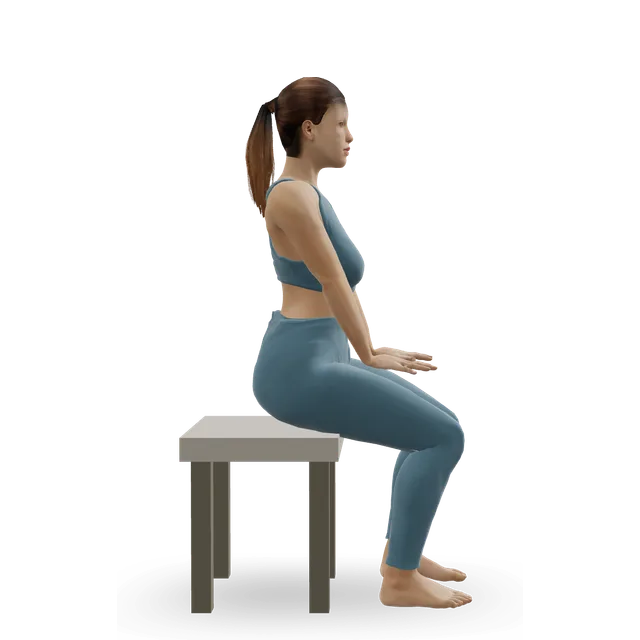
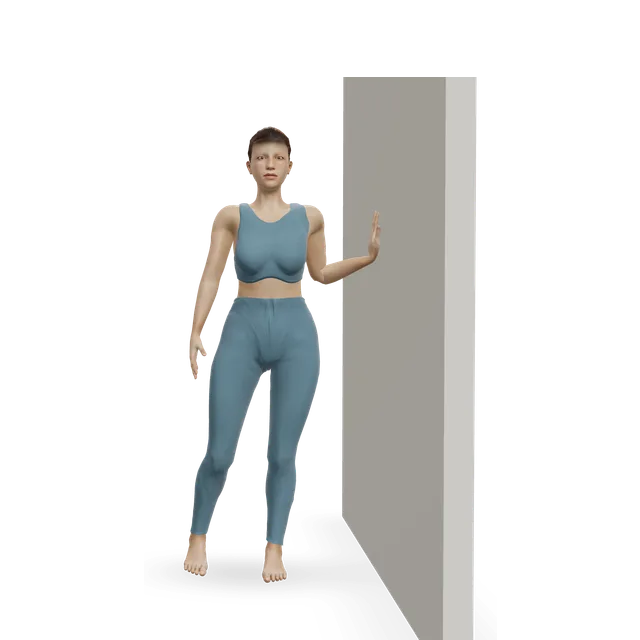
In the Pilates trials that described their exercises, only 2% to 36% of exercises challenged balance moderately or strongly. The world falls guidelines strongly recommend balance-challenging and functional exercise, such as sit-to-stands and stepping, 3 or more times a week, progressed for at least 12 weeks. In a Cochrane review, balance and functional exercise cut the rate of falls by 24% (high certainty).
Sources 18, 17, 20
Fear of falling: mixedMixed evidence
The world falls guidelines note that supervised classes such as Pilates or yoga had the largest effects on concern about falling in two reviews, and one Pilates review found less fear of falling. The newest Pilates review found no effect.
Sources 17, 21, 6
Strength: mixedMixed evidence
One review found a moderate gain in strength compared with no exercise. Another, of 24 trials (1,190 people), found no significant gain compared with no exercise, at low certainty, and no difference from other exercise, at moderate certainty; its authors don't recommend Pilates as a way to build strength.
Sources 5, 22
Getting about: a little easierEmerging evidence
Across 6 trials, people were about 0.9 seconds faster on the timed up and go test after Pilates, and other reviews found better flexibility and everyday function, at low certainty. Across 51 studies of adults over 55, Pilates improved physical measures moderately compared with no exercise.
Sources 16, 23, 24, 5
Bone density: no changeMixed evidence
Three trials in women after the menopause, and 11 studies of Pilates or yoga in 591 women, found no significant change in bone density. In people at higher risk of fracture, the effect on bone and falls was uncertain, though physical function and quality of life improved a little.
Sources 7, 8, 25
Back strengthening eases a rounded upper back a littleEmerging evidence
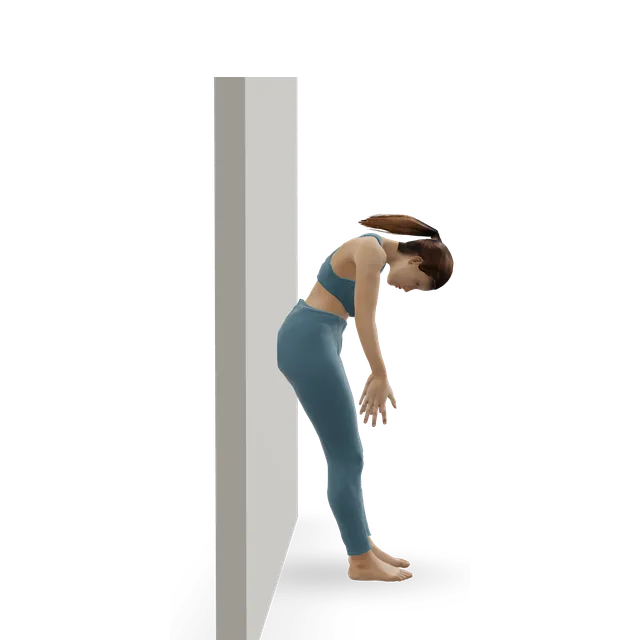
In a trial of 99 adults aged 60 to 88 with a rounded upper back (kyphosis), a physiotherapist-led programme of back strengthening and posture training, 3 times a week for 6 months, reduced the curve by 3 degrees more than in the comparison group. That wasn't Pilates, but it is the kind of back work the UK consensus recommends.
Sources 26, 3
Pilates and posture: small studiesMixed evidence
In 34 healthy adults over 60, 10 weeks of Pilates slightly reduced the upper-back curve when standing, with no comparison group. In 20 women aged 55 to 65, 12 weeks of water-based Pilates reduced the curve by about 2 degrees. A review of 9 studies reported better posture, but their quality varied. Expect small changes at most.
Sources 27, 28, 29
Blood pressure: a small fallEmerging evidence
In people with high blood pressure, 4 trials and 7 other studies found Pilates lowered blood pressure by about 5 mmHg (the top number) and 3 mmHg (the bottom number) compared with comparison groups. It was safe, but not shown to beat other exercise.
Source 30
Thinking skills: too little to sayMixed evidence
In 110 women aged 60 or over, 12 weeks of Pilates improved word fluency and planning skills but not overall thinking scores. A trial of 28 women with mild memory problems had no inactive comparison group. These are small trials, so no promises, though the UK guidelines note strong support for physical activity in general lowering the risk of dementia.
Sources 31, 32, 1