Pilates
Beginner Pilates for over-50s
Osteoporosis often causes no symptoms until a bone breaks, so this session follows the precautions in a UK consensus on exercise for osteoporosis: no curl-ups, roll-ups or roll-downs, your head stays down, a hip hinge replaces the roll-down, and back strengthening and balance work stay in. Move smoothly, breathe out on the effort, and stand beside a wall or worktop for the balance work. Add curl-ups and roll-downs later only if you know your bones are healthy, or a physiotherapist says they suit you.
Set up
- Beginner · Abs · 3D demoLying on your back, knees bent: in through the nose into the sides of your ribs, out through pursed lipsHarder: Roll-up (Pilates)

On your back, head down
- Glute bridge8 slow repsBeginner · Glutes, Hamstrings, Abs · 3D demoLift as one piece with your back in neutral, instead of peeling the spine upEasier: Pelvic tilt into bridgeHarder: Glute kickback (quadruped hip extension)
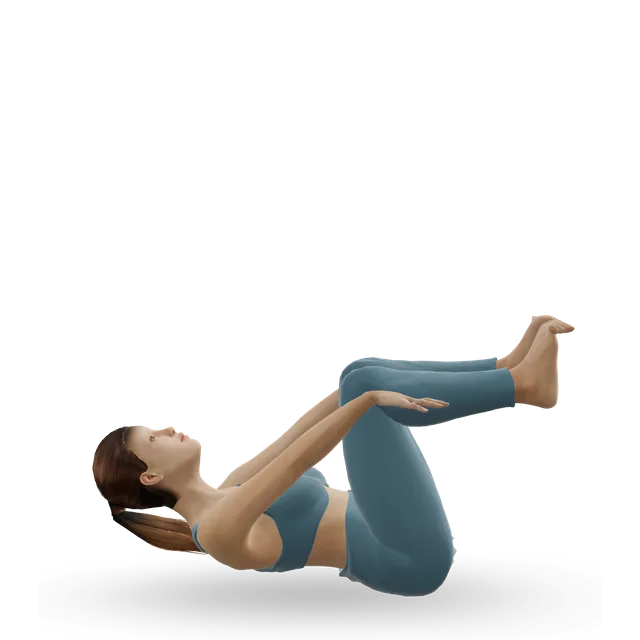
- Dead bug heel taps6 each sideBeginner · Abs, Hip flexors · 3D demoPilates toe taps: the pelvis stays stillHarder: Forearm plank
- Single-leg circle (Pilates one leg circle)5 circles each direction, each legBeginner · Abs, Hip flexors, Adductors · 3D demoBottom knee bent, small circlesHarder: Corkscrew (Pilates)



On your side
- Side kick (Pilates side kick series)8 each sideBeginner · Hip flexors, Glutes, Hip abductors · 3D demoLegs slightly forward of your hips, head resting on your lower armHarder: Side-lying leg circles (Pilates side kick series)
- Clamshell10 each sideBeginner · Hip abductors, Glutes · 3D demoHips stackedHarder: Lateral band walk


Face down and all fours
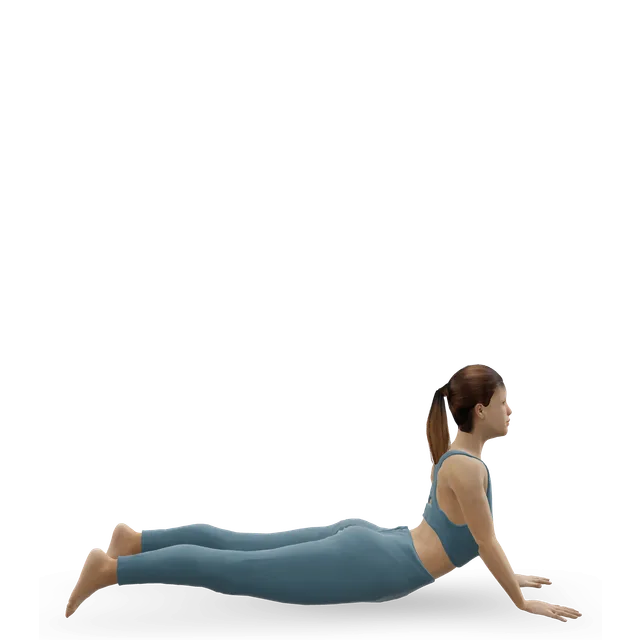
- Swan (Pilates swan dive)5 small repsIntermediate · Back, Glutes, Triceps · 3D demoLift only as far as is comfortable: strengthening the back muscles helps postureEasier: Mermaid (Pilates seated side bend)Harder: Double-leg kick (Pilates double kick)
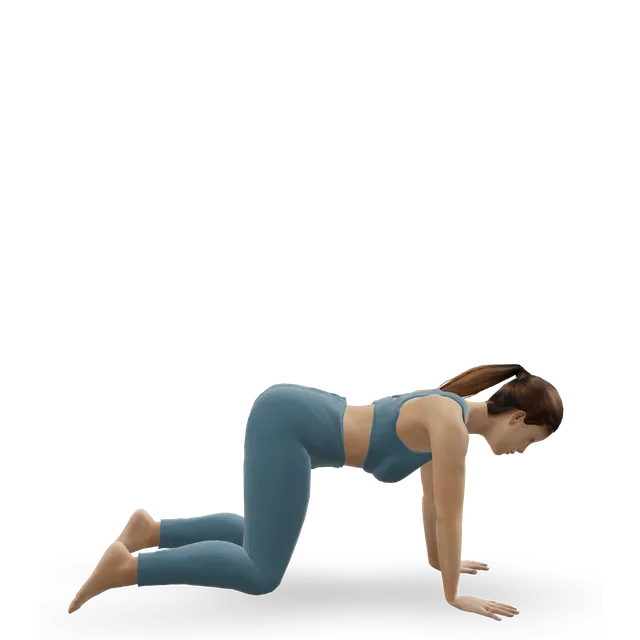
- Bird dog5 each sideBeginner · Back, Abs, Glutes · 3D demoHold each for up to 3 breathsEasier: Bird dog, one limb at a timeHarder: Bear Crawl
- Knee hover (Pilates tabletop hover)3 holds of 15 sBeginner · Abs, Shoulders, Quads · 3D demoFists or forearms if your wrists hurtHarder: Straight-arm plank (high plank)

Sitting
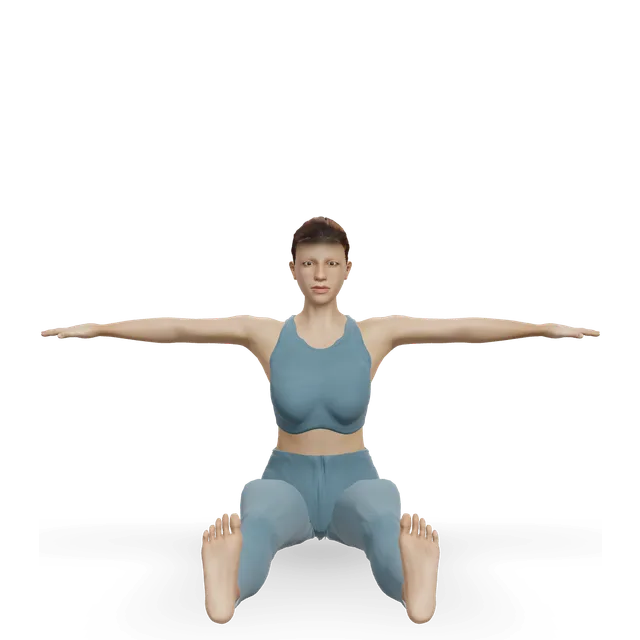
- Mermaid (Pilates seated side bend)2 each direction, each sideBeginner · Back, Abs, Shoulders · 3D demoSit cross-legged or on a folded towel, tall through the spineHarder: Side bend (Pilates)
- Spine twist (Pilates)3 each sideBeginner · Abs, Back, Shoulders · 3D demoSit tall on a folded towel or block and twist smoothly, within a comfortable rangeHarder: Saw (Pilates)

Standing
- Hip-hinge practice8 slow repsBeginner · Glutes, Hamstrings, Back · 3D demoLong back, hips travel back: the bone-friendly swap for the roll-downHarder: Dumbbell Romanian deadlift
- Single-leg stand2 holds of 20 s each legBeginner · Hip abductors, Calves, Glutes · 3D demoBeside a wall or worktop; touch it whenever you need toEasier: Tandem stance and heel-to-toe walkHarder: Single Leg Reach Matrix


Tips
- If you have osteoporosis or have had a spinal fracture, ask a physiotherapist before adding curl-ups, roll-ups or rolling moves. A UK consensus suggests alternatives to Pilates roll-downs and curl-ups as a precaution; people who already do them comfortably and smoothly can continue.
- Twice a week matches the UK osteoporosis consensus advice of balance and strength exercise, including Pilates, at least twice a week. Walk on other days, and add strength training with weights for your bones: Pilates doesn't replace it.
- Stop any move that causes sharp pain, dizziness, numbness or tingling, and get up slowly from the floor.
- When two sessions in a row feel easy, add repetitions first. If you know your bones are healthy, move on to the beginner Pilates workout.
The doses are suggested starting points, not a prescription. Choose a range you can control and stop for sharp or increasing pain, numbness or tingling. Get individual advice after an injury or surgery, or if you are pregnant or managing a health condition.
Guides that recommend it
Find more moves like these
More pilates



Beginner Pilates workout
A 20-minute mat Pilates workout for complete beginners. It covers breathing, spine position and the foundation moves, each with an easier option.
20 minBeginner13 movesNo equipment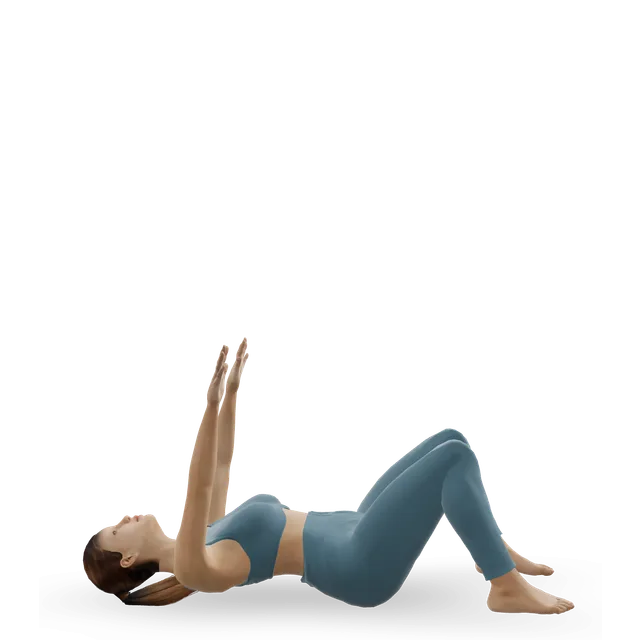

10-minute Pilates abs
Ten minutes of the classic Pilates abdominal series: the hundred, the roll-up and the series of five, with a plank to finish.
10 minIntermediate11 movesNo equipmentFull-body mat Pilates workout
A 30-minute intermediate mat Pilates class that follows the classical order, from the hundred to the push-up, with prep versions of the hardest moves.
30 minIntermediate22 movesNo equipmentQuestions people ask
How long does the beginner pilates for over-50s take?
About 20 minutes, including any warm-up and cool-down listed. Shorten it by doing fewer rounds; lengthen it by adding one.
What equipment do I need?
You need: A wall. Each move links to its guide, where you can find an alternative if you are missing something.
Is it suitable for beginners?
It is written for beginners. 4 of its 13 moves have an easier option listed beside them if you need one.
How do I make it easier or harder?
Use the easier or harder option listed under each move, change the number of rounds, or adjust the rest. Progress one change at a time.