Exercise guide

Exercise with MS: fatigue, heat, relapses and what helps

Exercise is safe with multiple sclerosis (MS) and doesn't raise the risk of a relapse. Aerobic, strength and balance exercise, including yoga and Pilates, can ease fatigue, help you walk further and lift your mood, by small to moderate amounts.

Two things make it work with MS: keeping cool, because heat can bring symptoms on for a few hours, and pacing, so you stop before you're exhausted. Exercise is possible at every level of disability, including from a wheelchair.

This guide covers how much to do, fatigue and pacing, heat, seated and wheelchair exercise, moves with 3D demos and workouts, and the warning signs, including how to tell a relapse from a heat flare.

The short version

Safe, and no more relapses

NICE (the National Institute for Health and Care Excellence) advises that regular exercise may have beneficial effects on MS and does not have any harmful effects on it. In 40 trials with 1,780 people, relapses were no more common in people who exercised.

Sources 1, 2

What it helps

On average, exercise reduces fatigue by a moderate amount, helps people walk further, and lifts mood a little. With severe fatigue, though, the gain can be small and short-lived.

Sources 3, 4, 5, 6

Which kinds

NICE says aerobic, strength and balance exercises, including yoga and Pilates, may help MS fatigue, and suggests supervised programmes of aerobic and moderate strength training for problems with mobility or fatigue.

Source 1

How much

MS experts encourage working towards 150 minutes a week, built up gradually. A good minimum, from Canadian guidelines, is 30 minutes of moderate aerobic activity twice a week plus strength training twice a week.

Sources 7, 8

Keep cool and pace yourself

About 6 in 10 people with MS find heat makes their symptoms worse for a few hours, and cooling before and during exercise helps. Don't work through fatigue: stop with energy to spare.

Sources 9, 10, 11

At every level of disability

Expert consensus sets out seated programmes for people who don't walk, and UK guidelines say there's no reason to change the activity advice for disabled adults.

Sources 7, 12

MS and exercise

What MS is

In multiple sclerosis, the immune system attacks the brain and nerves, and it isn't clear why. Common symptoms are extreme tiredness (fatigue), vision problems, numbness or tingling, problems with balance, muscle spasms and stiffness, bladder problems and problems with memory or concentration. Symptoms may come and go (relapses and remissions) and may get worse over time.

Source 13

How common it is

More than 150,000 people in the UK have MS, and a little over 7,100 are diagnosed each year. It is 2 to 3 times more common in women than in men.

Source 14

Fatigue

Fatigue affects about 6 to 8 in 10 people with MS. It is an overwhelming exhaustion out of proportion to what you have done; it can come on suddenly and take a long time to recover from. Poor sleep, pain, spasms, low mood, infections and some medicines can add to it, so NICE asks doctors to look for other causes too.

Sources 15, 1

Heat sensitivity

About 6 in 10 people with MS find their symptoms get temporarily worse when they get hot (Uhthoff's phenomenon), most often fatigue, blurred vision, numbness, weakness or balance problems. A raised temperature slows messages along nerves already affected by MS. During exercise, heat sensitivity is reported by 29 to 80% of people with MS.

Sources 9, 16, 17

Measuring disability

Doctors grade MS disability on the Expanded Disability Status Scale (EDSS). Expert exercise recommendations are set out by EDSS level, and NICE treats a score of 4 or more as moderately impaired mobility.

Sources 7, 1

Where exercise fits

Disease-modifying medicines reduce relapses, and steroids treat them; for muscle stiffness (spasticity), NICE suggests considering baclofen first. Exercise works alongside these treatments, and a physiotherapist or exercise referral scheme can help you keep it up.

Sources 13, 1

Is exercise safe with MS?

RelapsesStrong evidence

In 40 trials with 1,780 people, relapses were no more likely with exercise than without it, and serious problems were no more common. An earlier review of 26 studies found relapses in 4.6% of people who exercised and 6.3% of those who didn't. NICE says regular exercise does not have any harmful effects on MS.

Sources 2, 18, 1

During a relapse

Rest as much as you need at first, then build back up to your usual activities gradually. If the relapse affected your mobility, a physiotherapist can help you rebuild strength and stamina.

Source 16

Exercise and the course of MSMixed evidence

In a trial of 84 people early in MS, 48 weeks of supervised aerobic exercise didn't change relapse rates or brain shrinkage. One MS Trust page describes exercise as protecting the brain in general terms, which goes further than the MS trials so far.

Sources 19, 20

What the evidence says

FatigueEmerging evidence

A Cochrane review of 45 trials (2,250 people) found that exercise reduced fatigue compared with no exercise, by a moderate amount (moderate-quality evidence, with results varying between trials); endurance, mixed and other training such as yoga all helped. Most people in the trials had relapsing MS and could walk, and few were chosen because they had fatigue. In 89 people with severe fatigue, 16 weeks of aerobic training gave a small improvement, below the size that counts as clinically relevant, and it didn't last.

Sources 3, 6

WalkingEmerging evidence

Across 13 trials, exercise helped people walk 10 metres about 1.8 seconds faster and walk about 36 metres further in 6 minutes. An earlier review of 22 studies (600 people) found a small overall effect on walking, larger with supervised training.

Sources 4, 21

MoodEmerging evidence

In 13 trials, exercise reduced depressive symptoms in people with MS by a small amount.

Source 5

Balance and fallsMixed evidence

In a Cochrane review of 13 trials (839 people), exercise improved balance, but whether it reduces falls is uncertain (very low-quality evidence). Falls are common: rates of 56% have been reported in MS.

Source 22

CoolingEmerging evidence

Across 13 studies (384 people), cooling garments improved walking and everyday mobility, with no harm. In a small laboratory study, 7 heat-sensitive people cycled for 46 minutes instead of 33 in a warm room when they drank cold water every 15 minutes; the authors put the gain at about 30%. Cooling before or during exercise reduces heat sensitivity.

Sources 10, 23, 17

How much exercise

Starting points for someone whose MS is stable. A physiotherapist or your MS team can tailor them.

The expert consensus

For people who walk without much difficulty, the National MS Society's expert consensus suggests aerobic exercise 2 to 3 times a week for 10 to 30 minutes at moderate effort; strength training 2 to 3 times a week, 1 to 3 sets of 8 to 15 repetitions of 5 to 10 exercises; stretching every day, holding each stretch 30 to 60 seconds; and balance and coordination work 3 to 6 times a week, such as Pilates, yoga, tai chi or dance. Work towards 150 minutes a week.

Source 7

A minimum to start

Canadian guidelines set a minimum of 30 minutes of moderate aerobic activity twice a week, plus strength training for the major muscle groups twice a week, for mild to moderate disability. Short bouts of light activity, even 5 to 10 minutes, count and can help fatigue.

Sources 8, 15

How hard

Moderate effort means you can talk but not sing. On a 0 to 10 effort scale, the consensus suggests about 2 to 6 for people whose MS affects their walking. Work at a level you could repeat the next day (our suggestion).

Sources 24, 7

A starting week

Our editorial starting point, for someone with MS who walks without help and has no warning signs: 20 to 30 minutes of cycling, walking or swimming on 2 days, in a cool place; strength moves on 2 days, 1 to 2 sets of 8 to 15, building to 3 sets; 5 to 10 minutes of stretching and balance next to a counter every day; and stop each session with energy to spare.

Fatigue and pacing

Exercise and fatigue

Exercise helps many people's fatigue by a small to moderate amount, but with severe fatigue the gain can be small. NICE suggests a personalised plan for managing fatigue that can include exercise, saving energy, stress management and cognitive behavioural techniques.

Sources 3, 6, 1

Pacing

Plan your day so demanding tasks are spread out, prioritise, save energy (sit for tasks where you can), and take planned breaks during and between activities. Don't work through fatigue, as you may end up feeling worse, often for days afterwards. If you spend more time recovering from an activity than doing it, you may not have the balance quite right.

Sources 15, 11

Building up

Start low and add only one or two repetitions at a time, staying at that level for at least three days before you add more. A recumbent bike or stepper uses less energy than an upright one, so more of your effort goes into the exercise itself.

Source 11

On a high-fatigue day

The MS Trust suggests that strength exercise may suit you better than aerobic exercise when fatigue is a problem, and that even a little movement is better than nothing. A short seated session counts.

Sources 11, 15

Heat and MS: keeping cool

It's temporary

Heat-related symptoms can flare quickly, but they should improve within a few hours once you cool down, and they are not usually a sign of new MS damage.

Source 9

Choose cooler exercise

Strength and resistance work tends to raise your temperature less than running. Swimming and water exercise keep you cool, and shorter, interval-style bursts may suit you better than long sessions.

Source 9

Keep cool

Exercise at cooler times of day, in loose, breathable clothes, in an air-conditioned gym or in the shade. Pre-cool with a cool shower or cold water on your face or wrists, and drink iced water if your bladder allows. Cooling vests, hats, wristbands and neck wraps help some people. Classes are often held in hot rooms: take cold water and ask to stand near a fan or open window.

Sources 9, 25

During and after

Pace yourself and take breaks. If your symptoms start to increase, don't push through: slow down or stop, then cool down gradually and rehydrate.

Source 9

Heat flare or relapse?

A relapse means new symptoms, or old ones getting clearly worse, that last more than 24 hours without an infection, after at least a month of stable symptoms. Symptoms brought on by heat, infection or stress usually settle once the trigger goes.

Sources 1, 16

Seated and wheelchair exercise

Expert consensus for people who don't walkEmerging evidence

There is little trial evidence at this level of disability, so the National MS Society's recommendations are expert consensus. They suggest up to 20 minutes a day on 3 to 7 days a week, built from shorter sessions with rests: breathing exercises; stretches for every affected joint once a day, held 30 to 60 seconds; arm exercise against resistance, such as arm cycling, in six 3-minute bursts; strength work 3 times a week, 3 sets of 10 with light weights or bands; 3 to 5 minutes of seated balance practice a day; and posture practice every 1 to 2 hours. Judge the effort with the talk test (our suggestion): you can talk, but not sing.

Source 7

With more help

For people who use a wheelchair all the time and find everyday activities increasingly hard, the consensus suggests up to 10 to 15 minutes a day, with help with stretches as needed. At these levels, exercise should be guided by a specialist, and trained family members or carers can help carry it out.

Source 7

Seated cardio and sport

The MS Trust suggests seated jogging (pumping your arms and legs as if running, even for a minute), punching forwards or upwards, arm cycling machines, seated exercise classes, and seated sports such as wheelchair basketball, boccia or wheelchair curling. If you can stand, do some of your exercise standing, to keep the muscles you stand with strong.

Sources 11, 25

It's for everyone

UK guidelines say there is no reason to vary the activity advice by type of impairment, and no evidence that appropriate activity is a risk for disabled adults.

Source 12

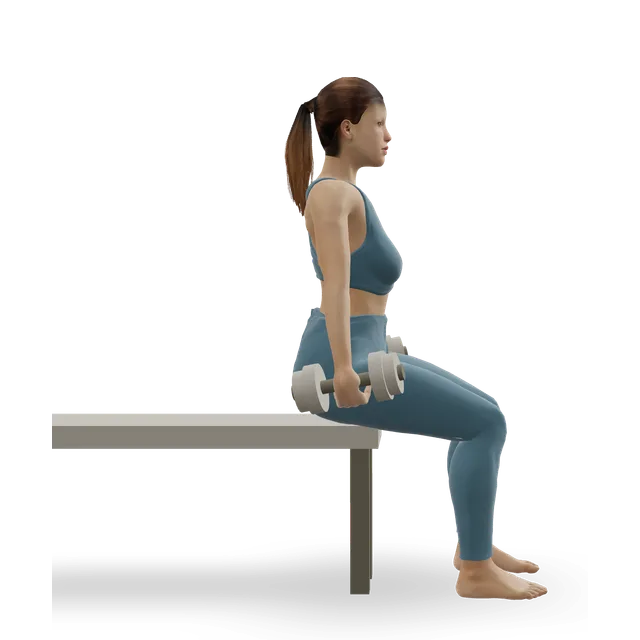
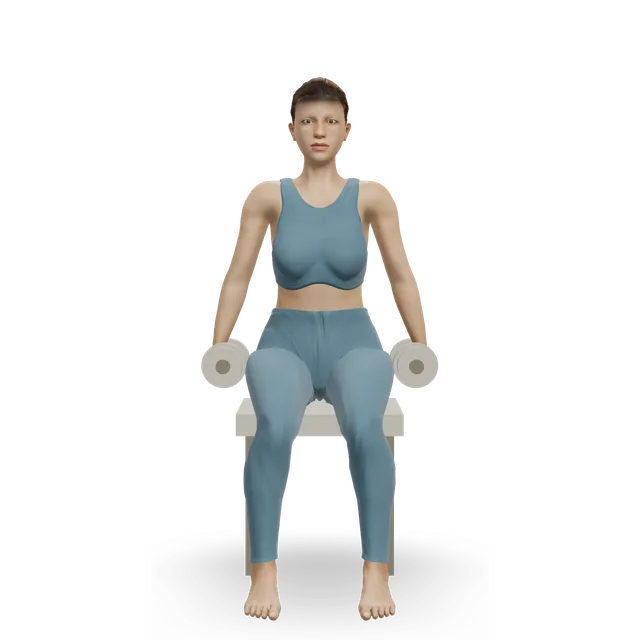
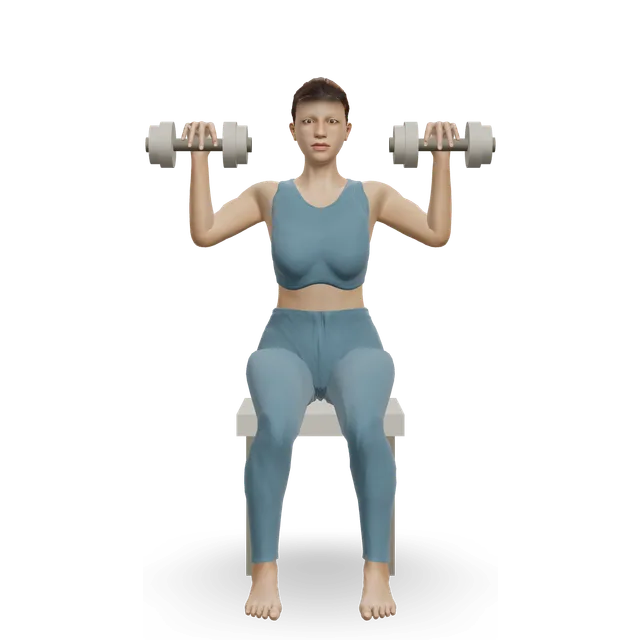
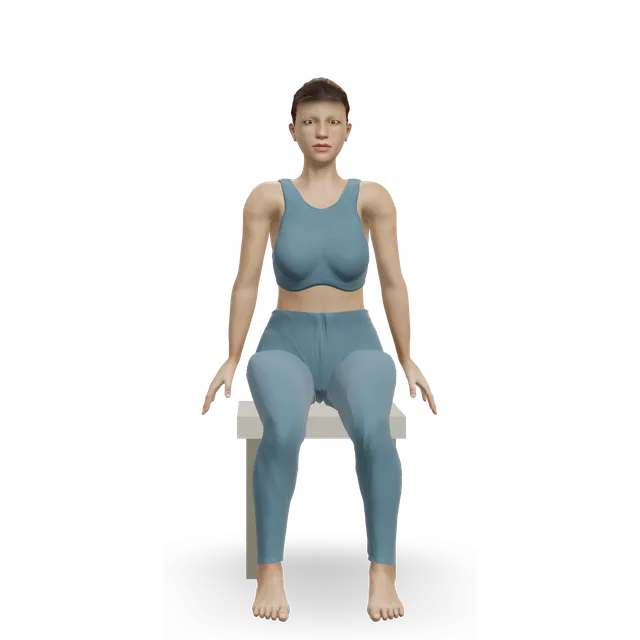
Seated moves

Strength moves 3 times a week, 3 sets of 10 with light weights or bands; stretches daily (expert consensus). For seated cardio, alternate a minute of punching with a minute of seated jogging, at a talk-but-not-sing effort, and stop with energy to spare. Keep the side raise to shoulder height.

Aerobic moves

2 to 3 times a week, 10 to 30 minutes at a talk-but-not-sing effort, in a cool place (expert consensus). A recumbent bike uses less energy than an upright one, and the rowing machine is a seated, whole-body option.

Strength moves

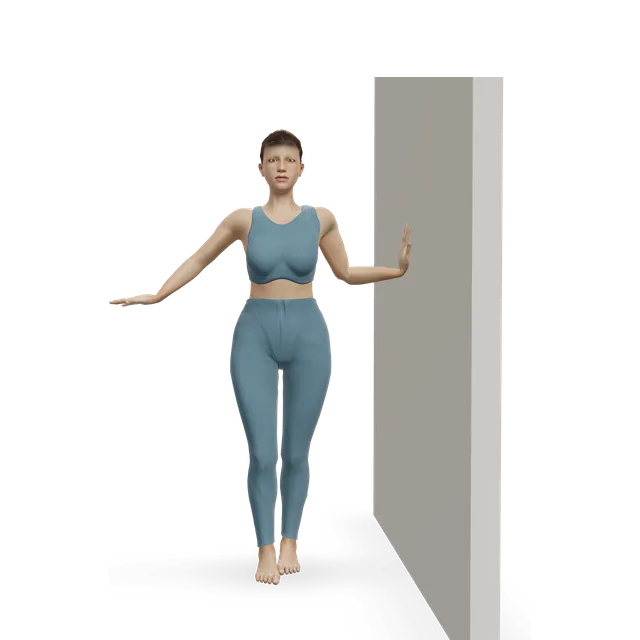
2 to 3 times a week, 1 to 3 sets of 8 to 15 (expert consensus). Sit-to-stands and step-ups train standing and stairs, and the seated knee extension needs no balance. Hold a rail or counter for standing moves.

Balance moves

Balance and coordination work 3 to 6 times a week (expert consensus), next to a counter. If your standing balance is poor, ask about physiotherapy or vestibular rehabilitation, which NICE recommends.

Stretches

Every day, 2 to 3 times each, holding 30 to 60 seconds (expert consensus). Useful with stiffness and spasms; use the seated and lying versions on tired days.

Workouts to follow

Pick by your energy and mobility: the seated workout or chair Pilates on low days or if you use a wheelchair, and the 10-minute starter when fatigue is high. Exercise in a cool room, with a cold drink to hand.

Seated workout for MS: cardio, strength and stretches from a chair or wheelchair

A 25-minute workout done sitting, in a chair or wheelchair: seated cardio intervals, light strength work, posture and stretches, with pacing and cooling built in.

25 minBeginner14 movesA bench or box, A dumbbell

Chair Pilates workout

A 20-minute chair Pilates workout for beginners and older adults: breathing, sitting tall, gentle spine and leg moves, and a standing finish at the chair.

20 minBeginner14 movesA bench or box, Something with weight

Easy cardio workout

A steady 30 to 45 minute cardio session at talk-but-not-sing pace: walk, cycle, row or cross-train, counting toward weekly activity guidelines.

40 minBeginner3 movesCardio machine, A wall

Strength and balance exercises for seniors

A 40-minute strength and balance session for over-65s, built from the Otago home programme and NHS exercises, using a chair, a counter and a step.

40 minBeginner18 movesA bench or box, Something with weight

Balance exercises routine

Balance practice in 10 minutes: tandem stance, single-leg stands, marches, heel walks, tree pose and floor transfers.

10 minBeginner7 movesA wall, A bench or box

10-minute starter workout

A 10-minute session for low-energy days: marching, sit-to-stands, wall push-ups, step-ups and bridges, then a short walk. Doing a little counts.

10 minBeginner7 movesA bench or box, A wall

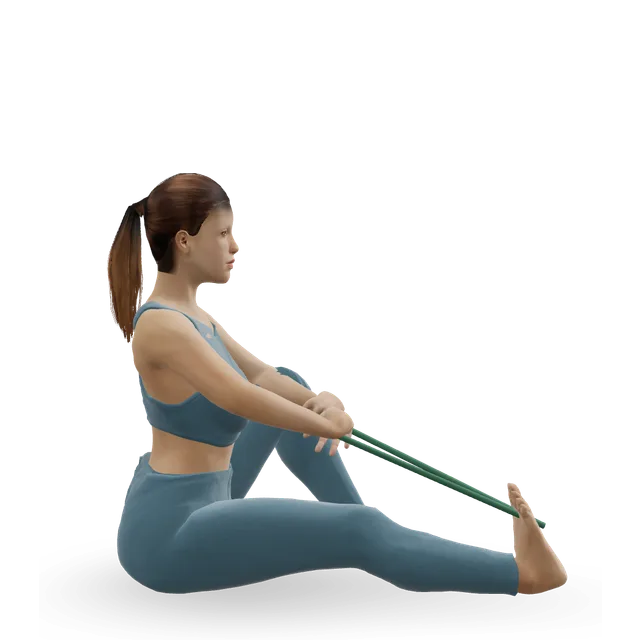
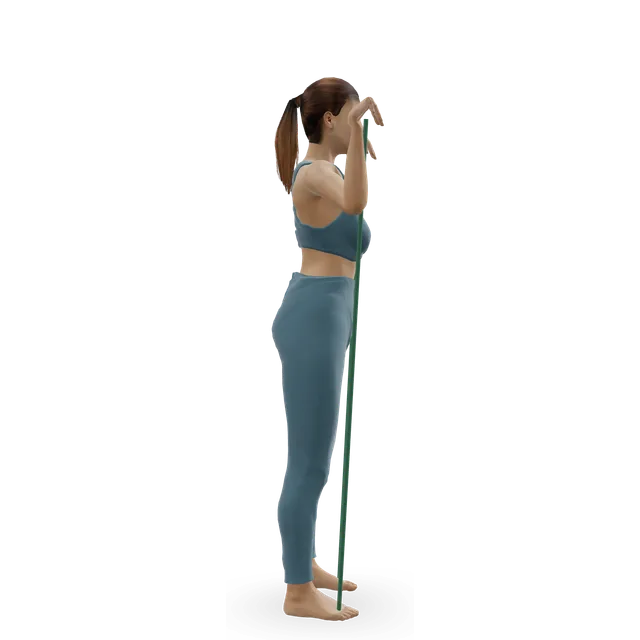
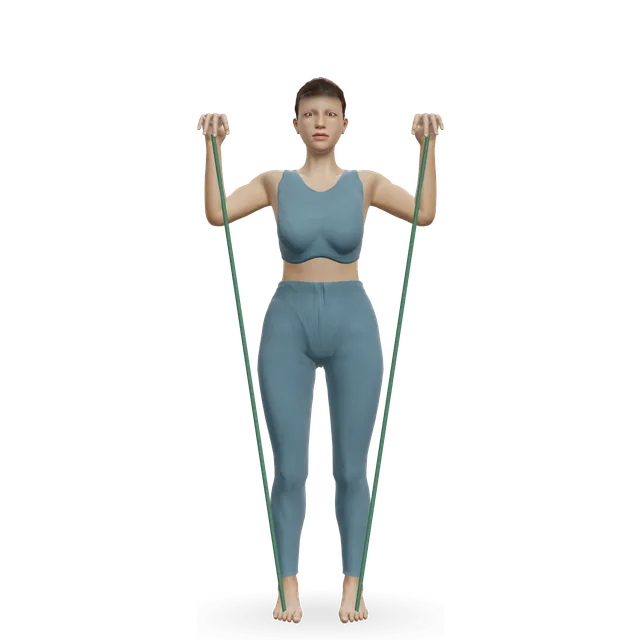
Resistance band workout

A full-body resistance band workout: squats, presses, pull-aparts, band walks, good mornings and flyes.

25 minBeginner7 movesA band, An anchor point

Beginner Pilates for over-50s

A 20-minute beginner mat Pilates session for over-50s with no deep or repeated rounding of the spine, plus back strengthening and standing balance.

20 minBeginner13 movesA wall

Follow a plan

For mild MS and a structured start. Pace it, and swap a session for a shorter one on high-fatigue days.

Warning signs: when to stop and when to get help

Call 999 or go to A&E

Call 999 (911 in the US) or go to A&E if you have sudden weakness or numbness in one arm, sudden loss or blurring of vision, or sudden problems with balance and coordination: these could be signs of a stroke. Call 999 too for chest pain that feels tight or spreads to your arms, neck or jaw, or severe difficulty breathing.

Sources 13, 26

Get advice from your MS team quickly

Contact your MS team quickly (or NHS 111 or A&E if symptoms are very severe and come on extremely fast) if you have:

  • A sudden loss of, or significant change in, your vision.
  • Weakness that is affecting your mobility.
  • Problems with speech or swallowing.
  • Sudden loss of bladder or bowel control.
  • Confusion or drowsiness.

Source 16

Contact your MS team or GP

  • New symptoms, or old ones getting clearly worse, that last more than 24 hours: this may be a relapse. Check for an infection first, and contact the team if things haven't improved after 24 to 48 hours.
  • Symptoms that get worse in the heat and are new or much worse, last longer than usual, don't improve after cooling, or come with a fever or other signs of infection.
  • Tiredness after exercise that lasts for days or keeps getting worse.
  • Falls, or difficulty with balance: ask about physiotherapy.
  • Fatigue or low mood that is hard to manage.

Sources 1, 16, 9, 15

Stop and cool down

If heat brings on blurred vision, numbness, weakness or extra tiredness during exercise, stop, rest, cool off and drink cold water. Heat-related symptoms should settle within a few hours.

Source 9

Support

MS Society helpline: 0808 800 8000.

Source 13

Myths

"Exercise brings on relapses"Strong evidence

In 40 trials with 1,780 people, relapses were no more common with exercise. NICE says regular exercise does not have any harmful effects on MS.

Sources 2, 18, 1

"If heat makes my symptoms flare, exercise is damaging my nerves"Strong evidence

Heat sensitivity is a temporary response that is not usually due to new damage, and it settles within a few hours of cooling down. Keep cool and keep exercising.

Sources 9, 10

"Rest is the answer to MS fatigue"Emerging evidence

Too little activity weakens muscles, so everyday tasks take more energy and fatigue can get worse. Exercise reduces fatigue modestly on average. The balance matters: pace yourself, and don't work through fatigue.

Sources 15, 3, 11

"Exercise slows MS"Mixed evidence

It improves fitness, walking, mood and fatigue, but a 48-week trial early in MS found no change in relapses or brain shrinkage. Claims that exercise protects the brain go further than the MS trials so far.

Sources 19, 20

"If you use a wheelchair, exercise isn't for you"

MS experts set out seated programmes for every level of disability, and UK guidelines say there's no reason to vary the activity advice by impairment.

Sources 7, 12

"No pain, no gain"

The MS Trust says this attitude doesn't apply in MS. Stop before your body tells you that you've reached your limit, and build up gradually.

Source 11

Questions people ask

Is exercise good for MS?

Yes. NICE advises that regular exercise may have beneficial effects on MS and does not have any harmful effects on it. Trials show small to moderate improvements in fatigue, walking and mood.

Can exercise make MS worse or cause a relapse?

No. In 40 trials with 1,780 people, relapses were no more common in people who exercised. Getting hot can make symptoms worse for a few hours, but that is temporary and usually not a sign of new damage.

What is the best exercise for MS?

A mix of aerobic exercise (walking, cycling, swimming), strength training and balance work; NICE adds that yoga and Pilates may help with fatigue. Choose activities that keep you cool, such as swimming or strength work, or exercise in short bursts. The best one is the one you can keep doing.

How much exercise should I do with MS?

MS experts encourage working towards 150 minutes a week of exercise or everyday activity, built up gradually. A good minimum, from Canadian guidelines, is 30 minutes of moderate aerobic activity twice a week plus strength training twice a week. Short sessions of 5 to 10 minutes count.

Does exercise help MS fatigue?

Often a little to moderately: across 26 trials, exercise reduced fatigue compared with no exercise. In people with severe MS fatigue, though, a 16-week aerobic programme gave only a small improvement that didn't last. Pair exercise with pacing and the other fatigue strategies your MS team suggests.

Why do my MS symptoms get worse when I exercise in the heat?

This is heat sensitivity, also called Uhthoff's phenomenon, and about 6 in 10 people with MS have it. A rise in body temperature slows messages along nerves already affected by MS, so symptoms such as blurred vision, numbness, weakness or tiredness flare. They should settle within a few hours of cooling down.

How can I keep cool when I exercise with MS?

Exercise at cooler times or in air-conditioned places, wear loose, breathable clothes, and pre-cool with a cool shower, cold water on your face and wrists, iced drinks or a cooling vest. Cooling garments improved walking in trials, and drinking cold water helped heat-sensitive people cycle for longer. Take breaks, and don't push through symptoms.

How do I tell an MS relapse from a heat flare?

A relapse means new symptoms, or old ones getting clearly worse, lasting more than 24 hours without an infection, after at least a month of stable symptoms. Symptoms brought on by heat, infection or tiredness usually settle once the trigger goes. If you're unsure, or symptoms haven't improved after 24 to 48 hours, contact your MS team.

How should I pace myself with MS?

Plan your week, prioritise, take planned breaks, and stop before you're exhausted. The MS Trust says it isn't a good idea to work through fatigue, and that if you spend more time recovering from an activity than doing it, you may not have the balance quite right. Increase gradually, adding only one or two repetitions at a time.

Can I exercise in a wheelchair with MS?

Yes. Expert consensus suggests seated programmes for people who don't walk: seated cardio such as arm cycling, strength work with bands or light weights, posture and balance practice, and daily stretches, up to about 20 minutes a day. Judge the effort with the talk test. Seated jogging, punching, wheelchair sports and seated classes are all options.

Should I exercise during an MS relapse?

Rest as much as you need at first, then build back up to your usual activities gradually. If the relapse affected your mobility, a physiotherapist can help you rebuild strength and stamina.

Can exercise improve walking and balance with MS?

Yes, modestly. Exercise helped people with MS walk faster over 10 metres and about 36 metres further in 6 minutes, and improved balance in trials, though its effect on falls is uncertain. If your standing balance is poor, ask about vestibular rehabilitation, which NICE recommends.

Sources

  1. NICE NG220 · Multiple sclerosis in adults: management (2022, updated 2026)

  2. Learmonth 2023 · Safety of exercise training in multiple sclerosis: 40 trials (systematic review and meta-analysis, Multiple Sclerosis Journal)
  3. Heine 2015 · Exercise therapy for fatigue in multiple sclerosis (Cochrane review)
  4. Pearson 2015 · Exercise to improve walking in adults with multiple sclerosis (meta-analysis, Archives of Physical Medicine and Rehabilitation)
  5. Ensari 2014 · Exercise training and depressive symptoms in multiple sclerosis (meta-analysis, Journal of Psychosomatic Research)
  6. Heine 2017 · Aerobic training for severe fatigue in multiple sclerosis: TREFAMS-ACE (RCT, Multiple Sclerosis Journal)
  7. Kalb 2020 · Exercise and lifestyle physical activity recommendations for people with MS throughout the disease course (National MS Society expert consensus, Multiple Sclerosis Journal)
  8. Latimer-Cheung 2013 · Evidence-informed physical activity guidelines for adults with multiple sclerosis (Canadian guidelines, Archives of Physical Medicine and Rehabilitation)
  9. MS Trust · Heat sensitivity and MS (Uhthoff's phenomenon)
  10. Stevens 2023 · Cooling garments and physical function in multiple sclerosis (systematic review and meta-analysis, Multiple Sclerosis and Related Disorders)
  11. MS Trust · Starting to exercise with MS
  12. UK Chief Medical Officers 2019 · UK physical activity guidelines (updated July 2026)
  13. NHS · Multiple sclerosis
  14. MS Trust · How common is multiple sclerosis?
  15. MS Trust · MS fatigue
  16. MS Trust · MS relapses and their management
  17. Šilarová 2024 · Exercise-induced heat sensitivity in multiple sclerosis (scoping review, Multiple Sclerosis and Related Disorders)
  18. Pilutti 2014 · The safety of exercise training in multiple sclerosis (systematic review, Journal of the Neurological Sciences)
  19. Riemenschneider 2022 · Exercise early in multiple sclerosis and disease activity: the EMSES trial (RCT, Multiple Sclerosis Journal)
  20. MS Trust · Staying active with MS
  21. Snook 2009 · Exercise training and walking mobility in multiple sclerosis (meta-analysis, Neurorehabilitation and Neural Repair)
  22. Hayes 2019 · Interventions for preventing falls in people with multiple sclerosis (Cochrane review)
  23. Chaseling 2018 · Cold water drinking and exercise tolerance in heat-sensitive people with MS (crossover study, Medicine and Science in Sports and Exercise)
  24. NHS · Physical activity guidelines for adults aged 19 to 64
  25. MS Trust · Choosing the right exercise
  26. NHS · Heart attack

Exercise education, not a diagnosis or treatment plan, and clinical review of these guides is pending. Stop and get advice for chest pain, unusual breathlessness, dizziness or fainting, or new pain, and check with your doctor or midwife first if they have told you to limit activity. Health disclaimer.