Standing quad stretch
Standing tall with one hand on a wall, you bend one knee and hold that ankle, drawing the heel toward your buttock with the knees together and the hips pushed forward. Standing asks for some balance and a full knee bend; the side-lying versions suit a stiff knee. In a hamstring trial, 30-second holds gained as much range as 60-second ones, but reviews find that stretching does little to prevent soreness or injury.
Movement guide
Standing quad stretch
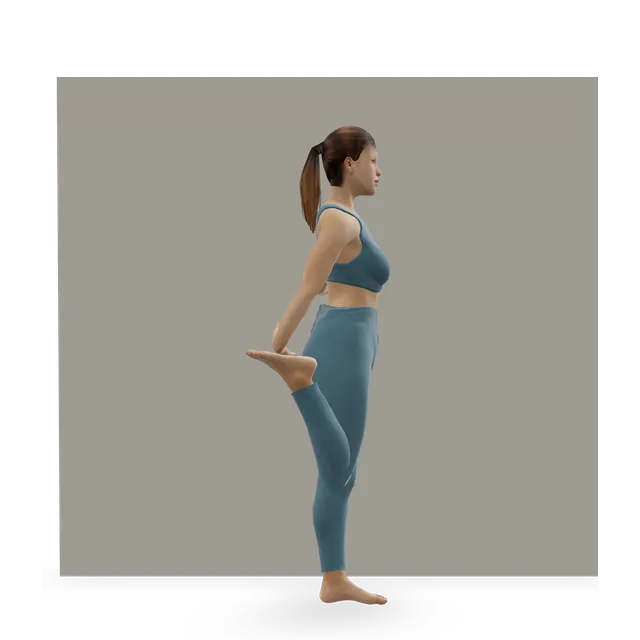
Loading the 3D figure…
Make it easier or harder
Choose a version that fits your control and comfort.
Easier option
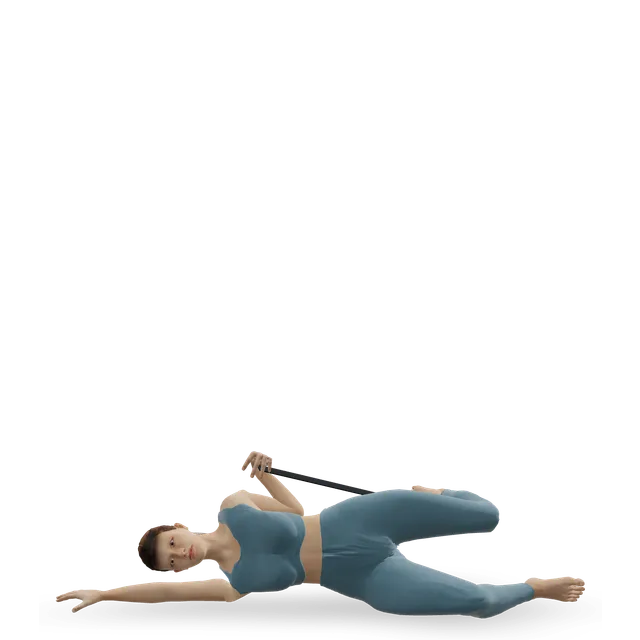 3D demoSide-lying quad stretch with a strapBeginner · Other / check instructions
Suggested next step, beginner grade.
Harder option
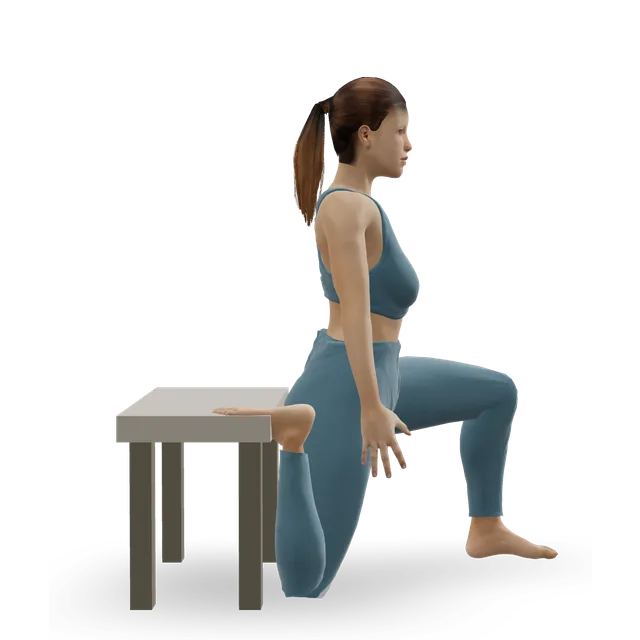 3D demoCouch stretchIntermediate · A wall
Suggested next step, intermediate grade.
Source-researched guide.
How to move
- Stand tall beside a wall with one hand on it for balance.
- Bend your outside knee and take hold of that ankle or foot with the same-side hand, drawing the heel toward your buttock.
- Keep your knees together, tuck your tailbone under and push your hips gently forward until you feel a stretch along the front of the thigh.
- Hold, then lower the foot slowly and turn round to stretch the other leg.
Form cues
- Point the bent knee at the floor.
- Squeeze the buttock on the bent leg's side to deepen the stretch.
- Avoid: letting the knee drift out to the side.
Practice and cautions
Hold 20 to 30 seconds, 2 to 4 times each side (our editorial starting point). The ACSM suggests about 60 seconds of stretching in all per exercise, on at least 2 days a week.
Pulling the heel in hard can compress a cranky knee; if the knee joint itself hurts, hold your trouser leg instead of the ankle and ease off the bend. Arching the lower back to fake range defeats the stretch, so tuck the pelvis and accept less. This is movement education, not an assessment or treatment prescription. Stop for sharp or increasing pain, dizziness, numbness or tingling; seek individual guidance for symptoms, injury or restrictions.
Sources and review status
Sources support the educational description; they do not establish that this exercise is suitable for you.
- South Tees NHS · Quads stretch (the heel drawn to the bottom, the foot or ankle held, knees together and hips pushed forward) ↗
- Bandy 1997 · Hamstring stretches held 30 seconds once a day gained as much range as 60 seconds or three times a day (RCT of 93 adults, Physical Therapy) ↗
- Herbert 2011 · Stretching before or after exercise does not meaningfully reduce muscle soreness (Cochrane review of 12 studies) ↗
- Lauersen 2014 · Exercise to prevent sports injuries: strength training cut injuries to under a third, stretching showed no benefit (meta-analysis of 25 trials, BJSM) ↗
No variation is labeled clinically validated.
What it works
Muscles
Main: Quads. Also: Hip flexors.
Anatomy: Sartorius, Quadriceps, Rectus femoris, Vastus medialis, Vastus lateralis.
Equipment
A wall
Level
Beginner. See the easier and harder options above.
Workouts that use it
- Full-body stretch routine · 15 min
- 5-minute desk stretches · 5 min
- Post-run stretches · 10 min
- Dumbbell leg workout · 35 min
- Beginner lower body workout · 25 min
- Easy cardio workout · 40 min
- Fascia release for legs · 20 min
- Wall sit workout for blood pressure · 22 min
Show all 62 workoutsShow fewer workouts
- Low-impact cardio workout (no jumping) · 25 min
- Build-up interval walk · 25 min
- Kyphosis exercises for seniors: a spine-strengthening routine · 30 min
- Anterior pelvic tilt routine: hips and core · 20 min
- Norwegian 4x4 interval workout · 40 min
- Arthritis exercise routine: a joint-friendly circuit · 30 min
- Cardiac rehab exercises at home: a 45-minute session · 45 min
- Breathe and move: a home workout for COPD · 25 min
- Hill and stair conditioning · 40 min
- Migraine cycling workout · 45 min
- Learn to lunge: split squat to walking lunge · 25 min
- Run-walk intervals for beginners · 30 min
- Easy run (30 minutes) · 40 min
- Long run with walk breaks · 60 min
- 7-minute workout: follow-along timer, 12 moves · 12 min
- Tabata-style workout: 20 seconds on, 10 off · 22 min
- EMOM workout: every minute on the minute · 22 min
- Restless legs exercises: a daytime walk and leg strength · 45 min
- Hyrox compromised running workout: runs and stations · 60 min
- Marathon pace run: steady blocks at race effort · 60 min
- 5K time trial: warm-up, even pacing and cool-down · 60 min
- Cool-down routine: 10 minutes after any workout · 10 min
- Netball warm-up: the KNEE programme · 20 min
- Strength workout for dancers: feet, hips, hamstrings, trunk and landings · 55 min
- Heart failure exercises at home: a seated or standing session · 40 min
- Strength after weight-loss surgery: a full-body routine from about 4 to 6 weeks · 25 min
- Barre strength workout: heavier lifts, pliés, pulses and holds, seat, arms and core · 45 min
- Beginner barre workout at home: pliés, rises, leg lifts and holds at a chair, then mat work · 25 min
- Dance fitness strength and landing workout: calves, ankles, hips, knees, trunk and quiet landings · 40 min
- Low-impact dance fitness workout: no-jump cardio to music, with trunk and pelvic floor work · 35 min
- First spin class ride: set-up, a long warm-up and short efforts at your own pace · 35 min
- Easy bike ride: 30 to 75 minutes at a pace you can talk at · 45 min
- Machine leg workout: leg press, leg extension, leg curl and calves · 45 min
- Step-up workout: from the bottom stair to a loaded box · 30 min
- Pilates leg workout: a 25-minute mat and standing class for your thighs · 25 min
- Power and balance workout: fast lifts and one-leg control · 40 min
- Burpee ladder: one more burpee every minute · 18 min
- Fitness test workout: chair stands, push-ups, a plank and a timed walk or run · 45 min
- Sissy squat progression: from the reverse Nordic to the weighted sissy squat · 25 min
- Yoga for cyclists: 25 minutes after a ride or on a rest day · 25 min
- Stair machine workout: steady climbing and intervals on the step mill or stepper · 30 min
- Trail yoga: a 25-minute class for after a hike or a rest day, with a 10-minute standing version · 25 min
- Elliptical workout for beginners: set-up, steady rounds and first intervals on the cross trainer · 30 min
- Air bike workout for beginners: steady riding, then short pushes on the fan bike · 25 min
- No-floor office Pilates: a 15-minute class by your desk, with a chair, a wall and an optional band · 15 min
- Après-ski yoga: a 25-minute class for after the slopes or a rest day, with a 10-minute version · 25 min
- Downhill running practice: short, easy descents for stronger thighs · 30 min
- Shrimp squat progression: split squats, skater squats and the shrimp · 25 min
- Yoga for hip flexors: a 25-minute stretch-and-strengthen class for the front of the hip · 25 min
- Weighted vest workout: a walk, then strength moves · 45 min
- Ankle weight leg workout: knees, hips and glutes at home · 25 min
- Yoga for restless legs: a 30-minute evening class with calf, thigh and hip stretches and a 10-minute rest · 30 min
- Evening Pilates for restless legs: a 20-minute leg stretch and wind-down class · 20 min
- Yoga for bodybuilders: a 25-minute rest-day class for the chest and front of the shoulders, the upper back, hips, thighs and calves, one-leg balance and a slow wind-down · 25 min
Pain guides that use it
Part of a staged plan, with when to get help first.
- Plica syndrome: a painful fold in the knee, and what helps
- Growing pains: what's normal, what helps at night, and when to see a GP
- Knee pain when bending or straightening: the kneecap, the meniscus, behind the knee and what helps
- Hip pain in children: irritable hip, infection, Perthes, a slipped growth plate and when to get help
Guides that use it
- Pilates for legs and thighs guide
- Pilates for office workers guide
- Pilates for restless legs guide
- Pilates for the lower body guide
- Pilates for the thighs guide
- Pilates for the quads guide
- Yoga for runners guide
- Desk yoga guide
Show all 60 guidesShow fewer guides
- Wall yoga guide
- Yoga for legs guide
- Yoga for cyclists guide
- Yoga for hikers guide
- Yoga for skiers guide
- Yoga for hip flexors guide
- Yoga for restless legs guide
- Yoga for bodybuilders guide
- Yoga for sprinters guide
- Yoga for anterior pelvic tilt guide
- Yoga for the quads guide
- Yoga for the thighs guide
- Knee joint guide
- Fascia exercises guide
- How to foam roll guide
- Thighs guide
- Knees guide
- Runners guide
- Exercise for high blood pressure
- Exercise with heart disease
- Exercise with MS
- Exercise for kidney disease
- Exercises for restless legs
- Exercise with heart failure
- Exercise with hypertrophic cardiomyopathy (HCM)
- Exercise after cataract surgery
- Exercise after a brain injury
- Sitting posture guide
- Anterior pelvic tilt guide
- Zone 2 cardio guide
- Warming up guide
- Flexibility guide
- Cooling down guide
- Start running guide
- Leg extensions guide
- Sissy squats guide
- Walking lunges guide
- Split squats guide
- Reverse lunges guide
- Reverse Nordic curls guide
- Stair climber guide
- Treadmill guide
- Elliptical guide
- Exercise bike guide
- Air bike guide
- Strengthen your quads guide
- Knee mobility guide
- Running uphill guide
- Rucking guide
- Shrimp squats guide
- Weighted vest guide
- Walking pad guide
Similar moves
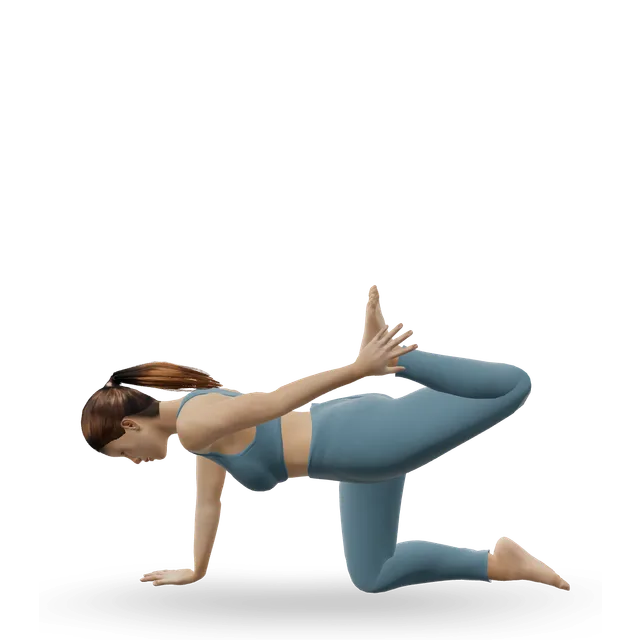 3D demoAll-fours quad stretchIntermediate · No equipment
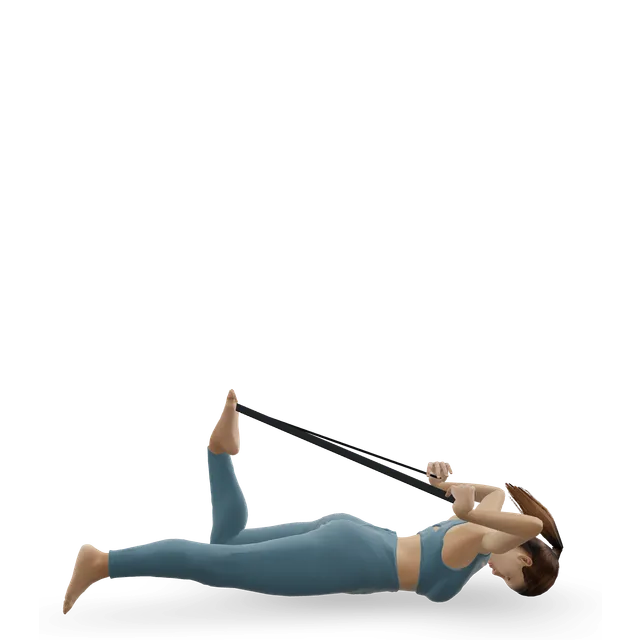 3D demoFace-down quad and hip flexor stretch with a strapIntermediate · Other / check instructions
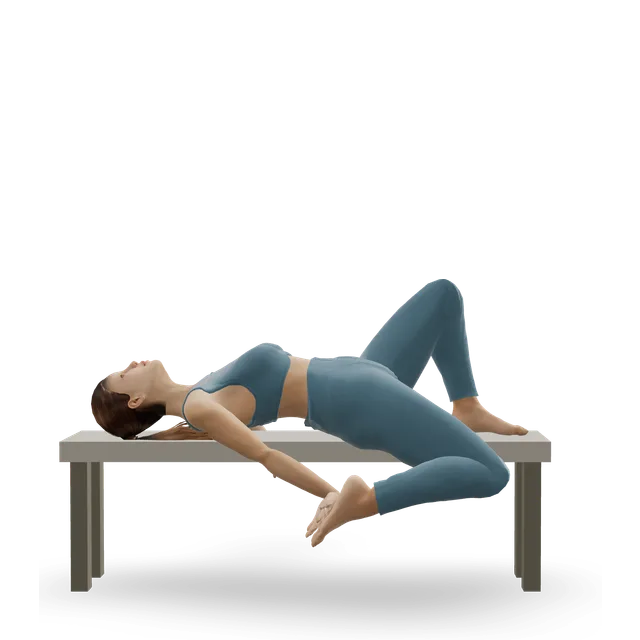 3D demoLying quad stretch off a benchBeginner · A bench or box
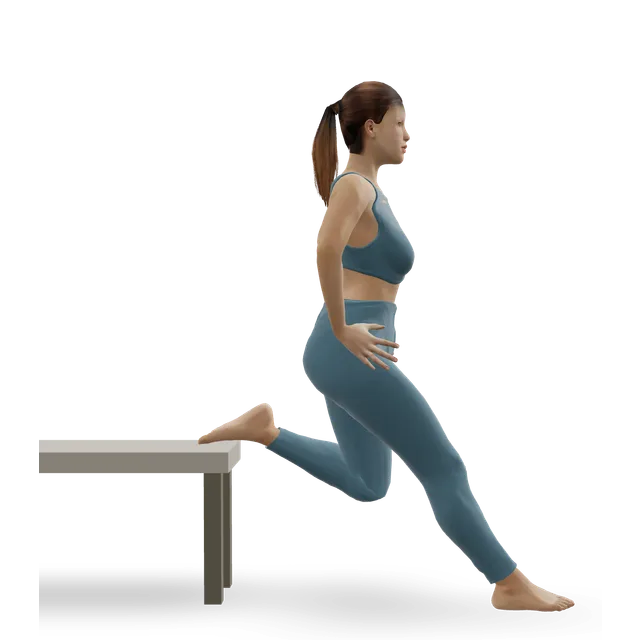 3D demoRear-foot-elevated quad stretch (standing)Beginner · A bench or box
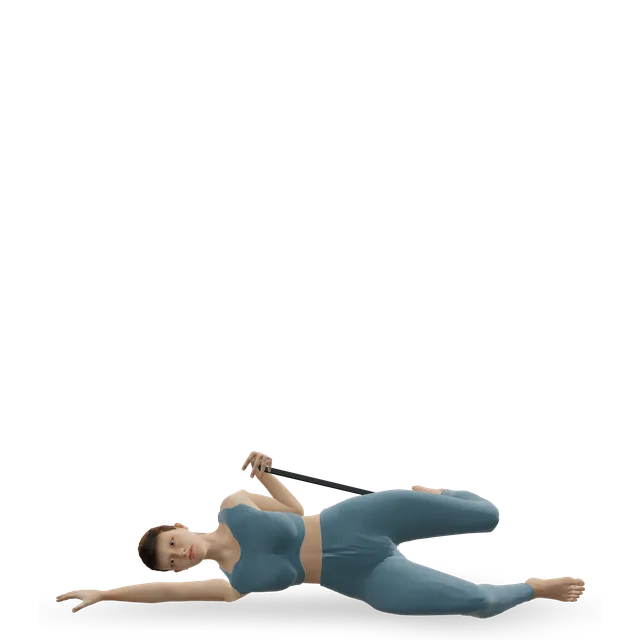 3D demoSide-lying quad stretchBeginner · No equipment
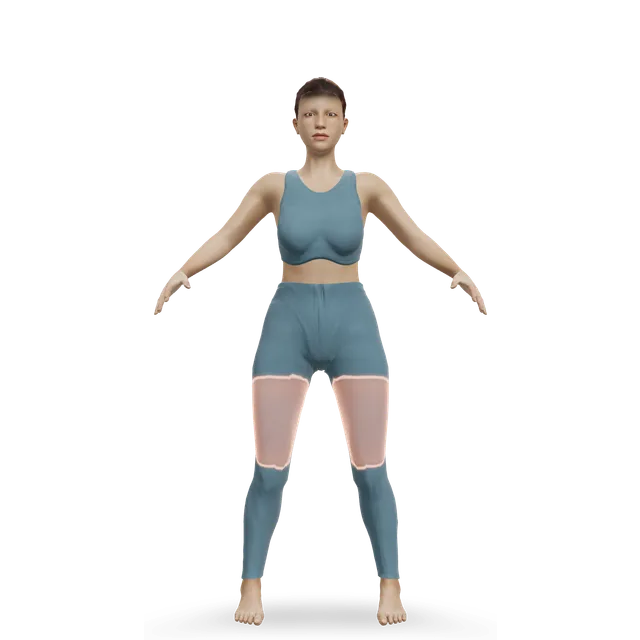 Bretzel stretchIntermediate · No equipment
Browse more
Questions people ask
What muscles does the Standing quad stretch work?
Mainly the quads, with help from the hip flexors.
What equipment do I need for the Standing quad stretch?
A wall.
Is the Standing quad stretch good for beginners?
It is graded beginner, so it suits most people starting out. When it feels easy, try the Couch stretch.
What is an easier alternative to the Standing quad stretch?
Try the Side-lying quad stretch with a strap. It is the suggested step down from this move.
How do I make the Standing quad stretch harder?
Progress to the Couch stretch. Follow that guide’s technique and any stated timing.