Cardio & conditioning
Marathon pace run: steady blocks at race effort
The Tuesday session of our marathon training plan from week 9. Marathon effort is steady, not hard: you can still talk, but it has started to take a little effort, about 4 or 5 out of 10, which is our description. For most first-time marathon runners that's only a little faster than easy running. Use the blocks to learn your pace and to practise drinking and taking a gel on the move. The player times two 15-minute blocks; the plan's phases set each week's blocks.
Warm-up
- Treadmill jogging10 minIntermediate · Quads, Calves, Glutes · 3D demoEasy, full sentencesEasier: Treadmill walkingHarder: Sprint intervals


Marathon pace
2 rounds
- Treadmill running15 minIntermediate · Quads, Calves, Glutes · 3D demoSteady: talking takes a little effort, 4 or 5 out of 10. Start at your goal pace or a little slower; the second block should match the first. Marathon plan weeks 9 to 17: 2 × 15, 2 × 20, 2 × 10, 3 × 15, 2 × 20, 3 × 10, 2 × 15, 2 × 15, then one 20-minute blockEasier: Treadmill walkingHarder: Sprint intervals
- Treadmill jogging3 minIntermediate · Quads, Calves, Glutes · 3D demoEasy jog between blocks: drink, or practise a gelEasier: Treadmill walkingHarder: Sprint intervals
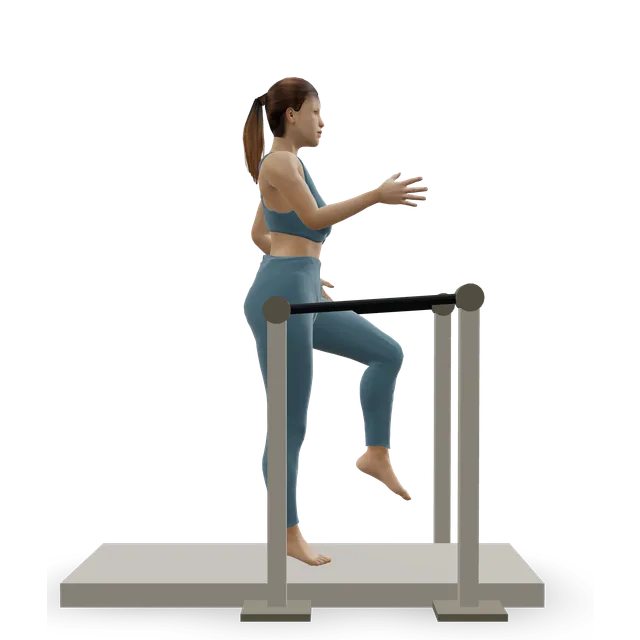
Cool-down
- Treadmill jogging5 minIntermediate · Quads, Calves, Glutes · 3D demoEasyEasier: Treadmill walkingHarder: Sprint intervals
Stretches (optional)
- Wall calf stretch (gastrocnemius)30 s each sideBeginner · Calves · 3D demoFor comfortEasier: Seated calf stretch with a towelHarder: Toes-tucked kneeling (toe squat)
- Standing quad stretch30 s each sideBeginner · Quads, Hip flexors · 3D demoHold a wallHarder: Couch stretch


Tips
- Set a goal pace with our running pace calculator from a recent 10K or half marathon and your weekly mileage. If that pace leaves you breathless, it isn't your marathon pace yet: go by effort.
- Practise race-day fuel in the easy jogs: a gel or a few mouthfuls of sports drink.
- Not the day before the long run. If your plan has strength today, lift 3 or more hours later.
- Hot or windy? Run the effort, not the pace.
- If a racing heart or fast breathing tends to set off panic, build up over several sessions: these feelings are normal with harder effort and settle as you recover.
- Chest pain, fainting or palpitations that don't settle need urgent help: call 999 in the UK or 911 in the US.
- With numb feet from diabetes, wear well-fitting shoes and check your feet for redness or blisters afterwards; with an open sore or ulcer, don't run until your foot team says so.
The doses are suggested starting points, not a prescription. Choose a range you can control and stop for sharp or increasing pain, numbness or tingling. Get individual advice after an injury or surgery, or if you are pregnant or managing a health condition.
Part of these weekly plans
Follow the whole week: which session on which day, and how to progress.
Find more moves like these
More cardio & conditioning



HIIT workout at home
A 20-minute no-equipment HIIT workout: jumping jacks, jump squats, mountain climbers, burpees, skips and bear crawls.
20 minIntermediate10 movesNo equipment


Plyometric workout
An advanced jump training session: pogo hops, box jumps, split squat jumps, broad jumps and depth jumps.
30 minAdvanced8 movesA bench or box, A stepEasy cardio workout
A steady 30 to 45 minute cardio session at talk-but-not-sing pace: walk, cycle, row or cross-train, counting toward weekly activity guidelines.
40 minBeginner3 movesCardio machine, A wallQuestions people ask
How long does the marathon pace run: steady blocks at race effort take?
About 60 minutes, including any warm-up and cool-down listed. Shorten it by doing fewer rounds; lengthen it by adding one.
What equipment do I need?
You need: Cardio machine, A wall. Each move links to its guide, where you can find an alternative if you are missing something.
Is it suitable for me?
It is written at intermediate level. 3 of its 5 moves have an easier option listed beside them; use them freely.
How do I make it easier or harder?
Use the easier or harder option listed under each move, change the number of rounds, or adjust the rest. Progress one change at a time.