Toes-tucked kneeling (toe squat)
Kneeling with all ten toes tucked under and your heels up, you sit back gradually toward your heels so the big toe joints and the soles take the stretch, your hands lightening it as needed. Bending the toes back winds the plantar fascia round the ball of the foot, the windlass mechanism the foot uses to push off. A stretch aimed at the plantar fascia beat a calf stretch for chronic heel pain at 8 weeks, though heel raises worked faster than stretching in a later trial.
Movement guide
Toes-tucked kneeling (toe squat)
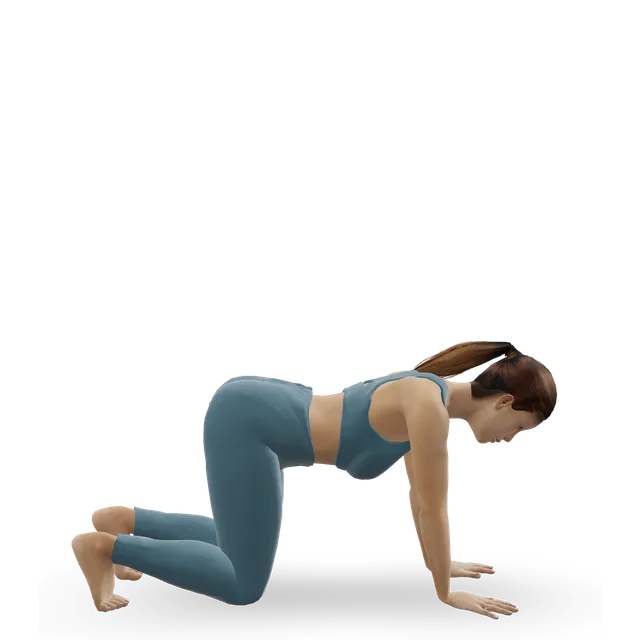
Loading the 3D figure…
Make it easier or harder
Choose a version that fits your control and comfort.
Easier option
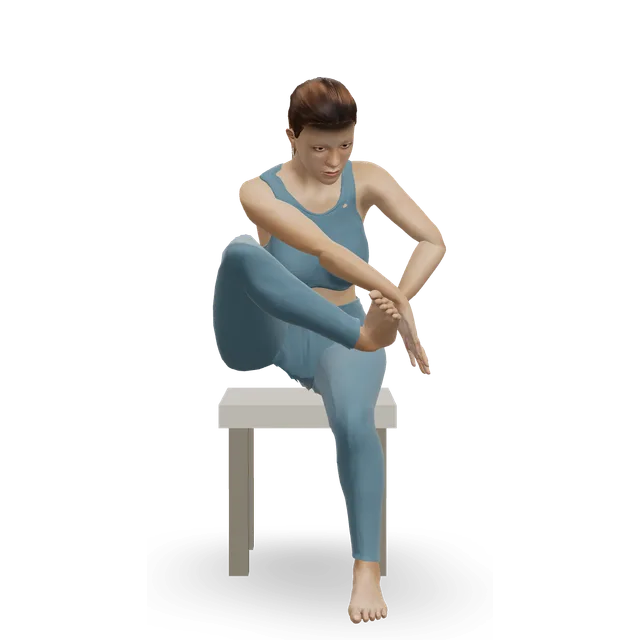 3D demoPlantar fascia stretch (seated)Beginner · A bench or box
Suggested next step, beginner grade.
Harder option
Keep a comfortable range and follow any technique and timing given in the guide. A deeper stretch or more complex pose is optional, not a required next step. Ingram 2025 review of stretching and range of motion
Source-researched guide.
How to move
- Start on all fours and tuck all ten toes under, so you are on the balls of your feet with your toes spread evenly.
- Keeping your hands on the floor, move your hips slowly back toward your heels.
- Stop at a strong but bearable stretch under the toes and soles, fingertips on the floor to take some weight; sit fully back with a straight back only if it is comfortable.
- Hold, breathing steadily, then lean forward onto your hands and untuck your toes to come out.
Form cues
- Spread your weight across all ten toes.
- Ease in; never drop down into it.
- Avoid: rolling onto the outside edges of your feet.
Practice and cautions
Hold 30 to 60 seconds, 1 to 3 times a day, eased to a stretch you can breathe through (our editorial starting point).
Ease in with a bunion, an arthritic big toe, pain in the ball of the foot (including Morton's neuroma) or a recent foot injury. Sharp joint pain is not the target; a broad stretch is. This is movement education, not an assessment or treatment prescription. Stop for sharp or increasing pain, dizziness, numbness or tingling; seek individual guidance for symptoms, injury or restrictions.
Sources and review status
Sources support the educational description; they do not establish that this exercise is suitable for you.
- Athletics Weekly · Stretch for plantar fasciitis (from all fours with the toes tucked under, sit back toward the heels and ease into it; Lexie Williamson) ↗
- Bolgla & Malone 2004 · The windlass mechanism: bending the big toe back at push-off winds the plantar fascia round the ball of the foot and raises the arch (review, J Athl Train) ↗
- DiGiovanni 2003 · A stretch aimed at the plantar fascia beat a calf stretch for chronic heel pain at 8 weeks (RCT of 101, JBJS; a seated stretch pulling the toes back) ↗
- Rathleff 2015 · Heel raises with a towel under the toes beat plantar fascia stretching at 3 months for plantar fasciitis, with no difference by 12 months (RCT of 48, Scand J Med Sci Sports) ↗
No variation is labeled clinically validated.
What it works
Muscles
Main: Calves. Also: Quads.
Anatomy: Gastrocnemius, Soleus, Tibialis posterior, Popliteus, Plantaris, Flexor hallucis longus.
Equipment
None: body weight and floor space.
Level
Intermediate. See the easier and harder options above.
Workouts that use it
Pain guides that use it
Part of a staged plan, with when to get help first.
Guides that use it
Similar moves
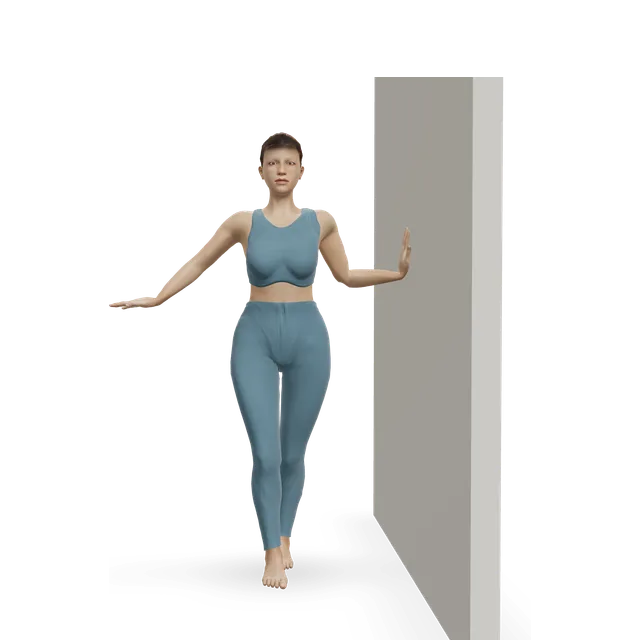 3D demoTandem stance and heel-to-toe walkBeginner · A wall
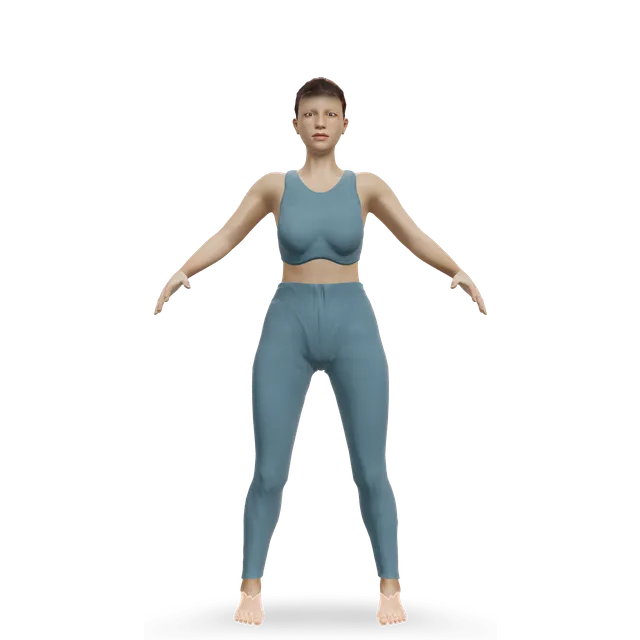 Big toe joint self-mobilisationBeginner · A bench or boxShort foot + toe splayBeginner · No equipment
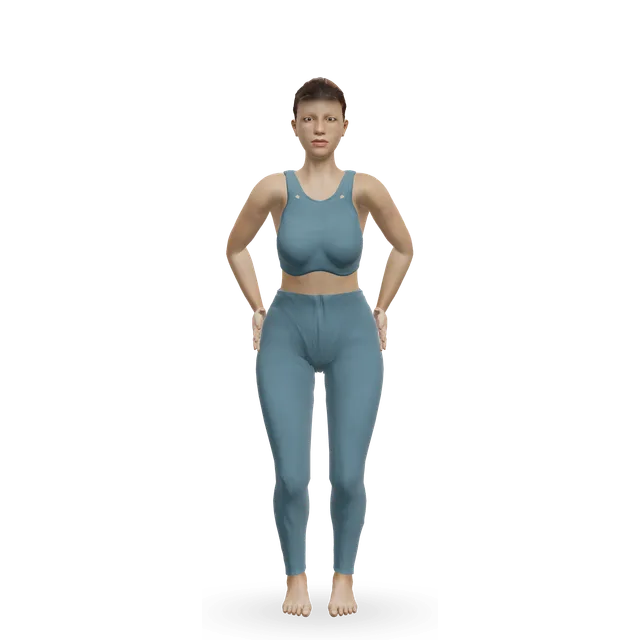 3D demoKnee circlesBeginner · No equipment
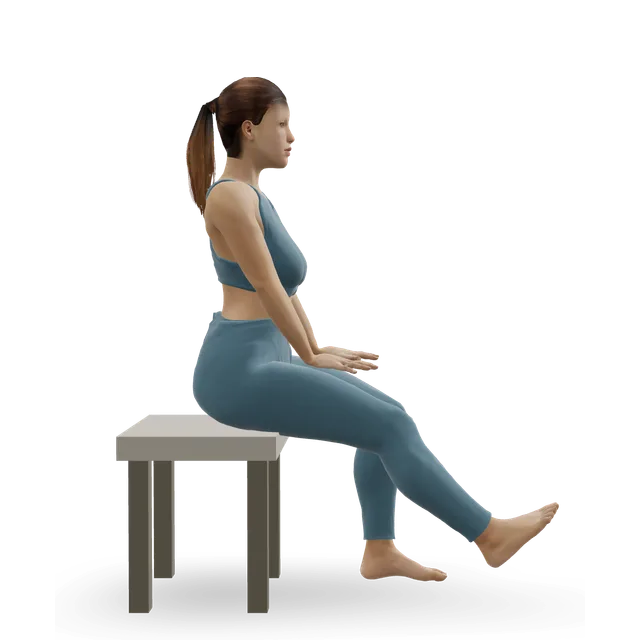 3D demoAnkle CARs (controlled articular rotations)Beginner · No equipment
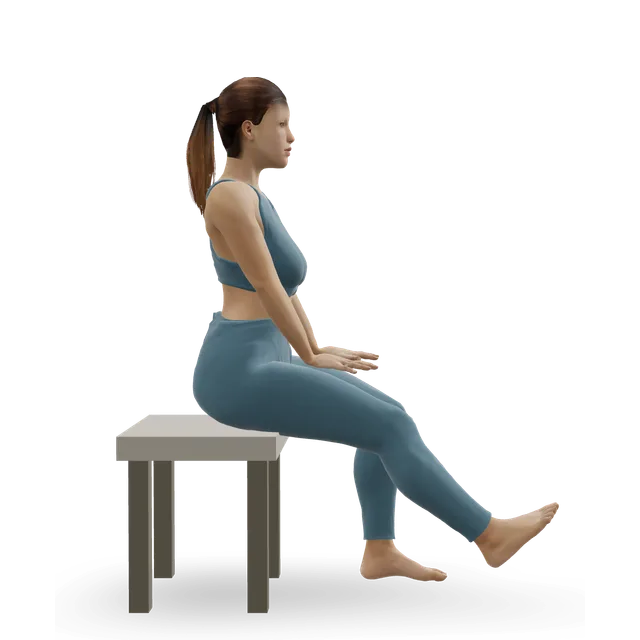 3D demoAnkle circlesBeginner · No equipment
Browse more
Questions people ask
What muscles does the Toes-tucked kneeling (toe squat) work?
Mainly the calves, with help from the quads.
What equipment do I need for the Toes-tucked kneeling (toe squat)?
No equipment: your body weight and a little floor space.
Is the Toes-tucked kneeling (toe squat) good for beginners?
It is graded intermediate. If it is too hard right now, start with the Plantar fascia stretch (seated).
What is an easier alternative to the Toes-tucked kneeling (toe squat)?
Try the Plantar fascia stretch (seated). It is the suggested step down from this move.