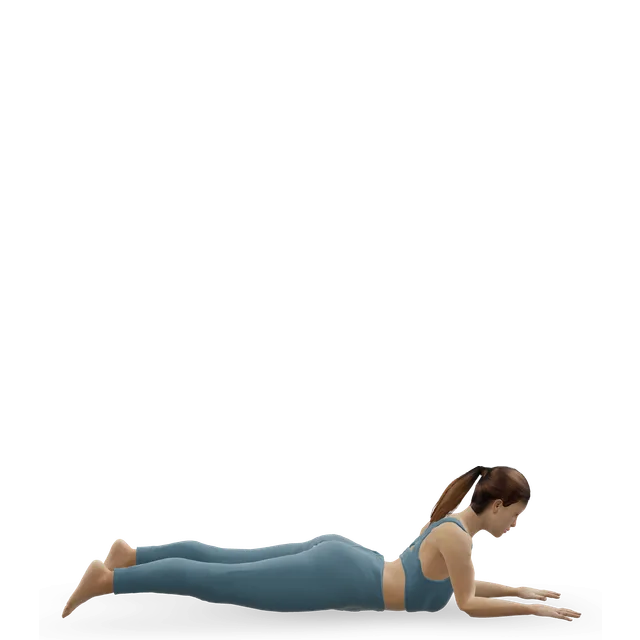
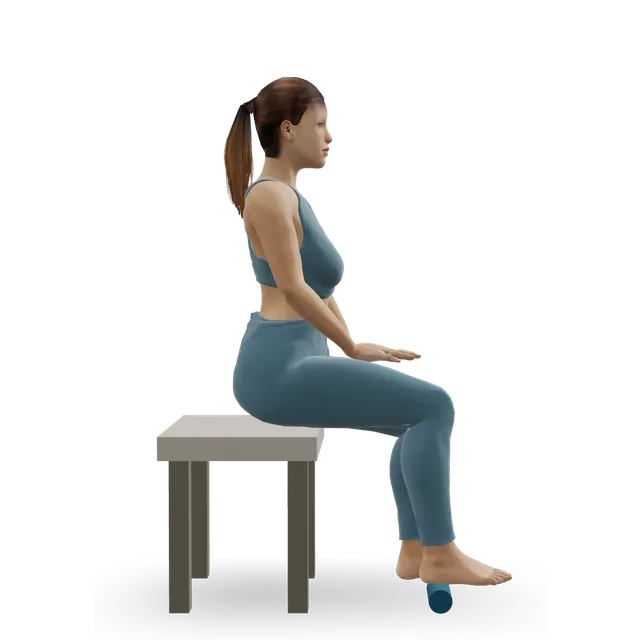
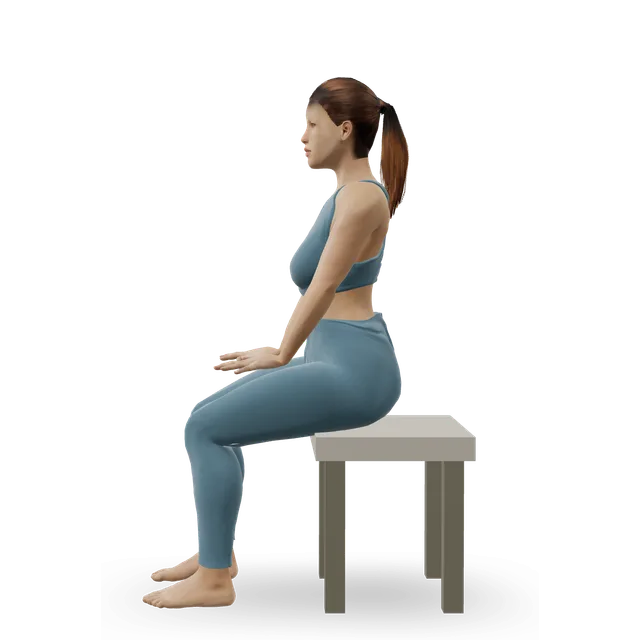
Pilates guide

Pilates for plantar fasciitis: sole and calf stretches, heel raises, footwork, standing work and what to change

No trial has tested Pilates for plantar fasciitis (pain under the heel, often called plantar heel pain). But a Pilates practice can include what does help: stretching the sole of your foot before your first steps, stretching your calves, and building calf strength with heel raises. Mat Pilates also lets you keep training lying and sitting while your heel settles. It can make heel pain worse if a class keeps you standing barefoot on a hard floor, adds jumping, or loads a sore heel on heavy springs.

Pilates sits beside care from a physiotherapist, podiatrist or GP, never in place of it. This guide covers what the evidence supports, how reformer footwork fits, bare feet and shoes, what to change, a free 25-minute class that starts sitting down, and the signs that need a GP.

The short version

Common, and slow to settle

Heel pain under the foot affects about 4% to 7% of people. Most get better, but slowly: about 1 in 10 have long-lasting symptoms, and in one trial only 4 of 70 people felt their symptoms were acceptable after 12 weeks of heel raises. Plan in months, not weeks.

Sources 1, 2, 3

No trial of Pilates for heel pain

No published trial has tested Pilates for plantar fasciitis. Two Brazilian trials were registered, in 2018 and 2020, but we found no results from either.

Sources 4, 5, 6

Stretch the sole and calf, before your first steps

A 2023 heel pain guideline gives its top grade to stretching the sole (plantar fascia) and the calf. A seated sole stretch beat a calf stretch in a trial of 101 people, and had the largest short-term effect on pain in your first steps in a review of 51 trials.

Sources 7, 2, 1

Calf strength helps some people

Heavy heel raises with a towel under your toes gave better foot function at 3 months than stretching, but not later, and in the largest trial they added nothing to good advice and a heel cup. The guideline still recommends strength work for the foot and ankle, so it's a reasonable option if you want a strength plan.

Sources 8, 9, 7

Footwork is Pilates' calf raise

Reformer footwork presses the carriage away with your toes, arches and heels on a bar against springs. It hasn't been tested for heel pain. Our suggestion while your heel is sore: lighter springs, toes on the bar, a smaller range, and no jumpboard.

Sources 10, 11

Keep training off your feet

The NHS says to avoid walking or standing for long periods, not to walk barefoot on hard surfaces, and to "try exercises that do not put pressure on your feet". Mat Pilates lies, sits and kneels, so it fits; keep standing work short and on a mat or carpet.

Source 12

Heel pain and your feet

What it is

The NHS says plantar fasciitis is more likely if the pain under your heel is "much worse when you first start walking after sleeping or resting", and it can hurt "when you raise your toes off the floor or walk up stairs". The plantar fascia is a thick band of tissue along the sole. In long-standing cases the tissue shows wear rather than inflammation, which our plantar fasciitis guide explains.

Sources 12, 1

What makes it more likelyEmerging evidence

The guideline lists stiff ankles (limited ankle bend), a higher body weight in people who aren't athletes, running, and work spent on your feet. Across 51 mostly small studies, a body mass index over 27 went with heel pain, a link rather than proof of cause. The NHS adds age 40 to 60, starting exercise on hard surfaces, tight calves, doing a lot more standing, walking or running than usual, and exercise that overstretches the sole.

Sources 7, 13, 12

How long it lasts

About 10% of people develop long-lasting symptoms. In a 12-week trial, only 4 of 70 people reached a level of symptoms they called acceptable. Recovery is usually measured in months.

Sources 2, 3

Other causes of heel pain

The guideline lists inflammatory spondyloarthritis, a thinned heel fat pad and a lump in the arch (a plantar fibroma). The NHS links sudden sharp heel pain with a pop or snap during an injury to a broken heel bone or a torn Achilles tendon. Ankylosing spondylitis can cause pain under the heel too. If the plan below isn't helping, get it assessed.

Sources 7, 14, 15

What Pilates asks of your feet

Mat Pilates mostly lies, sits and kneels, so it barely loads the soles. Standing work, wall work and reformer footwork do. The classical reformer class starts with footwork, 10 times in each foot position on 4 springs, which "Promotes foot flexibility and strength" (Pilatesology); the jumpboard turns footwork into jumping.

Source 10

What the evidence says

No published trial of Pilates for heel painStrong evidence

Two Brazilian trials are registered: one in 75 women comparing equipment Pilates, Pilates plus foot exercises, and foot exercises alone, twice a week for 8 weeks, and one in 54 people comparing mat Pilates with and without foot exercises. Our searches of PubMed, Europe PMC and SciELO found no published results from either.

Sources 4, 5, 6

Pilates studies of the feet show littleMixed evidence

None looked at heel pain. In 40 school children, mat Pilates didn't change the arch, and in 91 young women it didn't improve balance or joint sense in those with flat feet.

Sources 16, 17

Stretching the sole and calfStrong evidence

The guideline gives its top grade to "plantar fascia-specific and gastrocnemius/soleus stretching" for short- and long-term pain relief. A review of 51 trials (4,351 people) found the sole stretch had a large short-term effect on first-step pain. In 101 people with heel pain for 10 months or more, a seated sole stretch beat a standing calf stretch at 8 weeks; at 2 years, after everyone had switched to it, 92% were satisfied.

Sources 7, 1, 2, 18

Strength for the foot and calfEmerging evidence

The guideline recommends strength work for the foot and ankle muscles, while finding no evidence that one type beats another. In 48 people, heavy heel raises with a towel under the toes every second day gave better foot function at 3 months than sole stretching, with no difference at 1, 6 or 12 months. In two trials of 83 and 84 people, adding foot strengthening did no better than stretching. Experts agree on heel raises, toe exercises and the short-foot exercise as the core of a programme, but that's opinion rather than trial evidence.

Sources 7, 8, 3, 19, 20, 21, 22

What the largest trial foundEmerging evidence

In 180 people, adding heavy heel raises to advice and a heel cup made no clear difference at any point over a year. The authors concluded that "treatments beyond simple advice on staying active, minimising pain-aggravating activities and the use of heel cups" aren't needed at first. A best-practice review couldn't find evidence for more comprehensive exercise programmes, though patients wanted one.

Sources 9, 1

Exercise against no exercise: few trialsMixed evidence

A 2026 review found only 3 trials (146 people) comparing exercise with no exercise, and rated the benefit uncertain (low certainty).

Source 23

Other treatments carry evidence tooStrong evidence

The guideline also gives its top grade to taping and hands-on treatment from a clinician, and night splints for persistent first-step pain; insoles help alongside other treatment but not on their own. The NHS adds rest, ice, cushioned shoes, insoles or heel pads, and weight loss if you're overweight, with physiotherapy, podiatry, injections or shockwave therapy if it doesn't settle.

Sources 7, 12

Footwork, standing work and bare feet

What reformer footwork is

Lying on your back on the carriage, you press it away and back with your feet on the footbar: toes, arches, then heels, about 10 times each. It works the calves and thighs like a lying-down leg press with calf raises against springs.

Source 10

Footwork with a sore heel (our suggestion)

No trial has tested footwork for heel pain, and the force on the footbar has been measured in only one volunteer. Our suggestion: lighter springs, the balls of your feet on the bar rather than your heels or arches, and a smaller range. Skip it if your first steps are clearly worse the next morning. The heel raise with evidence is done standing, every second day.

Sources 11, 8

Standing work and the jumpboard

Keep standing blocks short and sit between sides; the NHS says not to walk or stand for long periods. Leave out jumping, including the jumpboard, until your first-step pain has gone.

Source 12

Bare feet, grip socks or shoes

Lying and seated mat work is fine barefoot. For standing work, a mat or carpet helps, and with a very sore heel supportive shoes are kinder: the NHS says not to walk or stand for long periods, "especially barefoot". Grip socks stop slipping but don't cushion your heel. With numb feet or diabetes, do standing work and footwork in shoes and check your feet before and after (our suggestion; our Pilates for diabetes guide covers foot care).

Sources 12, 14

How much, and how it should feel

The sole stretch, every day

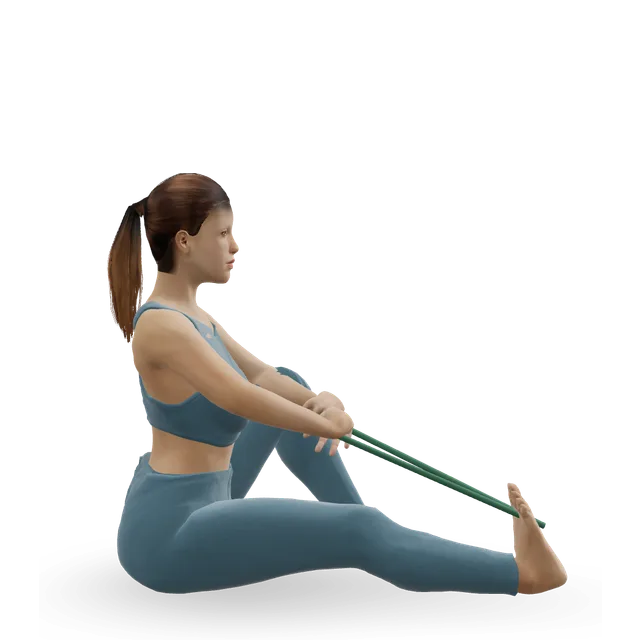
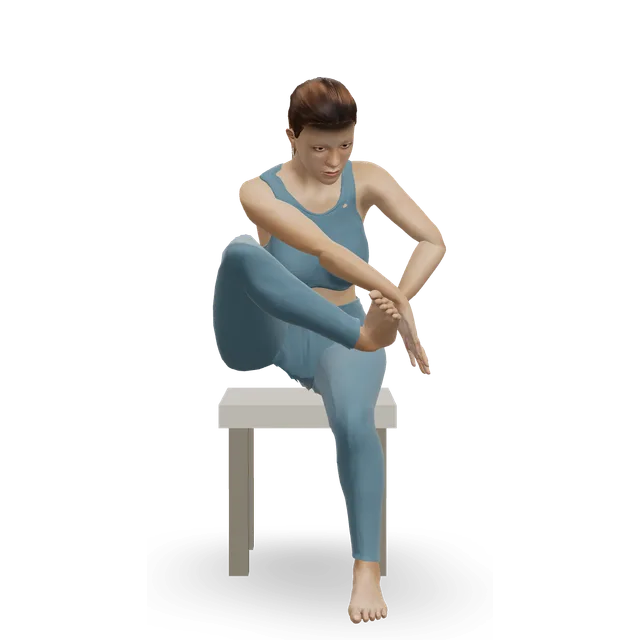
3 to 5 holds of 10 to 30 seconds, 2 to 3 times a day, the first set before your first steps in the morning and again before standing after a long sit: the move's page, from the range used in the guideline's trials. Add calf stretches with the knee straight and bent.

Source 7

Heel raises, every second day

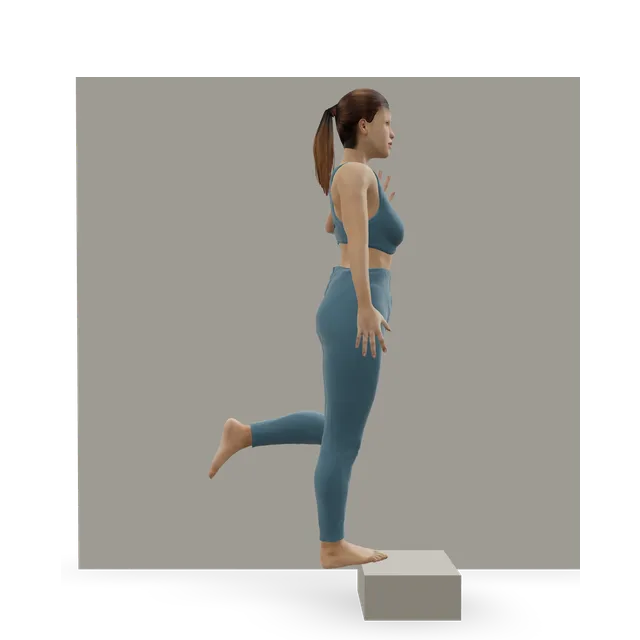
Every second day, as in the trial: start with both feet, then one, at a load you can lift about 12 times for 3 sets, and build over weeks to about 8 heavier lifts with a backpack (the move's page). The largest trial's version was as heavy as possible but no heavier than 8 repetitions, with 2 minutes' rest between sets.

Sources 8, 9

Pilates 2 or 3 times a week

Our editorial starting point: our 25-minute class 2 or 3 times a week, mostly lying, seated and side-lying while first-step pain is high, with short standing blocks.

How it should feel

NHS inform rates pain out of 10: 0 to 3 is minimal, 4 to 5 is acceptable, and 6 to 10 is excessive. Keep your pain within 0 to 5 while you exercise, and your pain should be "no worse the morning after you've exercised". If it goes higher, do fewer repetitions, move more slowly or rest longer. Your first-step pain each morning is the best guide.

Source 24

Before your first steps (sitting)

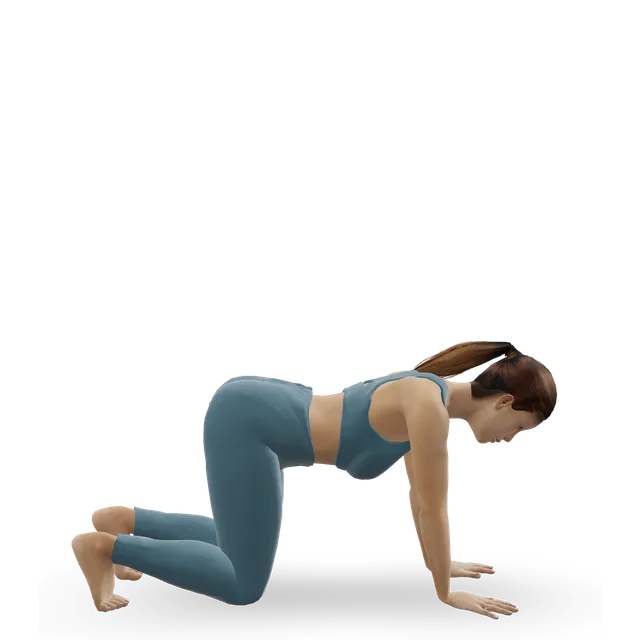
Plantar fascia stretch, 3 to 5 holds of 10 to 30 seconds, 2 to 3 times a day; ankle circles, 10 slow circles each way with each foot; toes-tucked kneeling, 30 to 60 seconds, optional (the moves' pages); seated calf stretch with a towel, 3 holds of 30 seconds each side (our yoga for plantar fasciitis class).

Calf and foot strength, every second day

Heel raise with a towel under the toes, every second day, building as the move's page describes; slow calf raise, 3 sets of 12 to 15, and towel toe curl, 3 sets of 20 (our plantar fasciitis guide's plan); seated soleus raise, 2 to 3 sets of 15, and calf raise holds on sore days, 3 to 5 holds of 30 seconds (our editorial starting points).

Calf stretches at the wall

Knee straight, then knee bent: 3 holds of 30 seconds each side, twice a day (our plantar fasciitis guide's plan).

Pilates off your feet

Hundred, 50 beats; single-leg circle, 5 circles each direction, each leg; side kick, 8 to 10 each side; swimming, 2 to 3 sets of 20 to 30 seconds; single-leg kick, 6 to 8 each leg (the moves' pages); glute bridge, 2 sets of 8, pressing through the whole foot (our editorial starting point).

Standing, short

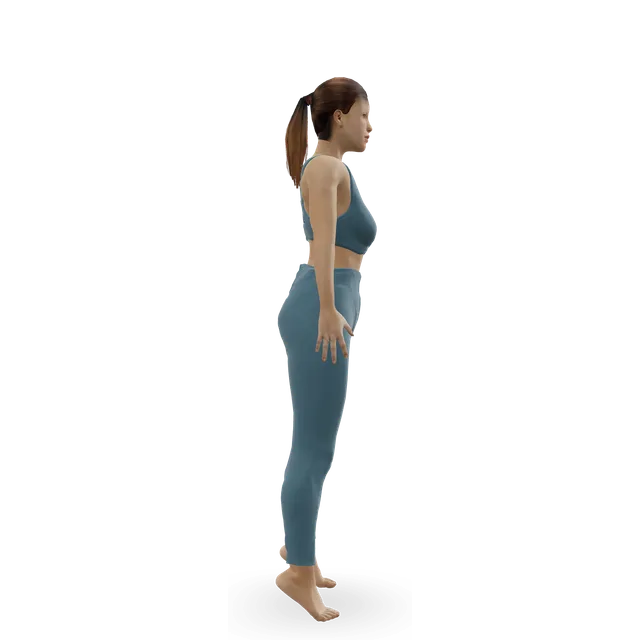
Mountain pose, 5 slow breaths with your weight spread over your heels and the balls of your feet (our yoga for plantar fasciitis class); single-leg stand, 2 holds of 20 to 30 seconds each side with a hand on a wall, once standing is comfortable (our editorial starting point).

What to change or leave out

Jumping

The reformer jumpboard, ankle bounces, pogo hops, skipping and jump rope: leave them out while first-step pain is high, and build them back last, as our plantar fasciitis guide does with running.

Long standing, and bare feet on hard floors

Keep standing work short, on a mat or carpet, and sit between sides.

Sources 14, 12

Heavy footwork on a sore heel

Lighter springs, the balls of your feet on the bar, a smaller range; skip it if the next morning is clearly worse (our suggestion).

Source 11

Deep toe stretches

With a stiff or painful big toe, or pain in the ball of the foot, ease off the sole stretch and toes-tucked kneeling, as their move pages say.

Classes to follow

Start with our 25-minute Pilates class, which begins sitting down, 2 or 3 times a week, and do the 8-minute plantar fascia routine every morning. The foot and ankle routine adds strength once your heel is calmer; leave out its ankle bounces until first-step pain has gone.

Pilates for plantar fasciitis: a 25-minute class that starts sitting, keeps you off your feet, and ends with heel raises

A 25-minute Pilates class for heel pain: sole and calf stretches before you stand, mat Pilates lying down, heel raises every second day, and short standing work.

25 minBeginner15 movesA bench or box, Other / check instructions

Plantar fascia routine

Plantar fascia and calf stretches, a gentle foot roll and the towel heel raise: the exercises the 2023 heel pain guideline supports.

8 minBeginner7 movesA bench or box, A massage ball

Yoga for plantar fasciitis: a 25-minute class that starts sitting, with sole and calf stretches and heel raises

A 25-minute yoga class for heel pain: sole and calf stretches before you stand, heavy heel raises every second day, short standing poses and a rest.

25 minBeginner14 movesA bench or box, Other / check instructions

Foot and ankle strengthening routine: toes, arches, calves and balance

A 15-minute barefoot routine for stronger toes, arches, calves and ankles, finishing with balance. You need only a towel, a wall and a resistance band.

15 minBeginner11 movesA wall, Other / check instructions

Calf workout: straight-knee and bent-knee raises with a step

A 25-minute calf workout with a step and a dumbbell: single-leg raises for the big calf muscle, then seated raises for the soleus, with gym swaps for each move.

25 minIntermediate7 movesA wall, A step

Mid-range Pilates for dancers: a 25-minute mat class for feet, turnout control and trunk

A 25-minute Pilates class for dancers: feet and calves, turnout control from the hip, trunk endurance and back extension, all in the middle of your range.

25 minBeginner17 movesOther / check instructions, A bench or box

Follow a plan

The walking plan builds standing and walking time back gradually; the beginner Pilates plan suits you once standing work is comfortable.

Warning signs: when to get help

These are the warning signs from our foot, heel and plantar fasciitis guides, word for word; NICE is the National Institute for Health and Care Excellence. This is general information, not a diagnosis. A&E means accident and emergency; in the US, call 911 for 999, and use your doctor's urgent line or urgent care for NHS 111.

Call 999 or go to A&E

Call 999 or go to A&E: after an injury, you heard a crack, the foot or ankle has changed shape or points at an odd angle, a bone is sticking out, there is a bad cut over it, you're in severe pain, or the toes look blue or white, feel numb or are cold to touch. These can mean a broken bone. Don't drive yourself.

Call 999 or go to A&E: a red, hot, swollen foot with a very high temperature, feeling hot, cold or shivery, a fast heartbeat or fast breathing, purple patches on the skin (which may be less obvious on brown or black skin), feeling dizzy or faint, confusion or disorientation, cold, clammy or pale skin, or unresponsiveness or loss of consciousness.

Call 999 or go to A&E: you have diabetes and a foot ulcer with a fever or signs of sepsis, an ulcer with poor circulation, a possible deep infection of the soft tissues or bone in the foot (with or without an ulcer), or gangrene. NICE asks for these to go straight to hospital.

Call 999 or go to A&E: a foot or leg that is suddenly cold, pale, numb, weak or very painful without an injury. A sudden loss of blood supply is a vascular emergency.

Get help the same day

If you think you might have broken your heel bone, don't try to treat it yourself. Contact NHS 111 if you have severe heel pain after an injury; you feel faint, dizzy or sick from the pain; your ankle or foot has changed shape or is at an odd angle; you heard a snap, grinding or popping noise at the time; you can't walk, walk on tiptoe or walk up the stairs; or you have swelling and bruising in your calf and ankle.

Same day: a sudden snap or pop at the back of the heel or calf, or a feeling of being kicked there, then walking flat-footed and being unable to push off, stand on tiptoe or climb stairs. It could be an Achilles tendon rupture or a broken heel bone. Go to A&E or a minor injuries unit, or contact NHS 111.

Same day: a sudden pop or tearing pain in the arch, with swelling, bruising or difficulty putting weight on the foot, especially if you've had a steroid injection for heel pain. The band under the arch can tear (our suggestion).

Same day: a sudden, very painful, hot, swollen, red joint, often the big toe but sometimes the middle of the foot (the midfoot) or the ankle, especially with a high temperature, feeling shivery or being unable to eat. It may be gout, but it could be a joint infection (septic arthritis), which is urgent.

Same day: you have diabetes and a new foot problem, such as an ulcer or wound, signs of infection, or a hot, swollen foot with a change in colour, even if it doesn't hurt. Contact your diabetes foot team or GP: NICE asks for these to reach a specialist foot service within 1 working day, and a suspected Charcot foot is kept off weight until it has been checked.

Sources 14, 25

See a GP

  • Heel pain that is no better after 2 weeks of looking after it yourself, or is severe or getting worse.
  • Tingling or numbness in the foot.
  • Heel or foot pain if you have diabetes.
  • Heel pain after a fall, pain at night, or one spot on the heel bone you can point to: a possible stress fracture.

Sources 12, 14

Chest pain or fainting while exercising: call 999

Call 999 if:

  • You get sudden pain or discomfort in your chest that doesn't go away; it can feel like squeezing or pressure, burning or indigestion.
  • The pain spreads to your left or right arm, or your neck, jaw, stomach or back.
  • You have chest pain and feel sweaty, sick, light-headed or short of breath.
  • Someone faints while exercising, can't be woken within 1 minute, or has chest pain or a pounding, fluttering or irregular heartbeat.

Sources 26, 27

Unusual breathlessness

Call 999 or go to A&E (accident and emergency) straight away for severe difficulty breathing (gasping, choking or not able to get words out), a chest that feels tight or heavy, pain that spreads to your arms, back, neck and jaw, lips or skin turning very pale, blue or grey, or sudden confusion. If you're more short of breath than usual, or your heart is racing, fluttering or skipping beats, contact NHS 111.

During a class

Sharp heel pain in a standing move or in footwork means come off your feet and use a lying or seated move instead (our suggestion). Heel pain in an active child who is still growing is a different condition, often Sever's disease, which has its own guide.

The NHS advises getting advice from a healthcare professional first if you have a health problem, an injury or symptoms, or have recently had a heart attack or an operation.

Sources 14, 24
Myths

"Pilates fixes plantar fasciitis"Strong evidence

No published trial has tested it. Pilates can include the stretches and calf work that help, and keep you training off your feet.

Sources 4, 5, 7

"Rolling your foot on a ball cures it"Emerging evidence

The top-graded treatments are sole and calf stretching, taping and hands-on treatment from a clinician. Rolling is a comfort option; our plantar fasciitis guide covers its two small trials.

Sources 7, 1

"Barefoot Pilates strengthens your feet, so it fixes heel pain"Emerging evidence

The NHS says avoid walking barefoot on hard surfaces with heel pain, Pilates studies of the feet showed little, and foot strengthening added nothing to stretching in two trials.

Sources 12, 16, 17, 19, 20

"Reformer footwork caused my plantar fasciitis"Mixed evidence

No study links them. The NHS lists a sudden increase in standing, walking or running, and exercise that overstretches the sole, among the risks, so build up new footwork, standing work or jumping gradually.

Source 12

"Rest it completely"Emerging evidence

The NHS suggests exercise that doesn't put pressure on your feet, and the largest trial's advice was to stay active while cutting back what aggravates it.

Sources 12, 9

Questions people ask

Is Pilates good for plantar fasciitis?

It can be, if it includes what helps heel pain: stretching the sole and calf, and building calf strength. No published trial has tested Pilates itself. Mat Pilates also lets you keep training lying and sitting while your heel settles.

Is Pilates bad for plantar fasciitis?

Not usually, but long spells standing, barefoot work on hard floors, jumpboard work and heavy footwork on a sore heel can make it worse. The NHS advises against walking or standing for long periods and walking barefoot on hard surfaces.

Can Pilates cause plantar fasciitis?

There's no study showing it does. The NHS lists a sudden increase in standing, walking or running, and exercise that overstretches the sole, among the risks, so build up new footwork, standing work or jumping gradually.

What are the best Pilates exercises for plantar fasciitis?

The seated sole stretch before your first steps, calf stretches with the knee straight and bent, and heel raises with a towel under your toes every second day. Then mat Pilates lying and side-lying for the rest of your body. Our 25-minute class follows that order.

Is reformer Pilates OK with plantar fasciitis?

Usually, with changes: lighter springs, the balls of your feet on the footbar rather than your heels or arches while it's sore, a smaller range, and no jumpboard. That's our suggestion, since no trial has tested footwork for heel pain. If your first steps are clearly worse the next morning, cut it back.

Should I do Pilates barefoot, in grip socks or in shoes?

Mat work lying or sitting is fine barefoot. For standing work and footwork, a mat or carpet helps, and with a very sore heel, numb feet or diabetes, wear supportive shoes. Grip socks stop slipping but don't cushion your heel.

What is Pilates footwork, and does it help heel pain?

It's the classical start of a reformer class: lying on your back, pushing the carriage out and in with your toes, arches and heels on the footbar, about 10 times in each position. It works the calves like a heel raise, which is the strength exercise with trial evidence, but footwork itself hasn't been tested for heel pain.

Do heel raises really help plantar fasciitis?

In one trial, heavy heel raises with a towel under the toes gave better foot function at 3 months than stretching, but not at 6 or 12 months. In the largest trial they added nothing to good advice and a heel cup. They're a reasonable option if you want a strength plan.

How long does plantar fasciitis take to get better?

Usually months. In one trial only 4 of 70 people had acceptable symptoms after 12 weeks of heavy heel raises, and about 1 in 10 people have long-lasting symptoms. See a GP if it isn't improving after 2 weeks of looking after it yourself.

Does Pilates help a heel spur?

No trial has tested it. Pain under the heel with a spur is usually managed like plantar heel pain (our reading), so the same stretches and calf work apply. See a GP if it isn't improving after 2 weeks.

Can Pilates help flat feet?

Pilates studies found little change in balance in women with flat feet or in children's arches. Flat feet are usually painless; our flat feet guide covers when they need a check.

Sources

  1. Morrissey 2021 · Managing plantar heel pain: 51 trials, 4,351 people (best practice guide and systematic review, Br J Sports Med; read in full)
  2. DiGiovanni 2003 · A plantar fascia stretch against a calf stretch in 101 people with chronic heel pain (randomised trial, J Bone Joint Surg Am)
  3. Riel 2019 · Self-dosed or pre-set heavy heel raises in 70 people with plantar heel pain (randomised trial, J Physiother)
  4. Brazilian Registry of Clinical Trials · RBR-7b3jdc: Pilates for plantar fasciitis in 75 women (registered 2020; no results posted)
  5. Brazilian Registry of Clinical Trials · RBR-6d9cd6: mat Pilates with or without foot exercises in plantar fasciitis (registered 2018; no results posted)
  6. PubMed · Our search for trials of Pilates in plantar heel pain (October 2026)
  7. Koc 2023 · Heel pain, plantar fasciitis: revision 2023 (clinical practice guideline, J Orthop Sports Phys Ther; read in full)
  8. Rathleff 2015 · Heavy heel raises against stretching in 48 people with plantar fasciitis (randomised trial, Scand J Med Sci Sports)
  9. Riel 2023 · Advice and a heel cup, with or without heel raises or an injection, in 180 people (randomised trial, Br J Sports Med; read in full)
  10. Pilatesology · Reformer footwork series: set-up, repetitions and goals (exercise encyclopedia)
  11. Brodt 2014 · Measuring the force on the reformer footbar in one volunteer (lab study, J Appl Biomech)
  12. NHS · Plantar fasciitis
  13. van Leeuwen 2016 · Body mass index and plantar heel pain: 51 studies (systematic review and meta-analysis, Br J Sports Med)
  14. NHS · Heel pain
  15. NHS · Ankylosing spondylitis: symptoms (past its review date: reviewed January 2023, review due January 2026)
  16. Neves 2021 · Mat Pilates, balance and the foot arch in 40 school children (randomised trial, J Bodyw Mov Ther)
  17. Ghorbani 2026 · Pilates and balance in 91 women with and without flat feet (controlled study, Foot Ankle Spec)
  18. DiGiovanni 2006 · The plantar fascia stretch: 2-year follow-up of 82 people (clinical trial, J Bone Joint Surg Am)
  19. Thong-On 2019 · Strengthening or stretching in 84 people with plantar fasciitis (randomised trial, Ann Rehabil Med)
  20. Kamonseki 2016 · Stretching with or without foot and hip strengthening in 83 people with plantar fasciitis (randomised trial, Man Ther)
  21. Huffer 2017 · Strength training for plantar fasciitis and the small foot muscles: 7 studies (systematic review, Phys Ther Sport)
  22. Osborne 2023 · A foot and ankle strengthening programme for heel pain (expert consensus study, J Foot Ankle Res; read in full)
  23. Gonçalves 2026 · Exercise for plantar heel pain: randomised trials (systematic review and meta-analysis, Musculoskelet Sci Pract)
  24. NHS inform · Exercises for foot problems (including how to tell if you're exercising at the right level)
  25. Cambridge University Hospitals NHS · Achilles tendon rupture: management and rehabilitation (patient information, January 2026)
  26. NHS · Chest pain (past its review date: reviewed August 2023, review due August 2026)
  27. NHS · Fainting

Exercise education, not a personal prescription, and clinical review of these guides is pending. If you are pregnant, have a health condition or have had recent surgery, check with a doctor, midwife or physiotherapist before starting, and stop for sharp or increasing pain. Health disclaimer.