Yoga flows
Yoga for plantar fasciitis: a 25-minute class that starts sitting, with sole and calf stretches and heel raises
A 25-minute yoga class for plantar fasciitis (plantar heel pain). No trial has tested yoga itself, so this class is built around what has been tested: stretching the sole before your first steps, stretching the calves, and heavy heel raises every second day. It starts sitting down, keeps standing poses short and leaves out jumping. Practise on a mat or carpet rather than a hard floor, and see a GP if your heel pain is severe, getting worse or not better after 2 weeks.
Before you stand, sitting (7 minutes)
- Beginner · 3D demoSitting on the edge of the bed or the mat; in for about 4, out for about 6Easier: Breath reachHarder: Crocodile breathing (prone diaphragmatic breathing)
- Ankle circles10 slow circles each way with each footBeginner · Calves, Shins · 3D demoSlow, full circlesHarder: Ankle CARs (controlled articular rotations)
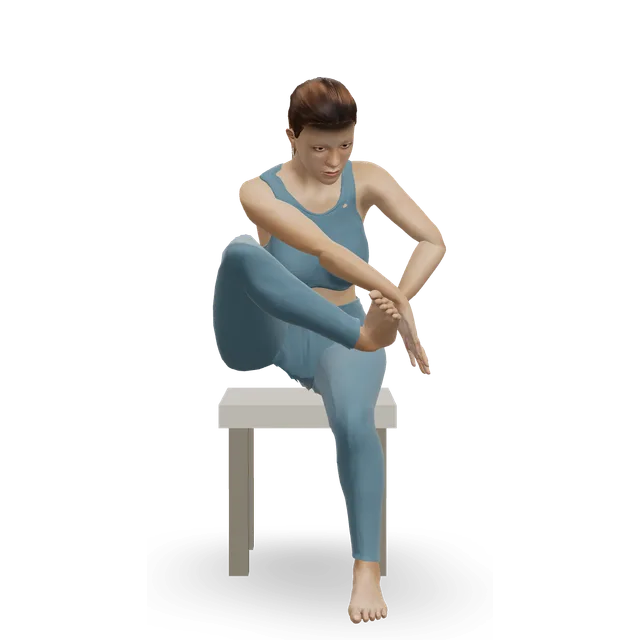
- Plantar fascia stretch (seated)3 holds of 30 s each sideBeginner · Calves · 3D demoFoot across the other knee; pull your toes back until you feel the arch tighten, never to sharp heel painHarder: Toes-tucked kneeling (toe squat)
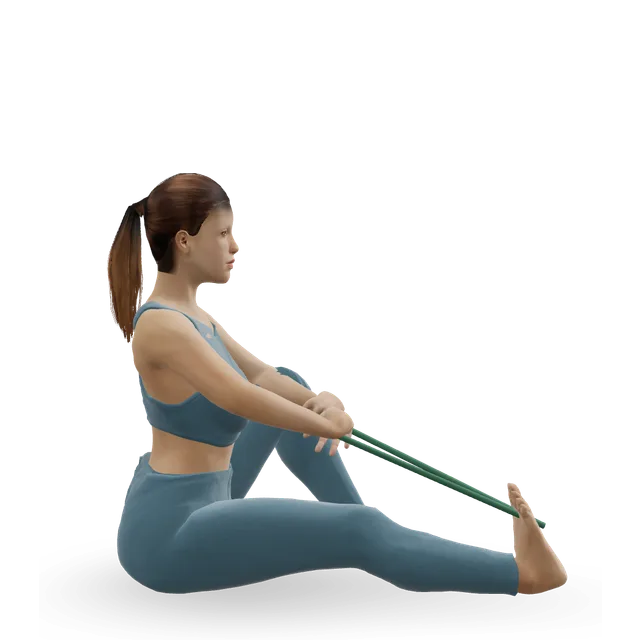
- Seated calf stretch with a towel3 holds of 30 s each sideBeginner · Calves · 3D demoA towel or strap round the ball of your foot, knee straight; no bouncingHarder: Wall calf stretch (gastrocnemius)


Kneeling, optional (2 minutes)
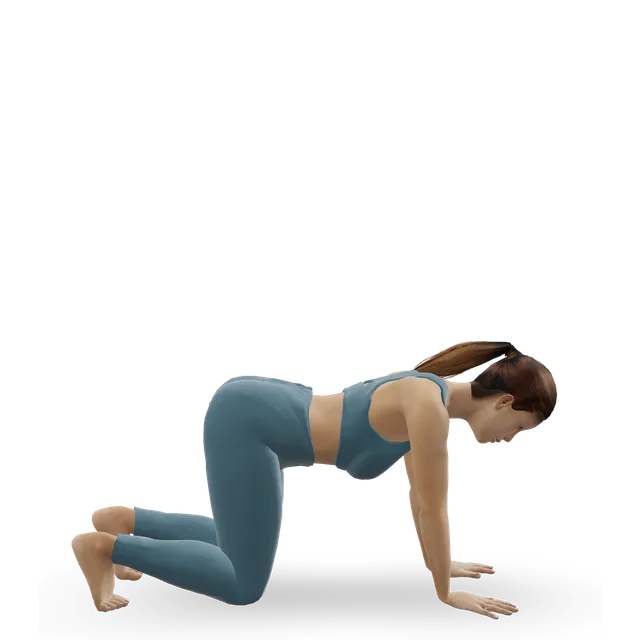
- Toes-tucked kneeling (toe squat)30 to 60 sIntermediate · Calves, Quads · 3D demoToes tucked under, sitting back only as far as you can breathe through; skip it with an arthritic big toe, ball-of-foot pain or sore kneesEasier: Plantar fascia stretch (seated)
- Child's Pose (Balasana)30 to 60 sBeginner · Back, Shoulders, Glutes · 3D demoUntuck your toes; a cushion under your hipsHarder: Extended puppy pose (Uttana Shishosana)

At the wall (3 minutes)
- Soleus wall stretch3 holds of 30 s each sideBeginner · Calves · 3D demoBack knee bent, back heel downEasier: Seated calf stretch with a towelHarder: Toes-tucked kneeling (toe squat)

Strength, every second day (4 minutes)
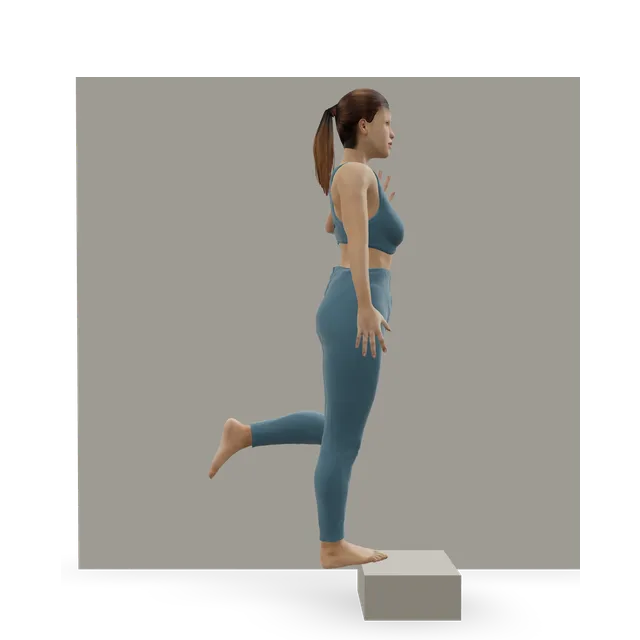
- Heel raise with a towel under the toes3 sets of 8 to 12 slow lifts each legIntermediate · Calves · 3D demoAt a counter, a rolled towel under your toes; both feet first, then one. On the days in between, leave this block outEasier: Slow calf raiseHarder: Standing dumbbell calf raise
Standing, short holds (4 minutes)
- Mountain pose (Tadasana)5 slow breathsBeginner · Calves, Back, Abs · 3D demoWeight spread over your heels and the balls of your feet; lift and spread your toes, then let them restHarder: Tree pose (Vrksasana)
- Chair pose (Utkatasana)2 holds of 3 to 5 breathsBeginner · Quads, Glutes, Shoulders · 3D demoA shallow bend, hands on your thighs if you likeHarder: Revolved chair pose (Parivrtta Utkatasana)
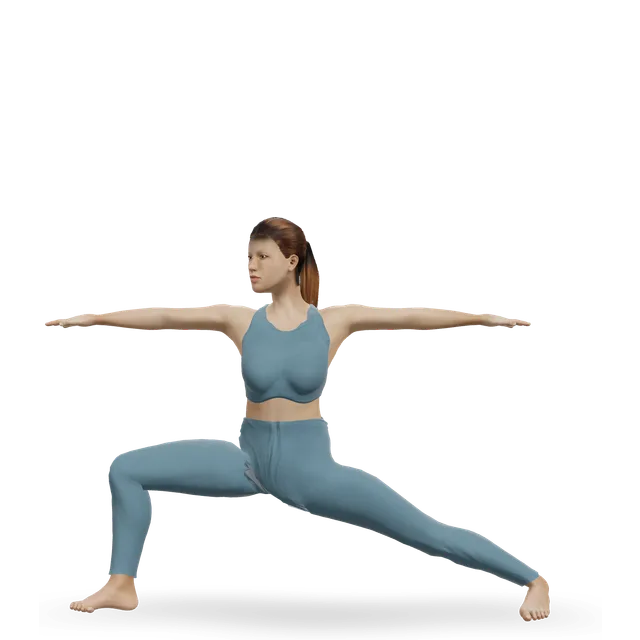
- Warrior II (Virabhadrasana II)3 to 5 breaths each sideIntermediate · Quads, Glutes, Adductors · 3D demoA short stance; sit down between sides if your heel achesEasier: Chair pose (Utkatasana)Harder: Extended side angle (Utthita Parsvakonasana)
- Tree pose (Vrksasana)2 holds of 20 to 30 s each sideBeginner · Glutes, Hip abductors, Calves · 3D demoFingertips on a wall, the lifted foot at your ankle; skip standing on a very sore heelEasier: Mountain pose (Tadasana)Harder: Standing hand-to-big-toe pose (Utthita Hasta Padangusthasana)




Feet up and rest (5 minutes)
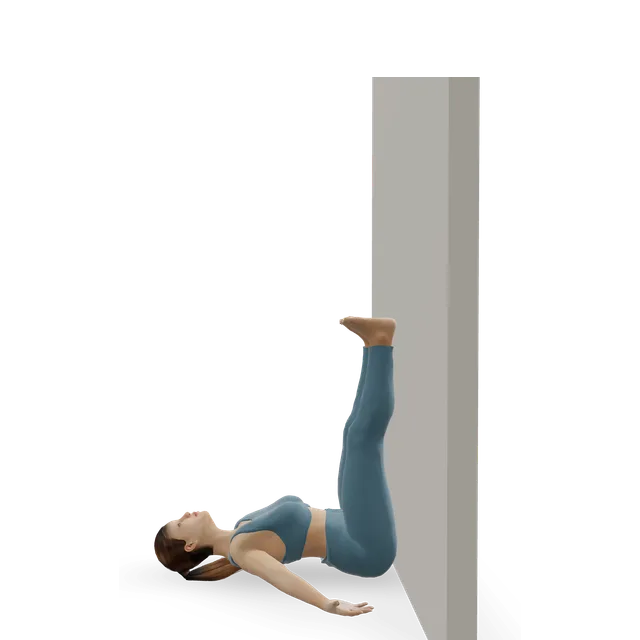
- Beginner · Hamstrings, Calves · 3D demoOptional; with glaucoma or high blood pressure that isn't controlled, keep your hips flat or skip itHarder: Plow pose (Halasana)

Tips
- Do the first block every morning before your first steps, and again after sitting for a long time: in a trial, a seated sole stretch done before standing beat a standing calf stretch for first-step pain.
- Do the heel raises every second day and add load over the weeks, for example with a backpack, as in the trial; on the other days, skip the strength block.
- Some discomfort, up to about 5 out of 10 while loading, is fine if it has settled by the next morning. Your first-step pain should trend down week by week, as our plantar fasciitis guide explains.
- Practise on a mat or carpet, not a hard floor, and wear cushioned, supportive shoes between sessions: the NHS advises against walking barefoot on hard surfaces and standing for long periods.
- Leave out jump-backs and jumping until first-step pain is mild (our suggestion).
- Want more calf stretch? Add downward dog with your knees bent, pedalling your heels, as in our yoga for runners routine, and come down if your heel pain is sharp.
- With numb feet or diabetes, keep shoes on for the standing poses and check your feet afterwards.
- Expect months rather than weeks. See a GP if it isn't better after 2 weeks of looking after it, and sooner for the warning signs on our yoga for plantar fasciitis guide.
The doses are suggested starting points, not a prescription. Choose a range you can control and stop for sharp or increasing pain, numbness or tingling. Get individual advice after an injury or surgery, or if you are pregnant or managing a health condition.
Guides that recommend it
Find more moves like these
More yoga flows

Beginner yoga flow
A 20-minute beginner yoga sequence: mountain, chair, warrior II, triangle, tree, down dog, cobra and child's pose.
20 minBeginner11 movesA step


Sun salutation flow
A 20-minute flow built on sun salutations A and B, with warrior poses and a short cool-down.
20 minIntermediate8 movesNo equipment



Yoga for tight hips
A hip-opening yoga sequence: low lunge, lizard, goddess, pigeon, bound angle and happy baby.
25 minBeginner10 movesA wallQuestions people ask
How long does the yoga for plantar fasciitis: a 25-minute class that starts sitting, with sole and calf stretches and heel raises take?
About 25 minutes, including any warm-up and cool-down listed. Shorten it by doing fewer rounds; lengthen it by adding one.
What equipment do I need?
You need: A bench or box, Other / check instructions, A wall, A step. Each move links to its guide, where you can find an alternative if you are missing something.
Is it suitable for beginners?
It is written for beginners. 6 of its 14 moves have an easier option listed beside them if you need one.
How do I make it easier or harder?
Use the easier or harder option listed under each move, change the number of rounds, or adjust the rest. Progress one change at a time.