Skiers hurt their knees, snowboarders their wrists
Over 18 seasons at a Vermont resort, ACL sprains were 17% of skiing injuries but 2% of snowboarding injuries, and wrist injuries were 28% of snowboarding injuries but 3% of skiing injuries.
Source 1
Sport
Skiing asks your thighs to hold and absorb your weight in a bent-knee stance through runs of a minute or two, again and again, often at altitude and in the cold. Skiers most often hurt their knees, especially the anterior cruciate ligament (ACL); snowboarders hurt their wrists, shoulders and collarbones. Two measures have strong evidence: helmets, which cut the odds of a head injury by about a third, and, for snowboarders, wrist guards, which cut wrist injuries by about three-quarters.
Getting fit hasn't been shown to prevent ski injuries, and we say so; it does help you ski more runs with less fatigue. This guide gives a pre-season workout built from the parts of knee-injury prevention that work in other sports, a short warm-up for the top of the slope, and the ACL awareness tips that cut serious knee sprains among ski staff in Vermont. It also covers altitude, cold, and who should check with a GP first.
Over 18 seasons at a Vermont resort, ACL sprains were 17% of skiing injuries but 2% of snowboarding injuries, and wrist injuries were 28% of snowboarding injuries but 3% of skiing injuries.
Source 1
The commonest is falling backwards with your hips below your knees and your weight on the inside edge of the downhill ski's tail. Another is landing a jump back on the tails with your legs straight.
Patrollers and instructors who learned to recognise and respond to those situations had 62% fewer serious knee sprains, with no fall in areas that didn't train. It wasn't randomised.
Source 4
Helmets cut the odds of a head injury by about a third, with no rise in neck injuries. Wrist guards cut snowboarders' wrist injuries by about three-quarters.
No study shows that pre-season training prevents recreational ski injuries. Being fitter does help you ski more runs with less fatigue.
Altitude sickness usually starts above about 2,500 m. Sudden cardiac deaths while skiing are linked with a past heart attack and high blood pressure, so check with your GP first if that's you.
Recreational skiing is a series of runs, often of 1 to 2 minutes, with rests on the lift; in one study, skiers spent 44% of their time on the hill actually skiing. In 6 older recreational skiers (average age 61), heart rate averaged 77% of maximum while oxygen use averaged only 45%, and systolic blood pressure rose to about 170 mmHg after 30 minutes. In 38 recreational skiers, the slope and the speed drove heart rate more than age, sex or skill, and in 19 healthy adults, short turns took heart rate above 90% of maximum.
Skiing is mostly lowering (eccentric) work by the thigh muscles, with holding and some lifting, depending on skill, speed and terrain. In ski racing no single system dominates: strength, aerobic and anaerobic fitness all matter, and technique matters most.
Skiers most often injure a knee, and snowboarders a wrist, shoulder, collarbone or ankle, often in a fall forwards or backwards onto the hands.
TravelHealthPro, the UK's travel health service, calls 1,500 to 3,500 m high altitude, and the UK's National Health Service (NHS) lists some places in the Alps among those where you can get altitude sickness. Blood pressure and heart rate rise at altitude.
Studies count injuries in different ways, from ski patrol reports to clinic records and self-report, so their rates differ widely and can't be compared directly.
The ACL is the commonest serious injury in skiing. In 282 recreational skiers whose knee injuries were confirmed by scans at an Austrian clinic, every one involved the ACL. A 2025 review linked ACL injury in skiers with being female, less skilled or older, taking risks, worn boot soles and bindings that didn't release; a case-control study added fresh, grippy or icy snow, very cold weather and easy slopes. Our ACL injury guide covers what happens next.
Of the 182 ACL injuries with damage elsewhere in the knee, about half also involved the medial collateral ligament (MCL), on the inside of the knee, and 40% the inner meniscus. In Vermont, MCL injuries became less common over time. Our MCL sprain and meniscus tear guides cover these.
Wrist injuries were 28% of snowboarding injuries in Vermont, and snowboarders had more shoulder sprains and strains, collarbone fractures, ankle injuries and concussions than skiers. Beginners in their first 5 days and people on hired equipment had the most wrist injuries. Our wrist sprain and shoulder dislocation guides cover what to do.
Head injuries were 17.6% of injuries in Norwegian resorts, and snowboarders had more concussions than skiers in Vermont. The warning signs below give the NHS and UK concussion guidance.
Lower leg fractures were more likely in skiers, beginners and children. Thumb ligament injuries, known as skier's thumb, became less common in Vermont over time.
Using videos of ACL injuries and data on more than 1,400 of them over 22 years, Vermont researchers identified two common ways skiers tear the ACL. In the 1993 to 1994 season, ski patrollers and instructors at 20 ski areas watched videos of knee injuries happening and learned to recognise and respond to the risky situations; 22 areas without the training were the comparison.
Among 179 serious knee sprains, those in trained staff fell by 62% compared with the two previous seasons, with no fall in the comparison areas. It wasn't randomised, and it was in ski staff. A later review by the same team describes about 4,000 people taking part and a 76% fall in ski patrollers, and notes it hasn't been rolled out to the public. The knee section below gives the advice.
Bindings protect the shin bone, not the knee: lower release settings don't cut ACL injuries and do mean more skis coming off when they shouldn't. But worn boot soles and bindings that fail to release are linked with ACL tears. In 763 Danish skiers, an instructional video on the coach to the resort raised binding testing from 59% to 86%, and the share who reported an injury fell from 23% to 16%.
In 392 recreational skiers with an ACL tear and 392 matched skiers without one, fresh snow, grippy snow, icy slopes, very cold or cold weather and easy slopes were all linked with ACL injury. These are associations, but they are conditions you can choose or ski more carefully in (editorial).
Source 21
A review of 30 papers found 80 injury prevention recommendations for recreational skiers and snowboarders, on equipment, education, behaviour and experience, but none on fitness training. The Vermont researchers found "no convincing evidence that conditioning of any type can reduce the risk of alpine skiing injuries": at the 1994 Winter Olympics, 42% of the women and 10% of the men in alpine racing had torn an ACL, despite being very fit.
Among Swedish ski high school students, 305 given an ACL prevention programme (an education video, single-leg hops and squats, and on-snow drills, aiming to be equally good on both legs) had 12 ACL injuries (3.9%), against 35 (8.1%) in 431 students from earlier years. It wasn't randomised, and few returned the compliance questionnaire. In 370 young racers, weaker core strength went with ACL tears, and a 2025 review lists poor fitness among the factors linked with ACL injury in skiers: associations.
So we can't say training prevents ski injuries. We include it because fitter skiers get more runs with less fatigue, and because the strength, landing and balance work that prevents ACL injuries in other sports is reasonable to borrow (editorial).
The evidence on fatigue and ski injuries conflicts. At an Italian trauma centre, 579 injured skiers and snowboarders had been on the slopes for about 2.6 hours on average before their accident, and 5.7% of the injuries were put down to tiredness; with no comparison group, that doesn't show tiredness caused them.
Beginners have the highest risk of injury. Lessons build skill, but in most studies they didn't lower the risk of injury, though one Norwegian study linked instruction with fewer injuries; the Vermont researchers call "formal ski instruction will make you safer" a myth.
We found no performance trials in recreational skiers. Racing needs strength, aerobic and anaerobic fitness together, with technique most important. Recreational skiing raises heart rate a lot for the oxygen it uses, and short turns can be high-intensity training in their own right.
In 68 men who died suddenly while skiing, a previous heart attack (41% against 1.5% of matched skiers) and high blood pressure (50% against 17%) were far more common, and regular strenuous exercise less common (4% against 15%). In a later analysis, more than one hard session a week went with 83% lower risk. These are associations, but they support keeping one hard interval session a week through the winter if you're healthy (editorial).
Our suggestion: start 6 to 8 weeks before your trip, with the ski fitness workout 2 or 3 times a week plus one interval session, and an easier final week. The ingredients come from ACL prevention in other sports, strength, landing and balance work for 10 to 30 minutes 2 to 3 times a week, and from the Swedish ski schools' focus on equal legs. No trial has tested the timing (editorial).
About half of the sudden cardiac deaths among skiers and hikers happened on the first day, mostly in the late morning and longer after the last food and drink. We suggest fewer, easier runs on day 1 and regular food and drink (editorial, built on that association).
Source 10
From Vermont Safety Research's advice for recreational skiers, built on the ski staff study above. It says plainly that no claim is made that following it will prevent injury.
The commonest pattern: you're off balance to the rear with your uphill arm back, your hips below your knees, the uphill ski unweighted and your weight on the inside edge of the downhill ski's tail, with your upper body facing the downhill ski. If you feel it happening, the response is "Arms forward. Feet together. Hands over skis."
Landing a jump back on the tails of your skis with your leg straight lets the boot drive your shin forward. The advice: "Don't jump unless you know where and how to land. Land on both skis, if possible, and keep your knees flexed." In World Cup racers, half of 20 filmed ACL injuries followed a different pattern, the slip-catch, in which the outer ski catches its inside edge as the skier straightens the knee.
Keep your hips above your knees and your arms forward while you ski. In a fall, "Don't (fully) straighten your legs when you fall", keep your arms up and forward, don't land on your hand, and "Don't try to get up until you've stopped sliding": when you're down, stay down.
Across 12 studies, skiers and snowboarders wearing helmets had 35% lower odds of a head injury, and children under 13 had 59% lower odds, with no rise in neck injuries. In Norway, helmets went with 60% lower odds of a head injury and 57% lower odds of a potentially severe one. These are case-control studies, the usual design for this question, and they agree. A helmet lowers the risk; it doesn't remove it.
A review of 6 studies, including randomised trials, found wrist guards cut wrist injuries by about three-quarters, wrist fractures by about 70% and wrist sprains by over 80%: one injury prevented for every 50 snowboarders who wear them. In a trial of 5,029 snowboarders, 8 with braces and 29 without injured a wrist, and none of the injuries was put down to the brace; in a second trial of 721, severe wrist injuries were 1 against 9. Non-randomised data hinted at more finger, elbow or shoulder injuries, which the trials didn't find.
The NHS says altitude sickness is possible at high altitude, usually more than 2,500 m, and symptoms usually start 6 to 10 hours after you get there: a headache, loss of appetite, feeling or being sick, tiredness, dizziness and difficulty sleeping. Rest at the same height, and if symptoms get worse or don't improve after a day, go 300 to 1,000 m lower. TravelHealthPro adds that fitness doesn't appear to protect you, and that how you coped at altitude before is probably the best guide.
Hypothermia is a body temperature below 35°C. Frostbite can happen at 0°C or below, most often in the fingers, toes, nose and ears. The NHS advises several loose layers with a waterproof outer layer, a hat, gloves or mittens, thick socks and boots, and eating and drinking regularly.
The NHS warns that reflected sunlight from snow is "particularly dangerous" for your eyes: wear sunglasses with wraparound lenses or wide arms, and sunscreen with a sun protection factor (SPF) of at least 30.
Source 36
Built on the site's warm-up guide (editorial): no study has tested a ski warm-up. Do it at the top of your first run, and again after a long lunch or a cold lift ride.
Loading the 3D figure…
The movement on the figure: Bodyweight squat
Each has a 3D demo. Train both legs equally, and count your weaker side the same as your stronger one.
 3D demoDumbbell goblet squatIntermediate · A dumbbell
 3D demoRear-foot-elevated split squat (Bulgarian split squat)Intermediate · A bench or box
 3D demoSingle-leg Romanian deadliftAdvanced · A dumbbell
 3D demoNordic curlAdvanced · An anchor point
 3D demoCossack squatIntermediate · No equipment
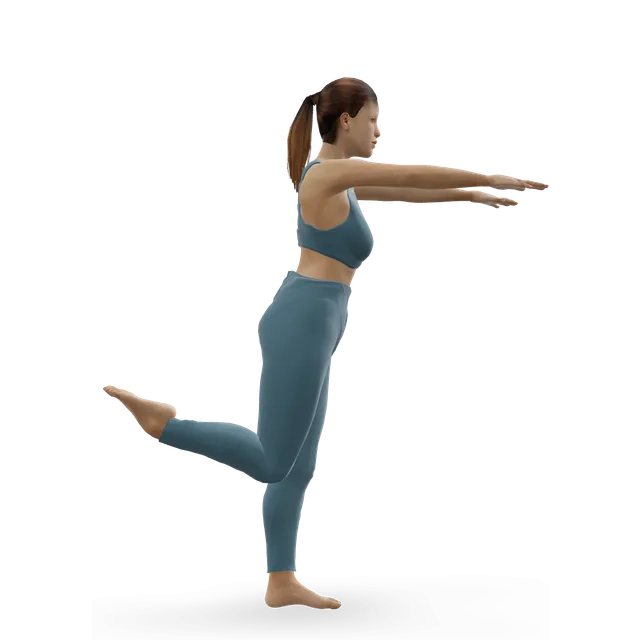 3D demoSkater squatAdvanced · No equipment
 3D demoLateral band walkBeginner · A band
 3D demoSnapdown to athletic landingBeginner · No equipment
 3D demoSingle-leg hop and stickIntermediate · No equipment
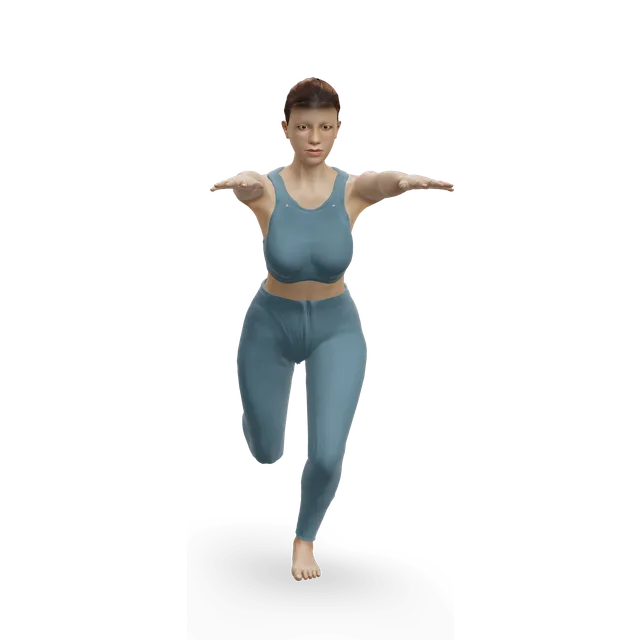 3D demoLateral bound (skater jump)Beginner · No equipment
 3D demoSingle-leg standBeginner · A wall
 3D demoWall sitBeginner · A wall
 3D demoSide plankIntermediate · No equipment
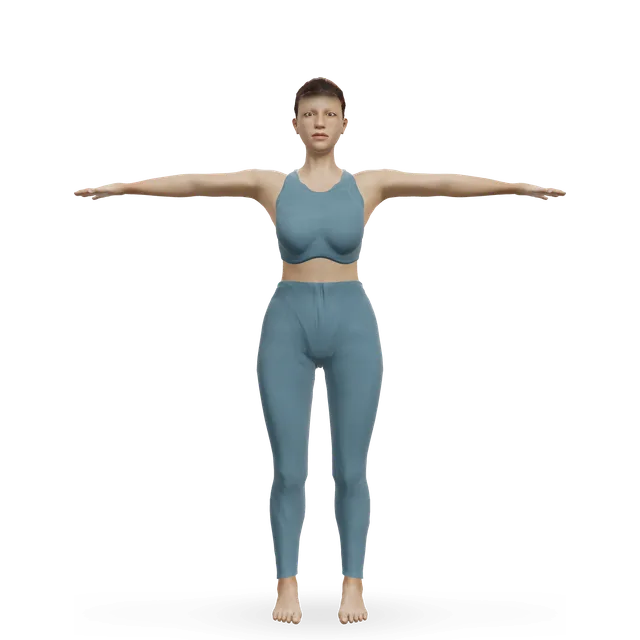 3D demoWrist circlesBeginner · No equipment
The first two are new: a pre-season strength, landing and balance workout, and a warm-up for the top of the slope. The others add knee control, balance, intervals and wrist strength for snowboarders.
A 40-minute pre-season workout for skiers and snowboarders: squats, split squats, single-leg hinges, side-to-side strength, landings and balance.
40 minIntermediate17 movesA wall, A dumbbellA 7-minute warm-up for the top of the slope with your boots on: a march, arm and hip circles, leg swings, trunk turns and wrist circles, then your stance.
7 minBeginner10 movesA wallA 20-minute warm-up that trains your knees to track over your toes: side-hip strength, squats and lunges with alignment practice, balance and quiet landings.
20 minBeginner10 movesA wall, A bandA 25-minute session for knees that don't currently hurt: thigh and hamstring strength, single-leg control, then an optional full-range block with knees over toes.
25 minBeginner13 movesA bench or box, A wallA lower body workout at home: split squats, slider hamstring curls, single-leg bridges, step-ups, band walks and calf raises, with dumbbell options.
30 minIntermediate12 movesA wall, A stepA gym leg day: back squats, leg press, leg curls, Bulgarian split squats, leg extensions and calf raises.
55 minIntermediate9 movesA wall, A barbellAn advanced jump training session: pogo hops, box jumps, split squat jumps, broad jumps and depth jumps.
30 minAdvanced8 movesA bench or box, A stepBalance practice in 10 minutes: tandem stance, single-leg stands, marches, heel walks, tree pose and floor transfers.
10 minBeginner7 movesA wall, A bench or boxThe Norwegian 4x4, a well-studied interval session for raising VO2 max: four 4-minute hard efforts with 3 easy minutes between, on a bike, rower or treadmill.
40 minIntermediate3 movesCardio machine, A wallA 25-minute interval session on a bike or rower: one-minute hard efforts with two minutes easy, building from 4 to 8 rounds.
25 minIntermediate1 movesCardio machineWrist mobility and forearm strength for desk work, climbing, push-ups and handstands.
10 minBeginner7 movesA wall, A dumbbellA 15-minute hip opener: 90/90 switches, windshield wipers, CARs, Cossack squats, frog and pigeon.
15 minIntermediate8 movesA wallAny of these fits the 6 to 8 weeks before a trip; swap one session a week for the ski fitness workout.
Two full-body strength sessions a week: the minimum that meets health guidelines, with every set, rep and rest, and an 8-week progression.
2 training days45 minBeginner3 days a weekA 12-week beginner barbell program: squat every session, alternate bench and row with press and deadlift, and add weight each time until it stalls.
3 training days50 minBeginner3 days a weekA 3-day strength plan for men over 40 with power and bone work, two cardio days and mobility, built on research on ageing muscle.
3 training days45 minBeginner3 days a weekA weekly plan for women over 50: strength, bone-loading and balance on 3 days plus walking, built on UK osteoporosis consensus advice.
3 training days45 minBeginnerMore than 90% of sudden cardiac deaths while skiing were in men over 34, strongly linked with a previous heart attack and high blood pressure, and skiing raises heart rate and blood pressure. See your GP or cardiologist before the trip, and take the first day easy.
The NHS advises speaking to your GP first if you haven't exercised for some time or have medical conditions or concerns. The Physical Activity Readiness Questionnaire for Everyone (PAR-Q+) asks about heart conditions, chest pain, dizziness, other long-term conditions and joint problems, and suggests seeing a qualified exercise professional first if you're over 45 and not used to hard exercise.
The NHS advises seeing a GP or travel clinic before you go if you've had altitude sickness before or will be going up quickly.
Source 8
Our pregnancy guide lists skiing among the activities with a risk of falling to avoid, and TravelHealthPro advises against going to high altitude in the first trimester.
Source 16
The ACL is skiers' commonest serious knee injury, so get your physio's clearance first. Our ACL injury guide notes that, without surgery, a brace can help in sports where the knee tends to give way, such as skiing.
Source 19
Beginners in their first 5 days and people on hired equipment had the most wrist injuries: wear wrist guards, take lessons and check your gear.
Source 22
The NHS says to call 999 if someone has hit their head and has been knocked out and not woken up; can't stay awake; has a fit; has problems with their vision or hearing; has clear fluid from their ears or nose; has new numbness or weakness; has problems with walking, balance, understanding, speaking or writing; or their behaviour has changed. The UK concussion guidelines add a worsening headache, repeated vomiting, increasing confusion and severe neck pain as red flags needing urgent assessment.
Stop skiing for the day: if in doubt, sit them out. Get assessed within 24 hours by a healthcare professional or through NHS 111, and follow the UK guidelines' graduated return, which cover every sport: no competition before day 21. The NHS advises no contact sports for at least 3 weeks after a head injury.
The NHS says to get advice from 111 now if your knee is very painful; you can't move it or put any weight on it; it's badly swollen or has changed shape; it locks, gives way or clicks painfully; or you have a very high temperature with redness or heat around it. A pop, quick swelling and a knee that gives way point to an ACL injury.
Source 41
Call 999 or go to A&E (accident and emergency) if you heard a crack, the injured part has changed shape or points at an odd angle, it's numb or tingling, or the skin has turned blue or grey or is cold. Get help from NHS 111 if it's very painful or very swollen or you can't use it normally. Our wrist sprain guide explains why pain at the base of the thumb after a fall needs checking the same day.
Source 42
The NHS says to get medical help immediately, and go 300 to 1,000 m lower if you can, if you or someone with you has altitude sickness and feels very unwell, is confused, has problems with balance or coordination, has hallucinations, is short of breath at rest, has a cough with frothy or bloody spit, has blue or grey skin, lips, tongue or nails, or is very sleepy or hard to wake.
Source 8
Call 999 or go to A&E for signs of hypothermia, such as shivering, pale cold skin, slurred speech, slow breathing, tiredness or confusion, and for frostbite with hard, frozen skin, swelling, loss of feeling or blisters. Don't rub frostbitten skin or warm it with direct heat.
Call 999 for sudden chest pain that doesn't go away, pain that spreads to your arms, neck, jaw, stomach or back, or chest pain with sweating, feeling sick, light-headedness or breathlessness.
Source 43
The Vermont researchers found "no convincing evidence that conditioning of any type can reduce the risk of alpine skiing injuries", and a review found no fitness-based prevention advice for recreational skiers. Fitness does help you ski more runs with less fatigue.
The Vermont researchers call this a myth. Keep your legs bent rather than straight and your arms up and forward, don't land on a hand, and don't try to get up until you've stopped sliding.
Helmets cut the odds of a head injury by about a third across 12 studies, with no rise in neck injuries, and by 60% in Norway.
Bindings protect the shin bone. The main ways skiers tear the ACL don't depend on the binding releasing, and lower settings mean more skis coming off when they shouldn't.
Source 2
Wrist injuries fell by about three-quarters, and the large trial found no injuries caused by the guards. Non-randomised data hint at more elbow and shoulder injuries, but that's unproven.
Snowboarders have far fewer ACL injuries but more wrist, shoulder, ankle and collarbone injuries and concussions, and they had a higher overall injury rate in Vermont and Norway. A 2026 pooled analysis of very mixed studies found the opposite for amateurs, so overall risk is unsettled.
The evidence on fatigue conflicts. At one Italian trauma centre, injured skiers had skied for about 2.6 hours that day, and in Western Canada most injuries came from falls on the easiest marked runs.
Squats, split squats and single-leg hinges for the thighs and hips; side-to-side moves such as Cossack and skater squats; landings and single-leg hops; balance; and side planks. Train both legs equally, as Swedish ski schools do.
We suggest 6 to 8 weeks of 2 or 3 sessions a week, plus one interval session. No trial has tested the timing, so treat it as a sensible starting point.
It hasn't been shown to: a review found no fitness-based prevention advice for recreational skiers, and ski safety researchers say there's no convincing evidence that conditioning prevents injuries. Fitter skiers do get in more runs with less fatigue.
The commonest way is falling backwards with your hips below your knees and your weight on the tail of the downhill ski; another is landing a jump on your tails with straight legs. Keep your hips above your knees and your arms forward, and if you lose your balance, bring your arms forward, feet together and hands over your skis.
Don't fully straighten your legs, keep your arms up and forward, and don't land on your hand. Don't try to get up until you've stopped sliding: when you're down, stay down.
Yes: across 12 studies, skiers and snowboarders wearing helmets had about a third lower odds of a head injury, with no increase in neck injuries. In children under 13, the odds were 59% lower.
Yes, especially beginners: in trials, wrist guards cut wrist injuries by about three-quarters, and one injury is prevented for every 50 riders who wear them. Beginners in their first 5 days and people on hired gear had the most wrist injuries.
March or walk briskly for a minute or two, circle your hips and swing your legs, turn your trunk, and do a few shallow squats in your boots, then ski an easy first run. No study has tested a ski warm-up, so this follows general warm-up advice.
Yes, if you go high enough: it usually starts above about 2,500 m, and the NHS lists some places in the Alps among those where you can get it. Go up gradually, drink enough water, avoid alcohol while you travel or climb, and go 300 to 1,000 m lower if symptoms get worse or don't improve after a day.
Talk to your GP or cardiologist first: sudden cardiac deaths on the slopes were strongly linked with a previous heart attack and high blood pressure. Take the first day easy, eat and drink regularly, and call 999 for chest pain that doesn't go away.
Exercise education for people who play sport, not a personal prescription or a diagnosis, and clinical review of these pages is pending. Check with a GP or physiotherapist before hard training if you have a heart condition, chest pain, dizziness or an injury that isn't settling, and stop for sharp or increasing pain. Health disclaimer.