3D demo
Lateral bound (skater jump)
Conditioning · Glutes, Quads, Hip abductors
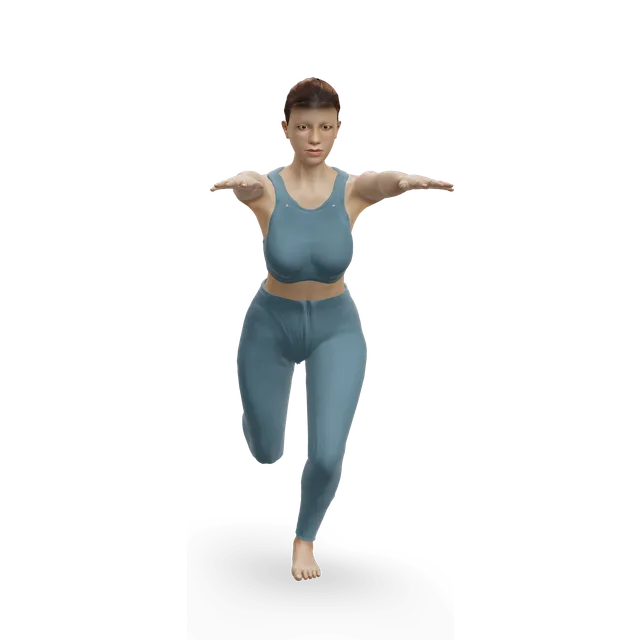
Loading the 3D figure…
The figure repeats the movement from its starting position. Drag to turn it; the arrows open the demos either side.
Bounding sideways from one leg to the other, each landing sunk into a half squat with the free leg trailing behind: the skater jump. Davies 2015 lists lateral bounding among the beginner plyometrics, and clinicians use a sideways bound onto the other leg to screen how well the landing knee is controlled (Waldhelm 2022).
Movement guide
Lateral bound (skater jump)
Make it easier or harder
Choose a version that fits your control and comfort.
Easier option
Practise this same drill at a comfortable pace for less time, keeping its technique. NHS strength exercises
Harder option
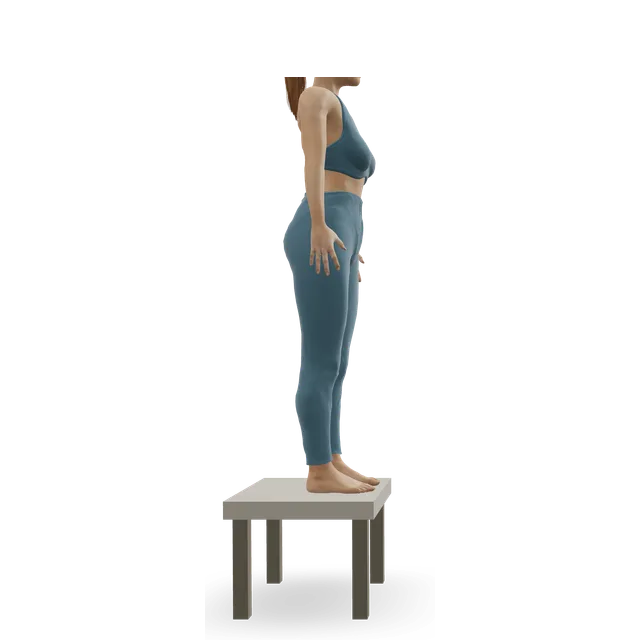
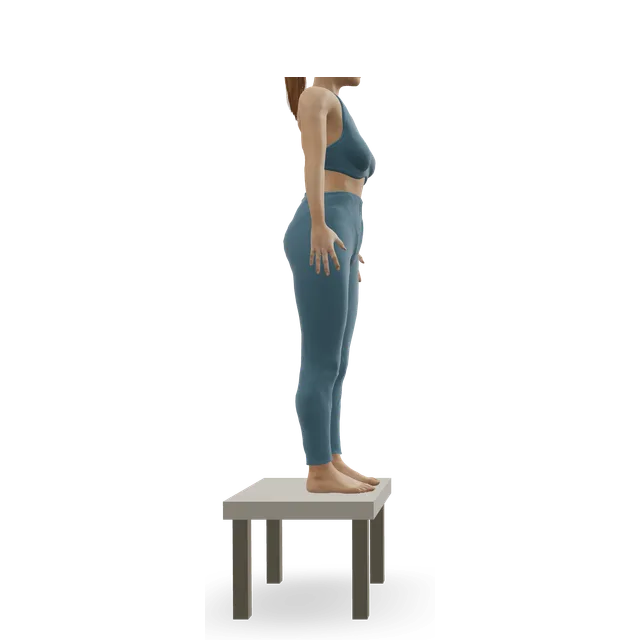
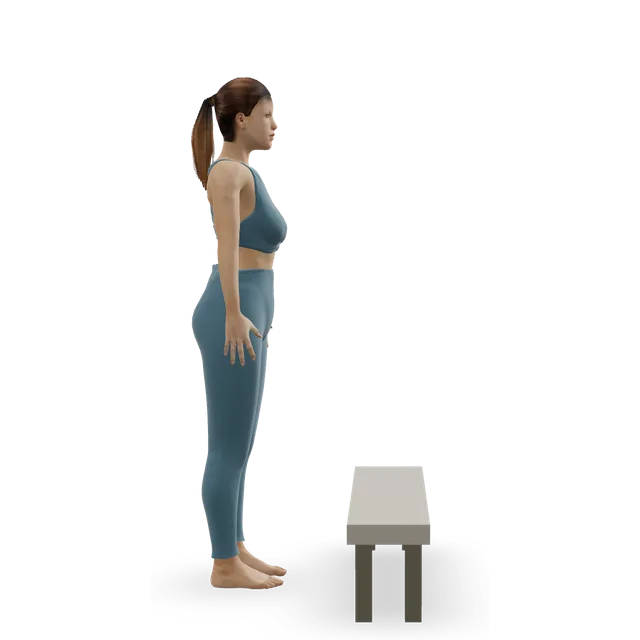 3D demoBench jump-overIntermediate · A bench or box
Similar move, intermediate grade.
Source-researched guide.
Form cues
- Land with the knee over the toes, not caving inwards.
- Start with short bounds and lengthen them as the landings stay steady.
- Avoid: letting the trunk tip far over the landing leg.
Practice and cautions
3 sets of 6 to 8 bounds (3 or 4 on each leg), resting a minute between sets (our editorial starting point). Count each landing as a foot contact: about 80 to 100 a session suits beginners, with 48 to 72 hours between sessions (Davies 2015).
Every landing is on one leg: leave it out with knee or ankle pain, and after a knee ligament injury wait until you have been cleared for sideways jumps. This is movement education, not an assessment or treatment prescription. Stop for sharp or increasing pain, dizziness, numbness or tingling; seek individual guidance for symptoms, injury or restrictions.
Sources and review status
Sources support the educational description; they do not establish that this exercise is suitable for you.
- Davies 2015 · Current concepts of plyometric exercise: drills graded beginner, intermediate and advanced, about 80 to 100 foot contacts a session for beginners, and 48 to 72 hours between sessions (clinical commentary, IJSPT) ↗
- Waldhelm 2022 · The lateral bound test: a sideways bound over a hurdle onto the other leg, used to screen how the landing knee is controlled (reliability study, IJSPT) ↗
- Ramachandran 2021 · Plyometric jump training gave small improvements in balance in healthy people aged 9 to 63, similar to balance training (meta-analysis, Frontiers in Physiology) ↗
- Free Exercise DB · community text ↗
Unlicense · Free Exercise DB contributors; derived from wrkout/exercises.json. Text import; no photographs or media. · Revision f00c92c7dcf1216a928a52c3706c7ce8e2f71ed5
No variation is labeled clinically validated.
What it works
Muscles
Main: Glutes, Quads, Hip abductors. Also: Adductors, Calves, Hamstrings.
Anatomy: Gluteus maximus, Piriformis, Obturator internus, Sartorius, Quadriceps, Rectus femoris.
Equipment
None: body weight and floor space.
Level
Beginner. See the easier and harder options above.
Workouts that use it
- FIFA 11+ warm-up · 20 min
- Ski fitness workout · 40 min
- Basketball strength and jump workout · 45 min
- Netball strength and landing workout · 35 min
- Off-ice hockey workout: jumps, legs, groins and trunk · 50 min
- Ice hockey warm-up: hips and groins off the ice · 15 min
- Strength workout for field hockey: legs, hamstrings, groins and trunk · 45 min
- Strength and landing workout for skateboarders: legs, ankles, wrists and core · 45 min
Show all 19 workoutsShow fewer workouts
- Badminton strength and footwork workout · 45 min
- Table tennis strength and footwork workout · 40 min
- Strength workout for lacrosse: power, legs, hamstrings, groins and rotation · 50 min
- Gaelic games warm-up (built on the GAA 15) · 15 min
- Off-ice workout for figure skaters: landings, jumps, legs, hips, ankles and trunk · 45 min
- Strength workout for roller skaters: legs, hips, ankles, wrists and how to fall · 40 min
- Australian football warm-up: built on Prep to Play, for every session and match · 10 min
- Strength workout for Australian football: sprints, lifts, Nordics, Copenhagens and neck strength · 55 min
- Parkour strength and landing workout: landings, precision jumps, rolls, climb-up strength, legs and calves · 50 min
- Explosive power workout: jumps, throws and a fast lift · 40 min
- Agility workout: change direction, land and react · 30 min
Pain guides that use it
Part of a staged plan, with when to get help first.
- Groin strain and adductor pain: the exercises with the best evidence
- ACL injury: rehab, surgery or not, and how to prevent it
- MCL sprain (inner knee ligament): recovery and exercises
- Sports hernia (inguinal-related groin pain): rehab, surgery and how it differs from a hernia
- PCL injury (posterior cruciate ligament): recovery, bracing and exercises
- Exercises after meniscus surgery: recovery after a trim or a repair
- Exercises after hip arthroscopy: recovery after impingement or labral surgery
- Osteitis pubis (pubic bone pain): rehab, recovery time and how it differs from a sports hernia
Show all 28 pain guidesShow fewer pain guides
- Knee OCD (osteochondritis dissecans): a damaged patch of bone and cartilage in children, teenagers and young adults
- Exercises after knee cartilage surgery: microfracture, cell transplants (ACI) and grafts
- ACL surgery recovery: the stages back to running, jumping and sport, and the return-to-sport tests
- Groin pain when running: what's likely, the hip stress fracture not to miss, and how to build back
- Groin pain: a strain, a hernia, the hip joint, the testicles and the other causes to know
- Inner thigh pain: a groin strain, the hip joint, a hernia, a trapped nerve, pregnancy and a clot
- Hip pain after a workout: soreness or a strain, the groin, squats and running, and training again
- Groin pain in men: strains, hernias, the hip, the testicles and prostate, and the signs to act on
- Knee pain when twisting: the meniscus, the ligaments, the kneecap, arthritis and what helps
- Groin pain when doing squats: the inner thigh, the hip crease, a hernia, stance and depth
- Groin pain when doing lunges: the inner thigh, side and long lunges, the back hip and a hernia
- Knee pain skiing: twisting falls, the ACL and MCL, kneecap pain, bindings and what helps
- Knee pain from basketball: jumper's knee, kneecap pain, growing knees, ACL tears and what helps
- Ankle pain from basketball: rolled ankles, high ankle sprains, the Achilles, braces and what helps
- Back pain from basketball: jumping, landing, contact, stress fractures in teens and what helps
- Knee pain after football (soccer): twists, tackles, ligaments, the meniscus, growing knees and help
- Hip and groin pain after football (soccer): groin strains, sports hernia, impingement and help
- Ankle pain after football (soccer): sprains, footballer's ankle, the Achilles, Sever's and help
- Ankle pain from netball: sprains, repeat sprains, the Achilles, braces, shoes and courts, and help
- Back pain from hockey: field and ice hockey, the crouch, drag flicks, young players and what helps
Guides that use it
Similar moves
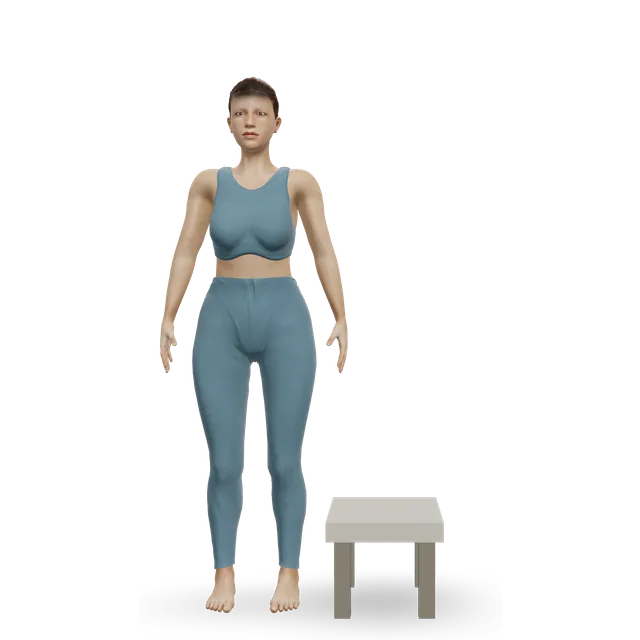
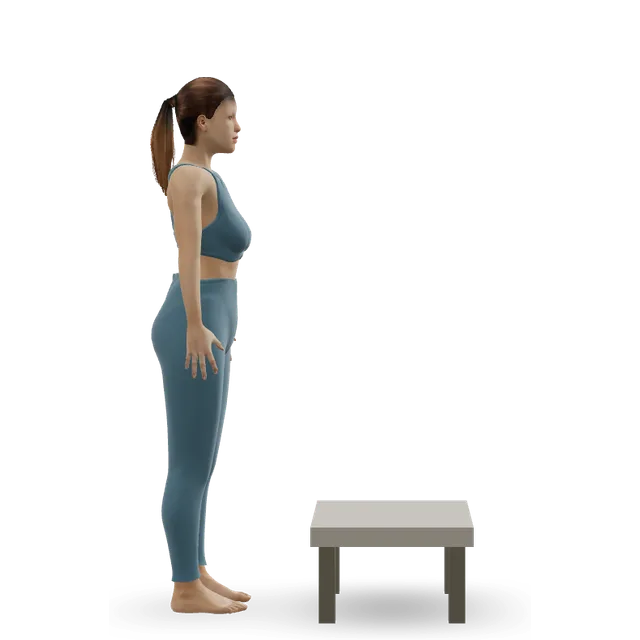
Browse more
Questions people ask
What muscles does the Lateral bound (skater jump) work?
Mainly the glutes, quads and hip abductors, with help from the adductors, calves and hamstrings.
What equipment do I need for the Lateral bound (skater jump)?
No equipment: your body weight and a little floor space.
Is the Lateral bound (skater jump) good for beginners?
It is graded beginner, so it suits most people starting out. When it feels easy, try the Bench jump-over.
How do I make the Lateral bound (skater jump) harder?
Progress to the Bench jump-over or the Box push-off jump. Follow that guide’s technique and any stated timing.