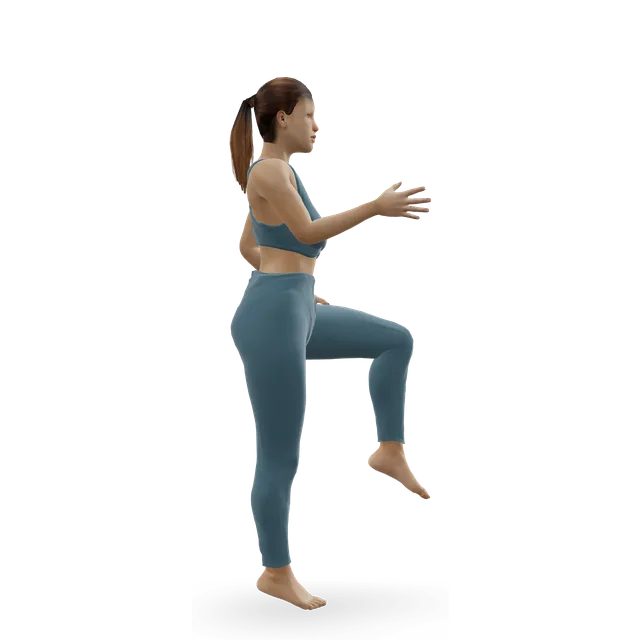
PCL injury (posterior cruciate ligament): recovery, bracing and exercises
The posterior cruciate ligament (PCL) runs through the middle of the knee and stops the shin sliding backwards, especially when the knee is bent. It's usually torn by a blow to the front of the shin with the knee bent, as in a car dashboard injury, or a fall onto a bent knee with the foot pointed. There's often no pop, so it's easily missed.
Most isolated PCL injuries do well without surgery, usually with a brace, crutches at first and months of rehab in which the thigh muscles lead and hamstring curls wait. Surgery is usually for injuries with other ligament damage, or a knee that stays unstable. This guide covers the grades, what happens over time, bracing, the stages of rehab with 3D demos and the return to sport. Your team's plan comes first.
Exercise is for pain that has been checked or is clearly mild and settling.
Get urgent medical help if
Call 999 or go to A&E after a high-energy injury, such as a car crash, a fall from a height or a heavy tackle, if the knee looks deformed or felt as if it came out of joint, the foot is cold, pale or numb, or you can't lift your foot or toes. The knee may have dislocated, which can damage the artery and nerve behind it, even when a pulse can still be felt. Don't drive yourself.
You cannot move the knee or put any weight on it, or it is very painful, badly swollen or has changed shape.
You hurt your knee and cannot take 4 steps, or you are 55 or over and hurt it in a fall: get it checked the same day for a broken bone.
The knee is locked and you cannot fully straighten it.
A hot, red or swollen knee with sudden severe pain, a very high temperature, or feeling hot, cold or shivery. This can be a joint infection.
After PCL surgery: throbbing or cramping pain in your leg, a high temperature, feeling hot and cold, oozing or pus from the wound, or tenderness, swelling, pain or redness in the knee that is not getting better or is getting worse. Ask for an urgent GP appointment or get help from NHS 111: these can be signs of an infection or a blood clot.
In a brace or on crutches: throbbing pain and swelling in one calf or thigh, with red or darkened skin or swollen veins. Ask for an urgent GP appointment or get help from NHS 111, as it could be a blood clot.
Leg pain or swelling with breathlessness or chest pain: call 999 or go to A&E, and do not drive yourself. It can be a blood clot that has reached the lungs.
See a doctor or physiotherapist if
A blow to the front of the shin or a fall onto a bent knee, followed by pain, swelling, stiffness or a limp, even if you can walk on it: get it assessed by your GP, an NHS physiotherapy service (many areas take self-referrals) or a fracture or sports injury clinic. PCL injuries are easily missed.
A knee that keeps giving way, or feels unstable going downstairs or slowing down, despite rehab: ask about seeing a knee surgeon.
In a brace: sore skin, pressure marks, or a brace that no longer fits as the swelling goes down. Tell your physiotherapist or orthotics team.
Swelling that rises after sessions or doesn't settle, or a knee that isn't getting straight: tell your physiotherapist.
A child or teenager with a knee injury: get it checked, because the growth plate can be injured, or a piece of bone pulled off with the ligament, instead of the ligament tearing.
Understand it
What it is and how it happensStrong evidence
The two cruciate ligaments cross inside the knee: the anterior cruciate ligament (ACL) in front and the PCL behind, both joining the thigh bone to the shin bone. The PCL is stronger than the ACL and is injured far less often. It's the main restraint to the shin sliding backwards, especially with the knee bent.
It usually takes a powerful force: a blow to the front of the shin with the knee bent (hitting a car dashboard), a fall onto a bent knee with the foot pointed, or a severe twisting or over-straightening injury. It's rarely a simple misstep.
How often other parts of the knee are hurt tooEmerging evidence
In 1,287 people who had a PCL reconstruction in Scandinavia, the average age was 33 and two-thirds were men; sport caused 35% of the injuries, football the most. Only about a third were isolated: 62% involved at least one other ligament, 26% cartilage damage and 21% a meniscus tear. These were injuries that needed surgery, so they over-represent combined injuries; across different settings, isolated tears make up 7 to 47%. In a Danish brace and exercise programme, 28 of 50 fresh PCL injuries were isolated.
When several ligaments are torn, the knee may have dislocated. Then the artery behind the knee is injured in about 18%, even when a pulse can still be felt, and the nerve to the foot in 10 to 40%, which is why those injuries are an emergency.
How it feels and how it's recognisedEmerging evidence
Pain and swelling that come on steadily after the injury, stiffness, a limp and difficulty walking, and sometimes a feeling that the knee will give way. Compared with an ACL tear, people less often hear a pop or swell up straight away, and isolated tears are easily missed.
With the knee bent, the shin may sag backwards. A clinician checks for this sag, and for how far the shin can be pushed back (the posterior drawer test). In a review, the sag sign picked up 79% of tears and was negative in every knee without one, and the drawer test picked up 69%. An MRI (magnetic resonance imaging) scan shows a fresh tear well but can look normal if the injury was more than 3 months ago, and a ligament that looks continuous may still be loose. X-rays can show a piece of bone pulled off with the ligament, and X-rays taken while the shin is pushed back measure the sag.
Clinicians grade a PCL injury by how far the shin moves backwards compared with the other knee. On X-rays taken while the shin is pushed back, 8 to 12 millimetres (mm) of movement suggests a complete PCL tear, and more than 12 mm a combined injury.
Grade I: under 5 mm.
Grade II: 5 to 10 mm.
Grade III: more than 10 mm, usually with damage to other parts of the knee.
In 133 active people (average age 25) with a fresh isolated PCL tear treated without surgery and followed for about 5 years, the looseness didn't change and didn't predict how well the knee did. Half returned to the same sport at the same or a higher level, a third at a lower level, and a sixth didn't return to their sport.
Of those examined 10 to 21 years after the injury, thigh strength averaged 97% of the other leg and everyone had full movement. X-rays were normal in 59% and nearly normal in 30%, and 11% had moderate to severe arthritis. Across 12 studies with 6 to 15 years of follow-up, arthritis was reported in 17 to 88% after care without surgery and 13 to 64% after reconstruction, so the long-term picture varies widely, and reconstruction hasn't been shown to prevent arthritis.
An ACL tear usually happens in a twist or awkward landing, with a pop and swelling within hours, and the knee then gives way when you turn; the ACL guide covers it. The PCL more often goes with a blow to the front of the shin or a fall onto a bent knee. Their rehab differs. After an ACL reconstruction with a hamstring graft, resisted hamstring work waits about 12 weeks to protect the donor site, as the ACL guide explains; after a PCL injury it also waits about 12 weeks, but because the hamstrings pull the shin backwards.
Care without surgery comes first for isolated injuriesEmerging evidence
For an isolated PCL injury, reviews of the long-term studies judge results without surgery comparable to reconstruction: good function and a high return to sport in most people, whatever the looseness, though arthritis in the inner and kneecap parts of the knee is common in the long term. No randomised trial has compared rehab with surgery.
Rehab: the thigh muscles lead, hamstring curls waitEmerging evidence
Rehab protocols aim to protect the ligament early, build up weight-bearing step by step, stop the shin sagging backwards and strengthen the quadriceps, the muscles at the front of the thigh. Early knee bending is done lying face down so gravity doesn't pull the shin back. A review of protocols says an optimal one hasn't been agreed.
In biomechanical modelling, seated hamstring curls produced the highest forces on the PCL of any exercise measured, higher than squats, the leg press, lunges or walking. PCL load peaks at around 70 to 90 degrees of knee bend and is lower between straight and about 50 degrees, so early strength work stays in the shallower range. Lunges with the feet fixed load it less than stepping lunges. NHS and US protocols wait about 12 weeks before resisted hamstring work. This is modelling and expert consensus, not trials of outcomes.
Bracing: hospitals differ, and the evidence is thinEmerging evidence
The evidence that the brace itself helps rests on one uncontrolled series of 21 people: after 4 months in a brace that pushes the shin forwards, the backward sag fell from 7.1 mm to 2.3 mm at a year, and was 3.2 mm at 2 years. Other studies combined the brace with exercise, so they can't show what the brace adds. In a Danish programme of 50 people, a knee function score rose by 28 points out of 100 at 2 years, and 2 of the 28 isolated injuries needed surgery. A 2025 review of knee bracing found only 3 PCL studies, with large improvements reported in single studies, and the highest rate of later surgery (16.4%) of the knee injuries it covered.
Hospitals differ on the type of brace and how long to wear it. One NHS trust uses a brace that pushes the shin forwards, worn day and night, including for exercise, for 12 weeks; another for 24 hours a day for 4 months, off only to shower; a US protocol starts with the brace locked straight. Wear yours exactly as your team says.
Surgery: for combined injuries, and knees that stay unstableMixed evidence
Surgery is usually advised when the PCL is torn along with other ligaments, almost always when the knee has dislocated, and for isolated tears that stay unstable or painful despite rehab; how complete isolated tears are treated varies between surgeons. Knees with several torn ligaments are usually reconstructed 3 to 6 weeks after the injury.
After an isolated PCL reconstruction, complications were reported in 14.8% across 65 studies (4,162 people): persistent pain in 4.2%, remaining looseness in 4.1% and stiffness in 3.1%. About 6 years after reconstruction, people with isolated and combined injuries had similar knee scores, and 5.2% had needed another operation. Full recovery after surgery typically takes 6 to 12 months, and the surgical team's protocol comes first.
Back to sport by checks, not datesEmerging evidence
Protocols start running at about 12 weeks once the thigh is strong enough (over 80% of the other side in one) and return people to sport by checks: full movement, thigh strength over 85 to 90% of the other leg, no giving way, completed sport tests and feeling ready. In a small study without a comparison group, 10 people with isolated PCL injuries who did 12 weeks of balance and strength training improved their function and strength to levels close to the other leg.
0 to 3 early, up to 5 later, and watch the swellingEmerging evidence
In the first 12 weeks, keep pain at 0 to 3 out of 10, as the ACL guide does for fresh ligament injuries; an NHS leaflet keeps knee bending below 4 out of 10. If the knee swells after a session, you've done too much.
From about 12 weeks, a Danish PCL programme allowed knee pain up to 5 out of 10 during and after a session, as long as it was back to its usual level the next day; if it isn't, ease the load. That matches the knee pain guide's rule, where 0 to 2 is safe and up to 5 is acceptable.
The knee giving way, new swelling, or a feeling that the shin is sliding back is never part of the rule: stop and tell your physiotherapist. Your team's limits on the brace, weight-bearing, range and hamstring work come before any pain rule.
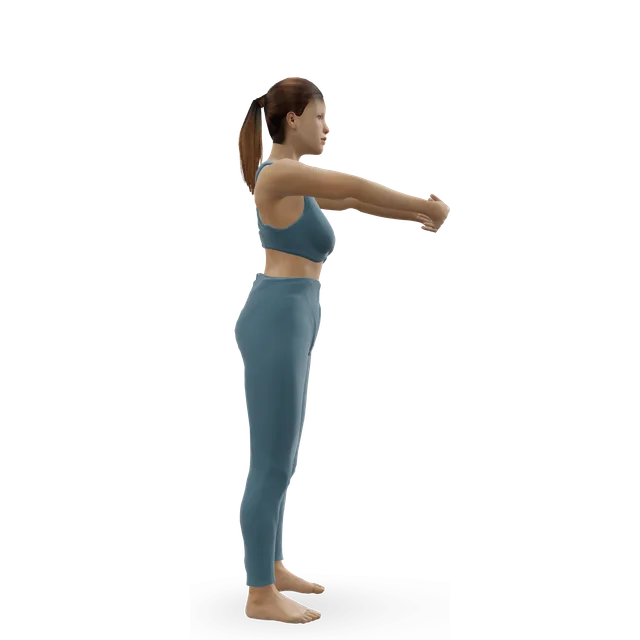
Start at the first stage. Each move opens a full guide with a 3D demo.
Stage 1
Protect: brace, crutches and switching the thigh on (typically weeks 0 to 6 in hospital protocols, as your team allows)
As your team allows. The weeks in each stage are typical ranges from hospital protocols, not targets: move on by the checks. Wear the brace exactly as your team says, and take partial weight on crutches for about the first 2 weeks, then more as comfortable. Ease swelling with ice, compression, raising the leg and ankle pumps. No forcing the knee past straight, no kneeling and no resisted hamstring work. Bend the knee lying face down, as in the written steps below the plan. Doses are an NHS leaflet's unless marked.
Move on when: You walk without crutches or a limp, swelling is settling, you can lift the straight leg without the knee sagging, and the knee bends to about 125 degrees without pain (a US protocol's checks).
Follow along: a timer, a cue and the next move, one step at a time.
Stage 2
Build: thigh strength in the shallow part of the bend (typically weeks 6 to 12, from week 4 in some protocols, as your team allows)
As your team allows. Strength 3 times a week with a rest day between, as in a Danish programme. Keep two-legged exercises to about 70 degrees of knee bend, keep the knee over the middle of the foot, and still no hamstring curls. In the brace unless told otherwise.
3 sets of 12, from straight to about 70 degrees of bend · The range in NHS and US protocols; 3 sets of 12 from the Danish programme. Never snap into a hard lockout
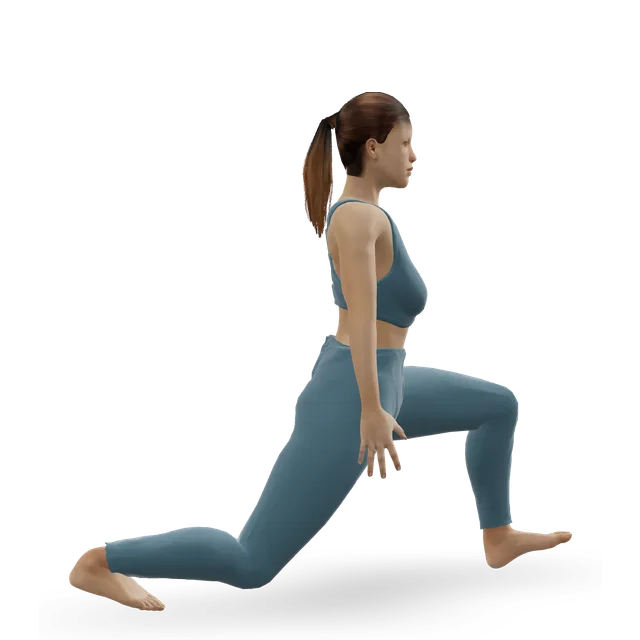
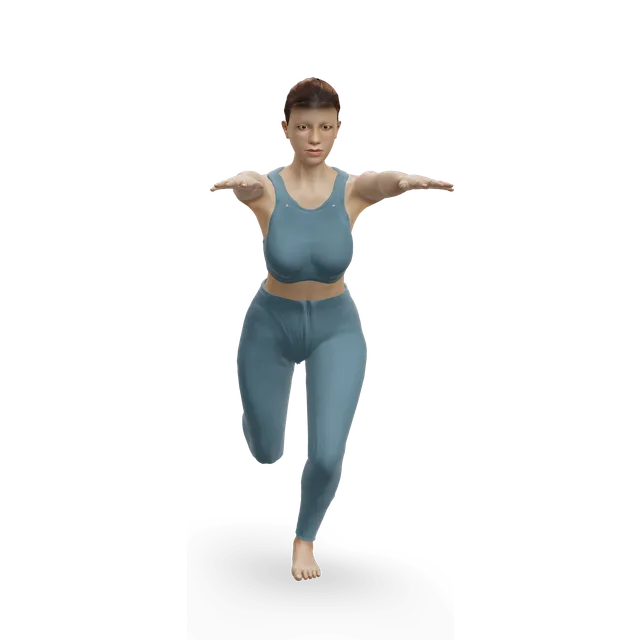
10 times, building to 3 sets of 10, no deeper than about 70 degrees · An NHS leaflet's dose. Step back rather than forward: stepping lunges load the PCL more
Move on when: The knee bends to about 130 degrees without pain, you walk normally, squats and step-ups keep the knee over the foot without it falling in (a US protocol's checks), and swelling doesn't rise after sessions.
Follow along: a timer, a cue and the next move, one step at a time.
Stage 3
Strengthen deeper and start running (typically weeks 12 to 18, as your team allows)
As your team allows. The brace usually comes off at about 12 weeks in NHS and US protocols. Go deeper in squats and lunges gradually, add single-leg strength, and start hamstring strengthening in the first half of the bend only. Running starts once your physiotherapist agrees the thigh is strong enough (over 80% of the other side in a US protocol).
2 to 3 sets of 10 each side, bending the knee only to about halfway (0 to 55 degrees) at first · A US protocol starts hamstring work at 12 weeks in that range; the sets are editorial. Only as your team allows
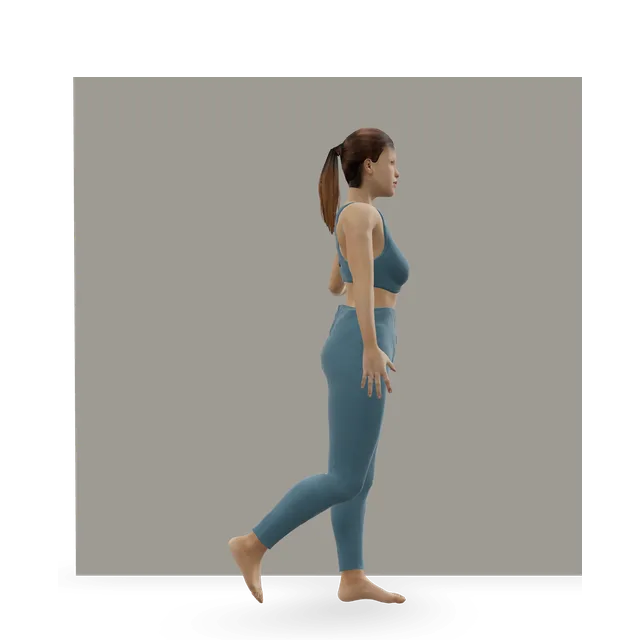
1 min running and 4 min walking for 20 min; each week, add a minute of running and take away a minute of walking, until you run for 20 min at about 5 weeks · An NHS leaflet's programme. Only once your physiotherapist agrees
Move on when: 20 minutes of running is comfortable without swelling, and strength is close to the other leg on testing.
Follow along: a timer, a cue and the next move, one step at a time.
Stage 4
Back to sport (from about 19 weeks in one NHS protocol; by checks, as your team allows)
As your team allows. Heavier strength work (3 sets of 8, as in an NHS leaflet), jumping from two legs to one, then sport-specific drills. Contact sport comes back when functional tests reach more than 85% of the other leg (an NHS leaflet), with full movement, thigh strength over 90%, no giving way and feeling ready (a US protocol). Other doses are editorial.
Move on when: Full training without pain, swelling or giving way; then matches. Keep a strength session and a warm-up such as the knee control warm-up going.
Follow along: a timer, a cue and the next move, one step at a time.
What to change for now
Knee bending lying face down (written steps)
NHS and US protocols start knee bending lying on your front for the first weeks, so gravity holds the shin forwards instead of letting it sag back. Our 3D figure doesn't show this one yet, so here are the steps from an NHS leaflet.
1. Lie on your front with your legs straight, hands by your sides or under your forehead.
2. Bend one knee, bringing the heel towards your bottom, until you feel a stretch or mild discomfort. Keep the pain below 4 out of 10.
3. Lower the leg slowly back to straight.
4. For the first 2 weeks, bend no further than a right angle (90 degrees); after that, go as far as is comfortable, as your team allows.
These come from two NHS trusts, a US protocol and the American Academy of Orthopaedic Surgeons, and they differ. They are typical ranges from hospital protocols, not deadlines; your own team's timings come first.
Crutches: partial weight for about the first 2 weeks, then more as comfortable.
Brace: 12 weeks in one NHS trust and a US protocol, worn day and night including for exercise; 4 months, 24 hours a day and off only to shower, in another NHS trust.
No over-straightening, no kneeling and no resisted hamstring work: usually for 12 weeks.
Exercise bike: from about week 3, or once the knee bends about 115 degrees.
Running: from about 12 weeks, once strength allows.
Contact sport: from about 19 weeks at the earliest in one NHS protocol, once tests reach more than 85% of the other leg.
Driving: once you have good muscle control, can walk without crutches and can do an emergency stop. Tell your insurer.
After surgery: physiotherapy usually starts 1 to 4 weeks after the operation, and full recovery typically takes 6 to 12 months.
Early on, avoid lying on your back with the knee bent and unsupported for long spells, which lets gravity pull the shin back; a brace can stop the sag when you lie down. Check your skin where the brace touches it, and ask the team to adjust it if it rubs or no longer fits as the swelling goes down. One NHS trust warns that poor healing can follow if the brace isn't worn as instructed.
A sprain or tear of the posterior cruciate ligament, which stops the shin sliding backwards. It's usually caused by a blow to the front of the shin with the knee bent, as in a car dashboard injury, or a fall onto a bent knee.
What are the symptoms?
Pain and swelling, stiffness, a limp, and sometimes a feeling that the knee might give way. There's often no pop, and it's easily missed.
How long does a PCL injury take to heal?
It varies with the grade and with any other damage. In NHS and US protocols, a brace is worn for 12 weeks to 4 months, running starts at about 12 to 18 weeks, and sport comes back from about 4 to 6 months once you pass strength and function tests. Your team sets your timeline.
Do I need surgery?
Usually not for an isolated PCL injury: most do well with rehab, usually with a brace. Surgery is usually advised when other ligaments are torn too, and for knees that stay unstable or painful despite rehab.
What exercises help?
Thigh strengthening leads: quad sets and straight-leg raises, then mini squats, the leg press and reverse lunges in a shallow range, going deeper over the weeks. The plan on this page follows NHS and US protocols.
Which exercises should I avoid?
Hamstring curls for about 12 weeks, deep squats and lunges beyond about 70 degrees early on, kneeling, and forcing the knee straight. Your team may add others.
Do I need a brace?
Your team will decide. Two NHS hospitals use braces that push the shin forwards, one for 12 weeks and the other for 4 months, and hospitals differ on the type and how long. The evidence that the brace itself helps rests on one small study without a comparison group.
Can I walk on a torn PCL?
Usually, with crutches and partial weight for about the first 2 weeks, then more as comfortable. If you can't put any weight on it, get it checked the same day.
What is a grade 2 PCL tear?
On testing, the shin moves back 5 to 10 mm further than normal. When the PCL is the only ligament hurt, it's usually treated without surgery.
Will I get arthritis?
The risk is higher after a PCL injury, with or without surgery, and long-term figures vary widely between studies. In one long follow-up, 89% of X-rays were normal or nearly normal at about 14 years.
PCL or ACL: what's the difference?
The ACL usually tears in a twist or landing, often with a pop and fast swelling; the PCL with a blow to the front of the shin or a fall onto a bent knee. Their rehab differs: PCL rehab delays hamstring curls, because the hamstrings pull the shin backwards.
Exercise education, not a diagnosis or treatment plan. It is written from the guidelines and studies listed above; review by a clinician is pending. If your pain follows an injury, is severe, is getting worse, or comes with any warning sign listed on this page, get it assessed. Health disclaimer.