Pilates vs yoga: how they differ, what the research shows, and which to choose
Pilates and yoga share a mat, a focus on the breath and many of the same shapes, but they come from different places: yoga from Indian philosophy, Pilates from a 20th-century trainer who called his method Contrology. Pilates usually moves through short sets of repetitions; yoga more often holds poses and ends in relaxation.
In the research, neither comes out clearly ahead. Small head-to-head trials mostly find similar results, Pilates ranks a little higher for back pain, and yoga has much more evidence for low mood. Both are light exercise that counts toward your strength days.
This guide compares them side by side and goal by goal, with the trials, the calories and the safety data, plus a 25-minute workout that lets you try both. Choose by your goal, and by which one you'll keep doing.
Yoga is an ancient practice rooted in Indian philosophy that usually combines postures, breathing techniques and meditation. Pilates is a 20th-century conditioning method, focused on strength, trunk control, flexibility, posture and breathing, that its founder called Contrology.
In network meta-analyses, which compare many exercise types at once, Pilates ranks above yoga for back pain. The trials are small and the certainty low, and exercise of any kind helps.
Most classes of either are light intensity, apart from power yoga and sun salutations, and the NHS lists both as muscle-strengthening activities, not aerobic activity.
Side effects in yoga trials were no more common than with usual care or other exercise, and Pilates trials rarely report any. Both need the same care with osteoporosis and neck problems.
Joseph Pilates, born in Germany in 1883, developed his method, which he called Contrology, and taught it in New York; he set out his ideas in books in 1934 and 1945 and died in 1967. Yoga is an ancient practice rooted in Indian philosophy, which began as a spiritual practice.
Pilates usually moves through short sets of controlled movements, often in a set order, and beginners learn a basic set before progressing. Yoga links poses to the breath, often holds them, and many classes end with relaxation or a short meditation. Styles include hatha, restorative yoga, yoga nidra and flowing vinyasa.
Contemporary Pilates teaches breathing in through the nose and out through pursed lips, widening the back and sides of the ribs. In yoga, breathing techniques (pranayama) are a practice in their own right.
Both need only a mat. Pilates can also be done on spring equipment such as the reformer; yoga uses props such as blocks, straps and blankets to make poses reachable.
Both improve flexibility and balance. Pilates is built around trunk endurance and control, while yoga classes more often aim at relaxation and stress, and yoga has a far bigger evidence base for low mood. When a trial matched the two for effort, they gave the same gains.
A Cleveland Clinic doctor who teaches yoga suggests Pilates if you need strengthening after an injury, and yoga if you want to learn to relax, and recommends trying both. That's an opinion, not a trial result.
Every trial here is small, with 20 to 56 people, so read "similar" as "no clear difference", not proof that the two are the same.
Mostly similar resultsEmerging evidence
In 23 adults with moderate stress, 8 weeks of Pilates or yoga at the same effort gave the same gains in flexibility, balance, heart-rate regulation and mental health. In two trials of 56 adults each with long-lasting neck pain, both eased pain and disability about equally. Online Pilates and online yoga both helped women with multiple sclerosis (MS), and both improved balance in elite fencers.
In teenage girls with period pain both helped, but so did the comparison group, so that trial can't separate them.
In 28 people with MS, in a study that wasn't randomised, Pilates improved walking speed and balance confidence more than yoga. In a pilot trial of 30 older women with leaking, yoga improved symptoms more than Pilates. Neither is large enough to settle anything.
Network meta-analyses compare many types of exercise at once, using direct and indirect comparisons. They rank Pilates from a handful of small trials, so treat the order as a hint.
Back pain: Pilates a little aheadMixed evidence
In a network meta-analysis of 89 studies, Pilates had the best chance of being the most effective exercise for back pain, while yoga's effect on pain wasn't statistically clear; both improved function equally. Two analyses of mind-body exercise also favoured Pilates over yoga. The rankings rest on small trials and low-certainty evidence, and a review written for a World Health Organization (WHO) guideline found that exercise of any kind probably helps.
A network meta-analysis of 40 trials grouped yoga, Pilates and tai chi together and found them about as good as other exercise. A mind-body analysis of 18 studies ranked yoga best for neck pain and Pilates best for mental quality of life.
Low mood: far more evidence for yogaEmerging evidence
The largest network meta-analysis of exercise for depression (218 trials) included 33 yoga trials, which showed a moderate benefit, and no Pilates trials. In older adults, two mind-body analyses ranked tai chi first, with Pilates and yoga close behind; Pilates came from only 2 trials in one of them.
Sleep: Pilates ranks first, from few trialsMixed evidence
In a network meta-analysis of 86 trials, Pilates ranked first for sleep quality and yoga lower, but Pilates came from only 5 trials and the differences between exercise types weren't significant. Another analysis also ranked Pilates first; in older adults it wasn't among the best.
For knee osteoarthritis, a mind-body analysis ranked Pilates and tai chi best. For balance in MS, one ranked yoga best. In type 2 diabetes, yoga did best for fasting blood sugar and Pilates for cholesterol, a ranking its authors say needs confirming.
The 2024 Compendium of Physical Activities lists mat Pilates at 1.8 to 2.8 METs (metabolic equivalents, where sitting still is 1) and most yoga styles at 2.3 to 2.7: hatha 2.3, vinyasa 2.7. Sun salutations (3.5) and power yoga (4.0, an estimate rather than a measured value) reach moderate intensity. Measured sessions average about 3 to 3.7 METs for Pilates and 3.3 for yoga.
Our arithmetic: for a 70 kg person, 50 minutes of hatha yoga uses about 135 calories, Pilates about 105 to 165 and power yoga about 235, including the energy you'd use sitting anyway. Neither does much for weight on its own; our Pilates for weight loss guide explains.
Stress and relaxation: yoga, if relaxation appeals
Yoga's breathing practice and closing relaxation suit people who want to learn to relax (an expert's view), though in a trial matched for effort both eased stress-related measures equally.
Both improved flexibility equally in a matched trial, both count as balance exercise in the UK osteoporosis consensus, and Pilates improves balance in older adults, though neither has been shown to prevent falls, and one large yoga trial found more falls than seated relaxation. Neither is clearly better for sleep.
Exercise with deliberate pelvic floor squeezes works better than exercise without them, and one small pilot favoured yoga over Pilates. Do the squeezes, with either class alongside.
Our editorial starting point: two sessions a week of either, which counts toward your strength days. The matched trial used 60 minutes twice a week for 8 weeks.
No type of exercise is clearly best for back painStrong evidence
Rankings favour Pilates at low certainty, while other reviews find no strong evidence for one type of exercise over another. The authors of a network meta-analysis of 217 trials advise people with long-lasting back pain to do the exercise they enjoy, so they keep it up. Outside back pain, the claims that one is better rest on single small studies.
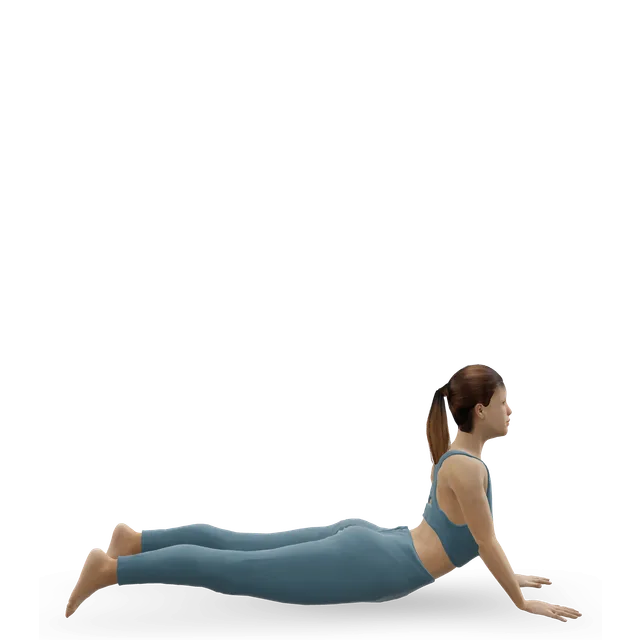
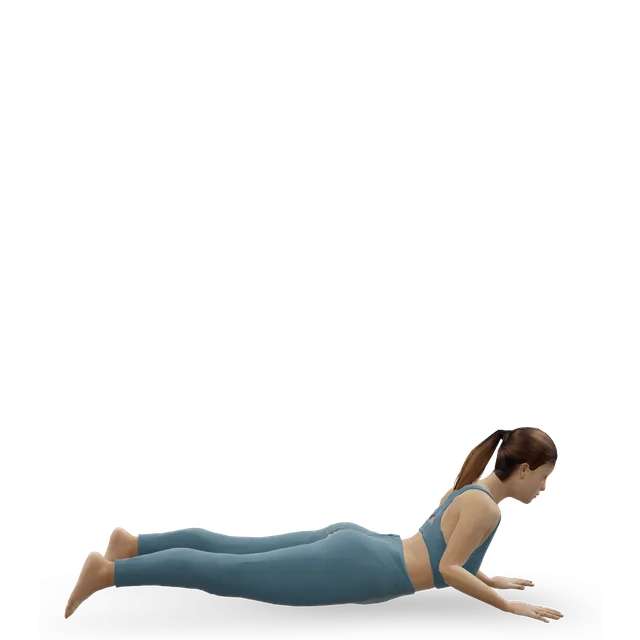
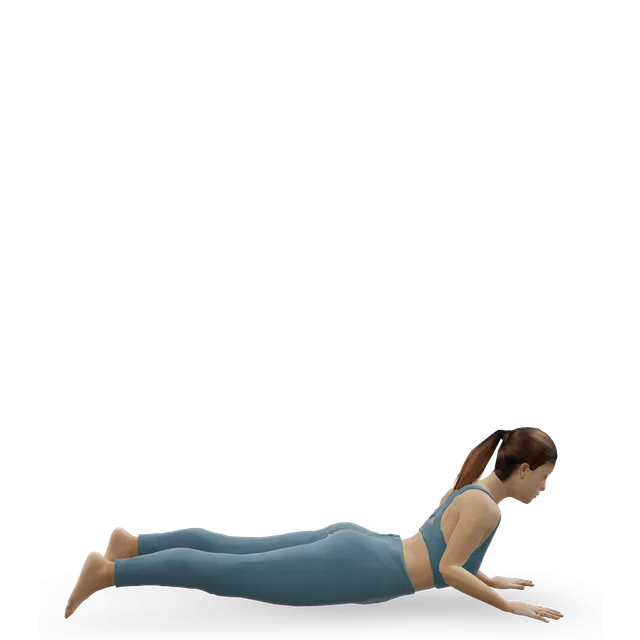
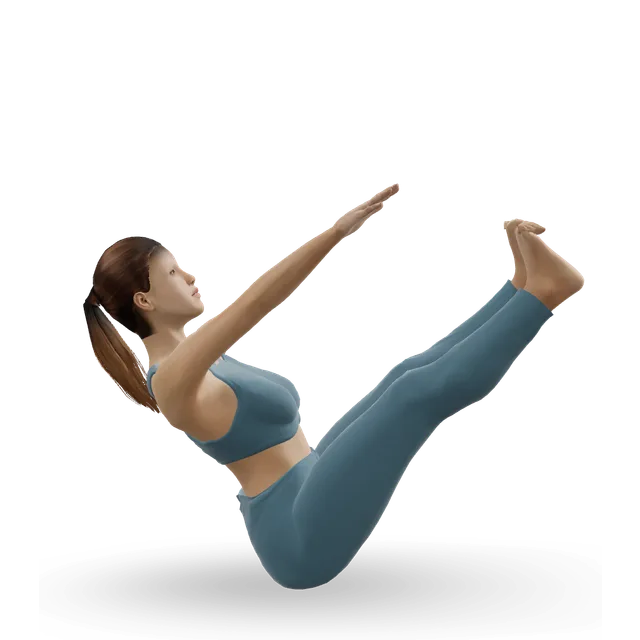
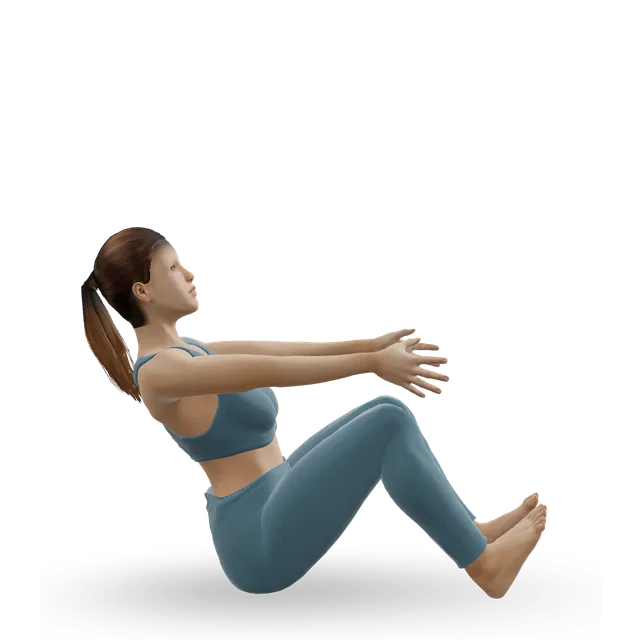
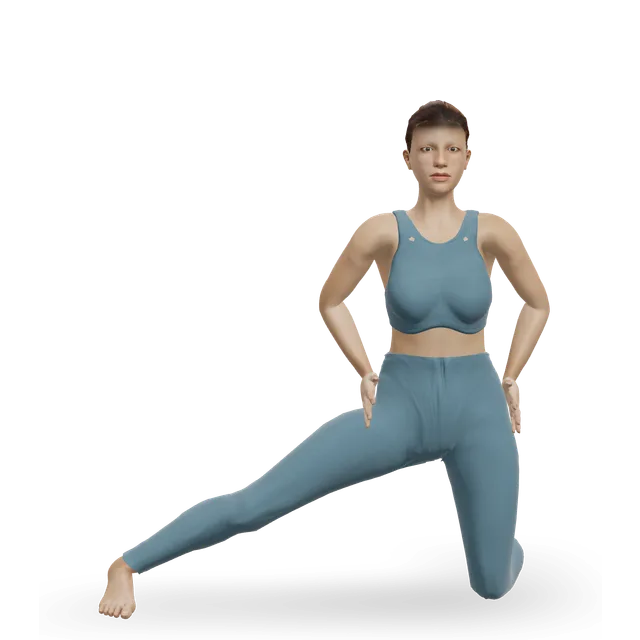
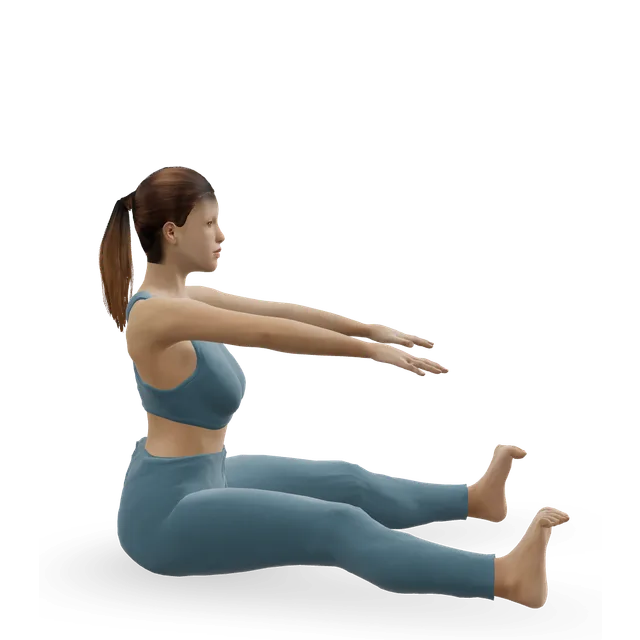
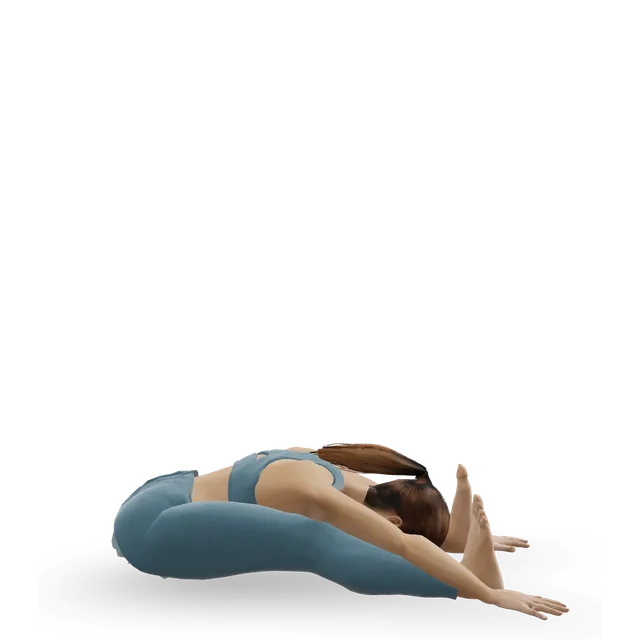
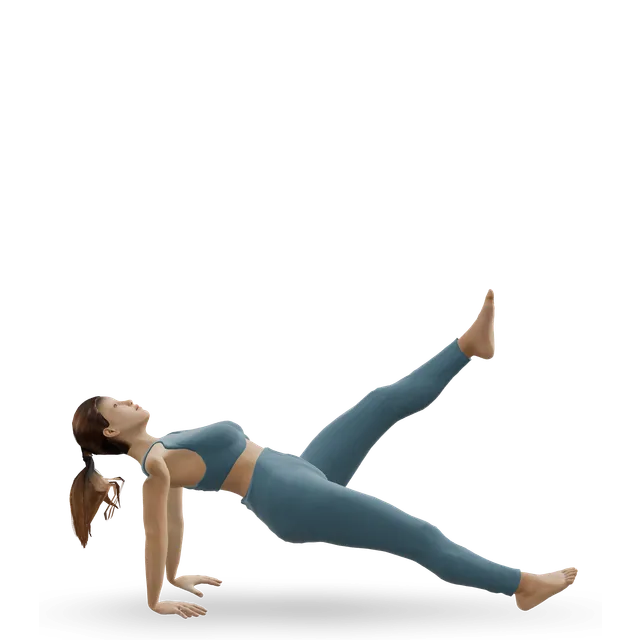
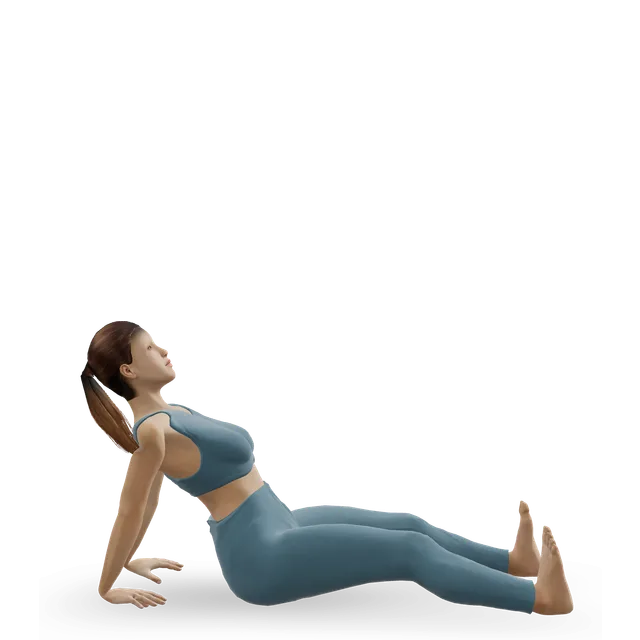
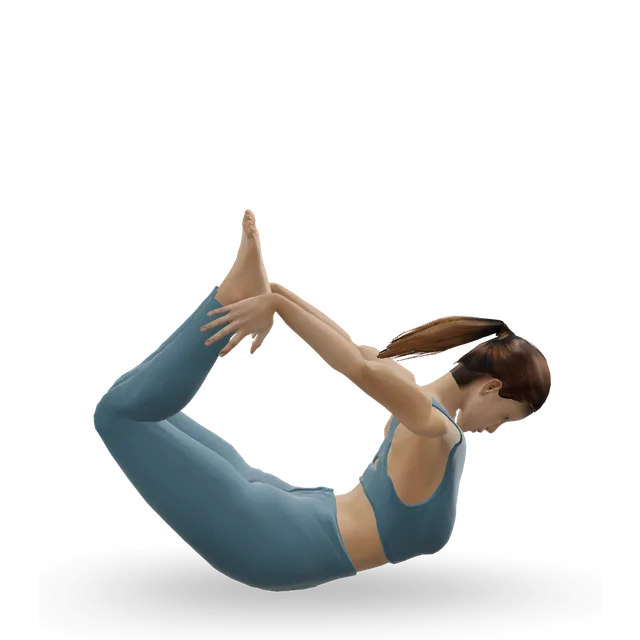
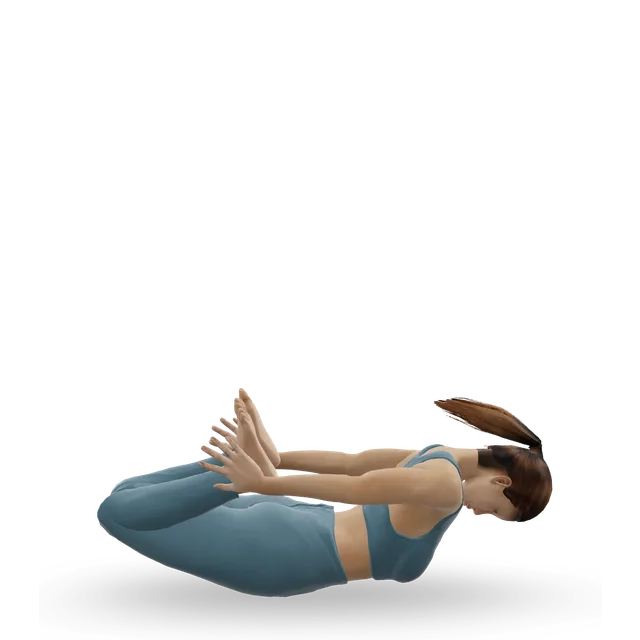
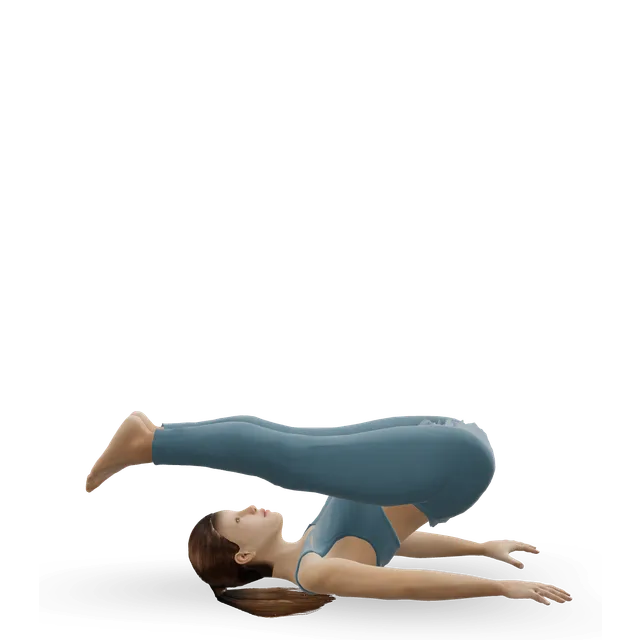
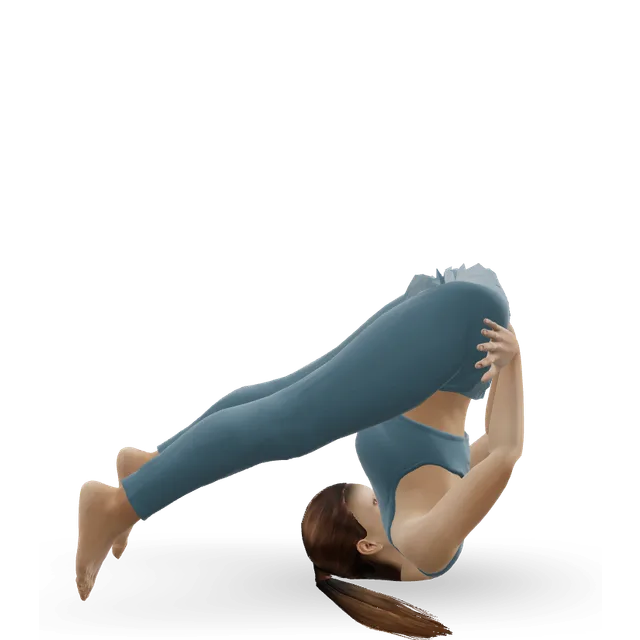
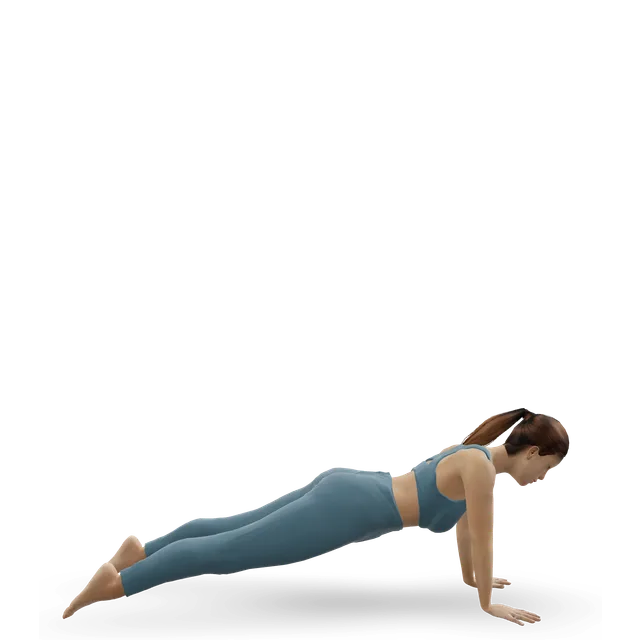
Read them in pairs, Pilates first: the swan lifts and lowers where the cobra holds, the teaser rolls up where the boat holds, and the advanced pairs (roll-over and plow, rocking and bow) load the neck or lower back, so check each page's cautions.
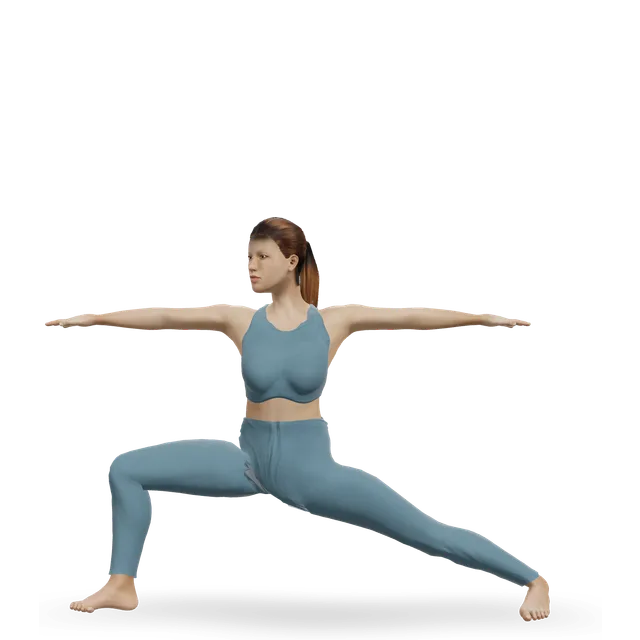
Try both in one session, or do the beginner Pilates workout and the beginner yoga flow on different days and see which you look forward to. Sun salutations are the yoga sequence that reaches moderate intensity.
Yoga: side effects no more common than with other exerciseEmerging evidence
In 94 yoga trials (8,430 people), side effects were no more common than with usual care or other exercise. Most yoga injuries are sprains and strains, and US emergency department data show the highest injury rate in people aged 65 and over.
Only 2 of 10 trials in the Cochrane back pain review reported side effects, which were minor or absent, and Australia's Pilates association says no Pilates-specific injury statistics are collected there.
With osteoporosis, avoid loaded or end-range rounding of the spine in either: case reports link extreme forward-bending yoga poses to spinal fractures. With neck problems, skip moves that put weight on the neck, such as the Pilates roll-over and jack knife and yoga's plow, shoulder stand and headstand.
US health advice is that yoga beginners should avoid extreme practices such as headstands, shoulder stands, the lotus position and forceful breathing.
Later in pregnancy, avoid lying flat on your back for more than a few minutes and avoid moves with a risk of falling. Hot yoga can cause overheating and dehydration. Our Pilates in pregnancy guide covers what to swap.
Classes that mix yoga and Pilates exist, and two small studies have used them: an 8-week web-based yoga-Pilates programme for 60 women with stress leaking, and 12 weeks of yogalates in 36 women after breast cancer surgery. Neither compared the mix with yoga or Pilates on its own.
For low mood in older adults, tai chi ranked first in two network meta-analyses of mind-body exercise, with Pilates and yoga close behind. Our exercise for older adults guide covers tai chi.
For chest pain that feels tight or like squeezing, or spreads to your arms, neck or jaw; severe difficulty breathing, such as gasping, choking or not being able to get words out; lips or skin that turn pale, blue or grey; or if someone has passed out and isn't responding normally.
If you have pain, tingling, weakness or numbness in both legs, loss of feeling around your genitals or anus, changes in your bladder or bowels or in how sex feels, or back pain that started after a serious accident.
If you're suddenly more short of breath than usual, have chest pain with feeling sick or a racing, slow or fluttering heartbeat, or have back pain and feel hot, shivery or generally unwell. In the US, contact your doctor or urgent care.
If you're unsure whether the exercises suit your fitness, have a health problem, an injury or symptoms, or you're pregnant or have recently given birth.
Stop for sharp or increasing pain, tingling or numbness travelling down an arm or leg, dizziness, or neck strain, and come up slowly from head-down poses if you feel light-headed.
Myths
"Pilates is for strength, yoga is for flexibility"Emerging evidence
In a trial matched for effort, both improved flexibility and balance equally, and in pooled trials Pilates built strength no better than other exercise.
"Joseph Pilates was an anatomist who created Pilates for war veterans in 1926"
The history published by the Pilates Method Alliance describes a self-taught trainer interned on the Isle of Man during the First World War, and doesn't support the anatomist story, which some yoga versus Pilates pages still repeat.
Yoga is rooted in Indian philosophy and usually combines postures, breathing techniques and meditation. Pilates is a 20th-century method focused on strength, trunk control, flexibility and breathing, done on a mat or on spring equipment. Pilates usually moves through repetitions, while yoga often holds poses with the breath.
Which is better for beginners, Pilates or yoga?
Either. Both have beginner classes and easy versions of every move, and both are mostly light intensity. Start with the one you'll enjoy, or try both in our 25-minute workout.
Is Pilates or yoga better for back pain?
Pilates ranks a little higher for pain in several network meta-analyses, but the trials are small and certainty is low, and both help about as much as other exercise. Choose the one you'll keep doing.
Is Pilates or yoga better for weight loss?
Neither burns much: both are mostly light intensity, about a slow walk, apart from power yoga and sun salutations. For weight loss, pair either with brisk activity and changes to what you eat.
Is Pilates or yoga better for flexibility?
In a trial that matched them for effort, both improved flexibility by the same amount over 8 weeks. In pooled trials, Pilates did no better than other exercise.
Is Pilates or yoga better for core strength?
Pilates is built around trunk control and improves abdominal endurance against no exercise. Yoga's core poses, such as boat pose, work the same muscles, and no trial has compared core strength between them.
Is Pilates or yoga better for stress and anxiety?
Both improved stress-related measures equally in a trial matched for effort. For depression, yoga has far more trials behind it.
Is yoga or Pilates safer?
Both are low-risk. In 94 yoga trials, side effects were no more common than with usual care or other exercise, and Pilates trials rarely report side effects at all. Both need the same care with osteoporosis, neck problems and pregnancy.
Can I do both yoga and Pilates?
Yes. Both count toward the twice-weekly strength guideline, and many moves are cousins, such as the swan and cobra, or the teaser and boat. Our try-both workout pairs them in one session.
What is yogalates?
A class that mixes yoga and Pilates. Two small studies have used it, but none has compared it with yoga or Pilates on its own.
Pilates, yoga or tai chi?
For low mood in older adults, tai chi ranked first in two analyses of mind-body exercise, with Pilates and yoga close behind. All three count as balance exercise in UK osteoporosis advice, so pick the one you'll keep doing.
Exercise education, not a personal prescription, and clinical review of these guides is pending. If you are pregnant, have a health condition or have had recent surgery, check with a doctor, midwife or physiotherapist before starting, and stop for sharp or increasing pain. Health disclaimer.