Upward plank pose (Purvottanasana)
Sitting with your legs long and your hands on the floor behind your hips, fingers toward your feet, you press your hips up until your body makes one straight line from shoulders to heels. It is the push-up position turned face up: the front of the shoulders and chest stretch while the triceps, the backs of the shoulders, the glutes and the hamstrings hold you. Yoga Journal builds up to it from reverse tabletop, with the knees bent, and puts the hands on blocks against a wall for sore wrists.
Movement guide
Upward plank pose (Purvottanasana)
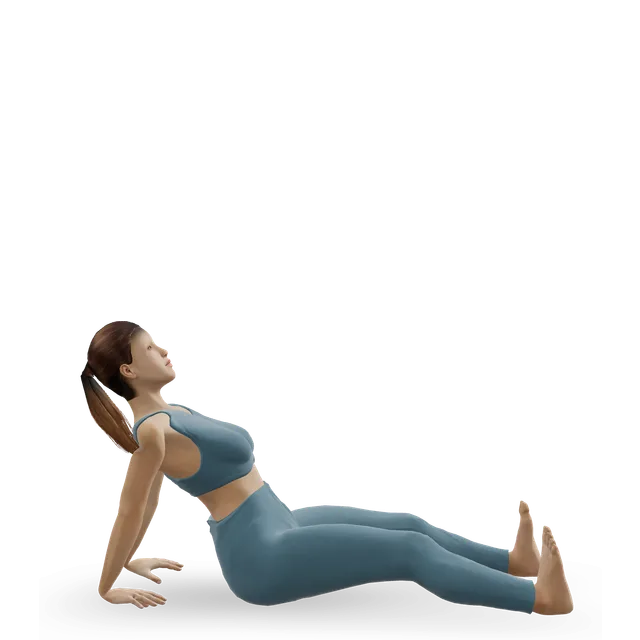
Loading the 3D figure…
Make it easier or harder
Choose a version that fits your control and comfort.
Easier option
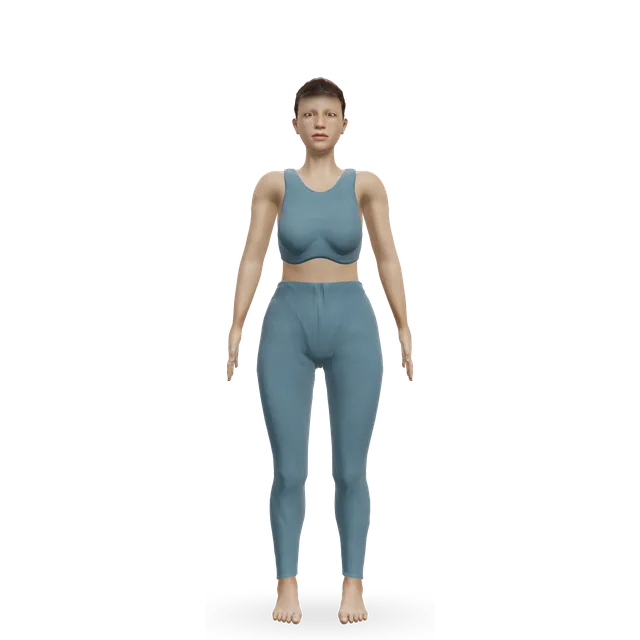 3D demoUpward stretch, hands pressing backBeginner · No equipment
Similar move, beginner grade.
Harder option
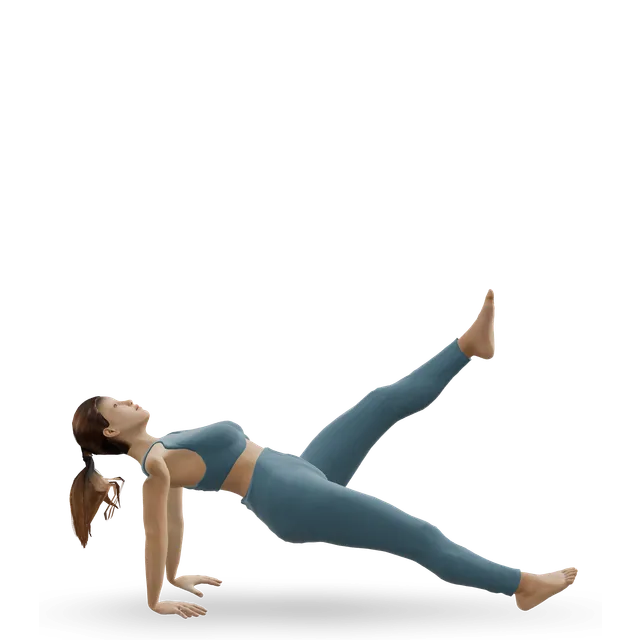 3D demoLeg pull back (Pilates leg pull up)Advanced · No equipment
Suggested next step, advanced grade.
Source-researched guide.
How to move
- Sit with your legs straight and together and your hands on the floor about 20 cm behind your hips, shoulder-width apart, fingers pointing toward your feet.
- Lean back onto straight arms and lift and open your chest.
- Press through your hands and feet and lift your hips until your body makes one straight line from shoulders to heels, toes reaching toward the floor.
- Keep your head in line with your spine, or let it tip back only as far as your neck is comfortable. Hold.
- Lower your hips back to the floor with control.
Form cues
- Squeeze your buttocks and the backs of your legs to keep your hips lifted.
- Keep a tiny bend in your elbows rather than locking them.
- Avoid: letting your hips sag or your shoulders hunch toward your ears.
Practice and cautions
Hold 5 to 10 slow breaths, the hold Yoga Journal gives, 2 or 3 times. Build up in reverse tabletop, knees bent, first.
If your wrists or the front of your shoulders hurt, skip it, or try fists or reverse tabletop with your knees bent instead (our suggestion, matching the Pilates leg pull back). Skip it with a wrist injury or carpal tunnel syndrome, or a current shoulder problem; reverse tabletop is the kinder version. Keep the chin tucked rather than dropping the head back if your neck is at all unhappy. This is movement education, not an assessment or treatment prescription. Stop for sharp or increasing pain, dizziness, numbness or tingling; seek individual guidance for symptoms, injury or restrictions.
Sources and review status
Sources support the educational description; they do not establish that this exercise is suitable for you.
- Yoga Journal · Upward plank pose (how-to: hands behind the hips, fingers forward, 5 to 10 breaths; reverse tabletop first; blocks against a wall for sore wrists) ↗
- Yoga International · Upward plank pose (how-to: the head goes back only as far as the neck is comfortable) ↗
- Yoga International · The case for more upward planks (a yoga therapist on what it works: triceps, rotator cuff, glutes and hamstrings) ↗
No variation is labeled clinically validated.
What it works
Muscles
Main: Shoulders, Triceps. Also: Glutes, Hamstrings, Chest.
Anatomy: Deltoid, Rotator cuff, Supraspinatus, Infraspinatus, Subscapularis, Teres minor.
Equipment
None: body weight and floor space.
Level
Intermediate. See the easier and harder options above.
Workouts that use it
- Full-body mat Pilates workout · 30 min
- Strength and hamstring workout for sprinters and hurdlers: the athletics prevention programme, Nordic curls and heavy legs · 50 min
- Ashtanga yoga for beginners: a 40-minute short form · 40 min
- Pilates arm workout: a 20-minute class with light weights or none · 20 min
- Crawling workout: bear crawls, crab walks and inchworms (20 minutes, no equipment) · 20 min
- Yoga for arms: a 20-minute arm and shoulder class with a band row · 20 min
- Push-and-pull Pilates for the upper body: a 30-minute class with a band · 30 min
Guides that use it
Similar moves
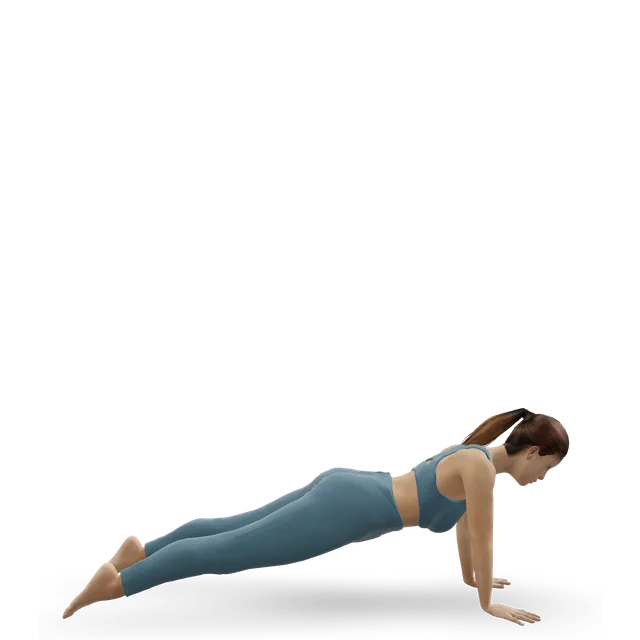 3D demoUpward-facing dog (Urdhva Mukha Svanasana)Intermediate · No equipment
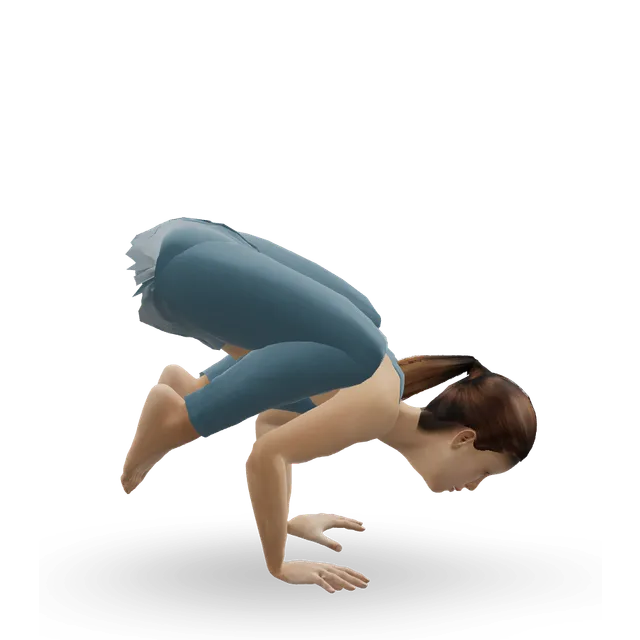 3D demoCrow pose (Bakasana)Intermediate · No equipment
 Eight-angle pose (Astavakrasana)Expert · No equipmentFlying pigeon (Eka Pada Galavasana)Expert · No equipmentPeacock pose (Mayurasana)Expert · No equipmentSide crow (Parsva Bakasana)Advanced · No equipment
Browse more
Questions people ask
What muscles does the Upward plank pose (Purvottanasana) work?
Mainly the shoulders and triceps, with help from the glutes, hamstrings and chest.
What equipment do I need for the Upward plank pose (Purvottanasana)?
No equipment: your body weight and a little floor space.
Is the Upward plank pose (Purvottanasana) good for beginners?
It is graded intermediate. If it is too hard right now, start with the Upward stretch, hands pressing back.
What is an easier alternative to the Upward plank pose (Purvottanasana)?
Try the Upward stretch, hands pressing back or the Downward-facing dog (Adho Mukha Svanasana). It works similar muscles at a lower grade.
How do I make the Upward plank pose (Purvottanasana) harder?
Progress to the Leg pull back (Pilates leg pull up). Follow that guide’s technique and any stated timing.