Peacock pose (Mayurasana)
Kneeling with the palms on the floor and the fingers turned back toward you, you bend the elbows into the sides of the belly, lean forward and lift the straight legs until the whole body balances level on the hands like a see-saw. Crow perches the knees on the arms; peacock balances the body straight, with the wrists bent back. Yoga International notes it is harder with heavy legs and short arms, and Yoga Journal's writer fell onto her chin while learning it.
Movement guide
Peacock pose (Mayurasana)
Make it easier or harder
Choose a version that fits your control and comfort.
Easier option
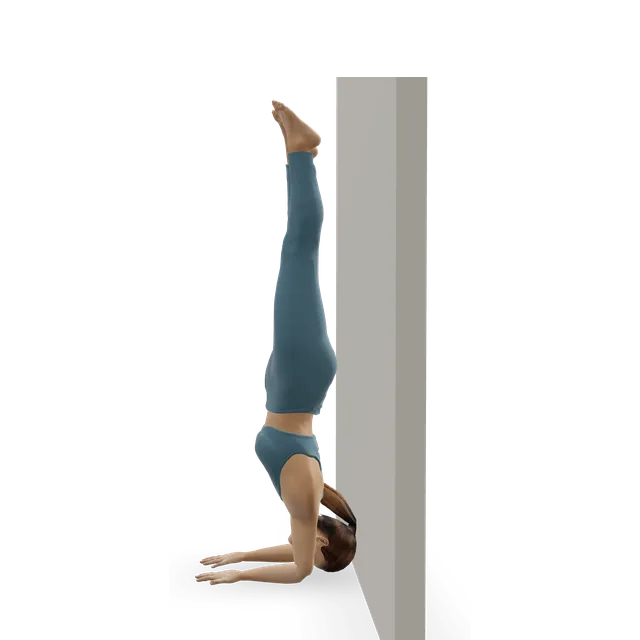 3D demoForearm stand (Pincha Mayurasana)Advanced · A wall
Similar move, advanced grade.
Harder option
Keep a comfortable range and follow any technique and timing given in the guide. A deeper stretch or more complex pose is optional, not a required next step. Ingram 2025 review of stretching and range of motion
Source-researched guide.
How to move
- Kneel and sit on the heels with the knees wide apart. Place the palms on the floor between the knees, fingers pointing back toward you, little fingers close together.
- Bend the elbows and lean forward so they press into the sides of the belly, as low as they go, and the trunk rests on the upper arms.
- Straighten the legs back one at a time, toes tucked under, and shift your weight forward onto the hands.
- Keep tipping the chest forward and down until the feet lift, then hold the body level and firm from head to heels, the gaze ahead.
- Lower the feet and knees, sit back on the heels and shake out the wrists.
Form cues
- Lift one leg, then the other, before trying both.
- Feet on blocks, or the legs folded in lotus, make the lift easier.
- Avoid: lifting the legs by bending at the hips; the body moves as one piece.
Practice and cautions
3 to 5 attempts of 5 to 15 seconds, resting about a minute between them, while you are fresh (our editorial starting point).
Put a firm cushion where your face would land, and lift one leg at a time so you can lower before you tip forward. Bending the wrist back raises the pressure around the nerve in the carpal tunnel, which is why tingling is a stop sign. Wrist pain is common when the hands carry your weight: in a survey of 321 adults who practise handstands, 57% reported chronic wrist pain. The wrists carry everything in an extreme position and the elbows press hard into the abdomen, with a forward face-plant as the default failure. Skip it with any wrist or elbow trouble, in pregnancy, or after abdominal surgery. This is movement education, not an assessment or treatment prescription. Stop for sharp or increasing pain, dizziness, numbness or tingling; seek individual guidance for symptoms, injury or restrictions.
Sources and review status
Sources support the educational description; they do not establish that this exercise is suitable for you.
- Yoga Journal · Peacock pose (how-to: from hero pose, fingertips toward the toes, elbows into the belly; feet on blocks or a wall to learn; the writer fell onto her chin) ↗
- Yoga International · Peacock pose (fingers toward the pelvis, elbows low on the belly, the legs lifted one at a time; harder with heavy legs and short arms) ↗
- Martonovich 2025 · 57% of 321 adults who practise handstands, about a quarter of them from yoga, reported chronic wrist pain (cross-sectional survey, J Funct Morphol Kinesiol; a sibling skill) ↗
- Keir 2007 · Bending the wrist back about 33 degrees took carpal tunnel pressure to 30 mmHg in a quarter of 37 adults (laboratory study, Human Factors) ↗
No variation is labeled clinically validated.
What it works
Muscles
Main: Shoulders, Triceps, Back. Also: Forearms, Glutes, Chest.
Anatomy: Deltoid, Rotator cuff, Supraspinatus, Infraspinatus, Subscapularis, Teres minor.
Equipment
None: body weight and floor space.
Level
Expert. See the easier and harder options above.
Similar moves
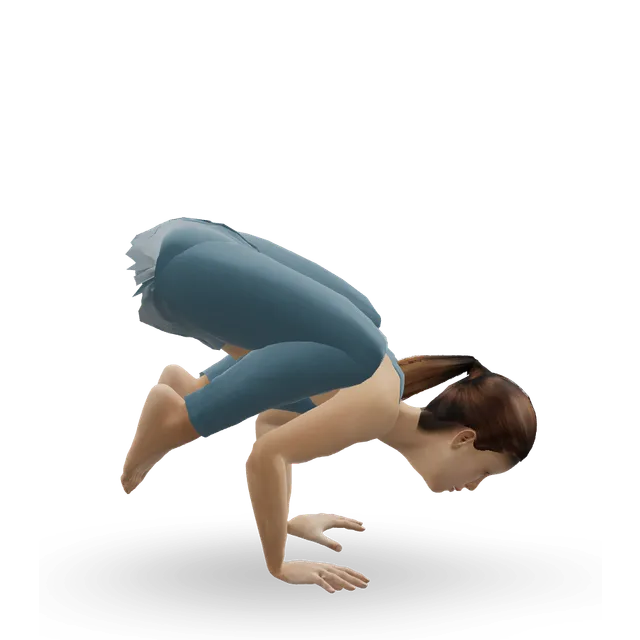 3D demoCrow pose (Bakasana)Intermediate · No equipment
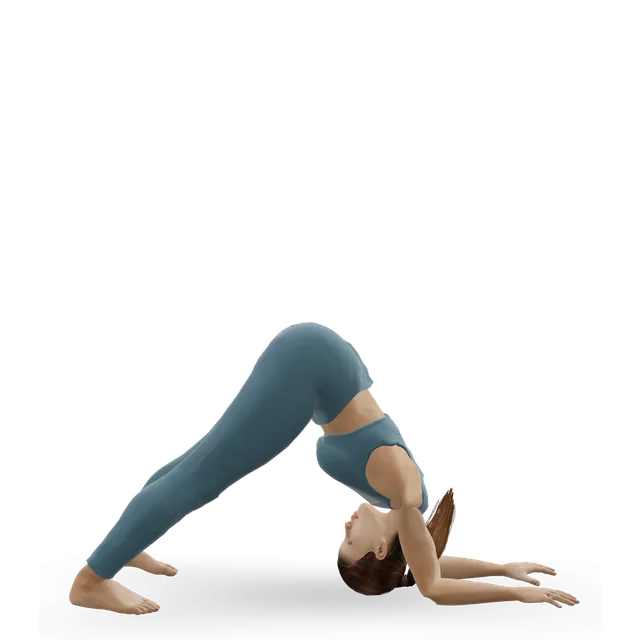 3D demoDolphin pose (Ardha Pincha Mayurasana)Intermediate · No equipment
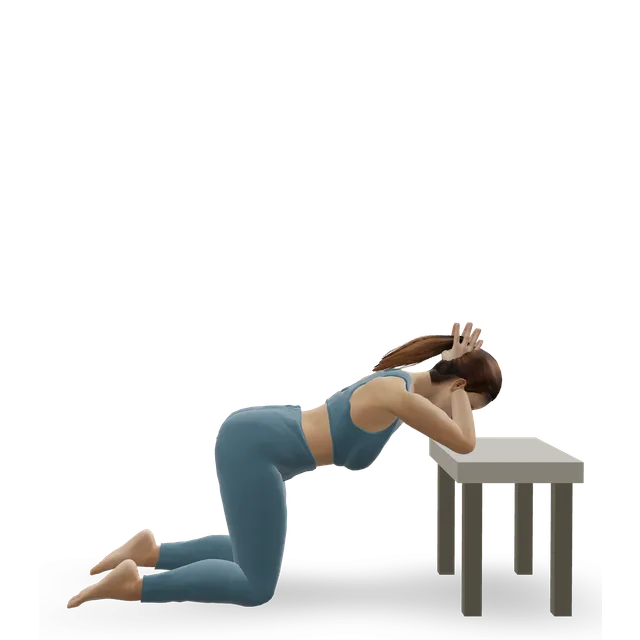 3D demoOverhead lat stretch at a bench (elbows on the bench)Intermediate · A bench or box
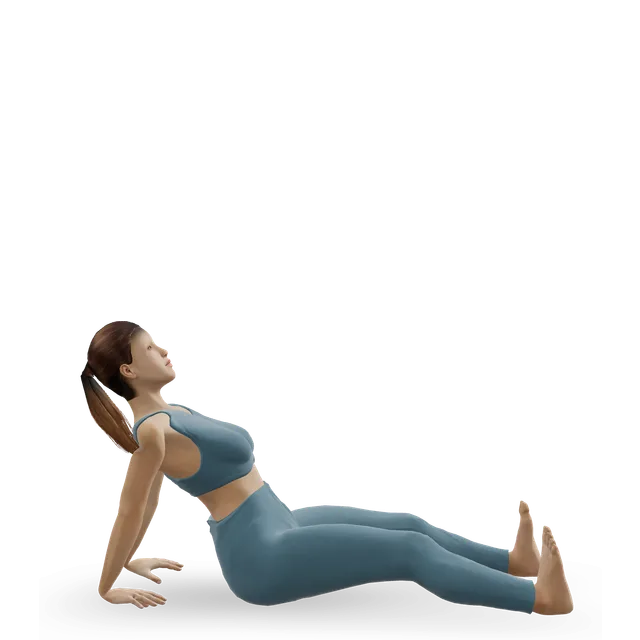 3D demoUpward plank pose (Purvottanasana)Intermediate · No equipment
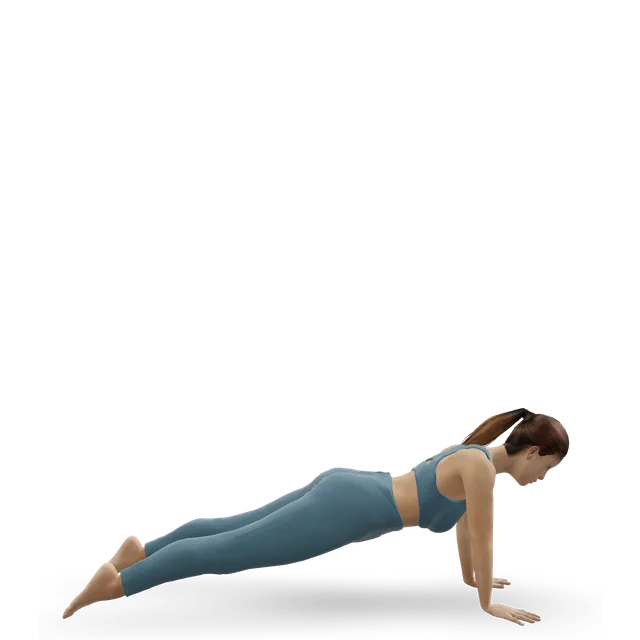 3D demoUpward-facing dog (Urdhva Mukha Svanasana)Intermediate · No equipment
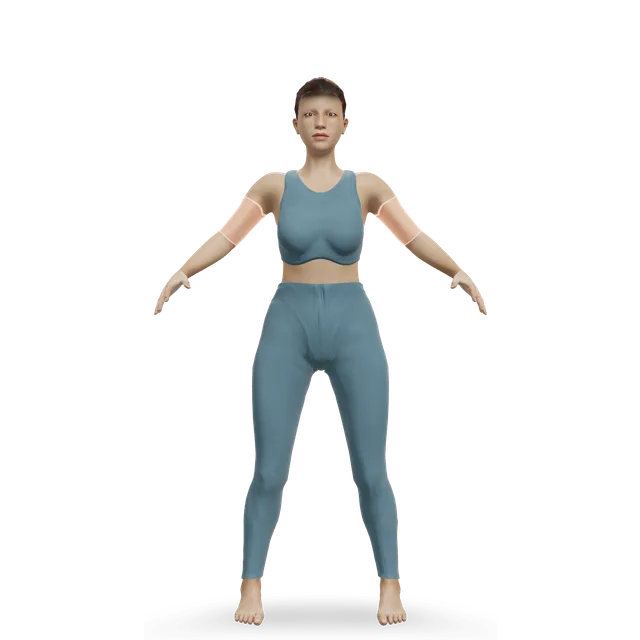 Eight-angle pose (Astavakrasana)Expert · No equipment
Browse more
Questions people ask
What muscles does the Peacock pose (Mayurasana) work?
Mainly the shoulders, triceps and back, with help from the forearms, glutes and chest.
What equipment do I need for the Peacock pose (Mayurasana)?
No equipment: your body weight and a little floor space.
Is the Peacock pose (Mayurasana) good for beginners?
It is an advanced move. Build up to it with the Forearm stand (Pincha Mayurasana) first.
What is an easier alternative to the Peacock pose (Mayurasana)?
Try the Forearm stand (Pincha Mayurasana) or the Wheel pose (Urdhva Dhanurasana). It works similar muscles at a lower grade.