Training guide

How to increase your bench press: what works once the easy gains stop

Most people's bench press rises quickly for a few months, then slows. That's normal: in trials of trained men, the bench rose more slowly than the squat or the deadlift, and strength gains slow for everyone after the first year or two.

What keeps it moving is well tested: bench 2 or 3 times a week, lift heavy sets that stop short of failure, add weight in small steps, and change one thing at a time when it stalls. Assistance moves such as close-grip and pin presses are sensible extras, but no trial has shown they raise the bench more than extra bench sets do.

This guide covers how often to bench, how heavy and how many sets, how to progress once the beginner gains end, the set-up that adds kilos, the sticking point, assistance moves, how fast to expect progress, and the warning signs, including a torn pec. For learning the lift itself, see our bench press guide.

The short version

Bench 2 or 3 times a week, mostly heavy

Most of your bench sets should be heavy: about 3 to 6 reps, 2 or 3 hard sets a session, with the bench first. That's the strength recipe of the American College of Sports Medicine (ACSM), drawn from 137 reviews, and heavy, multi-set training 3 times a week ranked first in an analysis of 178 studies.

Sources 1, 2

More sets help, up to a point

About 5 to 10 hard bench sets a week covers most of the benefit (our editorial reading of the trials). Benching more often helps mainly because it adds sets: trained men gained the same on 3 or 6 sessions a week when their weekly sets were matched.

Sources 3, 4, 5

Stop short of failure

Going to failure added nothing for strength across 15 studies, and in 64 trained men, bench sets ended well before failure built the same strength as sets taken much further.

Sources 6, 7

Add weight in small steps, then change the week

Add reps, then 1 to 2.5 kg. When that stalls, a heavy day and a lighter day, or reps that change through the week, keep trained lifters moving.

Sources 8, 9

Assistance moves are sensible, not proven

Close-grip, paused and pin presses train parts of the lift, but none has a training trial showing it raises the bench more than extra bench sets. Adding arm exercises didn't add arm strength to pressing and pulling in two trials.

Sources 10, 11, 12

Slow progress is normal

In trained men, upper-body strength rose 4 to 6% in 6 weeks against 18 to 22% for the legs, and gains slow for everyone after the first year or two. Compare yourself with yourself.

Sources 13, 14

What raising your bench involves

Strength is a skill as well as muscle

Strength gains are largest on the exact lift you train: across 43 studies, gains on the trained lift were more than double the carry-over to untrained tests. People improve most on the equipment they train with, and in 38 untrained people, practising the one-rep max test alone raised it as much as 8 weeks of hard sets, though only the hard sets built muscle. That's why the bench itself stays at the centre of any plan to raise it.

Sources 15, 16, 17

The sticking point

When a heavy bench fails, it usually stalls a little way off the chest, in the slowest part of the lift, called the sticking region. A 1989 analysis found it isn't caused by muscles switching off. A review found that partial and isometric training build strength mostly within about 10 to 20 degrees of the position you train.

Sources 18, 10

The slowest of the big lifts

In 6 weeks, trained men's benches rose about 8 kg against about 17 kg for the squat and 20 kg for the deadlift. Single sets 1 to 3 times a week raised trained men's bench by about 8 kg over 8 to 12 weeks, against about 17 kg for the squat. Small fractional plates help it keep moving, as our bench guide suggests.

Sources 5, 19

Gains slow with training age

In 14,690 gym members training once a week, strength rose about 30 to 50% in the first year and levelled off after 1 to 2 years. Over 21 weeks, men new to lifting gained about 21% against 4% in strength athletes. In 1,897 competitive powerlifters, totals kept rising slowly for years, and the strongest men gained about half as fast as the rest.

Sources 14, 20, 21

Where people differ

Women gained relatively more upper-body strength than men across 17 studies. Arm length, chest depth, grip width and arch all change how far the bar travels. Tables that rate your bench as a multiple of your body weight don't scale fairly with size, a study of 101,898 powerlifters found, so compare yourself with yourself.

Sources 22, 23

What the evidence says

Heavy, multi-set training builds the most strengthStrong evidence

In 178 studies of 5,097 people (45% women), heavy multi-set training 3 times a week ranked first for strength. Across 28 studies, heavy and moderate loads raised one-rep max more than light loads, and in 21 studies light loads built similar muscle but less one-rep max. The ACSM's 2026 overview found strength rose most with at least 80% of your best, a full range, 2 to 3 sets, the lift early in the session and at least 2 sessions a week.

Sources 2, 24, 25, 1

More sets help, with diminishing returnsStrong evidence

In 67 studies, more weekly sets brought more strength, but the extra gain shrank sooner than it did for muscle size. In 9 studies of 223 men, 5 to 9 or 10 or more weekly sets of an exercise built a little more strength than 5 or fewer. In 34 trained men, 1, 3 or 5 sets per exercise 3 times a week built the same bench strength over 8 weeks.

Sources 4, 3, 26

How often matters mainly through setsStrong evidence

In 22 studies, more sessions a week brought more strength, but not when weekly sets were the same. In trained men with sets matched, 3 or 6 sessions a week gave the same bench gains (7.8 against 8.8 kg in 6 weeks), and similar upper-body gains (4 against 6%) in a second trial.

Sources 27, 5, 13

Failure isn't neededStrong evidence

Across 15 studies, training to failure added nothing for strength, and stopping short did better when volume wasn't matched. Strength gains were similar across a wide range of reps left in reserve, and in 64 trained men, ending bench sets anywhere from the first slowed rep to a 50% slowdown built the same strength over 8 weeks.

Sources 6, 28, 7

RestEmerging evidence

In 23 studies, more than 2 minutes' rest suited trained lifters' strength, and 60 to 120 seconds was enough for beginners. In 21 trained men, 3-minute rests built more bench strength than 1-minute rests.

Sources 29, 30

Changing the reps through the weekMixed evidence

Periodised training raised one-rep max a little more than unvaried training in 18 studies, and in 35 studies with matched volume, changing the reps through the week beat a steady climb, with the benefit seen in trained lifters but not in untrained ones. In 18 college powerlifters, a week ordered muscle, power, then strength raised the bench more than the reverse order. But the ACSM's 2026 overview found no consistent benefit, so any gain is small.

Sources 31, 9, 32, 1

Adjusting the load on the day, bands and chainsMixed evidence

Setting the weight on the day by how hard sets feel, or by bar speed, gave strength gains similar to fixed percentages in 21 trained men and in two reviews of 6 studies each. One analysis of 27 trials ranked bands and chains and two on-the-day methods above fixed percentages for squat strength, and a 2026 review found bands and chains added a little maximal strength over weeks of training. The reviews disagree, so these are options for experienced lifters, not essentials.

Sources 33, 34, 35, 36, 37

Grip widthEmerging evidence

Medium and wide grips lifted 5.8 to 11.1% more than a narrow grip in 12 competitive bench pressers, and one-rep maxes were 109.8, 108.9 and 103.7 kg with wide, medium and narrow grips in 14 trained men. In a computer model of 10 lifters, grips under 1.5 times shoulder width cut the load on the joint at the outer end of the collarbone, and a review lists grips wider than that among the suggested causes of shoulder injury.

Sources 38, 39, 40, 41

The archMixed evidence

In 15 highly trained lifters, the arched one-rep max was 4.2 kg higher, though the likely range ran from no difference to 8.4 kg; in 11 powerlifters there was no difference (115.9 against 115.7 kg). In 20 experienced lifters at moderate weights, the arched style used the lats more and the flat style put 8% more load on the shoulder.

Sources 42, 43, 44

Touch-and-go and the pauseEmerging evidence

In 113 adults, touch-and-go one-rep maxes were about 8% higher than presses started from the chest. Competition benches are paused: the International Powerlifting Federation (IPF) requires the bar held still on the chest until the referee says "Press".

Sources 45, 46

Breathing at the sticking pointEmerging evidence

In 24 men doing a one-rep max bench, a braced, held breath or packing in extra air got the bar through the sticking region faster, a plain held breath didn't help, and breathing in on the way up lowered the weight they lifted.

Source 47

Full range builds the full liftStrong evidence

Across 16 studies, full-range training built more strength than partial range, and in 50 trained men, full-range bench pressing beat two-thirds and one-third ranges over 10 weeks.

Sources 48, 49

Partial presses as an extraEmerging evidence

In 16 trained men, 4 weeks of heavier-than-maximum partial bench presses on boards raised the one-rep max as much as full-range training. Partial training builds strength mostly near the range you train, so it adds to full benching rather than replacing it.

Sources 50, 10

Push-ups build bench strengthEmerging evidence

In three small trials, push-ups raised bench strength as much as bench pressing did: 23 men over 4 weeks, 30 trained students with banded push-ups over 5 weeks, and 18 men over 8 weeks.

Sources 51, 52, 53

Assistance movesMixed evidence

No assistance move, from the close-grip bench to the pin press, has a training trial showing it raises the bench. Adding arm exercises to pressing and pulling didn't add arm strength in 20 trained men or 29 untrained men. In a lab study of 27 trained people, the close-grip bench lifted less than the normal grip but moved the bar faster.

Sources 11, 12, 54
How often, how heavy, how many sets

How often: 2 or 3 times a week

Bench on 2 or 3 days a week. The ACSM found strength rose most with at least 2 sessions a week, and powerlifters typically bench 3 times a week. If you can only bench twice, add a set to each session instead (our suggestion).

Sources 1, 55

Heavy sets of 3 to 6

Most bench sets should be heavy: 3 to 6 reps, which for most people means at least about 80% of your best (our editorial range). Stop each heavy set 1 to 3 reps short of failure, as our intermediate workouts do: that's 1 to 3 RIR (reps in reserve: how many more reps you could have done). Beginners keep to 2 or 3. People misjudge the reps they have left by about one, so film a set now and then.

Sources 1, 56, 57

A lighter day

On a second bench day, do 3 sets of 6 to 10 with a lighter weight. Our beginner strength programme's lighter day is 3 sets of 8 at about 85 to 90% of the heavy day's weight.

How many sets a week

About 5 to 10 hard bench sets a week, counting close variations such as close-grip and paused benches, covers most of the benefit (our editorial reading of the trials). Powerlifters keep improving on about 3 to 6 heavy sets a week of 1 to 5 reps above 80% of their best.

Sources 3, 4, 55

Rest

Rest 2 to 3 minutes between sets, and 3 to 5 once they're heavy, as our beginner strength programme does. If your reps drop by more than 2 or 3 from one set to the next, rest longer, as our rest guide suggests.

Sources 29, 30

Bench first

Do the bench first in the session: across 11 studies, strength in big lifts rose more when they came first.

Sources 58, 1

Heavy singles are optional

You don't need to test your maximum to get stronger. In the powerlifting studies, a heavy single on its own did less than a single followed by 2 or 3 back-off sets at about 80% of its weight. One-rep max tests are reliable if you do test, but you can track your best set of 3 to 5 or estimate your maximum from a set of reps with our one-rep max calculator.

Sources 55, 59, 56

Progressing past the beginner stage

Still adding weight every session? Keep going

While you can add weight every session, do it: 1 to 2.5 kg a session when every set is clean and the last set ends at least 1 rep short, as in our beginner strength programme. That's within the ACSM's steps of 2 to 10%.

Source 60

When it stalls: the stall rules

Miss reps, and repeat the weight next session. Fail a weight two sessions in a row, try once more; fail again, take about 10% off and build back up (our beginner strength programme's editorial rules). Check your sleep and food too.

Then a heavy day and a lighter day

After a second reset, move to weekly progress: a heavy day of 3 sets of 5, adding weight each week, and a lighter day of 3 sets of 8 at about 85 to 90% of the heavy weight, as our beginner strength programme does.

Double progression

Pick a range, such as 3 sets of 4 to 6. Add reps until every set reaches the top, then add 1 to 2.5 kg and start again at the bottom. Adding reps and adding weight built similar strength in 43 trained people and in 39 beginners.

Sources 8, 61

Change the reps through the week

For trained lifters, one way to vary the week is a heavy day (3 to 5 reps), a speed day (fast sets of 3 with a lighter weight) and a muscle day (8 to 10 reps): our example, not a tested plan. Changing the reps through the week beat a steady climb in trained lifters in one analysis, and ordering the week muscle, power, then strength raised the bench more in 18 powerlifters.

Sources 9, 32

Lighter weeks

Every 6 to 8 weeks, or sooner if your lifts drop two sessions in a row and you feel run down, take a lighter week: the same lifts, about half the sets, stopping 4 or more reps short (our plans' deload note). In 39 trained people, a week off cost some lower-body strength, so a lighter week usually beats a week off. Strength athletes report deloads of about 6 days every 5 to 6 weeks.

Sources 62, 63, 64

The set-up that adds kilos

Grip width

Grip about 1 to 1.5 times the width of your shoulders, so your forearms are upright with the bar on your chest, as our bench guide teaches. Wider grips lift a little more, but much past 1.5 times loads the shoulder more. Competition grips can be no wider than 81 cm between the forefingers.

Sources 40, 38, 46

Shoulder blades

Pull your shoulder blades back and down, and keep them there. In the shoulder model, pulling them back with a moderate grip cut the load on the rotator cuff.

Source 40

A moderate arch

A small arch in your upper back is allowed in competition if your head, shoulders and buttocks stay on the bench, and it may add a few kilos. If arching hurts your back, bench flatter.

Sources 42, 44, 46

Feet

Keep your feet flat and press them into the floor to stay stable. No trial has tested leg drive, as our bench guide notes.

Breathe and brace

On heavy reps, healthy, experienced lifters often take a breath and brace before lowering, then breathe out once past the hardest part, one rep at a time, as our breathing guide explains. With high blood pressure, heart disease, glaucoma or a hernia, or in pregnancy, breathe out through every press and keep the weights moderate.

Sources 47, 65

Pause or touch-and-go

Touch-and-go lets you lift about 8% more; a pause removes the bounce and is the competition style. If you compete, train mostly with a 1-second pause, as our powerlifting workout does; otherwise either works (our suggestion).

Sources 45, 46

Set up for a heavier bench

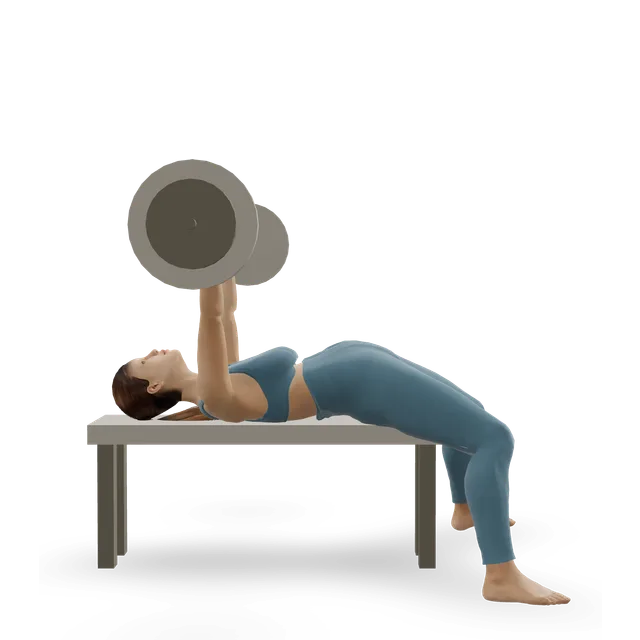
Our editorial summary of the technique in our bench press guide, with the IPF's pause rule. Never bench heavy alone without safety arms or a spotter.

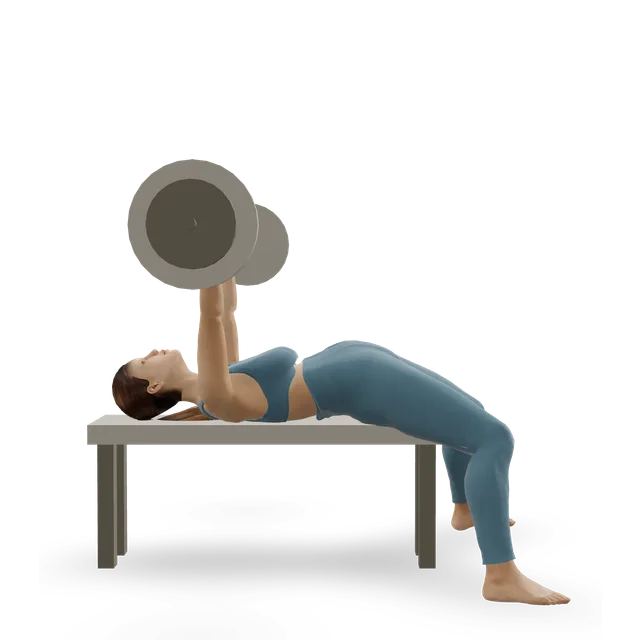
  1. Set the safety arms just below your chest at the bottom of the press, and lie with your eyes under the bar.
  2. Grip the bar about 1 to 1.5 times your shoulder width, thumbs around it, so your forearms are upright when the bar touches your chest.
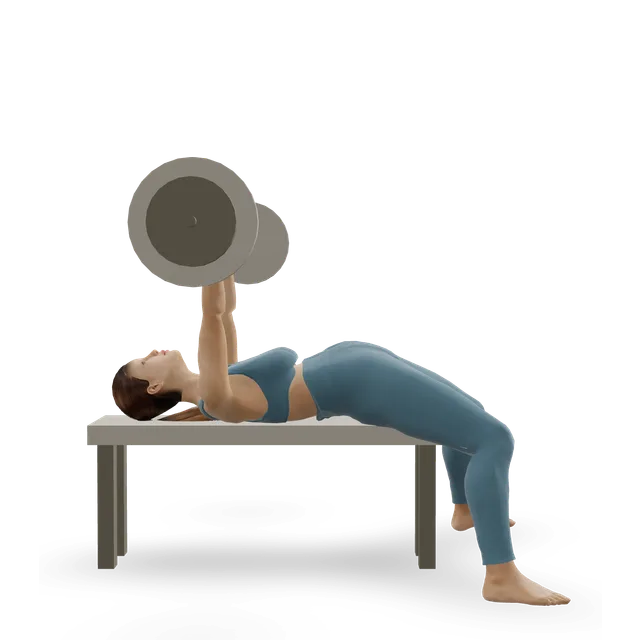
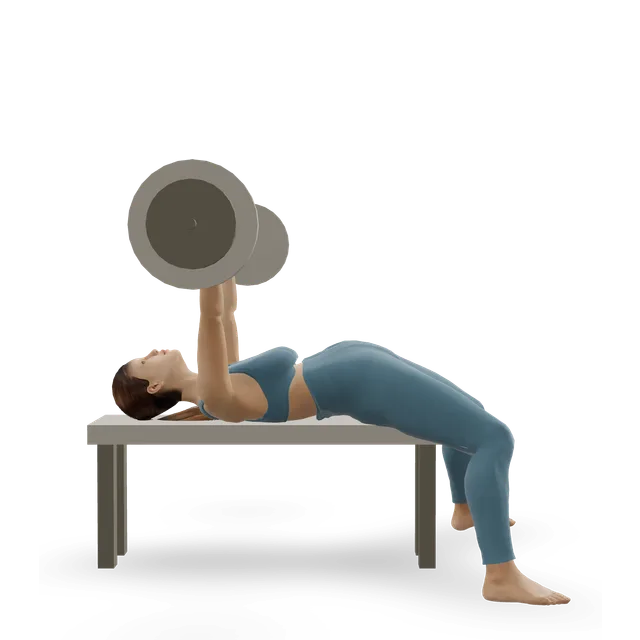
  3. Pull your shoulder blades back and down. Let your upper back arch a little, with your head, shoulders and buttocks on the bench and your feet flat.
  4. Lift the bar out with straight arms, take a breath and brace your trunk.
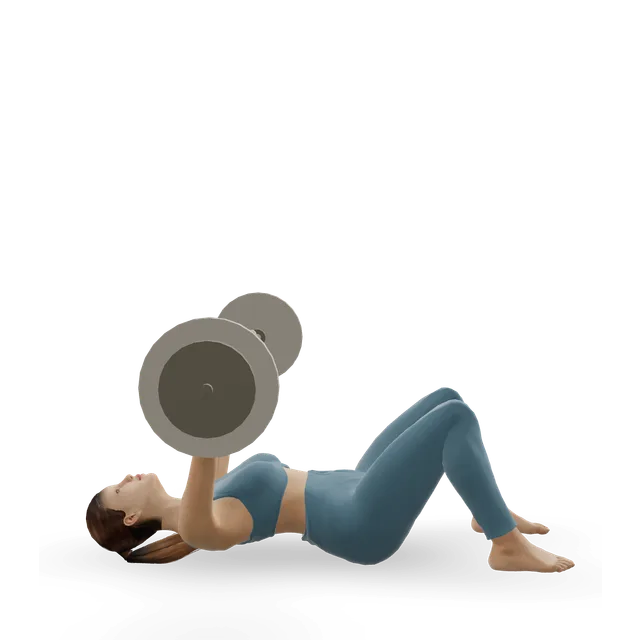
  5. Lower it under control to your lower chest. Touch and press, or hold it still for a second if you compete.
  6. Press up and slightly back so the bar finishes over your shoulders, breathing out once you're past the hardest part.

Loading the 3D figure…

Gets into position, then repeats the movement. Technical checks passed; qualified exercise review is pending.

The movement on the figure: Barbell bench press

Getting past the sticking point

Slow off the chest

Add paused benches: 3 sets of 3 to 5 with a 1 to 2 second pause on your chest (our editorial starting point), and practise a braced breath. No training trial has tested paused benches for raising the bench.

Sources 47, 45

Stuck partway up

Add pin presses from just below where you stall. The pin press page's dose is 3 to 5 sets of 3 to 5 after lighter warm-up sets, stopping 1 or 2 reps short, which is our editorial starting point. Partial presses build strength mostly near the range you train.

Sources 10, 50

Stuck near the top

Add close-grip bench presses, 3 sets of 6 to 8 stopping 2 reps short, or pin presses set higher (our editorial starting points), with some triceps work.

Sources 54, 10

Keep the full bench as the base

Partial work adds to full-range benching; it doesn't replace it. Full-range training built the full lift best in trials.

Sources 48, 49

Assistance moves: what to add

None of these has a training trial showing it raises the bench, so every dose here is our editorial starting point. Pick 1 to 3 per bench day.

How much assistance

Powerlifters report 1 to 3 assistance moves per lift, for about 6 to 10 reps, stopping 1 to 3 reps short. Keep them easier than your main bench sets.

Source 55

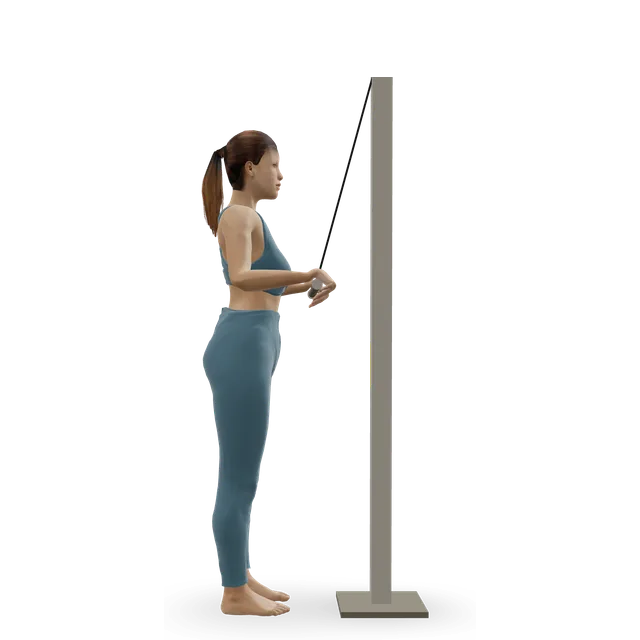
Triceps

Triceps pushdowns, 3 sets of 10 to 15, or skull crushers, 3 sets of 10 to 12 (our editorial starting points, as in our push day and arm workouts). Extra arm work didn't add arm strength to pressing and pulling in two trials, so think of it as muscle and balance work.

Sources 11, 12

Shoulders and upper back

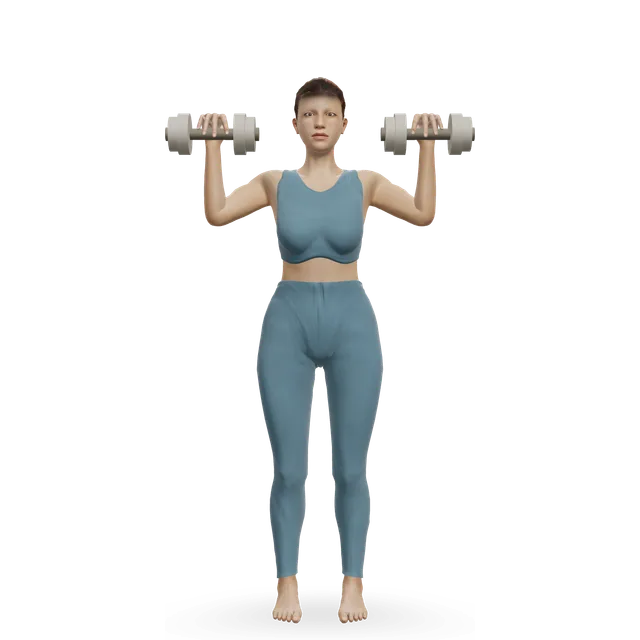
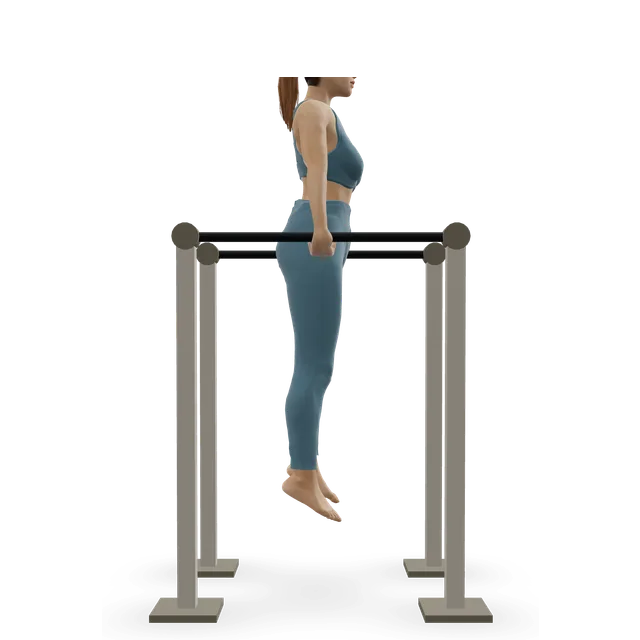
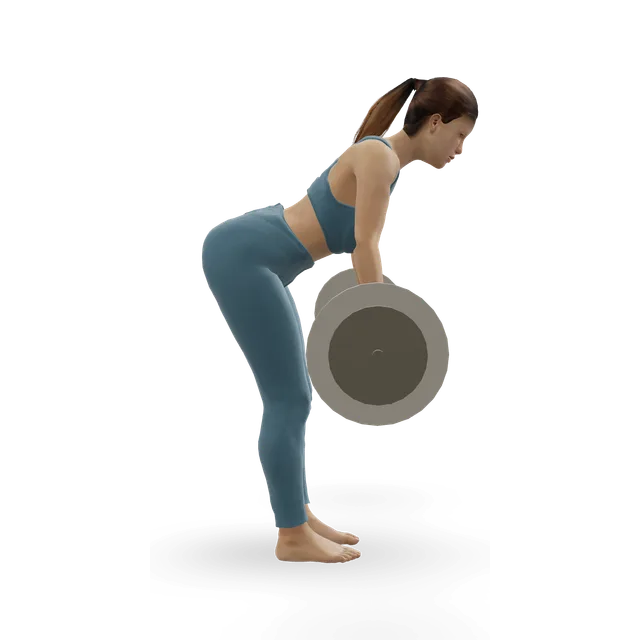
Standing overhead presses, 3 sets of 6 to 10, rows, 3 sets of 6 to 10, and face pulls, 2 sets of 15 (our editorial starting points, as in our push and pull days), to keep pressing and pulling balanced. Dips, 2 sets of 6 to 10, if your shoulders are happy with them.

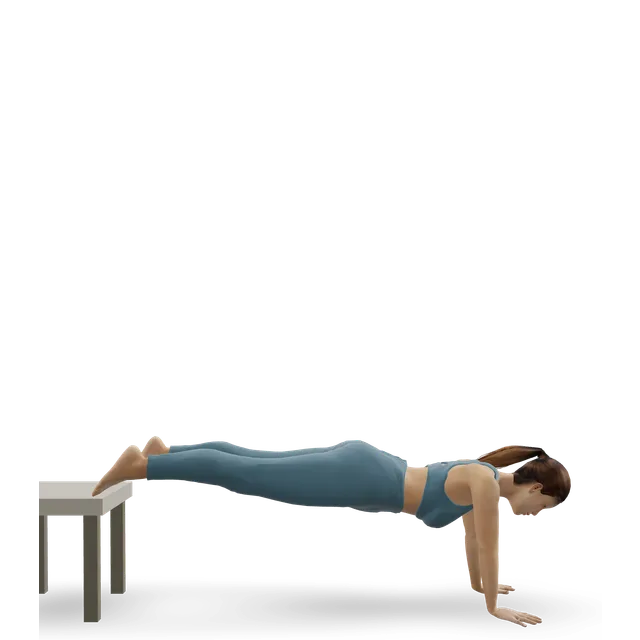
At home: harder push-ups

Feet-elevated push-ups, 3 sets of about 5 to 15 (our editorial range). Push-ups built bench strength as well as benching in three small trials.

Sources 51, 52, 53

Bands and chains

They make the bar heavier as it rises. They're optional for experienced lifters, with a spotter and safety arms, and the evidence for them is mixed (see above).

Sources 37, 36

The bench and its assistance moves

Start with the bench press and the paused powerlifting bench, then add close variations and triceps, shoulder and upper-back work, using each move's guide for its technique.

Workouts to follow

Our bench press strength workout is a heavy bench day for lifters past the beginner stage; pair it with a lighter bench day such as barbell strength workout A or the push day workout. The technique workout suits a reset after a break.

Bench press strength workout: heavy sets, close-grip presses and the upper back

A heavy bench press session for lifters past the beginner stage: heavy sets of 3 to 5, close-grip presses, rows, pushdowns and face pulls.

60 minIntermediate9 movesA band, A barbell

Barbell strength workout A

Barbell strength workout A: back squats and bench presses in sets of five, plus rows. Workout B (squat, overhead press, deadlift) is a separate session.

40 minBeginner6 movesA band, A barbell

Push day workout

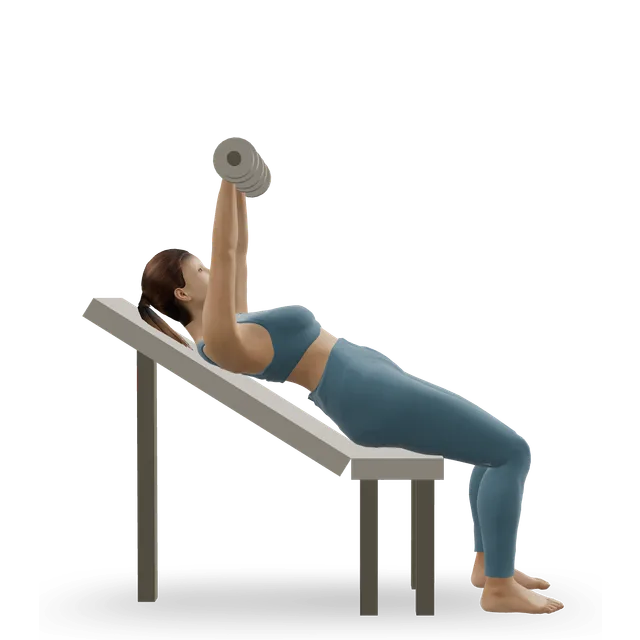
A push day workout for chest, shoulders and triceps: bench press, overhead press, incline dumbbell press, lateral raises and pushdowns.

55 minIntermediate10 movesA band, A barbell

Upper body gym workout

A gym upper body workout for chest, back, shoulders and arms: bench press, rows, presses, pulldowns, raises, curls and pushdowns.

50 minIntermediate13 movesA band, A barbell

Chest workout (gym)

A gym chest workout: bench press, incline dumbbell press, cable flyes, dips and a push-up finisher.

45 minIntermediate7 movesA band, A barbell

Powerlifting workout for beginners: squat, bench press and deadlift to the competition standard

A 75-minute beginner session for the three powerlifting lifts: squats to depth, paused bench presses and deadlifts in sets of 5, then rows and trunk work.

75 minBeginner12 movesCardio machine, A wall

Bench press technique workout

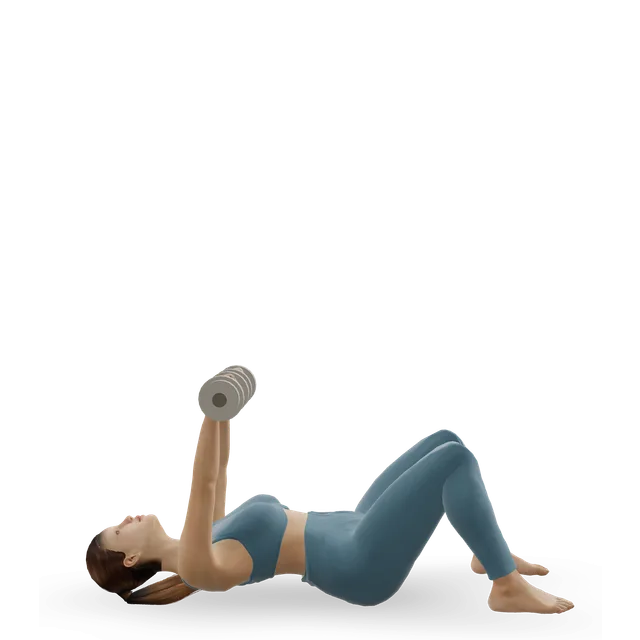
A 30-minute practice session for the bench press: shoulder blade work, push-ups and dumbbell presses, then the empty bar with the safety arms set.

30 minBeginner7 movesA band, A dumbbell

Powerlifting mock meet: warm-up ladders, the referee's commands and openers

A 90-minute meet rehearsal: a general warm-up, then a warm-up ladder to one opener in the squat, bench press and deadlift, taken to the referee's commands.

90 minIntermediate10 movesCardio machine, A wall

Plans

The beginner strength programme adds weight every session, then moves to weekly progress when you stall.

How fast the bench rises

Weeks

In trained men, benches rose about 8 kg in 6 weeks, and single sets 1 to 3 times a week raised them by about 8 kg over 8 to 12 weeks.

Sources 5, 19

Years

Strength rose about 30 to 50% in the first year of once-a-week training and levelled off after 1 to 2 years. Competitive powerlifters kept improving slowly for years, the strongest more slowly than the rest.

Sources 14, 21

No promises

These are averages, mostly from young, trained men. Your pace depends on your training age, sleep, food and stress, and progress comes in steps rather than a straight line, so judge it over 4 to 8 weeks rather than session to session (our suggestion).

Food, sleep and creatine

ProteinStrong evidence

Aim for about 1.6 g of protein per kg of body weight a day, as our plans suggest. In 49 trials, protein supplements added about 2.5 kg to one-rep max gains, with no more benefit beyond about 1.6 g per kg. Food can cover it; a shake is a convenience.

Source 66

Eating less than you needEmerging evidence

Strength still rose in trials where people ate less than they needed, though their muscle gain stalled.

Source 67

SleepStrong evidence

Sleep loss cut physical performance, strength included, by about 7.6% on average across 69 publications.

Source 68

CreatineEmerging evidence

In 23 studies of adults under 50, creatine with training added about 4.4 kg of upper-body strength; the gain was significant in men but not in women. It's optional, and if you have kidney disease, ask your doctor first, as our plans say.

Source 69

Track it

Log your sets and estimate your maximum

Write down every working set. One-rep max tests give repeatable results, but you can estimate your maximum from a set of 3 to 10 reps with our one-rep max calculator instead of testing it often.

Sources 59, 56

Shoulders and pecs

Weightlifter's shoulderEmerging evidence

An ache at the outer end of the collarbone in people who bench heavy can be distal clavicle osteolysis, often called weightlifter's shoulder. In 8 studies of 483 patients, bench pressing was the activity in about half, and frequent heavy loading was the suggested risk; in one study, 56% of lifters with it benched more than 1.5 times their body weight, against 6% without it. Most recovered without surgery. If it aches, bench heavy once a week, narrow your grip and see our shoulder pain guide (our suggestion).

Sources 70, 40

Torn pecsEmerging evidence

In 365 reported pec tears, about half happened during weight training, and in 104 surgical repairs, all were in men, with an average age of 36.5. Across 384 injuries, early repair gave better function than delayed repair, which is why a pop at the front of the armpit needs a same-day check.

Sources 71, 72, 73

Shoulder pain while benching

Pain up to 5 out of 10 that has settled by your next session is usually fine to train through, as our shoulder pain when bench pressing guide explains; it covers grip changes and a staged return to heavy pressing.

Warning signs: when to get help

Call 999 (911 in the US)

For chest pain that feels tight or like squeezing, spreads to your arms, neck or jaw, or comes with feeling sweaty, sick, light-headed or short of breath; severe difficulty breathing; or if someone faints while exercising. Don't drive yourself to A&E. During any session, stop for chest pain or pressure, unusual breathlessness, dizziness or fainting.

Sources 74, 75, 76

Call 999 for a sudden, severe headache

A sudden, extremely painful headache while lifting or straining, especially with a stiff neck, being sick, sensitivity to light, fainting, confusion, or drooping, weakness or slurred speech. The NHS says a bleed on the brain may be more likely when lifting something heavy.

Sources 77, 78

Call 999 or go to A&E: a shoulder out of place

After the bar comes down on you or your shoulder slips during a press, your shoulder looks out of place or has changed shape, or you can't move your arm. Don't drive yourself, and don't try to put it back in yourself.

Same day (NHS 111 or an urgent treatment centre)

A pop or tearing at the front of the armpit or chest during a lift, a dip or a tackle, followed by bruising into the chest or upper arm, a change in the shape of the chest or armpit (a thinner or lost armpit fold, or a chest or nipple that looks uneven), or weakness pushing. Don't wait for it to settle: it can be a torn pec tendon, and repairs done within about 6 weeks did better than later ones.

Source 73

Same day (GP or NHS 111)

For sudden or very bad shoulder pain, an arm you can't move, a shoulder that's changed shape or is badly swollen, pins and needles that don't go away, no feeling in the arm, an arm that's hot or cold to touch, or severe pain in both shoulders. In the US, contact your doctor or urgent care.

Source 79

NHS 111 or an urgent GP appointment

For a headache brought on or made worse by exercise, coughing, sneezing or bending down. Stop heavy lifting until it's been checked (our suggestion).

Source 77

See a GP or physiotherapist

If shoulder pain is getting worse or hasn't improved after 2 weeks, or an ache on top of the shoulder at the end of the collarbone hasn't settled after a few weeks of lighter pressing: ask about weightlifter's shoulder.

Sources 79, 70

Get advice before heavy lifting

If your blood pressure is uncontrolled, or you have heart disease or chest pain when you're active, a pacemaker or defibrillator, diabetic eye disease, glaucoma, a hernia, recent eye or tummy surgery, or you're pregnant. With readings of 180/100 or higher, Blood Pressure UK says to speak to your doctor or nurse before starting any new activity, and at 200/110 or higher, not to start.

Sources 80, 81

Blood pressure: the advice differs

The American Heart Association (AHA) says people with controlled high blood pressure can do strength training with proper breathing, while Blood Pressure UK's booklet lists weightlifting as not good for blood pressure. Heavy lifts raise blood pressure a lot for a few seconds, more with a held breath. Our blood pressure guide follows the AHA: moderate weights, breathing out on every lift, and no maximal lifts until it's controlled and you've had advice.

Sources 80, 81, 82, 83

Pregnancy

The NHS says you can keep up strength training at a gym if you already do it, but not to start a new vigorous activity, and Tommy's says pregnancy isn't the time to try lifting your heaviest weights. Later in pregnancy, avoid lying flat on your back for more than a few minutes, so move to an incline bench.

Sources 84, 85

Myths

"You must max out every week"Strong evidence

Heavy sets stopped short of failure build strength without weekly maxing, and in powerlifters a heavy single on its own did less than a single followed by back-off sets. Test now and then if you like, and estimate your maximum from a set of reps in between.

Sources 1, 7, 55

"You need to train to failure"Strong evidence

Failure added nothing for strength across 15 studies, strength gains were similar across a wide range of reps in reserve, and bench sets ended well before failure built the same strength in 64 trained men.

Sources 6, 28, 7

"Partial reps don't build strength"Emerging evidence

They do, mostly near the range you train: heavy partial bench presses raised the one-rep max as much as full-range training over 4 weeks in 16 trained men. But full-range training builds more full-range strength, so use partials on top of full benching, not instead of it.

Sources 10, 50, 48

"Arching on the bench is dangerous for everyone"Emerging evidence

A moderate arch is allowed in competition with your head, shoulders and buttocks on the bench. In 20 experienced lifters, the flat style put 8% more load on the shoulder than the arched style. We found no study linking a moderate arch to back injury; if arching hurts your back, bench flatter.

Sources 44, 42, 46

"Bench more often and it will go up"Strong evidence

More sessions help mainly by adding sets: with weekly sets matched, trained men gained the same on 3 or 6 sessions a week.

Sources 5, 13, 27

"Push-ups can't build your bench"Emerging evidence

In three small trials, push-ups raised bench strength as much as bench pressing did.

Sources 51, 52, 53

"Leg drive adds 10% to your bench"

No trial has measured it, as our bench guide notes. Feet flat and pressing into the floor is part of a stable set-up.

"Assistance moves are the key to a bigger bench"Emerging evidence

Extra arm work didn't add arm strength to pressing and pulling in two trials, and strength is most specific to the lift you practise. Assistance moves help muscle, balance and weak spots; they don't replace the bench.

Sources 11, 12, 15

Questions people ask

How can I increase my bench press fast?

Bench 2 or 3 times a week, mostly heavy sets of 3 to 6 that stop 1 to 3 reps short of failure, and add weight in small steps of 1 to 2.5 kg. That's the strength recipe of the American College of Sports Medicine's 2026 overview. No programme can honestly promise a number: in 6-week trials, trained men added about 8 kg.

How often should I bench to increase it?

Two or three times a week suits most people. Benching more often helps mainly because it adds sets: trained men gained the same on 3 or 6 sessions a week when their weekly sets matched. If you can only bench twice, add a set to each session.

How many sets and reps should I do to increase my bench?

Mostly sets of 3 to 6 on a heavy day, 2 or 3 hard sets a session, and about 5 to 10 hard bench sets a week including close variations. A lighter day of 3 sets of 8 helps too. More sets help, but the extra strength from each one shrinks.

Why has my bench press stopped going up?

Often because the bench is the slowest lift to rise once beginner gains end, and sometimes because of too few sets, poor sleep or too little food. Follow the stall rules, then change one thing for 4 to 8 weeks: a heavier rep range, a variation or another session. In trained men, upper-body strength rose 4 to 6% in 6 weeks against 18 to 22% for the legs.

How do I get past the sticking point on the bench?

If the bar slows just off your chest, add paused benches and practise a braced breath; if it stalls higher, add pin presses set at that height or close-grip presses. Partial work builds strength mostly near the range you train, so keep full-range benching as the base.

What accessories help the bench press?

Close-grip and paused benches, pin presses, triceps work and rows are sensible choices: 1 to 3 of them, for about 6 to 10 reps. The evidence is thin: none has a trial showing it raises the bench more than extra bench sets, and extra arm exercises added nothing to arm strength from pressing in two trials.

Does arching help the bench press, and is it safe?

A moderate arch is allowed in competition and may add a few kilos by shortening the range: 4.2 kg in one study, none in another. In experienced lifters, the arched style put slightly less load on the shoulder. If arching hurts your back, bench flatter.

What grip width should I use to bench more?

About 1 to 1.5 times the width of your shoulders, so your forearms are upright with the bar on your chest. Wider grips lift a little more, but grips much past 1.5 times load the shoulder more. Competition grips must be no wider than 81 cm between the forefingers.

Can I increase my bench at home or without benching?

Yes, to a point: in three small trials, push-ups raised bench strength as much as bench pressing. Use harder push-ups, such as feet-elevated ones, for sets of about 5 to 15. To get good at the bench itself you'll need to practise it, because strength is specific to the lift you train.

Do I need to max out or train to failure to bench more?

No. Stopping sets well before failure built the same bench strength in 64 trained men, and failure added nothing across 15 studies. One-rep max tests are reliable if you want to test now and then, but our one-rep max calculator can estimate your maximum from a set of reps instead.

Can I bench heavy without a spotter?

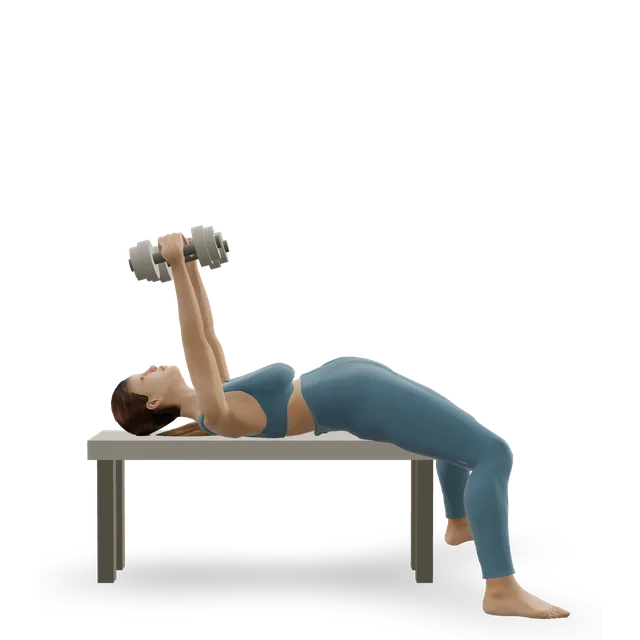
Only with safety arms or pins set just below your chest at the bottom of the press; never bench a heavy bar alone without them. No rack? Use dumbbells, which you can lower and tip out to the sides.

How much should I be able to bench?

There's no health standard, and tables based on multiples of body weight don't scale fairly with body size, a study of 101,898 powerlifters found. Compare yourself with yourself: steady progress with good reps is what matters. Our bench press guide covers this in more detail.

Sources

  1. Currier 2026 · Resistance training for muscle function, size and performance in healthy adults: an overview of 137 reviews (ACSM position stand, MSSE)
  2. Currier 2023 · Resistance training prescriptions for strength and muscle: 178 studies (network meta-analysis, BJSM)
  3. Ralston 2017 · Weekly sets and strength gain: 9 studies in men (meta-analysis, Sports Medicine)
  4. Pelland 2026 · Weekly sets, training frequency, strength and muscle growth: 67 studies (meta-regression, Sports Medicine)
  5. Colquhoun 2018 · 3 or 6 sessions a week with the same weekly sets in 28 trained men (randomised trial, JSCR)
  6. Grgic 2022 · Training to failure or stopping short, for strength and muscle: 15 studies (meta-analysis, J Sport Health Sci)
  7. Pareja-Blanco 2020 · How far the bar slows before a bench set ends, in 64 trained men (randomised trial, Scand J Med Sci Sports)
  8. Plotkin 2022 · Adding weight or adding reps in 43 trained people (randomised trial, PeerJ)
  9. Moesgaard 2022 · Periodisation with the same volume, for strength and muscle: 35 studies (meta-analysis, Sports Medicine)
  10. Kompf 2016 · Understanding and overcoming the sticking point in resistance exercise (narrative review, Sports Medicine)
  11. de França 2015 · Adding single-joint arm exercises to pressing and pulling in 20 trained men (randomised trial, Appl Physiol Nutr Metab)
  12. Gentil 2013 · Adding single-joint arm exercises in 29 untrained men (randomised trial, Appl Physiol Nutr Metab)
  13. Saric 2019 · Training 3 or 6 times a week with the same volume in 27 trained men (randomised trial, JSCR)
  14. Steele 2023 · Strength over up to 6 years of once-a-week training in 14,690 gym members (observational study, Res Q Exerc Sport)
  15. Saeterbakken 2025 · How specific strength gains are to the trained lift: 43 studies (meta-analysis, Sports Medicine)
  16. Haugen 2023 · Free weights against machines for strength and muscle: 13 studies (meta-analysis, BMC Sports Sci Med Rehabil)
  17. Mattocks 2017 · Practising the one-rep max test against high-volume training in 38 untrained people (randomised trial, MSSE)
  18. Elliott 1989 · What happens in the bench press sticking region (lab study, MSSE)
  19. Androulakis-Korakakis 2020 · The smallest training dose that raises one-rep max in trained men: 6 studies (meta-analysis, Sports Medicine)
  20. Ahtiainen 2003 · Strength gains over 21 weeks in strength athletes and untrained men (trial, Eur J Appl Physiol)
  21. Latella 2020 · Strength gains over 15 years in 1,897 powerlifters (observational study, JSCR)
  22. Roberts 2020 · Sex differences in strength and muscle gains from training (meta-analysis, JSCR)
  23. Montenegro 2026 · Percentile strength standards from 101,898 competitive powerlifters (study, Sports Med Open)
  24. Lopez 2021 · Heavy, moderate and light loads for strength and muscle: 28 studies (network meta-analysis, MSSE)
  25. Schoenfeld 2017 · Light against heavy loads for strength and muscle: 21 studies (meta-analysis, JSCR)
  26. Schoenfeld 2019 · 1, 3 or 5 sets per exercise in 34 trained men (randomised trial, MSSE)
  27. Grgic 2018 · Training frequency and strength gains: 22 studies (meta-analysis, Sports Medicine)
  28. Robinson 2024 · How close to failure you train, strength gain and muscle growth (meta-regressions, Sports Medicine)
  29. Grgic 2018 · Rest between sets and strength gains: 23 studies (systematic review, Sports Medicine)
  30. Schoenfeld 2016 · 1 or 3 minutes' rest between sets in 21 trained men (randomised trial, JSCR)
  31. Williams 2017 · Periodised against unvaried training for maximal strength: 18 studies (meta-analysis, Sports Medicine)
  32. Zourdos 2016 · Ordering the week muscle, power, then strength in 18 college powerlifters (randomised trial, JSCR)
  33. Helms 2018 · Loads set by effort (RPE) against fixed percentages in 21 trained men (randomised trial, Front Physiol)
  34. Hickmott 2022 · Adjusting the load and sets on the day: 15 studies (meta-analysis, Sports Med Open)
  35. Liao 2021 · Training by bar speed against fixed percentages: 6 studies (meta-analysis, PLoS One)
  36. Bao 2026 · Training methods ranked for lower-body strength and power: 27 trials (network meta-analysis, Front Physiol)
  37. Li 2026 · Bands and chains against free weights for strength over weeks and within a session (meta-analysis, JSCR)
  38. Saeterbakken 2017 · Grip width and bench press strength in 12 competitive bench pressers (lab study, J Hum Kinet)
  39. Larsen 2020 · Wide, medium and narrow grips in a one-rep max bench press in 14 trained men (lab study, Front Sports Act Living)
  40. Noteboom 2024 · Bench press technique and shoulder loads in 10 experienced lifters (computer model, Front Physiol)
  41. Bengtsson 2018 · Powerlifting injuries and the squat, bench press and deadlift (narrative review, BMJ Open Sport Exerc Med)
  42. Bartolomei 2024 · Flat-back against arched-back bench press in 15 trained lifters (lab study, JSCR)
  43. García-Ramos 2021 · Flat and arched bench press maximums in 11 competitive powerlifters (lab study, Sports Biomech)
  44. Cudlip 2022 · Muscle activity and shoulder loads in standard and powerlifting-style bench presses in 20 lifters (lab study, J Sports Sci)
  45. García-Ramos 2021 · Touch-and-go against paused bench press maximums in 113 adults (lab study, Sports Health)
  46. International Powerlifting Federation 2026 · Technical rulebook: equipment and the squat, bench press and deadlift rules (effective 1 March 2026)
  47. Blazek 2021 · Breathing technique and the sticking region in a maximal bench press in 24 men (lab study, Biol Sport)
  48. Pallarés 2021 · Range of motion and training results: 16 studies (meta-analysis, Scand J Med Sci Sports)
  49. Martínez-Cava 2022 · Full, two-thirds and one-third range bench pressing in 50 trained men (randomised trial, JSCR)
  50. Landram 2026 · Heavy partial bench presses against full-range training in 16 trained men (randomised trial, J Funct Morphol Kinesiol)
  51. Kotarsky 2018 · Push-up training against bench pressing in 23 men (randomised trial, JSCR)
  52. Calatayud 2015 · Banded push-ups against bench pressing in 30 trained students (randomised trial, JSCR)
  53. Kikuchi 2017 · Light bench pressing against push-ups in 18 men (randomised trial, J Exerc Sci Fit)
  54. Lockie 2017 · The close-grip against the traditional bench press in 27 trained people (lab study, Sports)
  55. Androulakis-Korakakis 2021 · The smallest training dose for one-rep max strength in powerlifters (trials, surveys and interviews, Front Sports Act Living)
  56. Nuzzo 2024 · How many reps people manage at each percentage of their one-rep max: 952 tests (meta-regression, Sports Medicine)
  57. Halperin 2022 · How accurately people predict the reps they have left: 12 studies (scoping review and meta-analysis, Sports Medicine)
  58. Nunes 2021 · Exercise order and strength gains: 11 studies (meta-analysis, Eur J Sport Sci)
  59. Grgic 2020 · How repeatable one-rep max tests are: 32 studies (systematic review, Sports Med Open)
  60. ACSM 2009 · Progression models in resistance training for healthy adults (position stand, MSSE)
  61. Chaves 2024 · Adding weight or adding reps in 39 beginners (randomised trial, Int J Sports Med)
  62. Coleman 2024 · A week off in the middle of 9 weeks of training in 39 trained people (randomised trial, PeerJ)
  63. Bell 2023 · What a deload is: an international expert consensus (Delphi study, Sports Med Open)
  64. Rogerson 2024 · How 246 strength and physique athletes deload (survey, Sports Med Open)
  65. Hackett 2013 · The Valsalva manoeuvre: pressure in the abdomen and safety in resistance exercise (review, JSCR)
  66. Morton 2018 · Protein supplements, muscle and strength: 49 studies (meta-analysis, BJSM)
  67. Murphy 2022 · Eating less than you need, and gains in muscle and strength (meta-analysis, Scand J Med Sci Sports)
  68. Craven 2022 · Sleep loss and physical performance: 69 publications (meta-analysis, Sports Medicine)
  69. Wang 2024 · Creatine with resistance training and strength in adults under 50: 23 studies (meta-analysis, Nutrients)
  70. Wilkinson 2026 · Risk factors and treatment of weightlifter's shoulder (distal clavicle osteolysis): 8 studies (scoping review, Shoulder Elbow)
  71. ElMaraghy 2012 · Pectoralis major tears: 365 cases (systematic review, J Shoulder Elbow Surg)
  72. Kowalczuk 2020 · Tear patterns in 104 surgically repaired pec ruptures (case series, Orthop J Sports Med)
  73. Bodendorfer 2020 · Early or delayed repair of torn pec tendons: 384 injuries (meta-analysis, Am J Sports Med)
  74. NHS · Heart attack
  75. NHS · Chest pain (past its review date: reviewed August 2023, review due August 2026)
  76. NHS · Fainting
  77. NHS · Headaches
  78. NHS · Subarachnoid haemorrhage
  79. NHS · Shoulder pain (past its review date: reviewed May 2023, review due May 2026)
  80. Paluch 2024 · Resistance exercise training with and without cardiovascular disease: 2023 update (American Heart Association scientific statement, Circulation)
  81. Blood Pressure UK · Healthy lifestyle and blood pressure (booklet)
  82. MacDougall 1985 · Blood pressure during heavy lifting in 5 bodybuilders (lab study, J Appl Physiol)
  83. Narloch 1995 · Breathing technique and blood pressure in maximal leg presses in 10 athletes (lab study, Arch Phys Med Rehabil)
  84. NHS · Exercise in pregnancy
  85. Tommy's · Strength training and weight lifting in pregnancy (reviewed September 2026)

Exercise education, not a personal prescription, and clinical review of these guides is pending. Check with a GP before starting hard training if you have a heart condition, chest pain, dizziness or breathlessness when active, and stop for sharp or increasing pain. Health disclaimer.