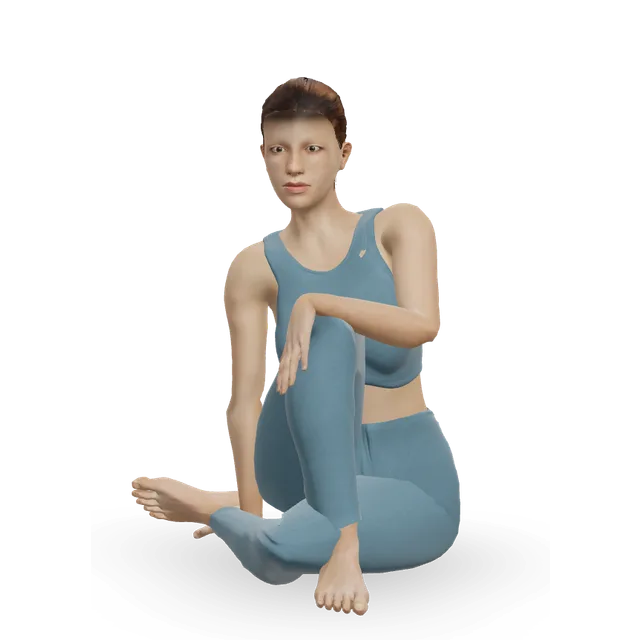
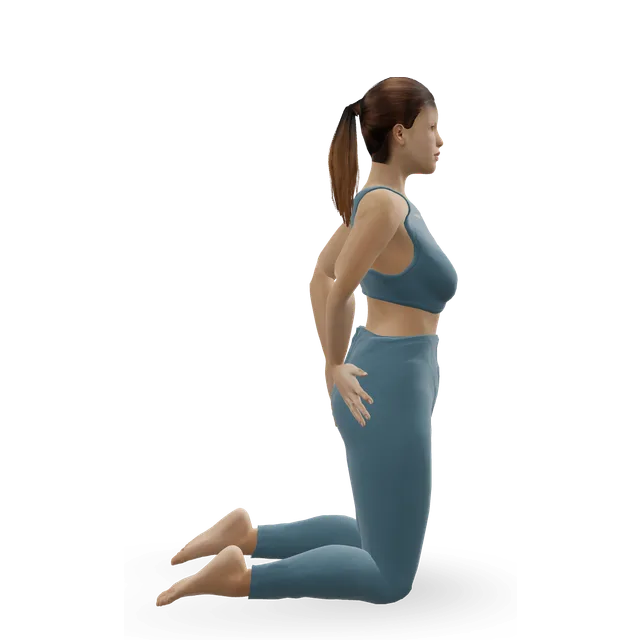
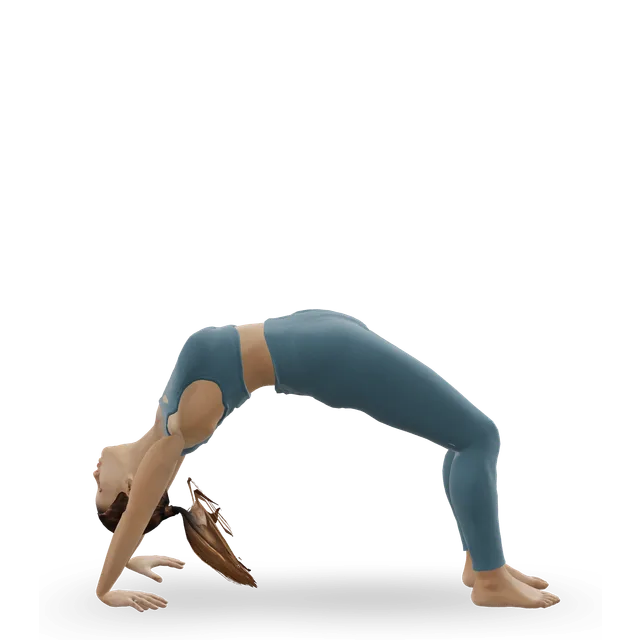
Yoga guide

Yoga for menopause and perimenopause: what helps, what doesn't, and poses to try

Yoga is a good way to stay strong, steady and calm through perimenopause and after your periods stop, and both the NHS and Women's Health Concern suggest it. In small trials it eased overall menopause symptom scores a little and helped sleep a little.

It isn't a treatment for hot flushes: in the largest trial, where women counted their flushes every day, flushes fell by about the same amount with or without yoga. It doesn't build bone on its own either, so it works best alongside strength training.

This guide covers what yoga does and doesn't do, how much to do, the poses to change with osteoporosis, glaucoma or high blood pressure, when to see a GP, and a free 35-minute class to follow.

The short version

A good way to stay active

The NHS suggests you "try relaxing things such as yoga, tai chi or meditation" and exercise regularly. Women's Health Concern, the British Menopause Society's patient arm, says restorative exercise such as yoga and Pilates helps the body recover "and can also help to increase strength and flexibility".

Sources 1, 2

It won't switch off hot flushes

In the largest yoga trial, 249 women counted their flushes every day, and 12 weeks of yoga made no clear difference. The newest review of 24 trials agrees. If flushes are hard to live with, NICE (the National Institute for Health and Care Excellence) says to offer hormone replacement therapy (HRT), with menopause-specific cognitive behavioural therapy (CBT) as an option.

Sources 3, 4, 5, 6

Sleep and calm: a little better

Insomnia scores improved a little with yoga in the largest trial. For insomnia that has lasted 3 months or more, CBT for insomnia is the most effective treatment, Women's Health Concern says.

Sources 3, 7, 8

Pair it with strength training

In 11 studies, yoga or Pilates changed bone density no more than control groups. NICE asks doctors to explain "the importance of maintaining muscle mass and strength through physical activity", and the UK osteoporosis consensus puts strength training and impact first for bones.

Sources 9, 6, 10

Change a few poses if your bones are fragile

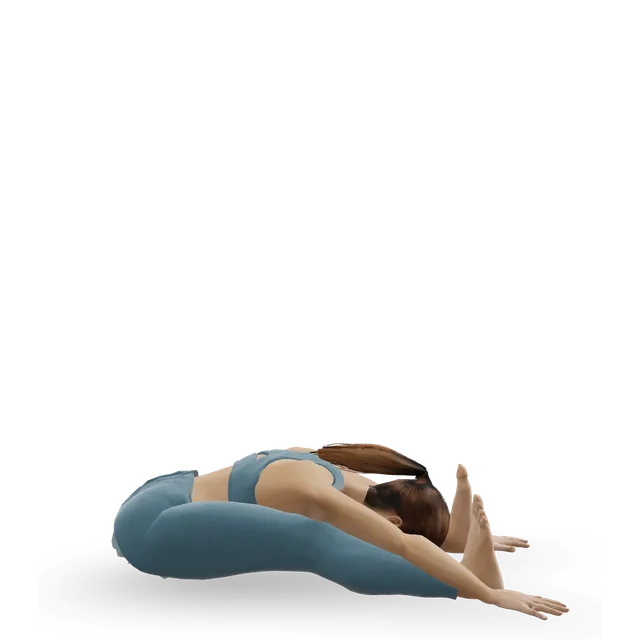
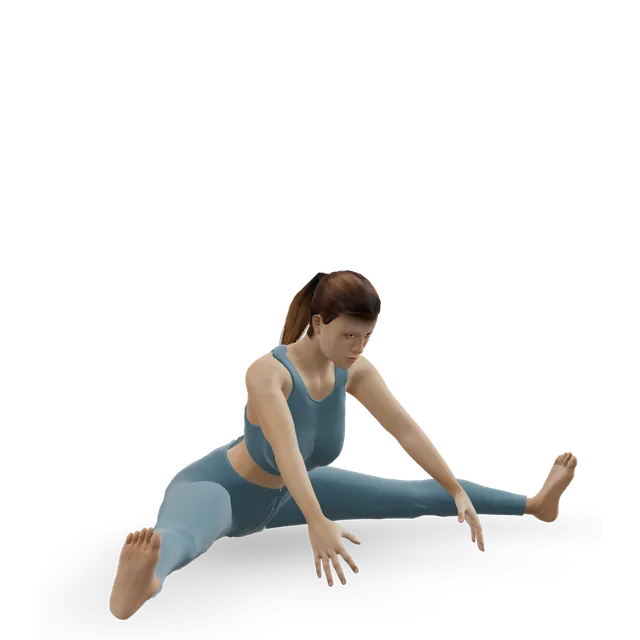
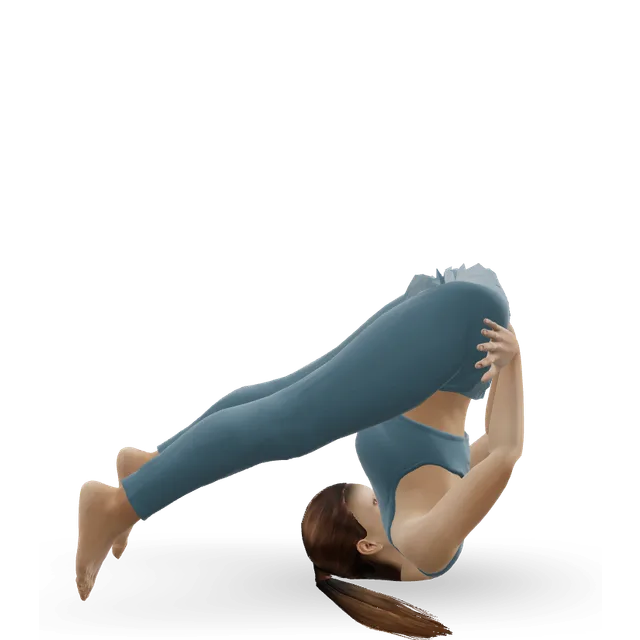
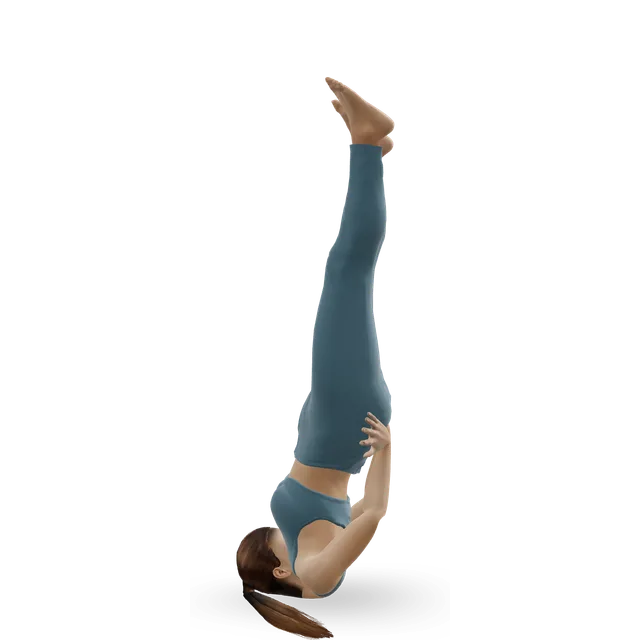
With osteoporosis, bend forward from your hips rather than rounding your back deeply, twist gently, and leave out plough and shoulder stand. Fractures have been reported with yoga poses that bend the spine far forward.

Sources 10, 11

Slow breathing is for calm, not flushes

In two trials, slow paced breathing didn't reduce hot flushes. It is still a good way to wind down before bed.

Sources 12, 13

Perimenopause, menopause and where yoga fits

The stages

Perimenopause comes first, and one of its first signs "is usually a change to your periods". The NHS says "Menopause is when you have not had a period for 12 months. After this it's called postmenopause". Symptoms "usually last for 7 to 9 years, sometimes longer", and they can change over that time.

Source 14

The symptoms yoga is asked about

"Hot flushes are when your face, neck and chest suddenly feel very hot or cold. It can make you sweat a lot, cause palpitations or anxiety, or make you feel dizzy." Other common symptoms include problems sleeping, low mood or anxiety, muscle aches and joint pains, palpitations, and needing to pee more or leaking. NICE warns that symptoms of thyroid problems may be mistaken for the menopause.

Sources 14, 15

What the trial classes looked like

In the largest trial, run by a US research network called MsFLASH, women had 12 weekly 90-minute classes: breathing, 11 to 13 poses (restorative poses, gentle inversions, side bends, twists and forward bends) and deep relaxation, plus 20 minutes at home on other days. They came to 8.5 of the 12 classes on average. Across 13 trials, programmes usually ran for about 12 weeks, twice a week, for about an hour.

Sources 3, 16

How hard yoga is

Most yoga is light activity, like a slow walk, though brisk flows reach moderate effort for part of a class (our yoga benefits guide). The NHS counts yoga as muscle-strengthening, but these activities "are not always an aerobic activity, so you'll need to do them as well as your 150 minutes" of moderate activity a week.

Source 17

What the evidence says

Hot flushes: no better than usual activityStrong evidence

In the MsFLASH yoga trial, 249 women aged 40 to 62 with at least 14 flushes a week kept daily diaries. After 12 weeks of classes and home practice, flushes had fallen by 35% with yoga and by 27% with usual activity, a difference of 0.3 flushes a day that could easily have been chance. How much they bothered women didn't differ either.

Pooled with the other MsFLASH trials (899 women), yoga, aerobic exercise and omega-3 capsules didn't reduce flushes, while three medicines did. The newest meta-analysis, of 24 trials and 2,028 women, found no difference for hot flushes, and the North American Menopause Society doesn't recommend yoga for them. A Cochrane review found exercise and yoga no different from each other, from low-quality evidence.

Sources 3, 18, 4, 5, 19

Why some reviews find a benefitMixed evidence

Reviews that pool symptom questionnaires against doing nothing find benefits, including on flush scores, but the women knew they were doing yoga and the results weren't robust to that kind of bias. Flushes also fall in every group over time: in a pilot trial with daily diaries, they fell by 66% with yoga, 63% with health education classes and 36% on a waiting list. A restorative yoga study in 14 women found flushes fell by about 31%, but it had no comparison group. Women's Health Concern puts the placebo effect of "almost every menopause intervention" as high as 50 to 60 percent.

A UK overview of 17 reviews rated the evidence on flushes inconclusive. The US National Center for Complementary and Integrative Health (NCCIH) says yoga reduced "physical symptoms such as hot flashes", citing one of these questionnaire reviews.

Sources 20, 21, 22, 23, 24, 16, 25

Sleep: a small improvementEmerging evidence

In MsFLASH, insomnia scores fell by 4.4 points with yoga and 3.1 with usual activity, on a 28-point scale, but sleep measured with a wrist monitor didn't change. Pooled with the other MsFLASH trials, CBT for insomnia cut insomnia scores by more (5.2 points) than any other treatment tested.

Sources 3, 26, 7

Sleep: what the reviews addEmerging evidence

Across 6 trials, yoga improved sleep quality in menopausal women. A network of 44 trials found yoga improved sleep quality, as did relaxation, CBT, mindfulness, acupuncture, massage and exercise, with mindfulness ranked first, and a 2026 review named CBT for insomnia and calming techniques such as acupuncture, yoga and massage as the most robust non-drug options. A review of 19 trials found smaller benefits around the menopause than in other women. In single trials, yoga eased insomnia more than stretching in 44 women with insomnia, and in 208 women it improved sleep in perimenopausal and postmenopausal women but not in younger women.

Sources 27, 28, 29, 30, 31, 32

Mood and anxiety: small and uncertainMixed evidence

In a 2025 review, yoga's effects on depression and anxiety around the menopause were not statistically clear (3 and 2 trials), and MsFLASH found no change in either. In 120 Indian women aged 40 to 55, 8 weeks of integrated yoga, an hour a day on 5 days a week, reduced menopause symptoms and stress more than simple exercises. Exercise in general reduced depressive symptoms across 16 trials in menopausal women. Women's Health Concern calls mindfulness and meditation "a very useful addition" alongside restorative exercise such as yoga.

Sources 27, 3, 33, 34, 35

Overall symptoms and quality of life: small gainsEmerging evidence

Against no treatment, yoga lowered total menopause symptom scores in reviews of 13 and 24 trials. The UK overview found improvements in physical symptoms (including sleep, joint pain and tiredness), bladder and vaginal symptoms and total symptoms with yoga 2 to 3 times a week. In MsFLASH, menopause quality of life improved by 0.3 points on an 8-point scale, which the authors called modest.

Sources 20, 4, 16, 36

Leaking: about as good as general exerciseEmerging evidence

In 240 women aged 45 to 90 who leaked every day, 12 weeks of pelvic floor yoga reduced leaking by 2.3 episodes a day, against 1.9 with a general stretching and strengthening programme: no clear difference. Sleep didn't differ between the groups. A Cochrane review found too few yoga trials to judge.

Sources 37, 38, 39

Bone: yoga alone doesn't build itMixed evidence

Bone is lost fastest from about a year before the last period to 2 years after: in 862 women, 7.4% of a 10.6% loss of spine bone over 10 years happened in that window. In 11 studies of women aged 45 to 78, yoga or Pilates changed bone density no more than control groups, and 2 yoga trials pooled showed no effect. The popular study saying a 12-minute routine reverses bone loss had no comparison group and analysed 227 of 741 volunteers.

In a 2024 review, the bone benefit of mind-body exercise came from tai chi and Pilates trials, not yoga, and a 2026 network of 74 trials found mind-body exercise combined with resistance training the most effective for bone density at the spine and hip. The UK osteoporosis consensus puts progressive strength training and impact first.

Sources 40, 9, 41, 42, 43, 44, 10

Balance: some helpEmerging evidence

Across 18 trials in healthy adults, yoga improved standing balance compared with no exercise, from low-certainty evidence; its effect on falls was unclear.

Source 41

Breathing techniques didn't reduce flushesStrong evidence

In 218 women, 16 weeks of slow paced breathing reduced flushes no more than fast shallow breathing or usual care. In 123 women, slow breathing guided by a device cut flushes by 21%, against 35% for listening to music. The North American Menopause Society does not recommend paced breathing for flushes. We found no study that tested cooling breath (sitali) for hot flushes.

Sources 12, 13, 5, 45

Is it safe?Emerging evidence

Gentle classes are: MsFLASH reported no serious side effects, and new aches were about as common as with usual activity. The risk is in some poses when bones are fragile. Of 89 people injured by yoga at a US clinic, most were hurt in poses that bend the spine far forward or back, and 13 had compression fractures; in 3 people with low bone density, forward-bending poses led to fractures or pain. The UK osteoporosis consensus links vertebral fractures with "some yoga positions involving extreme spinal flexion".

Sources 3, 46, 11, 10

How to practise

How much

The trials usually used 2 sessions a week of about an hour for about 12 weeks; MsFLASH used one 90-minute class a week and 20 minutes at home on other days. Our editorial starting point: 2 or 3 sessions of 30 to 60 minutes a week. Judge it after about 12 weeks by how you feel and sleep, not by counting flushes.

Sources 16, 3

Add strength, impact and your pelvic floor

As our exercise for menopause guide sets out: strength training on 2 to 3 days a week (2 sets of 8 to 12 of each move, stopping with 2 to 3 reps to spare), about 150 minutes of brisk walking or cycling a week, impact such as heel drops (building towards about 50 on most days, as the UK osteoporosis consensus advises), and pelvic floor exercises every day. Yoga can fill one or two of those days.

Sources 6, 10, 17

Keep cool

Heat can set off a flush (our exercise for menopause guide). The NHS suggests lightweight clothing, a cool bedroom, a cool shower, a fan or a cold drink, and avoiding triggers such as hot drinks. We found no study that tested hot yoga in the menopause. In hot yoga studies, core temperature reached 38.2 to 40.1°C during 90-minute Bikram classes, so if heat sets off your flushes, choose a normal room.

Sources 1, 47, 48

With osteoporosis or a past spinal fracture

The UK consensus encourages yoga or Pilates "at least twice a week" for strength and balance, advises avoiding "loaded flexion or end of range movements" in them, and recommends exercise to strengthen the back muscles to improve posture. In practice: bend from your hips instead of deep forward folds (our osteoporosis guide), twist smoothly, keep your back long in child's pose, leave out plough and shoulder stand, and include back-strengthening poses such as locust.

Sources 10, 11, 46

With glaucoma or high blood pressure

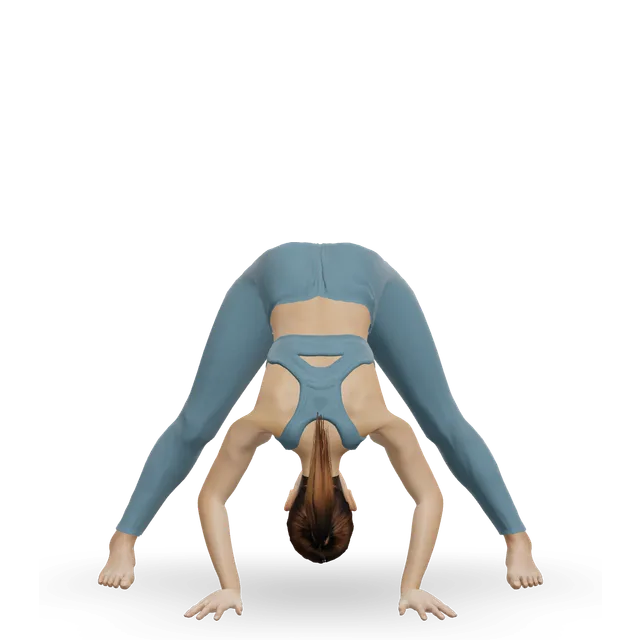
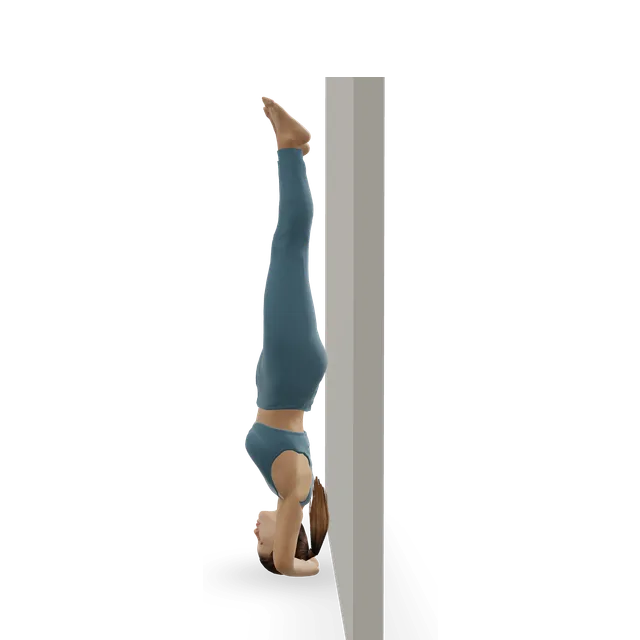
Eye pressure rose within a minute in downward dog, a standing forward bend, plough and legs up the wall, in eyes with and without glaucoma. Our glaucoma and blood pressure guides say to skip headstands and shoulder stands, and to keep other head-down poses brief or supported, with your hands on a chair. NCCIH advises beginners to avoid headstands and shoulder stands.

Sources 49, 25

If a flush comes during a pose

A flush can make you feel dizzy, so come out of the pose, sit down, sip something cold and carry on when it passes (our suggestion). Get up slowly from lying down.

Sources 14, 1

Yoga or Pilates?

Both have small trials showing modest gains in symptom scores, and neither has been shown to reduce flushes or build bone on its own (our Pilates for menopause guide says the same). Choose the one you'll keep doing, and add strength training.

Sources 16, 9

Breathe and settle

Doses from the moves' pages: slow breathing for at least 5 minutes, crocodile breathing for 5 minutes at about 4 seconds in and 6 out, alternate nostril breathing for 3 to 5 minutes with no breath holds, and corpse pose for at least 5 minutes, up to 10. Use them to wind down, not to stop a flush.

Standing poses for strength and balance

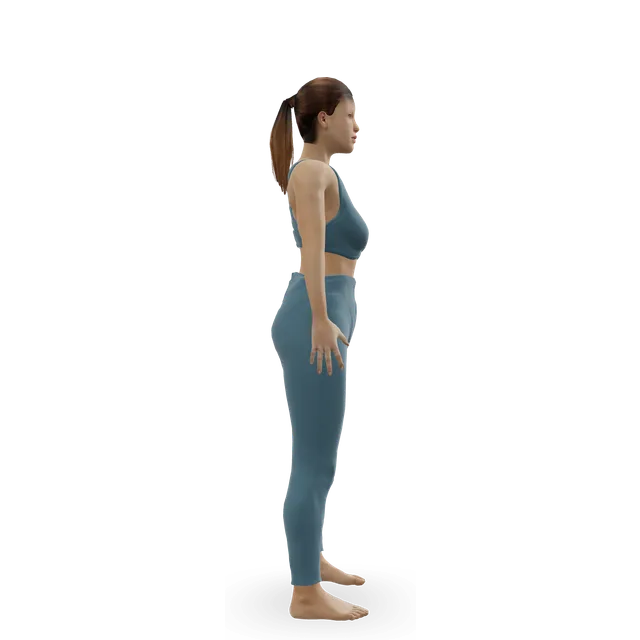
Mountain pose for 5 to 10 slow breaths, 2 or 3 times, breath reach for 5 breaths and the hip hinge fold for 5 slow folds with 3 breaths at the bottom (the moves' pages). Chair pose for 3 holds of 5 breaths, warrior II for 5 breaths each side, twice, and tree pose for 3 to 5 breaths each side with a hand near a wall (our editorial starting points).

On the floor: back, hips and pelvic floor

Cat-cow for 8 slow waves, and pelvic floor exercises as 8 slow holds of up to 10 seconds and 8 quick squeezes, three times a day (the moves' pages). Bird dog for 5 slow reaches each side, locust for 3 holds of 3 breaths and bridges for 10 slow lifts (editorial). With osteoporosis, keep the rounding in cat-cow small.

Rest and wind down

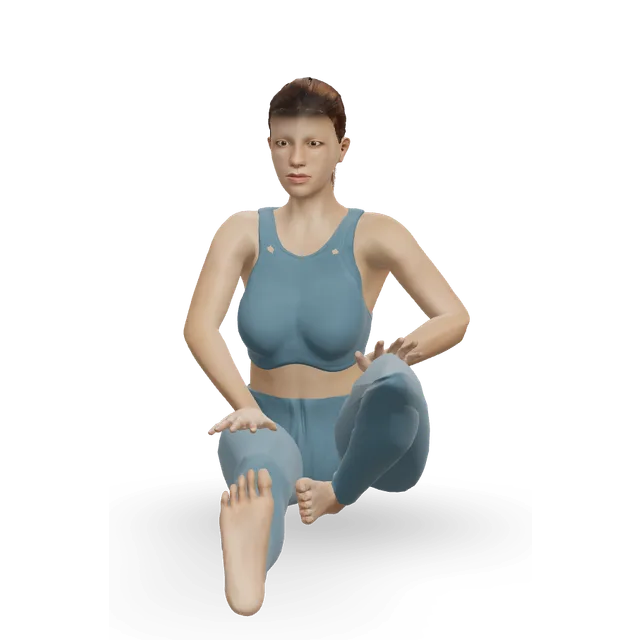
Reclining bound angle for 2 to 5 minutes with a support under each thigh (the move's page). The lying twist for 45 to 60 seconds each side with your knees on a cushion, child's pose for about a minute, and legs up the wall for 3 to 5 minutes (editorial). With glaucoma, ask your eye doctor before legs up the wall.

Strength and bone moves to add

Strength on 2 to 3 days a week, 2 sets of 8 to 12 stopping with 2 to 3 reps to spare (our exercise for menopause guide); start with sit-to-stands if you're new to it. Heel drops: 20 to 30 at first, building towards about 50 on most days (the move's page, from the UK osteoporosis consensus). If you leak during heel drops, build up your pelvic floor exercises first.

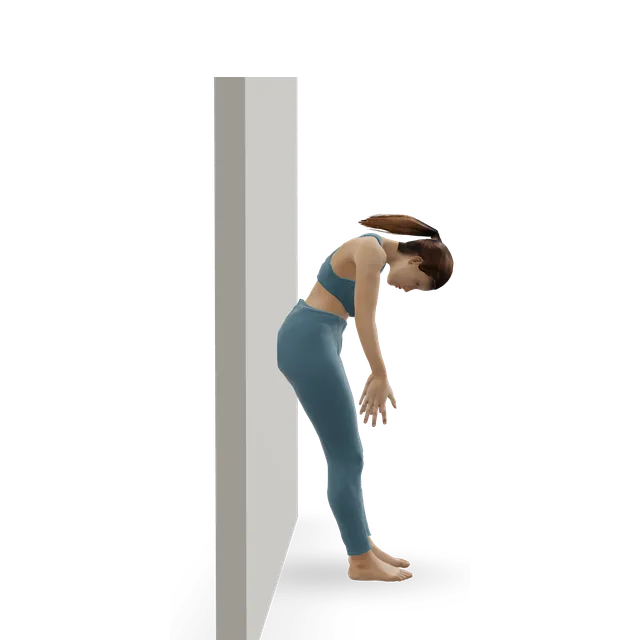
Bending forward safely: the hip hinge

The move's page dose is 5 slow folds with 3 breaths at the bottom. Our osteoporosis guide says to bend from the hips instead of doing deep yoga forward folds, and the UK osteoporosis consensus advises avoiding loaded forward bending and end-of-range movements.

  1. Stand with your feet hip-width apart and your knees soft, hands resting on the fronts of your thighs.
  2. Breathe in and lengthen your spine, as if the top of your head is moving away from your tailbone.
  3. Breathe out and fold from your hips, sending your bottom back as your hands slide down your thighs. Keep your back long, and stop before it starts to round.
  4. Stay for 3 slow breaths, then press through your feet and come up with your back still long.
  5. Do 5 slow folds in all.

See the movement on the 3D figure: Hip hinge fold

Poses to change or leave out

With osteoporosis, swap deep forward folds for the hip hinge and forced twists for the lying twist, and leave out plough, shoulder stand, headstand and deep backbends. With glaucoma or blood pressure that isn't controlled, skip headstand and shoulder stand and keep head-down poses brief, with your hands on a chair.

Workouts to follow

Start with our 35-minute yoga for menopause class 2 or 3 times a week, alongside the strength and balance workout twice a week, the bone workout once and pelvic floor exercises every day, as our menopause guide suggests (our editorial plan). The restorative sequence is for winding down; it includes legs up the wall, so ask your eye doctor first if you have glaucoma.

Yoga for menopause: a 35-minute practice for strength, balance and winding down

Thirty-five minutes of standing strength, balance, back strengthening and a long relaxation for the menopause, with no deep forward folds or shoulder stands.

35 minBeginner15 movesFirm cushion

Gentle yoga for beginners

A 25-minute gentle yoga class for complete beginners and over-50s: slow breathing, a warm-up, supported standing poses, floor poses and a closing rest.

25 minBeginner14 movesNo equipment

Strength and balance workout

Strength and balance in one session: squats, Romanian deadlifts, push-ups, rows, step-ups, back extensions, carries and single-leg balance.

45 minBeginner14 movesA wall, A dumbbell

Bone-strengthening workout

Impact, strength and balance for stronger bones, following UK osteoporosis consensus advice, with options for every level.

40 minBeginner14 movesA kettlebell, Other / check instructions

Daily pelvic floor workout

A 5-minute daily pelvic floor workout for women and men: slow holds and quick squeezes, three times a day, with how to find the right muscles.

5 minBeginner2 movesNo equipment

Restorative yoga sequence: 45 minutes of supported rest

A 45-minute restorative yoga sequence: five fully supported poses held for 4 to 10 minutes each, with slow breathing and a long final rest.

45 minBeginner6 movesFirm cushion, A wall

Walk and yoga workout

A 45-minute session for weight loss and health: a 20-minute brisk walk, which does more for the scales, then a standing yoga flow for strength and balance.

45 minBeginner12 movesCardio machine

Pilates for osteoporosis: a mat class with safe swaps

A 25-minute Pilates workout for osteoporosis and osteopenia: the Royal Osteoporosis Society's swaps for rounding moves, plus back strength and balance.

25 minBeginner16 movesA wall, A bench or box

A plan to follow

Strength, bone and cardio across the week, with room for a yoga session.

Warning signs, and when to see a GP

These are the same warning signs as our exercise for menopause guide. A&E means accident and emergency. In the US, call 911 for 999, and use your doctor's urgent line or urgent care for NHS 111.

Call 999 now

Stop exercising and call 999 for:

  • Chest pain that feels tight or like squeezing, or spreads to the arms, neck or jaw.
  • Severe difficulty breathing, pale, blue or grey lips or skin, or collapse.
  • Signs of a stroke: the face drooping, weakness in an arm, or slurred speech. Also sudden blurred vision or loss of sight, confusion, sudden dizziness or falling, or a severe headache. Call even if the symptoms pass.

Sources 50, 51

Palpitations

Call 999 or go to A&E if you have palpitations that don't go away, or that come with chest pain, shortness of breath, or feeling faint or fainting. See a GP if they keep coming back, last more than a few minutes, or you have a heart condition or a family history of heart problems.

Source 52

Call NHS 111 the same day

  • Chest pain with feeling sick, or a racing, skipping or fluttering heartbeat.
  • Being suddenly more short of breath than usual.
  • If you have high blood pressure: frequent headaches, blurred vision, or chest pain that comes and goes.

Source 50

See a GP soon

  • Any bleeding from the vagina after the menopause, even a small amount or only once.
  • A lump in or around the vagina, or a feeling of heaviness or pressure (a possible prolapse).
  • Leaking that isn't improving despite pelvic floor exercises.
  • Hot flushes, low mood or poor sleep that are hard to live with: HRT and CBT have the strongest evidence and start with a GP appointment.
  • You still have periods but you're bleeding more, not less, than before.
  • Symptoms you've put down to the menopause that don't settle: NICE warns that symptoms of thyroid problems may be mistaken for the menopause; see our yoga for thyroid problems guide.

Sources 53, 14, 6, 15

Tell your teacher

About osteoporosis or a past spinal fracture, glaucoma, high blood pressure or a prolapse, so they can suggest changes. A pelvic health physiotherapist can help with leaking or heaviness.

Myths

"Yoga reduces hot flushes"Mixed evidence

In the largest trial, with daily diaries, flushes fell about as much with usual activity, pooled trials agree, and the North American Menopause Society doesn't recommend yoga for flushes. Questionnaire studies look more positive but are open to bias.

Sources 3, 18, 4, 5

"Cooling breath stops a hot flush"Mixed evidence

Slow paced breathing didn't reduce flushes in two trials, and we found no study that tested cooling breath for them. Slow breathing is still a good way to calm down.

Sources 12, 13, 45

"Yoga builds bone and reverses osteoporosis"Mixed evidence

In 11 studies, yoga or Pilates changed bone density no more than control groups, and the study behind the "12-minute routine" claim had no comparison group. Strength training and impact are what build bone.

Sources 9, 42, 10

"Yoga can replace HRT"Strong evidence

For flushes, NICE says to offer HRT, with menopause-specific CBT as an option and fezolinetant when HRT isn't suitable; yoga didn't reduce flushes in the diary trials. Yoga can sit alongside treatment, and your GP can talk you through the options.

Sources 6, 3, 18

"Only gentle, restorative yoga suits the menopause"Strong evidence

NICE stresses keeping muscle strength, and the UK osteoporosis consensus recommends strength and balance training at least twice a week. Women's Health Concern counts strength-based, walking and restorative exercise as "equally important": restorative yoga is one part, not the whole.

Sources 6, 10, 2

"Hot yoga helps you sweat out menopause symptoms"Mixed evidence

We found no study that tested hot yoga in the menopause, heat can set off flushes, and the NHS suggests keeping cool.

Sources 47, 1

Questions people ask

Is yoga good for the menopause?

Yes, as part of an active week. It builds strength and balance, can improve sleep a little, and small trials found small improvements in overall symptom scores. It won't switch off hot flushes and doesn't build bone on its own, so pair it with strength training.

Does yoga help with hot flushes?

Not much. In the largest trial, where women counted their flushes every day, flushes fell by about the same amount with or without yoga, and the newest review of 24 trials found no difference. If flushes are hard to live with, a GP can talk you through HRT, menopause-specific CBT and other treatments.

What are the best yoga poses for the menopause?

Poses that build strength and balance, such as chair, warrior II, tree, locust and bridge, gentle movement such as cat-cow, and a long supported rest. With osteoporosis, bend from your hips instead of folding forward deeply, twist gently, and skip shoulder stand and plough.

Is yoga good for perimenopause?

Yes: the trials included women before and after their last period. In one trial of 208 women, yoga improved sleep in perimenopausal and postmenopausal women. Symptoms often start in perimenopause, so it's a good time to build the habit, alongside strength training.

Can yoga help me sleep during the menopause?

A little. Insomnia scores improved modestly in the largest trial, and reviews find small to moderate gains in sleep quality. CBT for insomnia does more and is the most effective treatment for long-term insomnia, so talk to your GP if poor sleep is affecting your life.

Does yoga help menopause anxiety or low mood?

It may help you feel calmer, but the evidence for yoga itself is weak; exercise in general reduced depressive symptoms in a review of 16 trials in menopausal women. If low mood or anxiety is hard to live with, see a GP: for low mood linked with the menopause, NICE suggests HRT or CBT may help.

Is hot yoga good for the menopause?

We wouldn't choose it if heat sets off your flushes. We found no study that tested hot yoga in the menopause, and the NHS suggests keeping cool, so a normal room with a fan suits most people.

Can yoga help with menopause belly fat?

Most yoga is light activity, so it burns few calories. Fat around the middle responds to your total activity and what you eat, as our yoga for weight loss and exercise for menopause guides explain. Yoga still helps you stay strong and active.

Is yoga or Pilates better for the menopause?

Both have small trials showing modest gains in symptom scores, and neither has been shown to reduce flushes or build bone on its own. Choose the one you'll keep doing, and add strength training.

Can yoga help joint pain in the menopause?

Joint aches are a common symptom, and reviews found yoga helped physical symptoms, including joint pain, in small trials. Keep moving within a comfortable range and add strength work, and see a GP if pain keeps getting worse or stops you doing things.

Does yoga help with leaking?

A 12-week pelvic floor yoga programme reduced leaking about as much as general stretching and strengthening in 240 women aged 45 to 90. Daily pelvic floor exercises come first; see a GP or a pelvic health physiotherapist if leaking isn't improving.

Is yoga safe with osteoporosis?

Yes, with changes. The UK osteoporosis consensus encourages yoga for strength and balance but advises avoiding loaded forward bending and end-of-range movements, and fractures have been reported with yoga poses that bend the spine far forward. Bend from your hips, keep your back long, twist gently, and skip shoulder stand and plough.

Sources

  1. NHS · Things you can do to help menopause and perimenopause symptoms (last reviewed May 2026)
  2. Women's Health Concern 2026 · Exercise in menopause (factsheet from the British Menopause Society's patient arm, September 2026)
  3. Newton 2014 · Yoga for hot flushes: 249 women keeping daily diaries (MsFLASH randomised trial, Menopause)
  4. Wang 2025 · Yoga for menopausal symptoms: 24 trials, 2,028 women (systematic review and meta-analysis, Int J Nurs Stud)
  5. The North American Menopause Society 2023 · Nonhormone therapy position statement (Menopause)
  6. NICE NG23 · Menopause: identification and management (recommendations, last updated April 2026)
  7. Guthrie 2018 · Treatments and insomnia in women with hot flushes: four MsFLASH trials (pooled analysis, Sleep)
  8. Women's Health Concern 2026 · Menopause and sleep disturbance (factsheet, August 2026)
  9. Fernández-Rodríguez 2021 · Pilates and yoga for bone density in adult women: 11 studies (systematic review and meta-analysis, PLoS One)
  10. Brooke-Wavell 2022 · Strong, steady and straight: UK consensus on physical activity and exercise for osteoporosis (BJSM)
  11. Sinaki 2013 · Yoga spinal flexion positions and vertebral fractures in osteopenia or osteoporosis (case series, Pain Pract)
  12. Carpenter 2013 · Paced breathing for hot flushes: 218 women (randomised trial, J Gen Intern Med)
  13. Huang 2015 · Device-guided slow breathing for hot flushes: 123 women (randomised trial, Obstet Gynecol)
  14. NHS · Symptoms of menopause and perimenopause (last reviewed May 2026)
  15. NICE NG145 · Thyroid disease: assessment and management (recommendations, last updated October 2023)
  16. Money 2024 · Physical activity and exercise for menopausal symptoms: 17 reviews (overview of reviews, BMC Womens Health)
  17. NHS · Physical activity guidelines for adults aged 19 to 64 (last reviewed May 2024)
  18. Guthrie 2015 · Six treatments for hot flushes in the MsFLASH trials: 899 women (pooled analysis, Obstet Gynecol)
  19. Daley 2014 · Exercise for vasomotor menopausal symptoms (Cochrane review)
  20. Cramer 2018 · Yoga for menopausal symptoms: 13 trials, 1,306 women (systematic review and meta-analysis, Maturitas)
  21. Shepherd-Banigan 2017 · Yoga for flushes, mood and quality of life around the menopause (umbrella review and meta-analysis, Complement Ther Med)
  22. Avis 2014 · Integral yoga for hot flushes: 54 women (pilot randomised trial, Menopause)
  23. Cohen 2007 · Restorative yoga for hot flushes: 14 women (pilot study with no comparison group, Maturitas)
  24. Women's Health Concern 2026 · Complementary and alternative therapies (factsheet, July 2026)
  25. NCCIH 2023 · Yoga: effectiveness and safety (US National Center for Complementary and Integrative Health)
  26. Buchanan 2017 · Yoga, aerobic exercise and sleep measured with a wrist monitor in menopausal women (MsFLASH secondary analysis, J Clin Sleep Med)
  27. Fan 2025 · Mind-body therapies for sleep, depression and anxiety in menopausal women (systematic review and meta-analysis, Front Public Health)
  28. Wang 2020 · Yoga for sleep in women with sleep problems: 19 trials (systematic review and meta-analysis, BMC Psychiatry)
  29. Afonso 2012 · Yoga for insomnia after the menopause: 44 women (randomised trial, Menopause)
  30. Susanti 2022 · Yoga for menopausal symptoms and sleep across menopause stages: 208 women (randomised trial, Nurs Health Sci)
  31. Wang 2025 · Non-drug treatments for insomnia around the menopause: 44 trials (network meta-analysis, Maturitas)
  32. Bruyneel 2026 · Treatments for chronic insomnia in perimenopausal and postmenopausal women (systematic review and meta-analysis, Sleep Med)
  33. Chattha 2008 · Integrated yoga for menopausal symptoms: 120 Indian women (randomised trial, Menopause)
  34. Li 2025 · Exercise for depressive symptoms in menopausal women: 16 trials (meta-analysis, Front Psychiatry)
  35. Women's Health Concern 2026 · Emotional wellness in menopause (factsheet, September 2026)
  36. Reed 2014 · Menopausal quality of life with yoga, exercise or omega-3: 355 women (MsFLASH randomised trial, Am J Obstet Gynecol)
  37. Huang 2024 · Pelvic yoga or physical conditioning for leaking: 240 women aged 45 to 90 (randomised trial, Ann Intern Med)
  38. Hough 2025 · Hatha yoga or physical conditioning and sleep in women who leak (secondary analysis of a randomised trial, JAMA Netw Open)
  39. Wieland 2019 · Yoga for urinary incontinence in women (Cochrane review)
  40. Greendale 2012 · Bone loss around the final menstrual period: 862 women (SWAN cohort, J Bone Miner Res)
  41. Bajaj 2025 · Yoga for balance, falls and bone in healthy people: 18 trials (systematic review, Osteoporos Int)
  42. Lu 2016 · A 12-minute daily yoga routine and bone loss (study with no comparison group, Top Geriatr Rehabil)
  43. Xu 2024 · Mind-body exercise in perimenopausal and postmenopausal women (systematic review and meta-analysis, Menopause)
  44. Zhou 2026 · Types of exercise over 24 weeks and bone density after the menopause (network meta-analysis, J Sport Health Sci)
  45. Europe PMC · Search for cooling breath (sitali) and hot flushes: 0 records (24 October 2026)
  46. Lee 2019 · Soft tissue and bone injuries caused by yoga: 89 patients at a US clinic (case series, Mayo Clin Proc)
  47. Europe PMC · Search for hot yoga in the menopause or hot flushes: 0 records (24 October 2026)
  48. Willmott 2025 · Hot yoga: the body's responses and adaptations, 43 studies (systematic review, Sports Med Open)
  49. Jasien 2015 · Eye pressure in four head-down yoga positions, with and without glaucoma (lab study, PLoS One)
  50. NHS · Heart attack (last reviewed March 2026)
  51. NHS · Chest pain (past its review date: reviewed August 2023, review due August 2026)
  52. NHS · Heart palpitations (last reviewed March 2026)
  53. NHS · Postmenopausal bleeding (last reviewed September 2026)

Exercise education, not a personal prescription, and clinical review of these guides is pending. If you are pregnant, have a health condition such as glaucoma, high blood pressure or osteoporosis, or have had recent surgery, check with a doctor, midwife or physiotherapist before starting, and stop for sharp or increasing pain. Health disclaimer.