Yoga flows
Restorative yoga sequence: 45 minutes of supported rest
Five long, fully supported poses and a long rest, adapted from the poses taught in two trials, one in night-shift nurses and one in cancer survivors. Props do the work: use a bolster or two firm pillows, three or four folded blankets, a couple of cushions and an eye cover or folded flannel. Nothing should stretch or ache; if it does, add support. Keep the room dim and warm, cover yourself, and set a timer so you can stop watching the clock. The hold times are our suggestion, shorter than the 10 to 15 minutes of the largest restorative trial. It's rest, not exercise, so pair it with walking and strength work.
Arrive
- Beginner · 3D demoSitting on a folded blanket or cushion; breathe slowly through your nose, in for about 4, out for about 6, with no holdsEasier: Breath reachHarder: Crocodile breathing (prone diaphragmatic breathing)

Supported child's pose
- Beginner · Back, Shoulders, Glutes · 3D demoKnees wide, a bolster or two pillows lengthwise under your chest and head; turn your head the other way halfway. With knee pain, lie face down with your forehead on your stacked hands insteadHarder: Extended puppy pose (Uttana Shishosana)

Supported twist
- Supine spinal twist (Supta Matsyendrasana)4 min each sideBeginner · Back, Glutes · 3D demoKnees stacked and resting on a pillow, arms out, both shoulders heavy; a small twist onlyHarder: Seated twist, bottom leg straight

Supported reclining bound angle
- Beginner · Adductors, Chest · 3D demoA bolster or firm pillows lengthwise under your back, a folded blanket under your head and a cushion under each thigh; longer than the pose's own page, as in the trialsHarder: Wide-angle seated forward fold (Upavistha Konasana)

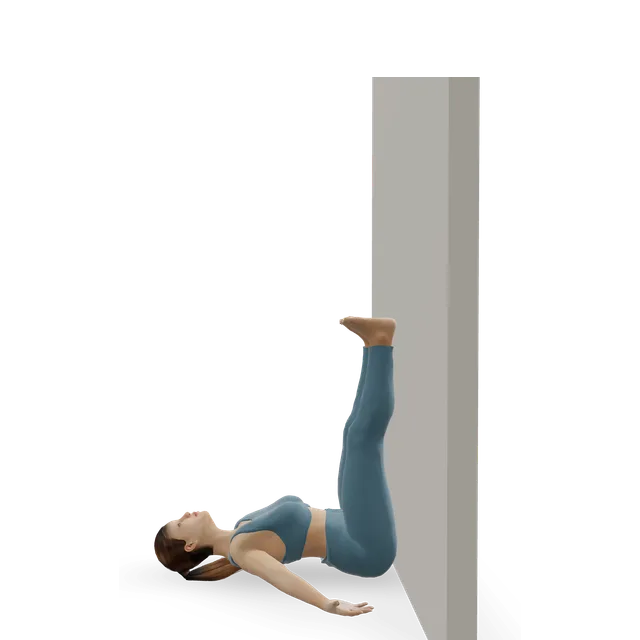
Legs up the wall
- Beginner · Hamstrings, Calves · 3D demoHips a little away from the wall, a folded blanket under your hips if comfortable. With glaucoma, ask your eye doctor first, keep your hips on the floor and rest your head on a folded blanket, or stay in reclining bound angle. Skip it in later pregnancyHarder: Plow pose (Halasana)
Final rest
- Corpse pose (Savasana)10 minBeginner · 3D demoA bolster under your knees, a blanket over you and an eye cover if you like; up to 10 minutes is the move page's dose. To come up, roll to your side, pause, then sit for a few breaths

Tips
- Nurses in one trial practised the poses at home for 5 to 15 minutes at least 3 times a week. For a 20-minute version, do the breathing, reclining bound angle and final rest.
- Restorative yoga is rest, not exercise: it doesn't count toward your 150 minutes of activity a week, so pair it with walking and strength work.
- In later pregnancy, avoid lying flat on your back for more than a few minutes: prop your upper body well up in reclining bound angle, skip legs up the wall, and swap the twist and final rest for rest on your side, with pillows between your knees and under your bump.
- With glaucoma or high blood pressure that isn't under control, don't raise your hips in legs up the wall, keep your head on a folded blanket, and sit up slowly.
- With osteoporosis, keep your chest high on the bolster in child's pose so your back stays long.
- Don't do long holds when you're drowsy from alcohol or sedating medicines: in one case report, a woman who fell asleep in a seated forward bend for 4 hours damaged nerves in both legs.
- If you have a yoga block, a supported bridge (the block under the bony back of your pelvis, 3 to 5 minutes) can go between reclining bound angle and legs up the wall. Skip it with glaucoma, because it puts your head below your heart.
The doses are suggested starting points, not a prescription. Choose a range you can control and stop for sharp or increasing pain, numbness or tingling. Get individual advice after an injury or surgery, or if you are pregnant or managing a health condition.
Guides that recommend it
Find more moves like these
More yoga flows



Beginner yoga flow
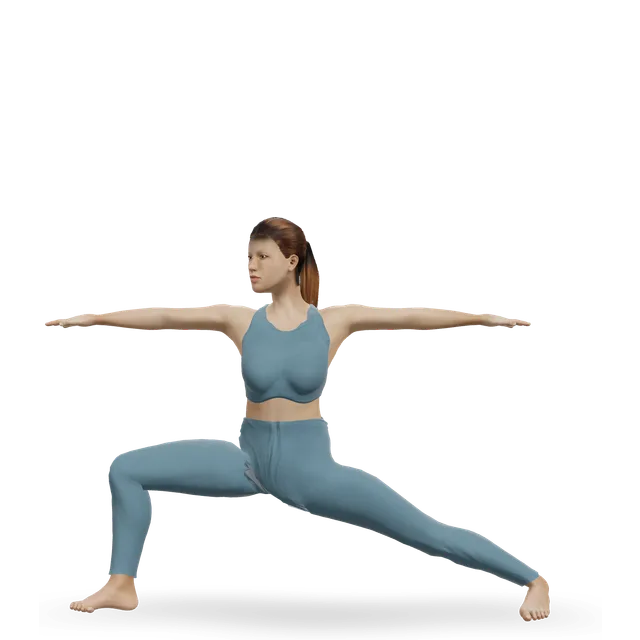
A 20-minute beginner yoga sequence: mountain, chair, warrior II, triangle, tree, down dog, cobra and child's pose.
20 minBeginner11 movesA step


Sun salutation flow
A 20-minute flow built on sun salutations A and B, with warrior poses and a short cool-down.
20 minIntermediate8 movesNo equipment

Yoga for tight hips
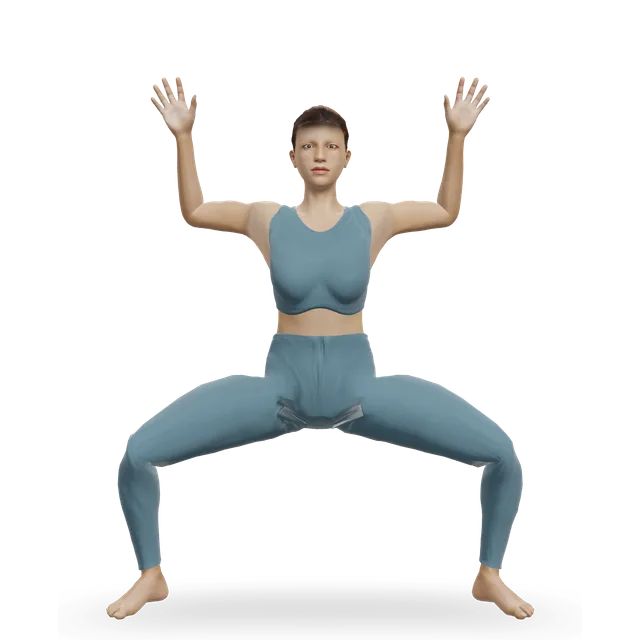
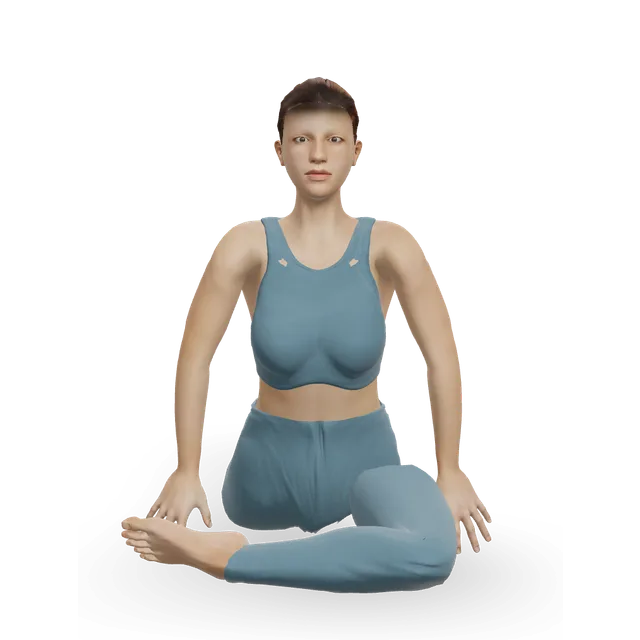
A hip-opening yoga sequence: low lunge, lizard, goddess, pigeon, bound angle and happy baby.
20 minBeginner7 movesNo equipmentQuestions people ask
How long does the restorative yoga sequence: 45 minutes of supported rest take?
About 45 minutes, including any warm-up and cool-down listed. Shorten it by doing fewer rounds; lengthen it by adding one.
What equipment do I need?
You need: Firm cushion, A wall. Each move links to its guide, where you can find an alternative if you are missing something.
Is it suitable for beginners?
It is written for beginners. 1 of its 6 moves have an easier option listed beside them if you need one.
How do I make it easier or harder?
Use the easier or harder option listed under each move, change the number of rounds, or adjust the rest. Progress one change at a time.