What's the best dryland workout for water polo?
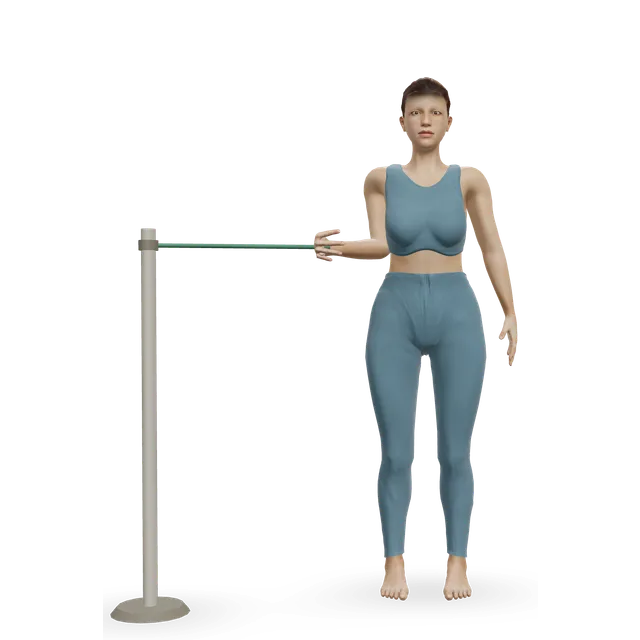
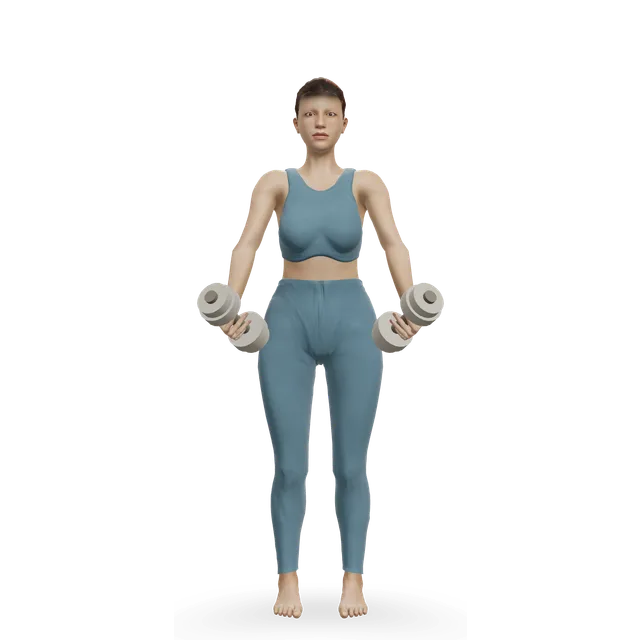
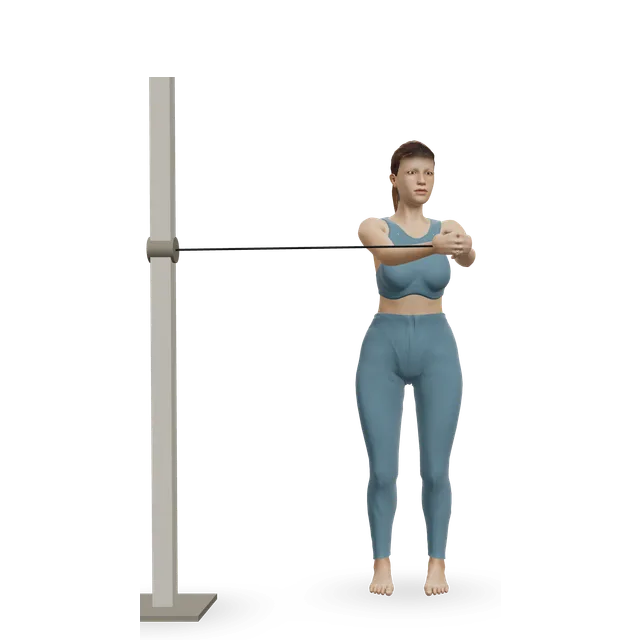
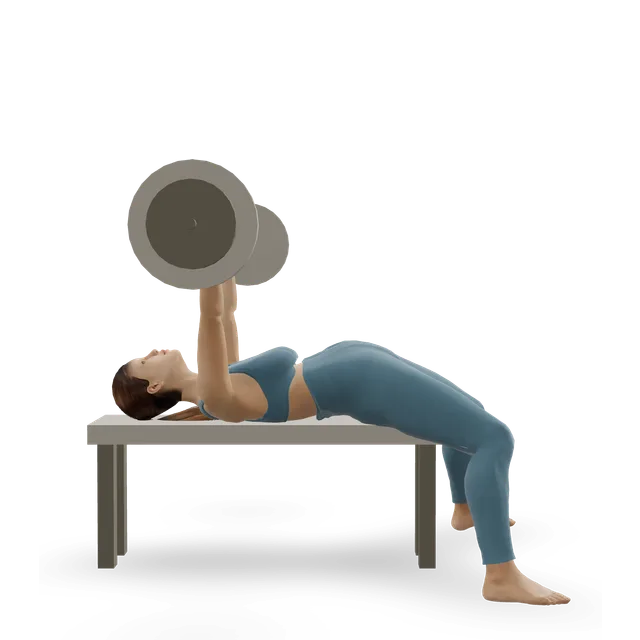
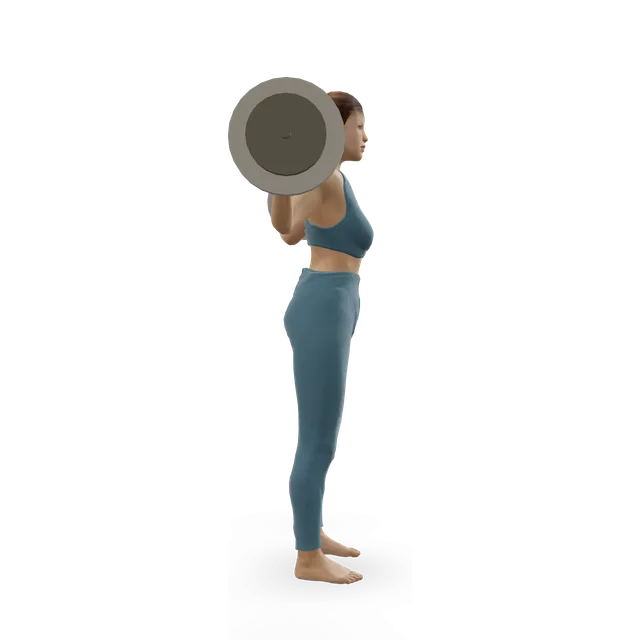
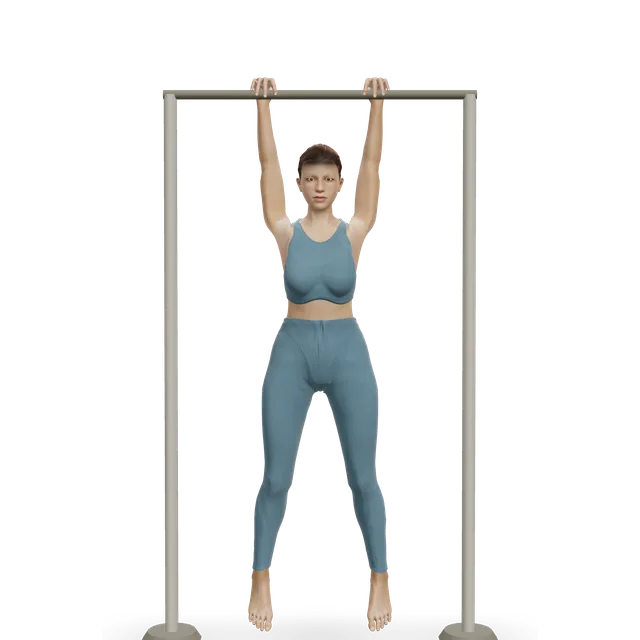
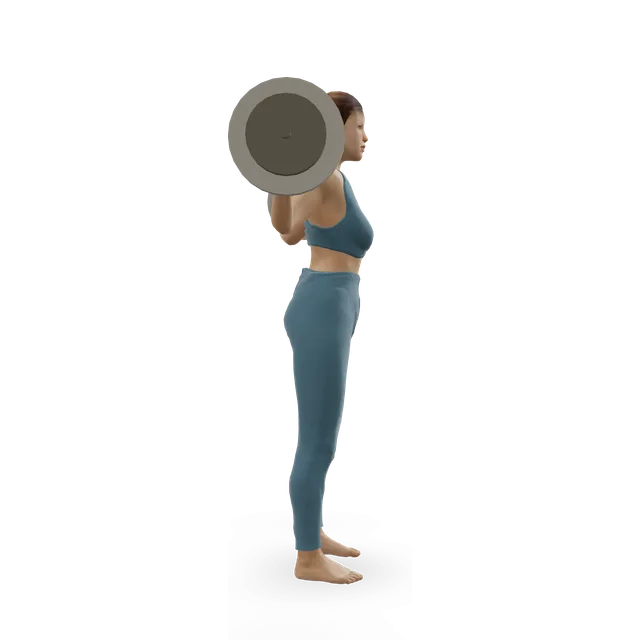
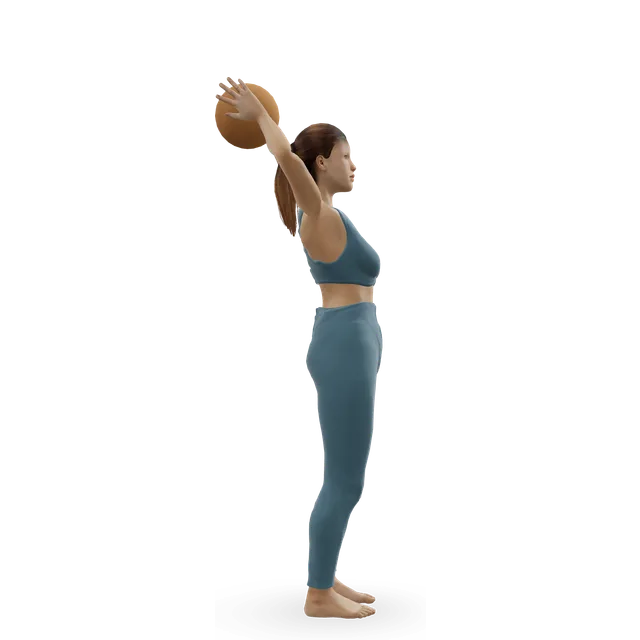
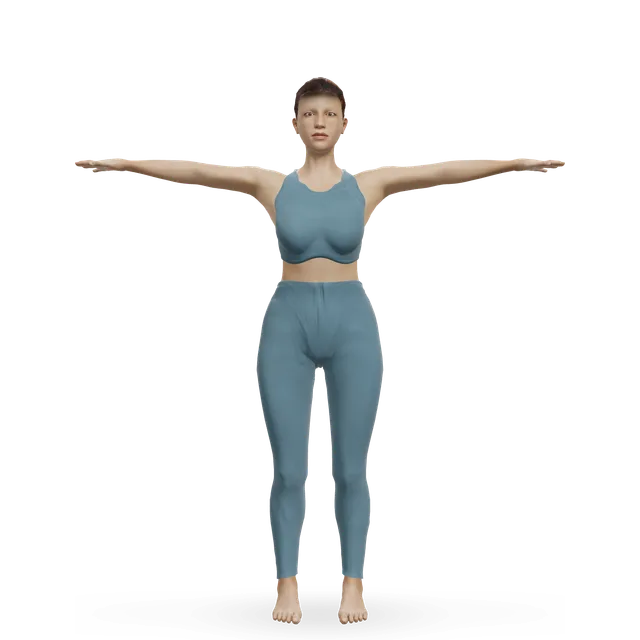
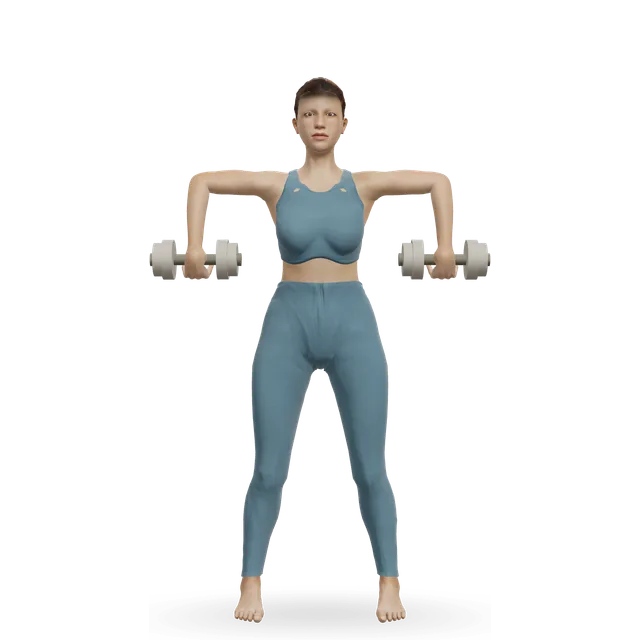
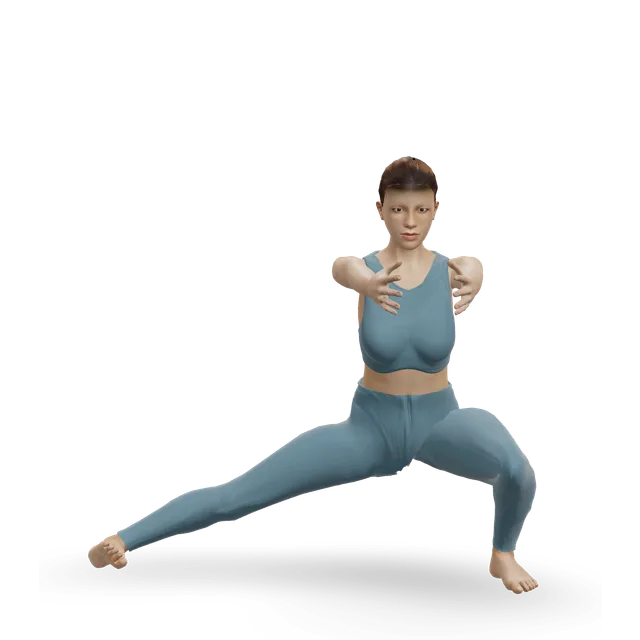
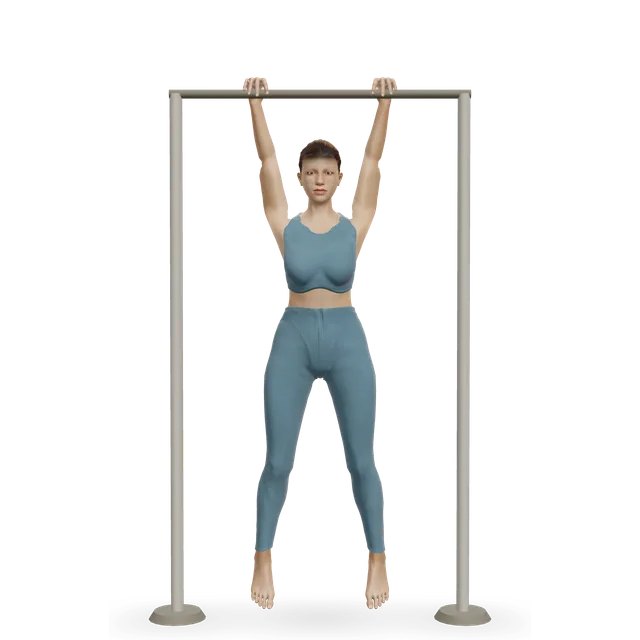
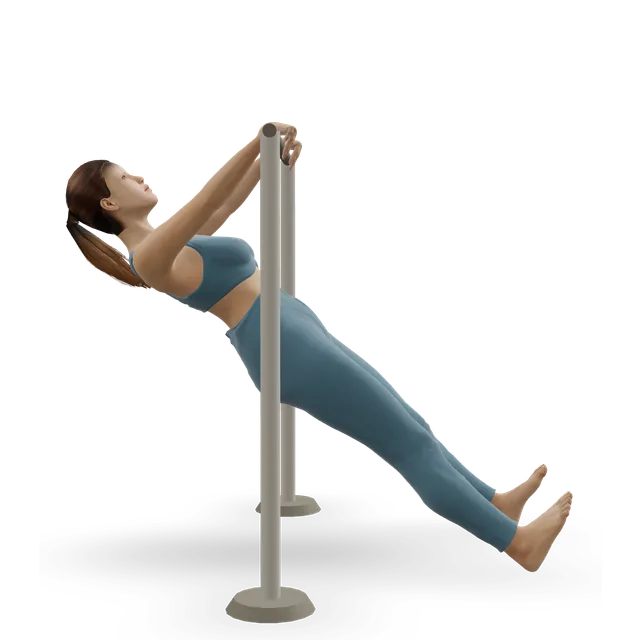
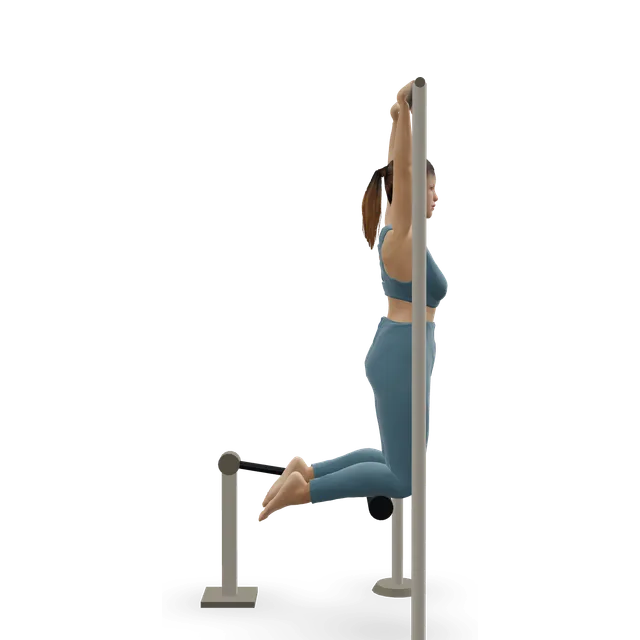
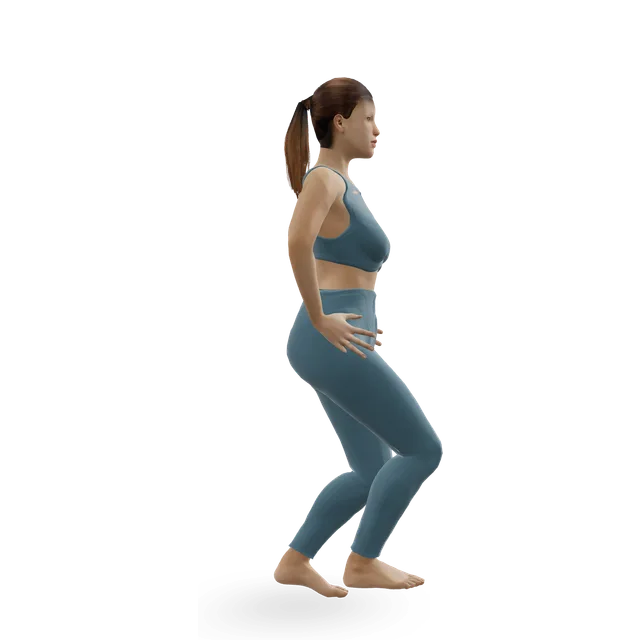
Strength training twice a week, with bench presses, full squats, pull-ups, loaded jumps and trunk work, raised throwing speed, jump height, strength and sprint swimming over 18 weeks in elite players. Add shoulder care and hip work, and build loads gradually, because shoulder pain rose over a strength block in one trial. Our dryland workout puts it together.
Why do water polo players wear ear guards?
Because the rules require them: World Aquatics' caps must have malleable ear protectors and be fastened under the chin, and US high-school players must wear a cap with protective ear guards at all times. A blow to the ear can perforate the eardrum, though no study has measured how many injuries ear guards prevent.
How deep is the water in water polo?
In World Aquatics competitions, at least 2 m everywhere in the field of play. Players aren't allowed to touch the floor of the pool during play, apart from goalkeepers in their own 6-metre area, so field players keep themselves up with the eggbeater kick for the whole match.
Can you go underwater in water polo?
You can't hold the whole ball under the water when tackled, and holding, sinking or pulling back an opponent is an exclusion foul, as is a defender swimming under the water to gain position. Players still go under in the contact, which is why World Aquatics requires lifeguards and trained medical teams at its events.
What are the most common water polo injuries?
At major championships, cuts and bruises to the head and face, and sprained or dislocated fingers and hands, mostly from contact. In US college water polo, the shoulder was the most injured part and concussion the single commonest diagnosis. Shoulder and hip or groin pain are the common overuse problems.
How do you prevent shoulder injuries in water polo?
No shoulder programme has been tested on injuries in water polo. Low rotation strength and a previous injury go with new injuries, and the nearest tested programmes are handball's, which our workouts borrow. Build throwing and gym loads gradually and keep shoulder care in every session.
Is water polo dangerous?
It has the highest injury rate of the aquatic sports, mostly cuts, bruises and sprains, and concussion is common. The rules protect players with caps and ear protectors, short nails, bleeding players out of the pool, and lifeguards and medical teams at World Aquatics events.
How can I improve my eggbeater kick?
No study has tested eggbeater training on performance. A weighted-jacket eggbeater test separated elite from amateur players and was proposed for training, and eggbeater force falls as you tire, so build endurance in the water and strengthen your hips and groin on land.
What conditioning do water polo players need?
Interval swimming: in elite players, 4 × 4-minute hard swims twice a week improved aerobic swimming speeds by 7 to 9%, and sprint sets did more for the faster end. Counter-attack drills with the ball gave the same heart-rate load as interval swimming. Before a big tournament, two weeks of lighter training improved sprint and 400 m swims.
Should water polo players wear a mouthguard?
World Aquatics doesn't require one, but surveys found 21% of Swiss players had injured a tooth and over half of Spanish players had a mouth or face injury in a season. Across sports, players without mouthguards had over twice the risk of mouth and face injuries, and water polo players found thinner custom-made guards most comfortable.