Sport

Baseball and softball exercises: pitch counts, arm care and throwing strength

Pitching is one of the hardest things a joint does in sport: the elbow and shoulder take large twisting and bending forces with every throw, and in fast-pitch softball, the windmill action pulls on the shoulder with about 80% of the pitcher's bodyweight. Throwing too much, too often, and while tired or sore are the strongest risk factors for arm injuries in young players, which is why Major League Baseball (MLB) and USA Baseball's Pitch Smart guidelines set daily pitch limits and rest days by age. Batters, catchers and fielders face other risks: pulled hamstrings running to first base, balls to the head and face, and sliding into bases.

This guide covers what baseball and softball ask of your body, the common injuries, pitch counts and rest days (including the UK's youth league rules), a 10-minute arm care routine that went with fewer shoulder and elbow injuries in young players in a trial, shoulder range and strength, safety equipment from faceguards to breakaway bases, and training to throw and hit harder, without weighted balls. It includes an arm care warm-up and a throwing strength workout, with a 3D demo of every move.

The short version

Tired arms get hurt

Pitching with a tired arm was the strongest risk factor for shoulder and elbow injury in adolescent pitchers, and pitching more than 100 innings a year went with 3.5 times the risk of serious injury over 10 years. These are associations.

Sources 1, 2

Pitch Smart sets limits and rest days

Daily maximums run from 50 pitches at ages 7 and 8 to 105 at 17 and 18, with rest days by pitches thrown, no pitching on 3 days in a row and months off every year. UK youth leagues follow similar Little League limits.

Sources 3, 4

Rest rules matter most

After US high schools brought in pitching limits, injury rates didn't change overall, but rules requiring rest between days of pitching, or capping a day at 105 pitches or fewer, went with far fewer shoulder and elbow injuries.

Source 5

A 10-minute warm-up helped children

In 237 Japanese players aged 9 to 11, teams doing a warm-up of stretches, mobility and balance exercises at least once a week had 1.7 shoulder and elbow injuries per 1,000 practices and games, against 3.1 in teams that didn't.

Sources 6, 7

Weighted balls: faster, with more elbow injuries

In a trial in teenage pitchers, a 6-week weighted-ball programme raised pitch speed by 3.3%, but 4 of the 17 who finished it had elbow injuries, against none of 19 who didn't do it.

Source 8

Faceguards, safety balls and the heart

In Little League, batting-helmet faceguards and reduced-impact balls went with fewer face and ball injuries. A ball to the chest can stop the heart; fast cardiopulmonary resuscitation (CPR) and a defibrillator save lives.

Sources 9, 10

What baseball and softball ask of your body

Short bursts in long games

A pitch, a swing, a sprint to first base, spread across long games and practices. The Compendium of Physical Activities gives softball or baseball 5.0 metabolic equivalents (METs) and softball pitching 6.0, the second an estimated value rather than a measured one.

Source 11

Overhand pitching and throwing

In 26 skilled adult pitchers, the shoulder generated 67 newton-metres of rotating force and the elbow resisted 64 newton-metres of bending force just before the arm reached full cocking, and the shoulder took 1,090 newtons of compression after release. Across 231 pitchers from youth to professional level, the movements and their timing were similar, but the loads rose with level, which the authors put down to strength and muscle mass.

Sources 12, 13

Windmill pitching in fast-pitch softball

In 8 pitchers, the elbow and shoulder took compression forces of 70% to 98% of bodyweight, and in 24 Olympic pitchers, the shoulder was pulled with about 80% of bodyweight, similar to baseball pitching. Underhand doesn't mean easy on the arm.

Sources 14, 15

Batting, running, catching and sliding

Rotational swings strain the side muscles, most often on the leading side, and hook-of-hamate fractures in the hand had the highest surgery rate of any professional baseball injury (81%). Running to first base caused about two-thirds of professional hamstring strains, sliding into fixed bases injures ankles, and catchers were over-represented among fielding concussions in professional baseball.

Sources 16, 17, 18, 19, 20

What to train (our reading)

Shoulder outward-rotation strength and range, shoulder-blade control, forearm strength, hip and trunk rotation, single-leg stability for the stride, sprint speed, and recovery between throwing days.

Common injuries

Each study counted injuries its own way, so the figures in different lines aren't comparable. An exposure is one player taking part in one practice or game.

How often players get hurtEmerging evidence

The numbers, by group:

  • US high-school baseball: 1.26 injuries per 1,000 exposures.
  • US college softball: 3.92 injuries per 1,000 exposures.
  • Professional baseball, 2011 to 2023: 83,215 injuries that cost playing time, an average of 18 days each.
  • Youth pitchers aged 9 to 14: half had elbow or shoulder pain during a season, and over 10 years, 5% had elbow or shoulder surgery or retired because of a throwing injury.
  • US emergency departments, 2010 to 2019: about 1.37 million baseball and softball visits by 7 to 21-year-olds, falling by about 40% over the decade.

Sources 21, 23, 17, 24, 2, 25

The throwing elbowEmerging evidence

Pitchers had 57% of US high-school elbow injuries, most of them from overuse. Injuries of the ulnar collateral ligament (UCL) on the inner elbow cost the most playing days in professional baseball, and reconstructions (Tommy John surgery) are rising, mostly in teenagers: 15 to 19-year-olds had 56.8% of them in one US insurance database. In children, the same strain falls on the growth plate of the inner elbow, called Little League elbow. Our elbow pain guide covers what to do.

Sources 22, 17, 26

The throwing shoulderEmerging evidence

The shoulder took 17.6% of US high-school baseball injuries, and pitchers had 40% of high-school shoulder injuries. In one children's hospital, cases of Little League shoulder, an overuse injury of the growth plate at the top of the upper arm bone, rose every year: 95 players, at an average age of 13, 86% of them pitchers. Our shoulder pain, rotator cuff tear and SLAP tear guides cover adults.

Sources 21, 22, 27

Softball pitchersEmerging evidence

In a season of youth fast-pitch softball, 38% of 48 pitchers had a pitching injury, 61% of them at the shoulder and 78% in the first 6 weeks. High-school pitchers' pain and fatigue rose, and strength fell, over a season, and over 2 and 3-day tournaments their shoulder strength, pain and fatigue didn't recover between days. Concussion was the commonest single diagnosis in US college softball (6.8%).

Sources 28, 29, 30, 23

Hamstrings, side strains and handsEmerging evidence

Hamstring strains were professional baseball's commonest injury, about two-thirds of them while running to first base. Oblique (side) strains cost about 22 days each, from batting (46%) and pitching (35%), and 77% were on the leading side. After surgery for a hook-of-hamate fracture, professionals were hitting again in about 4.6 weeks. Our hamstring strain, abdominal strain (side strain) and broken hand guides cover these.

Sources 17, 18, 16, 31

Head, face and slidingEmerging evidence

Being hit by a batted ball caused 11.6% of US high-school baseball injuries, nearly half of them to the head or face. In professionals there were 0.42 concussions per 1,000 exposures, catchers were over-represented, and 1 in 2,554 plate appearances led to a hit-by-pitch injury. In children's emergency visits, being hit by the ball caused about half of baseball and softball injuries, and sliding 13% to 16%.

Sources 21, 20, 32, 33, 25

What prevents injuries

Limits on pitching, especially restEmerging evidence

In US high schools, injury rates didn't change after state pitching restrictions became compulsory in 2016, but two parts of the rules went with far fewer shoulder and elbow injuries: a rule requiring rest between days of pitching (about two-thirds fewer) and a daily cap of 105 pitches or fewer (about 60% fewer). Rules only help if they're followed: 89% of high-school pitchers broke a Pitch Smart guideline at least once, and in youth tournaments, half of pitchers did, mostly by not resting enough. Even Little League pitchers who kept to the limits showed elbow changes on scans over a season, more often if they played all year round. The limits are in the next section.

Sources 5, 34, 35, 36, 3

The Yokohama arm care programme, as trialledEmerging evidence

A warm-up from Yokohama, Japan, as two reviews describe it (the trial papers weren't available to us):

  • Who: 237 players aged 9 to 11 in 16 Japanese youth teams, randomised by team and followed for 12 months.
  • What: 9 exercises in the warm-up, about 10 minutes, at least once a week, with no equipment: an upper-arm massage, a forearm stretch, a stretch for the back of the shoulder on all fours, a stretch for the front of the shoulder, a stretch for the back of the hip, cat and dog, trunk rotation, a sideways slide on one leg and an elbow-to-knee balance exercise.
  • Effect: 1.7 shoulder and elbow injuries per 1,000 practices and games, against 3.1 in the comparison teams, whose risk was about 1.9 times higher; ball speed rose more than in the comparison teams.
  • Compliance: about 73% of players kept it up.
  • Limits: one trial, in Japanese children. Its exact techniques and reps weren't in the parts we could read, so our warm-up uses the closest moves and our own doses.

Sources 6, 7, 37

An earlier version, for the elbowEmerging evidence

In 305 players aged 8 to 11 without arm pain, not randomised, a longer programme of 9 strengthening and 9 stretching exercises twice a week went with half the inner-elbow injuries (0.8 against 1.7 per 1,000 exposures). 57% kept it up; the shorter, modified programme above was kept up better.

Sources 38, 37

Shoulder Control, borrowed from handballEmerging evidence

Shoulder Control, five exercises for the shoulder blade, rotator cuff and trunk, cut shoulder injuries by more than half in adolescent elite handball players, and a similar programme cut shoulder problems in elite handball by about a quarter. Handball throwing is overhead throwing, like pitching, but neither has been tested in baseball or softball. The throwing arm strength workout starts with it.

Sources 39, 40

Weighted balls: not a safe way to throw harderEmerging evidence

In a trial of 38 pitchers aged 13 to 18, a 6-week programme with balls from 2 to 32 oz, 3 times a week, raised pitch speed by 3.3%, but 4 of the 17 who finished it had elbow injuries, 2 of them stress fractures, against none of 19 who didn't do it. Across 10 studies, the evidence was very poor and the injury risk couldn't be judged.

Sources 8, 41

Curveballs: the evidence is mixedMixed evidence

Curveballs and sliders went with more arm pain in a cohort of 476 pitchers aged 9 to 14, and curveballs with arm pain in a national survey, but curveballs before 13 weren't shown to raise serious injury over 10 years. Pitch Smart advises fastballs and changeups only up to 12, and breaking pitches from 13 once those are consistent.

Sources 24, 42, 2, 3

Stretching in generalStrong evidence

Across 25 trials, stretching programmes didn't prevent sports injuries. Targeted shoulder stretching for pitchers is a separate question, covered in the shoulder section below.

Source 43

Training for performance

Throwing harderEmerging evidence

Across 13 small trials in baseball, softball and tennis players, resistance training raised throwing or serving speed, most with periodised programmes, though six of the trials couldn't rule out no effect. In 34 players aged 11 to 15, a 4-week programme of elastic-tubing exercises, throwing and stretching, 75 minutes 3 times a week, raised throwing speed from 25.1 to 26.1 metres a second. In 24 college players, 8 weeks of upper-body plyometric exercises twice a week raised throwing speed by about 2 mph (3 km/h). In the Yokohama trial, ball speed also rose more in children doing the warm-up than in those who didn't.

Sources 44, 45, 46, 6

Bat speedEmerging evidence

In 49 high-school players, adding medicine-ball throws 3 times a week to lifting and 100 swings a day raised trunk rotation strength more over 12 weeks (17% to 18% against 10%). Warming up with a heavy bat gave slower bat speed afterwards than a light or normal bat in recreational players, and in college players, warm-up devices from 22 to 96 oz made no difference.

Sources 47, 48, 49

Shoulder strength and rangeEmerging evidence

Too little outward rotation and weak outward rotators went with shoulder injury in professional pitchers, and Shoulder Control, from handball, is the tested template for strengthening. A short stretching drill after 40 pitches restored shoulder rotation in 20 professional pitchers.

Sources 50, 51, 39, 52

Speed and hamstringsEmerging evidence

Running to first base caused about two-thirds of professional hamstring strains, and programmes with the Nordic hamstring exercise were linked with about half as many hamstring injuries in other sports, though when only properly randomised trials are pooled the effect is uncertain.

Sources 18, 53, 54, 55

Fitting it around the season (our suggestion)

Use Pitch Smart's months off for strength, power and other sports, with 2 to 3 strength sessions a week, and build back up to throwing gradually before pitching off a mound. In season, do the arm care warm-up before throwing and 1 or 2 short strength sessions a week, never the day before pitching, and follow the rest table across every team and tournament.

Softball pitchers have no official limits, so count pitches and plan rest days within multi-day tournaments. Children should play other sports too: Pitch Smart asks young players to focus on athleticism, fitness and fun, and the NHS (the UK's National Health Service) asks for a variety of activities across the week.

Sources 3, 30, 56, 57

Pitch counts and rest days: Pitch Smart and the UK rules

Pitch Smart's daily limits and rest daysStrong evidence

MLB and USA Baseball's guidelines give the most pitches in a day, and the rest days needed after each number of pitches:

  • Ages 7 and 8: 50 a day. No rest day after 1 to 20 pitches, 1 day after 21 to 35, and 2 days after 36 to 50.
  • Ages 9 to 12: 75 a day at 9 and 10, and 85 at 11 and 12. No rest day after 1 to 20, 1 day after 21 to 35, 2 after 36 to 50, 3 after 51 to 65, and 4 after 66 or more.
  • Ages 13 and 14: 95 a day, with the same rest days as 9 to 12.
  • Ages 15 to 18: 95 a day at 15 and 16, and 105 at 17 and 18. No rest day after 1 to 30, 1 day after 31 to 45, 2 after 46 to 60, 3 after 61 to 75 (61 to 80 at 17 and 18), and 4 after more.
  • Ages 19 to 22: 120 a day, with the rest days for 17 and 18.

Source 3

Pitch Smart's other rulesStrong evidence

At every age, and especially across teams:

  • No pitching on 3 days in a row, whatever the count, and no pitching in more than one game a day.
  • Up to 14, at least 4 months a year off throwing, 2 to 3 of them in a row. From 15 to 18, 4 months off competitive pitching, including 2 to 3 months in a row off all overhead throwing. From 19, 3 months off competitive pitching, including 4 weeks off all throwing.
  • No more than 60 innings in any 12 months at 8 and under, 80 at 9 to 12, and 100 at 13 to 18.
  • Avoid playing for several teams at once, and avoid playing catcher when not pitching.
  • Up to 12, fastballs and changeups only; from 13, breaking pitches once those are consistent.
  • Warm up properly before pitching, and watch for other signs of fatigue. From 15, follow the guidelines across leagues, tournaments and showcases.

Source 3

The UK's youth league rulesStrong evidence

The British Baseball Federation's 2026 youth league rules follow Little League's:

  • Daily maximums of 85 pitches at under-12, and 95 at under-14 and under-16. Under-10 games use coach pitching.
  • The most a pitcher can throw without needing a rest day: 20 pitches at under-12 and under-14, and 30 at under-16.
  • One pitching game a day, and under-16s may not pitch and catch on the same day.
  • "Pitching limits shown are absolute maximums. Coaches should manage load appropriately, particularly early in the season."

Source 4

Softball has no official limitsEmerging evidence

Pitch Smart covers baseball only, and no pitch-count rules existed in US or Canadian softball as of 2023; one study linked more than 85 pitches in a game with injury. Over 2 and 3-day tournaments, pitchers aged 14 to 18 lost shoulder strength and gained pain and fatigue without recovering fully between days. Count pitches, share the pitching and plan rest days (our suggestion).

Sources 56, 30, 29

The evidence behind the limitsEmerging evidence

Associations from cohorts and surveys. In 476 pitchers aged 9 to 14, more pitches per game and per season went with elbow and shoulder pain. Over 10 years, pitching more than 100 innings a year went with 3.5 times the risk of surgery or retiring injured. Injured adolescent pitchers had pitched more months, games and pitches, at more showcases, and more often with a tired or painful arm. In a national survey, pitching on consecutive days and for several teams went with arm pain, and pooled across 5 studies, pitching with arm fatigue went with about 13 times the odds of injury.

Sources 24, 2, 58, 42, 1

Young throwers: elbows and shoulders

Pain and tiredness are the warningEmerging evidence

Pitching with a tired arm was the strongest risk factor for shoulder and elbow injury in adolescents, and in a national survey of 754 young pitchers, often pitching while tired or in pain went with about 7.5 to 8 times the odds of injury. A child with elbow or shoulder pain when throwing should stop throwing and get it checked, as our elbow pain guide advises.

Sources 1, 42, 58

Several teams, showcases and all year roundEmerging evidence

Pitching for several teams at once and in several games a day went with arm pain, injured pitchers had pitched at more showcases, and year-round play went with elbow changes on scans. Across 14 prospective studies, more than 100 innings a year, age 9 to 11, pitching or catching, more than 16 hours a week and past elbow pain went with elbow injury.

Sources 42, 58, 36, 59

Growth plates: Little League elbow and shoulderEmerging evidence

Until growth ends, the strain of throwing falls on growth plates, at the inner elbow and at the top of the upper arm bone. In one children's hospital, Little League shoulder was diagnosed more often every year, mostly in 13-year-old pitchers; after rest and physiotherapy, they returned to competition after about 4 months on average, and 7% had symptoms again. Elbow ligament reconstructions are rising fastest in teenagers. Pain on the outside of a young thrower's elbow can be osteochondritis dissecans: see our elbow OCD guide.

Sources 27, 26, 80

Specialising earlyEmerging evidence

Across sports, highly specialised young athletes had more overuse injuries, as did those training more hours a week than their age in years. Pitch Smart asks children to play other sports during the year.

Sources 60, 61, 3

Shoulder range, strength and the sleeper stretch

What predicts shoulder and elbow injuryEmerging evidence

In 296 professional pitchers followed over 8 seasons, losing inward rotation on its own didn't predict injury, but too little outward rotation in the throwing shoulder doubled the risk of shoulder injury, and deficits of 5 degrees or more in total rotation or in raising the arm forwards went with elbow injury. Pooled across studies of professional pitchers, too little outward rotation went with about twice the odds of injury. In high-school softball and baseball players, a large loss of inward rotation (25 degrees or more) went with 4 times the risk, and in professionals, weak outward rotators before the season went with injuries needing surgery.

Sources 50, 62, 63, 64, 51

The sleeper stretch: our rule, and one studyMixed evidence

Our shoulder guides use the cross-body stretch first, and the sleeper stretch only for a clear loss of inward rotation on one side. In one study of 92 high-school pitchers who chose their own groups, those doing daily sleeper stretches (5 holds of 60 seconds after practice) had fewer injuries that kept them out for 8 days or more: 25%, against 57% with no programme. Because the groups weren't randomised, and loss of inward rotation alone didn't predict injury in professionals, we keep our rule. A physiotherapist can measure your range.

Sources 65, 50

ScreeningEmerging evidence

Pooled evidence supports checking shoulder range before the season in professional pitchers, not yet in softball or other overhead sports. For competitive pitchers, a physiotherapist's check of range and strength is a sensible start to the season (our suggestion).

Source 63

Safety: faceguards, balls, bases, the heart and concussion

Faceguards and reduced-impact ballsEmerging evidence

Across 6.7 million Little League player-seasons, reduced-impact balls went with about 28% fewer ball injuries, more so in the younger division, and batting-helmet faceguards with about a third fewer facial injuries, metal and plastic alike. It was an observational study, and these injuries were uncommon to begin with.

Source 9

Breakaway basesEmerging evidence

In recreational softball, fixed bases led to 45 sliding injuries in 627 games, against 2 in 633 games on bases that break away when hit.

Source 19

Helmets, face shields and mouthguardsEmerging evidence

From their injury data, US researchers recommend mouthguards, safety bases, helmets with face shields and safety balls for children, and helmets with face shields, or at least mouthguards and eye protection, for high-school pitchers, infielders and batters.

Sources 33, 21

A blow to the chest: commotio cordisEmerging evidence

Rarely, a ball striking the chest at the wrong moment stops the heart. In the US registry, 32 of 85 cases in organised sport (38%) happened despite a chest protector, including 3 baseball catchers. Survival has risen, from 10% before 1994 to 58% in the 6 years to 2012, and was 40% when resuscitation started within 3 minutes, against 5% when it started later. Newer chest protectors are tested to a US standard adopted in 2018 and finalised in 2021.

If a player collapses and isn't breathing normally: call 999, start CPR straight away and send someone for a defibrillator.

Sources 66, 10, 67, 68

ConcussionStrong evidence

In the UK, the grassroots concussion guidelines cover baseball and softball like any other sport: if in doubt, sit them out, no training or games for at least 24 hours, an assessment within 24 hours by a healthcare professional or NHS 111, and no return to competition before day 21. Catchers and batters carry most of the risk.

Sources 69, 20, 32

A warm-up for baseball and softball: arm care

Built on the Yokohama programme as two reviews describe it: 9 exercises, about 10 minutes, at least once a week, trialled in Japanese players aged 9 to 11. The trial's exact techniques weren't available, so the massage, the shoulder stretch, the sideways slide and the elbow-to-knee balance use the closest moves we have, and every rep and time is our editorial choice. The throwing build-up is editorial too.

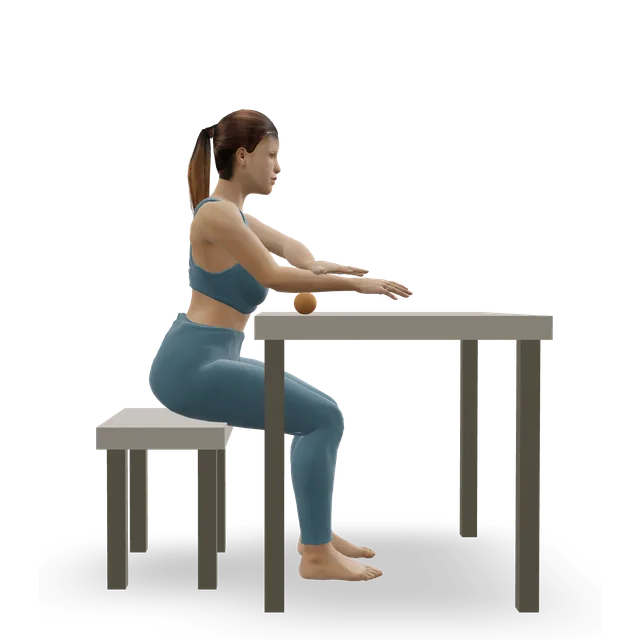
  1. Upper-arm massage: rub or roll the muscles of your throwing arm with a ball or your other hand, about 30 seconds.
  2. Forearm stretch: palm up, gently straighten the elbow and draw the fingers back, 2 × 15 to 20 seconds each arm.
  3. Back of the shoulder: bring the arm across your chest, below shoulder height if the front pinches, 2 × 20 seconds each side. The programme's version is done on all fours.
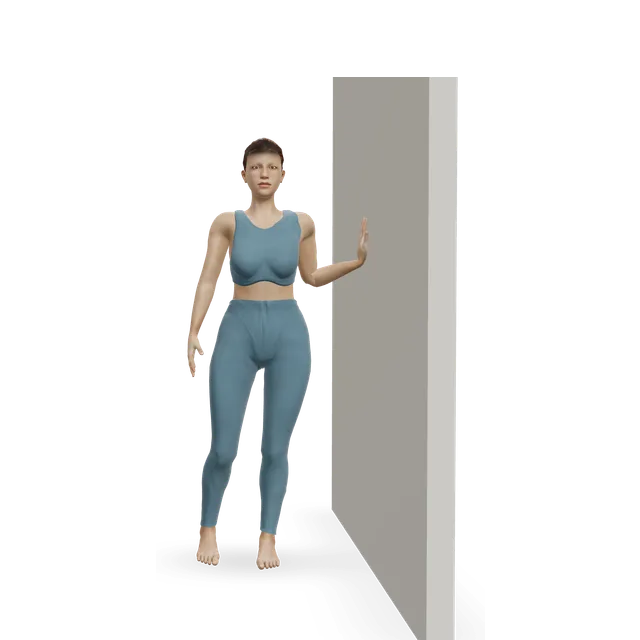
  4. Front of the shoulder: a doorway stretch with the elbow at or below shoulder height, 2 × 20 seconds.
  5. Back of the hip: cross one ankle over the other knee and sit back, 2 × 20 seconds each side.
  6. Spine: 8 slow cat and dog movements on all fours, then 6 trunk rotations each side.
  7. Balance: on one leg, slide the other foot out to the side and back, 4 reaches each way; then lift a knee to meet the opposite elbow, 8 times each side.
  8. Throws: 10 to 20 easy throws, lengthening the distance, before any full throwing or pitching. Stop if the arm hurts.

Loading the 3D figure…

Gets into position, then repeats the movement. Technical checks passed; qualified exercise review is pending.

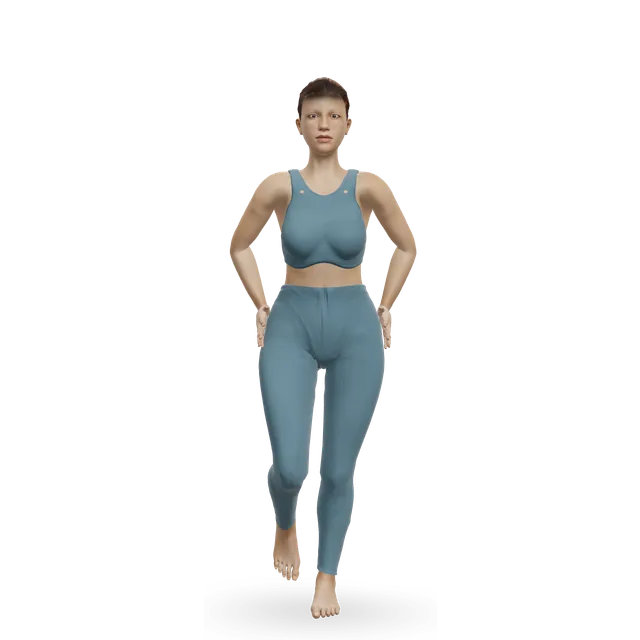
The movement on the figure: Cross-body shoulder stretch

Moves for baseball and softball

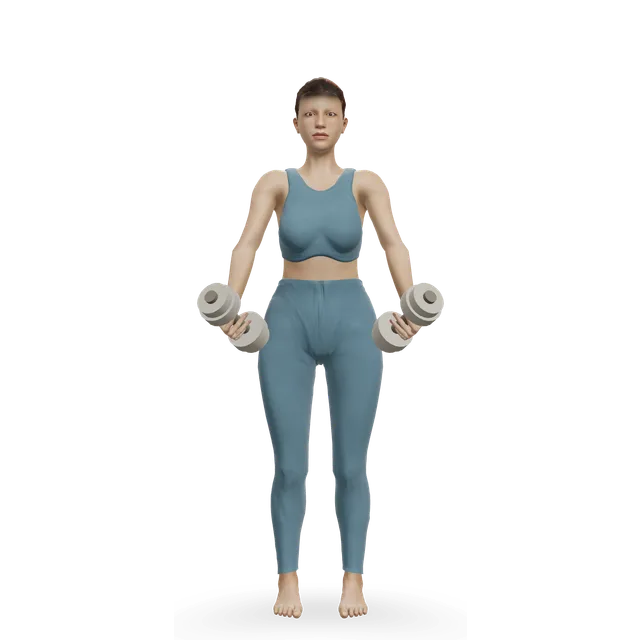
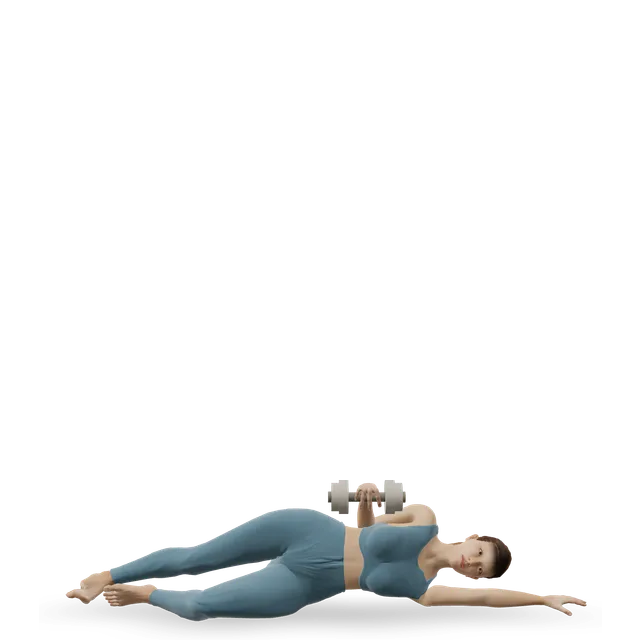
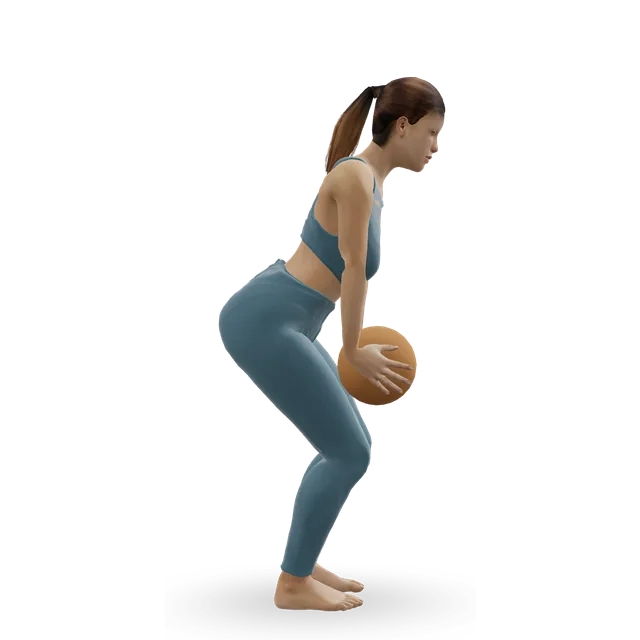
The arm care warm-up's stretches and balance work, and the throwing strength workout's shoulder, forearm and power exercises. Each has a 3D demo.

Workouts

The first two are new: an arm care warm-up built on the Yokohama programme, and a throwing strength workout that starts with Shoulder Control. The tennis and padel prevention routine has Shoulder Control as trialled in handball, and the hamstring and groin session has the Nordic programme.

Baseball arm care warm-up

A 12-minute arm care warm-up for baseball and softball, built on a Japanese youth programme: an arm massage, shoulder, forearm and hip stretches, and balance.

12 minBeginner9 movesA massage ball, A wall

Throwing arm strength workout

A 35-minute session for baseball and softball players: the five Shoulder Control exercises, rotator cuff and forearm work, medicine-ball throws and legs.

35 minIntermediate17 movesA dumbbell, A cable machine

Tennis and padel injury prevention

A 25-minute routine for racket players: the five-part Shoulder Control programme from handball trials, band rotations, forearm lowering, hops and balance.

25 minBeginner12 movesA dumbbell, A cable machine

Shoulder mobility and stability routine (with a band)

A 25-minute band routine for healthy shoulders: move the shoulder and upper back through their range, then strengthen the rotator cuff and shoulder blades.

25 minBeginner12 movesA wall, A band

Racket sport warm-up

A 12-minute warm-up for tennis, padel, squash or badminton: skipping, leg swings, trunk turns, band shoulder work, forearm circles, shuttles and landings.

12 minBeginner10 movesA wall, A band

Wrist and forearm routine

Wrist mobility and forearm strength for desk work, climbing, push-ups and handstands.

10 minBeginner7 movesA wall, A dumbbell

Grip strength workout: squeezes, curls, carries and hangs

A 20-minute grip session: warm up the wrists and fingers, train the hand and forearm muscles, then carry and hang to load your grip the way everyday life does.

20 minBeginner10 movesOther / check instructions, A band

Hamstring and groin injury prevention

The Nordic hamstring and Copenhagen adduction programmes from the football trials: a 10-week build, three adductor levels, then once a week in season.

15 minIntermediate6 movesA wall, An anchor point

Plyometric workout

An advanced jump training session: pogo hops, box jumps, split squat jumps, broad jumps and depth jumps.

30 minAdvanced8 movesA bench or box, A step

Lower body gym workout

A gym lower body workout for legs and glutes: trap bar deadlifts, hip thrusts, reverse lunges, leg curls, hip abduction, calf raises and core.

50 minIntermediate13 movesOther / check instructions, A barbell

10-minute dynamic warm-up

A 10-minute warm-up for any workout: raise your heart rate, move each joint through its range, rehearse the main movements, then ramp up to your first lift.

10 minBeginner12 movesA wall, A band

Plans

Two or three strength sessions a week fit the off-season; drop to one or two in season, never the day before pitching.

Who should check first

Everyone: seven questions

The PAR-Q+ (Physical Activity Readiness Questionnaire for Everyone) asks about a heart condition or high blood pressure, chest pain, dizziness or losing consciousness, other long-term conditions and their medicines, a bone or joint problem that activity could make worse, and being told to exercise only under supervision. If you answer yes to any, check with your GP or a qualified exercise professional first. If you're over 45 and not used to hard exercise, ask a qualified exercise professional before the hardest sessions, and delay if you're ill.

Source 70

A child or teenager with arm pain when throwing

Stop throwing and see a GP or sports physiotherapist. Often pitching with arm pain went with about 7.5 times the odds of injury, and Little League shoulder is being diagnosed more often. Our elbow pain guide says the same for thrower's elbow, and the way back is a staged throwing programme.

Sources 42, 27

Pitchers on several teams, playing all year or at showcases

Count every pitch across every team, keep to Pitch Smart's rest days, and take the months off.

Sources 3, 42, 36

Pitchers who also catch

Pitch Smart advises against playing catcher when not pitching, and British under-16s may not pitch and catch on the same day.

Sources 3, 4

After an elbow or shoulder injury or surgery

Come back through a staged throwing programme with your physiotherapist, as our SLAP tear guide describes.

Fainting, chest pain or palpitations

The NHS advises seeing a GP if you've fainted, and the PAR-Q+ asks you to check first if you get chest pain or dizziness: do that before you play.

Sources 71, 70

Pregnant

The NHS advises against sports with a risk of falling or bumping your tummy, and baseball and softball add sliding and ball strikes. Talk to your midwife or GP; batting practice and throwing without sliding or catching may suit (our suggestion).

Source 72

When to stop and get help

Elbow pain in a young thrower

Pain on the inside of the elbow when throwing means stop throwing and get it checked, as our elbow pain guide advises. The NHS says to go to an urgent treatment centre or A&E (accident and emergency) if you have severe pain in your arm and it's difficult to move, you heard a snapping noise or your arm changed shape after an injury, or your arm tingles or feels numb.

Source 73

Shoulder pain

Ask for an urgent GP appointment or contact NHS 111 for sudden or very bad shoulder pain, an arm you can't move, a shoulder that has changed shape or is badly swollen, pins and needles that don't go away, no feeling in the arm or shoulder, an arm or shoulder that's hot or cold to touch, or pain that started after an injury.

Source 74

A collapse after a ball to the chest: call 999

If they're unresponsive and not breathing normally, call 999, start CPR straight away and send someone for the nearest defibrillator. In the US registry, survival was 40% when resuscitation started within 3 minutes, against 5% after.

Sources 68, 10

A head injury: call 999

The NHS says to call 999 if someone has hit their head and:

  • Has been knocked out and hasn't woken up, or can't stay awake or keep their eyes open.
  • Has a fit (seizure).
  • Has problems with their vision or hearing, or clear fluid coming from their ears or nose.
  • Has new numbness or weakness in any part of their body, or problems with walking, balance, understanding, speaking or writing.
  • Has a dent in their head, or their behaviour has changed, such as being more irritable or distracted.

Source 75

Suspected concussion

Stop playing: if in doubt, sit them out. Contact NHS 111 within 24 hours, and straight away if they're being sick, feel dizzy or take medicine that thins the blood. No return to competition before day 21; our concussion guide covers the stages.

Sources 69, 75

Fainting or chest pain: call 999

Call 999 if someone faints while exercising, or faints and can't be woken within a minute, or has chest pain, a pounding, fluttering or irregular heartbeat, or a fit. Call 999 for sudden chest pain that doesn't go away, pain that spreads to your arms, neck, jaw, stomach or back, or chest pain with sweating, feeling sick, light-headedness or breathlessness.

Sources 71, 76

A ball in the eye

Go to A&E or call 999 if something hit your eye at high speed, your sight has changed, you have severe pain in the eye, you feel or are sick, you can't move your eye or keep it open, or blood or pus is coming from it.

Source 77

A jammed or broken finger

Go to A&E if a finger points at an odd angle, looks blue or feels numb, or is cut with bone showing. Get help from NHS 111 if it's painful, swollen and bruised, or stiff and difficult to move. A fingertip that won't straighten needs same-day advice, as our mallet finger guide explains.

Source 78

A sprain or a crack after sliding

Call 999 or go to A&E if you heard a crack when you were injured, the injured part has changed shape or points at an odd angle, it's numb or tingling, or the skin has turned blue or grey or is cold to touch. Get help from NHS 111 or an urgent treatment centre if it's very painful, very swollen or bruised, or you can't put weight on it or walk more than a few steps.

Source 79

Pain at the base of the hand after batting

Pain at the heel of the hand that doesn't settle after swinging a bat needs checking (our suggestion): in professionals, hook-of-hamate fractures had the highest surgery rate of any injury.

Source 17

Myths

"Pitch counts alone keep young arms safe"Emerging evidence

A national high-school mandate made no measurable difference overall, while rest-day rules did, and elbow changes on scans appeared in Little League pitchers who kept to the limits, especially those playing all year. Rest days, months off and stopping when tired matter as much as the count.

Sources 5, 36, 3, 1

"Curveballs ruin young elbows"Mixed evidence

Curveballs and sliders went with more arm pain in one cohort and a survey, but weren't shown to raise serious injury over 10 years. Pitch Smart's advice is fastballs and changeups first, with breaking pitches from 13.

Sources 24, 42, 2, 3

"A sore arm is normal; pitch through it"Emerging evidence

Pitching with a tired or painful arm is the strongest risk factor for injury in adolescents, and young throwers with elbow pain should stop and get checked.

Sources 1, 42

"Weighted balls are a safe way to throw harder"Emerging evidence

In the one trial that tracked injuries, 4 of the 17 teenage pitchers who finished a weighted-ball programme had elbow injuries, against none of 19 who didn't do it, and the wider evidence is very poor.

Sources 8, 41

"Windmill pitching is natural, so softball pitchers don't need limits"Emerging evidence

Windmill pitching pulls on the shoulder with about 80% of bodyweight, strength and fatigue don't recover between tournament days, and no official limits exist.

Sources 15, 30, 56

"Swinging a heavy bat on deck speeds up your swing"Emerging evidence

Warming up with a heavy bat gave slower normal-bat speed than a light or normal bat in recreational players, and in college players, warm-up devices made no difference.

Sources 48, 49

"Every pitcher needs sleeper stretches"Mixed evidence

In professional pitchers, too little outward rotation, and deficits in total rotation and raising the arm, predicted injury, not loss of inward rotation alone; one non-randomised high-school study supports daily sleeper stretches. Our shoulder guides keep the sleeper stretch for a measured loss on one side.

Sources 50, 62, 65

"A chest protector makes commotio cordis impossible"Emerging evidence

Many deaths in organised sport happened with chest protectors on, including baseball catchers. Fast CPR and a defibrillator save lives, and newer protectors are tested to a specific standard.

Sources 66, 10, 67

Questions people ask

How many pitches can a young pitcher throw?

Under MLB and USA Baseball's Pitch Smart, the daily maximum is 50 pitches at 7 and 8, 75 at 9 and 10, 85 at 11 and 12, 95 at 13 to 16, 105 at 17 and 18, and 120 at 19 to 22, with rest days set by the number thrown. UK youth leagues follow similar Little League rules: 85 pitches at under-12, and 95 at under-14 and under-16.

How many days' rest does a pitcher need?

For ages 7 to 14, 1 to 20 pitches need no rest day, 21 to 35 need one, 36 to 50 two, 51 to 65 three, and 66 or more four. From 15, the bands are 1 to 30, 31 to 45, 46 to 60, 61 to 75 (or 80 from 17), and four days above that. Never pitch on 3 days in a row.

What causes elbow pain in young pitchers?

Throwing too much, too often or while tired: pitching with arm fatigue was the strongest risk factor in adolescents, and more than 100 innings a year went with 3.5 times the risk of serious injury. Pain on the inside of the elbow in a young thrower means stop throwing and get it checked.

What is a good arm care routine for pitchers?

In 237 players aged 9 to 11, a 10-minute warm-up of forearm and shoulder stretches, a hip stretch, upper-back mobility and one-leg balance drills, done at least once a week for a year, nearly halved shoulder and elbow injuries. Older players can add rotator cuff and shoulder-blade strength work, as in Shoulder Control, which cut shoulder injuries in handball.

Are weighted balls safe for pitchers?

Not proven. In a trial in teenage pitchers, a 6-week weighted-ball programme raised pitch speed by 3.3%, but 4 of the 17 who finished it had elbow injuries, against none in the comparison group, and the wider evidence is very poor.

How can I throw harder?

Build strength and power: resistance training raises throwing speed in overhead athletes, and in young players a 4-week programme of tubing exercises, throwing and stretching raised throwing speed. Leg, hip and trunk power matter as much as the arm.

Is there a pitch count for softball?

Not officially: no pitch-count rules existed in US or Canadian softball as of 2023, and Pitch Smart covers baseball only. Shoulder strength, pain and fatigue don't fully recover between tournament days, so plan rest days and share the pitching.

What is Little League shoulder?

An overuse injury of the growth plate at the top of the upper arm bone in young throwers, mostly pitchers around 13, causing shoulder pain when throwing. In one children's hospital, nearly all were treated with rest and most with physiotherapy, and they returned to competition after about 4 months on average.

Do baseball players need helmets with faceguards?

Batting helmets are standard, and faceguards went with about a third fewer facial injuries in Little League. Being hit by a batted ball caused 11.6% of US high-school baseball injuries, nearly half of them to the head or face.

What should happen if a ball hits a player in the chest and they collapse?

Call 999, start CPR and get a defibrillator straight away. This is commotio cordis: rare, but survival was 40% when resuscitation started within 3 minutes, against 5% after.


Sources

  1. Salamh 2020 · Shoulder and elbow injuries and risk factors in adolescent pitchers (systematic review and meta-analysis, Phys Ther Sport)

  2. Fleisig 2011 · Serious injury in 481 young baseball pitchers over 10 years (prospective study, AJSM)
  3. Major League Baseball and USA Baseball · Pitch Smart: pitching guidelines for youth and adolescent pitchers, by age group
  4. British Baseball Federation · Youth National Baseball League rules sheet 2026, version 2
  5. Kriz 2026 · Do pitching restrictions reduce shoulder and elbow injuries in high school baseball? (surveillance study, OJSM)
  6. Sakata 2019 · A warm-up programme and throwing injuries in 237 youth baseball players (randomised trial, Am J Sports Med)
  7. Lau 2023 · Overuse injury prevention programmes in young overhead athletes, with their exercises (systematic review, Sports Med Health Sci)
  8. Reinold 2018 · A 6-week weighted-ball throwing programme in 38 high-school pitchers (randomised trial, Sports Health)
  9. Marshall 2003 · Safety balls and faceguards in youth baseball (national ecological study, JAMA)
  10. Maron 2013 · Increasing survival from commotio cordis (US registry study, Heart Rhythm)
  11. Compendium of Physical Activities 2024 · Sports: MET values (adult compendium)
  12. Fleisig 1995 · The forces on the shoulder and elbow in baseball pitching (lab study of 26 pitchers, AJSM)
  13. Fleisig 1999 · Pitching from youth to professional level (lab study of 231 pitchers, J Biomech)
  14. Barrentine 1998 · Windmill softball pitching and the shoulder and elbow (lab study, JOSPT)
  15. Werner 2006 · Windmill pitching in 24 Olympic softball pitchers (lab study, AJSM)
  16. Camp 2017 · Abdominal oblique injuries in professional baseball (surveillance study, OJSM)
  17. Ward 2026 · 83,215 injuries in Major and Minor League Baseball, 2011 to 2023 (surveillance study, AJSM)
  18. Ahmad 2014 · Hamstring injuries in Major and Minor League Baseball (surveillance study, AJSM)
  19. Janda 1988 · Sliding injuries on standard and breakaway bases in recreational softball (prospective study, JAMA)
  20. Green 2015 · Concussion in Major and Minor League Baseball (surveillance study, AJSM)
  21. Collins 2008 · High-school baseball injuries in the US, 2005 to 2007 (surveillance study, Pediatrics)
  22. Saper 2018 · Shoulder and elbow injuries in US high-school baseball over 10 years (surveillance study, AJSM)
  23. Veillard 2021 · Injuries in US college women's softball, 2014/15 to 2018/19 (surveillance study, J Athl Train)
  24. Lyman 2002 · Pitch type, pitch count and elbow and shoulder pain in 476 youth pitchers (cohort study, AJSM)
  25. Lee 2023 · Children's baseball and softball injuries in US emergency departments, 2010 to 2019 (national sample, Phys Sportsmed)
  26. Erickson 2015 · Elbow ligament (UCL) reconstruction in the US, 2007 to 2011 (insurance database study, AJSM)
  27. Heyworth 2016 · Little League shoulder: 95 cases (case series, AJSM)
  28. Smith 2015 · Injuries in female youth fast-pitch softball players over a season (prospective study, Sports Health)
  29. Yang 2016 · Pain and fatigue in high-school fast-pitch softball pitchers over a season (cohort study, HSS J)
  30. Skillington 2017 · Pitching on consecutive days in youth fast-pitch softball tournaments (cohort study, AJSM)
  31. Sheridan 2021 · Hook-of-hamate fractures in professional baseball players (case series, J Hand Surg Am)
  32. Camp 2018 · Hit-by-pitch injuries and concussions in professional baseball (surveillance study, AJSM)
  33. Lawson 2009 · Children's baseball injuries in US emergency departments, 1994 to 2006 (national sample, Pediatrics)
  34. Erickson 2023 · High-school pitchers who didn't follow Pitch Smart (cohort study, OJSM)
  35. Greiner 2021 · Youth tournament pitching compared with Pitch Smart (records study, OJSM)
  36. Pytiak 2017 · Elbow MRI changes over a season in Little League pitchers who kept to pitch limits (prospective study, OJSM)
  37. Matsel 2021 · Arm care programmes and injury risk in adolescent baseball players (clinical review, Sports Health)
  38. Sakata 2018 · A prevention programme and inner-elbow injuries in 305 youth baseball players (non-randomised controlled trial, AJSM)
  39. Asker 2022 · Shoulder Control and knee programmes in adolescent elite handball players (three-armed cluster randomised trial, Sports Med Open)
  40. Andersson 2017 · The OSTRC shoulder injury prevention programme in 660 elite handball players (cluster randomised trial, BJSM)
  41. Caldwell 2019 · Weighted-ball programmes for pitchers: 10 studies (systematic review, OJSM)
  42. Yang 2014 · Risky pitching activities and injuries in 754 youth pitchers (national survey, AJSM)
  43. Lauersen 2014 · Exercise to prevent sports injuries: 25 trials, 26,610 people (systematic review and meta-analysis, BJSM)
  44. Myers 2015 · Increasing ball speed in overhead athletes: 13 randomised trials (meta-analysis, J Strength Cond Res)
  45. Escamilla 2010 · A 4-week youth baseball conditioning programme and throwing speed (randomised trial, J Strength Cond Res)
  46. Carter 2007 · Upper-body plyometric training and throwing speed in college baseball players (randomised trial, J Strength Cond Res)
  47. Szymanski 2007 · Twelve weeks of medicine-ball training in high-school baseball players (randomised trial, J Strength Cond Res)
  48. Montoya 2009 · Warming up with light, normal and heavy bats (crossover study, J Strength Cond Res)
  49. Szymanski 2011 · Warm-up devices and bat speed in college players (crossover study, J Strength Cond Res)
  50. Wilk 2015 · Shoulder range of motion and shoulder injury in 296 professional pitchers (prospective study, AJSM)
  51. Byram 2010 · Pre-season shoulder strength and injury in professional pitchers (cohort study, AJSM)
  52. Escamilla 2017 · A short stretching drill after pitching in professional pitchers (lab study, AJSM)
  53. van Dyk 2019 · Programmes including the Nordic hamstring exercise and hamstring injuries: 15 studies, 8,459 athletes (meta-analysis, BJSM)
  54. Impellizzeri 2021 · The Nordic hamstring exercise trials re-analysed, randomised trials only: an inconclusive effect (re-analysis, J Clin Epidemiol)
  55. Hong 2026 · Exercise programmes to prevent hamstring injuries in football: 11 randomised trials, 9,282 players (network meta-analysis, Sports Med Open)
  56. Zaremski 2025 · Softball pitching workload, pitch counts and injury (narrative review, Sports Health)
  57. NHS · Physical activity guidelines for children and young people
  58. Olsen 2006 · Risk factors for shoulder and elbow injuries in adolescent pitchers (case-control study, AJSM)
  59. Agresta 2019 · Risk factors for baseball arm injuries: 14 prospective studies (systematic review, OJSM)
  60. Jayanthi 2015 · Sport specialisation, training hours and injury in 1,190 young athletes (case-control study, AJSM)
  61. Bell 2018 · Sport specialisation and overuse injuries (systematic review and meta-analysis, Pediatrics)
  62. Wilk 2014 · Shoulder range of motion and elbow injury in professional pitchers (prospective study, AJSM)
  63. Pozzi 2020 · Pre-season shoulder range screening and arm injuries in overhead athletes (systematic review and meta-analysis, BJSM)
  64. Shanley 2011 · Shoulder range and arm injuries in 246 high-school softball and baseball players (cohort study, AJSM)
  65. Shitara 2017 · Shoulder stretching and shoulder and elbow injuries in 92 high-school pitchers (non-randomised cohort, Sci Rep)
  66. Doerer 2007 · Chest protectors and sudden death from commotio cordis (registry study, Am J Cardiol)
  67. Dau 2024 · Developing the NOCSAE chest protector standard for commotio cordis (standard development study, Circ Arrhythm Electrophysiol)
  68. St John Ambulance · How to do CPR (the NHS's CPR link leads here)
  69. Sport and Recreation Alliance and UK Government 2024 · UK concussion guidelines for non-elite (grassroots) sport, November 2024 update
  70. PAR-Q+ Collaboration 2025 · The Physical Activity Readiness Questionnaire for Everyone (PAR-Q+)
  71. NHS · Fainting
  72. NHS · Exercise in pregnancy
  73. NHS · Elbow and arm pain
  74. NHS · Shoulder pain
  75. NHS · Head injury and concussion
  76. NHS · Chest pain
  77. NHS · Eye injuries
  78. NHS · Broken finger or thumb
  79. NHS · Sprains and strains
  80. Matković 2024 · Osteochondritis dissecans of the elbow in overhead athletes (narrative review, Diagnostics)

Exercise education for people who play sport, not a personal prescription or a diagnosis, and clinical review of these pages is pending. Check with a GP or physiotherapist before hard training if you have a heart condition, chest pain, dizziness or an injury that isn't settling, and stop for sharp or increasing pain. Health disclaimer.