Little League shoulder: growth plate pain in young throwers, how long to rest, and getting back to throwing
Little League shoulder is a stress injury of the growth plate near the top of the upper arm bone, caused by the twisting force of repeated throwing. It mostly affects pitchers, at an average age of about 13, and shows as pain on the outside of the upper arm when throwing, often with slower or wilder throws. It needs weeks to months off throwing, and almost all children get back to their sport.
This guide is for young players, parents and coaches. It covers the warning signs, how it is diagnosed and why a widened growth plate on an X-ray is common even without pain, how long the rest usually lasts, how to keep fit meanwhile, and a staged plan with 3D demos back to throwing, within the pitch counts and rest days on our baseball and softball page.
Exercise is for pain that has been checked or is clearly mild and settling.
Get urgent medical help if
Call 999 or go to A&E: after a fall or injury, your shoulder looks out of place or has changed shape, or you cannot move your arm. Do not drive yourself, and do not try to put it back in yourself.
Same day: sudden severe pain at the top of the arm during a throw or a fall, and the arm can't be lifted or is badly swollen or bruised. A weakened growth plate can break, and it needs an X-ray.
Same day (GP or NHS 111): sudden or very bad shoulder pain; you cannot move your arm; the arm or shoulder is badly swollen or has changed shape; pins and needles that do not go away; no feeling in the arm; the arm is hot or cold to the touch; pain that started after an injury such as a fall; or severe pain in both shoulders.
Same day (GP or NHS 111): the shoulder or arm is hot, swollen or red, or you have a high temperature or feel unwell. A joint infection needs same-day care.
See a doctor or physiotherapist if
Pain at the top or outside of the upper arm when throwing, or throws that are slower or less accurate: stop throwing and see a GP or a sports physiotherapist. X-rays of both shoulders may be needed, and stopping straight away gives the best early results.
Pain that comes back when throwing restarts: stop again and get it reviewed. It comes back in up to 1 in 4 children.
Elbow pain as well, which happened in 13% of children in one series: our Little League elbow guide covers it.
Pain that is constant, wakes the child at night or doesn't ease with rest, an unexplained lump or swelling, a fever or weight loss: see a GP. These aren't typical of a throwing injury.
Your shoulder has partly or fully come out of joint, or you worry it might.
Understand it
What it is
Throwing twists the upper arm bone hard. In a growing child, the growth plate near the top of the bone takes the strain, and growth cartilage copes less well with twisting than with pulling. Repeated twisting damages it, a bit like a slow stress fracture through the growth plate, and the classic sign is a widened growth plate on the throwing side.
It mostly affects boys, at an average age of about 13. In 95 children aged 8 to 16 at one children's hospital, 86% were pitchers, 8% catchers and 3% tennis players; only 2 were girls, and there were more cases every year. In 101 Japanese players, 99 were boys, and across 23 studies (266 children) the average age was 12.8, from 7 to 17. It can also happen in swimming, gymnastics, volleyball and tennis.
The main sign is pain at the top and outside of the upper arm when throwing, which may build over months, often with a drop in speed or control. In the 95 children, all had pain with overhead sport; 13% had elbow pain too, 10% tiredness or weakness, 8% catching or clunking, and 30% a throwing shoulder that was stiffer turning inwards.
Up to 70% are tender over the top and outside of the arm bone. In 101 Japanese players, pain when the arm was turned outwards against resistance was present in 94%, so clinicians use that test too.
X-rays of both shoulders, with the arm turned in and out, usually confirm it: the growth plate is wider on the throwing side, sometimes with fragments or changes in the bone nearby. Magnetic resonance imaging (MRI) is rarely needed, but helps if the X-rays look normal and the doctor still suspects it, or if another problem is possible.
A widened growth plate is common without pain. In 79 young players, it was wider on the throwing side across the group, and X-ray changes were seen in 55% of the 53 who had never had shoulder symptoms. On MRI, 12 of 23 Little League players without symptoms (52%) had findings in the throwing shoulder, including growth plate swelling or widening in 5. In a season-long study, 61% of 23 players had findings in the throwing shoulder, and 81% of those picked for all-star teams.
So the X-ray is read alongside the symptoms and the examination. Recovery is judged by symptoms: only one recent study waited for the X-ray to look normal before a return.
With rest, most recover fully. Across 23 studies, 94% returned to sport and 92.5% to their previous level, surgery wasn't used, 18.7% had symptoms again after returning, and 1 child's growth plate closed early. Rarely, a weakened growth plate breaks: X-rays showed a fracture through it in 2 of the 266 children.
In a small study, 10 high-school players who had had it reported more shoulder pain (80%) and elbow pain (70%) than 22 who hadn't (9% and 32%), and had more twist in the upper arm bone.
Rest from throwing: weeks to monthsEmerging evidence
A 2006 review advises an average of 3 months off throwing. Across 23 studies, the recommended rest ran from 1 month to 1 year, most often 4 months, and advice has moved from long, complete rest towards shorter rest and a graded return guided by symptoms.
In recent series, symptoms settled at an average of 2.6 months and children were back in competition at 4.2 months (95 children), and 95% of 87 players were fully back at an average of 2.8 months. These are case series; no trial has compared rest periods, and the clinician sets the time for each child.
In 87 Japanese players, a longer delay between first seeing a doctor and stopping throwing went with worse results at 2 months, and poorer shoulder flexibility with a less complete return. This is one series, but it fits the advice to stop at the first sign of pain.
Waiting for the resisted turning test to be pain-freeEmerging evidence
In a Japanese series, return to sport took 8.8 weeks when throwing waited until turning the arm outwards against resistance was pain-free, against 12.7 weeks when players went back before that for team reasons. This is one small, non-randomised comparison from one surgeon (14 against 11 players), so it is a pointer, not proof.
Symptoms came back in 7% of 95 children and 25% of 87 players in two series, in 18.7% across 23 studies, and in 6 of 17 in a 5-year telephone survey. Players who had had it reported more shoulder and elbow pain later in one small study. That is one more reason to keep to pitch counts, rest days and months off after a return.
Workload limits and warm-ups: evidence from all young throwersEmerging evidence
Pitching with a tired or sore arm, on consecutive days or for several teams went with more arm injuries in large surveys and reviews. In US high schools, rules requiring rest between pitching days and daily caps of 105 pitches or fewer went with far fewer shoulder and elbow injuries, and a 9-exercise warm-up cut shoulder and elbow injuries in a trial of 237 players aged 9 to 11.
These studies cover young throwers' arm injuries in general, not Little League shoulder alone, so we borrow them for prevention.
Exercises and a graded return: consistent advice, not testedEmerging evidence
Physiotherapy for movement and strength, including stretching the back of the shoulder when it was stiff, was standard care in the series, and better flexibility went with a pain-free return. One centre used a 1-month throwing programme before competition.
No trial has tested the exercises, and no throwing programme has been validated: published programmes are mostly versions of one old programme. The plan on this page is our suggestion, built from that consistent advice.
No pain at the top of the arm: our suggestion, built on consistent adviceEmerging evidence
This rule is our editorial suggestion. No study has tested a pain rule for Little League shoulder, and no throwing programme has been validated, but professional advice for young throwers is consistent: go back only when pain-free, and stop when it hurts. If your child's clinician or coach has given you a programme, follow theirs.
Throwing: no pain at the top or outside of the upper arm during throwing, straight afterwards or the next morning. If it hurts, stop for the day and restart a step lower; if pain comes back each time throwing restarts, stop until the child has been checked again.
Before throwing restarts, the clinician can check that turning the arm outwards against resistance is pain-free. Stretches should give a stretch at the back of the shoulder, never pain at the top of the arm or a pinch at the front.
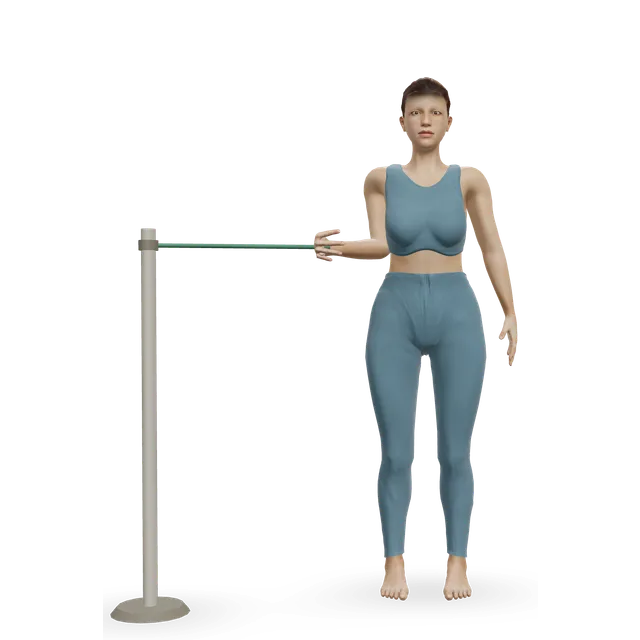
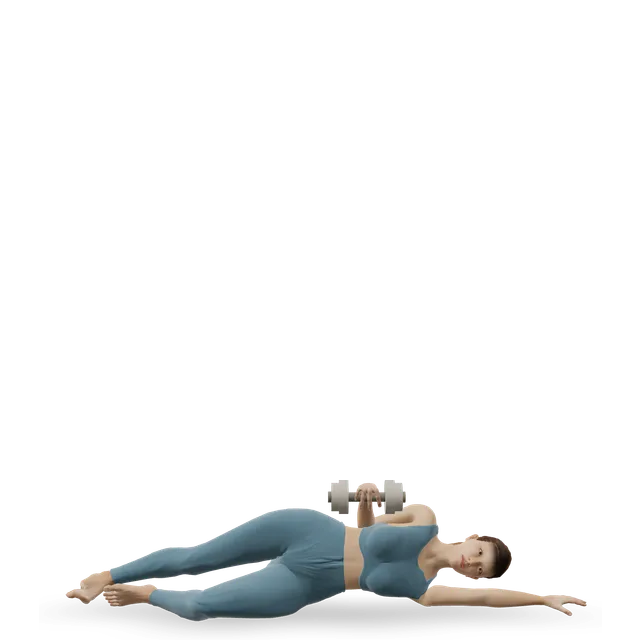
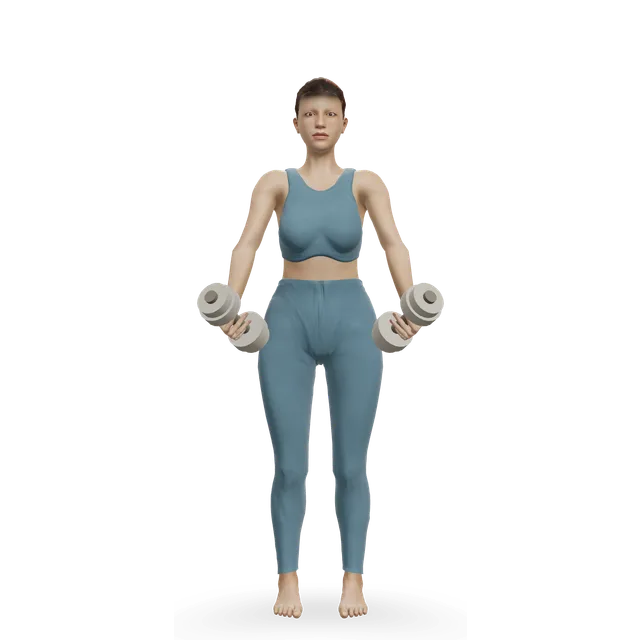
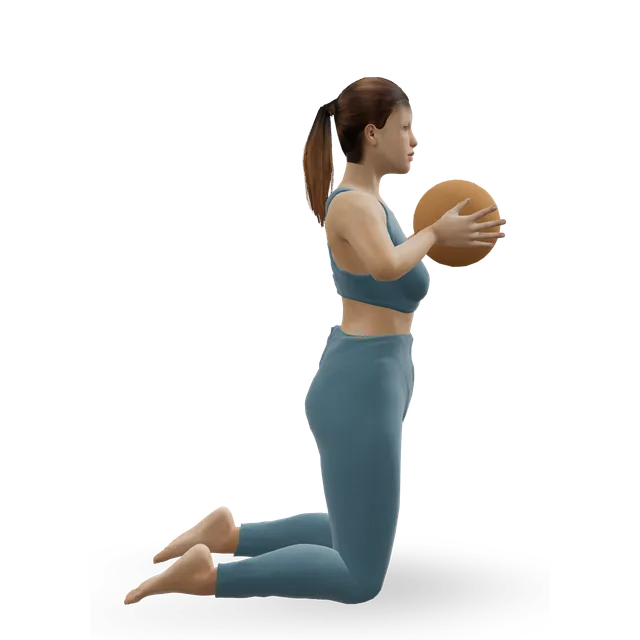
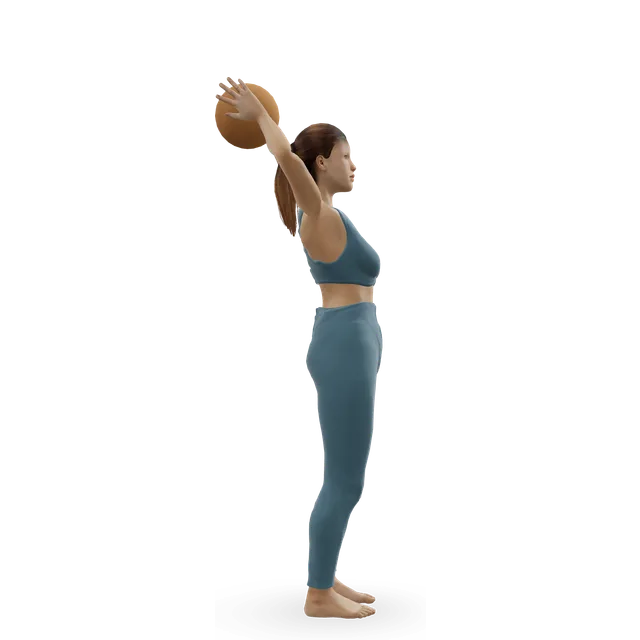
Start at the first stage. Each move opens a full guide with a 3D demo.
Stage 1
Stop throwing, keep the shoulder moving gently (often the first 4 to 8 weeks; the clinician sets the time)
Stop throwing straight away: no pitching, catching or throwing practice. We suggest no serving or smashing in tennis or volleyball either, since the same growth plate takes the strain. Keep fit, and keep the shoulder moving within a pain-free range. If the throwing shoulder is stiff turning inwards, stretch it gently: better flexibility went with a pain-free return in one series.
Move on when: No pain in daily use, no tenderness at the top of the arm, full shoulder movement, and the clinician finds turning the arm outwards against resistance pain-free.
Follow along: a timer, a cue and the next move, one step at a time.
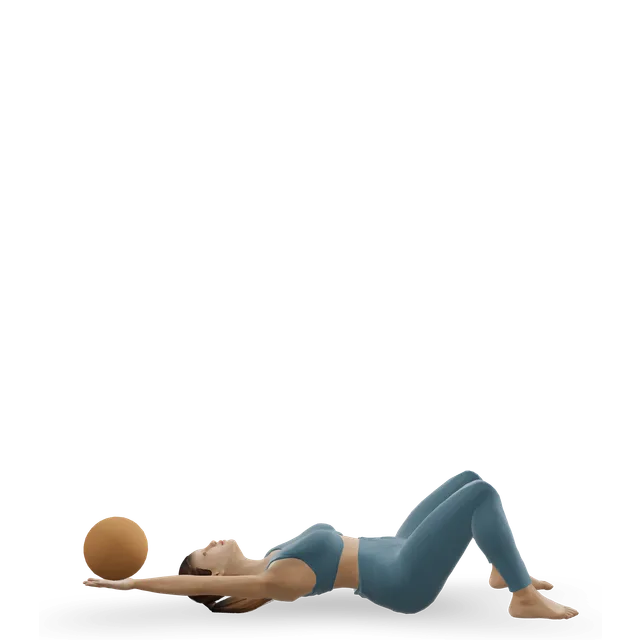
Stage 2
Strengthen the shoulder, shoulder blade, trunk and hips (often about weeks 4 to 10)
2 to 3 sessions a week, light and slow, with no pain at the top of the arm. The doses are editorial, or our throwing arm strength workout's where the moves overlap.
Move on when: Pain-free, full movement, strength similar on both sides, and the clinician clears a return to throwing.
Follow along: a timer, a cue and the next move, one step at a time.
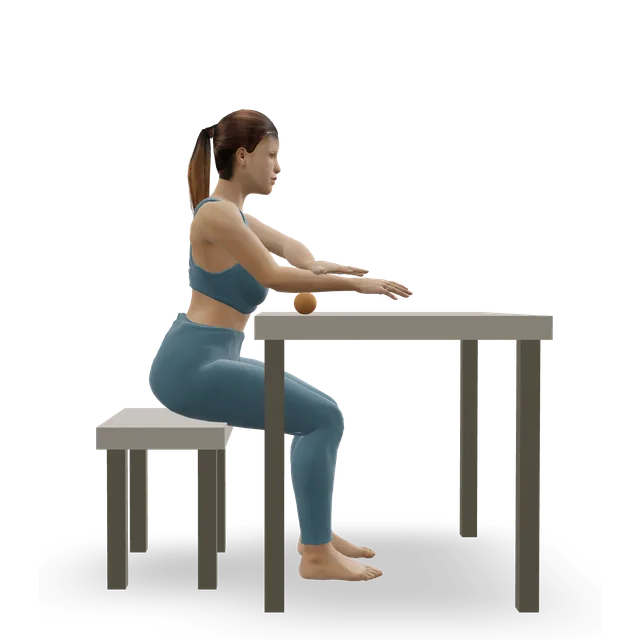
Stage 3
Back to throwing, step by step (often about weeks 8 to 16)
Follow the graded throwing steps in the notes below, with the baseball arm care warm-up first and strength work twice a week. In the studies, children were back in competition at an average of 2.8 to 4.2 months, and one centre used a 1-month throwing programme before competition. If your clinician or coach has a programme, follow theirs.
Move on when: The throwing steps are complete with no pain at the top of the arm during, straight after or the next morning, and the clinician agrees. Then games and pitching within the daily limits and rest days, with at least 4 months a year off overhead throwing.
Follow along: a timer, a cue and the next move, one step at a time.
What to change for now
Graded steps back to throwing (our suggestion)
No throwing programme has been validated. These steps follow the principles the sources share: pain-free first, short and easy before long and hard, and a step back for any pain. Read pain in the steps as pain at the top or outside of the upper arm. If your child's clinician or coach has a programme, use theirs instead.
1. Start only when your clinician has cleared throwing, daily life is pain-free, and the strength stage is pain-free.
2. Warm up first, for example with our baseball arm care warm-up.
3. Begin with easy, short throws on flat ground: about 25 throws at half effort to a partner about 9 to 14 m (30 to 45 feet) away, every other day.
4. Stay on each step for at least 2 pain-free sessions. Add distance first, then the number of throws, then effort, one change at a time.
5. Go back to fielding positions with fewer throws, such as first base or short spells in the outfield, before pitching or catching.
6. Pitching: flat ground first, then the mound at about half effort with a small number of pitches, building over several sessions towards game effort and the pitch count for your age.
7. Any pain during throwing, straight after or the next morning: stop for the day, rest at least a day, and restart one step lower. If it happens twice, see your clinician again.
Pitch counts and rest days: for parents and coaches
These are the Pitch Smart guidelines from Major League Baseball and USA Baseball, and the UK youth league rules, and they match our baseball and softball page. They apply in full after Little League shoulder, all year and across every team. A 2023 review also advises at least 4 months a year off overhead throwing.
Count every pitch, in games and practice, across every team, including showcases and extra throwing at home. Pitch Smart puts this on the parent and the player, because children often play in several leagues.
Daily limits: 50 pitches at 7 and 8, 75 at 9 and 10, 85 at 11 and 12, 95 at 13 to 16, and 105 at 17 and 18.
Rest days at 14 and under: none after 1 to 20 pitches, 1 day after 21 to 35, 2 after 36 to 50, 3 after 51 to 65, and 4 after 66 or more. At 15 to 18: none after 1 to 30, 1 day after 31 to 45, 2 after 46 to 60, 3 after 61 to 75 (61 to 80 at 17 and 18), and 4 after more.
No pitching on 3 days in a row, whatever the count, and no pitching in more than one game a day.
Months off: up to 14, at least 4 months a year off throwing, with 2 to 3 of them in a row. From 15, 4 months off competitive pitching, including 2 to 3 months in a row off all overhead throwing.
One team at a time. Pitch Smart advises against playing catcher when not pitching; under Little League rules a player who has caught 4 or more innings can't pitch that day, and British under-16s may not pitch and catch on the same day.
Fastballs and changeups first; breaking pitches from 13, once those are consistent.
UK youth leagues (British Baseball Federation, 2026) allow 85 pitches a day at under-12 and 95 at under-14 and under-16. These are maximums, and coaches should manage the load below them, especially early in the season.
Play other sports during the year. The NHS asks children for an average of at least 60 minutes of activity a day, across a variety of activities.
Tennis serves, volleyball spikes and swimming strokes load the same growth plate: it has been seen in tennis players and is listed in swimmers, gymnasts and volleyball players. We suggest pausing them while the shoulder is sore.
If the throwing shoulder is stiffer turning inwards, stretch it gently with the cross-body stretch; better flexibility went with a pain-free return. Use the sleeper stretch only if a clinician finds a clear loss of turning in, and never on a painful shoulder.
A stress injury of the growth plate near the top of the upper arm bone, caused by the twisting force of repeated throwing. It is most common in boys of about 13 who pitch.
How long will my child need off throwing?
Usually weeks to months: an average of about 3 months in one review, and anywhere from 1 month to 1 year across studies. In recent series, children were back in competition at an average of 2.8 to 4.2 months. The clinician sets the time for your child.
How is it diagnosed?
From the story, tenderness at the top of the outer arm and pain when the arm turns outwards against resistance, usually confirmed by X-rays of both shoulders showing a wider growth plate on the throwing side. Widening also appears in players without pain, so the X-ray is read alongside the symptoms.
Can my child do other sport during the rest?
Yes: sports without throwing or overhead hitting, plus running, cycling and leg and trunk work. We suggest tennis serves and volleyball spikes wait too, because it has happened in tennis players.
Can my child still bat?
Ask the clinician. We found no studies on batting with Little League shoulder, so we suggest waiting until daily life is pain-free and the clinician agrees.
When can my child throw again?
When the pain has gone, the shoulder moves fully, and turning the arm outwards against resistance is pain-free; then a graded return to throwing. In one small comparison, waiting for that test to be pain-free went with a quicker return, but it wasn't a trial.
Will it affect my child's growth?
Very rarely: one child among 266 in a review had early closure of the growth plate. Stopping throwing quickly gives the best results.
Does it need surgery?
Almost never. Surgery wasn't used for any of the 266 children in the review, and 92.5% returned to their previous level.
Can it come back?
Yes, in 7% to 25% of children in single studies, on average about 6 to 8 months after returning. Players who had it reported more shoulder and elbow pain later in one small study, which is another reason to protect the arm.
Is it the same as a rotator cuff or SLAP tear?
No. It's a growth plate injury in children, while adult throwers' deep shoulder pain is covered in our SLAP tear guide (a tear of the rim of the socket) and our rotator cuff tear guide. Changes in the rotator cuff and the rim of the socket are common on MRI even in Little League players without pain.
How many pitches are safe?
Follow Pitch Smart's daily limits and rest days, take at least 4 months a year off throwing, play for one team at a time, and keep to the limits on pitchers also catching. Limits help but don't guarantee safety: playing one sport all year went with more shoulder MRI changes.
Exercise education, not a diagnosis or treatment plan. It is written from the guidelines and studies listed above; review by a clinician is pending. If your pain follows an injury, is severe, is getting worse, or comes with any warning sign listed on this page, get it assessed. Health disclaimer.