Sport

Exercises for rugby players: the Activate warm-up, strength, neck and shoulder work, and the concussion rules

Rugby asks for sprints, repeated collisions, tackles, rucks and scrums over 80 minutes, and its injury rates are among the highest in team sport, most of them in the tackle. Concussion is common in matches, and shoulders, hamstrings, knees and ankles follow. The best-tested answer is a warm-up: Activate, from England Rugby, World Rugby and the University of Bath, with balance, strength, landing and neck exercises. In its trials the effect on injuries overall was unclear, but concussions were lower in men's community clubs, and schoolboy teams that did it 3 or more times a week had far fewer injuries, though few teams managed that.

This guide sets out Activate as its manual lays it out, with the trial results and their limits; the concussion rules in community and elite rugby, union and league; what's known about tackle height and technique, neck strength, scrum caps and gum shields; shoulders and hamstrings; and the strength training that went with faster sprints and better tackling, with when to fit it in. There are two workouts with 3D demos, and touch and tag players can use the warm-up and strength sections.

The short version

A collision sport with high injury rates

Professional men's union has about 81 injuries per 1,000 match hours. In English community rugby, injuries that kept players out for 8 days or more ran at 16.9 per 1,000 match hours. Most injuries happen in the tackle, and the tackler is injured more often than the ball carrier.

Sources 1, 2, 3

Concussion is common in matches

There are about 10 concussions per 1,000 player hours in union and 9 in league, almost all in matches. In community rugby, union and league, a player with a suspected concussion comes off and never returns the same day, and doesn't play again for at least 21 days.

Sources 4, 5, 6, 7

Activate: unclear overall, with fewer concussions

In schoolboys, the effect on match injuries across all teams was unclear; teams that did it 3 or more times a week had far fewer match injuries and concussions, but only 12 of 63 teams managed that. In men's community clubs, concussions were lower, with no clear effect on injuries overall, and half the clubs dropped out of the trial.

Sources 8, 9

Neck strength: trainable, unproven for concussion

Eight weeks of neck holds raised neck strength a lot in under-18 players, but the link between neck strength and fewer concussions is small and very uncertain.

Sources 10, 11

Nordics for hamstrings, technique for shoulders

Programmes that include the Nordic hamstring exercise were linked with about half as many hamstring injuries across sports, and two large football trials found big falls, but when only properly randomised trials are pooled the effect is uncertain. Most shoulder injuries happen in the tackle, often to the tackler, so tackle technique matters; no exercise programme has been shown to prevent them.

Sources 12, 13, 14, 15, 16, 17, 18, 19

What rugby asks of your body

Union: collisions and repeated running

Across 73 studies, a union match averaged about 156 tackles, 116 rucks and 22 scrums, and per minute of play, sevens players made more tackles and carries into contact. Backs cover more ground and more high-speed running; forwards take part in more collisions. The Compendium of Physical Activities rates competitive union at 8.3 METs (multiples of your resting energy use) and non-competitive touch at 6.3, and the UK's National Health Service (NHS) counts rugby as vigorous.

Sources 20, 21, 22, 23

League: collisions and repeated efforts

In 30 professional players in Australia's National Rugby League, match distances ranged from about 3.6 km for hit-up forwards to 6.8 km for outside backs. Forwards had more moderate and heavy collisions and a bout of repeated high-intensity efforts every 4.8 to 6.3 minutes, and the usual training drills fell short of what matches demanded.

Source 24

Strength matters most

Across 6 studies of 134 union and league players, maximal strength was more closely linked with match performance (tackles, carries and line breaks) than speed-strength was, though the link was small and varied between studies.

Source 25

What takes the load

The shoulders and the joint at the point of the shoulder take the impact in tackles; the head and neck take it in tackles and scrums; the hamstrings work hardest in sprinting and kicking; and the knees and ankles take contact, cutting and landing.

Sources 18, 26, 27, 17, 2

Common injuries

How often rugby players get injuredStrong evidence

Rates are injuries per 1,000 hours, and studies count different injuries: any injury, injuries that stop training or play, or those keeping a player out for 8 days or more. Read each line on its own.

  • Professional men's union (15 studies): 81 injuries per 1,000 match hours and 3 per 1,000 training hours, keeping players out for 20 days on average.
  • Amateur men's union (6 studies): 46.8 per 1,000 match hours; tacklers 15.9 and ball carriers 12.2.
  • English community union over 3 seasons: 16.9 per 1,000 match hours for injuries keeping a player out for 8 days or more, 7.6 weeks out on average; semi-professional 21.7, amateur 16.6 and recreational 14.2.
  • All rugby (148 reports): injuries that stopped training or play, per 1,000 player hours: union 19.9, league 24.3, sevens 71.6.
  • Players under 21: 26.7 union match injuries per 1,000 player hours counting any injury, and 10.3 counting those that kept a player out for 7 days or more.
  • Elite English schoolboys aged 16 to 19: 77 match injuries per 1,000 hours in elite competition, against 34 in other matches.
  • Rugby league (review): most injuries happen in matches, rates rise with the level of play, 16 to 30% of injuries are severe, and the shoulder is now the commonest site.

Sources 1, 3, 2, 28, 29, 30, 31

ConcussionStrong evidence

Across 98 studies from 2014 to 2024, union had 9.7 concussions per 1,000 player hours and league 9.2. In union, matches had 11 per 1,000 match hours against 0.3 per 1,000 training hours, and rates were higher in girls than in boys. Where the elite Head Injury Assessment is used, almost twice as many concussions are diagnosed, probably because more are spotted.

In English community union, the tackle caused 74% of concussions. In women's rugby league, there were 10.3 concussions per 1,000 match hours. Fewer than 1 in 10 concussions involve being knocked out. The concussion section below says what to do.

Sources 4, 27, 32, 33

Shoulder dislocations and other shoulder injuriesEmerging evidence

In English community rugby, shoulder injuries that kept players out for 8 days or more ran at 2.2 per 1,000 match hours, with 9.5 weeks out on average, and back-row forwards had the most. Most happen in the tackle, usually to the tackler.

Video studies show dislocations in a few typical positions: the tackler's arm forced backwards, a try scorer's outstretched arm, a direct blow, and reaching over the ball at the breakdown (the poach position). Arm tackles with the arm stretched out, and a lowered head in front of the ball carrier, are the risky tackles. Our shoulder dislocation guide covers what happens next.

Sources 18, 34, 35, 26, 19

The point of the shoulder and the collarboneEmerging evidence

Injuries to the acromioclavicular (AC) joint, at the point of the shoulder, were the commonest shoulder injury in semi-professional community players, usually from a direct blow, which is also how collarbones break. Our AC joint pain and broken collarbone guides cover them.

Sources 18, 26

Hamstring strainsEmerging evidence

In professional union, there were 5.6 hamstring injuries per 1,000 match hours and 0.27 per 1,000 training hours, 68% of them while running, and repeat injuries kept players out longer. In community rugby, running was the commonest cause of injuries without contact, and 56% of those were hamstrings. Our hamstring strain guide covers treatment and return to play.

Sources 17, 2, 36

Knees and anklesEmerging evidence

Knee and ankle ligament injuries were the commonest diagnoses in English community rugby, and knee injuries kept players out longest, 11.6 weeks on average. Our guides to anterior cruciate ligament (ACL) injuries, medial collateral ligament (MCL) sprains and ankle sprains cover them.

Source 2

Neck injuriesEmerging evidence

Severe neck pain after a knock is a red flag (see the warning signs below). In one professional squad there were 8 and then 6 neck injuries in two seasons. Our neck pain, pinched nerve in the neck and whiplash guides cover the rest.

Sources 37, 33

Dead legs, ribs and toes

Contact brings dead legs and thigh strains, rib injuries and sprained big toes. Our quad strain, rib injury and turf toe guides cover them.

Touch and tagEmerging evidence

In 345 Australian touch players surveyed in 1998, injuries that stopped playing or training for at least a week ran at 4.85 per 1,000 hours, 71% to the legs (23% to the ankle), under 3% to the head or neck, and only 17% from contact with another player. We found no injury data for tag rugby.

Source 38

What prevents injuries

Activate, as trialledEmerging evidence

In 40 independent schools in England (3,188 boys aged 14 to 18, of whom 2,452 were analysed, over one season), coaches swapped the usual warm-up for balance, whole-body strength, jumping, landing and cutting drills, done as the first 20 minutes of every training session and match warm-up, with new phases every 4 weeks. The comparison teams did a running and stretching warm-up. Across all teams, the effect on match injuries was unclear: 26 against 30 per 1,000 match hours, with the trial's uncertainty range running from 39% fewer to 17% more. Concussions were 6 against 8 per 1,000 match hours, a likely but uncertain difference.

Teams that did it 3 or more times a week had 72% fewer match injuries and 59% fewer concussions than comparison teams doing their warm-up as often. But only 12 of 63 teams managed 3 sessions a week (the average was 1.9), so these figures rest on a small group.

In English men's community clubs (81 clubs randomised over the 2015 to 2016 season), the warm-up ran in seven 6-week phases, at training twice a week and before matches, with neck exercises in every phase. There was no clear effect on injuries overall. Concussions were 60% lower, 1.2 against 3.4 per 1,000 match hours, with the trial's uncertainty range running from 30% to 80% lower, and lower-limb injuries were about 40% lower, though that range reached no difference. But 40 of the 81 clubs dropped out or sent incomplete data, and shoulder injuries weren't lower.

Both trials reported 90% rather than the usual 95% uncertainty ranges, and the biggest effects came from small groups that did it most often, so we grade Activate as emerging.

Sources 8, 9, 39

What Activate involvesStrong evidence

Activate comes in versions for under-15s, under-16s, under-18s and adults. Each session has 4 parts: running preparation and change of direction; balance (youth) or range of movement, strength and balance (adults); strength (youth) or strength, stability, agility and power (adults); and landing and jumping (youth) or repeated sprints and neck strength (adults). It takes 15 to 20 minutes for young players and 20 to 25 for adults.

Everyone starts at the first phase and moves on after 6 to 8 weeks, or 12 to 16 sessions at twice a week, and injured players restart at their own phase. Adults use a separate match-day phase before matches, without Nordic hamstring exercises, which "can tire the hamstring muscles". The online programme lists the same versions as levels: four for each youth age group, and seven plus a match-day session for adults.

The manual says the best results come from 3 sessions a week, and that teams doing it once or twice a week still saw fewer injuries. The trials were in schoolboys aged 14 to 18 and adult men, so it asks coaches to adapt it for younger players and women.

Sources 39, 40

Doing it often enough is the hard partEmerging evidence

In a real-world study of schoolboy teams, 16 of 25 teams took Activate up, and only one used it 3 times a week with the full phases. Players who did it 3 or more times a week had fewer training and match injuries than those who did it less than once a week. In the men's clubs that kept to it best, the injuries the programme targets were about 60% lower. As with football's 11+, the benefit follows how often teams do it.

Sources 8, 41, 9

Hamstrings: the Nordic exerciseEmerging evidence

Across 15 studies of 8,459 athletes of both sexes in several sports, programmes that included the Nordic hamstring exercise were linked with about half as many hamstring injuries, and two large football trials found big falls, but when only properly randomised trials are pooled the effect is uncertain. In professional union, players who added Nordics to their usual strengthening and stretching had fewer and less severe hamstring injuries, though that study wasn't randomised. A review of 24 rugby studies lists playing position, fatigue, a previous injury, strength differences between the legs, returning too soon and running as risk factors.

The 10-week build and the weekly upkeep from the football trials are in our hamstring and groin injury prevention workout.

Sources 12, 13, 14, 15, 16, 17, 36

ShouldersMixed evidence

No shoulder prevention programme has been tested in rugby, and in the adult Activate trial, which included shoulder exercises, shoulder injuries weren't lower. Tackle technique is the practical lever (see the tackle section below).

After a dislocation, our shoulder dislocation guide explains why young players in collision sports should ask about surgery: repeat dislocations are common. After surgery, collision athletes still dislocate again more often than other athletes, and in contact and collision athletes, open repair was followed by fewer repeats than keyhole (arthroscopic) repair, 7% against 18%, with similar returns to play. The NHS says getting back to some sports can take up to 16 weeks.

Sources 34, 9, 42, 43, 44

What hasn't workedEmerging evidence

Padded headgear didn't reduce concussion in a randomised trial. Neck strengthening hasn't been shown to reduce it. Lowering the tackle height in elite men didn't reduce concussions, and tacklers were concussed more often. In schoolboys, Activate done less than 3 times a week showed much smaller effects.

Sources 45, 11, 46, 8

Training for performance

Strength and speedEmerging evidence

In 19 professional rugby league players, an 8-week pre-season of strength then power training raised their best back squat from 171 to 201 kg and cut their 10 m sprint time from 1.78 to 1.65 seconds. There was no comparison group, so the gains can't be pinned on strength alone.

Source 47

Strength and tacklingEmerging evidence

In 24 semi-professional league players, 8 weeks of strength and power training raised squat and bench press strength and jump power, and the players whose squat improved most also improved their tackling most.

Source 48

Which quality mattersEmerging evidence

Maximal strength was more closely linked with match performance than speed-strength across union and league studies. The link is an association and varied a lot between studies.

Source 25

Keeping it through the seasonEmerging evidence

In 14 professional and 15 college-aged league players, strength, power and conditioning work through seasons of 19 to 29 weeks kept their strength and power, and the college players' bench press rose. There was no comparison group.

Source 49

ConditioningEmerging evidence

In professional league, the usual training drills fell short of the collisions and repeated efforts of matches. Repeated sprints are part of Activate for adults, and the Norwegian 4x4 intervals from our football page suit rugby too (our suggestion).

Sources 24, 39

Fitting it around the gameEmerging evidence

Pre-season: two or three strength sessions a week (squats, hinges, presses, pulls, Nordics and neck work), plus intervals. In season: one or two sessions a week, early in the week. Activate is the warm-up at every training session and before matches.

Our suggestion: no heavy lifting, Nordics or hard jumping in the 48 hours before a match, as on our football page (editorial).

Sources 25, 49, 39

Concussion: community rules and the elite Head Injury Assessment

Community rugby: recognise and removeStrong evidence

World Rugby's message for the community game is recognise and remove: anyone with a suspected concussion comes off, and "return to play or training on the day of a concussion or suspected concussion is forbidden". Get them assessed by a healthcare professional or through NHS 111 within 24 hours, and call 999 for any red flag.

Rugby league follows the UK grassroots guidelines in full. Its community game has no Head Injury Assessment: "Once removed, a player cannot return that day". The club reports the injury, and the Rugby Football League (RFL) adds a concussion flag to the player's GameDay record, which stops them being picked until the return is complete.

Sources 5, 50, 7, 33

The graduated return: no game before day 21Strong evidence

The Rugby Football Union's (RFU) graduated return to activity and sport runs in 6 stages: relative rest for 24 to 48 hours; daily activities and light activity such as short walks; easy aerobic exercise and light bodyweight training, using Activate exercises; non-contact rugby drills and weight training, no earlier than day 8 and only once free of symptoms at rest; full-contact training, no earlier than day 15 and only after 14 days free of symptoms at rest, building from walk-throughs to tackle bags; and a return to play no earlier than day 21. The 21-day minimum is the same for adults and children.

World Rugby says players with two or more concussions in the past year should see a practitioner experienced in concussion before playing again, and that children and teenagers are more susceptible and take longer to recover.

Sources 6, 5, 7

Elite rugby only: the Head Injury AssessmentStrong evidence

The Head Injury Assessment (HIA) is for approved elite adult matches; World Rugby says it "does NOT apply to community rugby at any level or age". Players with clear signs, such as being knocked out, a fit or obvious balance problems, come off for good. Otherwise there's a 12-minute check off the pitch, with symptom, memory and balance tests and a video review, another within 3 hours of the match, and a third after two nights' sleep.

The minimum return is 12 days for most players. A 7-day path exists only for players with no concussion history, no clear signs at the time and a normal test after two nights, who finish their rehabilitation without symptoms and are cleared by an independent concussion consultant. Neither path applies to community players.

Sources 51, 5

Rugby and long-term brain health: an associationEmerging evidence

Former Scottish international union players had about 2.7 times the risk of neurodegenerative disease, such as dementia, of matched men from the general population, and former first-class New Zealand players about 1.2 times. These are associations in players from earlier eras, and they can't give today's community players their risk, but they're one more reason to limit head impacts.

Sources 52, 53

The tackle: height, technique, neck strength and kit

Lowering the tackle height: results conflictMixed evidence

In English professional men's matches, lowering the highest legal tackle from the shoulders to the armpits made upright tackles and head-to-head contact less common, but didn't reduce concussions, and tacklers were concussed more often. In Irish community rugby, lowering it to the base of the breastbone was followed by about 40% fewer tackle concussions in adult men, about 60% fewer in women, and fewer match injuries overall. In English schoolboys, tackle technique changed but injuries and concussions didn't. In Scottish men's community rugby, head-to-head contacts fell.

The results differ by level and by law, and none of these were randomised trials. Lower tackles haven't solved concussion.

Sources 46, 54, 55, 56

Tackle techniqueEmerging evidence

A review and a panel of 50 experts rated the tackler's head on the wrong side of the ball carrier as the most important cause of tackle injuries, and backed coaching and education as the fix. In 13 studies, tackle training improved technique or head impacts, though none measured injuries.

Our suggestion: tackle with your head to the side of the ball carrier, at waist height or below, wrapping with both arms rather than reaching with one, and build from walk-throughs to tackle bags to live tackles, as the RFU's return-to-play programme does (editorial).

Sources 57, 58, 19, 6

Neck strength: trainable, unproven for concussionMixed evidence

In 28 under-18 regional players (a randomised pilot trial), 8 weeks of trainer-led neck holds, pushing as hard as possible against their own hands for 15 seconds forwards, backwards and to each side, 3 times a week in pre-season, raised total neck strength by about 156 newtons more than in the comparison players. In 15 professional players, 5 weeks of neck training twice a week raised neck strength in every direction, while semi-professional comparison players didn't improve.

But across 8 studies of 7,625 team-sport athletes, the link between stronger necks and fewer concussions was small, not significant and of very low certainty, and a review in collision sports found no evidence that neck training reduces injury. In one professional squad, a 26-week neck programme was followed by fewer match injuries but not by significantly fewer neck injuries. A 2025 expert consensus recommends neck training to reduce head accelerations, on mixed evidence. Activate includes neck work in every phase, but its effect can't be separated from the rest of the programme.

Sources 10, 59, 37, 11, 60, 61

Scrum caps and gum shieldsEmerging evidence

In a randomised trial of under-13 to under-20 teams over two seasons, padded headgear didn't reduce head injuries or concussion, though few players wore it consistently; the authors said routine or compulsory headgear "cannot be recommended". Players without a gum shield had more than twice the risk of mouth and face injuries, and in collision sports, a review found about a quarter fewer concussions with mouthguards.

Sources 45, 62, 63

A warm-up for rugby: Activate

England Rugby's and World Rugby's Activate: the adult sample phase exactly as its manual sets it out, 20 to 25 minutes. It was trialled in schoolboys and adult men, with the clearest results in teams that did it 3 times a week. Start at the first phase and move on after 6 to 8 weeks; before matches, adults use the manual's match-day phase. The official programme has every phase and the youth versions.

  1. Part A, running preparation, about 10 minutes: small-sided games in groups of no more than 6 for 5 to 10 minutes, then 2 snake runs of 15 m, swerving left and right across the channel.
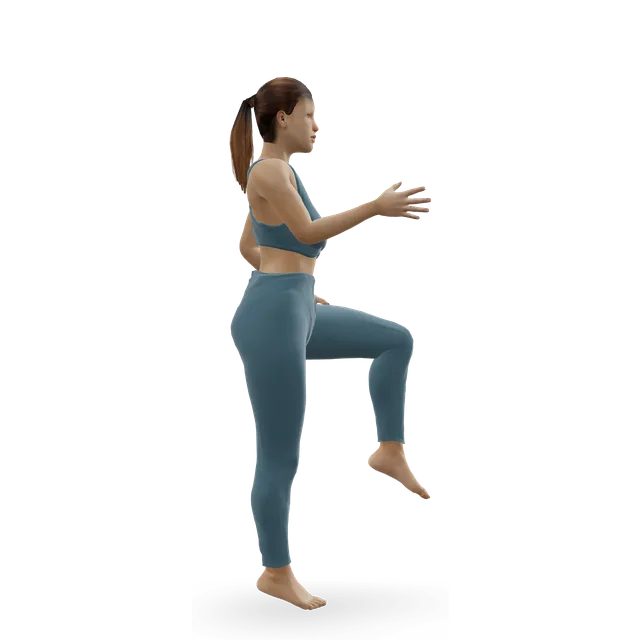
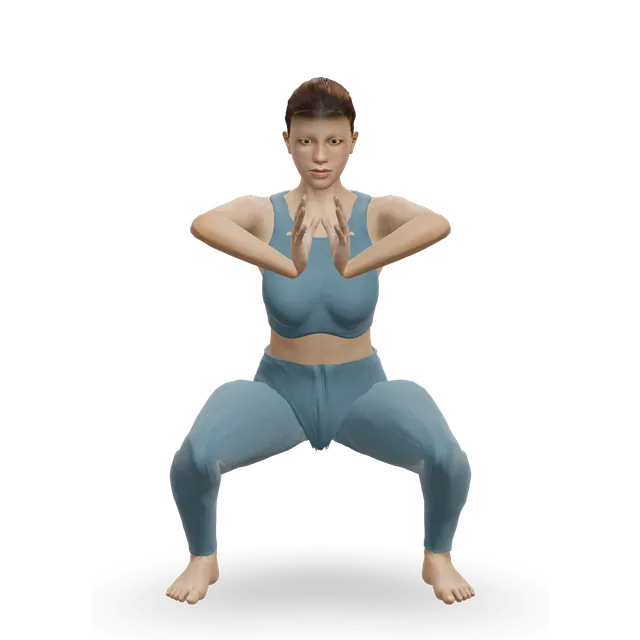
  2. Part B, range of movement and balance: 12 squat stands (fingers under your toes, squat deep with elbows inside your knees, then straighten your legs keeping hold); 2 heel-to-toe walks of 15 m with a knee raise; single-leg balance with back slaps, 30 seconds on each leg.
  3. Part B, shoulders and balance: with a partner resisting, hold a lateral raise and an outward rotation of the shoulders, 2 × 15 seconds each; then 10 arabesques (aeroplanes) on each leg.
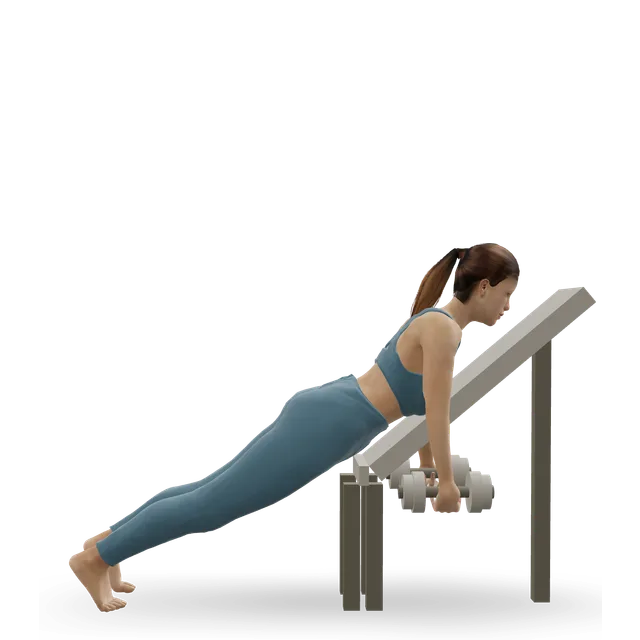
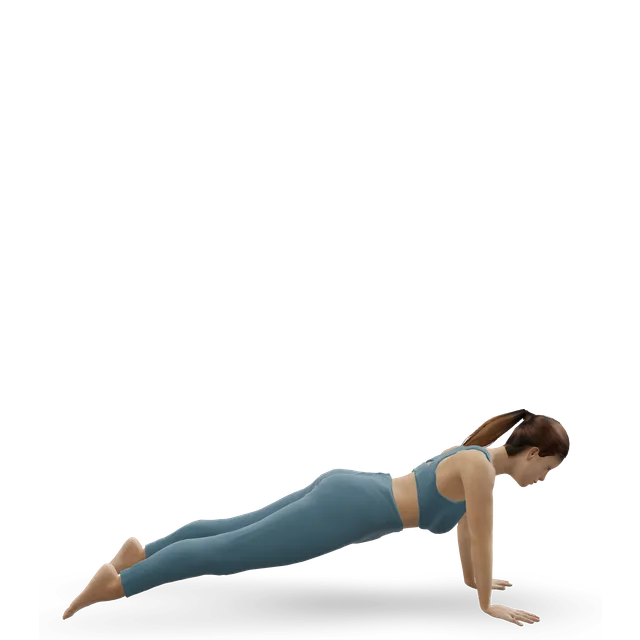
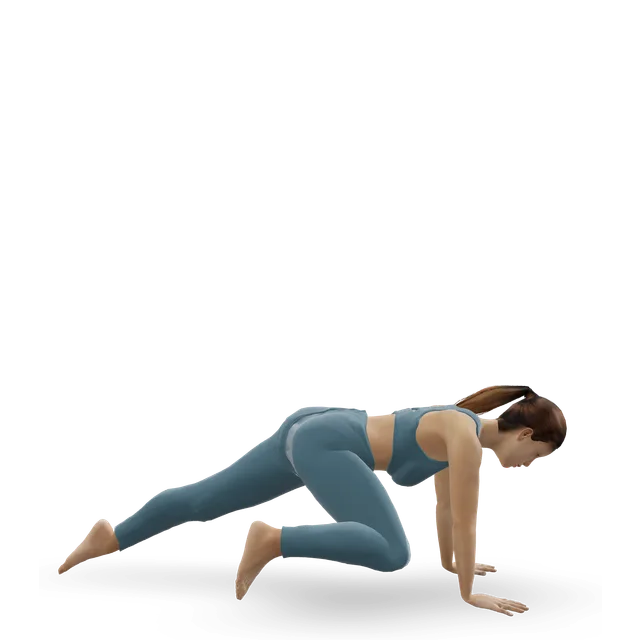
  4. Part C, strength and stability: 6 sets of 5 mountain climbers; 6 hops and sticks forwards on each leg; 15 pop press-ups, switching from a wide to a narrow hand position.
  5. Part C, agility and power: 2 × 5 jogging high-ball jumps; 2 × 5 diagonal skips into a sway lunge; 2 × 15 seconds of the shoulder workout, resisting as a partner tries to move your outstretched arms.
  6. Part D, repeated sprints: 5 m shuttles, 2 × 30 seconds.
  7. Part D, neck: push your hands against your head for 15 seconds in each direction (chin to chest, eyes to the sky, ear to shoulder, and looking over each shoulder), keeping your head still.

Loading the 3D figure…

Gets into position, then repeats the movement. Technical checks passed; qualified exercise review is pending.

The movement on the figure: Single-leg hop and stick

Moves for rugby

Each has a 3D demo. Activate's partner drills and tackle technique need a partner and a coach, and the figure can't show them.

Workouts

The first two are new: Activate's adult sample phase, and a strength workout for rugby players. The hamstring and groin session has the Nordic programme as trialled, and the Norwegian 4x4 suits rugby conditioning.

Activate rugby warm-up: the adult sample phase

England Rugby's and World Rugby's Activate warm-up, the manual's adult sample phase: running, balance, partner holds, hops, sprints and neck holds.

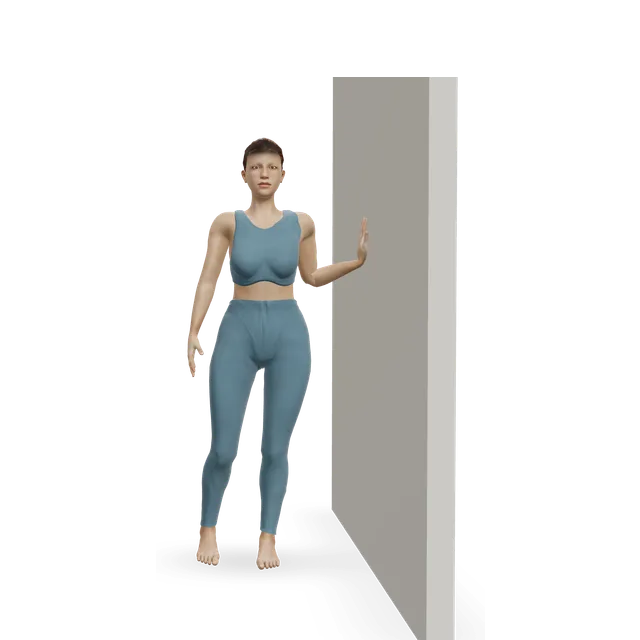
25 minBeginner15 movesCardio machine, A wall

Strength workout for rugby players: legs, upper body, hamstrings and neck

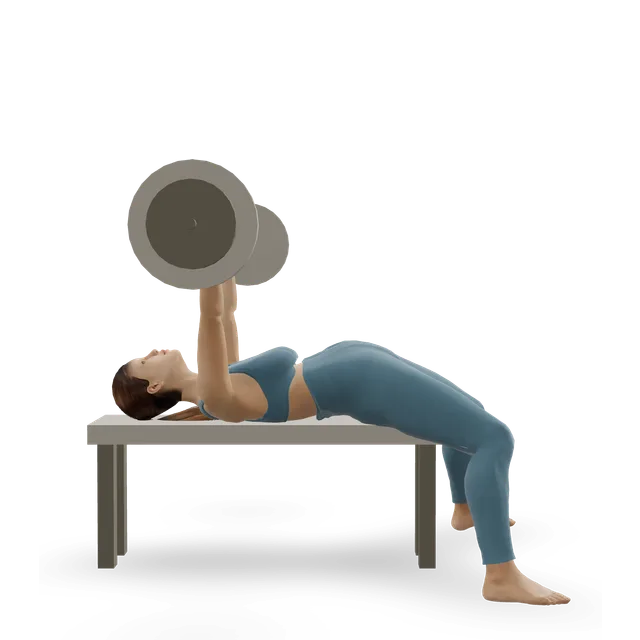
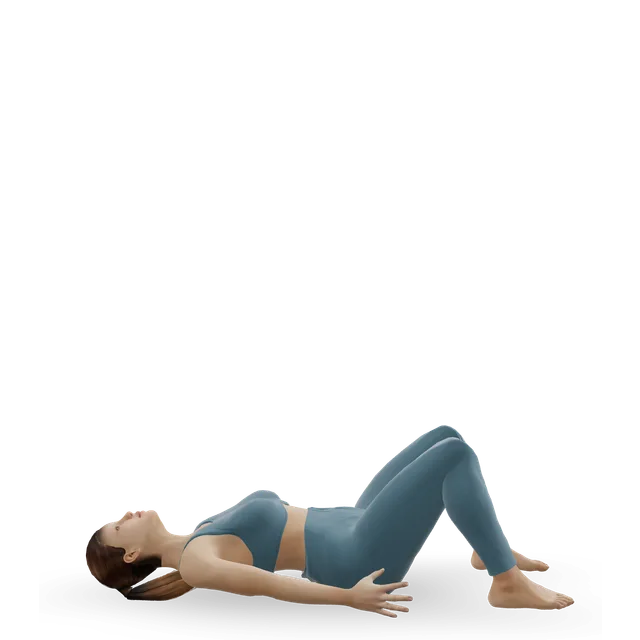
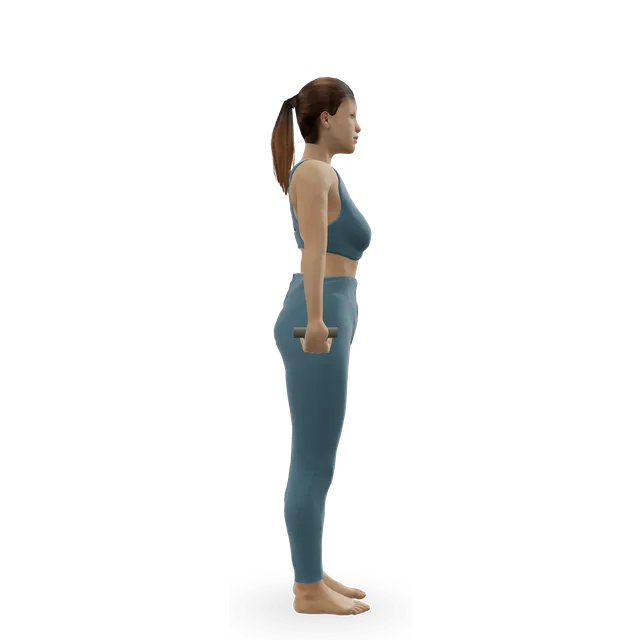
A 55-minute gym session for rugby: jump squats and chest throws, heavy squats, bench press, Romanian deadlifts, rows, Nordic lowers, shoulder and neck work.

55 minIntermediate15 movesA band, Medicine ball

Hamstring and groin injury prevention

The Nordic hamstring and Copenhagen adduction programmes from the football trials: a 10-week build, three adductor levels, then once a week in season.

15 minIntermediate6 movesA wall, An anchor point

Knee control warm-up

A 20-minute warm-up that trains your knees to track over your toes: side-hip strength, squats and lunges with alignment practice, balance and quiet landings.

20 minBeginner10 movesA wall, A band

Neck and shoulder strength routine

Deep neck holds and shoulder-blade strength in under 20 minutes: one of the best-supported kinds of exercise for a stiff, sore neck.

18 minBeginner11 movesA band, An anchor point

Shoulder mobility and stability routine (with a band)

A 25-minute band routine for healthy shoulders: move the shoulder and upper back through their range, then strengthen the rotator cuff and shoulder blades.

25 minBeginner12 movesA wall, A band

Norwegian 4x4 interval workout

The Norwegian 4x4, a well-studied interval session for raising VO2 max: four 4-minute hard efforts with 3 easy minutes between, on a bike, rower or treadmill.

40 minIntermediate3 movesCardio machine, A wall

Plyometric workout

An advanced jump training session: pogo hops, box jumps, split squat jumps, broad jumps and depth jumps.

30 minAdvanced8 movesA bench or box, A step

Barbell strength workout A

Barbell strength workout A: back squats and bench presses in sets of five, plus rows. Workout B (squat, overhead press, deadlift) is a separate session.

40 minBeginner6 movesA band, A barbell

Lower body gym workout

A gym lower body workout for legs and glutes: trap bar deadlifts, hip thrusts, reverse lunges, leg curls, hip abduction, calf raises and core.

50 minIntermediate13 movesOther / check instructions, A barbell

Pull day workout

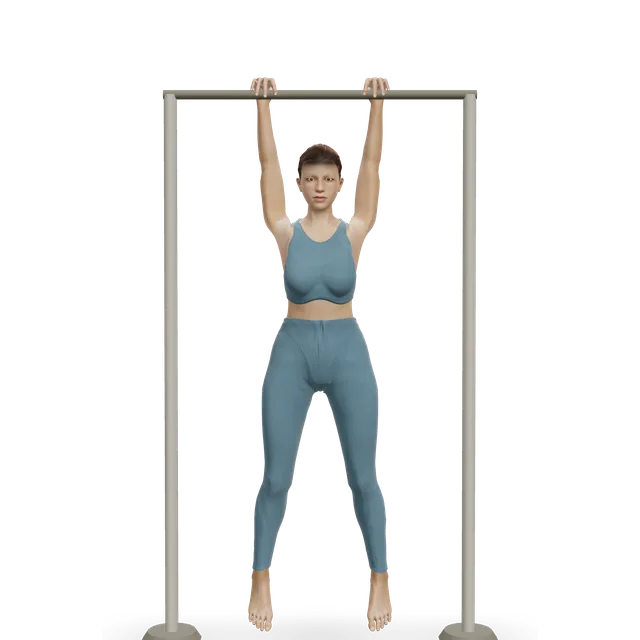
A pull day workout for back and biceps: pull-ups, barbell rows, chest-supported rows, face pulls and curls, with sets, reps and rest.

55 minIntermediate10 movesPull-up bar, A barbell

Plans

Two or three strength sessions a week fit around pre-season training; drop to one or two in season.

Who should check first

If you haven't exercised for a while, or have a health condition

The NHS advises speaking to your GP first if you haven't exercised for some time, or if you have medical conditions or concerns. The Physical Activity Readiness Questionnaire for Everyone (PAR-Q+) asks about a heart condition or high blood pressure, chest pain, dizziness or fainting, other long-term conditions and their medicines, and bone or joint problems. A yes to any of them means checking first.

Sources 23, 64

Over 45 and not used to hard exercise

The PAR-Q+ asks you to see a qualified exercise professional before vigorous to maximal exercise if you're over 45 and not used to it. Rugby is vigorous, so build your fitness before contact.

Sources 64, 23

After a concussion

Follow the graduated return: no game before day 21, and see a practitioner experienced in concussion after a second concussion within a year.

Sources 6, 5

After several concussions, or a slow recovery

Get a specialist's view before playing again. A 2023 review found no single factor, including scans, that decides retirement on its own, so the decision is an individual one.

Sources 5, 65

After a shoulder dislocation

Repeat dislocations are common in young players, and our shoulder dislocation guide explains why young collision-sport players should ask about surgery. Get your physio's clearance before contact.

With a hamstring, groin or knee injury now

Nordics and Activate's hops are for preventing injuries, and they're late-stage exercises after one. Follow the pain guide first.

Children and teenagers

Children and teenagers are more susceptible to concussion and take longer to recover. Activate has under-15, under-16 and under-18 versions, and our exercise for children guide has more.

Sources 5, 39

In pregnancy

The NHS advises against sports with a risk of falling or bumping your tummy, and names rugby. Talk to your midwife, and see our pregnancy guide.

Source 66

When to stop and get help

A head injury with red flags: call 999

The UK guidelines call these red flags, needing urgent assessment by a healthcare professional or at A&E (accident and emergency), by ambulance if necessary. World Rugby adds numbness, tingling, burning or weakness in the arms or legs, and slurred speech. If a neck injury is suspected, only trained healthcare professionals should move the player.

  • Any loss of consciousness, or getting drowsier
  • No memory of events before or after the injury
  • Increasing confusion or irritability, or unusual behaviour
  • New problems understanding, speaking, reading or writing, less feeling, loss of balance, weakness or double vision
  • A seizure, twitching limbs, or lying rigid or motionless
  • A severe or worsening headache, repeated vomiting or severe neck pain
  • A suspected skull fracture: a cut, bruise, swelling or severe pain where they were hit
  • Previous brain surgery, a bleeding disorder, blood-thinning medicine, or being drunk or on drugs at the time

Sources 33, 5, 67

Signs that mean a player comes off

World Rugby lists signs any one of which may suggest a concussion. The player comes off, and doesn't return that day.

  • A seizure, or a known or suspected loss of consciousness
  • Unsteady on their feet, or poor coordination
  • Confusion, a dazed, blank or vacant look, or a change in behaviour
  • Lying motionless, slow to get up, or clutching their head

Source 5

A head injury: NHS 111 or a GP

The NHS says to get help from NHS 111 if, after a head injury, you're being sick, feel dizzy, take medicine that thins your blood, were drinking alcohol or taking drugs at the time, or have any other symptoms you're worried about. See a GP if symptoms last more than 2 weeks, and don't play contact sports for at least 3 weeks.

Source 67

A shoulder that looks out of place

Go to A&E if you can't move your arm, the shoulder has changed shape, or it's painful, bruised or swollen after an injury. Don't try to put it back in yourself.

Source 44

A sprain or a crack

Call 999 or go to A&E if you heard a crack when you were injured, the injured part has changed shape or points at an odd angle, it's numb or tingling, or the skin has turned blue or grey or is cold to touch. Get help from NHS 111 if it's very painful, very swollen or bruised, or you can't put weight on it or walk more than a few steps.

Source 68

Chest pain: call 999

Call 999 for sudden chest pain that doesn't go away, pain that spreads to your arms, neck, jaw, stomach or back, or chest pain with sweating, feeling sick, light-headedness or breathlessness.

Source 69

Myths

"Scrum caps prevent concussion"Emerging evidence

In a randomised trial in youth rugby, padded headgear didn't reduce head injuries or concussion.

Source 45

"A strong neck stops concussion"Mixed evidence

Neck training builds neck strength, but the link between neck strength and fewer concussions is small and of very low certainty.

Sources 10, 11

"Any warm-up will do"Emerging evidence

Activate's balance, strength, landing and neck work went with fewer concussions than the warm-ups it was compared with: a running and stretching warm-up in schools, and stretching with general strength exercises in men's clubs.

Sources 8, 9

"Once your symptoms go, you can play"Strong evidence

In community rugby the minimum is 21 days, with 14 days free of symptoms at rest before contact training.

Sources 5, 6

"The pros come back in a week, so I can"Strong evidence

Shorter returns apply only in approved elite competitions, with specialist medical teams and an independent concussion consultant's review, and only for some players. Community rugby has no Head Injury Assessment.

Sources 51, 5

"Lowering the tackle height has fixed concussion"Mixed evidence

The results conflict: fewer tackle concussions in Irish community adults, no change in English schoolboys, and more tackler concussions in English professional men.

Sources 46, 54, 55

"Gym work slows rugby players down"Emerging evidence

Gains in squat strength came with faster sprints and better tackling in rugby league players.

Sources 47, 48

Questions people ask

What exercises should rugby players do?

Activate as the warm-up at every training session; heavy squats, presses, rows and Romanian deadlifts; Nordic hamstring lowers; rotator cuff and neck work; and repeated sprints. In rugby league players, strength gains went with faster sprints and better tackling.

What is the Activate programme?

A 15 to 25-minute warm-up from England Rugby and World Rugby, with versions for under-15s, under-16s, under-18s and adults, built from running drills, balance, strength, jumping, landing and neck exercises that progress through phases of 6 to 8 weeks. In its trials, the effect on injuries overall was unclear, but concussions were lower in men's community clubs, and schoolboy teams that did it 3 times a week had far fewer injuries.

How often should you do Activate?

Three times a week gives the best results, and the manual says once or twice still helps. In schoolboys, the big reductions came in teams that managed 3 sessions a week, but only 12 of 63 teams did.

How long after a concussion can you play rugby?

In community rugby, union and league, at least 21 days, after a staged return: rest, light activity, non-contact training (not before day 8), then contact (not before day 15, and only after 14 days without symptoms at rest), then a match. Never play on the same day, and see a practitioner experienced in concussion after a second concussion within a year.

What is an HIA in rugby?

World Rugby's Head Injury Assessment, for approved elite adult matches: a 12-minute check off the pitch, another within 3 hours and a third after two nights. It doesn't apply to community rugby, where anyone with a suspected concussion comes off and doesn't return that day.

Does neck strengthening prevent concussion?

It isn't proven. Neck training clearly builds neck strength, but across 8 studies the link between neck strength and fewer concussions was small and very uncertain. Activate includes neck exercises, and concussions were lower in its adult trial, but the neck work can't be separated from the rest.

Do scrum caps prevent concussion?

No: in a randomised trial in youth rugby, padded headgear didn't reduce head injuries or concussion. Gum shields cut mouth and dental injuries, with a smaller, less certain effect on concussion.

How do you prevent shoulder injuries in rugby?

Most happen in the tackle, especially to tacklers who reach with an outstretched arm or lower their head in front of the ball carrier, so tackle technique matters most; no exercise programme has been shown to prevent them. After a dislocation, young players should ask about surgery, because it cuts repeat dislocations.

How do you prevent hamstring injuries in rugby?

Build up Nordic hamstring lowers over 10 weeks, then keep them going once a week. Programmes that include them were linked with about half as many hamstring injuries across sports, though the strictest analyses find the effect uncertain, and professional rugby players who added them had fewer and less severe hamstring injuries.

When should rugby players lift weights in season?

One or two sessions a week, early in the week, kept strength and power through long seasons in rugby league players. We suggest no heavy legs or Nordics in the 48 hours before a match.

Sources

  1. Williams 2013 · Injuries in senior men's professional rugby union: 15 studies (meta-analysis, Sports Medicine)
  2. Roberts 2013 · Time-loss injuries in English community rugby union over 3 seasons (cohort study, BMJ Open)
  3. Yeomans 2018 · Injuries in amateur men's rugby union (meta-analysis, Sports Medicine)
  4. De Sousa-De Sousa 2026 · Concussion in rugby, 2014 to 2024: 98 studies (meta-analysis, BJSM)
  5. World Rugby 2024 · Concussion guidance for the non-elite game (August 2024)
  6. Rugby Football Union 2023 · HEADCASE graduated return to activity and sport (GRAS) programme, community rugby (copy hosted by a club, bororugby.co.uk)
  7. Rugby Football League · Concussion: the community game
  8. Hislop 2017 · The movement control warm-up behind Activate in schoolboy rugby union, 40 schools (cluster RCT, BJSM)
  9. Attwood 2018 · The movement control warm-up behind Activate in adult men's community rugby union, 81 clubs (cluster RCT, BJSM)
  10. Attwood 2022 · Eight weeks of self-resisted neck training in 28 under-18 rugby union players (pilot RCT, Sports Health)
  11. Garrett 2023 · Neck strength and concussion in team sports: 8 studies (systematic review and meta-analysis, JOSPT)
  12. van Dyk 2019 · Programmes including the Nordic hamstring exercise and hamstring injuries: 15 studies, 8,459 athletes (meta-analysis, BJSM)
  13. Petersen 2011 · Nordic hamstring training and hamstring injuries in 942 Danish footballers (cluster randomised trial, Am J Sports Med)
  14. van der Horst 2015 · The Nordic hamstring exercise in 579 Dutch amateur footballers (randomised trial, Am J Sports Med)
  15. Impellizzeri 2021 · The Nordic hamstring exercise trials re-analysed, randomised trials only: an inconclusive effect (re-analysis, J Clin Epidemiol)
  16. Hong 2026 · Exercise programmes to prevent hamstring injuries in football: 11 randomised trials, 9,282 players (network meta-analysis, Sports Med Open)
  17. Brooks 2006 · Hamstring injuries and Nordic exercises in professional rugby union (cohort study, Am J Sports Med)
  18. Singh 2016 · Shoulder injuries in English community rugby union (cohort study, Int J Sports Med)
  19. Maki 2017 · Video analysis of first shoulder dislocations in rugby tackles (case series, Orthop J Sports Med)
  20. Paul 2022 · Collision frequency and intensity in rugby union and sevens: 73 studies (systematic review, Sports Medicine Open)
  21. Bridgeman 2021 · Running and collision demands in age-grade and senior rugby union (systematic review, Sports Medicine Open)
  22. Compendium of Physical Activities 2024 · Sports
  23. NHS · Physical activity guidelines for adults aged 19 to 64
  24. Gabbett 2012 · Match and training demands in 30 professional rugby league players (cohort study, J Sci Med Sport)
  25. James 2026 · Maximal strength, speed-strength and match performance in the rugby codes: 6 studies (meta-analysis, Sports Medicine)
  26. Crichton 2012 · How elite rugby players injure their shoulders (case series, BJSM)
  27. Roberts 2017 · Concussions and head injuries in English community rugby union matches (cohort study, Am J Sports Med)
  28. Laaksonen 2026 · Rugby injuries in union, league and sevens: 148 reports (meta-analysis, BMJ Open Sport Exerc Med)
  29. Freitag 2015 · Rugby injuries in children and adolescents under 21 (systematic review, BJSM)
  30. Barden 2018 · Injuries in elite English schoolboy rugby union over 3 seasons (cohort study, J Athl Train)
  31. King 2010 · Match and training injuries in rugby league (review, Sports Medicine)
  32. King 2022 · Concussion in women's rugby league and rugby union: 16 studies (pooled analysis, Sports Medicine)
  33. UK Government and Sport and Recreation Alliance 2024 · UK concussion guidelines for non-elite (grassroots) sport, November 2024 update
  34. Doyle 2026 · Shoulder injuries in rugby union: 37 studies (systematic review and meta-analysis, Arch Orthop Trauma Surg)
  35. Montgomery 2019 · Video analysis of shoulder dislocations in rugby (case series, Am J Sports Med)
  36. Chavarro-Nieto 2023 · Hamstring injuries in rugby union: 24 studies (systematic review, Phys Sportsmed)
  37. Naish 2013 · A neck strengthening programme and neck injuries in a professional rugby union squad (retrospective study, J Sports Sci Med)
  38. Neumann 1998 · Injuries in touch: a survey of 345 players (survey, J Sci Med Sport)
  39. World Rugby, England Rugby and the University of Bath · Activate injury prevention exercise programme (manual)
  40. World Rugby Passport · Activate: the programme by age group, level and part
  41. Barden 2022 · Activate in real-world schoolboy rugby union (quasi-experimental study, BJSM)
  42. Pasqualini 2024 · Repeat dislocation after arthroscopic shoulder stabilisation in contact athletes (systematic review, Arthroscopy)
  43. Hurley 2026 · Open or arthroscopic shoulder stabilisation in contact and collision athletes (systematic review, Knee Surg Sports Traumatol Arthrosc)
  44. NHS · Dislocated shoulder
  45. McIntosh 2009 · Padded headgear and head injury in youth rugby union (cluster RCT, MSSE)
  46. Stokes 2021 · A lower tackle height and concussion in English elite men's rugby union, 126 games (controlled study, BJSM)
  47. Comfort 2012 · Squat strength and sprinting over 8 weeks of pre-season in 19 professional rugby league players (study, J Strength Cond Res)
  48. Speranza 2016 · Strength and power training and tackling in 24 semi-professional rugby league players (study, J Strength Cond Res)
  49. Baker 2001 · Keeping strength and power through a season in professional and college-aged rugby league players (study, J Strength Cond Res)
  50. World Rugby Passport · Concussion management for the general public: recognise and remove
  51. World Rugby 2025 · Head Injury Assessment (HIA) protocol (September 2025)
  52. Russell 2022 · Neurodegenerative disease in former Scottish international rugby union players (cohort study, J Neurol Neurosurg Psychiatry)
  53. Anns 2026 · Neurodegenerative disease in former first-class New Zealand rugby players (cohort study, Sports Medicine)
  54. Guilfoyle 2026 · A lower tackle height in Irish community rugby union over seven seasons (prospective study, J Sci Med Sport)
  55. Roberts 2026 · A lower maximum tackle height in English schoolboy rugby union (observational study, J Sci Med Sport)
  56. Gornall 2025 · A lower tackle height in Scottish men's community rugby: 18,702 tackles (video analysis, BMJ Open Sport Exerc Med)
  57. Hopkinson 2025 · Risk factors and mechanisms for tackle injuries (systematic review and Delphi consensus, BJSM)
  58. Davidow 2025 · Player-level tackle training: 13 studies (scoping review, Sports Medicine Open)
  59. Geary 2014 · Five weeks of neck strength training in professional rugby union players (controlled study, Clin J Sport Med)
  60. Daly 2021 · Neck strengthening and concussion in collision sports (systematic review, J Funct Morphol Kinesiol)
  61. Fownes-Walpole 2025 · Neck training to reduce head accelerations in sport (systematic review and Delphi consensus, BJSM)
  62. Knapik 2019 · Mouthguards, mouth and face injuries, and concussion in sport (systematic review and meta-analysis, Sports Medicine)
  63. Eliason 2023 · Prevention strategies for sport-related concussion (systematic review and meta-analysis, BJSM)
  64. PAR-Q+ Collaboration 2025 · The Physical Activity Readiness Questionnaire for Everyone (PAR-Q+)
  65. Makdissi 2023 · When to retire from contact or collision sport after concussion: 93 studies (systematic review, BJSM)
  66. NHS · Exercise in pregnancy
  67. NHS · Head injury and concussion
  68. NHS · Sprains and strains
  69. NHS · Chest pain

Exercise education for people who play sport, not a personal prescription or a diagnosis, and clinical review of these pages is pending. Check with a GP or physiotherapist before hard training if you have a heart condition, chest pain, dizziness or an injury that isn't settling, and stop for sharp or increasing pain. Health disclaimer.