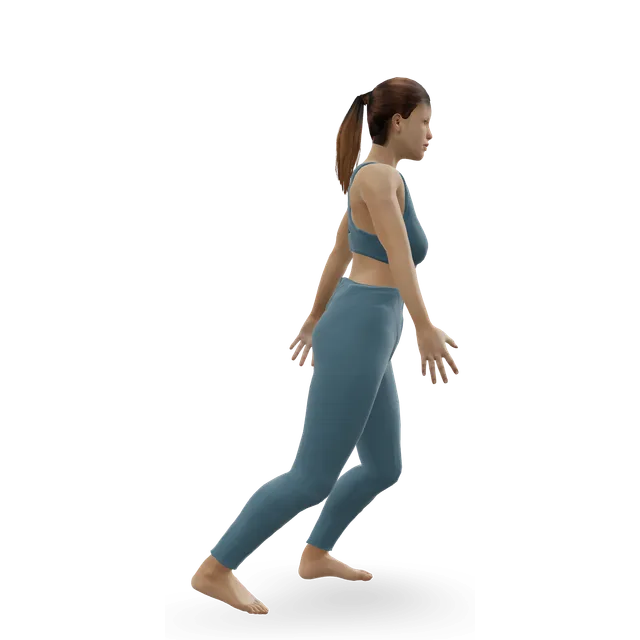
Quad strain (pulled thigh muscle): exercises from the first days to kicking
A quad strain is a tear in the muscles at the front of the thigh, usually the rectus femoris, the one that crosses both the hip and the knee. It typically happens kicking or sprinting: a sudden pain, sometimes a pop, then a sore, tight front of the thigh.
Most strains recover in a few weeks. The best evidence says start gentle loading within days rather than resting, accept some discomfort while you rebuild strength, and bring back sprinting and kicking last. A dead leg from a knock and a tendon tear above the kneecap are different, and this guide explains how to tell.
Exercise is for pain that has been checked or is clearly mild and settling.
Get urgent medical help if
Call 999 or go to A&E: you heard a crack when you were injured, the thigh has changed shape or the leg points at an odd angle, the leg is numb or tingling, or the skin has changed colour or is cold to touch. You may have broken a bone. Don't drive yourself.
Go to A&E: after an injury, pain far worse than the injury seems to explain, a tight, full-feeling muscle, pain that gets worse when the muscle is stretched, and tingling or burning. These are signs of acute compartment syndrome, a medical emergency.
Same day: a pop just above the kneecap, then you can't straighten your knee or lift the straight leg, or there's a dent above the kneecap. This can be a quadriceps tendon tear, which almost always needs surgery and does better if it's repaired soon.
Same day (NHS 111): the thigh is very painful or the pain is getting worse, there's a lot of swelling or bruising or it's getting worse, you can't put any weight on the leg or walk more than a few steps, it feels very stiff, or you have a very high temperature or feel hot, cold or shivery.
Call 999: calf or leg pain or swelling with breathlessness or chest pain. It could be a clot that has reached the lungs. Do not drive yourself to A&E.
Same day (GP or NHS 111): throbbing pain and swelling in one leg, usually the calf or thigh, with red, blue or darkened skin or swollen veins. This can be a deep vein thrombosis (DVT). It is more likely after surgery, a hospital stay, 3 or more days in bed, a journey of over 4 hours, pregnancy or a recent birth, cancer, a previous clot, or oestrogen-containing contraception or HRT.
See a doctor or physiotherapist if
A hard, painful lump in the thigh that stays or grows weeks after a knock: bone can form in a bruised muscle (myositis ossificans).
Not feeling better after 2 weeks of looking after it yourself, or getting worse: see a GP or physiotherapist.
Front-of-thigh pain with tingling or numbness, or with back pain: it may come from a nerve rather than the muscle.
A sudden pop and sharp pain at the front of the hip in a teenager.
A second strain in the same place: ask a physiotherapist to review your rehab.
Understand it
What it is
A strain is an overstretched or torn muscle: a pulled muscle. The quadriceps are the four muscles at the front of the thigh. The one most often strained is the rectus femoris, because it crosses both the hip and the knee: it lifts the thigh and straightens the knee, and it works hard in kicking and sprinting.
In the early swing of a sprint it is at its longest while it works, and a kick loads it as it stretches and then shortens. That's why rehab ends with lengthening strength work, sprinting and kicking.
Mostly people in sports with lots of kicking and sprinting, especially football. In 2,299 elite male footballers, muscle injuries were 31% of all injuries, and the quadriceps accounted for 19% of them (the hamstrings 37%, the inner thigh 23%, the calf 13%). A squad of 25 can expect about three quadriceps injuries a season.
Among full-thickness tears high in the rectus femoris, 71% were in football and 15% in rugby, and kicking was the commonest cause. In 13 professional footballers with rectus femoris strains, 10 were hurt kicking and 3 sprinting.
How it's recognised, and the gradesEmerging evidence
Sudden pain in the front of the thigh, often with a pop, while kicking or sprinting, then a sore, tight thigh. Older grading uses three grades: a mild strain with little or no loss of strength, a bigger tear with significant pain and weakness, and a complete tear with severe pain and complete loss of strength.
Newer systems, such as the Munich and British Athletics classifications, separate muscle problems without a tear from structural tears, and describe where the tear sits; across 11 studies, the British Athletics grade and site related to time out. MRI (magnetic resonance imaging) is the preferred scan when the size and site of the tear need defining, for example in athletes.
A dead leg (a contusion) is a bruised muscle from a direct knock, not a tear. The thigh is painful and stiff and won't bend well. Getting the knee bending early matters: in the review read for this guide, the knee is kept bent to about 120 degrees in the first day, sometimes in a brace, and active work starts once that much bend is pain-free. Return to sport comes when you're pain-free with that much knee bend and the hip straight.
In 9 to 17% of contusions, bone forms in the bruised muscle (myositis ossificans). The risk is higher with knee bend under 120 degrees, a previous quadriceps injury, treatment delayed by more than 3 days, and a swollen knee. Avoid massage and heat in the first days.
Most quad strains recover in weeks. In professional footballers from 89 European clubs, quadriceps injuries kept players out for a median of 12 days. Across 393 thigh muscle injuries, torn front-of-thigh muscles kept players out for a median of 14 days and those without a tear 7; across the whole thigh, minor partial tears took a median of 13 days, moderate partial tears 32, and near-complete or complete tears 60.
In one group of professional players, strains from sprinting, bigger strains, those with a clear collection of blood and those low in the muscle took longer. In published cases of full-thickness tears high in the muscle, return took about 12 weeks without surgery and 22 weeks with it; most of these athletes (80%) had surgery. Re-injuries made up 16% of muscle injuries in elite football and kept players out longer. These figures come from professional players with medical teams, so treat them as a rough guide.
In a trial of 50 recreational athletes with strains of the thigh or calf, including quadriceps strains, starting rehab 2 days after the injury rather than 9 got them back to sport almost 3 weeks sooner, with similar strength and healing. It was one trial.
For the first 2 to 3 days the NHS advises protecting the muscle, resting, ice for up to 20 minutes every 2 to 3 hours, compression and raising the leg, and avoiding heat, alcohol and massage. A review puts the start of active rehab at about 3 to 5 days, depending on severity.
Some discomfort is fine (borrowed from a hamstring trial)Emerging evidence
We found no trial of how much pain to allow in quad strain rehab. The nearest evidence is borrowed from a hamstring trial: in 43 men with hamstring strains, rehab that allowed pain up to a tolerable level got players back as fast as strictly pain-free rehab (a median of 17 days against 15, not a real difference) and recovered 15% more strength. This guide uses the same rule as the hamstring guide.
Build to kicking and sprinting by milestonesEmerging evidence
A rectus femoris rehab pathway from Aspetar, a sports medicine hospital in Qatar, moves through strength, control, explosive and reactive work, running and kicking by milestones rather than dates; 27 elite-sport practitioners agreed with 89% of it. A case report of a mild strain in a recreational footballer used three criteria-based phases over 6 weeks, with the leg extension early and the reverse Nordic in the last phase; he returned at 6 weeks.
That shows the shape of a progression, not proof that it works. There are no agreed return-to-play tests for muscle strains, so the checks in this guide are practical ones: pain-free full sprints and kicks, strength close to the other side, and a full knee bend.
Surgery is rare, but a tendon tear is differentEmerging evidence
Surgery is usually kept for full-thickness tears and tendons pulled off the bone in high-level athletes. A tear of the quadriceps tendon just above the kneecap is a different injury: you can't straighten the knee, and it almost always needs surgery, which works best if it's done soon.
We found no prevention programme tested for quad strains. A review of rectus femoris injuries in football sets out a framework for future prevention research. Keeping lengthening strength work such as the reverse Nordic in your week is plausible but untested; footballers will find the 11+ warm-up on our football page.
A tolerable level of pain is fine; lengthening stops just before painEmerging evidence
Borrowed from a hamstring trial: rehab that allowed pain up to a tolerable level was as quick as pain-free rehab and rebuilt more strength. We found no quad strain trial that has tested it.
So mild to moderate discomfort that you find tolerable, about 3 to 4 out of 10, is fine if it settles within the day. In lengthening work, such as the reverse Nordic and later quad stretches, stop just before pain. Sharp pain, or a limp afterwards, means drop back for a session or two. These numbers are this site's suggestion, matching the hamstring and calf guides.
After a dead leg the aim is different: work on bending the knee early, gently and within comfort.
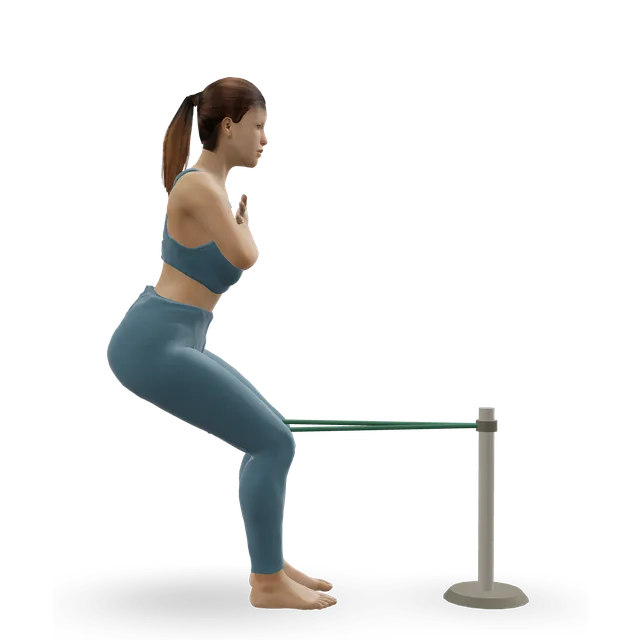
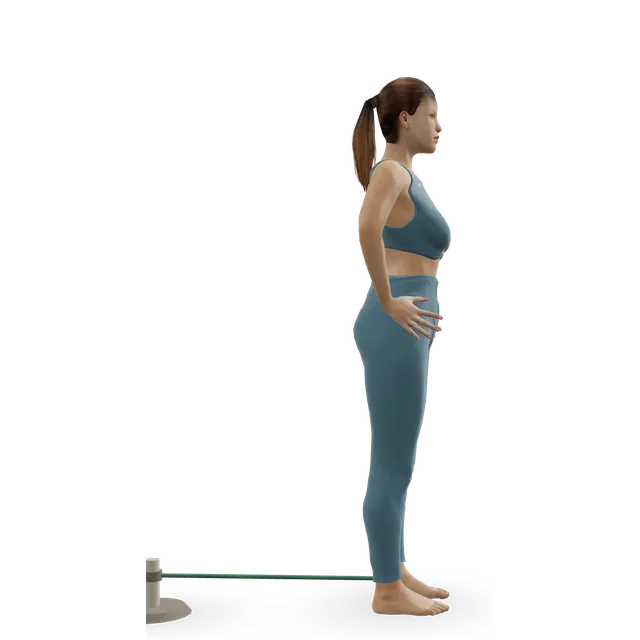
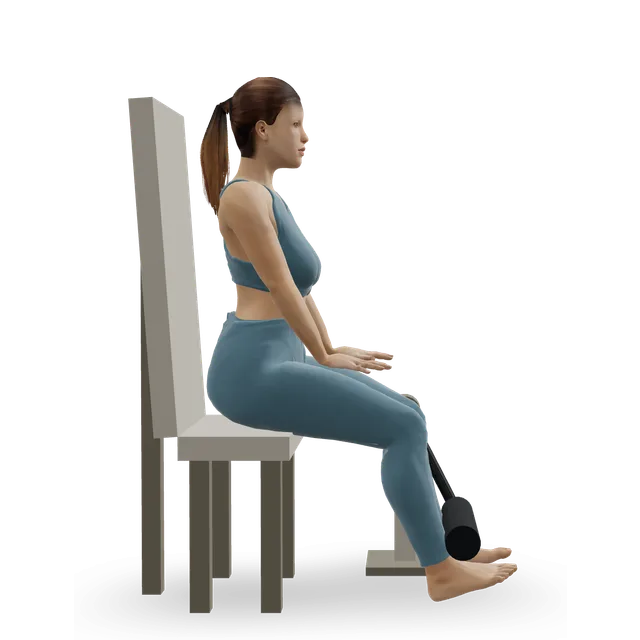
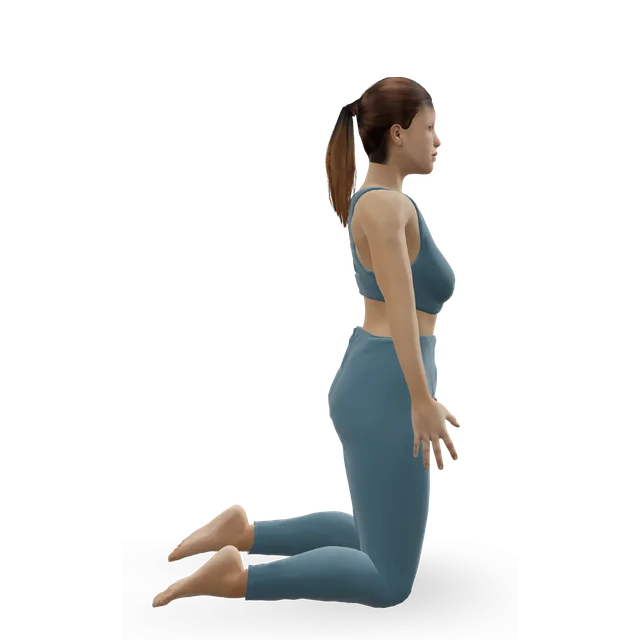
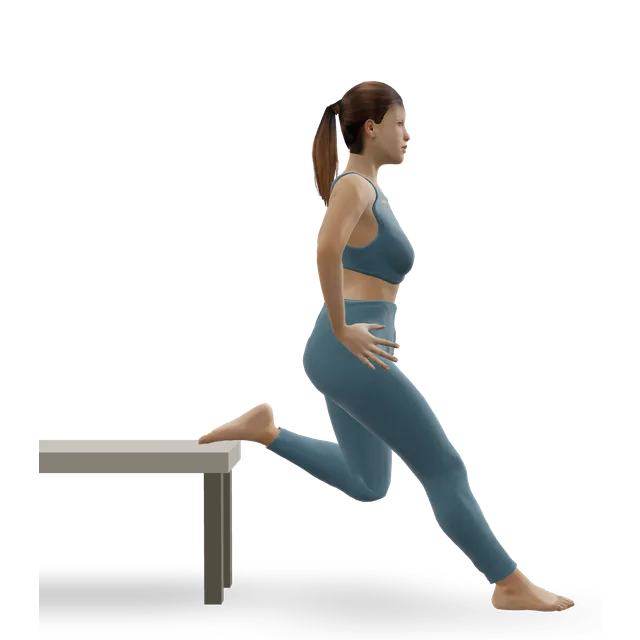
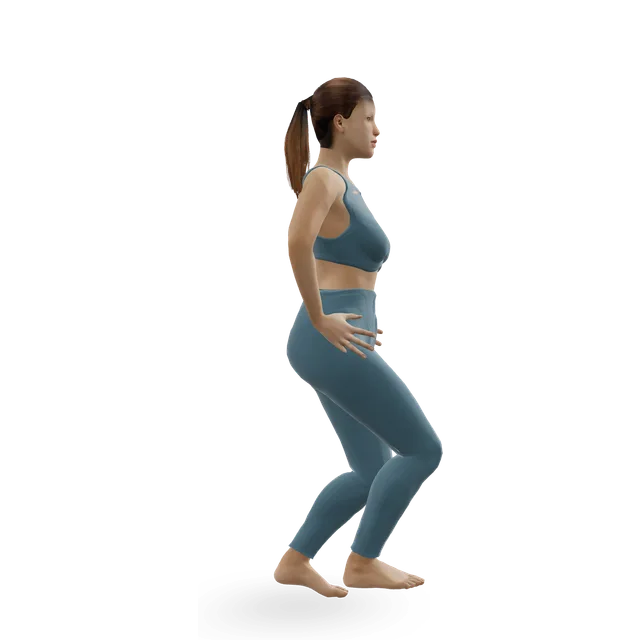
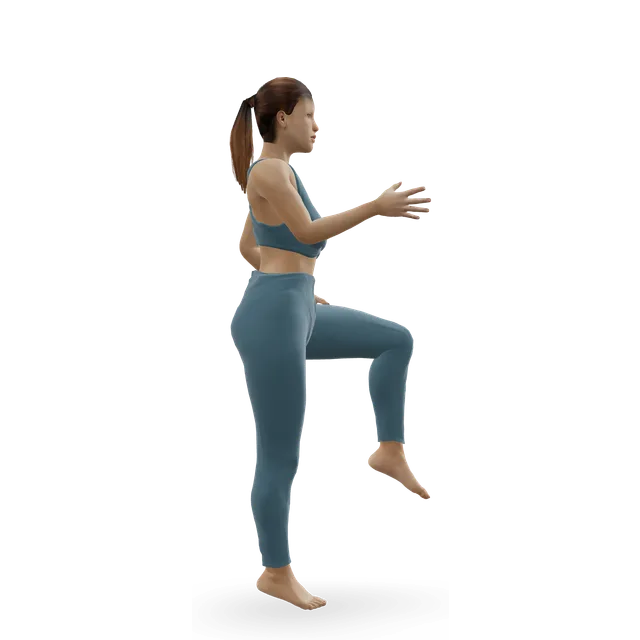
Start at the first stage. Each move opens a full guide with a 3D demo.
Stage 1
Settle: early, gentle loading (days 1 to 7)
For the first 2 to 3 days, protect it, rest, use ice for up to 20 minutes every 2 to 3 hours, compress it and raise the leg, with no heat, alcohol or massage. Start gentle loading within a couple of days, and walk as you're able. After a dead leg, work on bending the knee early. Doses are editorial unless named.
Move on when: These stay within the pain rule at a moderate speed, and easy jogging is comfortable.
Follow along: a timer, a cue and the next move, one step at a time.
Stage 3
Lengthen, run, sprint and kick (about weeks 3 to 6 and on)
Lengthening strength, then running, sprinting and kicking, each built over several sessions. For kicking, start with short passes, then longer passes, then shooting, staying within the pain rule; the expert pathway includes a kicking stage, and the steps are this site's suggestion. The sprint build-up is borrowed from the hamstring guide. Doses are editorial.
Move on when: Full-effort sprints and kicks are pain-free, thigh strength is close to the other side, and the knee bends fully with the hip straight. Afterwards, keep the reverse Nordic and split squats in your week.
Follow along: a timer, a cue and the next move, one step at a time.
What to change for now
The first few days
Use ice, or a bag of frozen vegetables wrapped in a tea towel, for up to 20 minutes every 2 to 3 hours, a bandage for support during the day, and keep the leg raised when you can. Avoid heat, such as hot baths and heat packs, alcohol and massage for the first couple of days, as they can increase swelling. Once you can move it without the pain stopping you, keep it moving.
Kicking comes back last, over several sessions, once strength and running are back to normal. The expert pathway includes a kicking stage before full training; these steps are this site's suggestion.
Short passes with the inside of the foot.
Longer passes.
Crossing and shooting, building to full power.
Move on only when the last step stayed within the pain rule on the day and the next morning.
Sudden pain in the front of the thigh, often with a pop, while kicking or sprinting, then a sore, tight thigh. A bigger strain brings more pain and weakness. A pop just above the kneecap with a knee you can't straighten is different, and needs checking the same day.
How long does a pulled quad take to heal?
It depends on the size of the tear. Elite footballers missed a median of 12 days with quadriceps injuries, and across thigh muscle tears, minor ones took about 2 weeks, moderate ones about 4 to 5 weeks and complete ones about 2 months. These are professional players with medical teams, so treat them as a rough guide.
Should I rest a quad strain?
Only briefly. For the first 2 to 3 days, protect it with rest, ice, compression and raising the leg, then start gentle exercise. In a trial, starting within 2 days rather than 9 got athletes back almost 3 weeks sooner.
Should I stretch a pulled quad?
Not hard in the first days. Load it gently first, and bring in gentle stretches once loading is comfortable, stopping just before pain. The hamstring guide takes the same approach.
Heat or ice?
Ice, and no heat, alcohol or massage for the first couple of days. Use an ice pack or frozen vegetables wrapped in a tea towel for up to 20 minutes every 2 to 3 hours.
Can I run with a quad strain?
Wait until you can walk briskly and the strength exercises stay within the pain rule. Then start with easy jogging, and build to sprints over several sessions, as the hamstring guide does.
What is a dead leg, and is it different?
A dead leg is a bruised muscle from a knock, not a tear. Getting the knee bending early matters: bone forms in the bruised muscle in 9 to 17% of cases, more often when knee bend is poor or treatment is delayed.
When can I kick a ball again?
Once strength and running are back to normal. Start with short passes, then longer ones, then shooting, over several sessions, staying within the pain rule. Expert rehab pathways include a kicking stage before full training.
Do I need a scan?
Often not for a mild strain. MRI is the preferred scan when the size and site of the tear need defining, for example in athletes, or when a bigger tear or a tendon injury is suspected.
Is it a quad strain, a hamstring strain or a hip flexor strain?
A quad strain hurts at the front of the thigh, a hamstring strain at the back, and a hip flexor strain at the front of the hip when you lift the knee. The rectus femoris also lifts the thigh, so a strain high in it can hurt at the front of the hip too. Each has its own guide.
How do I stop it happening again?
Keep strength work going after you're back, including lengthening work such as the reverse Nordic. We found no tested prevention programme for quad strains; for footballers, our football page covers the 11+ warm-up.
Exercise education, not a diagnosis or treatment plan. It is written from the guidelines and studies listed above; review by a clinician is pending. If your pain follows an injury, is severe, is getting worse, or comes with any warning sign listed on this page, get it assessed. Health disclaimer.