Hamstring strain exercises: from first days to sprinting
A hamstring strain is a sudden pain at the back of the thigh, usually while sprinting or stretching hard. This guide takes you from the first days to sprinting, using the exercises with the best trial results.
It also covers high hamstring tendinopathy: a deep ache low in the buttock, worse with sitting and running, which needs a slower plan.
Exercise is for pain that has been checked or is clearly mild and settling.
Get urgent medical help if
Same day: a pop near the sitting bone, a large bruise high on the back of the thigh, or you cannot put weight on the leg. The tendon may have pulled away from the bone, which needs assessing before you start these exercises.
Go to A&E: sudden swelling, redness, heat and pain in the calf; severe pain after an injury, which can mean a broken bone; or you cannot put any weight on the leg.
Same day (GP or NHS 111): throbbing pain and swelling in one leg, usually the calf or thigh, with red, blue or darkened skin or swollen veins. This can be a deep vein thrombosis (DVT). It is more likely after surgery, a hospital stay, 3 or more days in bed, a journey of over 4 hours, pregnancy or a recent birth, cancer, a previous clot, or oestrogen-containing contraception or HRT.
Call 999 or go to A&E: leg pain with numbness around the genitals or bottom, new trouble starting or controlling peeing, not knowing when you need to poo or losing control of it, sciatica in both legs, or weakness or numbness in both legs that is severe or getting worse. These can be signs of cauda equina syndrome, which needs treating in hospital as soon as possible.
See a doctor or physiotherapist if
Pain in the back of the thigh with tingling, numbness, or pain spreading below the knee: it may come from the back (sciatica).
Deep pain low in the buttock with sitting and running that is not settling: possible high hamstring tendinopathy.
Pain that is not improving after a few weeks, is getting worse, or is stopping your normal activities.
Understand it
Strain or high hamstring tendinopathy?
A strain starts suddenly, during a sprint or a stretch. High (proximal) hamstring tendinopathy builds gradually: localised lower buttock pain with tasks such as running and sitting. Strains that involve the tendon high up took longer to recover in trials, whatever the rehab.
Lengthening exercises got athletes back weeks soonerEmerging evidence
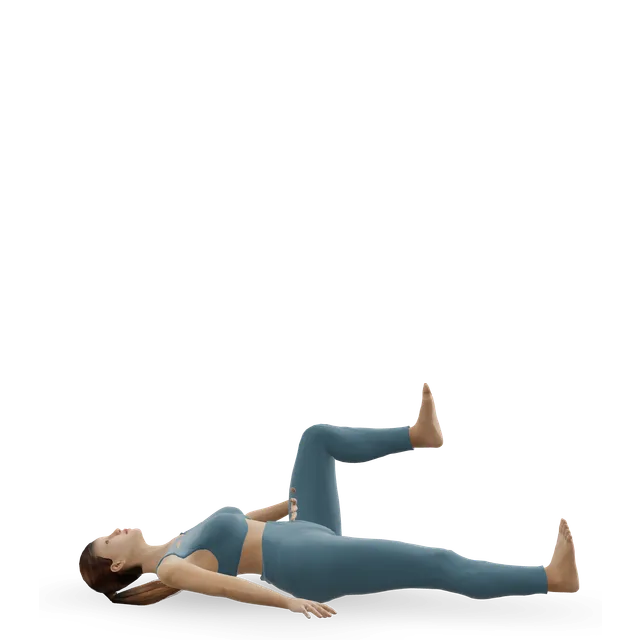
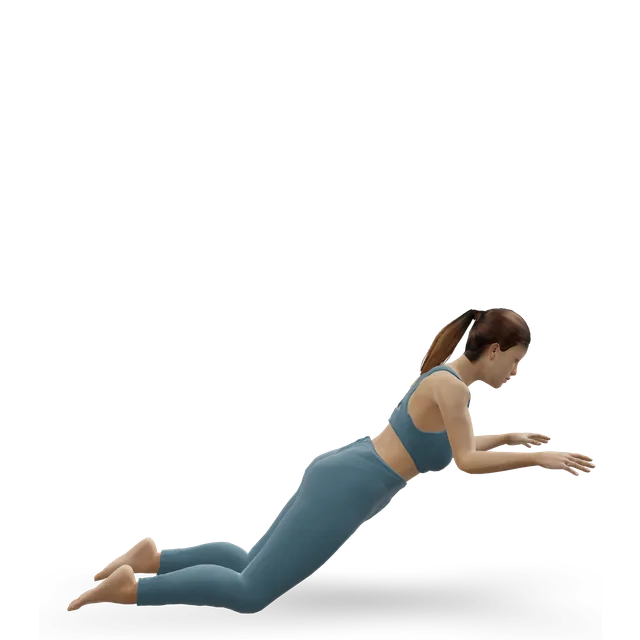
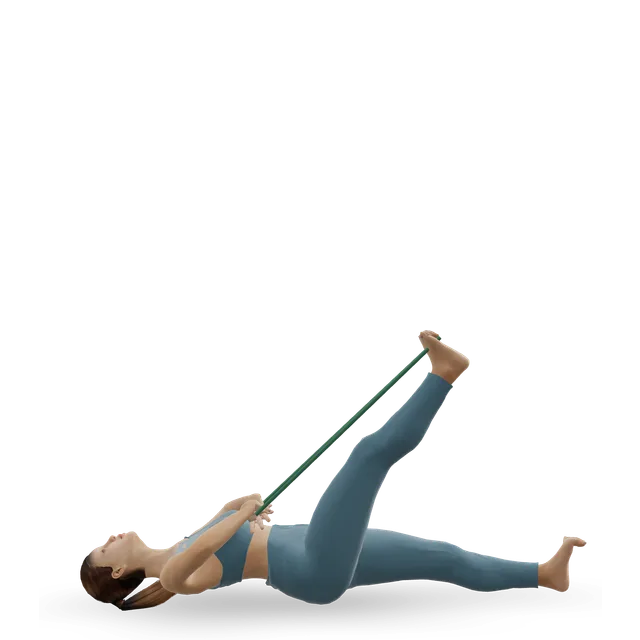
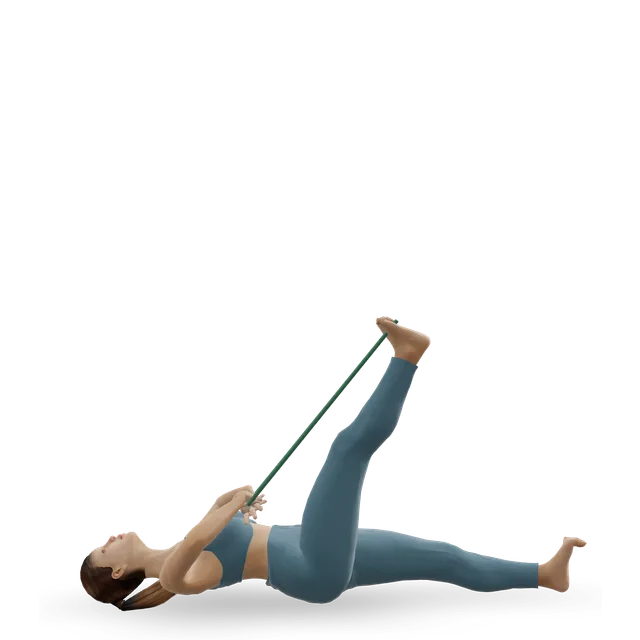
In two trials from the same Swedish group, a rehab program built on three lengthening exercises (Askling's L-protocol: the Extender, the Diver and the Glider) returned elite footballers to full training in 28 days rather than 51, and elite sprinters and jumpers in 49 days rather than 86, compared with conventional exercises.
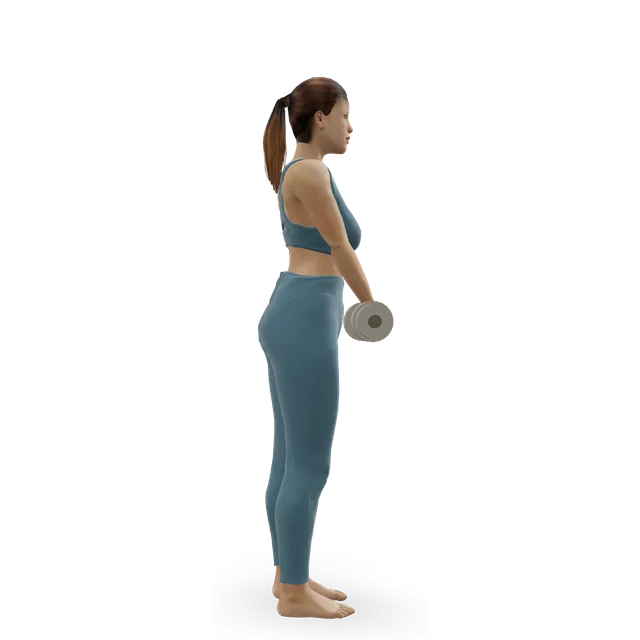
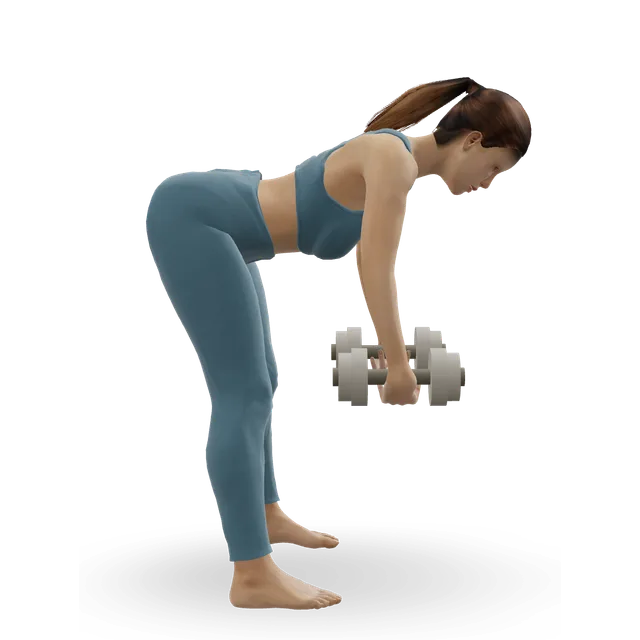
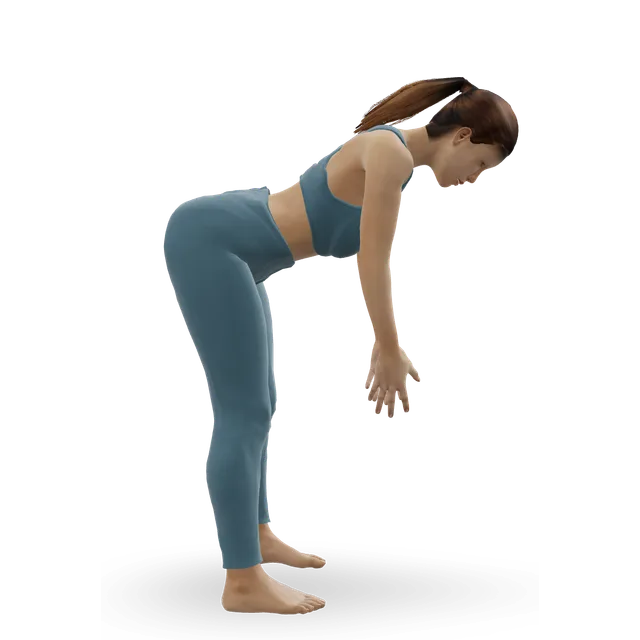
This plan uses the 90/90 hamstring move for the Extender and a bodyweight single-leg Romanian deadlift as the closest move to the Diver. The exercise details come from a secondary description of the protocol.
A tolerable level of pain is fineEmerging evidence
In a trial of 43 men, rehab that allowed pain up to a tolerable level returned players as fast as strictly pain-free rehab, and recovered more knee-bending strength and longer muscle fibres in the biceps femoris.
Starting rehabilitation 2 days after a thigh or calf strain rather than 9 returned recreational athletes to sport almost 3 weeks sooner, with no difference in later healing or strength.
The Nordic curl roughly halves hamstring injuriesStrong evidence
Programmes that include the Nordic hamstring exercise roughly halved hamstring injuries in a review of 15 studies and 8,459 athletes. In a trial in amateur footballers, 25 sessions over 13 weeks cut injuries from 0.8 to 0.25 per 1,000 hours, though not their severity. It prevents injuries; it is a late-stage exercise after one.
High hamstring tendinopathy: thin evidenceMixed evidence
A 2016 review found no randomised trials of rehabilitation and suggested principles from other tendon problems apply. Since then, individualised physiotherapy and shockwave did equally well in a 100-person trial, isometric and isotonic exercise had the same short-term effect on pain and strength, and a review suggests progressive loading at increasing hip bend.
Up to a tolerable level; lengthening drills stop just before painEmerging evidence
Mild to moderate discomfort that you find tolerable is fine during exercise; in a trial, working that way did no harm and recovered more strength. In the lengthening exercises (the Extender and the Diver), stop just before pain. Sharp pain, or a limp afterwards, means back off for a session or two.
For high hamstring tendinopathy, use a tendon rule instead: pain up to about 5 out of 10, settled by the next morning. That borrows the rule tested in Achilles tendon pain; it has not been tested in the hamstring.
Move on when: Sprinting at full effort is pain-free.
Follow along: a timer, a cue and the next move, one step at a time.
What to change for now
High hamstring tendinopathy: a slower planMixed evidence
Ease the pressure on the tendon: sit on a cushion and break up long spells of sitting (this site's suggestion). Then load the tendon progressively, starting with little hip bend and moving toward more. The doses are this site's starting points.
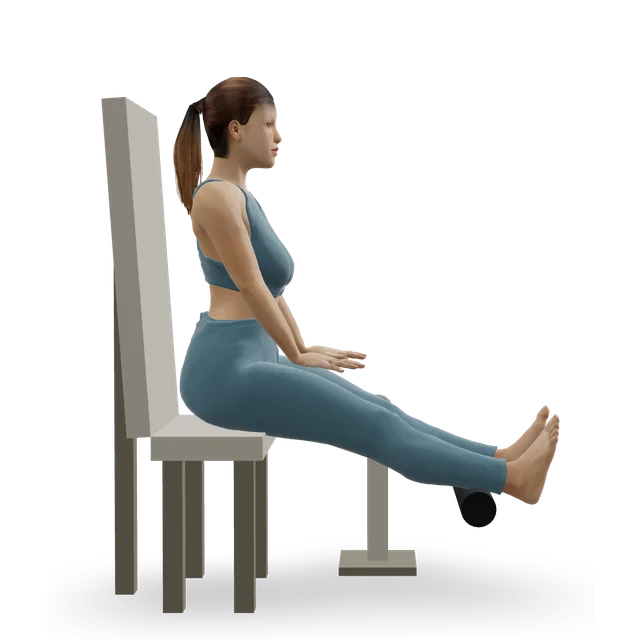
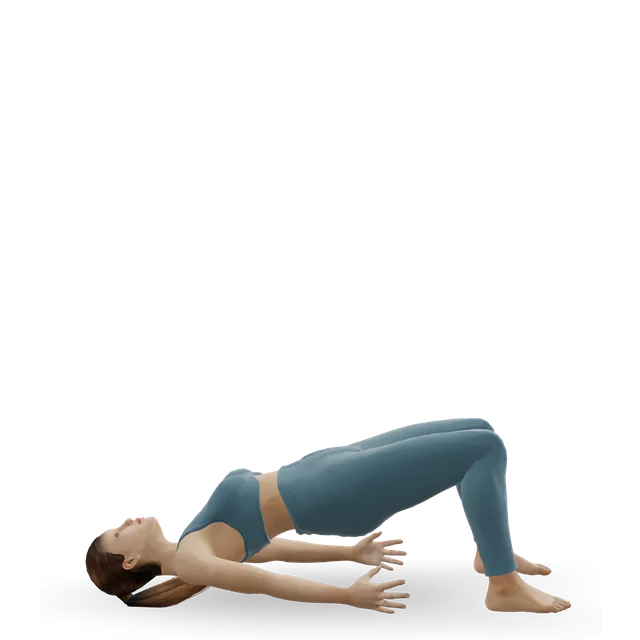
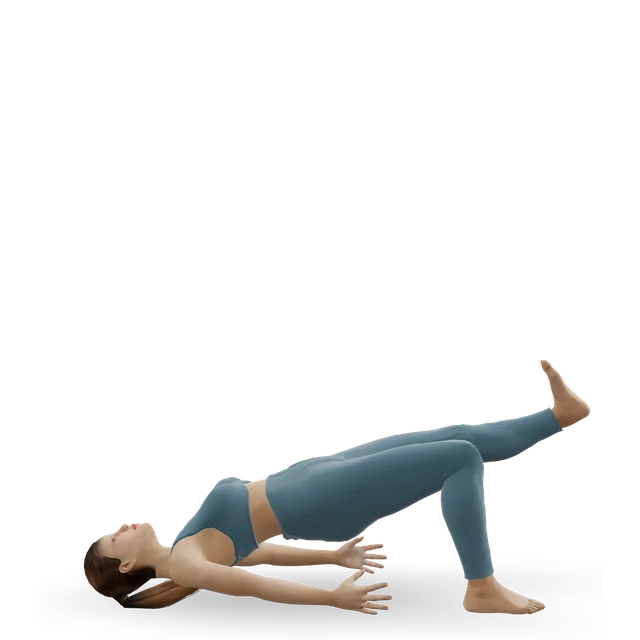
Settle: glute bridge holds, 5 of 30 seconds; light machine leg curls, 3 sets of 10.
Build: single-leg glute bridges, 3 sets of 10; hip-hinge practice, then kettlebell deadlifts, 3 sets of 8.
Strengthen: dumbbell Romanian deadlifts, single-leg Romanian deadlifts and step-ups, 3 sets of 8.
Not hard, early on. The lengthening exercises that did best in trials move the muscle actively to just before pain rather than holding a deep stretch.
When can I run after a hamstring strain?
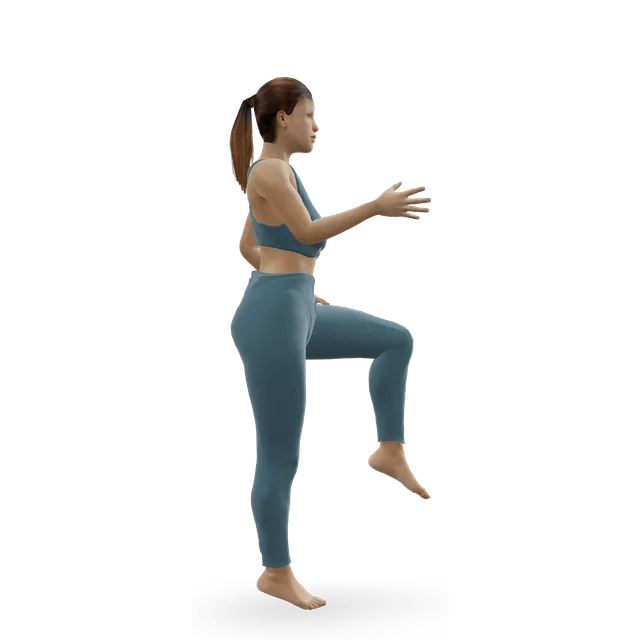
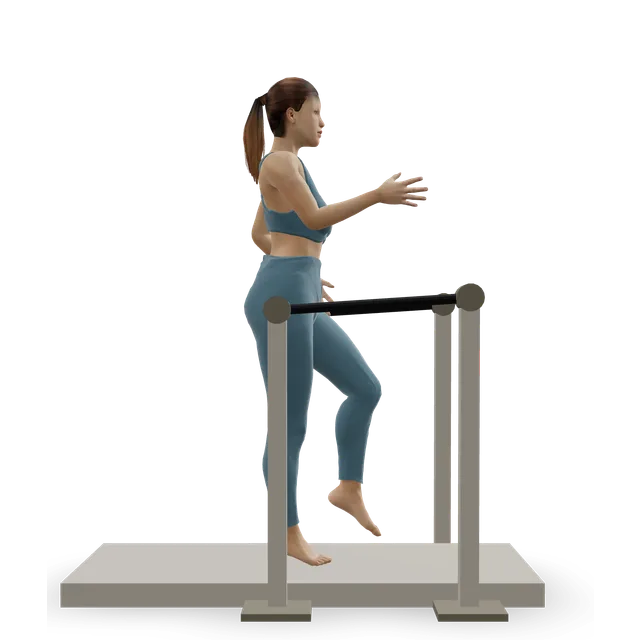
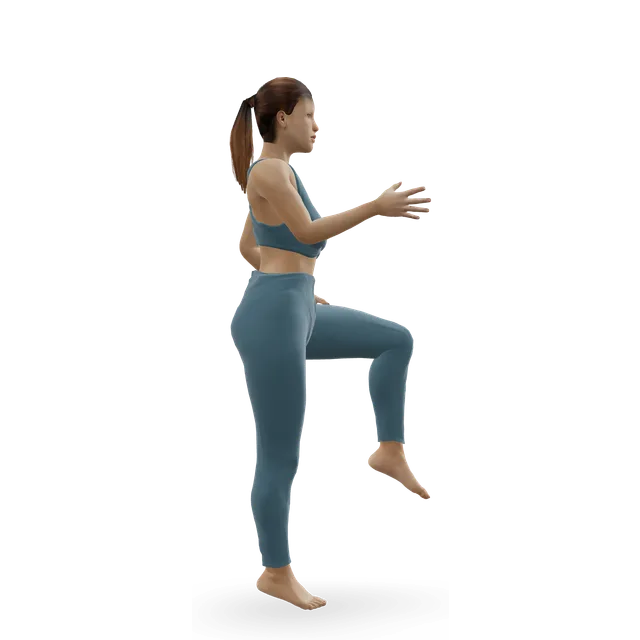
When brisk walking and the lengthening exercises are pain-free at a moderate speed. Start with skipping and easy jogging, then build sprint speed over several sessions.
How long does a hamstring strain take to heal?
It varies. In the trials, elite footballers returned in about 4 weeks with lengthening exercises and sprinters and jumpers in about 7, and strains involving the tendon high up took longer.
How do I stop it happening again?
Keep the Nordic curl in your weekly routine. Programmes that include it roughly halve hamstring injuries.
Why does the back of my thigh hurt when I sit?
Deep pain low in the buttock that is worse with sitting and running suggests high hamstring tendinopathy. Break up long sitting and follow the slower loading plan on this page.
Is it a hamstring strain or sciatica?
A strain starts suddenly during activity and is tender in the muscle. Pain that spreads below the knee, or comes with tingling or numbness, points to the back: see the sciatica guide.
Exercise education, not a diagnosis or treatment plan. It is written from the guidelines and studies listed above; review by a clinician is pending. If your pain follows an injury, is severe, is getting worse, or comes with any warning sign listed on this page, get it assessed. Health disclaimer.