Yoga guide

Yoga for beginners: how to start, at home or in a class

You don't need to be flexible, young or fit to start yoga. A gentle beginners' class, in person or live online, is the best way in, with short sessions at home between classes, and all you need is comfortable clothes and, ideally, a mat.

Expect steady, modest changes: in trials, balance, strength and flexibility improved over about 8 weeks, and back pain over about 3 months. If you are pregnant, have a health condition or have had recent surgery, check with your doctor or midwife first.

This guide covers class, video or home, your first class and what you need, the first poses with easier versions and 3D demos, how often to practise, common mistakes, what teacher qualifications mean in the UK and US, and starting over 50.

The short version

Start with a teacher if you can

The US National Center for Complementary and Integrative Health (NCCIH) says learning yoga on your own without supervision has been associated with more risk. Live online classes worked well in studies, so they are a good middle way; videos suit you best once you know the basics (our suggestion).

Sources 1, 2

You don't need to be flexible

Beginners work in a basic way on simple postures, according to their capabilities, as Iyengar Yoga UK puts it. Trials have taught yoga to people in their 60s, 70s and 80s, including chair yoga.

Sources 3, 4

Comfortable clothes and a mat

Wear anything you can move in, and practise in bare feet. Many teachers lend mats and props, and at home a hardback book can stand in for a block and a belt for a strap.

Sources 5, 6

Two sessions a week is a good start

Trials mostly used 1 to 3 classes a week of about an hour. Once a week helped back pain as much as twice in one trial, so start with what you can keep up.

Sources 4, 7

Changes take weeks

Balance, strength and flexibility improved over 8 weeks in one trial, and back pain and blood pressure changed over about 3 months. Feeling calmer can come sooner, even after a single session.

Sources 8, 9, 10, 11

Leave the advanced practices for later

US health advice is for beginners to avoid headstands, shoulder stands, the lotus position and forceful breathing, the practices most often linked to injuries in published cases.

Sources 1, 12

Class, live online, video or home

A beginners' or gentle class

The British Wheel of Yoga (BWY), the national governing body for yoga in England and Wales, suggests a gentle beginners' class as a first step, and its website lets you search for classes near you. NCCIH advises learning with a qualified instructor. In an Australian survey of 2,567 practitioners, most did most of their practice in classes.

Sources 5, 13, 1, 14

Live online classesEmerging evidence

Across 8 studies, online hatha yoga was feasible and acceptable, judged by attendance and practice, and most classes in a large falls trial were held online. Choose a class where the teacher can see you and correct you (our suggestion).

Sources 2, 15

Videos and apps at home

The NHS has free yoga videos: a 50-minute vinyasa class, which it calls suitable for most people in good health with a reasonable level of fitness, and a 45-minute prenatal and postnatal class designed for beginners. Videos are a good way to keep going at home, but learning on your own without supervision has been linked to more risk, so learn the basic poses with a teacher first if you can.

Sources 16, 17, 1

One-to-one and yoga therapy

Yoga therapists are yoga teachers with extra training in adapting yoga to health conditions, and they start with your medical history. In the UK, the Complementary and Natural Healthcare Council (CNHC) keeps a register of yoga therapists, accredited by the Professional Standards Authority.

Source 18

Our suggestion

Learn the basics in a beginners' course or a few teacher-led classes, in person or live online, then add home practice with videos or our workouts. In a survey of 1,045 people from US Iyengar yoga studios, those who practised at home more often reported better wellbeing, though a survey can't show cause.

Sources 19, 2

Your first class, and what you need

What happens

Expect to settle and breathe, warm up, move through standing and floor poses, then lie still for a closing relaxation, sometimes with a short guided meditation. Beginners do simple versions of each pose, and props such as blocks and belts let you progress safely at your own pace.

Sources 5, 4, 3

Tell the teacher about health problems

Iyengar Yoga UK puts it plainly: "You should tell the teacher if you have medical conditions", so they can offer adaptations or alternative poses. Mention injuries, recent operations, pregnancy and conditions such as high blood pressure, glaucoma or osteoporosis.

Source 6

What to wear

Any comfortable clothing you can move in. Most people wear a T-shirt and leggings or shorts, and you practise in bare feet.

Sources 5, 6

What you need

Nothing, to start: many teachers lend mats and props. An Iyengar class may use a mat, foam blocks, a blanket, a belt and bricks; at home, a hardback book can be a block and a belt a strap. For its video, the NHS suggests a yoga mat or something similar to lie on, a towel and some water. Borrow a mat before you buy one (our suggestion).

Sources 5, 6, 16

Eating beforehand

Iyengar Yoga UK asks students not to eat for at least 2 hours before class, or 4 after a heavy meal. That is a school's practice, not a tested rule; if you'd otherwise be hungry, a light snack an hour before is a sensible compromise (our suggestion). In pregnancy, the NHS advises against exercising on an empty stomach.

Sources 6, 20

How it feels

Light for your heart and lungs, at about 2.3 to 2.7 METs (metabolic equivalents: 1 MET is the energy you use sitting still), but real work for your legs in standing holds, where blood pressure and heart rate rise as in static exercise. Keep breathing through every hold.

Sources 21, 22

How often, and how soon you'll notice a difference

What the trials used and what they found, with each claim graded.

What the trials usedStrong evidence

In 22 trials of older adults, classes ran most often twice a week (9 trials) or three times (6), for 30 to 90 minutes (most often 60), over 4 to 28 weeks (most often 24), and 8 trials encouraged home practice. Back pain trials mostly ran 12 weekly classes, and blood pressure programmes averaged almost 5 sessions a week of about an hour, for 13 weeks.

Sources 4, 23, 24, 25, 10

Once a week can be enough to startEmerging evidence

In 95 adults with moderate to severe back pain, 12 weeks of once-weekly classes eased pain and improved function as much as twice-weekly classes, with home practice in both groups. It is one small trial.

Source 7

More sessions, more benefit for moodEmerging evidence

In people with mental disorders, bigger falls in depressive symptoms went with more yoga sessions a week.

Source 26

Practising at homeMixed evidence

In a survey of 1,045 people from US Iyengar yoga studios, how often they practised at home predicted their health, including wellbeing, mindfulness and sleep, better than years of practice or how often they went to class. A survey can't show that home practice causes these benefits.

Source 19

Balance, strength and flexibility within 8 weeksEmerging evidence

In 118 inactive adults averaging 62, three 1-hour hatha yoga classes a week for 8 weeks improved balance, strength, flexibility and mobility, as much as a stretching and strengthening programme did.

Source 8

Back pain: small gains over about 3 monthsStrong evidence

In a UK trial of 313 adults, 12 classes over 3 months improved back function at 3, 6 and 12 months, by about 1.5 to 2 points on a 24-point scale. Across 21 trials, the effect against no exercise was small, and about the same as other back exercise.

Sources 23, 9

Calmer soonerEmerging evidence

In one study, state anxiety (how anxious you feel at that moment) fell after single yin yoga sessions, and in another, systolic blood pressure was 8 mmHg lower 5 minutes after a vinyasa class than after sitting, though not an hour later. Stress, anxiety and sleep problems improved over 5 weeks of twice-weekly yin classes in 105 stressed adults.

Sources 11, 27, 28

How much to do: our starting point

Our editorial starting point

Two sessions a week of 45 to 60 minutes, or one class plus two home sessions of 15 to 20 minutes. Give it 8 to 12 weeks before you judge it, and build to three sessions a week if you enjoy it. This is our starting point from the trial doses, not a tested plan.

Sources 4, 7, 8

Within a session

Hold standing poses for 3 to 5 slow breaths, come out before you strain, rest in child's pose whenever you need to, and finish with 3 to 5 minutes lying still (our editorial starting point). Each pose's page shows an easier version.

Every day?

Daily practice is fine if you vary the effort and listen to your body, and gentle or restorative sessions can be daily. It isn't necessary: trials found benefits with 1 to 3 sessions a week.

Sources 4, 7

Your first month

Weeks 1 and 2: two gentle sessions a week, every pose in its easiest version. Weeks 3 and 4: add a third session, or hold the standing poses for a breath or two longer. Leave headstands and forceful breathing for later (our editorial plan).

The first poses, in class order

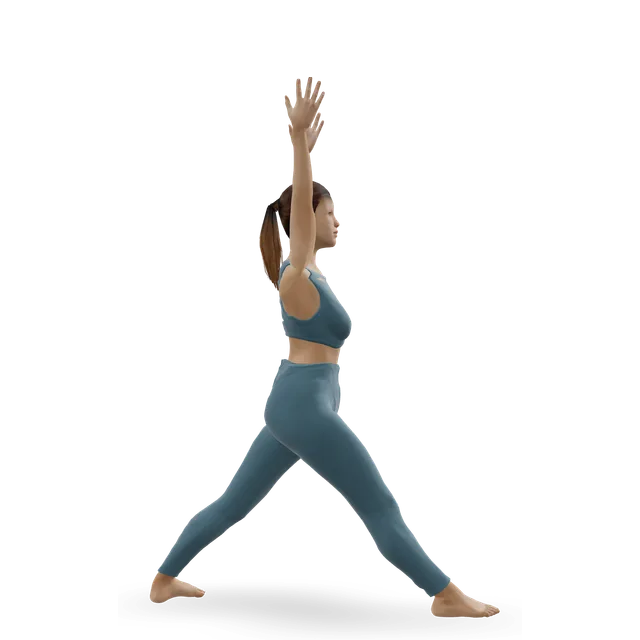
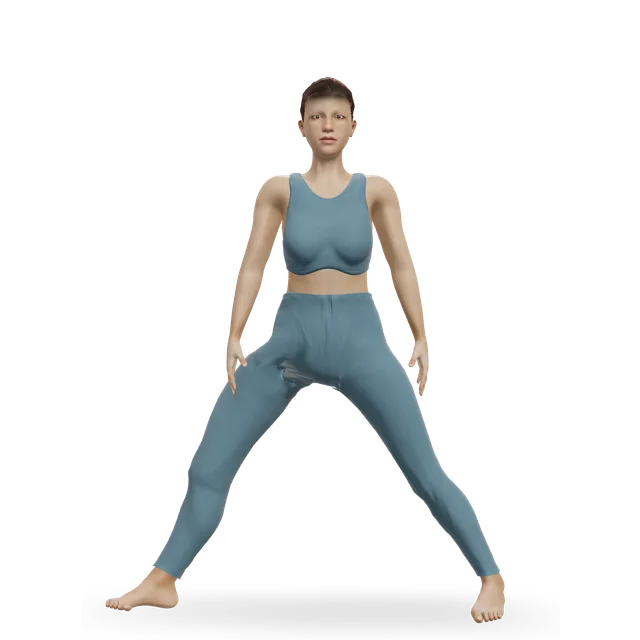
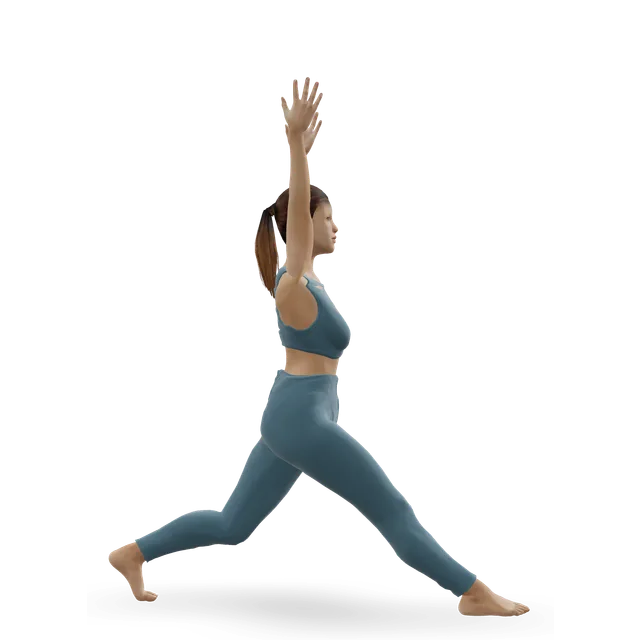
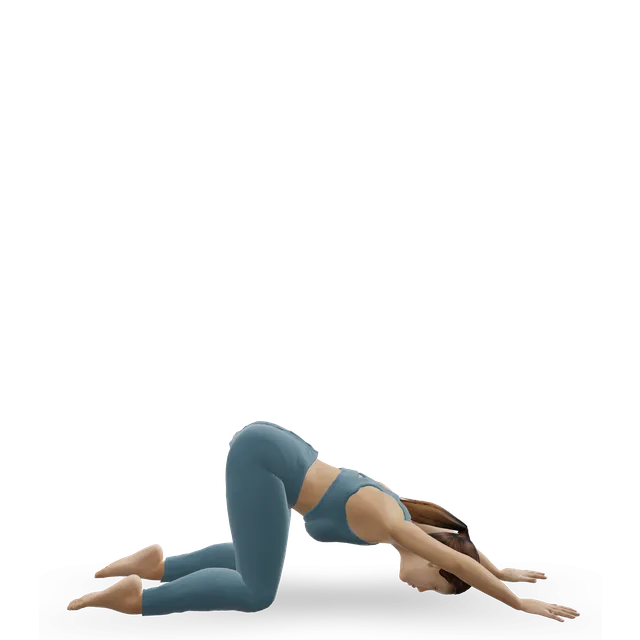
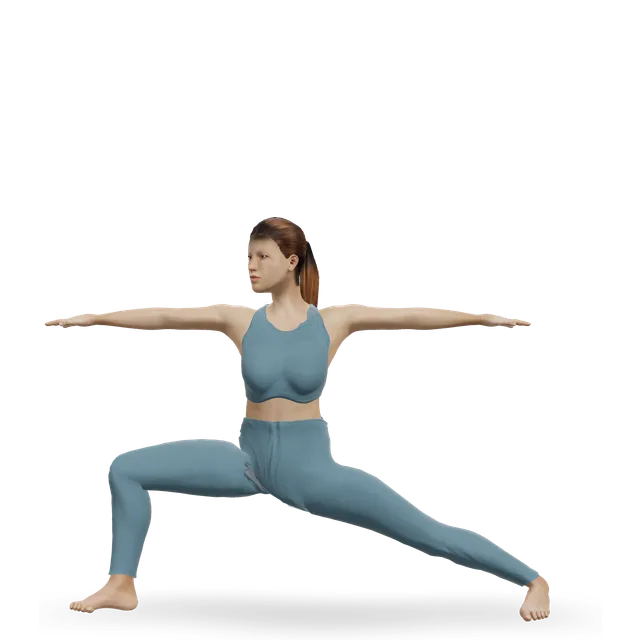
Warm-up, standing, floor, rest: the order of a beginners' class. Our starting doses: 2 minutes of slow breathing; 6 slow rounds of cat-cow; 3 to 5 breaths in each standing pose, each side; 30 to 60 seconds in child's pose; 6 to 8 slow bridges; 45 seconds each side in the twist; and 3 to 5 minutes of corpse pose (our editorial starting points).

Easier versions, if you need them

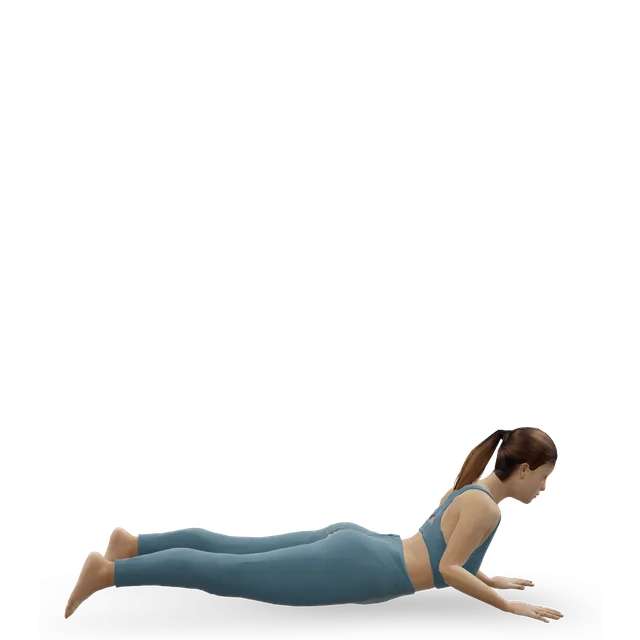
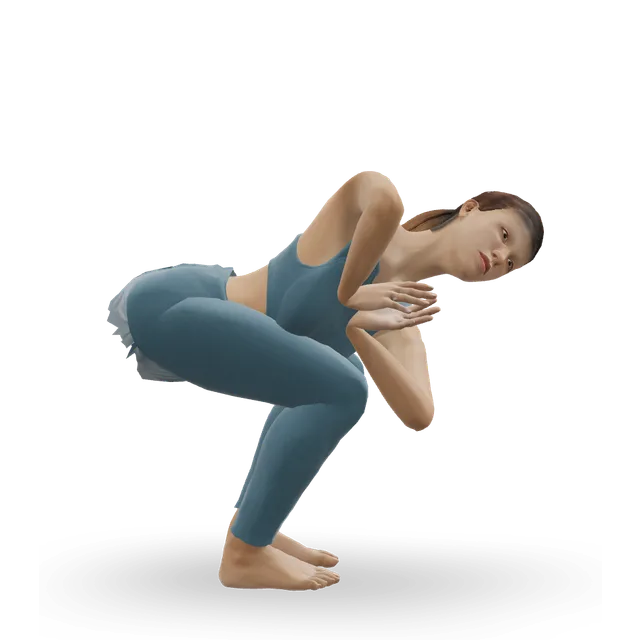
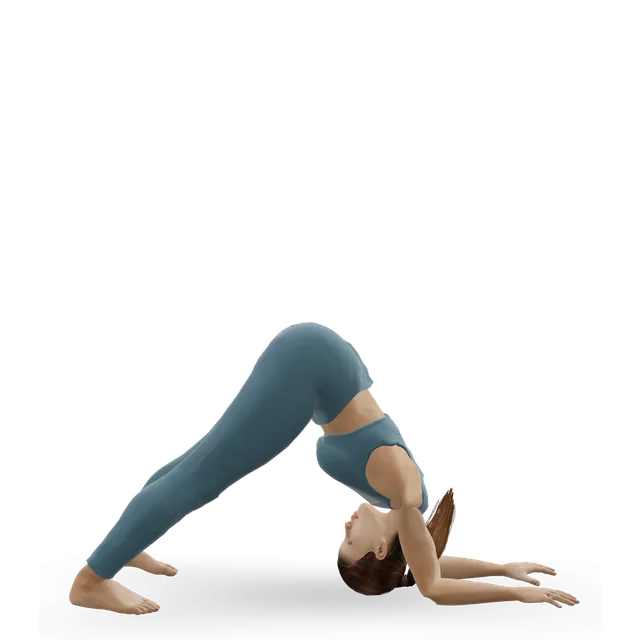
Sit on a folded blanket in easy pose and use a cushion under your hips in child's pose. Swap chair pose for the sit-to-stand from a chair, a deep forward fold for a hip hinge with your hands on your thighs, warrior I for a high lunge with your back heel lifted, low cobra for the sphinx, and downward dog for the extended puppy. In tree pose, rest your heel against your ankle with a hand on the wall.

Next steps, once these feel easy

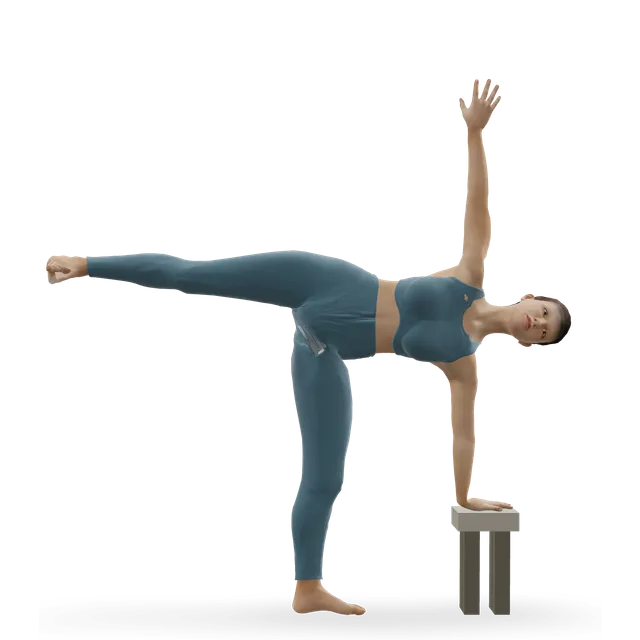
Add one at a time: cobra after low cobra, extended side angle and half moon after triangle, revolved chair after chair pose, dolphin as a downward dog that spares the wrists but works the shoulders harder, alternate nostril breathing, and sun salutation A.

Follow-along sessions

Start with the beginner yoga flow. The bedtime routine and the breathing exercises are restful extras, and the yoga and Pilates workout lets you try both.

Common mistakes

Pushing too far

Injured Australian practitioners most often blamed pushing too far, their own ego, or not warming up. Work at a stretch you can breathe through, and stop for pain, as NHS exercise videos advise.

Sources 14, 16

Trying advanced poses too soon

Headstands, shoulder stands, lotus and forceful breathing are the practices most often linked to harm, in published cases and in practitioners' own reports. NCCIH advises beginners to avoid them.

Sources 1, 12, 14

Deep rounding with osteoporosis

Case series describe spinal fractures after yoga forward bends in people with low bone density, and a UK consensus advises modifying or avoiding sustained, repeated or end-range forward bending. If you have or might have osteoporosis, fold half way with a flat back.

Sources 29, 30

Long head-down holds with glaucoma or high blood pressure

Eye pressure rises within a minute in downward dog and standing forward folds, and NCCIH lists glaucoma and severe high blood pressure among the conditions that may need changes. Keep head-down poses brief, or ask your doctor first.

Sources 31, 1

Holding your breath

Standing holds raise blood pressure and heart rate like static exercise. Keep breathing, especially if you have high blood pressure.

Source 22

Not telling the teacher

Teachers can only offer adaptations or alternative poses if they know about your health problems and injuries.

Source 6

Rushing repeated chaturangas

Flowing classes repeat the low push-up (chaturanga) many times, and repetition can lead to overuse, especially when you're tired. Lower with your knees down until you're strong.

Source 32

Skipping the final relaxation

In blood pressure trials, programmes that included breathing and relaxation did better than those without.

Source 10

Expecting change in a week or two

Most trials ran for 8 to 24 weeks. Give it at least 8 weeks of regular practice.

Sources 4, 9

How to choose a teacher

UK: the British Wheel of Yoga

The BWY is a charity, founded in 1965, and the national governing body for yoga in England and Wales. Its teacher training is regulated by Ofqual at Level 4, as a 300-hour certificate or a 500-hour diploma, and all BWY teachers are trained to at least 300 hours.

Sources 13, 33, 5

UK: Iyengar yoga

Iyengar teachers have at least 3 years of regular classes before training, a mentorship of at least 3 years, and at least 6 years of practice before their first assessment. There are over 1,200 qualified Iyengar teachers in the UK and Ireland.

Sources 34, 3

UK: other routes

The National Careers Service describes routes through college courses or private training organisations, names the BWY, Yoga Alliance Professionals and Iyengar Yoga UK, and says teachers usually need 2 to 3 years of practice with a qualified teacher first, plus insurance. Yoga Alliance Professionals is a UK not-for-profit company, separate from the US Yoga Alliance.

Sources 35, 36

US: Yoga Alliance

RYT 200 (Registered Yoga Teacher) means a 200-hour course at a Registered Yoga School, with no teaching experience required; E-RYT 200 adds 1,000 hours of teaching over at least 2 years. The US Bureau of Labor Statistics says fitness instructors can start without certification, though employers often want it.

Sources 37, 38

Yoga therapists

For a health condition, a yoga therapist adds training in adapting yoga. In the UK, the CNHC's register is accredited by the Professional Standards Authority.

Source 18

What to ask

Hours and registrations show that a teacher finished a course, not how well they teach beginners. Ask about their training, their experience with beginners and with any condition you have, whether they offer easier versions, and whether they're insured. Neither the UK nor the US careers advice describes a legal licence to teach yoga.

Sources 35, 38

Starting over 50

What yoga doesEmerging evidence

In 22 trials of adults averaging 60 or over, yoga improved balance, lower-body flexibility and leg strength against doing nothing, and leg strength and flexibility a little against other exercise; mood and sleep improved too. A review of 33 trials found gains in walking speed and leg strength against inactive control groups, but no clear advantage over other exercise.

Sources 4, 39

What it doesn't doMixed evidence

Yoga doesn't build bone, and it hasn't been shown to prevent falls. In the largest trial, 700 people aged 60 and over who did a year of Iyengar-based yoga had more falls than those doing seated relaxation: 0.87 against 0.64 falls per person per year. Keep doing strength and balance training on at least 2 days a week.

Sources 40, 15

How hard it is

A hatha class for adults around 70 stayed mostly below moderate intensity. Chair yoga rates 2.8 on the Older Adult Compendium's scale for people over 60, which uses a lower resting value than standard METs.

Sources 41, 42

InjuriesEmerging evidence

In US emergency departments, yoga injury rates in 2014 were 57.9 per 100,000 people doing yoga at 65 and over, against 11.9 at 18 to 44. Start slowly, with a class built for older adults.

Source 43

A class built for older adults

The BWY's Gentle Years Yoga course trains teachers to adapt hatha poses for older people with conditions such as osteoarthritis, high blood pressure, dementia and sight or hearing loss, and a UK trial used it. If getting down to the floor is hard, start with chair yoga: our yoga for seniors guide covers it.

Sources 5, 4

Our suggestion

Start with a gentle class, keep a wall or chair nearby for balance poses, and fold forward with a flat back instead of rounding if you have or might have osteoporosis. NHS guidelines ask adults over 65 to do activities that improve strength, balance and flexibility on at least 2 days a week, and yoga can be one of them.

Sources 29, 44

Who should check first, and when to stop

Check with a professional first

The NHS advises getting advice first if you are pregnant or have recently given birth; have a health problem, an injury or symptoms; or have recently had an operation, such as a joint replacement, or a heart attack. NCCIH adds that knee or hip injuries, lower back (lumbar spine) disease, severe high blood pressure, balance problems and glaucoma may call for changes. With osteoporosis, look for a teacher who knows how to adapt the forward bends (our suggestion), and our high blood pressure guide gives the readings at which to wait.

Sources 16, 1, 29

Stop the pose

Stop straight away if you feel any pain or become unwell. Come out of a pose for sharp or increasing pain; pain, pins and needles or numbness travelling down an arm or leg; dizziness; or a sudden headache or change in your vision. Come up slowly from forward folds.

Source 16

Call 999 (911 in the US)

For chest pain that feels tight or like squeezing, or spreads to your arms, neck or jaw; severe difficulty breathing; or signs of a stroke, such as one side of the face drooping, arm weakness or speech problems.

Sources 45, 46

Back pain with leg, bladder or bowel symptoms

Call 999 or go to A&E if back pain comes with pain, tingling, weakness or numbness in both legs, loss of feeling around your genitals or anus, or changes in your bladder or bowels. Our yoga for back pain guide has the full list.

Source 47

Myths

"I'm too old, stiff or unfit for yoga"Emerging evidence

Trials enrolled adults into their 80s, including in chair yoga, and improved balance, flexibility and leg strength.

Sources 4, 39

"No pain, no gain"

Injured practitioners most often blamed pushing too far. Stretch to a feeling you can breathe through, and stop for pain.

Sources 14, 16

"You need special kit"

Comfortable clothes will do, many teachers lend mats and props, and household things work at home.

Source 5

"It only works if you do it every day"Emerging evidence

Trials used 1 to 3 classes a week, and once a week helped back pain as much as twice. More sessions helped mood more, but any regular practice counts.

Sources 4, 7, 26

"A yoga certificate means the teacher is licensed"

Yoga Alliance registration means a 200-hour course at a registered school, with no teaching hours required. US careers advice says instructors can start without certification, and UK advice describes training routes, not a licence.

Sources 37, 38, 35

"Videos are as good as a class from day one"Mixed evidence

Online and video yoga is feasible, but learning without supervision has been linked to more risk. Learn the basics with a teacher first if you can.

Sources 2, 1

"Yoga will fix my back pain in a few weeks"Strong evidence

Against no exercise, the benefit is small and builds over about 3 months, and other back exercise does about as well.

Source 9

"You have to chant or be spiritual"

Classes vary: chanting was part of class for 43% to 68% of teachers, depending on the style. Ask before you go if it matters to you.

Source 48

Questions people ask

How do I start yoga as a complete beginner?

Find a beginners' or gentle class, in person or live online, and tell the teacher about any health problems. Learn a handful of basic poses with their easier versions, then add short sessions at home. Two sessions a week is a good start.

Can I learn yoga at home?

Yes, but it's safer to learn the basics with a teacher first, because learning on your own without supervision has been linked to more injuries. Live online classes worked well in studies, and our step-by-step workouts show each pose in 3D.

What do I need, and what should I wear?

Comfortable clothes you can move in, and bare feet. A mat helps, but teachers often lend mats and props; at home, a hardback book can be a block and a belt can be a strap.

How often should a beginner do yoga?

Trials used 1 to 3 classes a week of about an hour, and two a week is a good start. Once a week still helped back pain in one trial, and short home sessions between classes add up.

How long until I see results from yoga?

Many people feel calmer after a single session. Balance, strength and flexibility improved over 8 weeks of three classes a week in one trial, and back pain and blood pressure changed over about 3 months.

Is yoga good for beginners over 50 or 60?

Yes. In trials of older adults it improved balance, leg strength, flexibility, mood and sleep. Choose a gentle class, keep a wall nearby for balance poses and avoid deep rounding if you might have osteoporosis. Keep up strength and balance training too, because yoga hasn't been shown to prevent falls.

I'm not flexible. Can I still do yoga?

Yes. Flexibility is something yoga develops, not something you need first. Beginners do simpler versions with blocks, straps and bent knees.

Should I eat before yoga?

Many schools advise practising on an empty stomach: Iyengar Yoga UK suggests not eating for 2 hours beforehand, or 4 after a heavy meal. If that leaves you hungry, a light snack an hour before is a sensible compromise.

How do I choose a yoga teacher, and what does RYT 200 mean?

In the UK, BWY teachers train for at least 300 hours on Ofqual-regulated courses, and Iyengar teachers train for at least 6 years. In the US, RYT 200 means a 200-hour course at a school registered with Yoga Alliance, with no teaching experience required. Ask about their experience with beginners and with any condition you have, and check they are insured.

Is it OK to do yoga every day?

Yes, if you vary the effort and listen to your body; gentle and restorative sessions can be daily. Trials found benefits with 1 to 3 sessions a week, so daily practice isn't necessary.

What if a pose hurts?

Come out of it. A stretch should feel like a stretch, not sharp pain, and pain, tingling or numbness travelling down an arm or leg is a reason to stop and get advice.

Who should talk to a doctor before starting yoga?

Anyone who is pregnant or has recently given birth, or has a health problem, injury, recent operation or heart event. Also check first if you have glaucoma, severe high blood pressure, osteoporosis, balance problems or a joint replacement.


Sources

  1. NCCIH 2023 · Yoga: effectiveness and safety (US National Center for Complementary and Integrative Health)
  2. Brosnan 2021 · Online hatha yoga: acceptability and feasibility in 8 studies (systematic review, Complement Ther Med)
  3. Iyengar Yoga (UK) · About Iyengar yoga
  4. Sivaramakrishnan 2019 · Yoga and physical function in older adults: 22 trials (systematic review and meta-analysis, Int J Behav Nutr Phys Act)
  5. British Wheel of Yoga · Finding your yoga
  6. Iyengar Yoga (UK) · Frequently asked questions
  7. Saper 2013 · Once- or twice-weekly yoga classes for chronic low back pain (dosing RCT of 95 adults, Evid Based Complement Alternat Med)
  8. Gothe 2016 · Yoga compared with stretching and strengthening for functional fitness in 118 older adults (RCT, J Gerontol A Biol Sci Med Sci)
  9. Wieland 2022 · Yoga for chronic non-specific low back pain: 21 trials (Cochrane review)
  10. Wu 2019 · Yoga as a lifestyle treatment for high blood pressure: 49 trials (systematic review and meta-analysis, Mayo Clin Proc)
  11. Somere 2024 · Yin yoga and anxiety during the COVID-19 pandemic (trial, Front Psychiatry)
  12. Cramer 2013 · Adverse events associated with yoga: 76 published cases (systematic review of case reports and case series, PLoS One)
  13. British Wheel of Yoga · About us
  14. Penman 2012 · Yoga in Australia: a national survey of 2,567 practitioners (survey, Int J Yoga)
  15. Oliveira 2025 · Iyengar yoga-based exercise or seated relaxation, and falls in 700 people aged 60 and over: the SAGE trial (RCT, Lancet Healthy Longev)
  16. NHS · Vinyasa flow yoga video, with its exercise safety advice
  17. NHS · Prenatal and postnatal yoga video
  18. Complementary and Natural Healthcare Council · Who we register: yoga therapy
  19. Ross 2012 · How often people practise yoga, and their health: a national survey of practitioners (survey, Evid Based Complement Alternat Med)
  20. NHS · Exercise in pregnancy
  21. Compendium of Physical Activities 2024 · Conditioning exercise table, including yoga (codes shown in red are estimates)
  22. Miles 2013 · Blood pressure and heart rate responses to yoga postures (lab study of 37 practitioners, Altern Ther Health Med)
  23. Tilbrook 2011 · Yoga for chronic low back pain in 313 UK adults (RCT, Ann Intern Med)
  24. Sherman 2011 · Yoga, stretching or a self-care book for chronic low back pain (RCT of 228 adults, Arch Intern Med)
  25. Saper 2017 · Yoga, physical therapy or education for chronic low back pain (non-inferiority RCT of 320 adults, Ann Intern Med)
  26. Brinsley 2021 · Yoga and depressive symptoms in people with mental disorders (systematic review and meta-analysis, BJSM)
  27. Thrower 2023 · Blood pressure after a vinyasa yoga class compared with sitting (randomised crossover trial, PLoS One)
  28. Daukantaitė 2018 · Five weeks of yin yoga in 105 stressed adults (RCT, PLoS One)
  29. Brooke-Wavell 2022 · Strong, steady and straight: UK consensus on physical activity and exercise for osteoporosis (BJSM)
  30. Sfeir 2018 · Spinal compression fractures associated with yoga in 9 people (case series, Eur J Phys Rehabil Med)
  31. Jasien 2015 · Eye pressure in people with and without glaucoma during four common yoga positions (lab study of 20 people, PLoS One)
  32. Ezrin · To B or not to B: the pros and cons of sun salutation B (Yoga International)
  33. British Wheel of Yoga · Teacher training
  34. Iyengar Yoga (UK) · Training to teach
  35. National Careers Service · Yoga teacher (job profile)
  36. Yoga Alliance Professionals · About us
  37. Yoga Alliance · Standards for Registered Yoga Teachers (RYT credentials)
  38. US Bureau of Labor Statistics 2026 · Occupational Outlook Handbook: fitness trainers and instructors
  39. Loewenthal 2023 · Yoga and frailty in older adults: 33 trials (systematic review, Ann Intern Med)
  40. Fernández-Rodríguez 2021 · Pilates and yoga for bone density in adult women (systematic review and meta-analysis, PLoS One)
  41. Grabara 2025 · Intensity of hatha yoga classes for older adults (study of 26 adults, Sci Rep)
  42. Willis 2024 · Older Adult Compendium of Physical Activities: energy costs in adults aged 60 and over (J Sport Health Sci)
  43. Swain 2016 · Yoga-related injuries in the United States, 2001 to 2014 (emergency department data, Orthop J Sports Med)
  44. NHS · Physical activity guidelines for older adults
  45. NHS · Heart attack: symptoms
  46. NHS · Stroke: symptoms
  47. NHS · Back pain
  48. Mandlik 2023 · Not all yoga styles are the same: an international survey of 968 yoga teachers (survey, J Integr Complement Med)

Exercise education, not a personal prescription, and clinical review of these guides is pending. If you are pregnant, have a health condition such as glaucoma, high blood pressure or osteoporosis, or have had recent surgery, check with a doctor, midwife or physiotherapist before starting, and stop for sharp or increasing pain. Health disclaimer.