Better than not exercising, by a small amountStrong evidence
Against a waiting list, usual care or education, yoga improved function by 1.69 points on the 24-point Roland-Morris scale (low certainty) and pain by 4.53 points out of 100 (moderate certainty) at 3 months, in the Cochrane review. Both are below the differences the review counted as clinically important, 5 and 15 points. A 2022 review of 27 studies found similar small gains that mostly lasted, and an overview of 13 reviews rated most of the evidence low or very low in quality.
For scale, exercise of any kind eased chronic back pain by about 15 points out of 100 in another Cochrane review. The two come from different sets of trials, so read yoga's effect as small and no larger than other exercise, not as worse. NCCIH sums it up as a slight benefit that may not matter much to patients.
Sources 1, 19, 20, 21, 18
About the same as other back exerciseStrong evidence
Against back-focused exercise such as physiotherapy (8 trials, 912 people), function was about the same at 3 months (moderate certainty). A 2026 review of 7 trials found no clear difference for pain or disability. In 228 adults, 12 weekly yoga classes did no better than 12 weekly stretching classes. In 320 adults, 12 weekly classes were as good as 15 one-to-one physiotherapy sessions for function and pain, and 48% of the yoga group improved their function by at least 30%, against 23% with an education book.
Sources 1, 22, 2, 3
Rankings put Pilates a little higher, at low certaintyMixed evidence
Network meta-analyses compare many types of exercise at once, partly through indirect comparisons. In one of 89 studies, Pilates ranked first for pain, while yoga's effect on pain wasn't statistically clear; both improved function by similar amounts. Two analyses of mind-body exercise also placed Pilates above yoga, and two large analyses of all exercise types put Pilates among the most effective, while two others placed tai chi or qigong first.
A ranking is the chance of coming top, not the size of the benefit, each analysis includes only a few yoga trials, and the certainty is low or very low. Across 70 reviews, Pilates, motor control exercise, tai chi, water exercise and yoga all gave small benefits, mainly in the short term. Our Pilates vs yoga guide compares the two in detail.
Sources 23, 24, 25, 26, 27, 28, 29, 30
Guidelines recommend exercise, not yoga in particularStrong evidence
NICE: "Consider a group exercise programme (biomechanical, aerobic, mind-body or a combination of approaches)", and its evidence review counts yoga and tai chi as mind-body exercise. The WHO: a structured exercise programme "may be offered" (a conditional recommendation, from low-certainty evidence), and it found no exercise type clearly better than another. The American College of Physicians lists yoga among the first treatments to try for chronic back pain, and US physiotherapy guidance says to use active treatments such as yoga, stretching, Pilates and strength training rather than education alone.
The NHS says activities like walking, swimming, yoga and Pilates may help ease back pain. No guideline puts yoga above other exercise.
Sources 4, 5, 6, 7, 8, 13, 31
Gains lasted 6 to 12 monthsEmerging evidence
Back function was still better than with a self-care book at 26 weeks in one US trial. In the UK trial of 313 adults, it was better than usual care at 3, 6 and 12 months, by about 1.5 to 2.2 points on the Roland-Morris scale. In the 320-adult trial, gains held at a year whether people carried on with drop-in classes or practised at home.
Sources 2, 3, 15
New back pain: no yoga trialsEmerging evidence
The yoga trials all studied back pain that had lasted 3 months or more. For new back pain, exercise of any kind made little or no difference compared with other care, across 24 reviews. The NHS advice is to stay active and carry on with your daily activities, and it notes that back pain often improves on its own within a few weeks.
Sources 1, 32, 13
Side effects: mostly a short rise in back painEmerging evidence
In back pain trials, about 43 in 1,000 people had a side effect with yoga, against 9 in 1,000 who didn't exercise (low certainty), mostly more back pain, and about as many as with other exercise. Across 94 trials of yoga for any condition (8,430 people), side effects were no more common than with usual care or other exercise. Outside trials, most yoga injuries are sprains and strains.
Sources 1, 33, 34, 35
Injuries come mostly from extreme posesMixed evidence
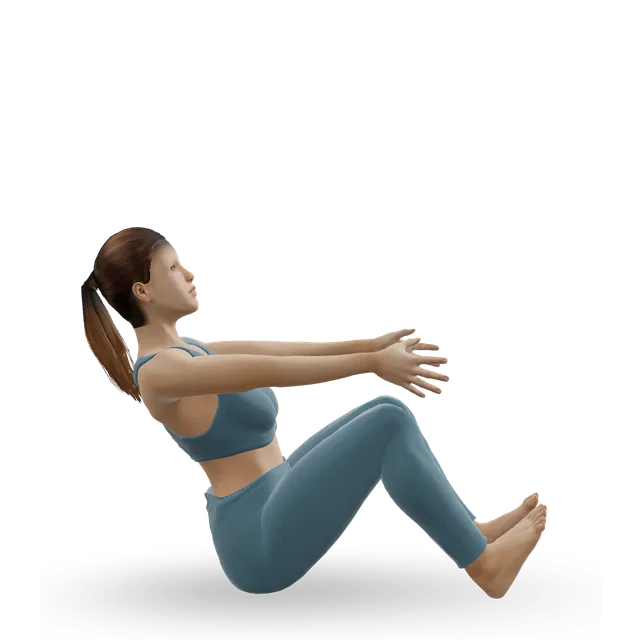
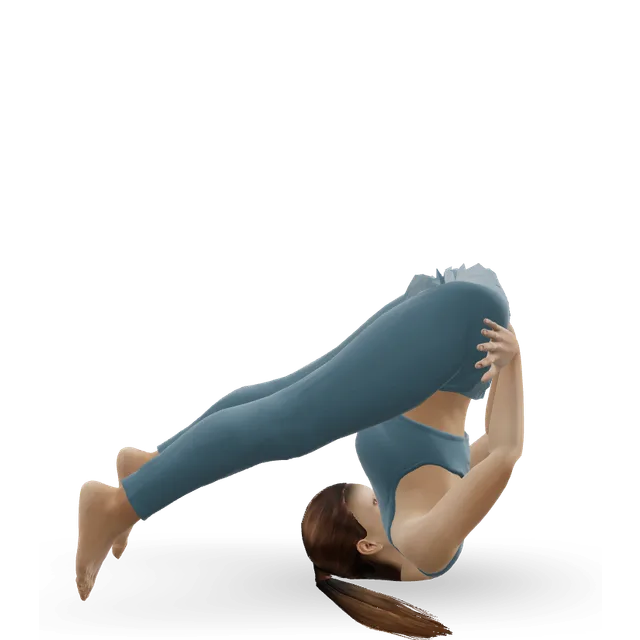
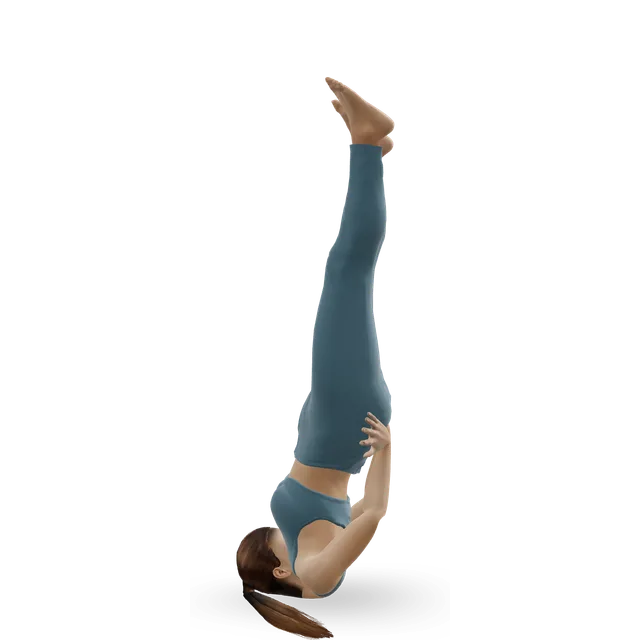
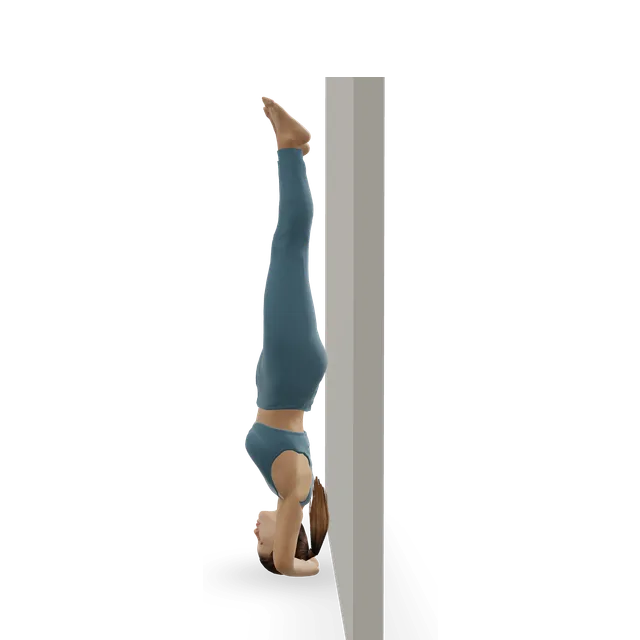
In 89 people seen at a spine clinic for injuries caused by yoga, the poses most often involved bent or arched the spine to its extremes. A review of 76 case reports found headstands, shoulder stands, the lotus position and forceful breathing named most often, and US health advice is that beginners should avoid them. These are case reports: they show what can go wrong, not how often.
Sources 36, 37, 18