Camel pose (Ustrasana)
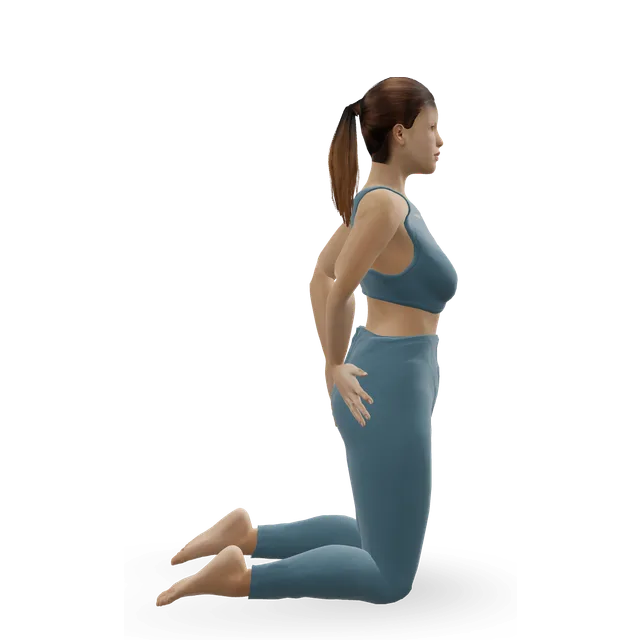
Kneeling upright with the palms on the back of the pelvis, the hips press forward as the chest lifts and the upper back bends back: a kneeling backbend that Yoga Journal prepares for with cobra and upward-facing dog.
Backbend family
Camel pose (Ustrasana)
Loading the 3D figure…
Source-researched guide.
How to move
- Kneel with the knees hip-width apart and the hips over the knees, the palms on the back of the pelvis, fingers down.
- Press the hips forward and lift the chest, bending back through the upper back, the head following last.
- Hold, then come up leading with the chest, the hands still on the pelvis.
Form cues
- Keep the hands on the pelvis (half camel) until reaching the heels is comfortable.
- Keep the hips over the knees.
Practice and cautions
No universal dose is assigned. Choose a manageable amount for your current capacity, leave room for controlled repetitions, and allow recovery. A clinician’s individual plan takes priority.
Feeling dizzy or oddly emotional on the way out is common, so come up slowly. Avoid with neck injury or unassessed low back pain, and do not drop your head back if your neck complains. In pregnancy, keep the backbend small and support your lower back with your hands. With vertigo or BPPV, head-down positions, lying back quickly and tipping your head back can bring on a spin: move into and out of them slowly, sit up slowly, and leave them out during a bad spell. This is movement education, not an assessment or treatment prescription. Stop for sharp or increasing pain, dizziness, numbness or tingling; seek individual guidance for symptoms, injury or restrictions.
Sources and review status
Sources support the educational description; they do not establish that this exercise is suitable for you.
- Yoga Journal · Camel pose (cobra and upward-facing dog among its preparatory poses) ↗
- Yoga Journal · Same shape, different poses: bridge, camel and bow (start with bridge, then camel and bow) ↗
- Wikipedia · Ustrasana (half camel, the hands on the hips, the easier form) ↗
No variation is labeled clinically validated.
What it works
Muscles
Main: Back, Hip flexors. Also: Quads, Chest, Abs.
Anatomy: Latissimus dorsi, Teres major, Trapezius, Rhomboids, Erector spinae, Multifidus.
Equipment
None: body weight and floor space.
Level
Intermediate. See the easier and harder options above.
Workouts that use it
Pain guides that use it
Part of a staged plan, with when to get help first.
Guides that use it
- Yoga for back pain guide
- Yoga in pregnancy guide
- Yoga for flexibility guide
- Hot yoga guide
- Yoga for neck pain guide
- Yoga for knee pain guide
- Yoga for headaches and migraine guide
- Yoga for kids guide
Show all 54 guidesShow fewer guides
- Yoga for sciatica guide
- Yoga for scoliosis guide
- Yoga for shoulder pain guide
- Yoga for arthritis guide
- Yoga for menopause guide
- Yoga for period pain guide
- Yoga for thyroid problems guide
- Yoga for posture guide
- Yoga for depression guide
- Yoga for upper back pain guide
- Yoga for endometriosis guide
- Yoga for stroke recovery guide
- Yoga for height guide
- Yoga for glowing skin guide
- Yoga for kyphosis guide
- Yoga for a herniated disc guide
- Yoga for spinal stenosis guide
- Yoga after a knee replacement guide
- Yoga for surfers guide
- Yoga for baseball players guide
- Yoga for spondylolisthesis guide
- Yoga for degenerative disc disease guide
- Yoga for cervical spondylosis guide
- Yoga for whiplash guide
- Yoga for hip flexors guide
- Yoga for shoulder impingement guide
- Yoga for a hernia guide
- Yoga for bipolar disorder guide
- Yoga for horse riders guide
- Yoga for cricketers guide
- Yoga for hockey players guide
- Yoga for figure skaters guide
- Yoga for gymnasts guide
- Yoga for CrossFit guide
- Yoga for wrestlers guide
- Yoga for sprinters guide
- Yoga after spinal fusion guide
- Yoga after ACL surgery guide
- Yoga for teens guide
- Yoga for knee arthritis guide
- Yoga for diastasis recti guide
- Yoga for anterior pelvic tilt guide
- Yoga for rounded shoulders guide
- Yoga for chronic pain guide
- Yoga for opening the chest guide
- Back bridge guide
Similar moves
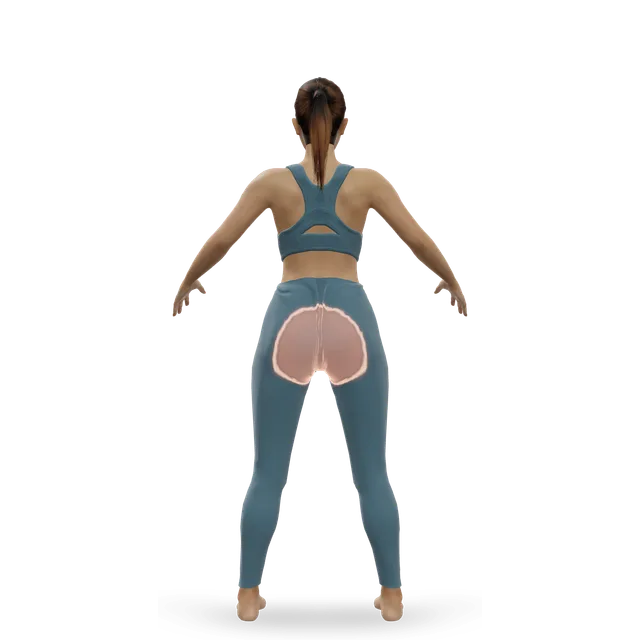 One-legged king pigeon (Eka Pada Rajakapotasana, full)Expert · No equipment
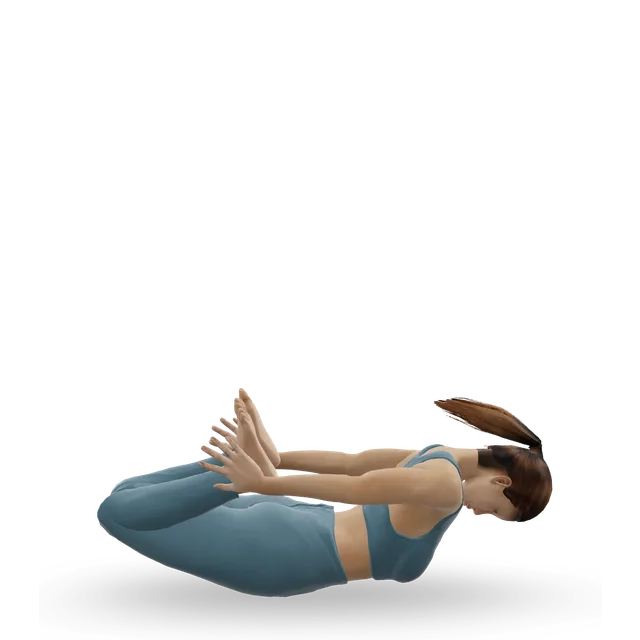 3D demoBow pose (Dhanurasana)Intermediate · No equipment
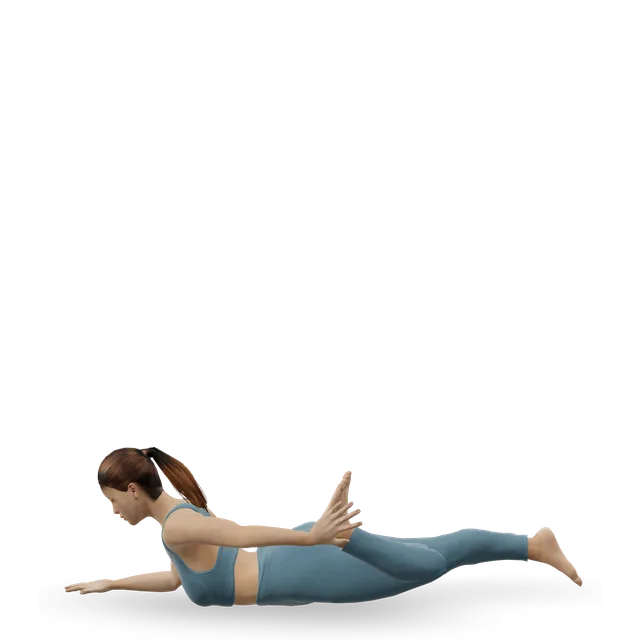 3D demoHalf frog pose (Ardha Bhekasana)Intermediate · No equipment
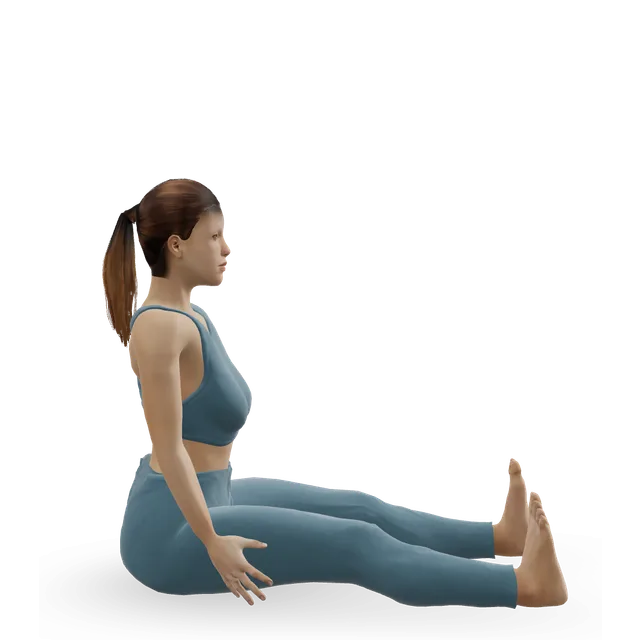 3D demoStaff pose (Dandasana)Beginner · No equipment
 3D demoSupported bridge pose (Setu Bandha Sarvangasana)Beginner · Firm cushion
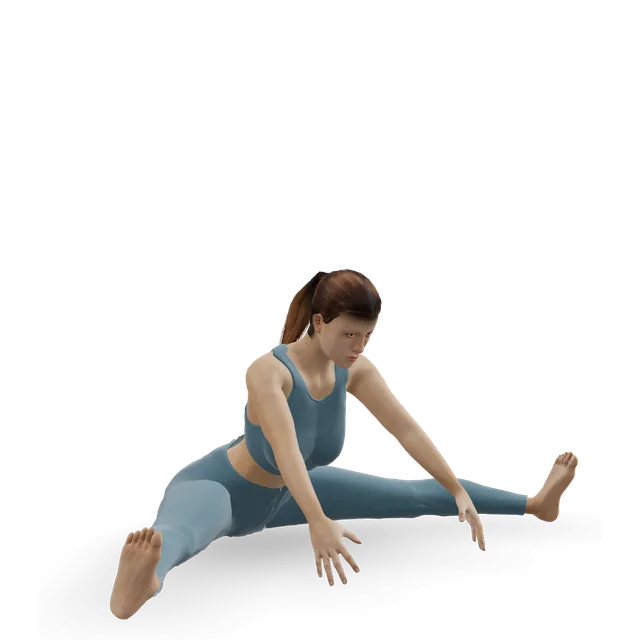 3D demoActive pancake lift-offAdvanced · No equipment
Browse more
Questions people ask
What muscles does the Camel pose (Ustrasana) work?
Mainly the back and hip flexors, with help from the quads, chest and abs.
What equipment do I need for the Camel pose (Ustrasana)?
No equipment: your body weight and a little floor space.
Is the Camel pose (Ustrasana) good for beginners?
It is graded intermediate. If it is too hard right now, start with the Cobra pose (Bhujangasana).
What is an easier alternative to the Camel pose (Ustrasana)?
Try the Cobra pose (Bhujangasana) or the Sphinx pose (Salamba Bhujangasana). Both are written steps in the same progression.
How do I make the Camel pose (Ustrasana) harder?
Progress to the Wheel pose (Urdhva Dhanurasana). Follow that guide’s technique and any stated timing.