Supported bridge pose (Setu Bandha Sarvangasana)
Lying on your back with your knees bent, you lift your hips, slide a yoga block or firm cushion under the flat bone at the base of your spine, then rest your weight on it. Unlike the active glute bridge, nothing has to work, so you can stay for minutes while the front of the hips and the chest open. It was one of five restorative poses in a small trial in which night-shift nurses' stress scores fell.
Movement guide
Supported bridge pose (Setu Bandha Sarvangasana)
Loading the 3D figure…
Make it easier or harder
Choose a version that fits your control and comfort.
Easier option
Choose a comfortable position and breathe without forcing it. Longer breath holds are not a harder tier. NHS comfortable, unforced breathing
This move
 3D demoSupported bridge pose (Setu Bandha Sarvangasana)Beginner · Firm cushion
Beginner grade.
Harder option
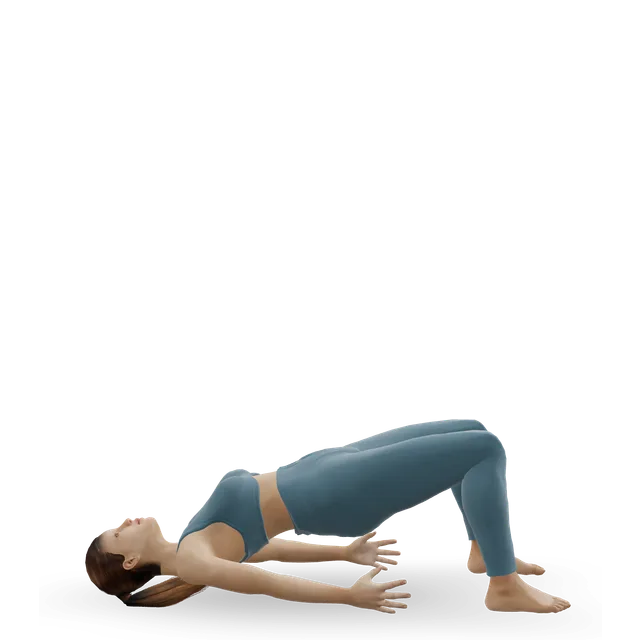 3D demoGlute bridgeBeginner · No equipment
Suggested next step, beginner grade.
Source-researched guide.
How to move
- Lie on your back with your knees bent, feet flat and hip-width apart, and a block or firm cushion beside you.
- Press through your feet to lift your hips, and slide the block under your sacrum, the flat bony area at the back of the pelvis, starting on its lowest or middle height.
- Lower your weight onto the block and rest your arms out to the sides, palms up, keeping the natural curve in the back of your neck.
- Breathe slowly through your nose and stay. For more stretch at the front of the hips, slide your feet further away.
- To come out, lift your hips, slide the block away and lower your back slowly to the floor.
Form cues
- Put the block under the bony back of the pelvis, not the soft low back above it.
- Choose a height you trust, so your hips can let go.
- Avoid: pressing the back of your neck into the floor.
Practice and cautions
Rest 3 to 5 minutes on the block, the time Yoga Journal suggests, breathing slowly through your nose.
If your low back pinches, lower the block or move it further down onto the sacrum. If lying flat leaves you dizzy or breathless, which is common in later pregnancy, prop your torso up or skip it. This is movement education, not an assessment or treatment prescription. Stop for sharp or increasing pain, dizziness, numbness or tingling; seek individual guidance for symptoms, injury or restrictions.
Sources and review status
Sources support the educational description; they do not establish that this exercise is suitable for you.
- Yoga Journal · Two supported bridges (a block under the bony back of the pelvis, on its low, middle or high setting, for 3 to 5 minutes) ↗
- Yoga Journal · Bridge pose (the supported version: a block under the sacrum; keep the natural curve of the neck) ↗
- Miyoshi 2019 · Five restorative poses, supported bound angle and supported bridge among them, lowered stress scores in night-shift nurses (randomised crossover trial of 20, J Occup Health) ↗
No variation is labeled clinically validated.
What it works
Equipment
Firm cushion
Level
Beginner. See the easier and harder options above.
Workouts that use it
- Yoga for hip flexors: a 25-minute stretch-and-strengthen class for the front of the hip · 25 min
- After-shift yoga for nurses: a 20-minute restorative class for tired legs, a gentle lower back and winding down for sleep · 20 min
- Yoga for opening the chest: a 25-minute class for the chest, shoulders and upper back · 25 min
Pain guides that use it
Part of a staged plan, with when to get help first.
Guides that use it
- Restorative yoga guide
- Yoga for depression guide
- Yoga for hip flexors guide
- Yoga for a hip labral tear guide
- Yoga for ovarian cysts guide
- Yoga for nurses guide
- Yoga for anterior pelvic tilt guide
- Yoga for insomnia guide
Show all 11 guidesShow fewer guides
Similar moves
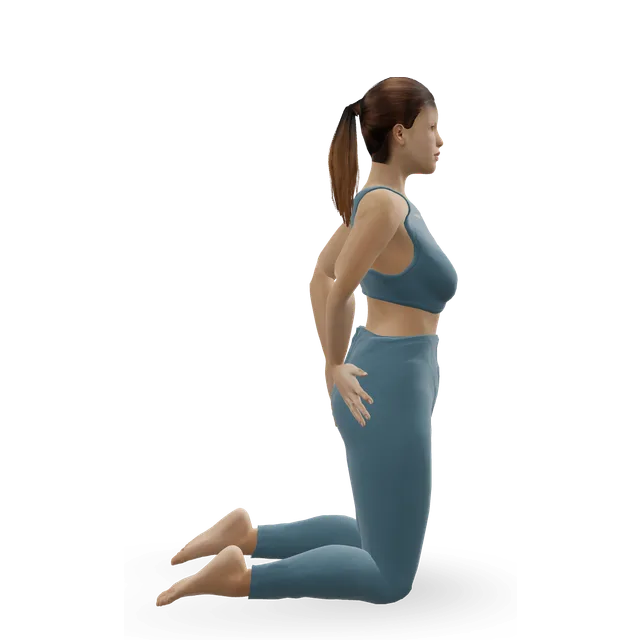 3D demoCamel pose (Ustrasana)Intermediate · No equipment
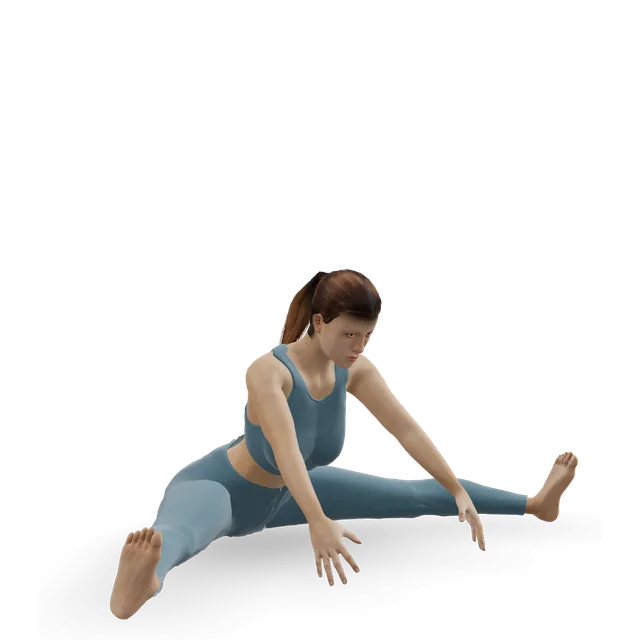 3D demoActive pancake lift-offAdvanced · No equipment
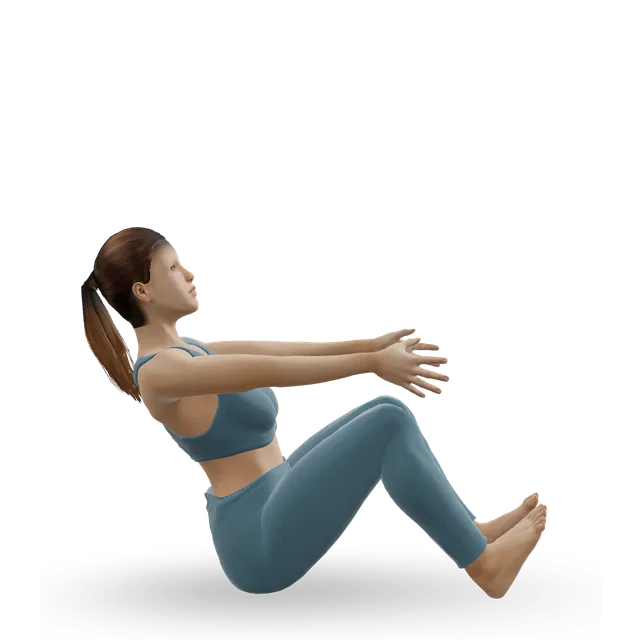 3D demoBoat pose (Navasana)Intermediate · No equipment
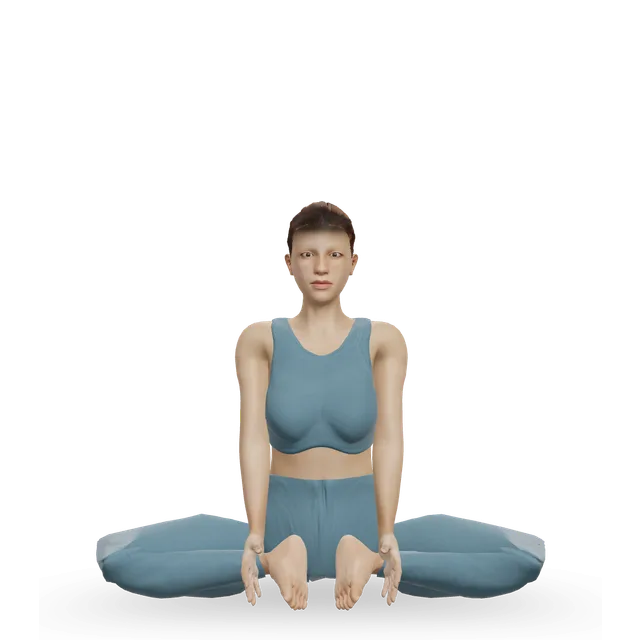 3D demoBound angle pose (Baddha Konasana)Beginner · No equipment
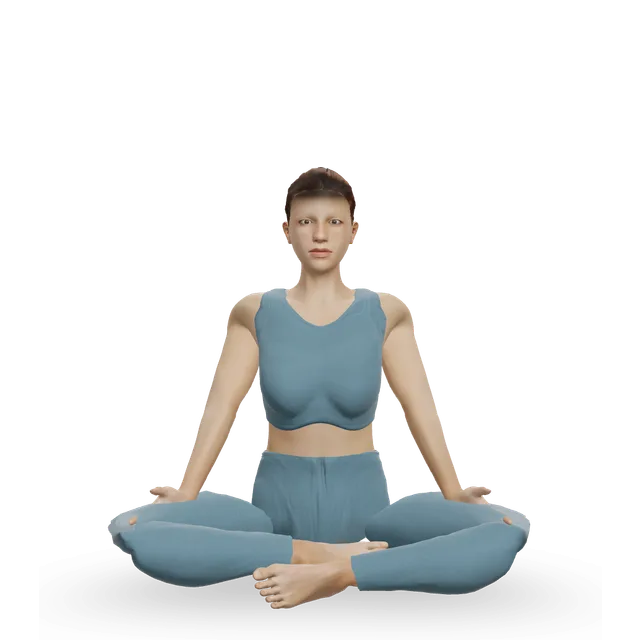 3D demoEasy pose (Sukhasana)Beginner · No equipment
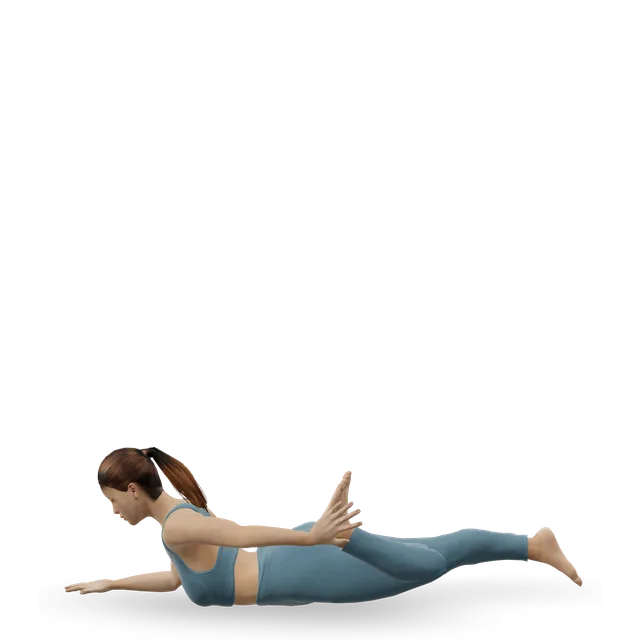 3D demoHalf frog pose (Ardha Bhekasana)Intermediate · No equipment
Browse more
Questions people ask
What muscles does the Supported bridge pose (Setu Bandha Sarvangasana) work?
Mainly the hip flexors, with help from the chest and abs.
What equipment do I need for the Supported bridge pose (Setu Bandha Sarvangasana)?
Firm cushion.
Is the Supported bridge pose (Setu Bandha Sarvangasana) good for beginners?
It is graded beginner, so it suits most people starting out. When it feels easy, try the Glute bridge.
How do I make the Supported bridge pose (Setu Bandha Sarvangasana) harder?
Progress to the Glute bridge or the Wheel pose (Urdhva Dhanurasana). Follow that guide’s technique and any stated timing.